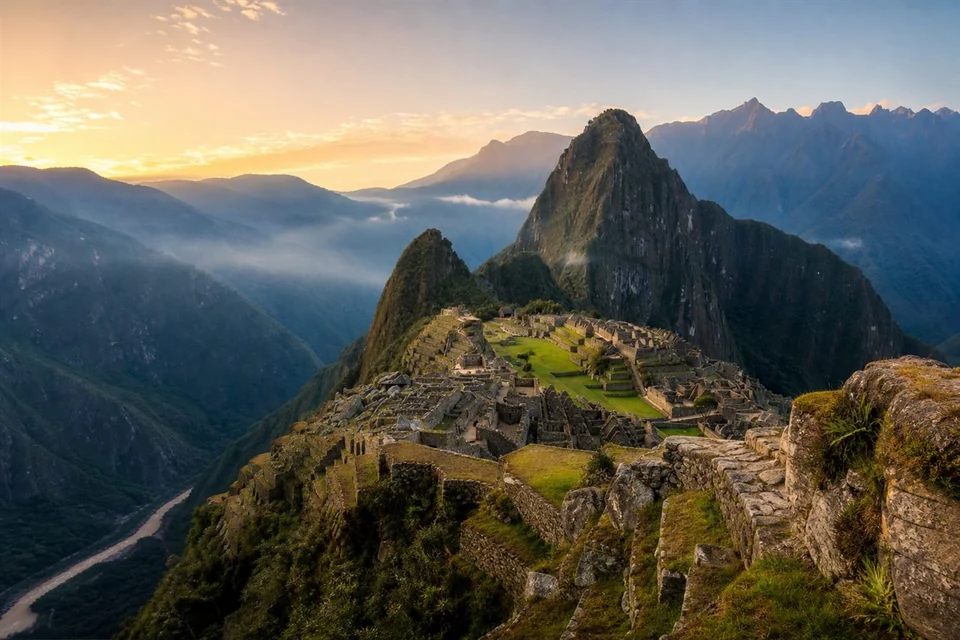



Machu Picchu is a 15th-century Inca site on a ridge about 2,430 meters above sea level, roughly 80 kilometers northwest of Cusco in Peru. Most archaeologists agree it was built as a royal estate for the emperor Pachacuti, occupied for about a century and then quietly abandoned around the time of the Spanish conquest.
This is the history behind the stones: who built the citadel, what it was used for, why the Inca left and how a Yale lecturer made it world-famous in 1911. If you are planning a trip and need tickets, trains and circuits, read our practical Machu Picchu travel guide alongside this one.
Who Built Machu Picchu and When?
Machu Picchu was built by the Inca, whose empire, Tawantinsuyu, grew from the Cusco region into the largest state in the pre-Columbian Americas during the 15th century. The site is closely linked to Pachacuti (Pachacutec Inca Yupanqui), the ruler credited with turning a regional kingdom into an empire. Colonial-era land documents studied by historians describe the area as part of his personal estate.
For decades the textbook date for construction was around 1450, based on Spanish chronicles that placed Pachacuti’s rise to power in 1438. In 2021, a team led by Yale archaeologist Richard Burger published radiocarbon dates from human remains excavated at the site in 1912. The results, reported in the journal Antiquity, show Machu Picchu was occupied from at least about 1420 until around 1530, which suggests both the site and Pachacuti’s reign began earlier than the chronicles claimed.
What Was Machu Picchu Used For?
Machu Picchu was not a city in the modern sense, and it was never a capital. The current consensus is that it served as a royal estate: a country palace where the emperor, his family and guests could stay, worship and host ceremonies, supported by a resident staff of servants, craftspeople and farmers. Estimates of its population usually run to several hundred people rather than thousands.
Religion was central to the design. Sacred rocks, shrines and carefully framed views of surrounding peaks tie the architecture to the mountains the Inca venerated. Earlier theories, including the idea that it was a convent for “chosen women” or the last refuge of the Inca, have largely been set aside, although scholars still debate how often the emperor actually used it.
- Royal retreat: the estate of Pachacuti and his lineage, used seasonally rather than year-round.
- Religious center: temples, shrines and carved outcrops linked to the sun and the sacred mountains.
- Astronomical markers: some windows and stones appear to track the solstices, part of a ritual calendar.
- Working farm: terraces grew crops, while the bulk of food probably also came from the valleys below.
Inca Engineering: How the Citadel Was Built
The builders used local granite quarried on the ridge itself. The finest temples and royal buildings are made of ashlar masonry: blocks cut and ground so precisely that they fit together without mortar. More ordinary buildings use rougher fieldstone set in clay. The dry-fitted walls, with slightly inward-leaning faces and trapezoidal doors and windows, are thought to help the buildings ride out the region’s frequent earthquakes.
Much of the engineering is invisible. A large share of the construction effort went underground into foundations, fill and drainage, because the ridge receives heavy rainfall. Terraces were layered with stone, gravel and soil so water drains through rather than washing slopes away, and a canal carried spring water to a chain of stone fountains. This hidden work is a big reason the site survived centuries of neglect in a wet, steep environment.
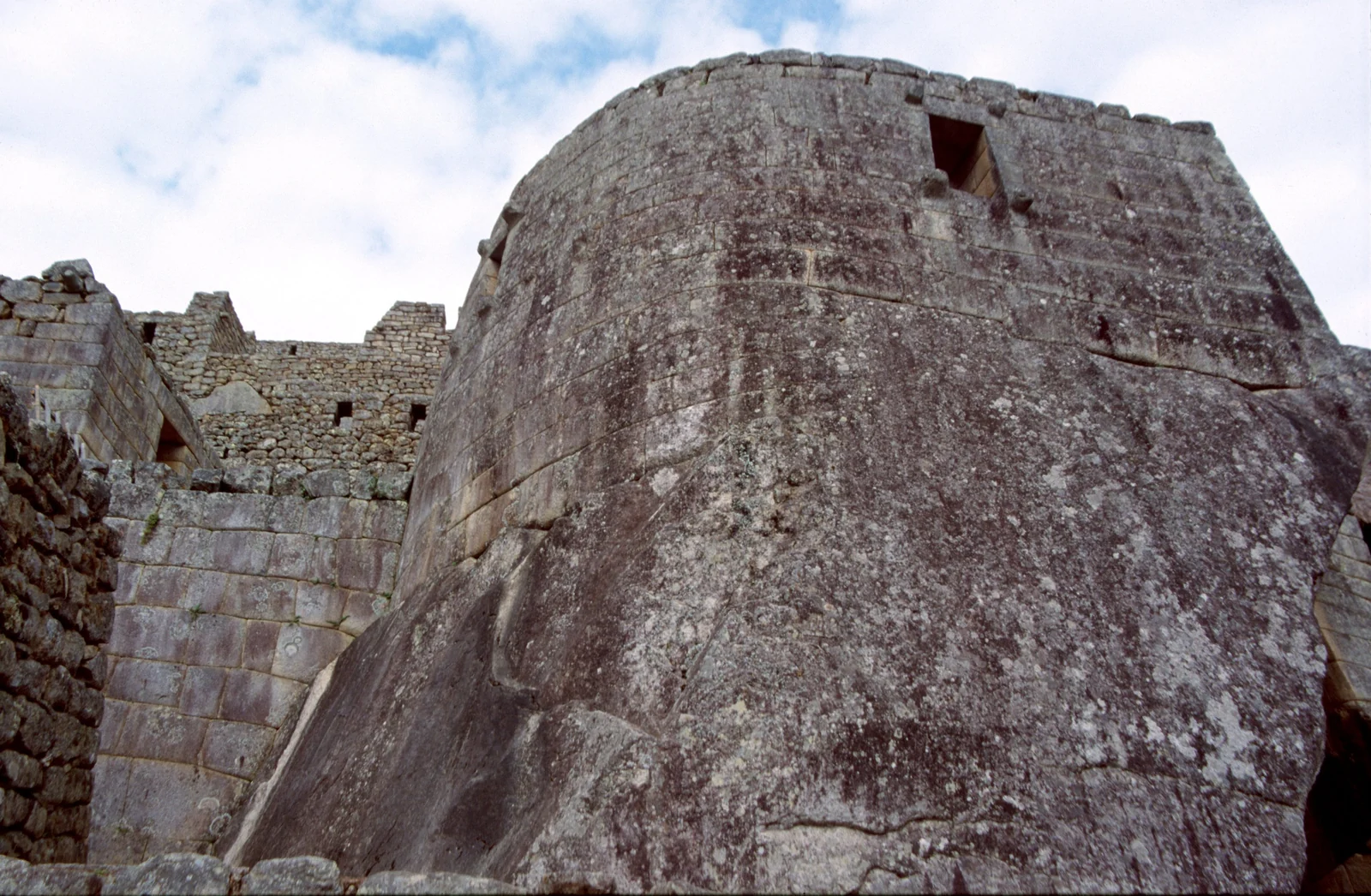
Key Structures and What They Meant
The site has around 200 structures arranged on terraced levels, divided broadly into an agricultural sector and an urban sector with religious, royal and residential areas. A few buildings carry most of the story.
Temple of the Sun (Torreón)
This semicircular tower wraps around a large natural rock. One of its windows is aligned so that sunlight falls across the carved stone inside around the June solstice, the most important moment of the Inca solar year. Beneath it lies a cave, often called the Royal Tomb, lined with fine stonework and niches, although no royal burial has been found there.
Temple of the Three Windows
Facing the Sacred Plaza, this hall is built from massive polygonal blocks with three trapezoidal windows looking east over the valley. Nearby stands the Principal Temple, whose walls have shifted as the ground beneath settled, a reminder that even Inca builders were fighting the mountain.
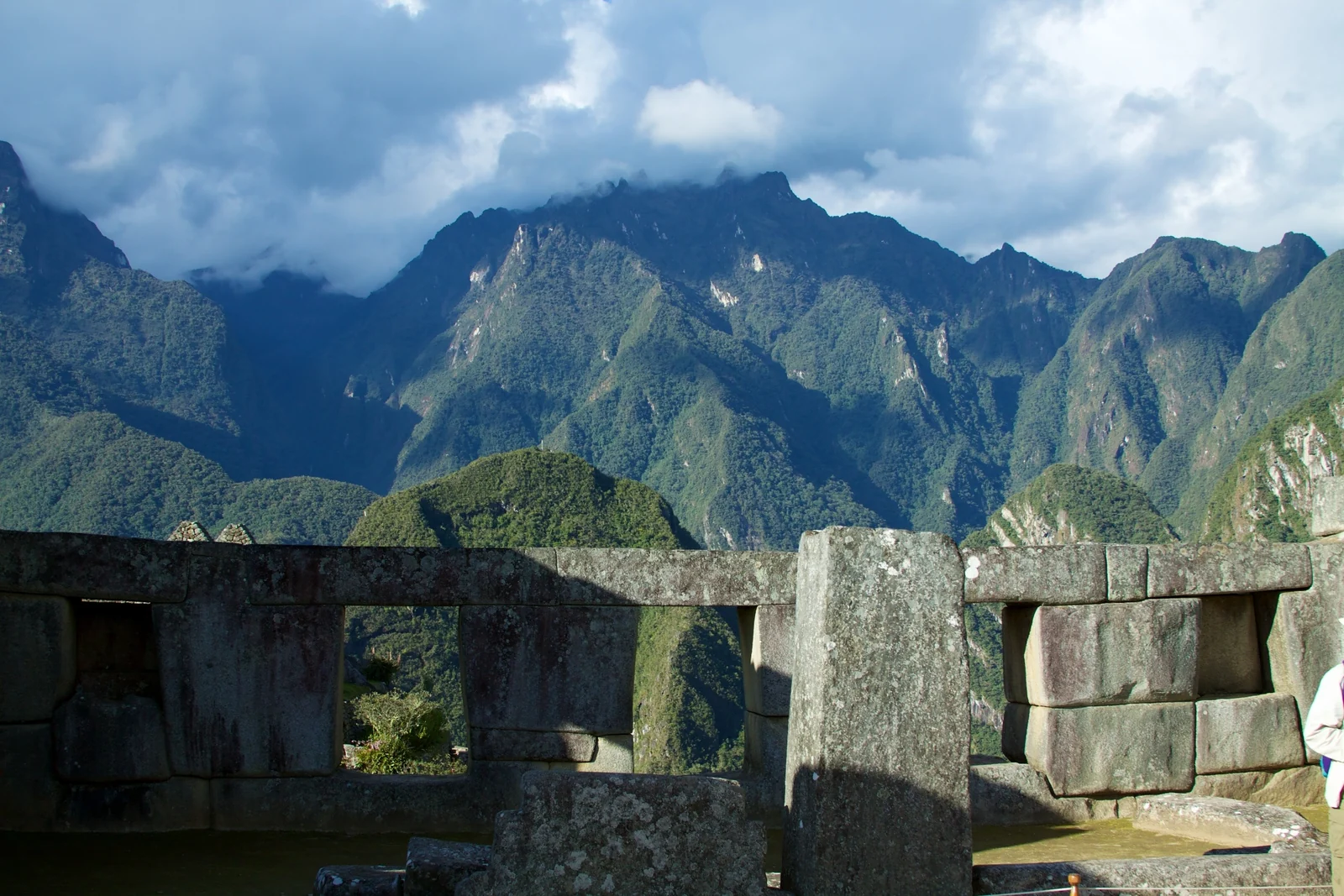
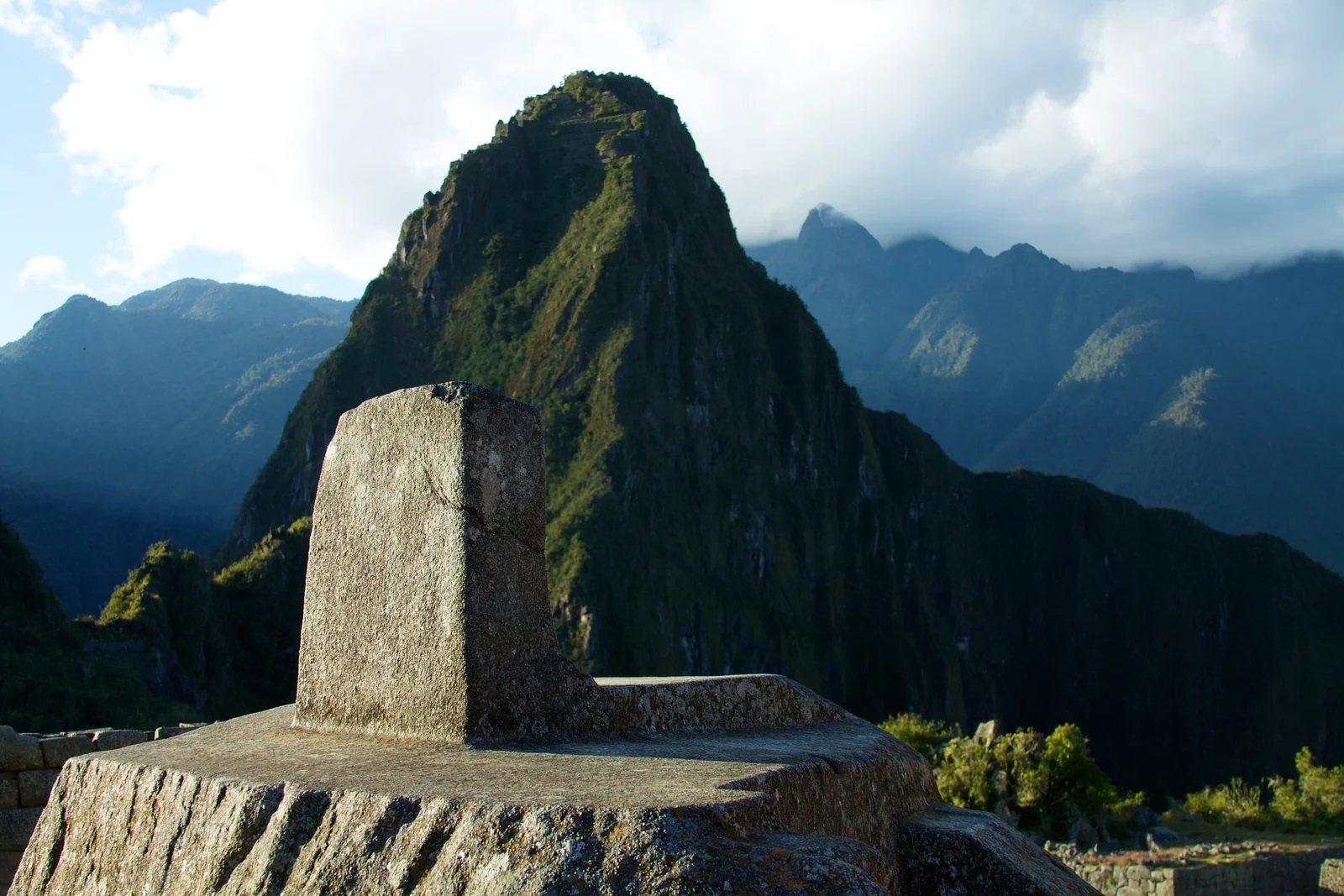
The Intihuatana Stone
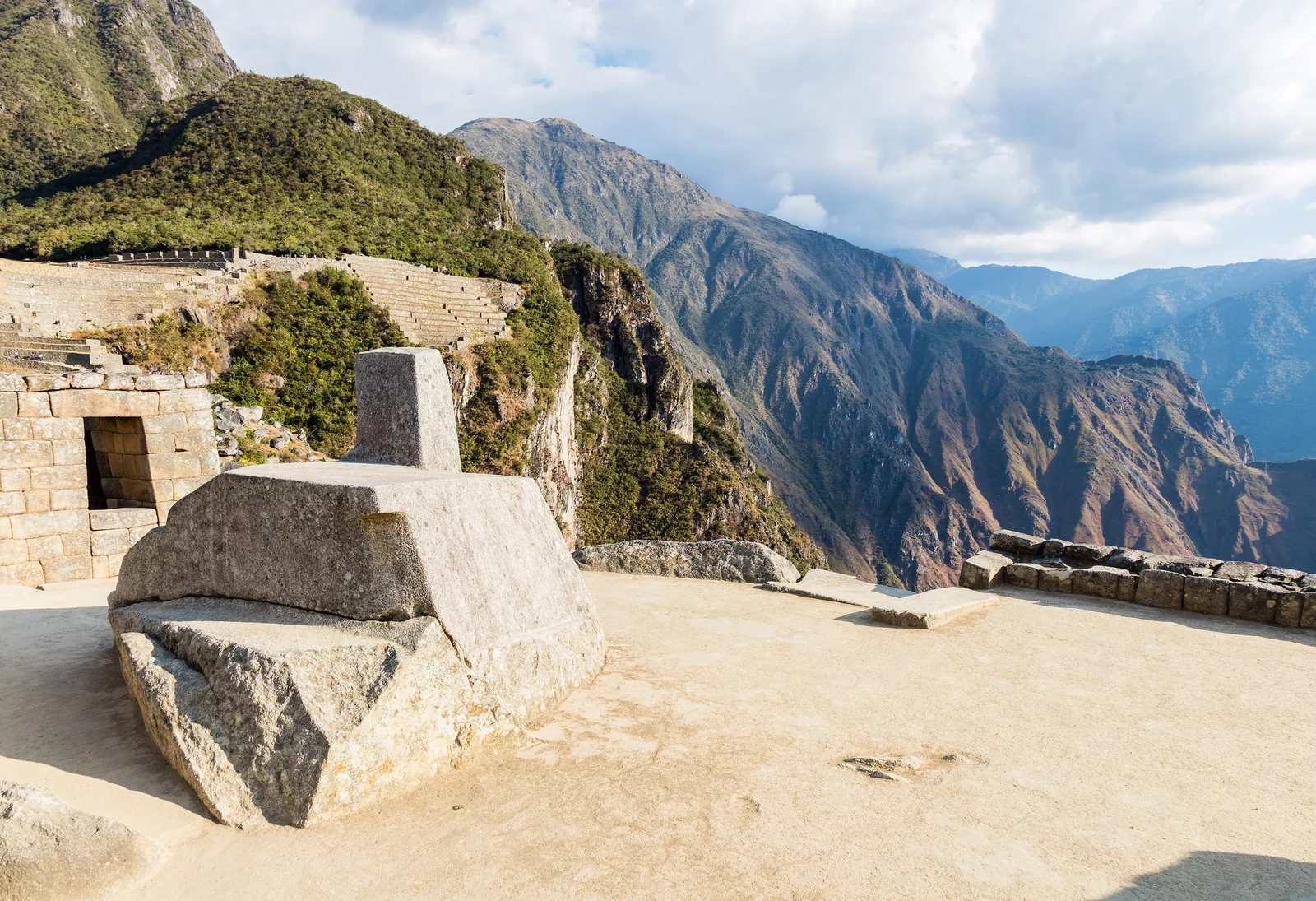
On a small hill above the plaza sits a carved granite outcrop known as the Intihuatana, often translated as “hitching post of the sun.” Its exact function is uncertain, but it is widely interpreted as a ritual and calendrical stone. Many similar stones elsewhere were destroyed by Spanish priests as idolatrous, which makes this one especially valuable. It is protected, and touching it is not allowed.
The Agricultural Terraces
The broad terraces on the southern side are what give Machu Picchu its famous stepped silhouette. They stabilized the slopes, controlled runoff and created flat ground for crops such as maize and potatoes. Storehouses near the terraces held produce for the estate.
Why Machu Picchu Was Abandoned
Machu Picchu was abandoned roughly a century after it was built. The exact reasons are not documented, but they are tied to the collapse of the Inca state. Epidemics of European diseases such as smallpox spread through the Andes before the Spanish themselves arrived, a civil war between the royal heirs Huáscar and Atahualpa divided the empire, and Francisco Pizarro’s conquest began in 1532.
A royal estate depended on the royal lineage that owned it and on labor supplied by the imperial system. When both disappeared, there was little reason to maintain a remote mountain palace. There is no evidence that the Spanish ever reached the site, which is one reason it escaped the looting and destruction suffered by temples in Cusco.
The 1911 Rediscovery and Hiram Bingham
Machu Picchu was never truly lost to local people. Farmers worked some of its terraces, and a Cusco farmer named Agustín Lizárraga visited in 1902 and left his name in charcoal on the Temple of the Three Windows. On July 24, 1911, the American explorer Hiram Bingham III, then a lecturer at Yale, was led up the slope by a local man, Melchor Arteaga, and a Peruvian police sergeant. Two farming families living on the terraces showed him the ruins.
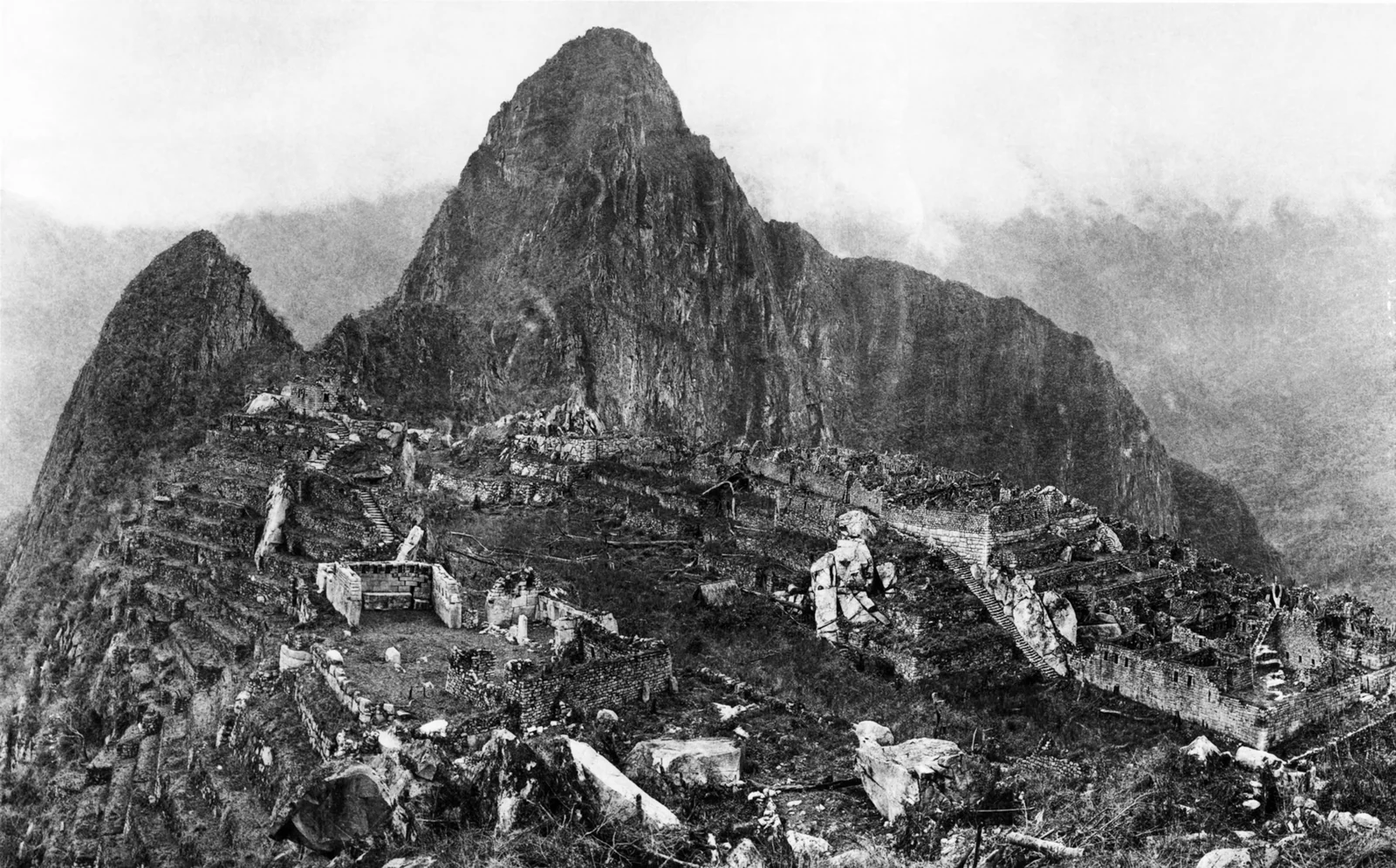
Bingham returned in 1912 with support from Yale and the National Geographic Society, cleared vegetation, photographed the site and excavated burials. His images, published by National Geographic, made Machu Picchu internationally famous. He believed he had found Vilcabamba, the last Inca refuge, but that city was later identified at Espíritu Pampa, deeper in the jungle.
Thousands of objects from Bingham’s expeditions went to Yale for study. After a long dispute, Yale returned the collection to Peru in stages between 2011 and 2012, and it is now cared for in Cusco.
Was It Really Called Machu Picchu?
Machu Picchu means “old mountain” (or “old peak”) in Quechua and refers to the summit south of the ruins. A 2022 study by historian Donato Amado Gonzales and archaeologist Brian Bauer, based on Bingham’s notes, old maps and colonial documents, argues that the Inca called the settlement Picchu or Huayna Picchu, after the nearer peak, and that the modern name only stuck from 1911.
Machu Picchu History Timeline
| Date | Event |
|---|---|
| c. 1420 | Earliest occupation indicated by 2021 radiocarbon dating |
| 15th century | Estate built for the Inca emperor Pachacuti |
| 1532 | Spanish conquest of the Inca Empire begins |
| c. 1530s–1570s | Site gradually abandoned |
| 1902 | Agustín Lizárraga leaves his name on the Temple of the Three Windows |
| July 24, 1911 | Hiram Bingham reaches the ruins with local guides |
| 1983 | Historic Sanctuary of Machu Picchu inscribed by UNESCO |
| 2007 | Named one of the New Seven Wonders of the World |
| 2011–2012 | Yale returns the Bingham collection to Peru |
Seeing the History on Your Visit
Machu Picchu is part of a UNESCO-listed Historic Sanctuary that protects both the ruins and the surrounding cloud forest. Visits follow fixed, one-way circuits with timed entry, and not every circuit passes every building described above. Check the current routes on the official Machu Picchu site before you book if a particular structure matters to you.
- Hire a licensed guide. Much of the history is invisible without context, and a good guide will point out alignments and masonry styles you would otherwise walk past.
- Visit Cusco museums first. The objects Yale returned are now in Cusco, and the city’s Inca foundations help you read Machu Picchu’s architecture.
- Respect the rules. Do not climb walls, touch carved stones or leave the marked route; the site is fragile and heavily visited.
- Plan logistics separately. For tickets, trains, buses and the Inca Trail, use our practical Machu Picchu guide.
If ancient American civilizations fascinate you, the Amazon lowlands east of the Andes hold a very different story of ancient settlements revealed by LiDAR, and you can explore more of the continent in our South America guides.
Machu Picchu History FAQ
Who built Machu Picchu?
The Inca built Machu Picchu in the 15th century. Most archaeologists attribute it to the emperor Pachacuti, who expanded the Inca state into an empire, and colonial documents describe the land as part of his personal estate. The labor came from workers organized through the Inca state’s rotational labor system.
How old is Machu Picchu?
Radiocarbon dating published in 2021 shows the site was occupied from at least about 1420 until around 1530. That makes Machu Picchu roughly 600 years old and a few decades older than the traditional date of about 1450 taken from Spanish chronicles.
What was Machu Picchu used for?
It was most likely a royal estate: a country palace and religious retreat for Pachacuti, his family and guests. It had temples, shrines, royal residences, workers’ housing, storehouses and farming terraces. It was not a capital or a large city, and probably housed several hundred people.
Why did the Inca abandon Machu Picchu?
No record explains it directly, but abandonment followed the collapse of the Inca state in the 16th century. European diseases, a civil war between royal heirs and the Spanish conquest removed both the royal owners and the labor system that kept a remote estate running.
Did Hiram Bingham discover Machu Picchu?
Not in the sense of finding something unknown. Local farmers lived on and worked the terraces, and Agustín Lizárraga had visited in 1902. Bingham, guided there in 1911, brought the site to international attention through his 1912 expedition, photographs and publications.
Did the Spanish ever find Machu Picchu?
There is no evidence that the Spanish conquistadors reached Machu Picchu. That is a major reason its temples and sacred stones, including the Intihuatana, survived largely intact while many Inca religious sites elsewhere were dismantled or built over.
What does the name Machu Picchu mean?
In Quechua, Machu Picchu means “old mountain” and refers to the peak south of the ruins. A 2022 study argues that the Inca actually called the settlement Picchu or Huayna Picchu, meaning “young mountain,” after the peak right behind it.