Chile is a country of extremes, and the most dramatic stretch for a first trip is the far north. San Pedro de Atacama, a small adobe town at about 2,400 meters in the Atacama Desert, is the base for salt flats, flamingo lagoons, steaming geyser fields and some of the clearest night skies on the planet. Pair it with Santiago and the port city of Valparaíso and you get a trip that moves from capital to coast to high desert.
This Chile travel guide is built around that route: what to do around San Pedro, how to handle the altitude, when to go, and how to spend a couple of days in the gateway cities. It leaves out the far south on purpose; for glaciers and granite towers, read our guide to Patagonia beyond the crowds. More ideas for the country are in our Chile travel guides.
Why Go to San Pedro de Atacama
The Atacama is widely described as the driest non-polar desert in the world. It runs roughly 1,600 kilometers along Chile's Pacific coast, boxed in by the Andes on one side and the Coast Range on the other, which blocks moisture from both directions. Some weather stations have never recorded rain.
That dryness is what makes the scenery so strange. You get pale salt ridges, volcanoes that top 5,000 meters, turquoise lagoons and a sky that is clear on most nights. San Pedro itself is a low, dusty village of adobe walls, tour offices and restaurants, and it works well as a base because nearly every highlight lies within a few hours by road.
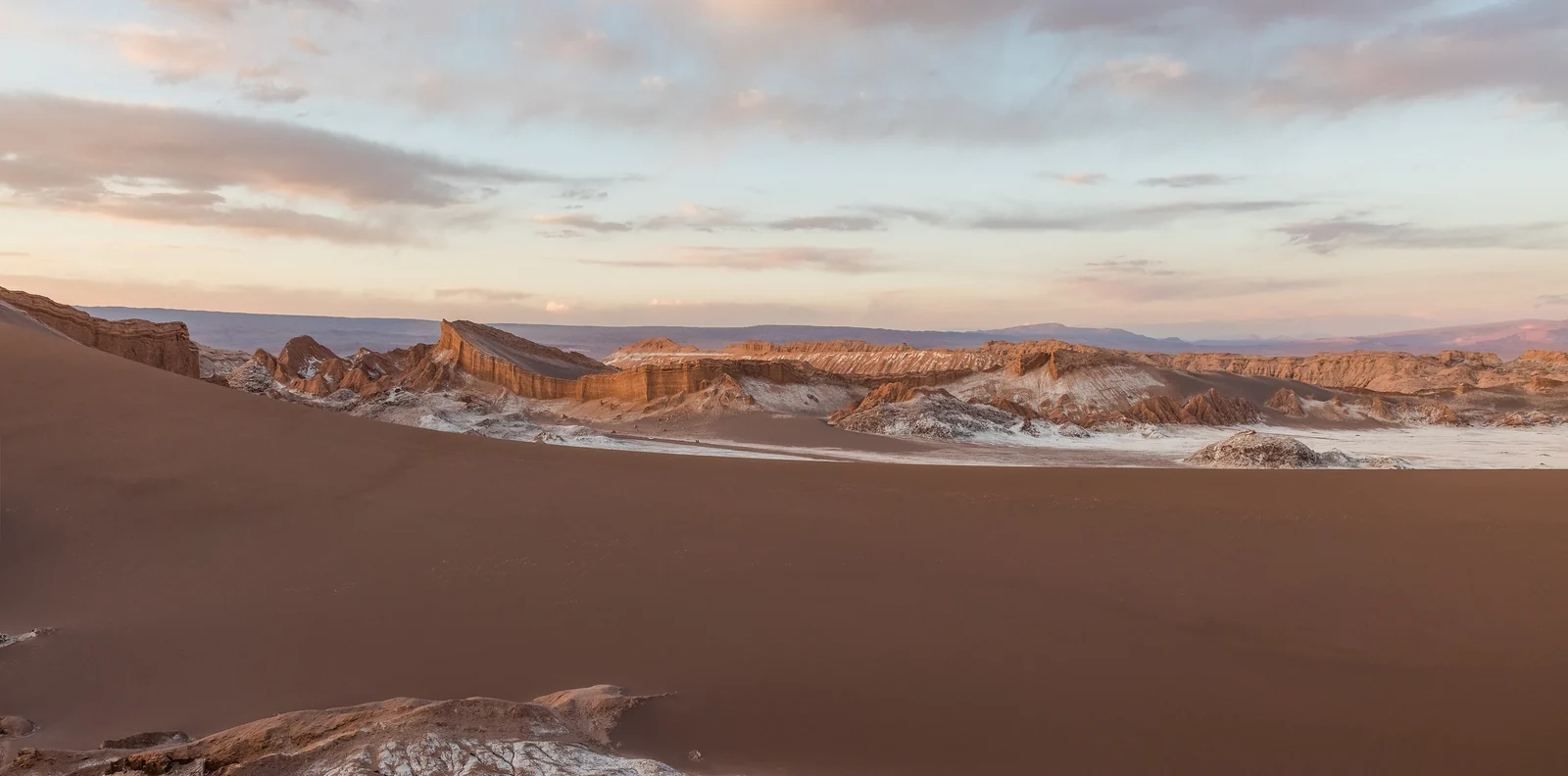
Valle de la Luna: Moon Valley at Sunset
Valle de la Luna lies in the Cordillera de la Sal, a range of folded, salt-streaked hills a short drive west of town. It sits inside the Los Flamencos National Reserve. The landscape of ridges, dunes and canyons looks lunar, hence the name, and it is the easiest big sight to reach from San Pedro.
Go in the late afternoon. Most visits end at a viewpoint over the amphitheater and the Great Dune as the light turns orange and the ridges glow. The Piedra del Coyote lookout is another popular stop on the circuit. You can join a short tour, cycle there if you are acclimatized, or drive yourself, but sunset fills the viewpoints, so arrive early and bring a jacket because it cools fast once the sun drops.
Entry is paid separately at the reserve gate or through your tour. Fees and sunset access rules change, so check the current details with CONAF, Chile's national forest service, before you plan around them.
El Tatio Geysers at Sunrise
El Tatio is a geothermal field above 4,300 meters in the Andes, roughly 90 to 100 kilometers from San Pedro. Chile's official tourism site ranks it among the largest geyser fields in the world. The best time to see it is just after sunrise, when the cold air makes the vapor billow.
Tours leave around 4 a.m. and the road is gravel for much of the way, so expect a drive of about an hour and a half each direction. Mornings are bitterly cold and often well below freezing, so dress in layers, with a hat, gloves and real boots. Many tours include breakfast at the site, and some stop at the village of Machuca on the way back.
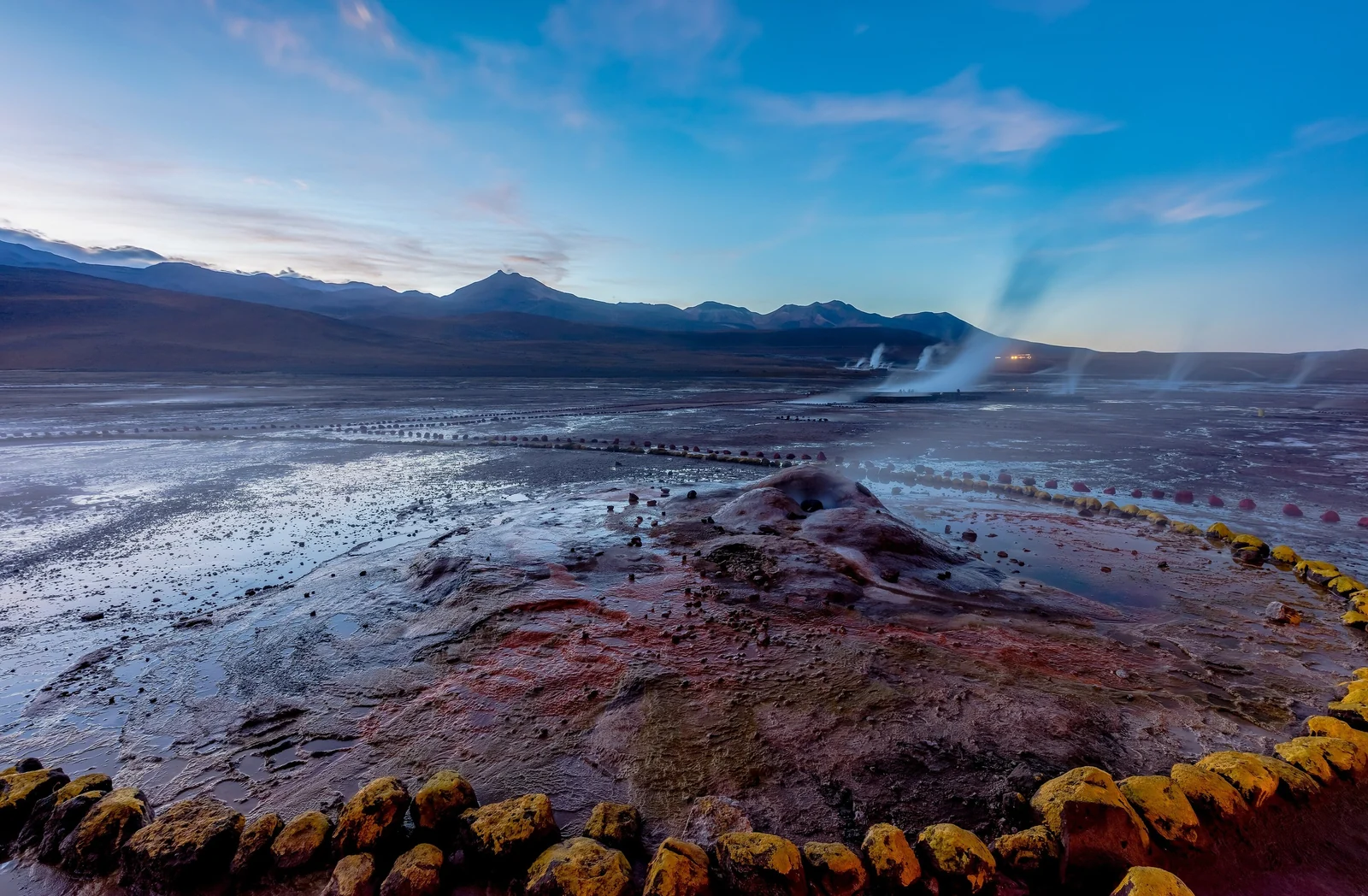
Do not stay too close to the vents. The ground around them is thin and the water is scalding, so follow your guide's marked paths. The official Chile Travel page for the Tatio geysers has background and visitor tips.
Altitude matters here. If you are prone to headaches or have heart or breathing problems, talk to a doctor first, and do this tour after at least a day or two in San Pedro rather than on day one.
Salt Flats, Lagoons and Flamingos
The Salar de Atacama is Chile's largest salt flat, at about 2,300 meters. Its crust is rough and white, and in parts of the Los Flamencos National Reserve, such as the Chaxa lagoon, flamingos feed in shallow brackish water. Early morning is the best time for birds and photos.
The Altiplanic Lagoons
A day trip higher up takes you to the altiplanic lagoons, which sit between roughly 4,100 and 4,350 meters. Laguna Miscanti and Laguna Miñiques are the classic pair: deep blue water beneath the volcanoes of the same names, with a stiff, cold wind blowing across the plateau. Most tours combine them with a lunch stop in the village of Socaire.
Laguna Cejar and the Floating Lagoons
South of town, Laguna Cejar and neighboring salt lagoons are known for water so salty that swimmers float. Whether bathing is currently allowed has varied over time, so ask your tour operator or the reserve before you pack a swimsuit. Even when swimming is off, the colors at sunset are worth the trip.
Bolivia has the largest salt flat in the world, and many travelers extend this trip across the border. Our guide to the Salar de Uyuni explains what to expect there.
Stargazing in the Atacama
High altitude, almost no cloud and very little light pollution give the region some of the best night skies on earth, and astronomers agree: major observatories operate across the desert. In San Pedro you can see the Milky Way arch across the sky, the Magellanic Clouds and southern constellations that are invisible from most of the northern hemisphere.
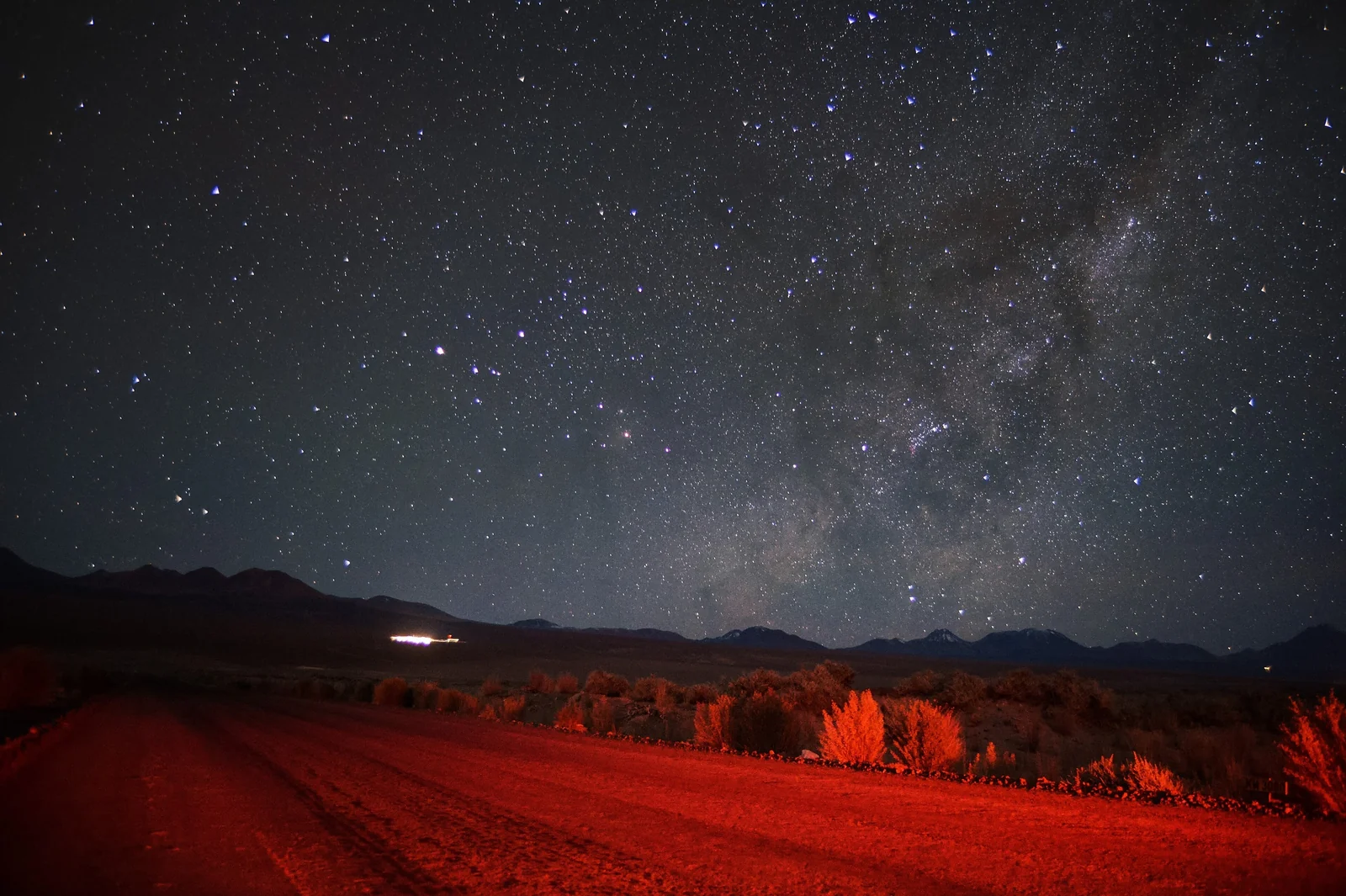
Most agencies on Caracoles, the main street, sell astronomy evenings with telescopes and a guide who points out constellations. Choose a small group, because you want a turn at the eyepiece. Some tours skip nights around the full moon, when the sky is brighter, so plan your dates by the lunar calendar if stars are your priority. For a different angle, a few operators run tours focused on how Andean peoples read the sky.
Visits to the ALMA radio telescope facilities have been limited and have changed over time, so confirm current options directly before building a day around them. Dress warmly: desert nights are cold at any time of year.
Santiago: The Gateway City
Most international flights land in Santiago, a city of high-rises set against the snowy Andes. Pedro de Valdivia founded it in 1541, and the colonial core around the Plaza de Armas still centers on the Metropolitan Cathedral. A day or two is enough for the main sights, and the capital makes a soft landing before the desert.
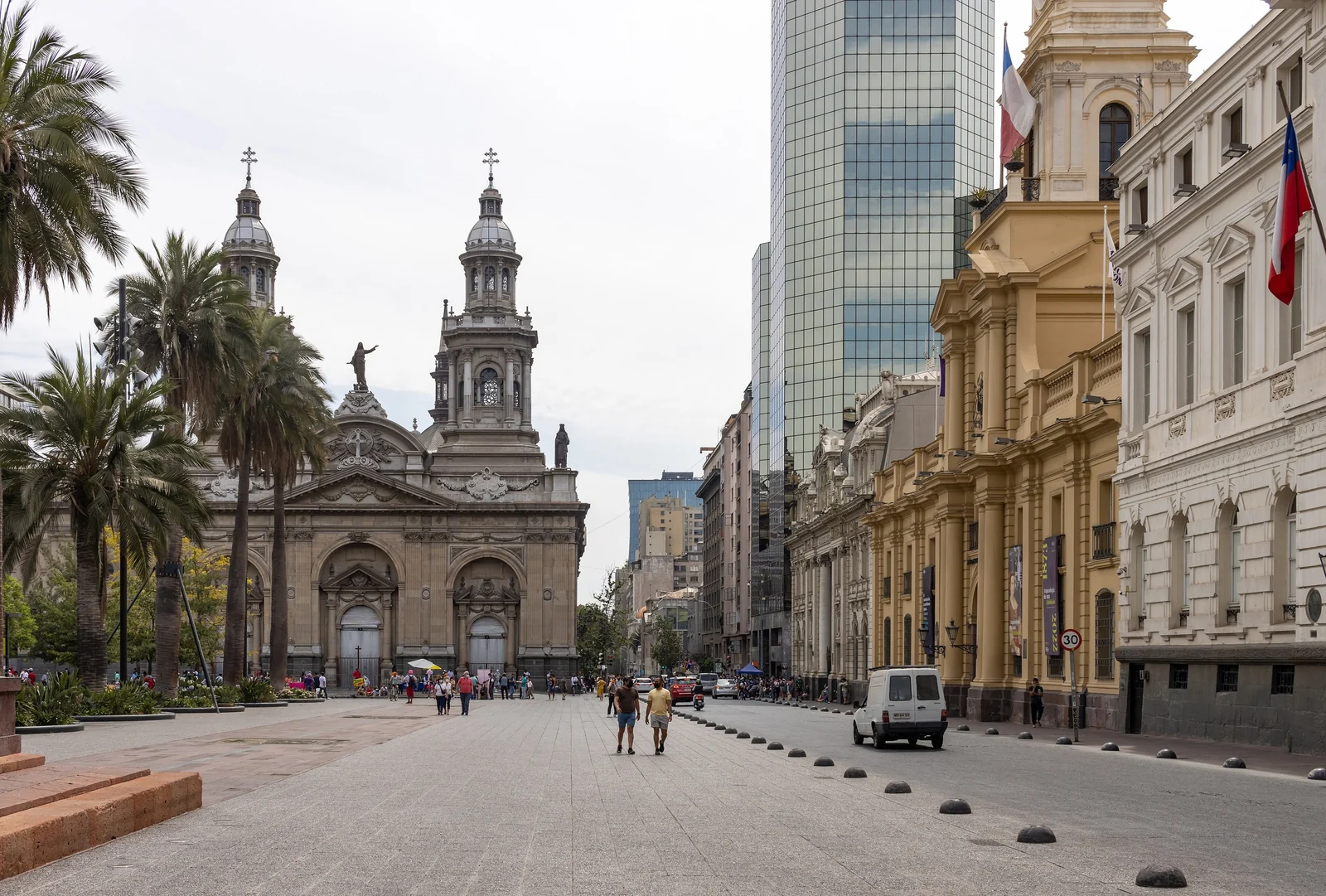
- Plaza de Armas and the cathedral: start in the old center, then wander the pedestrian streets nearby.
- Cerro San Cristóbal: a hill park above the Bellavista district, with a funicular dating from 1925 and a 14-meter statue of the Virgin at the summit. Views are best on clear days.
- Bellavista: restaurants, street art and nightlife at the foot of the hill.
- Markets: a morning at a central market is a good introduction to Chilean seafood.
If you are continuing across the Andes, our Buenos Aires travel guide covers the other great capital of the region.
Valparaíso: Hills, Murals and Funiculars
Valparaíso lies about 110 to 120 kilometers west of Santiago on the Pacific coast, and a direct bus takes roughly an hour and a half to two hours. The historic quarter of this seaport city has been on the UNESCO World Heritage List since 2003. Houses in bright colors climb the steep hills above the harbor, and street art covers many walls.
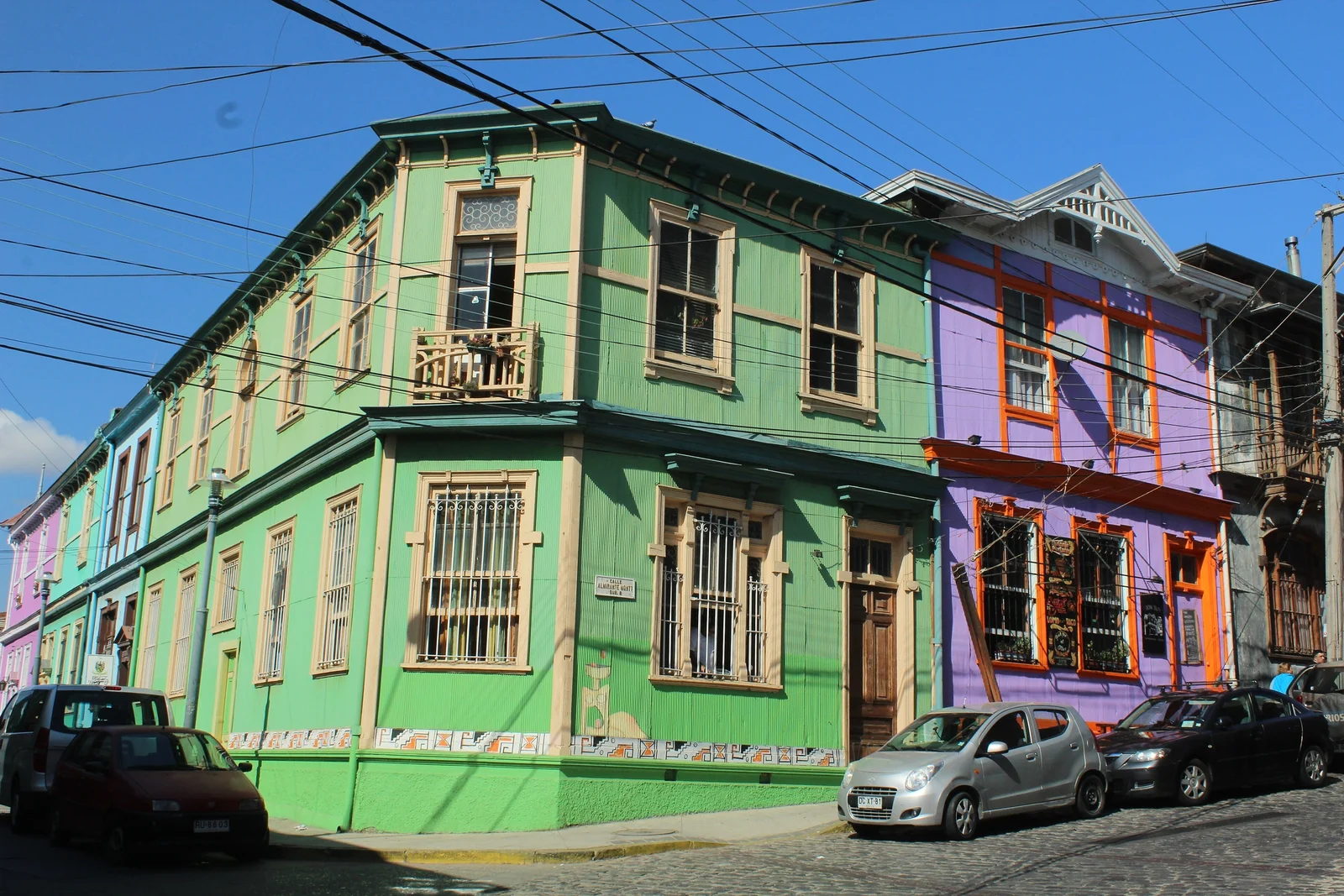
The hills Cerro Alegre and Cerro Concepción are the places to wander, with cafés, galleries and viewpoints over the bay. Historic funiculars called ascensores connect the flat port area to the hills; sixteen survive as national monuments, though not every one runs all the time. Pablo Neruda's house on Cerro Florida, La Sebastiana, is now a museum with views over the harbor.
Wear comfortable shoes, keep your phone and camera discreet in the port area, and stick to busy, well-lit streets after dark. The UNESCO listing for Valparaíso gives the history of the site.
Best Time to Visit and Getting Around
San Pedro has sunny days for most of the year, which makes timing a question of temperature and crowds rather than rain. Days are warm, nights are cold, and winter mornings at altitude are freezing.
| Season | What to expect | Good for |
|---|---|---|
| Summer (December to February) | Hot days, busiest period, occasional altiplano storms | Lagoons, long daylight, Santiago and the coast |
| Autumn (March to May) | Mild days, cooler nights, fewer visitors | Valle de la Luna, hiking, stargazing |
| Winter (June to August) | Clear skies, very cold mornings at altitude | Stargazing, Valparaíso without the crowds |
| Spring (September to November) | Warming days, good light | All-round trip, geysers and lagoons |
Some guides name September to March as the stargazing window, while winter nights are crisp and very dark. Whatever you choose, check the moon phase.
Getting There and Around
Fly from Santiago to Calama, which has the main airport for the region, then take a shuttle for roughly an hour and a half to town. The flight takes around two hours. San Pedro is walkable, but most sights are a drive away, so you will join tours or rent a vehicle.
Altitude and Health
San Pedro itself sits at about 2,400 meters, but tours climb above 4,000. Spend your first day easy, drink plenty of water, use sunscreen and lip balm, and avoid heavy meals and alcohol before high excursions. Coca tea is a local remedy, but seek help if symptoms get severe.
Where to Stay
- San Pedro village: the best base for restaurants, tour offices and walking, with small guesthouses and hostels.
- Outskirts: quieter lodges with darker skies and gardens a short ride from the center.
- Santiago: central areas such as Lastarria and Bellavista put you near sights and dining.
- Valparaíso: the hill neighborhoods have atmospheric guesthouses, but expect steep streets with your bags.
A Simple Itinerary
A week works well. Spend your first two nights in Santiago, with a day trip to Valparaíso if you like cities by the sea. Then fly north for four or five nights in San Pedro: acclimatize on day one, see Valle de la Luna at sunset, do the lagoons on a full day, and save El Tatio for a morning when you feel fit. Add a stargazing evening whenever the moon is low.
If you have more time, add a day in the desert rather than another in the capital. For the wider continent, browse our South America guides.
Chile Travel FAQ
How many days do you need in San Pedro de Atacama?
Plan on three to five nights. That gives you time to acclimatize and see Valle de la Luna, the lagoons, El Tatio and a stargazing evening without rushing the high-altitude days.
Is altitude sickness a problem in the Atacama?
It can be. San Pedro sits around 2,400 meters, and excursions such as El Tatio and the lagoons go above 4,000. Rest on arrival, drink water and ask a doctor first if you have heart or breathing problems.
What is the best time of day to see Valle de la Luna?
Late afternoon into sunset, when the ridges and dunes glow and the temperature drops. Arrive early to find a spot at the viewpoint, and carry a jacket for the cold that follows.
What time do the El Tatio geyser tours leave?
Tours generally leave around 4 a.m. so you reach the field close to sunrise, after a drive of roughly an hour and a half on gravel. Dress for freezing temperatures.
How far is Valparaíso from Santiago?
It is about 110 to 120 kilometers west of Santiago. Direct buses take roughly an hour and a half to two hours, which makes it an easy day trip or an overnight stop.
Is it worth visiting Chile just for the Atacama?
Yes, if the desert scenery and stargazing appeal. Pair it with a few days in Santiago and Valparaíso for a balanced first trip, and keep the south for another visit.