Switzerland packs lakes, glaciers, medieval towns and some of the most reliable public transport on earth into a country you can cross by train in a few hours. For a first trip, the classic loop links Lucerne, the Interlaken and Jungfrau region and Zermatt, with Zurich as the easy gateway and Lake Geneva as the soft landing at the other end.
This Switzerland travel guide explains what each base is good for, which scenic trains are worth your time, how a Swiss Travel Pass fits in, and when to go. It is built around trains and short hops rather than a rental car, because that is how Switzerland works best. For more ideas, browse our Switzerland guides.
How to Plan a First Trip to Switzerland
Switzerland is small but steep, so distances lie. A route that looks short on the map can mean a lake steamer, a cogwheel train and a gondola. The sensible approach is to pick two or three bases, stay several nights in each and treat everything else as a day trip.
A week works well with three bases: Lucerne for the lake and easy mountain excursions, Interlaken or a village above it for the Jungfrau region, and Zermatt for the Matterhorn. Ten days lets you add the Glacier Express or a slow stretch on Lake Geneva. Trying to see five regions in five days mostly means watching stations go by.
| Base | Best for | Typical stay | Main draw |
|---|---|---|---|
| Lucerne | Lakes, old town, easy peaks | 2 to 3 nights | Chapel Bridge, Rigi, Pilatus |
| Interlaken and Jungfrau region | Big alpine scenery and hiking | 3 to 4 nights | Lauterbrunnen, Jungfraujoch |
| Zermatt | Iconic mountain views | 2 to 3 nights | Matterhorn, Gornergrat |
| Lausanne and Lake Geneva | Wine terraces, lake walks | 1 to 2 nights | Lavaux, Olympic Museum |
| Zurich | Arrival, city break | 1 night | Old town, lake, museums |
Lucerne: Lake, Old Town and Easy Mountains
Lucerne is the most walkable introduction to Switzerland. The old town sits where Lake Lucerne drains into the Reuss river, with painted facades, towers from the medieval city wall and a backdrop of mountains. You can see most of it in a leisurely day.
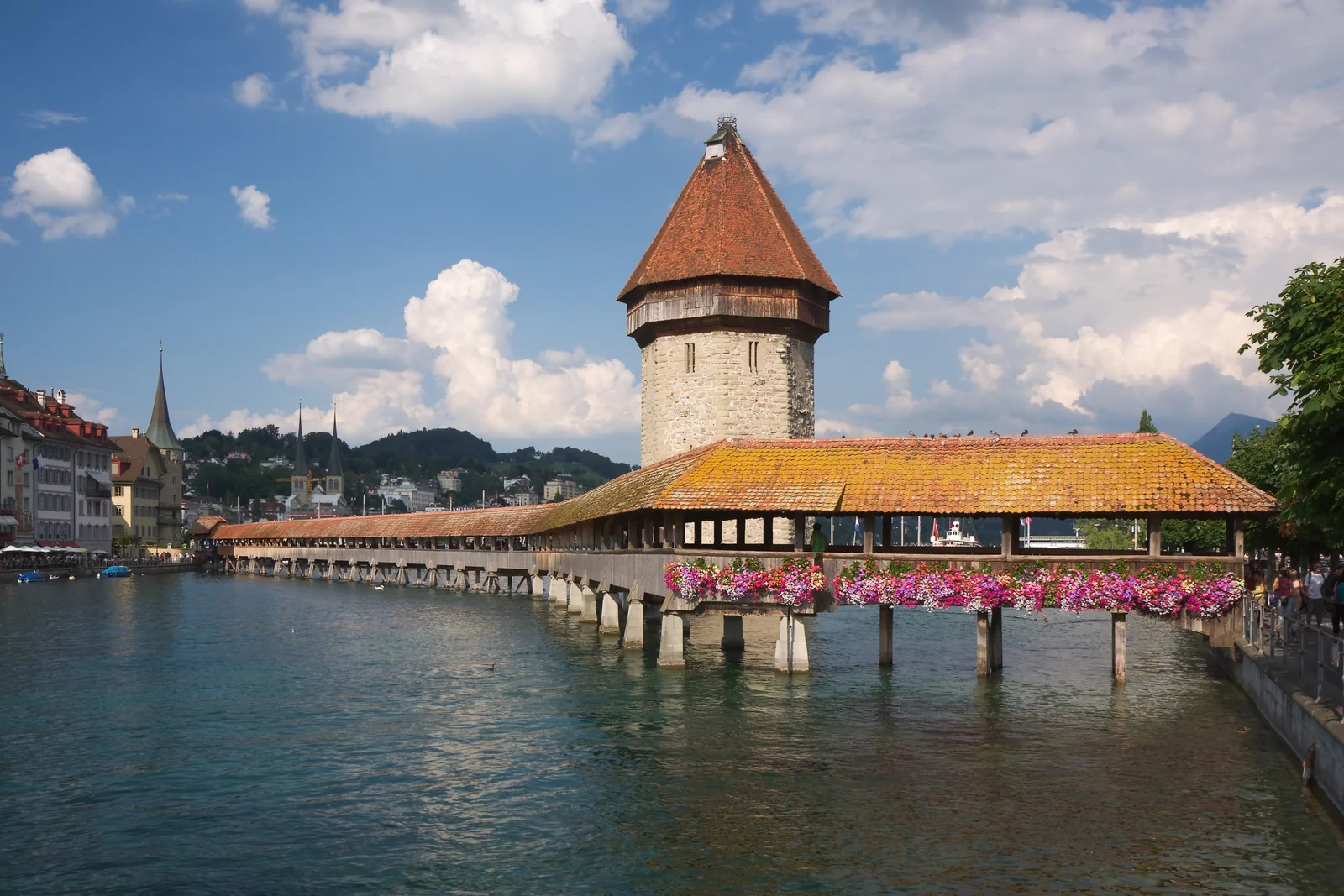
Chapel Bridge and the Lion Monument
The covered Chapel Bridge (Kapellbrücke) dates to 1333 and is usually described as the oldest wooden covered bridge in Europe. A fire in 1993 destroyed much of it and many of the painted roof panels, so what you walk through is largely a careful reconstruction. Next to it stands the stone Water Tower.
Ten minutes away, the Lion Monument, carved into a sandstone cliff in 1821, honors Swiss Guards killed in Paris in 1792. It is a quiet, moving place and free to visit.
Rigi, Pilatus and Lake Lucerne
Two mountains frame the city. Rigi, reached by Europe's first mountain railway, is the gentler outing, with wide views and easy paths on top. Pilatus is steeper and more dramatic and is served by what is described as the world's steepest cogwheel railway. Choose one, not both, unless you have spare days.
Historic paddle steamers also cross the lake, and a ride to a lakeside village makes a lovely half day. Rail passes often cover the steamers and some mountain lines while others are only discounted, so check what applies to your ticket before buying single fares.
Interlaken and the Jungfrau Region
Interlaken sits on the strip of land between Lake Thun and Lake Brienz, and it is the gateway to the Bernese Oberland. The town itself is functional and busy with adventure operators, so most travelers use it as a transport hub or sleep in a village above it. The real scenery starts a few minutes up the valley.
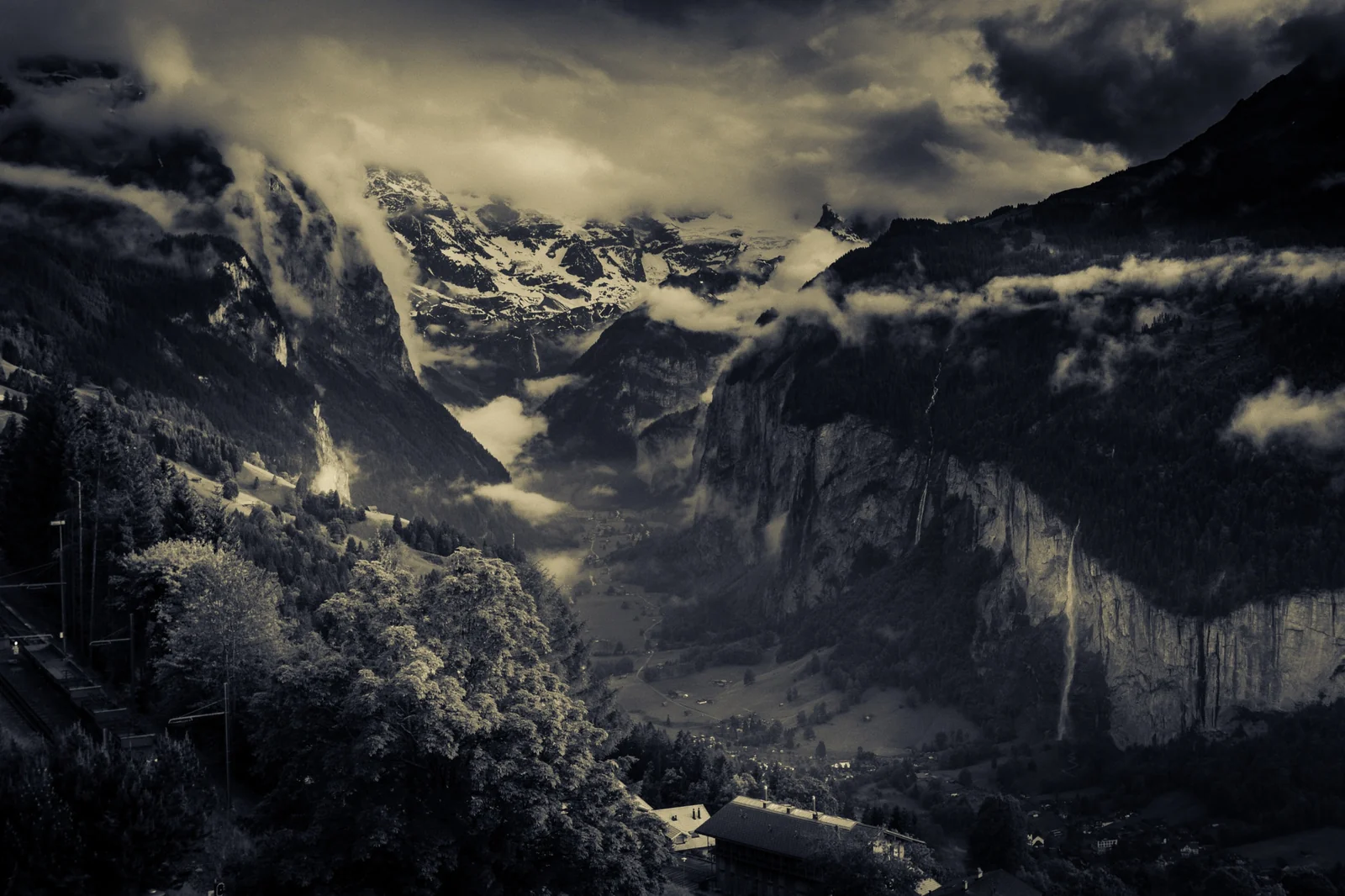
Lauterbrunnen, Wengen and Mürren
Lauterbrunnen lies in a deep glacial valley with sheer rock walls and waterfalls dropping from the cliffs. Above it, the car-free villages of Wengen and Mürren cling to the slopes with direct views of the Eiger, Mönch and Jungfrau. Staying in one of them costs more than Interlaken but gives you mountain mornings before the day-trippers arrive.
Walking is the best way to see the region. Well-marked paths link the villages, and trains, cable cars and buses make it easy to walk one way and ride back.
Jungfraujoch: Top of Europe
The Jungfraujoch station, at 3,454 meters, is the highest railway station in Europe, and the trip is a classic. From Interlaken you ride to Lauterbrunnen or Grindelwald, change at Kleine Scheidegg and continue on the Jungfrau Railway through the mountain. Up top you can look over the Aletsch Glacier, part of the Swiss Alps Jungfrau-Aletsch area that UNESCO first listed in 2001.
It is expensive and weather dependent. Check live conditions on the official Jungfrau Railways site and go on a clear morning. A cloudy day at 3,454 meters mostly shows you the inside of a cloud.
Zermatt and the Matterhorn
Zermatt is the one place in Switzerland where the mountain really does appear at the end of the street. The village is car-free: drivers leave their vehicles in Täsch and take a shuttle train of about 12 minutes, while everyone else arrives on the regular rail line. Small electric taxis and buses handle the rest.
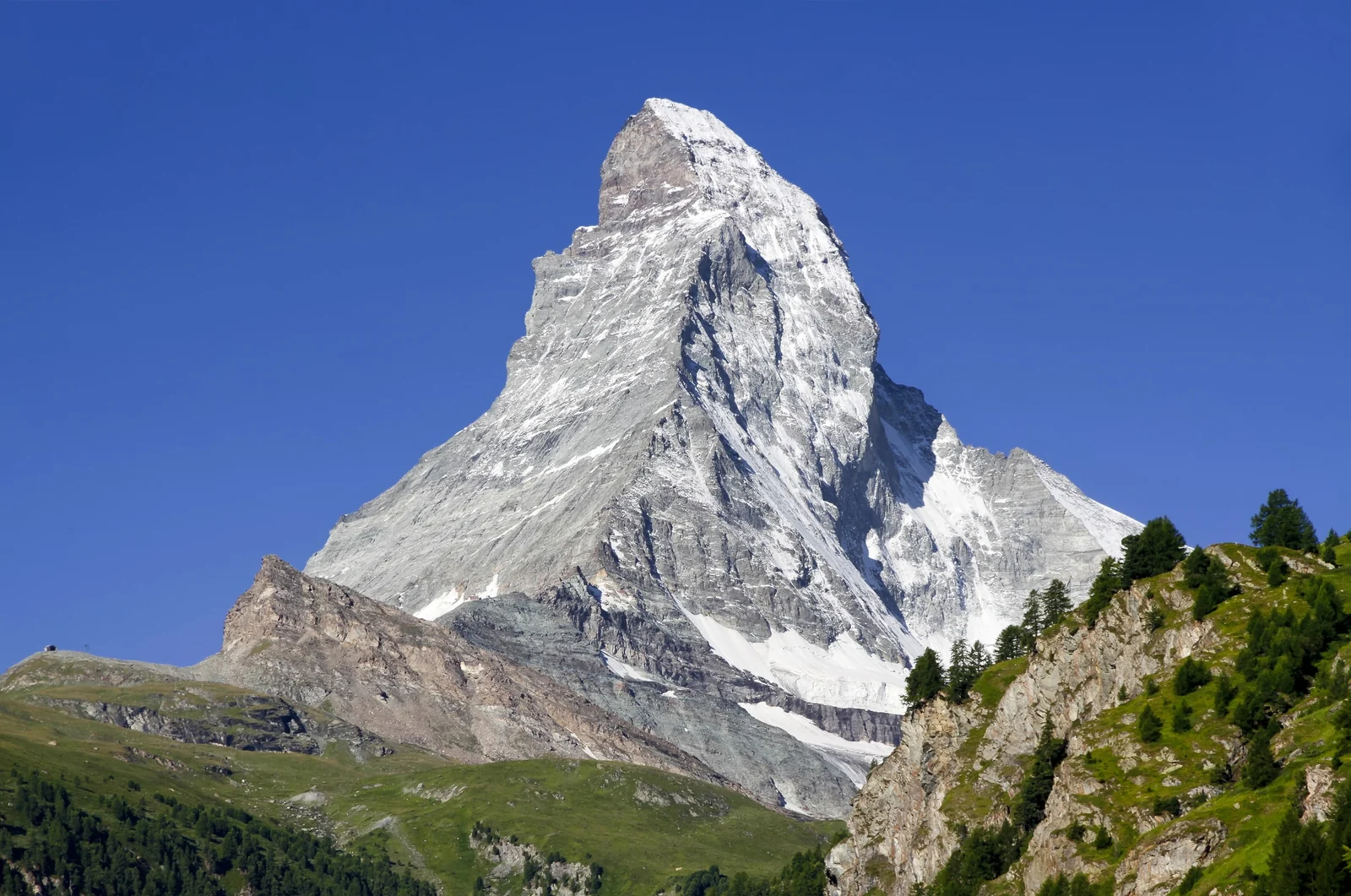
The Matterhorn stands 4,478 meters high and was first climbed in 1865, an ascent that ended in tragedy on the way down. Today the village museum tells that story, and most visitors are happy simply looking.
Gornergrat and Other Viewpoints
The cogwheel railway to the Gornergrat, at 3,089 meters, takes about 33 minutes from the station opposite Zermatt's main train station and delivers the classic Matterhorn panorama along with a ring of glaciers. Go early for the clearest air. Cable cars lead to higher glacier viewpoints, and lower lakes such as Riffelsee and Grindjisee offer reflections on still mornings.
Hikers can walk down from the Gornergrat or from nearby stops, and the lower paths are open for much of the warm season. Check trail conditions on the official Zermatt site because snow can linger on higher routes well into summer.
Scenic Trains: The Glacier Express and Beyond
The Glacier Express links Zermatt and St. Moritz on a route of about 291 kilometers with 91 tunnels and 291 bridges. The full journey takes roughly eight hours, which is exactly the point: this is slow travel, with panoramic windows and mountain passes, and it is more about the ride than the arrival.
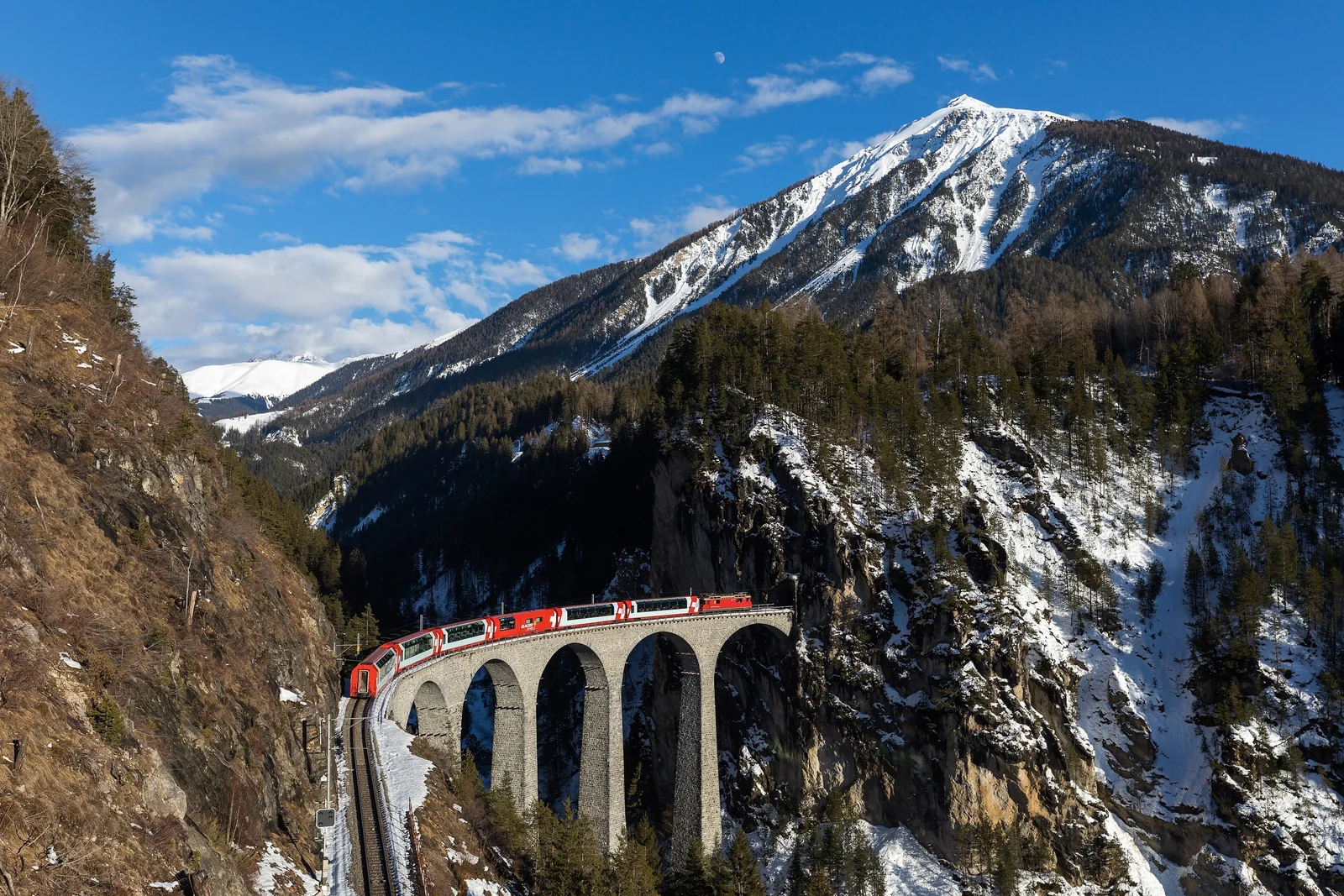
Its best-known landmark is the curved stone Landwasser Viaduct, about 65 meters high, which carries the track straight into a tunnel in the cliff. The Albula and Bernina lines of the Rhaetian Railway were listed by UNESCO in 2008. A seat reservation is required on the panoramic trains even if you hold a rail pass, so book ahead in summer. Timetables and fares are on the Glacier Express website.
Other Scenic Lines Worth Considering
- Bernina Express: crosses the Alps toward Italy on UNESCO-listed track.
- GoldenPass line: connects Lucerne and the Lake Geneva region through the Bernese Oberland.
- Lake steamers: historic boats on Lake Lucerne and Lake Geneva, often included in rail passes.
- Cogwheel and funicular lines: short rides up Rigi, Pilatus, the Gornergrat and many smaller peaks.
If you only want one famous train, choose the Glacier Express for the experience, or simply ride regular trains on the same lines for a lower cost and similar views. Many locals do exactly that.
Lausanne and Lake Geneva
Lausanne climbs the hills above the north shore of Lake Geneva, a steep, student-filled city with a Gothic cathedral and the Olympic Museum on the waterfront, since the city is the home of the International Olympic Committee. It makes a calmer, more French-feeling stop than the German-speaking cities.
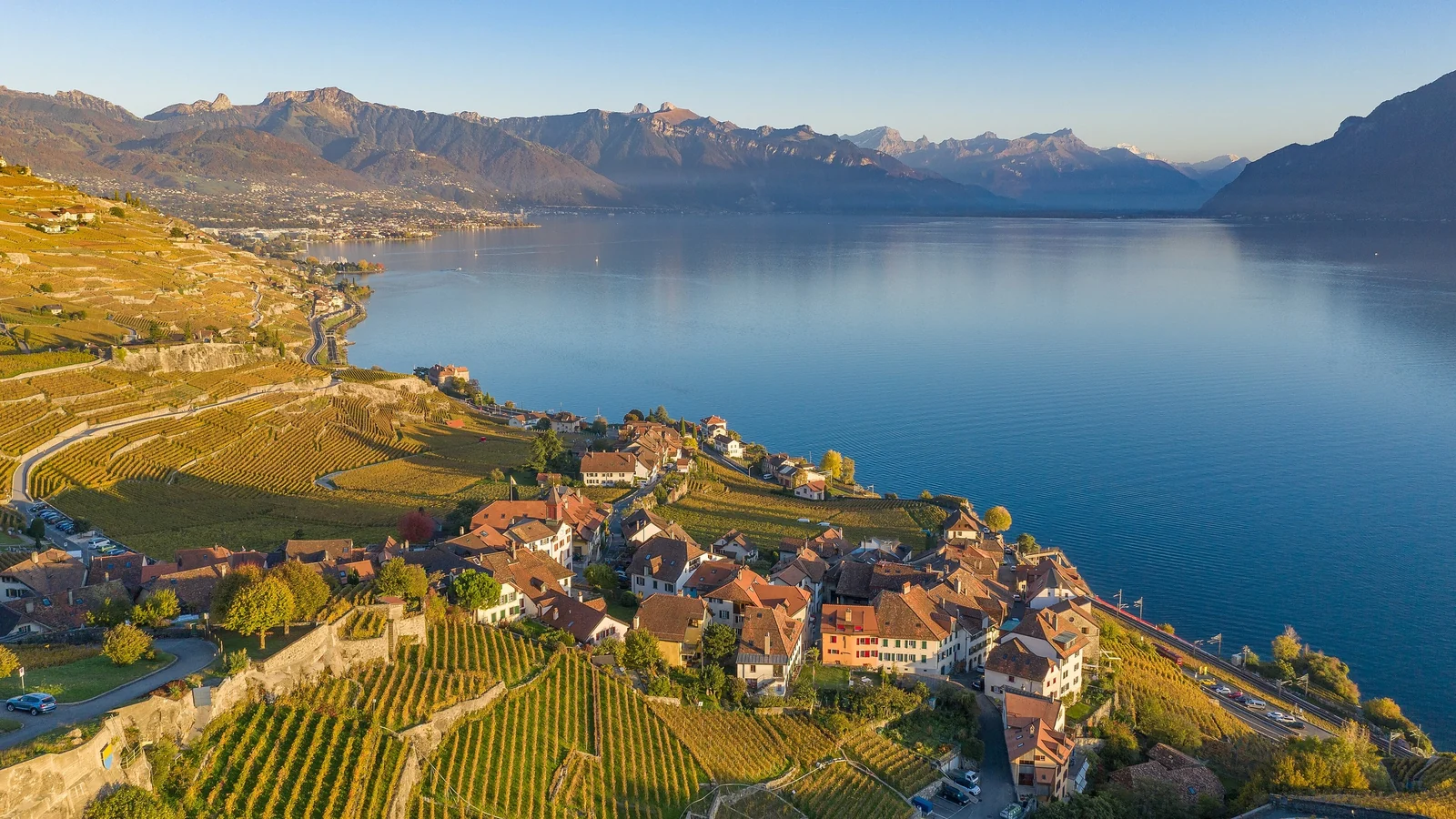
Lavaux Vineyard Terraces
East of Lausanne, the Lavaux terraces climb from the lakeshore in stone-walled steps and have been UNESCO-listed since 2007. Villages such as Cully, Epesses and Saint-Saphorin sit among them. Walk between stops on the vineyard paths, taste local white wine and take a train or boat back. Allow a full afternoon and pick your route in advance.
Zurich: Arrival City and Short Stay
Zurich is Switzerland's largest city and its main air and rail hub. Most visitors only pass through, but a night or two repays the effort. The old town lies along the Limmat river, the lake has public swimming spots in warm weather, and the museum scene is strong. The city also has easy rail connections to Lucerne.
A quick plan: walk the old town lanes, stroll the lakefront, and take a short train or tram out for a hilltop view. Save the big mountains for the days ahead.
The Swiss Travel Pass and Getting Around
The Swiss Travel Pass covers unlimited rides on trains, buses and boats across the country, free entry to a large number of museums, and discounts on many mountain railways, although some of the highest and most famous ones are discounted rather than free. Panoramic trains need an extra seat reservation. Rules and prices change, so compare the pass with point-to-point tickets on the SBB site before you buy.
- Consecutive-day passes suit fast, rail-heavy trips with several moves.
- Flexible versions suit a slower route with a few big travel days.
- A trip based in only one or two places often costs less with individual tickets.
- Always check which mountain excursions are free and which are discounted before you plan the budget.
Swiss trains run on time and connections are designed around each other, so a short change is normal. Keep luggage light: stairs and small stations are common.
Best Time to Visit Switzerland
| Season | What to expect | Best for |
|---|---|---|
| Late spring | Green valleys, melting snow, some lifts still closed | Lakes, cities, quiet trails |
| Summer | Long days, high trails open, busiest crowds | Hiking, mountain trains, lake swimming |
| Early autumn | Clear air, golden larches, harvest season | Hiking, vineyards, photography |
| Winter | Snow, short days, ski resorts in full swing | Skiing, Christmas markets, cozy cities |
For most first-timers, summer and early autumn give the widest choice of trails, cable cars and boats. If you prefer fewer crowds, aim for the shoulder months, but check which lifts and trails are open. Winter suits ski trips and festive city breaks rather than classic sightseeing, since many high-altitude paths close.
Switzerland is expensive, and the bill rises quickly with mountain excursions. Budget carefully for meals and lifts, and see the official Switzerland Tourism site for current offers and travel information.
Planning a Wider Alpine or European Trip
Switzerland connects easily with neighboring countries by rail. To the east lies Austria, where our Vienna guide covers a very different, imperial side of Europe. To the west, France's Lyon guide is a short step beyond Lake Geneva, and the Slovenia guide shows a quieter take on alpine scenery. You can browse all European destinations for more routes.
Switzerland Travel FAQ
How many days do you need in Switzerland?
Seven days is a comfortable first trip with three bases, such as Lucerne, the Jungfrau region and Zermatt. Ten days lets you add Lake Geneva or a long scenic train. Fewer than five days is best kept to one or two regions.
Is the Swiss Travel Pass worth it?
It depends on how much you move. Frequent train, boat and museum use can justify it, while a trip based in one or two places is often cheaper with single tickets. Compare both on the SBB site before buying.
Is the Glacier Express worth the money?
It is a memorable ride with panoramic windows and famous viaducts, but it is slow and needs a reservation. If budget matters, ride regular trains on the same lines for similar scenery and skip the extra fee.
Can you visit Zermatt without a car?
Yes, and that is the normal way. Zermatt is car-free, and trains run all the way to the village. Drivers park in Täsch and take the shuttle train of about 12 minutes.
What is the best base for the Jungfrau region?
Interlaken is the cheapest and most connected, while Lauterbrunnen, Wengen and Mürren offer far better scenery. Pick a village if mountains matter more than nightlife and shops.
When is the best time to go to Switzerland?
Summer and early autumn suit hiking and mountain trains, with the most open lifts. Winter suits skiing. Late spring is quieter but some high routes and lifts are still closed.
Is Switzerland expensive for travelers?
Yes, meals, lodging and mountain excursions cost more than in most of Europe. Save by self-catering a few meals, choosing modest hotels, comparing rail passes and picking only the excursions you really want.