


Iceland is one of the most volcanically active places in Europe, and that is exactly why travelers go. It is also why a news headline about an eruption can make a planned trip feel uncertain. The short answer is reassuring: most eruptions in Iceland happen far from the places visitors go, and the country is very good at monitoring them. The longer answer is about knowing what can actually change on your trip and where to check.
This guide explains why Iceland erupts so often, what an eruption does and does not mean for flights, roads and the Blue Lagoon, and the official sources to check before and during a visit. It does not give live conditions, because those change by the day. For planning the trip itself, start with our Iceland Ring Road itinerary.
Why Iceland Has So Many Volcanoes
Iceland sits on the Mid-Atlantic Ridge, where the North American and Eurasian plates pull apart, and it is also above a hotspot that feeds extra magma to the surface. The result is a landscape of fissures, lava fields, geothermal areas and glacier-capped volcanoes. Several published sources, including the UK Met Office, give a long-term average of roughly 20 to 25 eruptions per century, which works out to about one every four to five years.
That figure is an average, not a schedule. Activity comes in clusters and in quiet stretches, and the pace on the Reykjanes Peninsula in the south-west has been much higher in recent years than the long-term average suggests. For a traveler, the useful point is that eruptions are a normal part of Icelandic life and the authorities have well-rehearsed responses.
Two Very Different Kinds of Eruption
Not every eruption is the same, and the difference matters for travel plans. A slow lava flow in an empty valley and an ash plume drifting across the flight corridors over the North Atlantic are very different events, even if the headlines sound alike. Knowing which kind you are reading about is the quickest way to judge whether your own plans are affected at all.
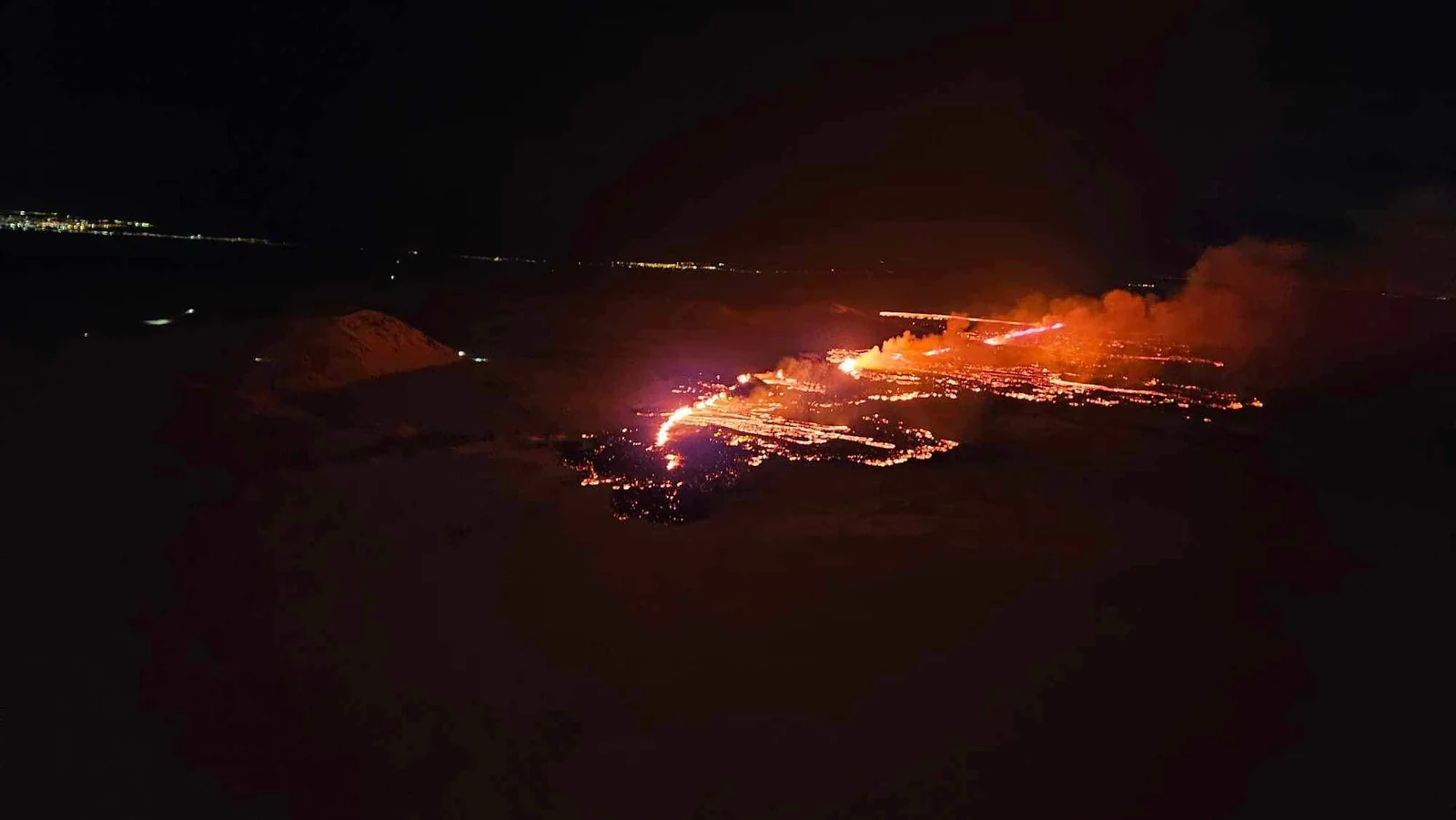
- Fissure eruptions: lava pours from a crack in the ground, usually with little ash. These are the eruptions seen on the Reykjanes Peninsula. They can threaten a road, a power line or a settlement nearby, but they rarely affect air travel.
- Explosive eruptions under glaciers: when a volcano erupts beneath ice, meltwater and a large ash plume can follow. Ash is the type of event that has grounded flights across Europe in the past, and flooding from glacial meltwater can close roads and bridges in the south.
Sources that followed the Reykjanes eruptions report that earlier events there did not disrupt flights to and from the country, and that Reykjavik and most of Iceland carried on as normal. The practical effects were local: closed roads, evacuated areas and a temporarily closed spa.
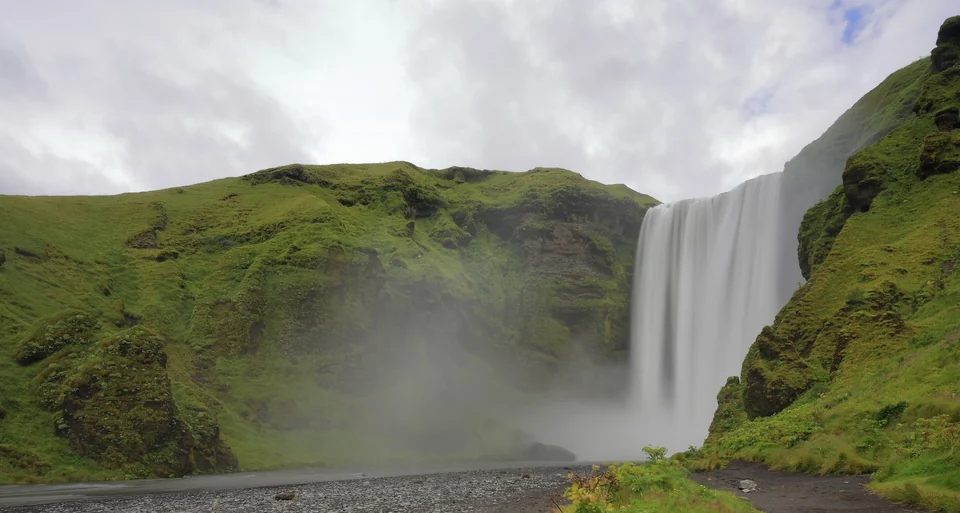
Eyjafjallajökull is the best-known example of a volcano under ice, and Katla beneath the Mýrdalsjökull ice cap is another one that scientists watch closely. Both sit in the south, close to the popular waterfalls, black sand beaches and glacier walks of the south coast. That is one more reason to read current notices before a self-drive trip along that route, and to ask your guide about conditions on the day.
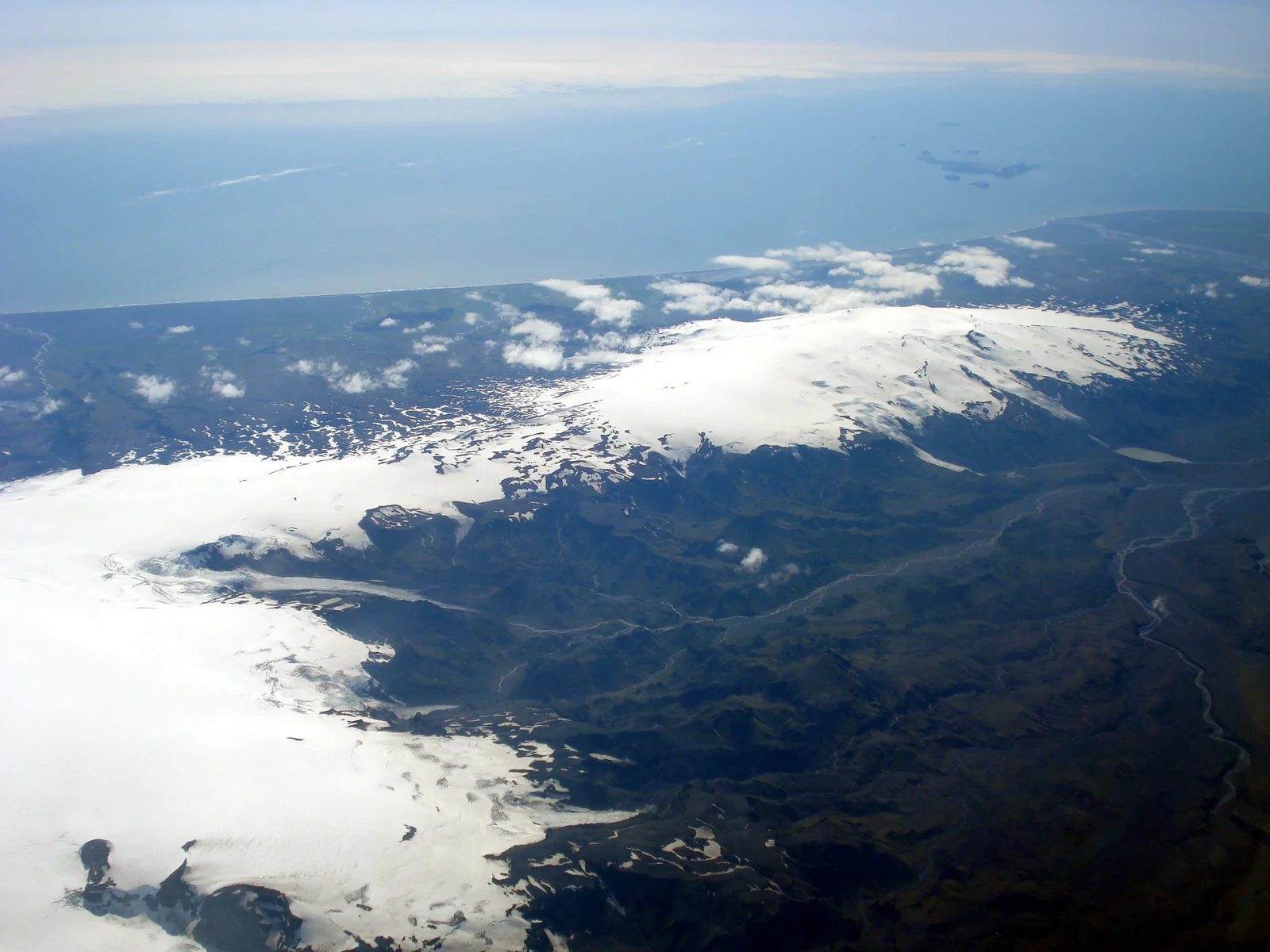
The Blue Lagoon, Grindavík and the Reykjanes Peninsula
The Reykjanes Peninsula is where most visitors meet Icelandic volcanism, because it holds Keflavík Airport, the Blue Lagoon and the fishing town of Grindavík. During eruptions nearby, the Blue Lagoon has been evacuated and closed several times, and has reopened once the situation allowed. News reports have also described a road serving the lagoon being restricted to guests with valid bookings during an eruption, and the general public being kept out of Grindavík.
If the lagoon is on your list, check its status before you travel and keep your booking flexible, especially if you have a late departure flight. The closures have been temporary, but the timing is unpredictable. And if you were searching for a turquoise lake rather than a spa, Norway has its own: see Norway’s turquoise lakes.
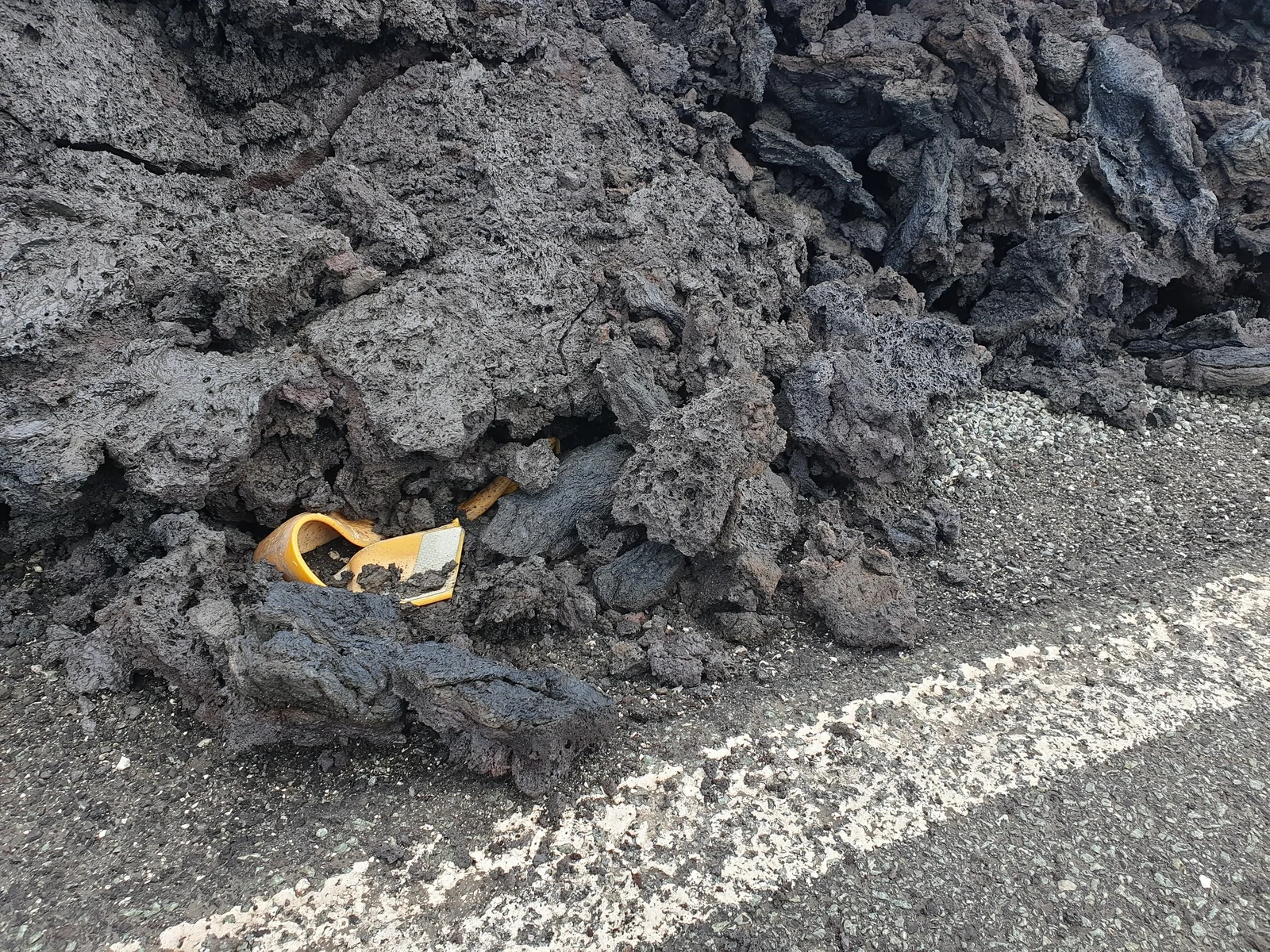
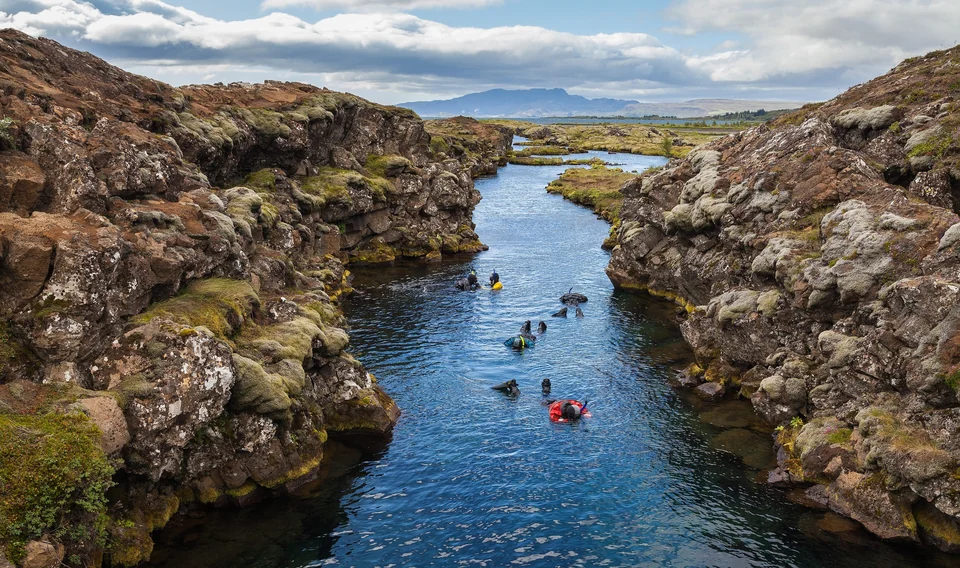
It also helps to remember what volcanism gives visitors. The black sand beaches, steaming geothermal areas, lava fields, craters and natural hot springs that fill most Icelandic itineraries exist because of the same forces behind the eruptions. Seeing them on a guided walk or from a marked path is safe in normal conditions, and the rules only tighten when a specific area is closed.
What Actually Changes on Your Trip
- Flights: fissure eruptions on Reykjanes have generally left air travel running. Ash events are the exception, and airlines publish their own updates.
- Roads: lava and gas can close roads near an eruption, and glacial floods can close roads in the south. Road closures are the most common practical change.
- Hiking and viewing areas: authorities often close the area around an eruption and open it only when it is judged safe. Do not enter closed zones to get a better view.
- Air quality: volcanic gas can drift with the wind, which matters for people with breathing problems. Follow local health guidance.
- Tours: operators cancel or reroute when areas close. Read the cancellation terms before you pay.
Where to Check Before and During Your Trip
Use official Icelandic sources rather than social media posts or old headlines. They are updated by the people who make the safety decisions. Check them before you leave home, again when you land, and each morning of a self-drive trip, because a closure can appear overnight and be lifted a day later.
- SafeTravel.is: the main travel-safety site, with alerts and restricted-area notices. Keflavík Airport recommends it as the best resource, and you can sign up for SMS alerts if you travel during a period of activity.
- Icelandic Met Office: eruption and earthquake monitoring and hazard information.
- Road.is: current road conditions and closures, which is the most useful page for self-drive trips.
- Visit Reykjanes: access to attractions on the Reykjanes Peninsula.
- 112: Iceland’s emergency number.
How to Plan Around Volcano Risk
- Build a buffer day: keep a spare day before an onward flight, especially if you drive a long way from the south coast.
- Keep bookings flexible: choose refundable or changeable options for the Blue Lagoon, tours and the first and last nights near the airport.
- Check travel insurance: read what it covers for disruption caused by natural events, and when you must buy it for cover to apply.
- Have a plan B for the day: Iceland’s weather changes quickly, so a flexible itinerary helps for weather as much as for volcanoes. Our Svalbard, Lofoten or Iceland comparison can help you decide whether Iceland is the right fit for your trip.
- Stay on marked routes: new lava is hot beneath the surface and unstable, and glacier areas have their own hazards. Use certified guides.
Iceland Volcano FAQ
Is it safe to travel to Iceland with volcanic activity?
Generally yes. Eruptions are monitored closely, most happen away from the places visitors go, and authorities close dangerous areas. Check SafeTravel.is for current notices and follow local instructions.
How often do volcanoes erupt in Iceland?
Long-term averages quoted by the UK Met Office and others are roughly 20 to 25 eruptions per century, about one every four to five years. It is an average rather than a schedule, and activity comes in clusters.
Do Icelandic eruptions affect flights?
Fissure eruptions such as those on the Reykjanes Peninsula have generally not disrupted air travel. Explosive eruptions under glaciers can produce ash that does, so check with your airline.
Is the Blue Lagoon closed when there is an eruption?
It has closed temporarily during eruptions nearby and reopened afterward. Check the lagoon’s status before you travel and keep your booking flexible.
Can tourists go to see an eruption?
Only where and when the authorities allow it. Eruption areas are often closed because of lava, gas and unstable ground, so never enter a closed zone and consider a guided tour once an area opens.
Where do I check current conditions?
Use SafeTravel.is for safety alerts, Road.is for road closures, the Icelandic Met Office for eruption data and Visit Reykjanes for attractions in the south-west. In an emergency, call 112.