


Copenhagen is Denmark's capital, a flat, compact harbor city on the Øresund strait where people swim in the port, cycle in any weather and eat lunch on slices of dark rye. It packs royal palaces, one of the world's oldest amusement parks and serious modern architecture into an area you can cross by bike in half an hour.
This Copenhagen travel guide covers the classic sights, the neighborhoods where the city actually lives, how to eat well without blowing your budget, the rules of the bike lane and the best day trips, including a hop across the bridge to Sweden. Three days is a good start; four or five lets you add Louisiana, Kronborg and Malmö.
Copenhagen is expensive, but many of its best moments cost nothing: a ride along the harbor, a dip at Islands Brygge, a walk through the King's Garden. For more trips around the country, see our Denmark travel guides.
Classic Copenhagen: Nyhavn, Tivoli and the Royal Palaces
Nyhavn
Nyhavn, the "New Harbor", was dug in the early 1670s under King Christian V to bring ships into the heart of the city. Its row of painted townhouses, wooden sailing boats and quayside restaurants is the postcard everyone comes for, and Hans Christian Andersen lived at three different addresses along the canal.
The restaurants here charge for the view. Do what locals do instead: sit on the quay edge with a drink and watch the canal boats leave. A harbor tour from here is the quickest way to get your bearings.
Tivoli Gardens
Opened in 1843 opposite what is now Central Station, Tivoli is part amusement park, part pleasure garden. It has a wooden roller coaster from 1914 that still runs, concerts, flower beds and thousands of lights that come on at dusk, which is the time to go.
Tivoli is seasonal: a long summer season, then Halloween and Christmas openings, with closed periods in between. Entry and ride tickets are sold separately, so check dates and options on the official Tivoli site before you plan an evening around it.
Rosenborg Castle and the King's Garden
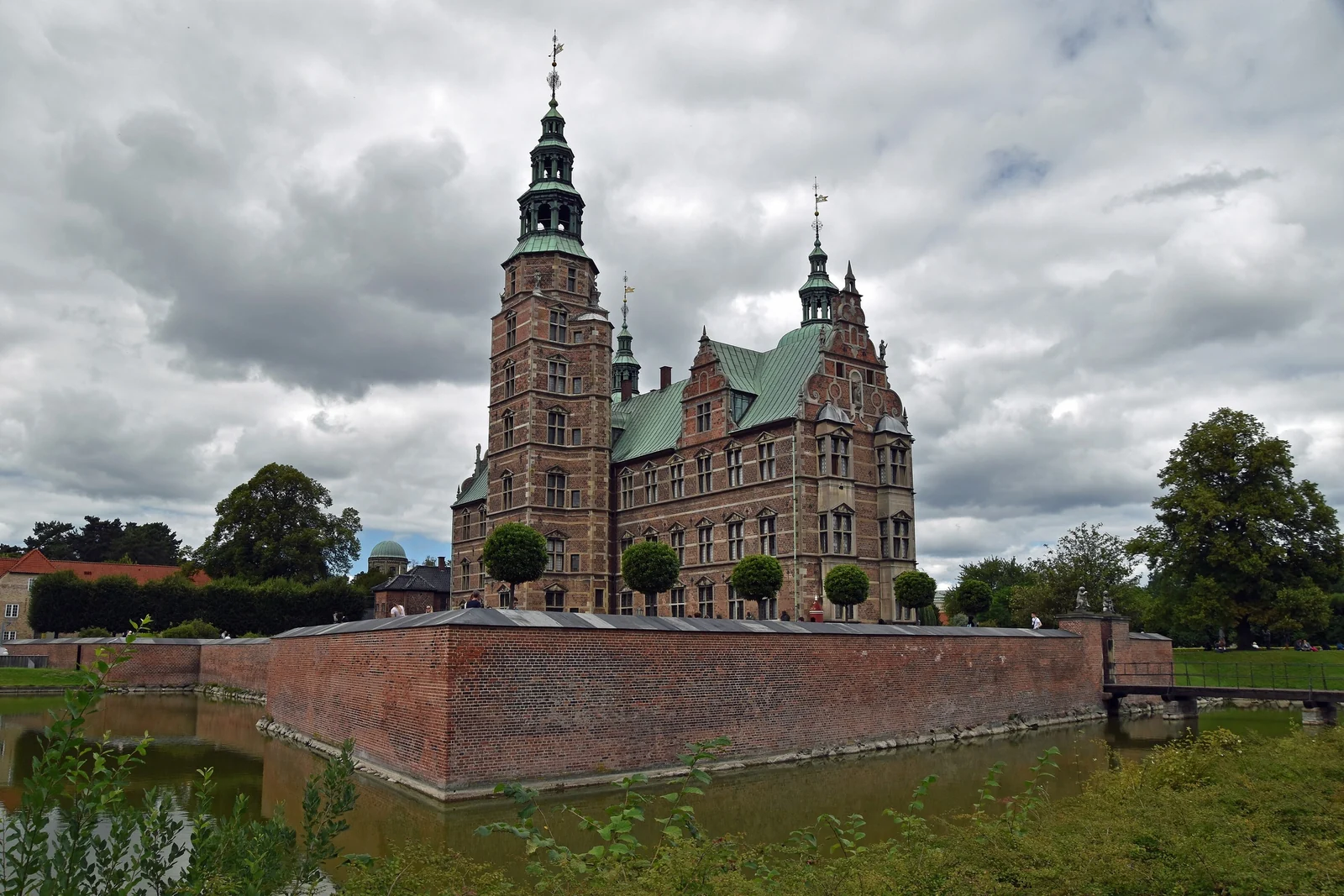
Christian IV built Rosenborg in the early 17th century as a summer retreat, then outside the city walls. The Dutch Renaissance rooms are richly furnished, but the real draw is the basement treasury holding the Danish crown jewels and royal regalia. Afterward, wander the King's Garden (Kongens Have), Copenhagen's oldest royal garden and a favorite picnic lawn.
Amalienborg
Four nearly identical rococo palaces face an octagonal square in the Frederiksstaden district, and this is where the royal family lives for much of the year. The Royal Life Guards change at noon each day, after marching through the streets from their barracks by Rosenborg. From the square, the Marble Church dome lines up with the Opera House across the water.
Slotsholmen, the Round Tower and Christiania
Christiansborg Palace
On the small island of Slotsholmen, Christiansborg is the only building in the world that houses all three branches of a country's government: the Danish Parliament, the Prime Minister's Office and the Supreme Court. You can tour the Royal Reception Rooms, the royal stables and the ruins of earlier castles in the basement. The palace tower has one of the best viewing platforms in the city.
The Round Tower
Christian IV finished the Rundetaarn in 1642 as an astronomical observatory, and it still has a working telescope at the top. Instead of stairs, you climb a wide, cobbled spiral ramp, designed so a horse and carriage could reach the top. The rooftop view over the old town's spires and red roofs is the payoff, and it's a good rainy-day fallback.
Christiania and How to Visit Respectfully
Freetown Christiania began in 1971, when squatters took over a disused military area in Christianshavn and declared it a self-governing community. Today it's a mix of homemade houses, workshops, cafés, music venues and lakeside paths, and it's worth an unhurried walk.
- No photos in the Pusher Street area. Signs make this clear. Elsewhere, ask before photographing people or homes.
- Remember people live here. Stay on public paths and don't wander into gardens or houses.
- Don't run. Running can cause alarm, and residents ask visitors to walk.
- Go in daylight and head for the green areas along the old ramparts, which are the quietest part.
Copenhagen Neighborhoods to Explore
Nørrebro
Nørrebro is the city's most diverse district, loud and creative. Walk through Assistens Cemetery, a green park where Hans Christian Andersen and Søren Kierkegaard are buried, then see Superkilen, a long urban park built with objects from dozens of countries. Jægersborggade, a short street of small shops, bakeries and cafés, is good for an afternoon browse.
Vesterbro and the Meatpacking District
Once the city's working-class and red-light quarter, Vesterbro sits just behind Central Station. Its center of gravity at night is Kødbyen, the Meatpacking District, where white-tiled butcher halls now hold restaurants, bars and galleries, and a few meat businesses still operate. Værnedamsvej, a short street on the edge of Frederiksberg, is great for a morning coffee and pastry.
Islands Brygge and the Harbor Baths
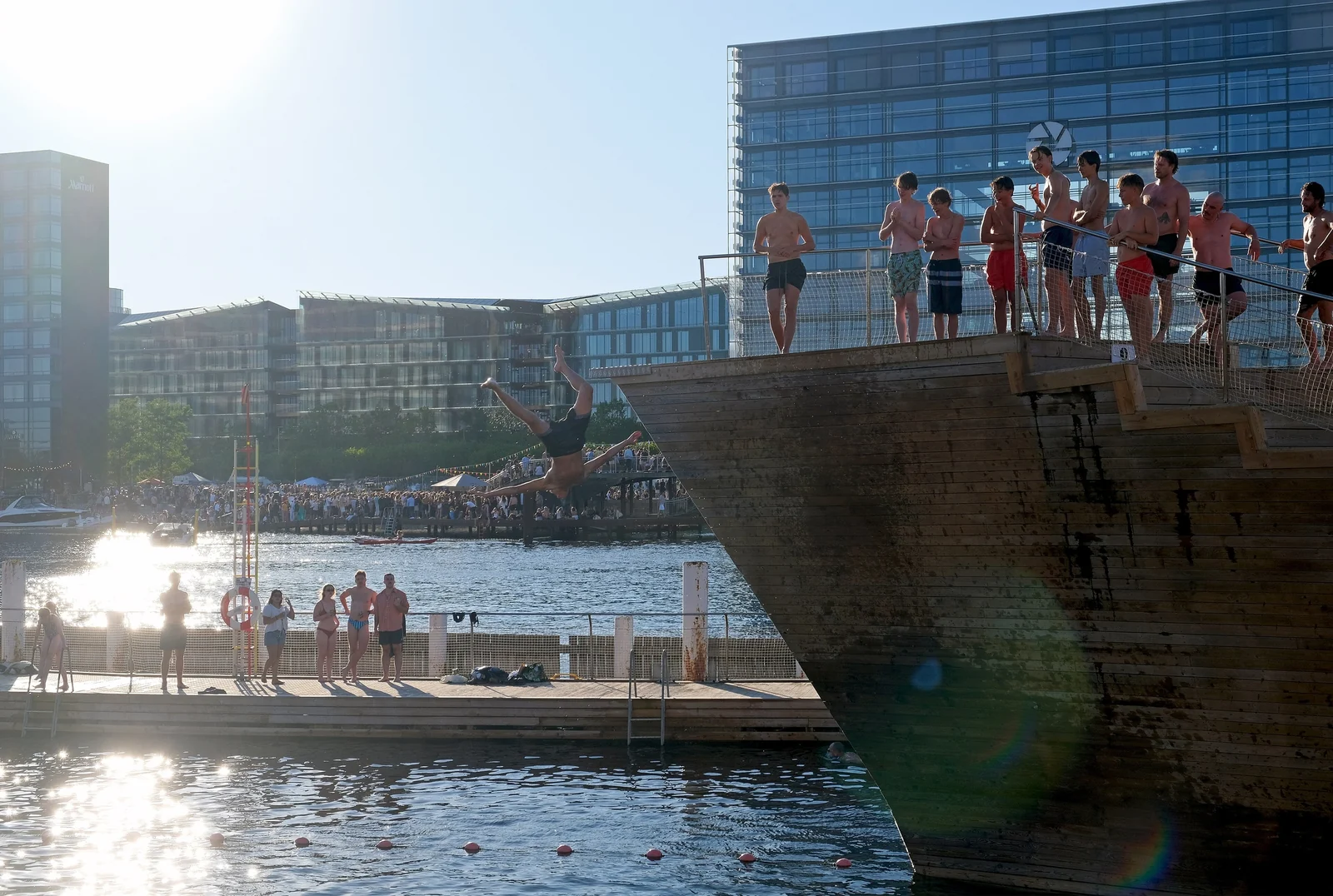
The harbor is clean enough to swim in, and on a warm day Islands Brygge proves it. The harbor bath here, opened in 2002, has pools, diving platforms and lifeguards in summer, while the long lawn behind it fills with picnics and barbecues. It's free, and it's one of the best things you can do in the city.
Design and Architecture: From Louisiana to Copenhill
Louisiana Museum of Modern Art
If you take only one trip out of the city, many people would argue it should be this one. Louisiana opened in 1958 in Humlebæk, on the coast north of Copenhagen, and its low glass corridors connect galleries, a sculpture garden and lawns that run down to the Øresund. The collection and temporary shows are strong, but the setting is what you remember.
Coastal trains from Copenhagen Central reach Humlebæk in well under an hour, then it's a short walk. Plan for half a day, and combine it with Kronborg farther up the same line if you start early. Exhibitions and opening hours are on the official Louisiana site.
Copenhill
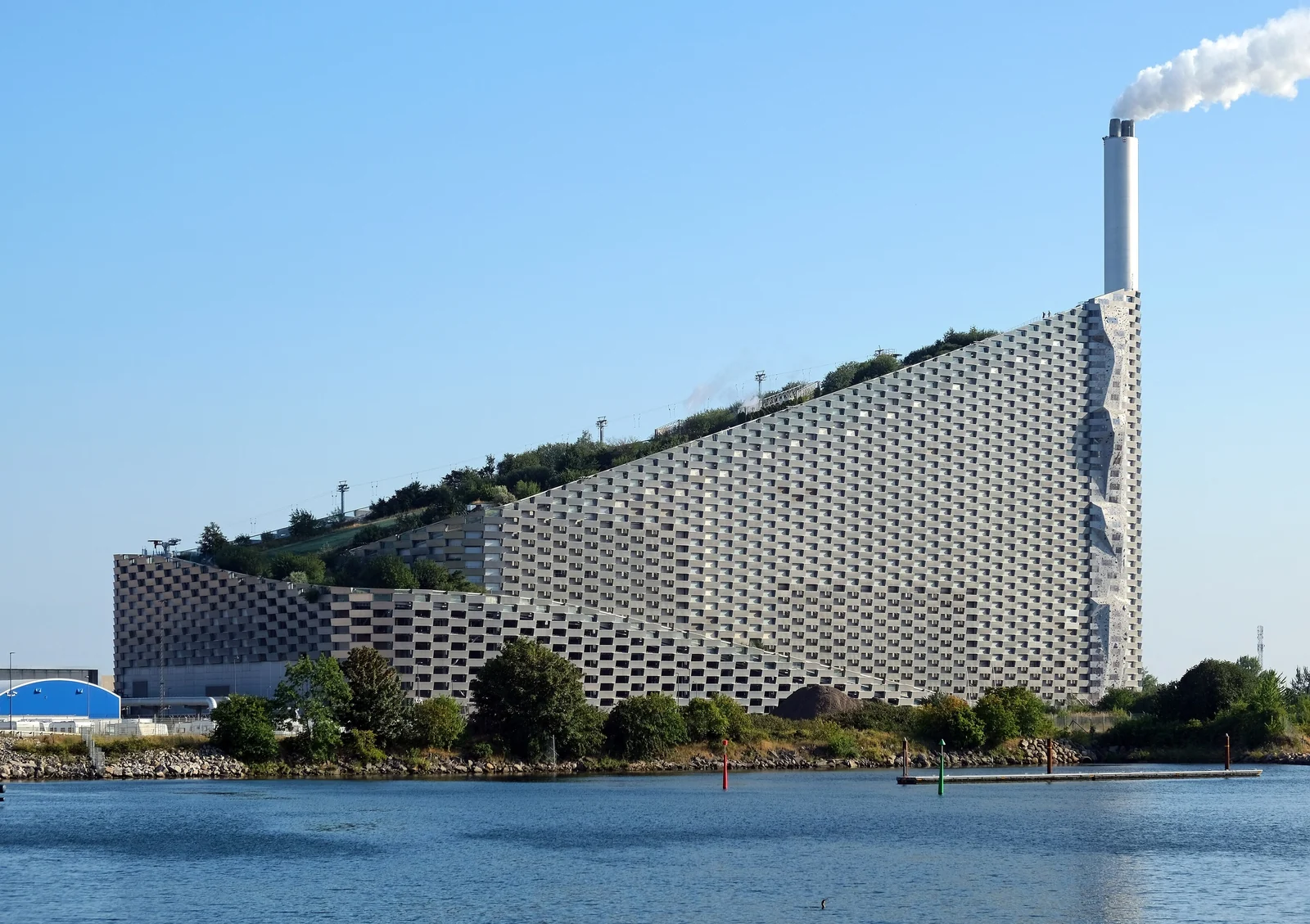
Copenhill (Amager Bakke) is a waste-to-energy plant designed by the architecture firm BIG, with an artificial ski slope, a hiking trail and a very tall climbing wall on its sloping roof. You can walk up for a view over the harbor and the Øresund even if you never clip into skis. Practical infrastructure, made fun: very Copenhagen.
New Nordic Food and Smørrebrød
Copenhagen's restaurant scene changed the way the world thinks about Nordic cooking. Noma, the best-known name, helped launch the New Nordic movement in the early 2000s, with its focus on local, seasonal and foraged ingredients. You don't need a tasting-menu budget to see the influence, though; it shows up in neighborhood bistros, bakeries and wine bars across the city.
How to Eat Smørrebrød
Smørrebrød is the classic Danish lunch: a slice of buttered rye bread (rugbrød) piled with toppings and eaten with a knife and fork. Order two or three pieces per person and start with fish, then move on to meat and cheese.
- Pickled herring with onions and capers, often with a cold beer or a shot of akvavit.
- Egg and shrimp with mayonnaise and dill.
- Roast pork with crackling and red cabbage.
- Liver pâté, warm, with bacon and mushrooms.
Pastries, Street Food and Coffee
What the rest of the world calls a Danish is a wienerbrød here, and the cinnamon swirl (kanelsnegl) is the one to try. Hot dog stands still sell røde pølser, the bright red sausages, and covered food halls such as Torvehallerne near Nørreport are an easy way to sample a lot for less. For an affordable dinner, go where students eat in Nørrebro and Vesterbro.
Cycling Copenhagen Like a Local
Copenhagen is one of the world's great cycling cities. It has an extensive network of separated bike lanes, and a large share of residents commute by bike year-round. Renting a bike for a day or two is the best way to see the neighborhoods, and the flat terrain makes it easy for casual riders.
- Keep right and pass on the left. Slower riders stay to the side.
- Signal with your hands: arm out to turn, and a raised hand to stop.
- Turn left in two steps. Cross the junction, stop at the far corner, then go with the next green light.
- Watch for bus stops. Passengers often step straight into the bike lane.
- Use lights after dark. They're required, and the police do enforce it.
- Stay off sidewalks and don't stop suddenly in the lane to take photos.
Day Trips from Copenhagen: Castles, Vikings and Sweden
| Destination | How to get there | Approx. travel time | Best for |
|---|---|---|---|
| Louisiana Museum (Humlebæk) | Coastal train, then a short walk | About 35 to 45 minutes | Modern art, sea views |
| Kronborg (Helsingør) | Coastal train from Central Station | About 45 minutes | Renaissance castle, Hamlet, the strait |
| Roskilde | Regional train from Central Station | About 25 minutes | Viking ships, royal tombs |
| Malmö, Sweden | Train over the Øresund Bridge | About 35 to 40 minutes | A second country, parks, old squares |
Kronborg Castle in Helsingør
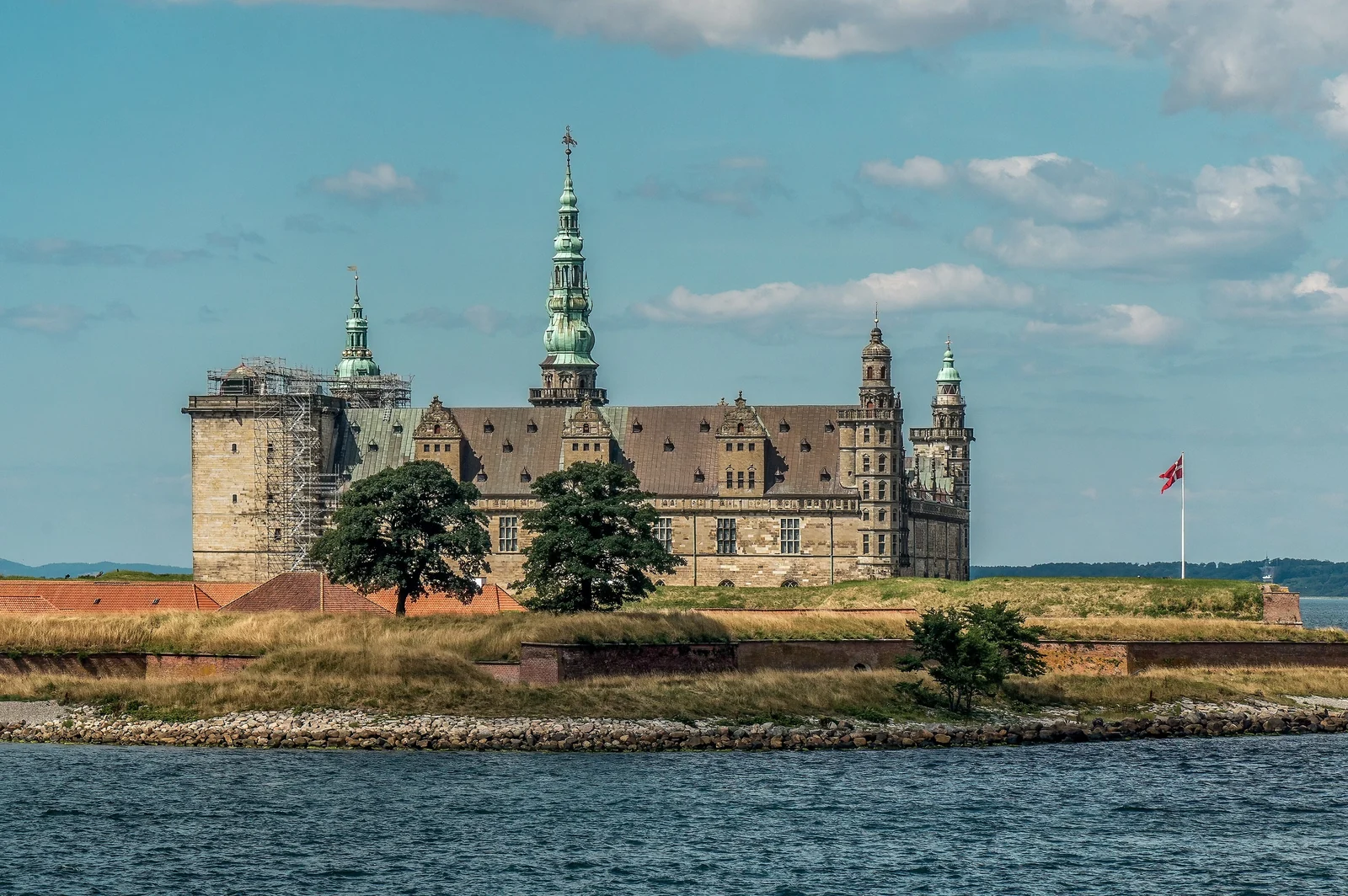
Kronborg guards the narrowest point of the Øresund, where for centuries the Danish crown collected tolls from passing ships. It's a UNESCO World Heritage Site and the Elsinore of Shakespeare's Hamlet, and the dark casemates under the castle are more atmospheric than the grand halls. Sweden is visible across the water, just a short ferry ride away.
Roskilde
The Viking Ship Museum displays five ships that were deliberately sunk in Roskilde Fjord around a thousand years ago to block attackers, and its harbor has working reconstructions. Up the hill, Roskilde Cathedral, another UNESCO site, has been the burial place of Danish monarchs for centuries.
Malmö over the Øresund Bridge
The Øresund Bridge, opened in 2000, links Copenhagen to Malmö by road and rail, partly through a tunnel. Trains leave from Central Station and the airport, and the crossing itself is a highlight. In Malmö, walk the old squares and parks and see the twisting Turning Torso tower. Carry your passport or national ID, since border checks can happen, and remember Sweden uses its own currency.
Best Time to Visit Copenhagen
- May to September: the best weather, very long days around midsummer, harbor swimming and outdoor life. It's also peak season.
- July: the Copenhagen Jazz Festival fills clubs, squares and parks with concerts across the city.
- Late November to December: Christmas markets, Tivoli's Christmas season and candlelit cafés, with short, cold days.
- January to March: dark, gray and quiet, but fine for museums, saunas and lower hotel prices.
Getting Around, Costs and Practical Tips
Metro, Trains and the Airport
Copenhagen Airport sits on Amager, close to the city. The driverless metro runs around the clock and reaches the center in roughly 15 minutes; regional trains go to Central Station. The metro's circle line links Central Station, Nørrebro, Frederiksberg and the main squares, and harbor buses run along the waterfront. Tickets cover metro, trains and buses by zone.
The Copenhagen Card
The city pass bundles free entry to a large number of museums and attractions with public transport across the capital region, including the airport and some day-trip destinations. It pays off if you plan two or three paid sights a day; on a slower trip, single tickets are often cheaper. Compare options on Visit Copenhagen, the official tourism site.
Costs and Money
Denmark uses the Danish krone, and Copenhagen is among the pricier cities in Europe, especially for restaurant dinners and alcohol. Cards are accepted almost everywhere, and some places don't take cash. Service is included in bills, so tipping is optional. Save money with smørrebrød or food-hall lunches, picnics in the parks and free sights like the harbor baths.
Where to Stay
- Indre By (old center): walkable to most sights, though rooms are small and prices high.
- Vesterbro: near Central Station, with the Meatpacking District's nightlife.
- Nørrebro: lively, local and good for food; a short metro or bike ride to the center.
- Christianshavn: canals, houseboats and calm evenings close to Christiania.
- Frederiksberg: leafy and quiet, good for families.
Copenhagen pairs well with other northern trips. If you're heading on to Norway, read our guide to the coast known as Norway's Blue Lagoon or browse all Norway guides. Prefer a city built around food? Try our Lyon travel guide, or see every European destination.
Copenhagen Travel FAQ
How many days do you need in Copenhagen?
Three days covers Nyhavn, Tivoli, Rosenborg, Amalienborg, Christiansborg, Christiania and a couple of neighborhoods by bike. Add a fourth day for Louisiana and Kronborg, and a fifth for Roskilde or Malmö.
Is Copenhagen expensive to visit?
Yes, it's one of Europe's pricier cities, mostly because of hotels, restaurant dinners and drinks. You can keep costs down with smørrebrød or food-hall lunches, picnics, a rented bike and free experiences such as the harbor baths, parks and the Christiansborg tower.
Can you take photos in Christiania?
Not in the Pusher Street area, where signs ask visitors not to take pictures. In the rest of Christiania you can photograph the buildings and lakeside paths, but ask before photographing residents or their homes, and remember it's a community where people live.
Is it easy to cycle in Copenhagen as a visitor?
Yes. The city is flat, bike lanes are wide and separated from traffic, and rental bikes are easy to find. Keep right, signal with your hands, use lights after dark and make left turns in two stages at larger junctions.
Is the Copenhagen Card worth it?
It's worth it if you plan to visit several paid museums and attractions each day, since it also covers public transport in the capital region, including the airport. On a slow trip built around walking, cycling and neighborhoods, individual tickets usually work out cheaper.
How do you get from Copenhagen to Malmö?
Take a train from Copenhagen Central Station or the airport over the Øresund Bridge. The trip takes about 35 to 40 minutes. Bring your passport or national ID card because border checks can happen, and note that Sweden uses the Swedish krona.
Can you swim in Copenhagen harbor?
Yes. Harbor baths such as Islands Brygge have pools, diving platforms and lifeguards in summer, and entry is free. Swimming can be paused after heavy rain because of water quality, so check signs at the bath before you get in.