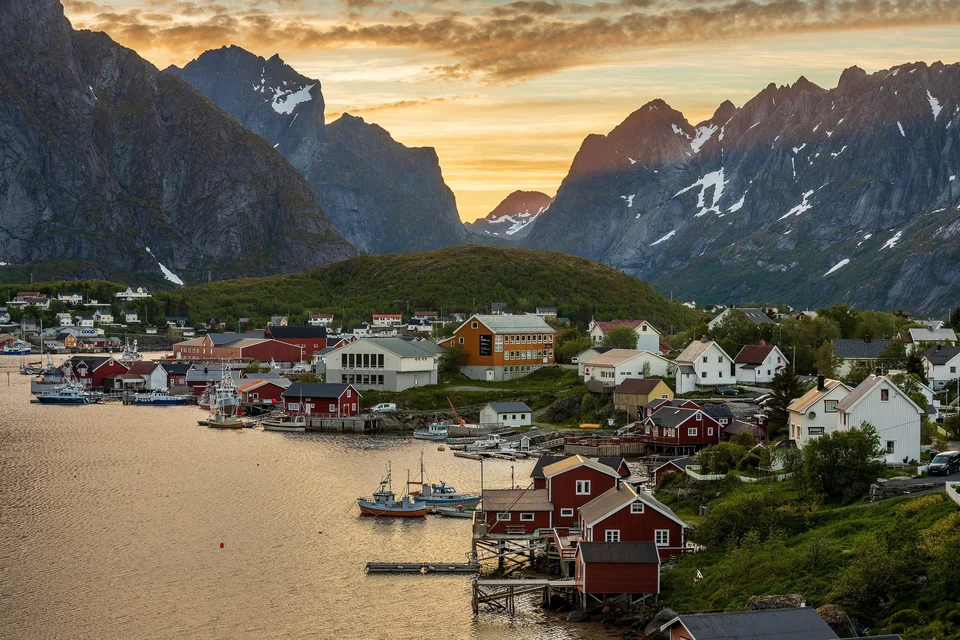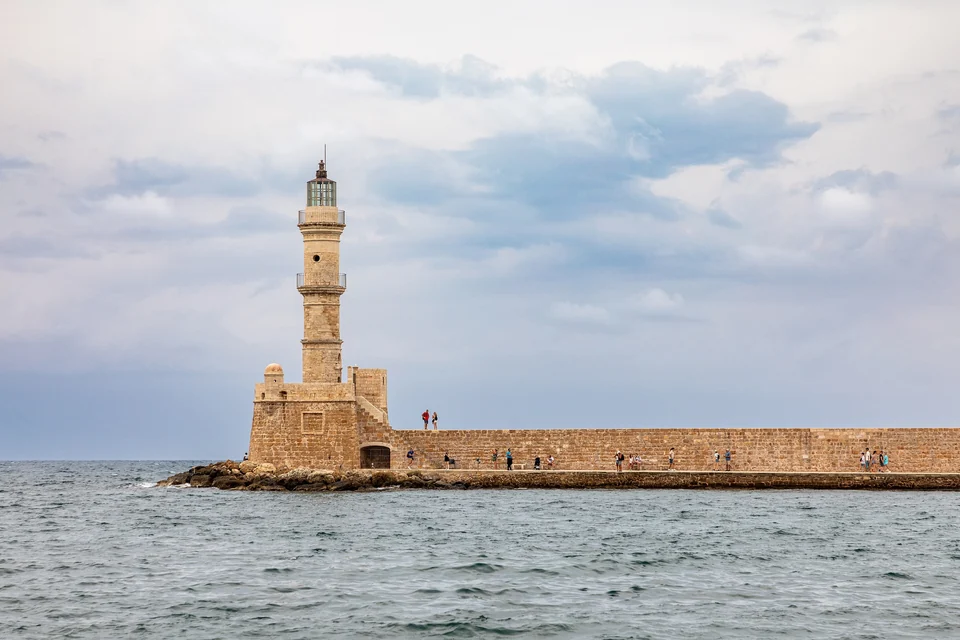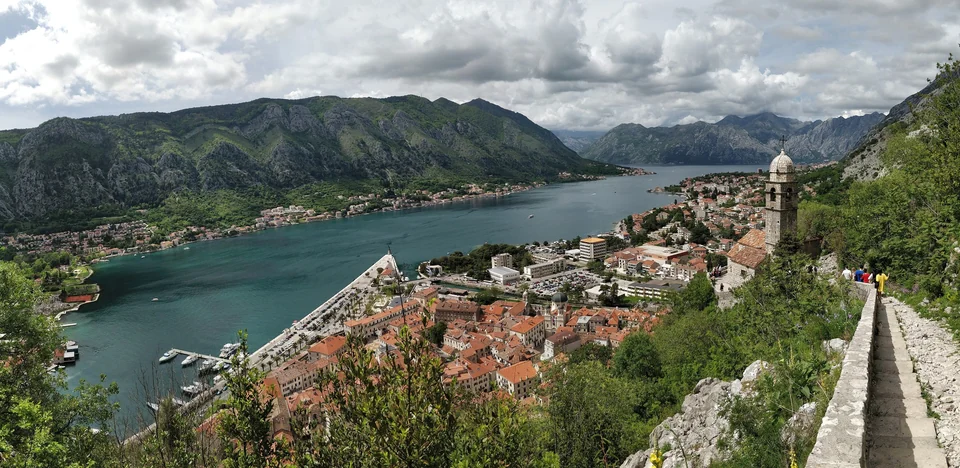



If you are searching for Norway’s Blue Lagoon, here is the short answer: there is no geothermal Blue Lagoon spa in Norway. The famous milky-blue lagoon of that name is in Iceland, where volcanic heat warms the water. Mainland Norway has no volcanoes and no natural hot springs for bathing.
What Norway does have is water that looks just as unreal: glacier-fed lakes in shades of jade and turquoise, and white-sand Arctic beaches where the sea turns Caribbean blue on a sunny day. This guide explains the hidden sources of that color, the best places to see it in Norway and how to plan a visit.
Is There a Blue Lagoon in Norway?
Not in the sense most travelers mean. The Blue Lagoon on Iceland’s Reykjanes Peninsula is a warm bathing lagoon fed by geothermal seawater. Norway sits on old, stable bedrock far from the Mid-Atlantic Ridge, so it lacks the volcanic heat that creates hot springs and steaming lagoons. If warm bathing is your goal, our guide to Iceland’s hot springs and underground wonders is the right place to start.
The one exception is far to the north. On Svalbard, the Norwegian Arctic archipelago, the Troll and Jotun springs in remote Bockfjorden are regarded as the northernmost thermal springs known on land. Their water is only lukewarm, around 20°C or a little more, and the fragile mineral terraces around them are strictly protected. They are a stop on some expedition cruises, not a place to swim.
Why Norway’s Lakes and Fjords Are So Blue
The real “hidden source” of Norway’s blue water is ice. As glaciers slide over bedrock, they grind it into an extremely fine powder called glacial flour or rock flour. Meltwater carries this silt into lakes and rivers, where the tiny particles stay suspended instead of sinking.
Sunlight hitting the water is scattered by those particles. Blue and green wavelengths bounce back to your eye, while much of the red and yellow light is absorbed, which gives glacial lakes their milky turquoise tone. The effect is usually strongest in summer, when melting is at its peak and fresh silt keeps flowing in.
- Glacial lakes: turquoise or jade, slightly cloudy, brightest from July to early autumn.
- Arctic beaches: clear seawater over pale shell sand looks turquoise in shallow bays on sunny days.
- Deep fjords: usually dark blue or green; glacier rivers can tint the inner ends of some fjords.
Blåisvatnet: The Blue Lake of the Lyngen Alps
If any place deserves the nickname “Norway’s blue lagoon,” it is Blåisvatnet, also called Blåvatnet, meaning “the blue lake.” It lies in the Strupskardet valley on the northern Lyngen Peninsula in Northern Norway, beneath the Lenangsbreen glaciers and the sharp peaks of Lenangstinden and Nordre Jægervasstinden.
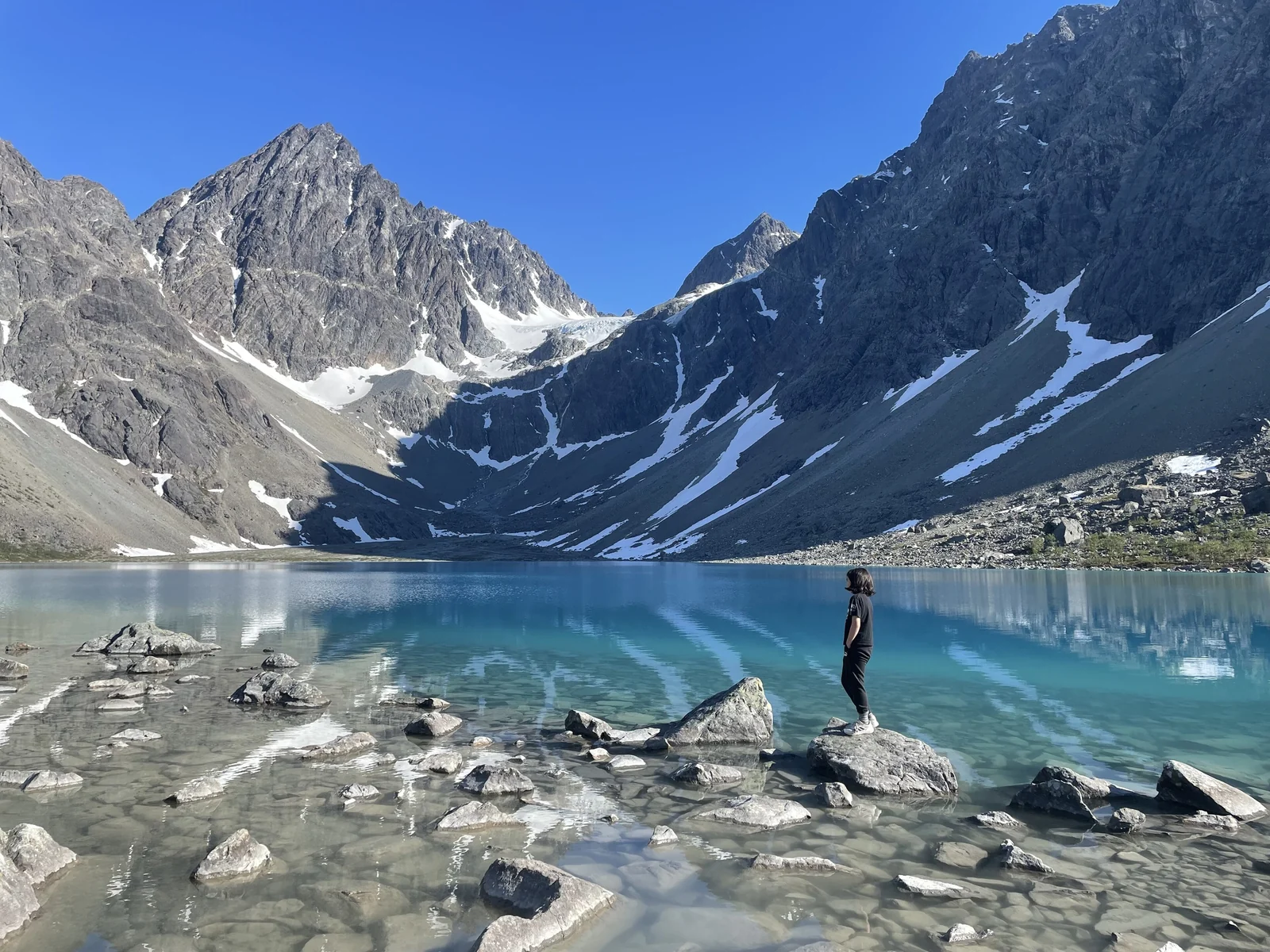
Meltwater from the glacier builds a small delta at the head of the lake and fills it with suspended silt, which produces the intense turquoise color. According to Visit Norway, the hike is quite easy and mostly flat and takes around three hours there and back. The lake is one of a chain of glacial lakes in the valley, and the Lyngen Alps as a whole hold around 140 glaciers.
Planning a hike to Blåisvatnet
Most visitors base themselves in Tromsø and drive out to the Lyngen Peninsula for the day, a route that usually includes a short car ferry. Go between July and early autumn, when the trail is free of snow and the lake is at its bluest. Bring waterproof boots, since the path crosses boggy ground and boulder fields.
Lovatnet and the Glacier Lakes of Nordfjord
In Western Norway, the green-blue lakes around Loen and Olden are fed by Jostedalsbreen, the largest glacier in continental Europe. It covers roughly 487 square kilometers and sends around 50 glacier arms down into the surrounding valleys. Jostedalsbreen National Park was established in 1991.
Lovatnet, just southeast of the village of Loen in Stryn, is the best known of these lakes. It is about 11 kilometers long and lies only 52 meters above sea level, with water flowing in from Jostedalsbreen, Tindefjellbreen and the Kjenndalselva river. In summer, the boat MS Kjenndal II cruises the lake toward the Kjenndalsbreen glacier arm.
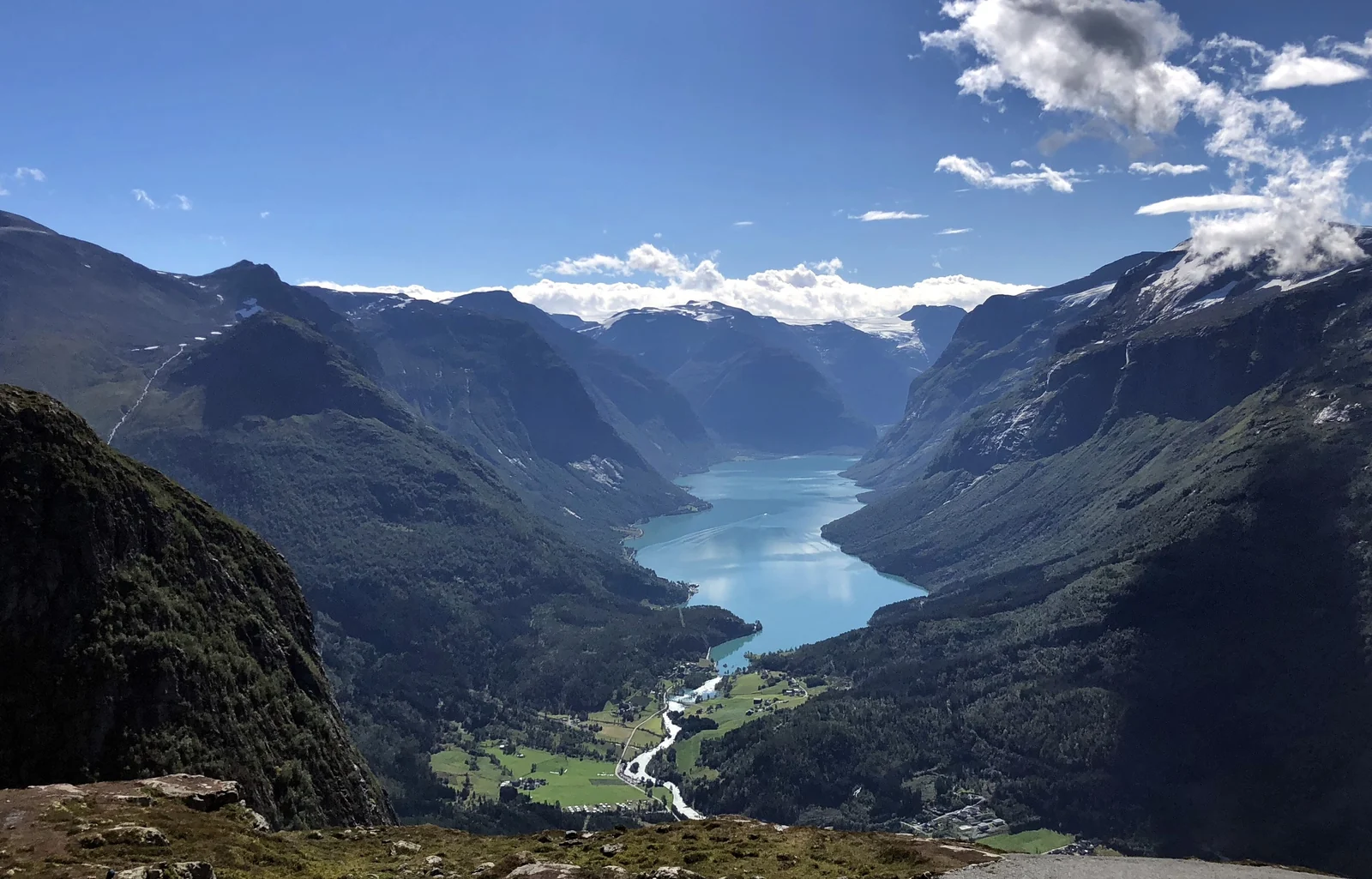
The tragic history of Lovatnet
The calm water hides a painful past. In 1905, a rockslide from the mountain Ramnefjellet sent huge waves across the lake, killing 61 people and destroying the villages of Bødal and Nesdal. In 1936, an even larger slide from the same mountain created a wave around 74 meters high and killed 74 people. Memorials in the area remember the victims.
Kjenndalsbreen and other glacier arms
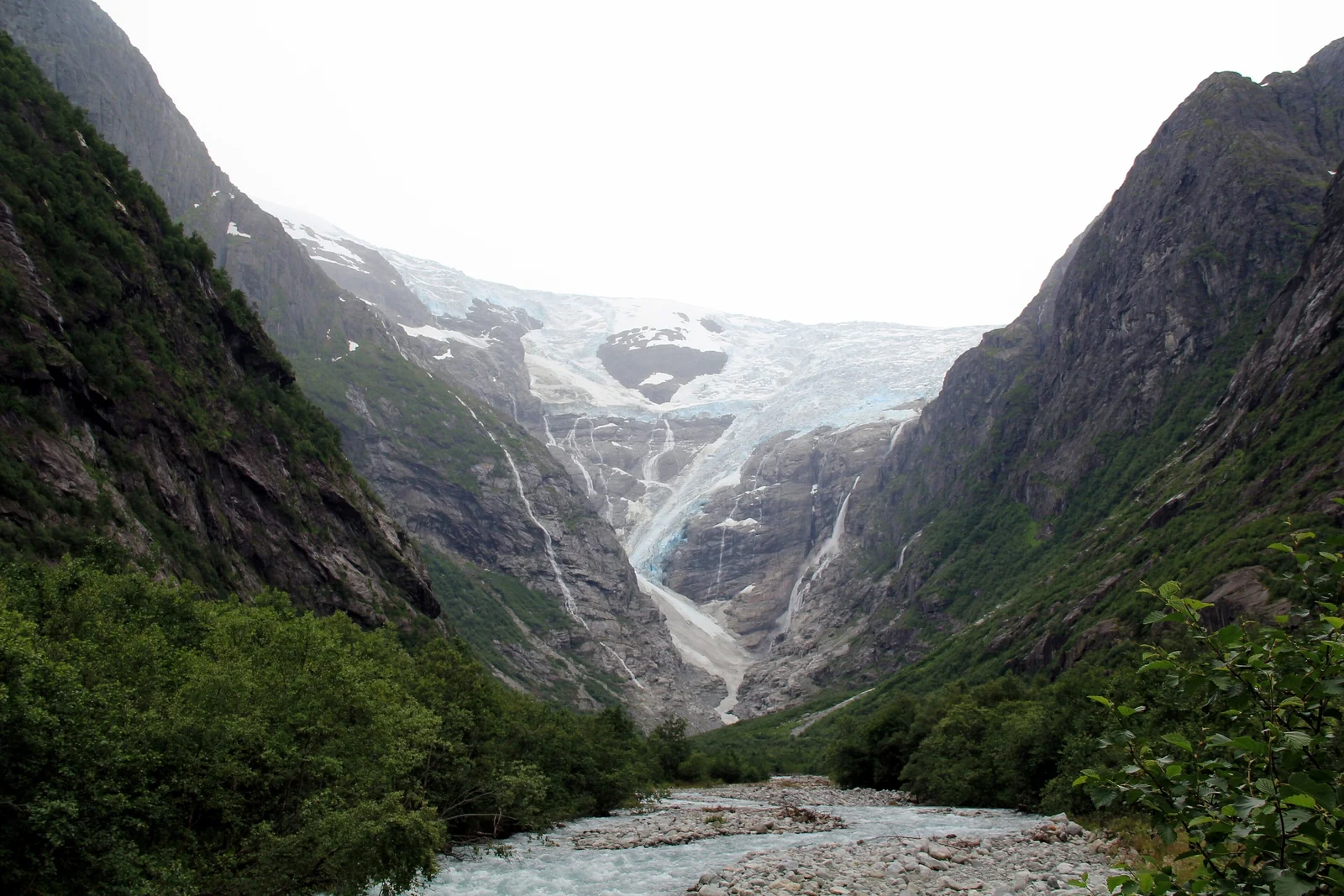
At the far end of Lovatnet, a toll road leads into Kjenndalen, where the Kjenndalsbreen glacier arm hangs above the valley and its meltwater rivers run gray-green toward the lake. Nearby valleys lead to Briksdalsbreen above Olden and Bødalsbreen above Loen. These glacier arms have retreated noticeably in recent decades, so what you see today may look different from older photos.
Lofoten’s Turquoise Beaches
Norway’s other “blue lagoon” look comes from the sea. In the Lofoten Islands, shallow bays with pale sand and clear Atlantic water turn a startling turquoise on bright days, framed by steep mountains. The water stays cold even in summer, so most people come to walk, photograph and maybe take a brave dip.
- Haukland Beach: on the outer coast of Vestvågøy, a short detour from the main Lofoten road. It has white sand, turquoise water and visitor facilities, which makes it the easiest beach for families.
- Uttakleiv: a wilder bay next door with boulders along the shore, popular with photographers, especially in the evening light.
- The coastal walk: a marked, fairly flat trail of about 4 kilometers links the two beaches, according to Visit Lofoten.
Remember that a beach day in the Arctic depends on weather. On gray days the same bays look slate blue, so build flexibility into your plans. In winter, the same coastline becomes one of the classic places to watch the aurora, and our list of the hidden places to watch the northern lights has more ideas.
Best Time to See Norway’s Blue Water
| Season | Glacial lakes | Arctic beaches |
|---|---|---|
| June | Snow may linger on higher trails; color building | Midnight sun in the north, cool water |
| July to August | Peak meltwater and strongest turquoise | Best chance of bright, blue-water days |
| September | Color often still strong, fewer visitors | Autumn light; aurora season begins |
| October to May | Lakes often frozen or dull; trails snowbound | Dark season and aurora; not for beach days |
Safety Tips for Visiting Norway’s Glacial Waters
Glacier lakes and rivers look inviting, but they are very cold and can be dangerous. A few simple rules keep your trip safe and protect the landscape.
- Never walk onto a glacier without a certified guide and proper equipment; crevasses and falling ice are real hazards.
- Keep a safe distance from glacier fronts, where ice can collapse without warning.
- Glacial rivers are fast, silty and ice cold; do not try to wade across them.
- Check the forecast on the day and turn back if the weather closes in.
- Follow Norway’s right to roam responsibly: leave no trace and respect local camping and parking rules.
If you love glacier scenery, compare Norway with our guides to Greenland’s glaciers and the glaciers and mountains of Patagonia. If your trip starts or ends in Denmark, our Copenhagen travel guide covers the Danish capital’s neighborhoods, food and day trips.
Norway’s Blue Lagoon FAQ
Is there a Blue Lagoon in Norway?
No. The famous geothermal Blue Lagoon is in Iceland. Mainland Norway has no volcanic hot springs. Travelers who search for a Norwegian blue lagoon are usually thinking of glacier-fed lakes like Blåisvatnet in the Lyngen Alps or turquoise Arctic bays such as Haukland Beach in Lofoten.
Why is the water in Norwegian lakes so turquoise?
Glaciers grind rock into a fine powder called glacial flour. Meltwater carries it into lakes, where the particles stay suspended and scatter blue and green light back toward you. The color is usually strongest in midsummer, when meltwater brings in fresh silt.
Where is the Blue Lake (Blåisvatnet) in Norway?
Blåisvatnet, also called Blåvatnet, is in the Strupskardet valley on the northern Lyngen Peninsula in Northern Norway, below the Lenangsbreen glaciers. Most visitors come on a day trip from Tromsø. The hike is mostly flat and takes around three hours there and back.
Are there hot springs in Norway?
Not on the mainland. The only notable thermal springs are on Svalbard, at Bockfjorden in the far north, and they are lukewarm at around 20°C or a little more. They are protected and fragile, so bathing is not an option. For natural hot springs, Iceland is the nearby alternative.
Can you swim in Lovatnet or other glacial lakes?
Glacial lakes are very cold even in summer, and some, like Bondhusvatnet in Hardanger, are drinking water sources where swimming is not allowed. Always check local signs, avoid inflowing glacier rivers and never swim alone in cold water.
When is the best time to see Norway’s turquoise water?
July and August are the best months. Glacial melt is at its peak, trails are usually snow free and long days give you the most light. September can still be good, with fewer visitors, while from late autumn to spring many lakes are frozen or snow covered.