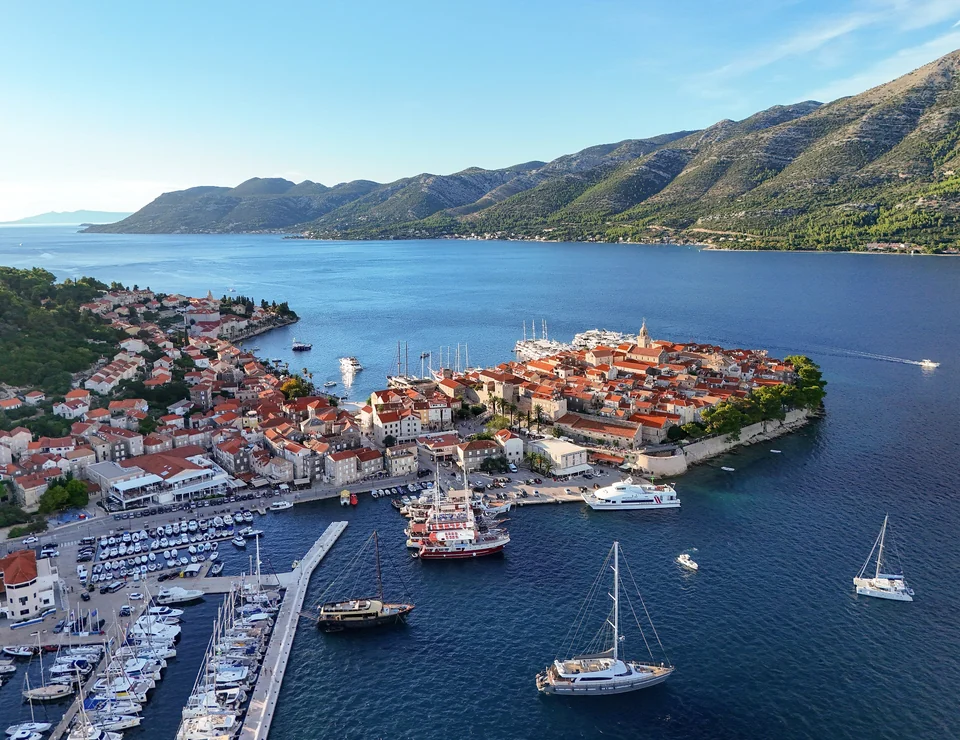
Dubrovnik is a walled city on Croatia's southern Dalmatian coast, and the short version of this Dubrovnik travel guide is simple: spend a day on the Old Town and its city walls, a half day on Lokrum island or the Mount Srđ cable car, and use the rest of your time for day trips by boat or bus. The old center has been UNESCO-listed since 1979, and it is small enough to cover on foot in a morning.
The catch is crowds. In peak season the main street can feel like a train platform when cruise ships are in. A few timing choices fix most of that. This guide covers the sights, the walls, the islands, where to stay, the day trips and the best season, with links to our deeper comparisons where they exist. For the wider region, see our Croatia travel guides.
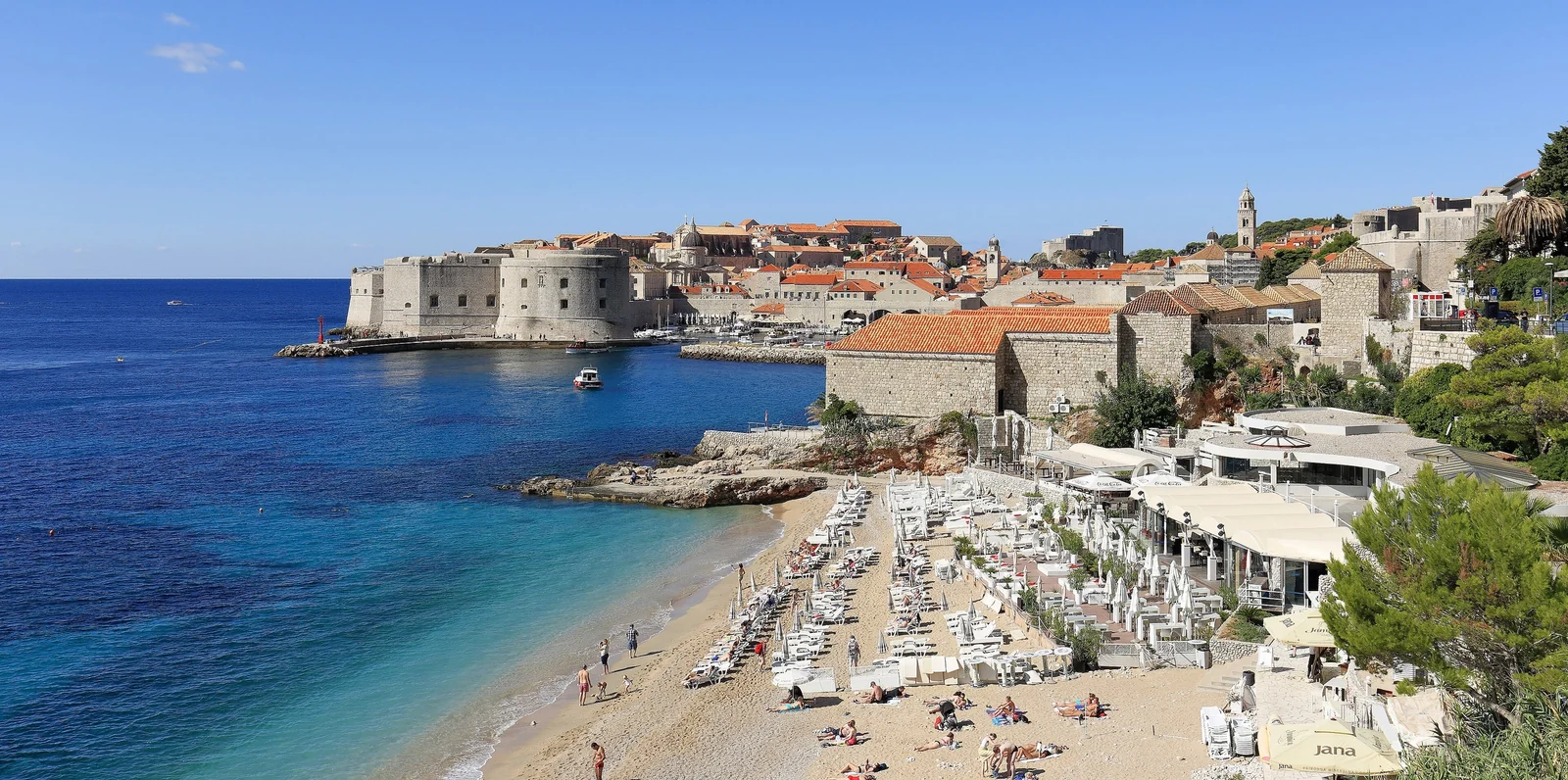
Dubrovnik Old Town: Stradun, the Rector's Palace and Sponza
Enter through the Pile Gate and you step onto the Stradun (also called Placa), the polished limestone main street that runs straight across the old center to the clock tower at the other end. It is only a few hundred meters long, but nearly everything of interest hangs off it or sits one lane away.
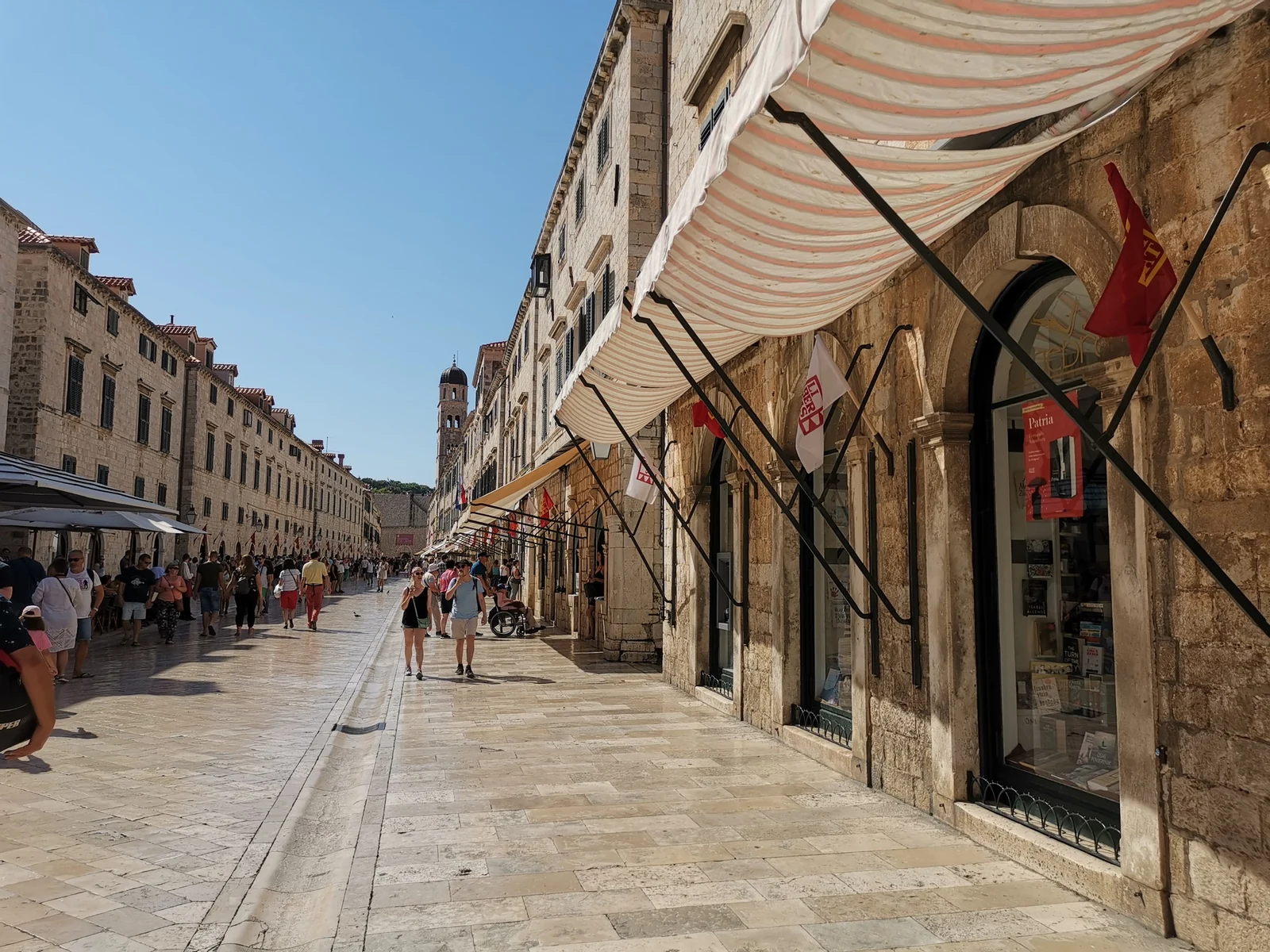
Onofrio's Fountain and the Pile Gate
Just inside the gate, the big round fountain was built in the 15th century as part of the city's water system and is a handy meeting point. Dubrovnik was an independent maritime republic, Ragusa, for centuries, and the practical civic details still show: the water supply, the quarantine houses, the fortified harbor.
Rector's Palace
The Gothic-Renaissance palace near the harbor end was the seat of the republic's elected rector, who served short terms and, tradition says, could not leave the building during office. Today it houses the Cultural History Museum. Go for the atrium and the staircase even if you skip the collection.
Sponza Palace and the Cathedral Quarter
The Sponza Palace, from the early 16th century, mixes late Gothic and Renaissance details and is now used for the state archives and for cultural events. A few steps away stand the baroque cathedral and the church of St. Blaise, the city's patron saint. Both are quick stops, and they are worth more when you are not rushing the Stradun in a pack.
Get Off the Stradun
The side streets climbing the hill to the south are steep, narrow and far quieter. This is where you find laundry lines, small taverns and the daily rhythm of the few residents who remain. Walk the stairs in the early morning and the Old Town feels like a town again.
Walking Dubrovnik's City Walls
The walls are the single best thing to do here, and the one thing you should plan around. The circuit is about two kilometers, built up mainly between the 13th and 16th centuries, and it takes most people 1.5 to 2 hours with photo stops. You see the terracotta roofs from above, the harbor, Lokrum offshore and the forts at each corner.
Tickets are sold at the entrances, and the walk is one-way. Prices and hours change by season, and the ticket usually also covers Fort Lovrijenac, but check the official city walls page for current prices, opening hours and last-entry times before you go. In summer there is little shade and no easy way to leave mid-walk, so carry water.
Timing matters more than anything else. Be at the gate when it opens, or walk in the late afternoon when the tour groups have thinned and the stone turns gold. Midday in July is the hardest version of the walk.
Lokrum Island: The Easy Escape
Lokrum lies a short boat ride from the Old Port. The island is a protected nature reserve with pine woods, a botanical garden, a former Benedictine monastery, peacocks and rocky swimming spots. There are no hotels and no cars, which is the whole appeal.
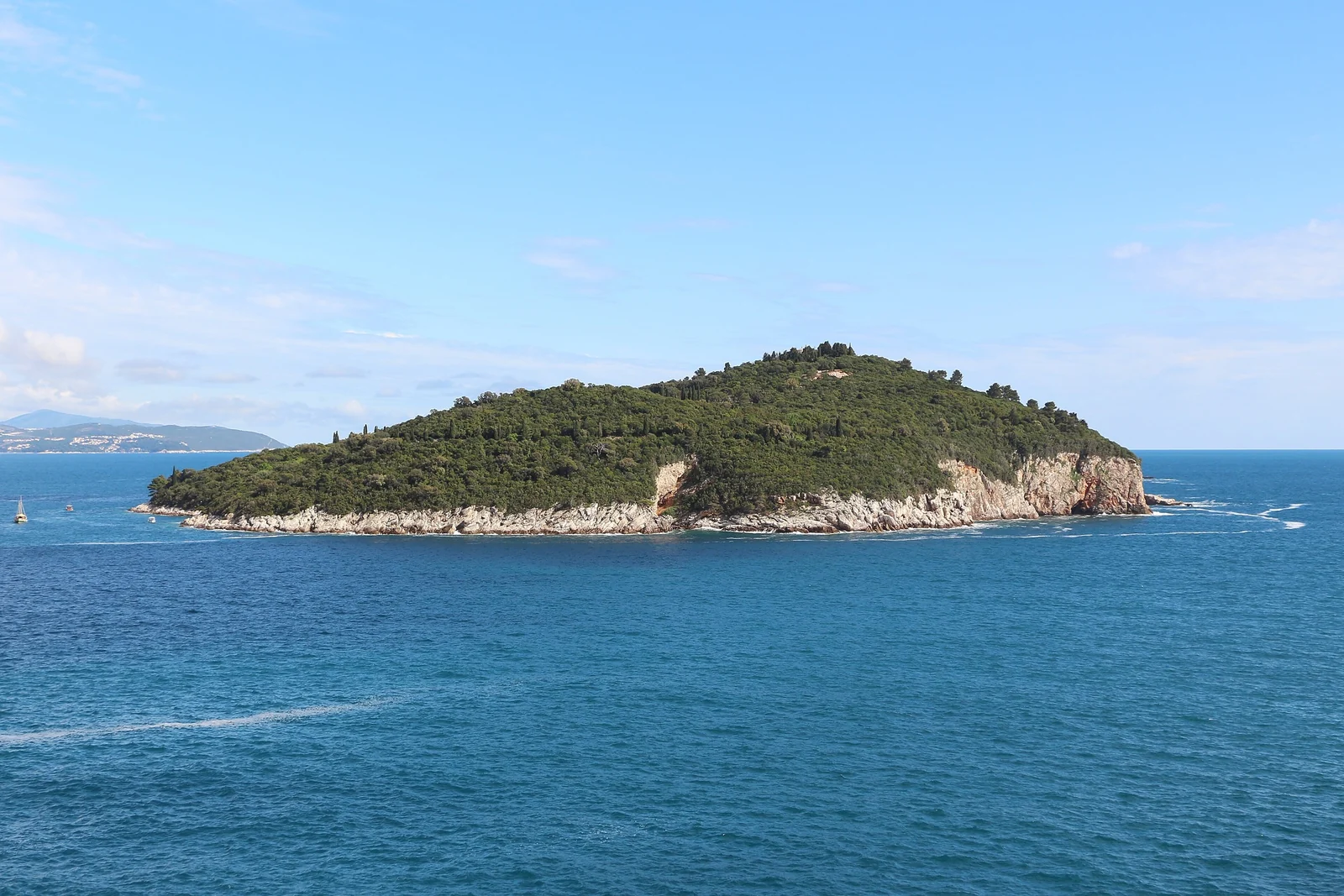
The boats run on a seasonal schedule, roughly from spring through autumn, with the most frequent departures in summer, so check current times and the last return before you plan the day. Allow three to four hours. Bring water and shoes with grip, because the shore is rock rather than sand.
The Cable Car and Mount Srđ
The Srđ cable car climbs from just above the Old Town to the top of the ridge in a few minutes, and the view across the roofs and out to Lokrum is the postcard one. The first cable car was built in the 1960s, damaged during the 1991 siege and rebuilt, so the ride also gives you a sense of the city's recent history.
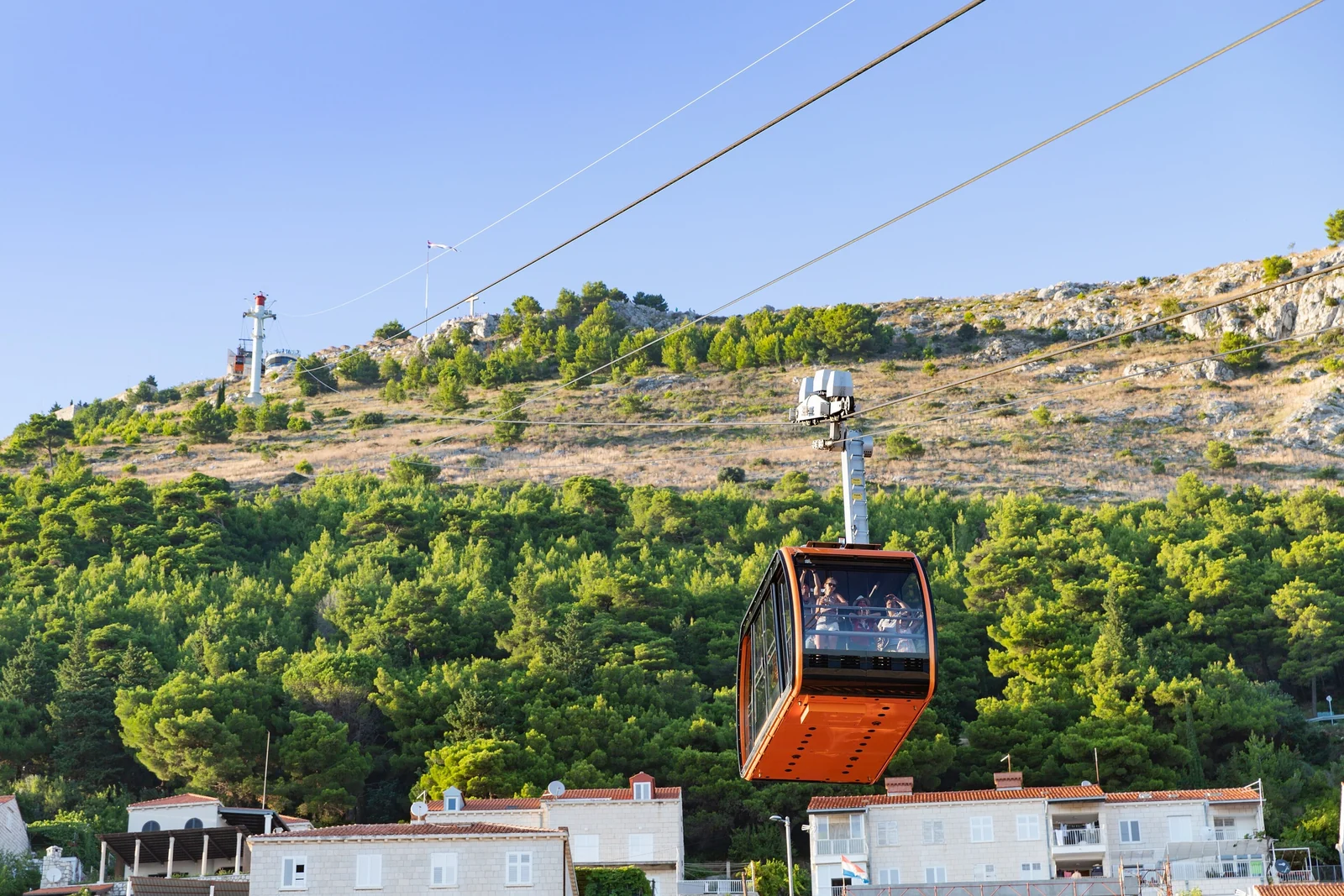
At the top, a fortress from the Napoleonic period holds a museum about the Homeland War of the early 1990s, a sober counterweight to the sunset crowd. Book tickets ahead on the official cable car site in high season, and go before sunset if you want room at the railing. Hikers can walk up instead, but the path is steep, hot and best done in the cool morning.
Game of Thrones Locations in Dubrovnik
The city doubled for King's Landing in the HBO series, and the effect is easy to understand: the walls, Fort Lovrijenac and the harbor look exactly like a fantasy capital. Fans can spot filming sites around the walls and Lovrijenac, and several companies run themed walking tours. Do not expect signs everywhere. Most of the pleasure is simply recognizing the stone.
Lovrijenac, the fort on its rock outside the Pile Gate, is worth a visit without the show too. The view back at the walls is excellent, and it is usually less crowded than the main circuit.
Beaches: Banje and the Rocky Spots
Banje is the city beach, a short walk east of the Ploče Gate, with a view of the walls and Lokrum. It is pebbly, busy and partly occupied by a beach club, so expect sunbeds for hire and a social scene. Come in the morning or the late afternoon for space.
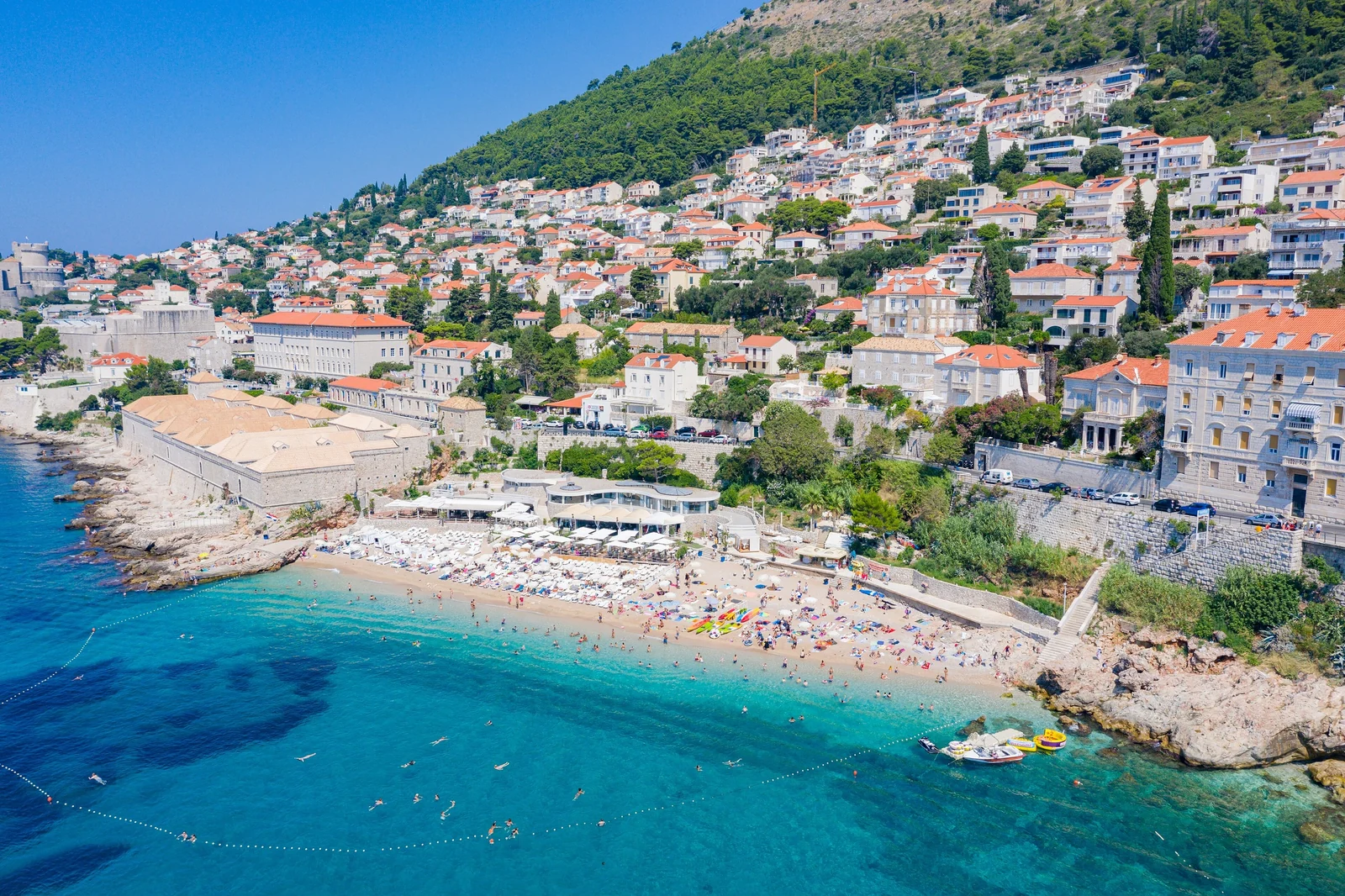
For a quieter swim, look for the small rock coves around the walls or take the boat to Lokrum. Water shoes help everywhere, since the shore is stone and sea urchins live in the shallows. Larger, more resort-style beaches are on the Lapad peninsula, reached by city bus.
Cruise-Ship Crowds and How to Avoid Them
Dubrovnik is one of the Mediterranean's busiest cruise ports, and the city has introduced limits and visitor-management measures to cope. Rules and numbers change, so look at the port and city notices rather than trusting any fixed figure. What you can control is your own schedule.
- Be early. The walls, the Stradun and the cathedral are at their best before 9 a.m.
- Go late. Many day visitors are back on board by late afternoon, and evenings feel calmer.
- Check the port calendar. Ask your hotel which days ships are in and plan the walls for a lighter day.
- Spend a night. The Old Town is a different place after dark, and overnight stays make the other tips easy.
- Leave town. Lokrum, the Elafiti islands and the day trips below take you out of the crowd.
Where to Stay in Dubrovnik
Choose the area first, then the room. The Old Town is atmospheric, but rooms are small, stairs are many and some lanes echo late. Prices inside the walls are usually the highest.
- Old Town: the most atmospheric base and the best for early and late walks, but it is the busiest and priciest, and wheeled luggage means stairs.
- Ploče and Pile outside the walls: a few minutes on foot to the gates, with sea views and often easier access.
- Lapad: a resort peninsula with beaches and a promenade, linked to the center by frequent buses. Good for families.
- Gruž: near the main ferry and bus terminals, practical for day trips and often cheaper, but with less charm.
- Babin Kuk: large resort hotels and quieter beaches on the same peninsula as Lapad.
Day Trips from Dubrovnik: Islands, Walls and Neighboring Countries
The region around the city is one of the best parts of the trip. Dubrovnik sits close to Bosnia and Herzegovina and Montenegro, and the coast road from the north crosses a short strip of Bosnian territory, so carry your passport on any road trip and expect a border check. Check current entry rules for your nationality before you go.
| Destination | How to get there | Best for |
|---|---|---|
| Cavtat | Bus, or a boat from the Old Port | A quiet harbor town, a seaside promenade and swimming |
| Elafiti islands | Ferry or excursion boat | Koločep, Lopud and Šipan: car-free villages and easy swimming |
| Ston and Pelješac | Bus or car | The long defensive walls and oysters |
| Mostar (Bosnia and Herzegovina) | Organized tour, bus or car | The Old Bridge and the Ottoman old town |
| Kotor (Montenegro) | Organized tour, bus or car | A walled bay town backed by steep mountains |
Cavtat and the Elafiti Islands
Cavtat is a small harbor town south of Dubrovnik, an easy bus ride or a pleasant boat trip. The Elafiti islands, a short ferry ride north-west of Gruž, are the best answer to the crowds: wander the villages, swim from the rocks and eat lunch on the water. Many travelers join a boat excursion for a loop of three islands, though the local ferries are cheaper if you can match the schedules.
Ston and the Pelješac Peninsula
About an hour north-west, the town of Ston has one of Europe's longest fortification systems, with walls running over the hills to the sister town of Mali Ston. The bay is also known for oysters and mussels. A walk on the walls plus a seafood lunch makes a satisfying and much less crowded day.
Mostar and Kotor
Both can be done in a day, but they are long days with border waits. To see how the two old towns compare, read our guide to Kotor or Dubrovnik, and see our verdict on the Mostar day trip from Dubrovnik before you book. For a longer Montenegro stay, our Montenegro travel guide covers Kotor and beyond.
Getting to Dubrovnik and Getting Around
Dubrovnik's airport lies south of the city near Čilipi, with an airport bus to the Old Town and Gruž, and taxis as an alternative. The intercity bus station is at Gruž, and long-distance buses from Split and Zagreb arrive there. If you are planning the whole coast, our Dalmatian Coast itinerary links Split, Hvar and Dubrovnik.
Inside the walls there are no cars, so wheeled luggage can be hard work on stone and steps. City buses link the Old Town with Gruž, Lapad and Babin Kuk. Walking, boats and the cable car handle everything else. If you rent a car, parking near the Old Town is limited and pricey, so leave it at your lodging.
Best Time to Visit Dubrovnik
| Season | What to expect |
|---|---|
| April to May | Mild days, fewer crowds and a cooler sea; some island services are still limited |
| June | Long days, a warming sea and the first summer crowds |
| July and August | Hottest, busiest and most expensive, with heavy cruise traffic on the Stradun |
| September to October | Warm sea, softer light and thinner crowds: the best balance for most travelers |
| November to March | Quiet and mild to cool; some restaurants, boats and attractions close or run shorter hours |
If you can, go in late May, June or September. The sea is swimmable, the walls are comfortable to walk and the city is still lively. In winter the Old Town feels like itself again, though you give up Lokrum and most island boats.
Dubrovnik Travel FAQ
How many days do you need in Dubrovnik?
Two full days cover the Old Town, the city walls, the cable car and a boat trip to Lokrum. Add a third or fourth day for a day trip, such as the Elafiti islands, Ston or Cavtat, and a fifth if you also want to see Mostar or Kotor.
Is it worth walking Dubrovnik's city walls?
Yes. The roughly two-kilometer circuit gives the best views of the roofs, harbor and Lokrum, and takes about 1.5 to 2 hours. Go early or late to avoid heat and crowds, and check the official walls site for current tickets and hours.
How do you get to Lokrum from Dubrovnik?
Boats leave from the Old Port on a short crossing of about 15 minutes. The service runs seasonally, usually from spring to autumn, so check the current schedule and the last return before you go.
When is the best time to visit Dubrovnik?
Late May, June and September offer the best mix of warm sea, long days and manageable crowds. July and August are the hottest and busiest, while winter is quiet but some boats and attractions close.
Can you do Mostar or Kotor as a day trip from Dubrovnik?
Yes, both are common day trips, but they are long days that include a border crossing. Carry your passport, and check entry rules and border waits before you book. Many visitors prefer an overnight in Kotor.
Where should you stay in Dubrovnik?
Stay inside the Old Town for atmosphere and early walks, in Ploče or Pile for easy access with fewer stairs, in Lapad or Babin Kuk for beaches and families, or in Gruž for transport links and lower prices.
How do you avoid cruise-ship crowds in Dubrovnik?
Visit the walls and the Stradun early in the morning or late afternoon, ask your hotel which days ships are in port, spend at least one night, and use one day to leave town for Lokrum or the Elafiti islands.