Yes, a Mostar day trip from Dubrovnik is worth it for most travelers, as long as you accept a long day and a border crossing in each direction. Mostar is the best-known town in Bosnia and Herzegovina, and its stone Old Bridge over the green Neretva River is one of the most recognizable sights in the Balkans. It sits roughly three hours from Dubrovnik by road, so the trip fits into a single day but not a relaxed one.
The honest version: the bridge and the old quarter are special, the setting is lovely, and the history gives the visit weight. But the town center is small and crowded in summer, and a rushed tour can leave you with more time on the road than on the cobbles. This guide covers what to see, how to get there, how to build the day, and when it makes sense to stay overnight instead. If you are still deciding where to base yourself on the coast, our comparison of Kotor and Dubrovnik helps.
Is a Mostar Day Trip From Dubrovnik Worth It?
It is worth it if you like places with a story, enjoy a different culture from Croatia's coast, and can handle five to six hours in a vehicle. Mostar feels distinctly Ottoman in its old quarter, with minarets, tea houses and a bazaar, and that contrast with Dubrovnik's Adriatic stone streets is the real reward. For travelers with only a few days in the region, it is one of the easiest ways to add a second country.
It is less worth it if you dislike long transfers, travel with very young children, or are in Dubrovnik in the hottest part of summer and wilt in the heat. In that case, a shorter excursion closer to the city may suit you better, or you can plan one overnight in Mostar and see it properly. Our verdict near the end spells out who should pick which.
What Mostar Is and Why the Bridge Matters
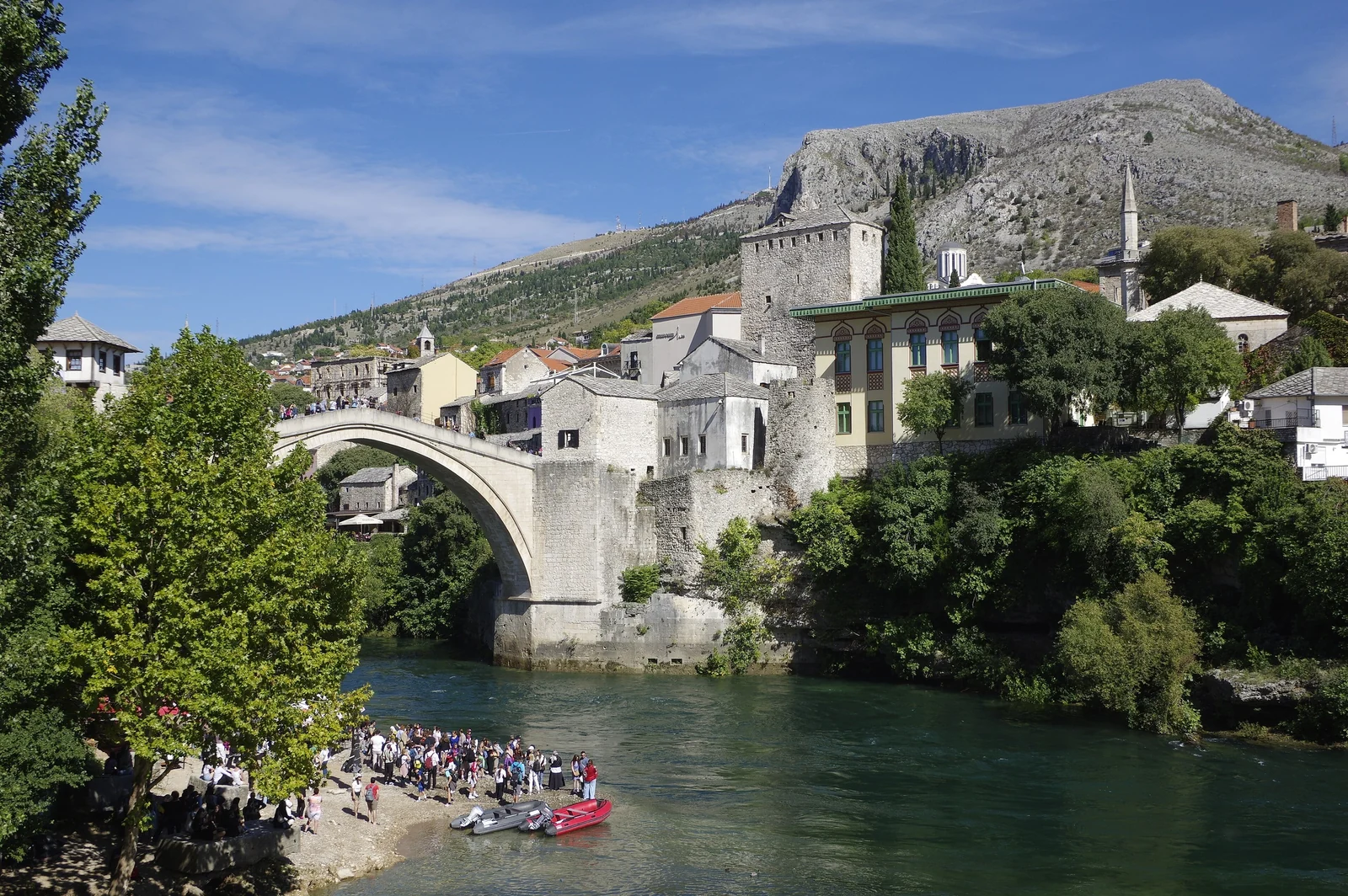
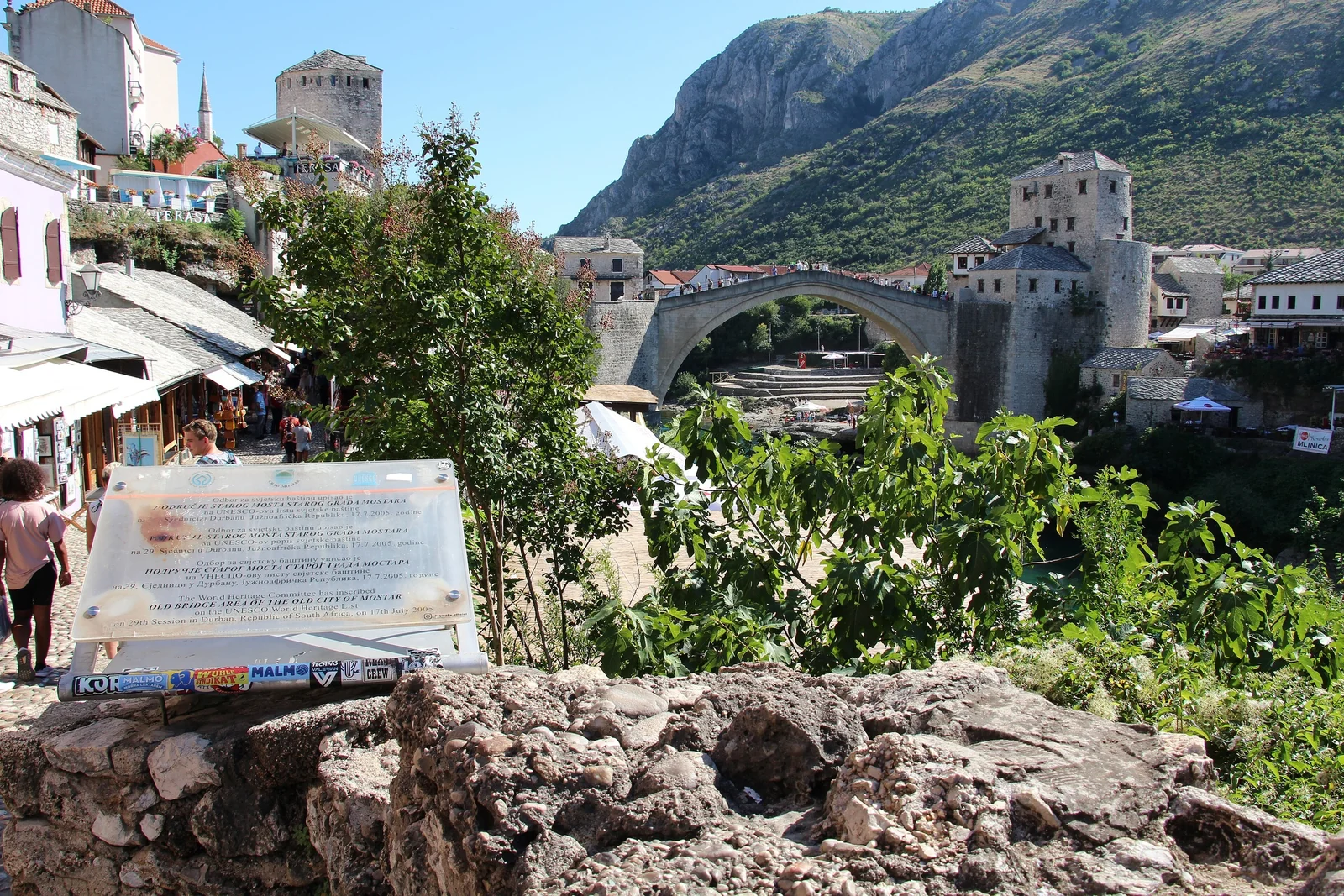
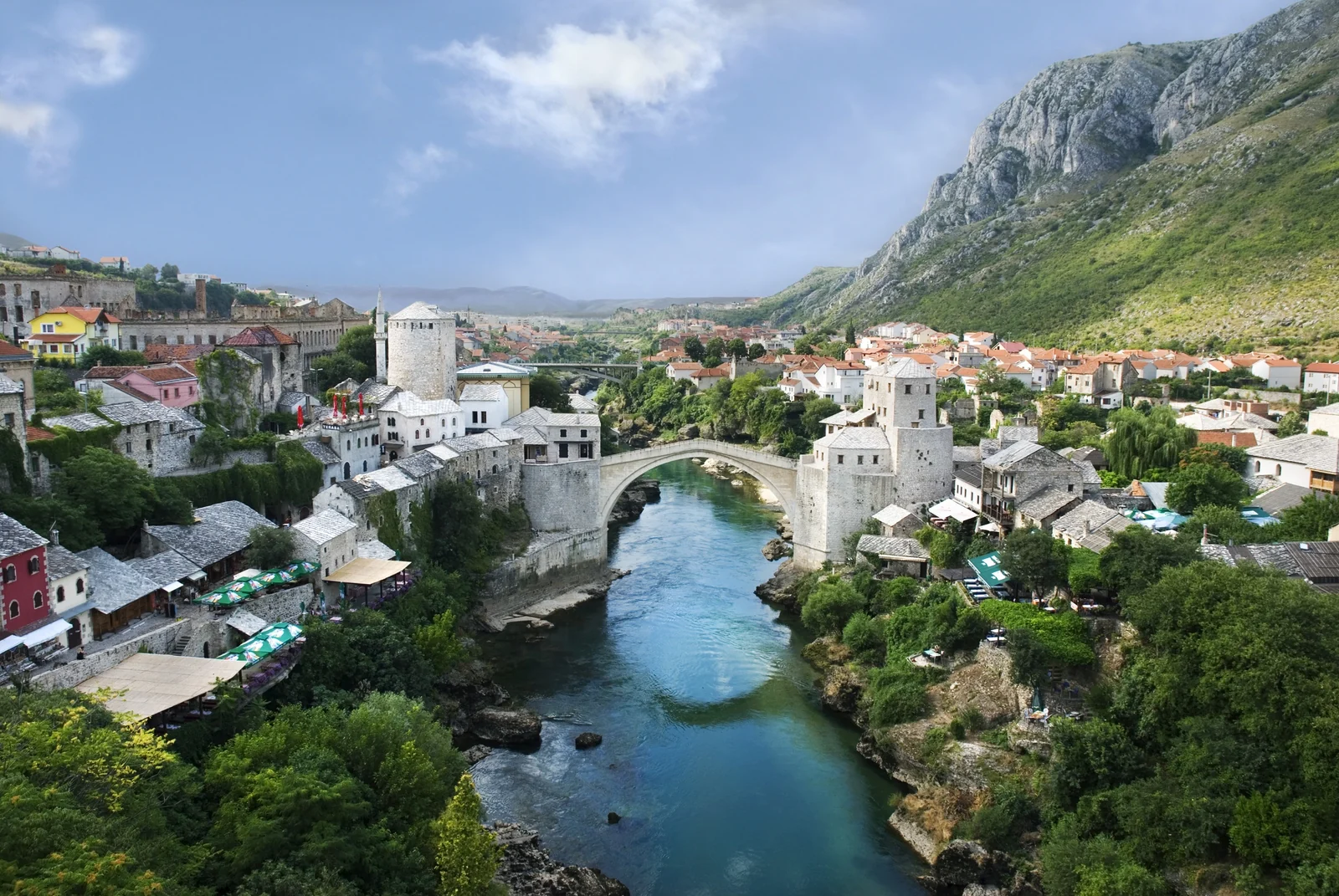
Mostar is the main city of Herzegovina, the southern part of Bosnia and Herzegovina, and its name is usually traced to the bridge keepers (mostari) who guarded the crossing over the Neretva. The Ottoman-era Stari Most, or Old Bridge, was completed in the 1560s and for more than four centuries was one of the great single-span stone arches in Europe.
In November 1993, during the war that followed Yugoslavia's breakup, the bridge was destroyed by shelling. It was rebuilt using traditional methods and local stone, with international support, and reopened in July 2004. In 2005 UNESCO inscribed the Old Bridge Area of the Old City of Mostar on the World Heritage List, recognizing it as a symbol of reconciliation and of coexistence between communities.
That is why a visit here feels different from a typical postcard stop. The reconstructed bridge is both a monument and a deliberate act of repair, and the town around it still carries the marks of the conflict.
What to See in Mostar
Stari Most and the Old Bridge Museum
Walk across the bridge slowly. The stone surface is polished and slippery, so wear shoes with grip. The fortified towers at either end hold small museum exhibits about the bridge's history and reconstruction; check current opening hours and ticket arrangements locally, as they change.
The Old Bridge divers
Mostar has a long tradition of young men diving from the bridge into the cold river far below, and a local diving club carries it on. Divers often collect tips from onlookers before jumping. A formal diving event is held in summer, so check dates if it matters to you. Treat it as a bonus, not a promise, because river conditions decide what happens on a given day.
Kujundžiluk, the Old Bazaar
The cobbled lanes on the east bank, known as Kujundžiluk, are lined with small shops selling copperware, ceramics and souvenirs. Coffee here is served Bosnian style in a small copper pot, and it is worth sitting down for one. Prices are for you to compare and negotiate with the seller, so do not expect fixed rates.
Koski Mehmed Pasha Mosque
This 17th-century mosque stands close to the river and is one of the easiest historic buildings to visit. Visitors are welcome outside prayer times with modest dress, and many climb the minaret for the classic view back across the bridge. Check current rules and entry fees on the spot.
The wider city and its scars
Step a few streets away from the bridge and you will see buildings still pocked with bullet holes or left in ruins. Mostar was divided during the 1990s conflict, and the Neretva and a former front line shaped where communities lived. It is a sensitive subject for residents, so be respectful: ask before photographing people, avoid treating damaged buildings as backdrops for jokes, and listen if a local guide shares personal history.
How to Get From Dubrovnik to Mostar
Three practical options exist: an organized tour, a regular bus, or a car. Each has trade-offs in cost, flexibility and stress, and the comparison table further down sums them up.
The border crossings and the Neum corridor
Bosnia and Herzegovina is not in the EU or the Schengen area, so you cross a real border. Heading for Mostar from Dubrovnik, you leave Croatia and enter Bosnia and Herzegovina near the coastal town of Neum, then drive inland through Herzegovina. Neum is Bosnia's only stretch of Adriatic coast, a short strip that splits southern Croatia into two parts. Since the Pelješac Bridge opened in 2022, travelers going along the Croatian coast toward Split can skip Neum, but a Mostar trip still involves crossing into Bosnia and back.
Expect checks on both sides, and queues in peak summer and at weekends. Border waits are unpredictable, so build slack into your schedule rather than trusting a printed time.
Organized tour, bus or self-drive
Organized tours pick you up in Dubrovnik, handle the border and combine Mostar with other stops. They are the easiest choice if you do not want to drive, but you move on the group's clock and the bridge time is often shorter than you would like. Public buses run between Dubrovnik and Mostar and are the budget route; check current timetables with the Dubrovnik bus station and carriers, because schedules and travel times vary by season. Driving gives you the most freedom, especially for waterfalls and villages on the way, but you need to confirm that your rental company allows crossing into Bosnia and ask about insurance and any paperwork.
Day Trip Options Compared: Tour, Bus or Car
| Option | Best for | Pros | Watch out for |
|---|---|---|---|
| Organized tour | First-timers, no driving | Border handled, can include Kravice and Počitelj | Fixed schedule, limited time in Mostar, group size |
| Public bus | Budget travelers, independent types | Usually the cheapest approach, no driving | Few departures, limited flexibility, tight return times |
| Self-drive | Flexibility, small groups | Choose your stops and pace | Rental cross-border rules, parking, border waits |
| Private transfer or driver | Families, small groups | Door to door, adjustable itinerary | Higher cost, so compare quotes and check what is included |
If it is your first time, a tour with a small group is the least stressful. If you are two or more people comfortable behind the wheel, a car often gives better value and better stops. Take the bus only if you have checked that the return departure leaves you enough time in town.
What to Combine: Kravice, Počitelj and Blagaj
Many organized tours add one or two stops between the coast and Mostar. If you drive, choose just one or two, otherwise the day turns into a blur of parking lots.
- Kravice waterfalls: a wide curtain of cascades on the Trebižat River southwest of Mostar, popular for a short walk and, in warm months, a swim. Check current access and facilities before you go.
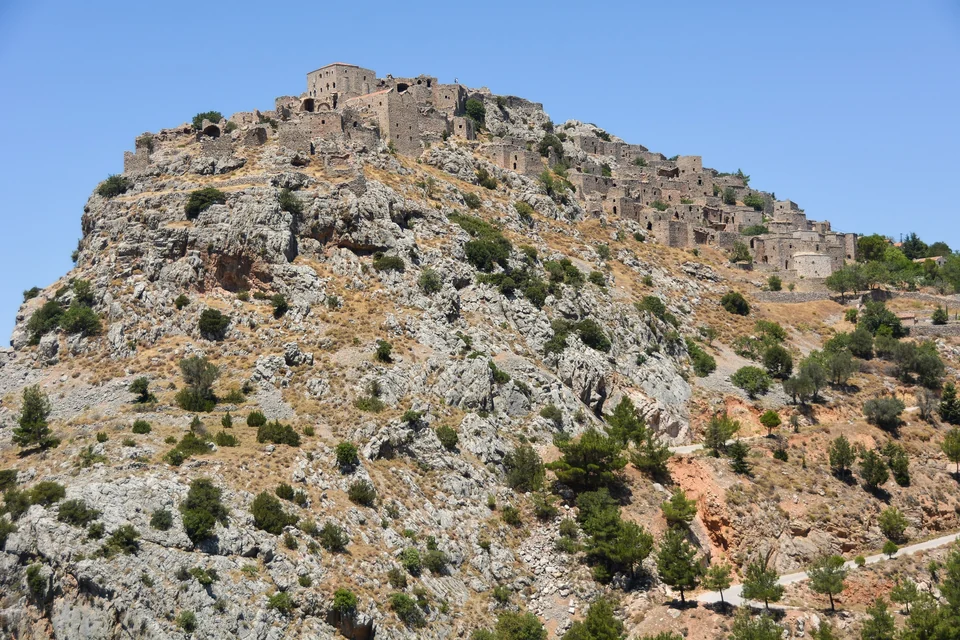
- Počitelj: a historic fortified village climbing a hillside above the Neretva, with Ottoman-era stone buildings, a mosque and a citadel. It is quick to see and good for photographs.
- Blagaj Tekke: a Sufi dervish house beside the source of the Buna River, set under a high cliff. It is close to Mostar and feels peaceful compared with the bridge crowds.
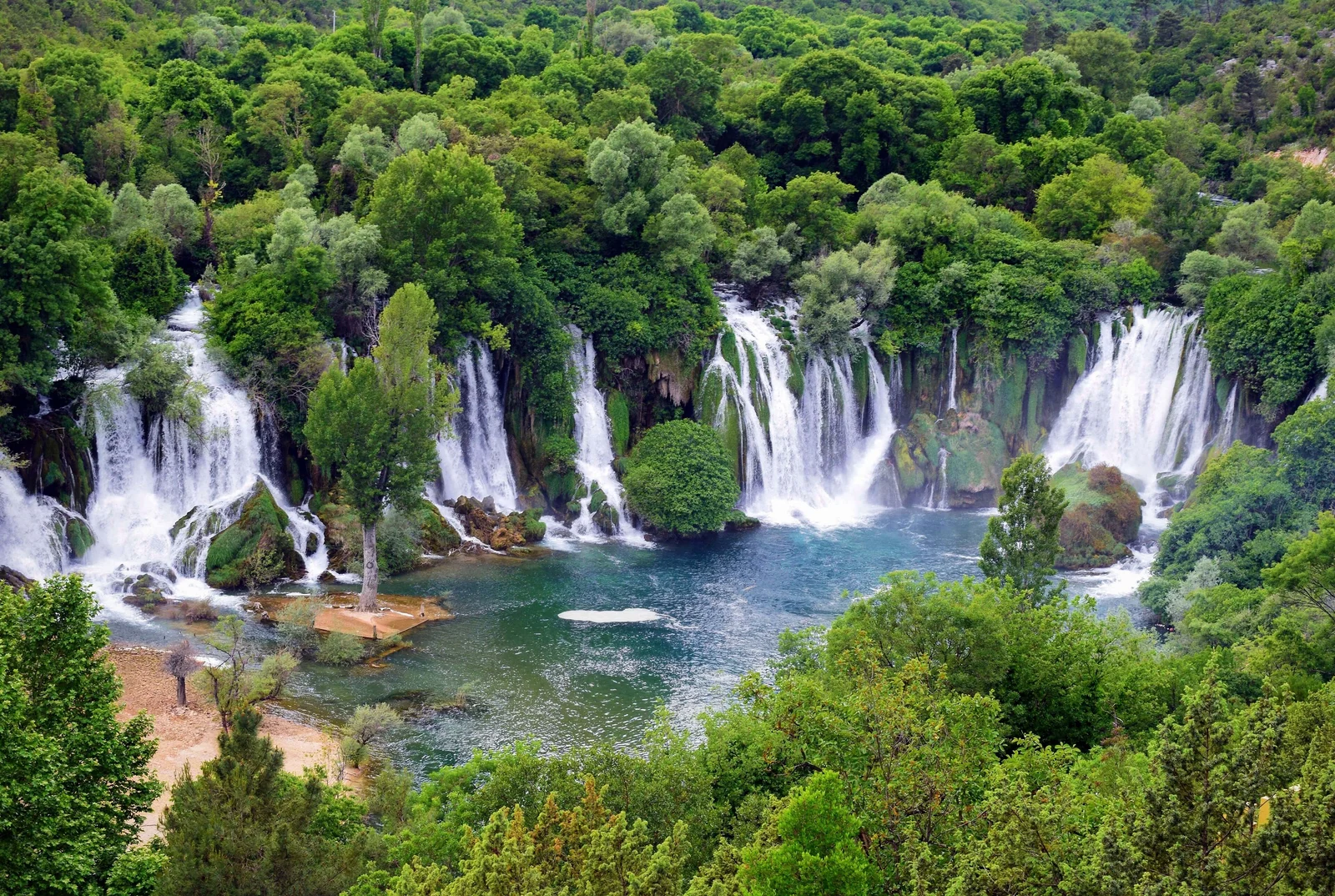
If you can only fit one, most people pick Kravice in summer and Blagaj in cooler months. Počitelj works as a short stop on the way in or out.
Sample Timeline for a Long Day
- Early morning: leave Dubrovnik as early as practical, since the border and road are quieter before the day tours fill up.
- Mid-morning: cross into Bosnia, then take a short stop at Počitelj or a coffee break on the way.
- Late morning to early afternoon: arrive in Mostar, walk the old quarter, cross the bridge, and have lunch away from the busiest lane.
- Afternoon: visit the mosque, the bridge towers or a quieter side of town, then add Blagaj or Kravice if your transport allows.
- Late afternoon: leave Mostar to reach Dubrovnik before dark, with allowance for the border queue on the way back.
The key is to keep your Mostar time at three to four hours or more. Anything less and you are paying a long drive for a quick photo stop.
Practical Tips: Money, Documents and Weather
Passport and ID
Carry your passport. Entry rules depend on your nationality, and national ID cards may not be enough, so check the current requirements with the official foreign ministry of your country or the Bosnia and Herzegovina tourism site before you travel. If you hire a car, bring the rental papers too.
Currency
Bosnia and Herzegovina uses the convertible mark (KM, or BAM). Many tourist-facing shops and restaurants in Mostar accept euros, but change and exchange rates may not favor you, and small stalls may prefer marks. Carry a small amount of local currency, use cards where accepted, and check current rates before you convert.
Season and heat
Spring and early autumn are the most comfortable seasons: warm, less crowded and better for walking. Summer is lively and long-daylight but can be very hot, and the stone bridge and bazaar reflect that heat back at you. If you go in summer, start early, carry water, wear a hat and plan lunch in the shade. Winters are cooler and quieter, but opening hours may be shorter.
Etiquette and safety
- Dress modestly if you plan to enter a mosque.
- Take your shoes off where requested.
- Be considerate when photographing people.
- Keep valuables secure in crowds, as in any popular destination.
Day Trip or Overnight? Our Verdict
For most visitors with a base in Dubrovnik, one well-planned day is enough to see the bridge, the old quarter and one nearby stop. It will not give you a deep understanding of Mostar, but it will give you a clear impression and a good story.
Stay a night if you want to see the bridge in the quieter evening, once the tour buses have left, or if you are continuing to Sarajevo or on through Bosnia. A night also lets you slow down at Blagaj and Kravice without watching the clock. If your time is tight or you dislike long travel days, skip it and spend that day on the coast instead; our Dalmatian coast itinerary shows what else the area offers, and the Croatia section has more ideas. Heading south afterward? See our Montenegro travel guide.
Mostar Day Trip FAQ
How long is the trip from Dubrovnik to Mostar?
By road it is roughly three hours each way, depending on traffic and the border queue. Buses and tours may take longer with stops. Check current timetables and allow extra time in summer, when the border can be slow.
Do I need a passport for a Mostar day trip?
Yes, bring your passport, because you cross from Croatia into Bosnia and Herzegovina and back. Entry rules depend on your nationality, so confirm with your government's travel advice or the official Bosnian sources before you go.
What currency do I need in Mostar?
The local currency is the convertible mark (KM or BAM). Many tourist businesses accept euros and cards, but carrying some marks helps at small stalls and cafés. Check current exchange rates and your bank's fees before you travel.
Can I do Mostar and Kravice waterfalls in one day?
Yes, many tours and drivers combine them, and it makes a full day. In summer you may want swimming time at Kravice, which cuts into Mostar. If you want a relaxed pace, choose one stop or stay overnight.
Is Mostar safe to visit?
Mostar is generally considered safe for visitors, with the usual care for pickpockets in crowds. Mind the slippery stone on the bridge, and check your government's current travel advice for Bosnia and Herzegovina before you go.
What is the best time of year for the trip?
Spring and early autumn are the most comfortable, with milder temperatures and fewer crowds. Summer is busy and hot, so start early and bring water. Winter is quiet, but some services may have reduced hours.
Is Mostar worth it if I only have a few days in Dubrovnik?
If you enjoy history and a contrast with the coast, yes. You will spend a lot of the day traveling, so a tour is the simplest option. If you prefer relaxed days by the sea, keep the time for Dubrovnik and the islands.