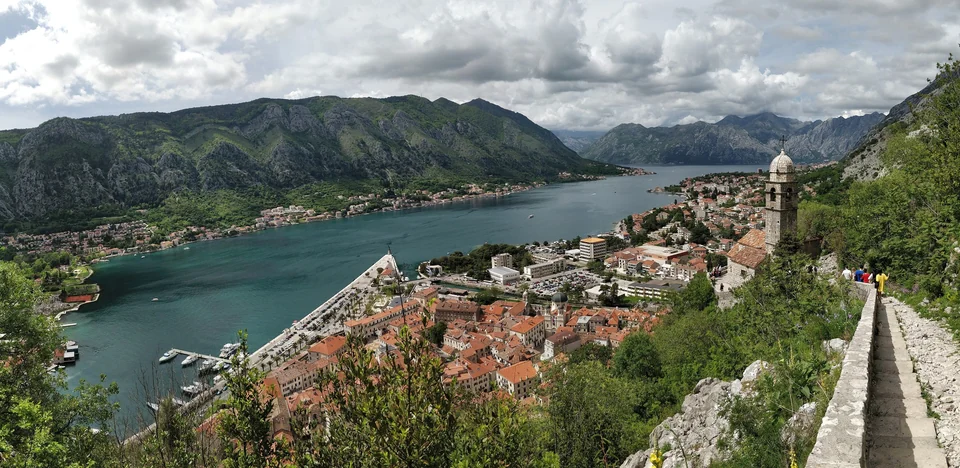
Pick Dubrovnik if you want the grander, more polished old town and the famous wall walk. Pick Kotor if you want a smaller town, a dramatic bay and a mountain climb behind your hotel. Both are walled medieval ports with marble lanes and terracotta roofs, both were inscribed on the UNESCO World Heritage List in 1979, and both get crowded when cruise ships are in. The difference is in the setting and the feel.
The good news is that you do not have to choose. The two towns are roughly two hours apart by road, across the Croatia–Montenegro border, so a three-day trip can cover both. This guide compares them point by point, then gives you a verdict and a sample route. For the wider picture, see our guides to Montenegro and to the Dalmatian coast.
Kotor vs Dubrovnik at a Glance
| Kotor | Dubrovnik | |
|---|---|---|
| Country | Montenegro | Croatia |
| UNESCO listing | Natural and Culturo-Historical Region of Kotor (1979) | Old City of Dubrovnik (1979) |
| Setting | Walled town at the end of a deep, fjord-like bay under steep mountains | Walled town on a rocky headland facing the open Adriatic |
| Size and feel | Compact maze of small squares, easy to cross in minutes | Larger and more monumental, with a main street and grand gates |
| Signature walk | Climb to the fortress of San Giovanni (Sveti Ivan) on the hill behind the town | Circuit of the city walls, 1,940 m long according to the official site |
| Beaches | Small pebble spots nearby, better ones along the coast toward Budva | Pebble beaches a short walk or ride away, plus boat trips to islands |
| Crowds | Heavy when cruise ships dock in the bay | Heavy in summer and on cruise days, and a long-running overtourism debate |
| Best for | Views, hiking, a quieter base, combining with Montenegro | A grand first look at the Adriatic, history, island day trips |
Two UNESCO Old Towns, Two Different Settings
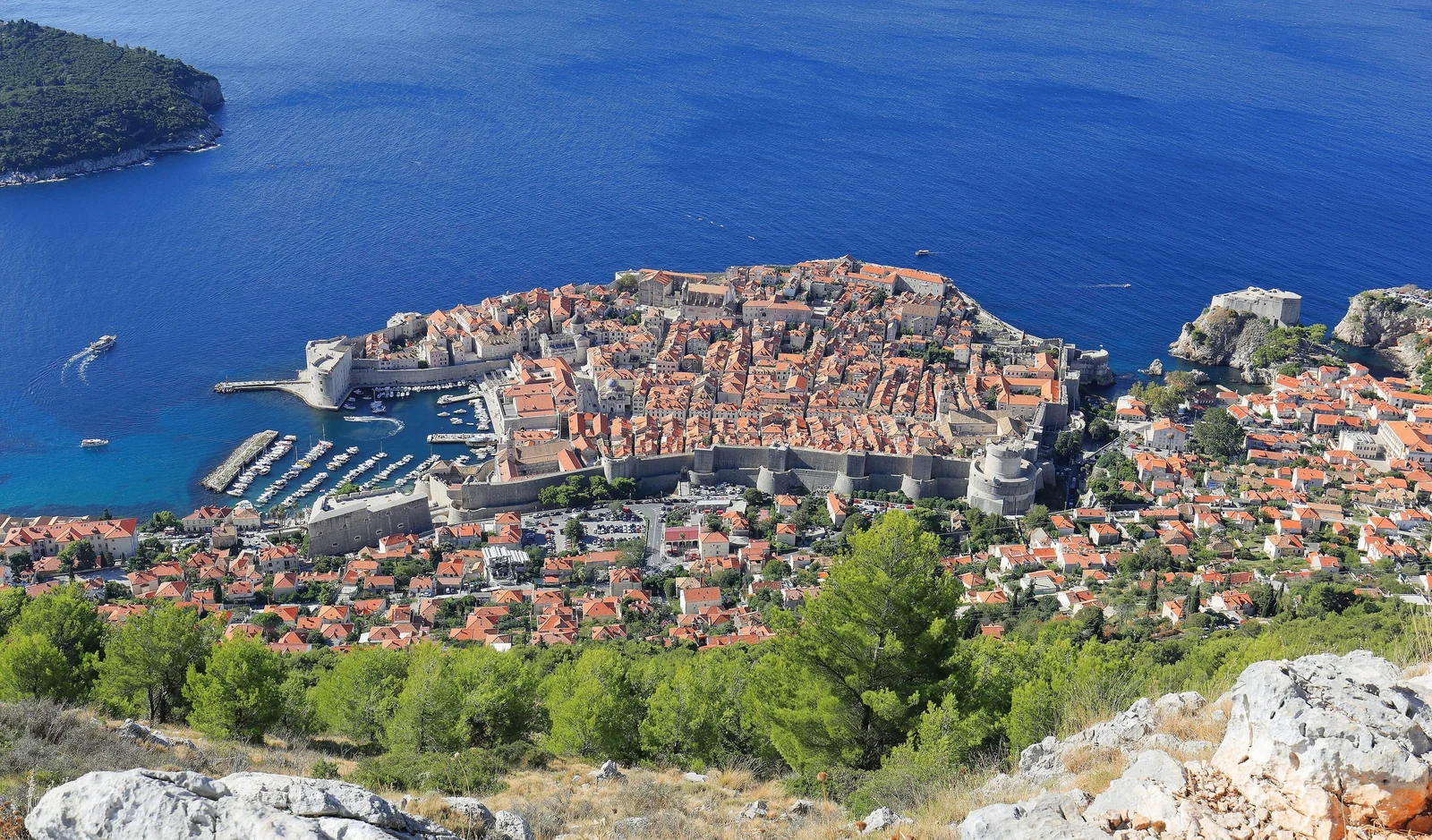
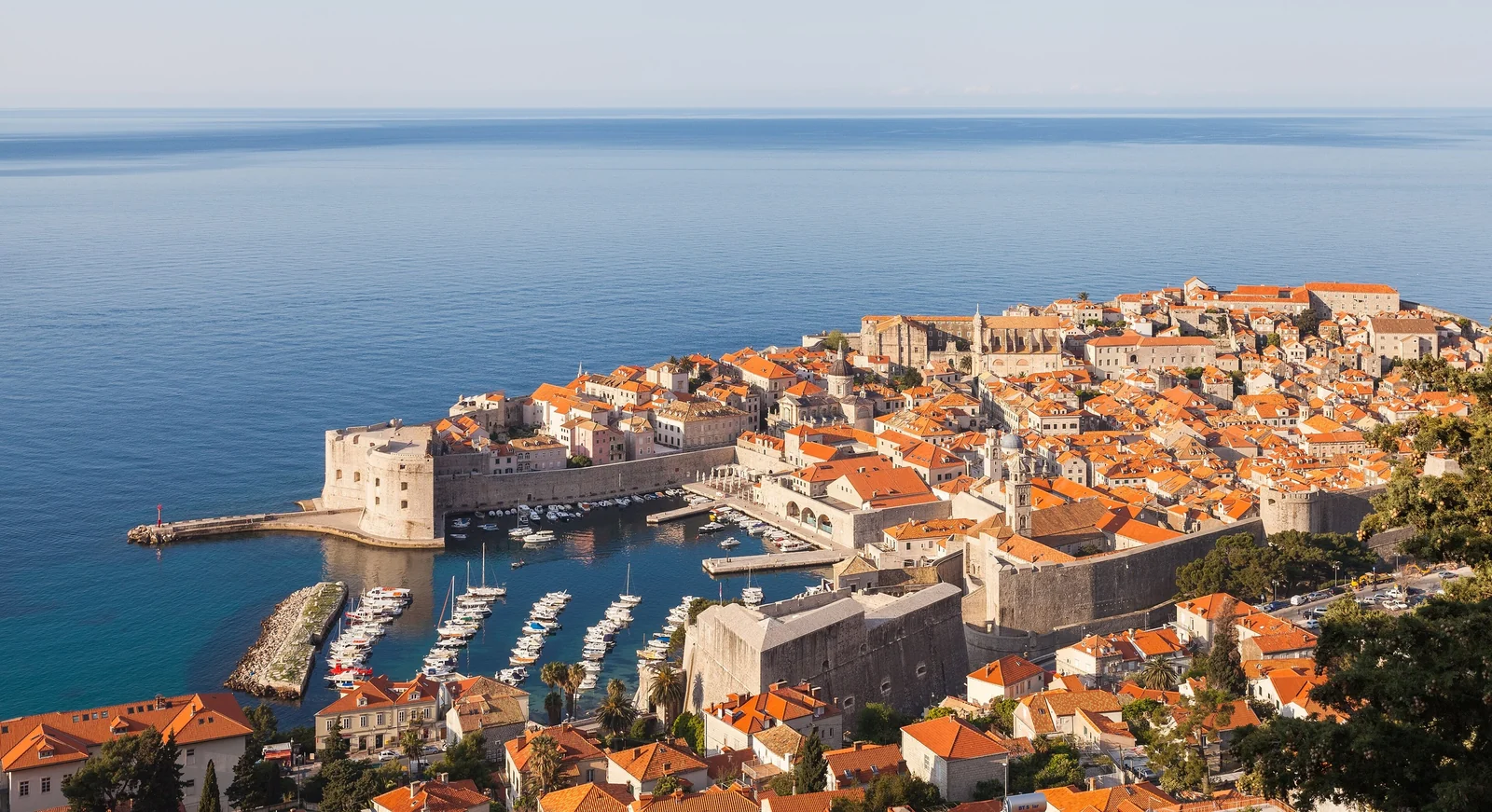
Dubrovnik sits on the open sea. Its walls rise straight from the rocks, the horizon is wide and the light bounces off the water. Climb the hill behind it, or look at a photo from above, and you see a stone town pushed out into the Adriatic like a ship.
Kotor is the opposite. It sits at the far inner end of the Bay of Kotor, where mountains close in and the water goes still. People call the bay a fjord, and that is the shorthand you will hear everywhere, but geographers describe it as a drowned river canyon, or ria. Either way, the effect is the same: the town feels tucked under a wall of rock, and the walls climb the slope behind it.
UNESCO's Kotor listing covers the wider region, not only the town, including the bay's settlements, churches and fortifications. Dubrovnik's listing is the Old City itself. That already hints at the trip you will have. In Kotor you are seeing a landscape with a town in it. In Dubrovnik you are seeing a town with a sea around it.
Size, Crowds and Cruise Ships
Kotor's old town is small. You can cross it on foot in a few minutes and then spend hours getting lost in it anyway, because the lanes turn and the squares are tiny. Dubrovnik's old town is bigger and more formal, with a long main street, a harbor and a ring of walls and towers that frame it all.
Both towns have the same weakness: cruise ships. A single large ship can put thousands of people into either town in one morning, and a small old town fills up fast. Dubrovnik has been the louder example, and the city has introduced measures over the years to limit cruise arrivals and manage visitor numbers. Those rules change, so check the city's current information rather than trusting a number from an old article.
What helps in practice is the same in both places. Go early, before the day-trippers arrive. Come back in the evening, when the lanes empty out and the stone turns gold. Visit outside July and August if you can. And look at cruise schedules before you book a day, because the busiest hours are predictable.
City Walls Walk vs the Kotor Fortress Climb
This is the biggest difference in what you actually do. Dubrovnik's signature experience is a walk along the top of the city walls. The circuit is 1,940 meters long according to the official city walls site, and it takes you past towers and bastions with the old roofs on one side and the sea on the other. Most visitors allow around one and a half to two hours with photo stops. The ticket is valid for one tour only, so you cannot step out and re-enter. Opening hours change by season, so check the official site before you plan around it.
It is a gentle walk with some stairs, but it is exposed, so bring water and a hat. It is also the most crowded thing you will do in Dubrovnik, which is why early morning or late afternoon makes such a difference.
Kotor's equivalent is harder and more rewarding for people who like effort. A line of fortifications climbs the hill behind the town to the fortress of San Giovanni (Sveti Ivan). Most guides describe the climb as roughly 1,350 steps, though counts vary by source, and it is a real hike on uneven stone in the heat, not a stroll. Entry arrangements and prices have changed over time, so check the current situation locally. Start early, wear proper shoes and carry more water than you think you need.
The payoff is the view down over the rooftops and along the bay, which is the picture most people have in mind when they think of Kotor. If you only want one great viewpoint and you are reasonably fit, the Kotor climb wins. If you want to walk a complete medieval circuit with the sea beside you, Dubrovnik wins.
Food, Beaches and Cost
Food
Both towns eat well from the sea. Expect grilled fish, shellfish, risotto, octopus and olive oil in both, with Dalmatian and Montenegrin variations on the same Adriatic theme. Dubrovnik has a wider range of polished restaurants and wine bars, and also more places aimed squarely at tourists. Kotor's old town is simpler, with small konobas, cafés and bakeries, and the bay villages around it are good for a waterfront lunch.
The rule is the same everywhere: walk a few streets away from the main squares, read the menu and look for places where the crowd is mostly local.
Beaches
Neither is a beach town. Dubrovnik has pebble beaches within reach of the old town, and boat trips to nearby islands such as Lokrum are an easy way to swim and escape the crowds. Kotor's bay is calm, and people swim from small pebbly spots and platforms around it, but for proper beaches you usually head out toward Budva and the open coast. If swimming matters to you, Dubrovnik is the more convenient of the two for a mix of old town and sea.
Cost
In general terms, Dubrovnik is among the more expensive places on the Adriatic, and Kotor tends to feel easier on the wallet for food and rooms, although prices in both rise sharply in peak summer and on cruise days. Treat that as a rule of thumb, not a guarantee, and check current prices for hotels, tickets and transport before you set a budget.
How to Get to Kotor and Dubrovnik
Dubrovnik has its own airport south of the city, with seasonal and year-round links to many European cities, and buses and ferries connect it along the Croatian coast. Kotor does not have an airport in town. Most visitors fly into Tivat, which is close to the bay, or into Podgorica or Dubrovnik and continue by road. Check current airline and bus schedules, because they change from season to season.
The route between the two is simple on a map. The coastal road runs from Dubrovnik south past Cavtat, crosses the Croatia–Montenegro border, then continues around the Bay of Kotor. Allow about two hours of driving, plus extra time for border checks. Queues are usually short in the off-season and can grow a lot on summer weekends, so build in a buffer. Bring passports, and if you are driving a rental car, check in advance that the agreement allows you to cross into Montenegro.
Day Trips From Each Town
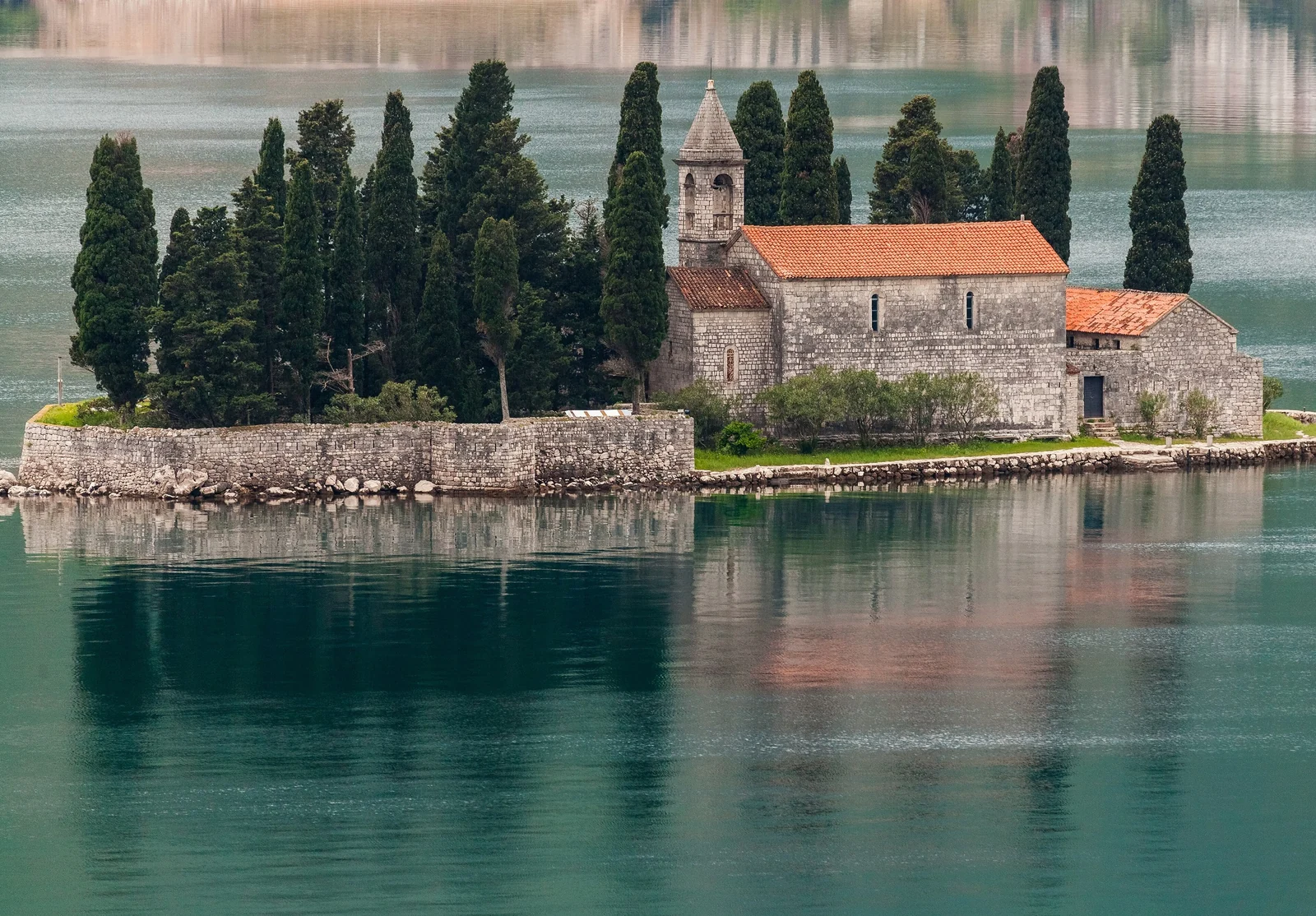
Kotor is a good base for the bay itself. Perast, a small waterfront town on the way around the bay, and its two islets are an easy half-day trip by road, and you can continue to Budva and the coast. A drive up the mountain road above the bay gives you a different perspective, and our Montenegro travel guide covers what lies beyond, from Budva to Durmitor.
Dubrovnik works well as a base for islands and the southern Dalmatian coast. Lokrum is the quickest escape, the Elaphiti islands are a longer boat day, and the road north leads toward the Pelješac peninsula and its wine country. For a longer Croatian trip, see our Dalmatian coast itinerary. Many tour companies also run day trips between the two towns, but a day trip means a lot of time on the road and at the border, so it is better as a taster than as a way to see either place properly.
Best Season to Visit
Late spring and early autumn are the sweet spot for both. The sea is warm enough for a swim in the later part of the season, the climbing and wall walking are comfortable, and the old towns are busy but not packed. High summer brings heat, long border queues and the most crowded lanes. Winter is quiet and atmospheric, but some restaurants and attractions close or run shorter hours, and the Dubrovnik city walls follow reduced winter hours, so check before you go.
Who Should Choose Which
- First trip to the Adriatic, one old town only: Dubrovnik, for the scale, the walls and the island options.
- Hikers and photographers: Kotor, for the fortress climb and the bay views.
- Travelers who dislike crowds: Kotor out of season, or either town early in the morning and in the evening.
- Families with small children: Dubrovnik, for the flatter walking, boat trips and beaches, though the walls have steps.
- Road-trippers building a Balkan loop: Both, with Kotor as the gateway to the rest of Montenegro.
- Short city break: Dubrovnik is easier to reach by air from many cities, while Kotor works best as part of a longer Montenegro stay.
Sample 3-Day Route Covering Both
Day 1: Dubrovnik
Arrive, drop your bags and walk the city walls in the late afternoon, when the stone is warmer and the day crowds start to thin. Eat dinner away from the main street, then take a slow loop around the harbor after dark.
Day 2: The Road to Kotor
Leave in the morning, before the border builds up. Plan on about two hours of driving, plus the crossing. Stop at Perast on the way around the bay, then reach Kotor, settle in and wander the old town. Save your energy for the next day.
Day 3: Kotor Fortress and Bay
Climb to San Giovanni at first light, before the heat. Come down for a long breakfast, then spend the afternoon in the lanes, with a swim or a drink on the waterfront. If your flight leaves from Tivat, you are close. If it leaves from Dubrovnik, allow a generous buffer for the border on the way back.
With a fourth day you could swap the transfer day for a slower pace, adding the islands near Dubrovnik or the coast around Budva. A rental car gives you the most freedom. Buses also run between the two, but check current timetables.
Our Verdict: Kotor or Dubrovnik?
If you can only pick one, choose Dubrovnik for the full set-piece: the walls, the harbor, the sea on every side. Choose Kotor for the setting: the bay, the mountain and the sense that the town is part of the landscape. Dubrovnik is more impressive at first sight. Kotor is easier to love once you have climbed above it.
If you have three days, do both. They share a history of seafaring trade and stone defenses, but they feel like different trips. Browse our Montenegro and Croatia categories for more ideas, and check the official sources below for current tickets, hours and rules.
Kotor vs Dubrovnik FAQ
Is Kotor or Dubrovnik better to visit?
Dubrovnik is the grander old town, with a famous wall walk and easy island trips. Kotor is smaller, with a dramatic bay and a fortress climb. Choose Dubrovnik for monuments and Kotor for scenery and hiking. With three days, see both.
How far apart are Kotor and Dubrovnik?
They are roughly two hours apart by road, including a border crossing between Croatia and Montenegro. Border waits vary widely by season and day of the week, so leave a generous buffer in summer and check current conditions before you set out.
Can you visit Kotor as a day trip from Dubrovnik?
Yes, many tours and drivers do it, but the road and border take up a large part of the day. It works as a taster. If you can, stay at least one night in Kotor so you can climb the fortress and see the town without the day-trip crowds.
Is the Kotor fortress climb hard?
It is a steady climb on uneven stone steps, usually described as roughly 1,350 steps, so it suits reasonably fit people. Go early to avoid the heat, wear sturdy shoes and bring water. Check current entry arrangements locally.
Are Kotor and Dubrovnik both UNESCO World Heritage Sites?
Yes. Both were inscribed in 1979. UNESCO lists the Natural and Culturo-Historical Region of Kotor, which includes the bay and its fortified settlements, and the Old City of Dubrovnik. Both remain popular and crowded in peak season.
Which is cheaper, Kotor or Dubrovnik?
As a general rule Kotor feels less expensive than Dubrovnik for food and rooms, but prices in both rise in peak summer and on cruise days. Check current prices for hotels, tickets and transport rather than relying on a fixed budget figure.
When is the best time to visit both towns?
Late spring and early autumn offer the best balance of comfortable weather, swimmable water and manageable crowds. July and August are hot and busy, with longer border queues. Winter is quiet, though some places run shorter hours.