The best way to get from Tokyo to Kyoto is the Tokaido Shinkansen. The fastest Nozomi trains cover the distance in roughly two and a quarter hours, run every few minutes through the day and put you in the middle of Kyoto Station without a single transfer. A highway bus is the budget alternative, and it is slow. A plane is rarely worth the trouble.
This guide to Tokyo to Kyoto by Shinkansen, bus or with a Fuji stopover compares the options, explains the three train types, the seat reservations and the luggage rule, and shows how to add Odawara, Shizuoka or Nagoya to the same journey. If you are still choosing a base, our comparison of Tokyo or Osaka for a first Japan trip is a good place to start.
Tokyo to Kyoto: The Quick Verdict
Take the Nozomi if time matters, the Hikari if you want a slightly calmer ride or a stop at a smaller station, and the Kodama only when you plan to get off along the way. The bus makes sense for travelers who are on a tight budget and can sleep sitting up. Flying makes sense almost never, because Kyoto has no commercial airport and you would land near Osaka and then take a train anyway.
My stance is simple: do not treat this transfer as dead time. The Shinkansen is the one leg of a Japan trip where the journey is part of the point, so reserve a window seat, buy a lunch box at the station and watch the country change outside.
Tokyo to Kyoto at a Glance
| Nozomi | Hikari | Kodama | Highway bus | Plane | |
|---|---|---|---|---|---|
| Time | About 2h15 to 2h30 | Roughly 2h40 to 3h | Close to 4 hours | Around 7 to 9 hours, usually overnight | Short in the air, far longer door to door |
| Stops | Few: Shinagawa, Shin-Yokohama, Nagoya, then Kyoto | Some extra stops, varies by train | Every station | Terminals in both cities | Tokyo airport to the Osaka area, then a train |
| Seats | Reserved and non-reserved cars, all reserved at peak times | Same pattern | Same pattern | Reserved seat, fixed departure | Ticket per flight |
| Best for | Fast, direct trips | A calmer ride with a few more stops | Odawara, Shizuoka and small stops | Tight budgets, saving a hotel night | Connecting to an international flight |
| Arrives at | Kyoto Station | Kyoto Station | Kyoto Station | Near Kyoto Station, depending on operator | Osaka airports, then train or bus to Kyoto |
Treat the times as approximate. JR Central publishes the fastest Tokyo to Kyoto trip at about 130 minutes, and exact running times differ by train and timetable. Check the schedule on the day you travel.
By Shinkansen: Nozomi, Hikari and Kodama
All three names run on the same Tokaido Shinkansen line between Tokyo and Osaka. The difference is how often they stop. The Nozomi is the fastest and the busiest. The Hikari stops at more stations, and the Kodama stops at every one, which is why it takes the longest.
Trains leave from Tokyo Station, and many also call at Shinagawa, which can be closer if you are staying on the southern side of the city. Check which station your train uses before you leave the hotel. A first-time rider should not overthink it: pick the departure that suits you, and you will reach Kyoto before lunch.
Seat Reservations
Reserve your seat. The Shinkansen has reserved and non-reserved cars, and on ordinary days a non-reserved seat is usually fine on trains that offer them. At peak travel periods, such as the national holiday weeks and New Year, trains can fill completely, and some run with every seat reserved. A reserved seat also lets you choose a window and sit with your group.
Tickets can be bought at station counters, machines and through the online smartEX service. Because fares and rules change, check them there or at the station instead of relying on a number from a blog.
The Luggage Rule for Large Bags
This is the rule that surprises people. On the Tokaido and Sanyo Shinkansen, a bag whose three sides add up to more than 160 cm, and up to 250 cm, needs a reserved seat with an oversized baggage area. Bags above 250 cm in total cannot be taken on board at all. Boarding with a large bag without the right reservation can bring a fee, so reserve it when you buy the ticket.
Many big suitcases sit close to that line, so measure yours. Standard carry-on and mid-size bags go on the overhead racks. The official JR Central luggage page has the wording and the booking steps, and it is worth reading before you buy a ticket with a very large case.
If you do not want to fight with luggage at all, takkyubin courier services can send bags between hotels in Japan. Ask your hotel desk how it works and how long it takes.
Which Side for the Mt. Fuji View
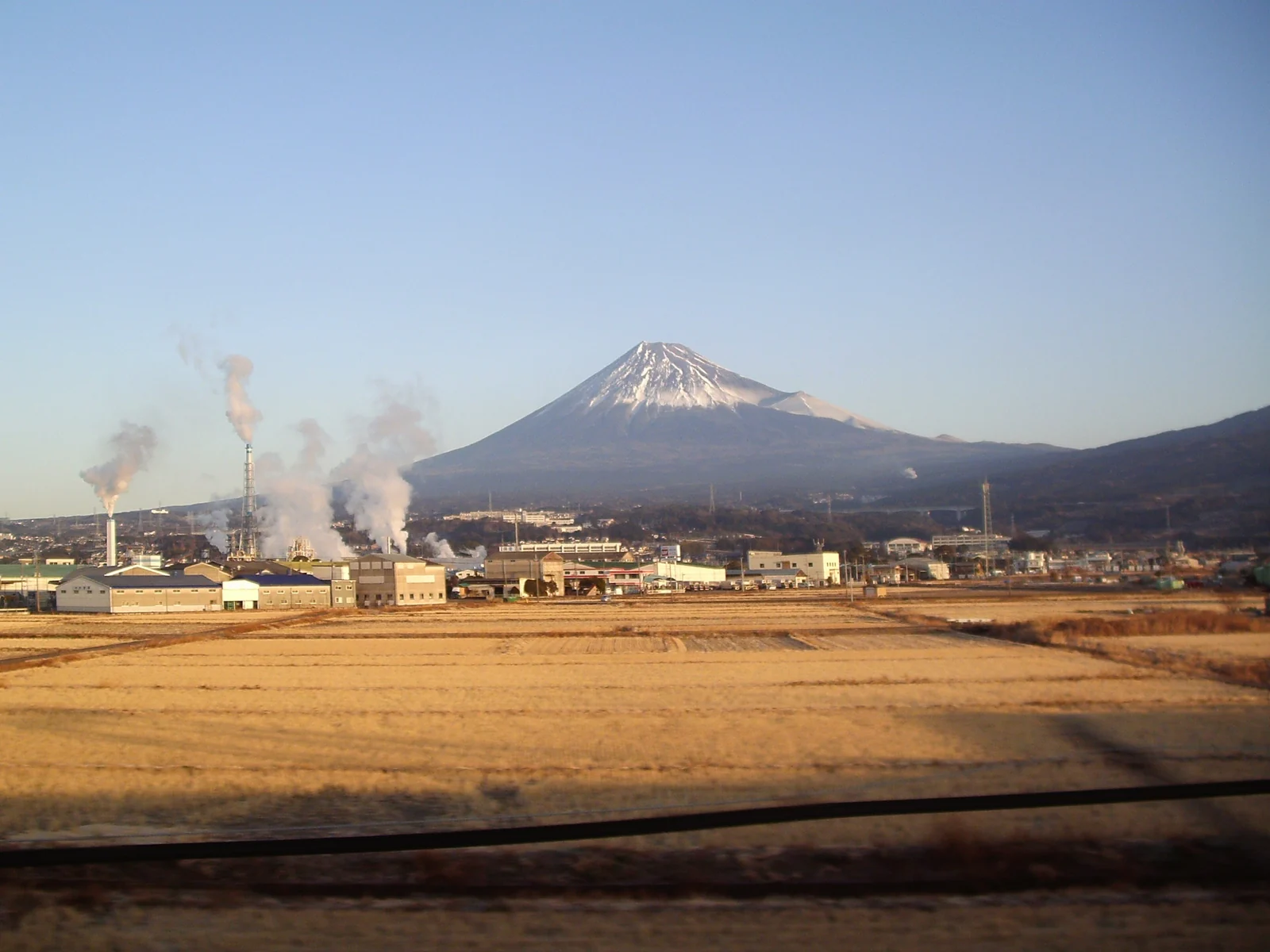
On the way from Tokyo to Kyoto, Mount Fuji appears on the right side of the train. In an ordinary car with three seats on that side, the window seat is E, and on the return trip toward Tokyo the left side, seat A, has the view. The Green Car has a different layout, so ask the ticket staff when you book.
The view is short and weather-dependent. Plan on a few minutes somewhere after the train passes Shin-Fuji Station, roughly 45 minutes out of Tokyo, and have your camera ready before you reach it. Clouds and haze hide the mountain often, particularly in the humid months, and no seat can promise a clear sky. Winter air is usually crisper, and our guide to places to go in Japan helps you pick a season.
By Highway Bus
Overnight highway buses link Tokyo with Kyoto, leaving from terminals in Tokyo such as the Shinjuku area and arriving near Kyoto Station in the early morning. Listings usually show a journey of roughly seven to nine hours, and holiday traffic can stretch that. Operators include Willer Express and several other companies, so compare the seat type before you book.
The appeal is cost and the saved hotel night. The drawbacks are real: you sit upright for hours, sleep in short pieces, and arrive too early to check in. If your plan is to drop your bags and walk straight to Fushimi Inari, that works. If you want a good first day in Kyoto, the train gives it to you.
Pick a seat style that suits you, since many buses offer rows of three, four, or fully reclining options. Bring earplugs and a light layer, because the cabin can be cool.
By Plane
Flights connect Tokyo with the Osaka area, and Kyoto lies a train ride away from there. Add the ride to the Tokyo airport, check-in, security and the trip from Osaka's airport, and the plane loses to the Shinkansen on every count that matters to a visitor. It earns a place only when the flight is part of a longer booking, such as an arrival or departure from abroad at an Osaka airport.
A Fuji Stopover: Odawara and Hakone
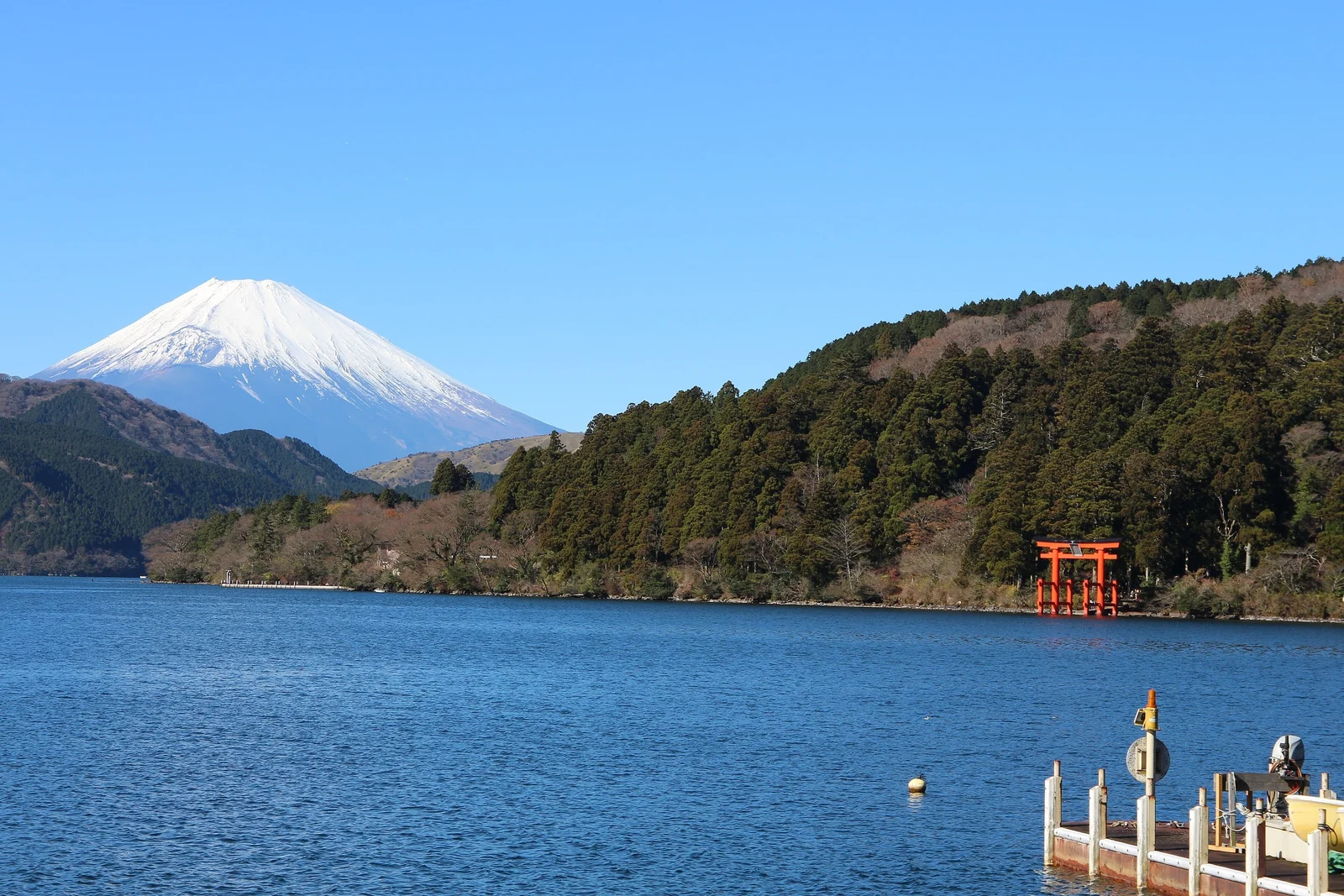
The easiest way to add a view of Fuji to the trip is to break it at Odawara, about half an hour from Tokyo on the Hikari and a little more on the Kodama. The Nozomi does not stop at Odawara, so pick a Hikari or a Kodama from your timetable. JR Central describes the Odawara day trip on its Golden Route travel story.
Odawara has a reconstructed castle you can see from the station, and it is the usual gateway to the Hakone hot-spring area. From here local trains and buses climb into the hills toward Lake Ashi, where on a clear day Fuji rises over the water. Hakone has plenty to do, so decide early whether you want one night or just an afternoon.
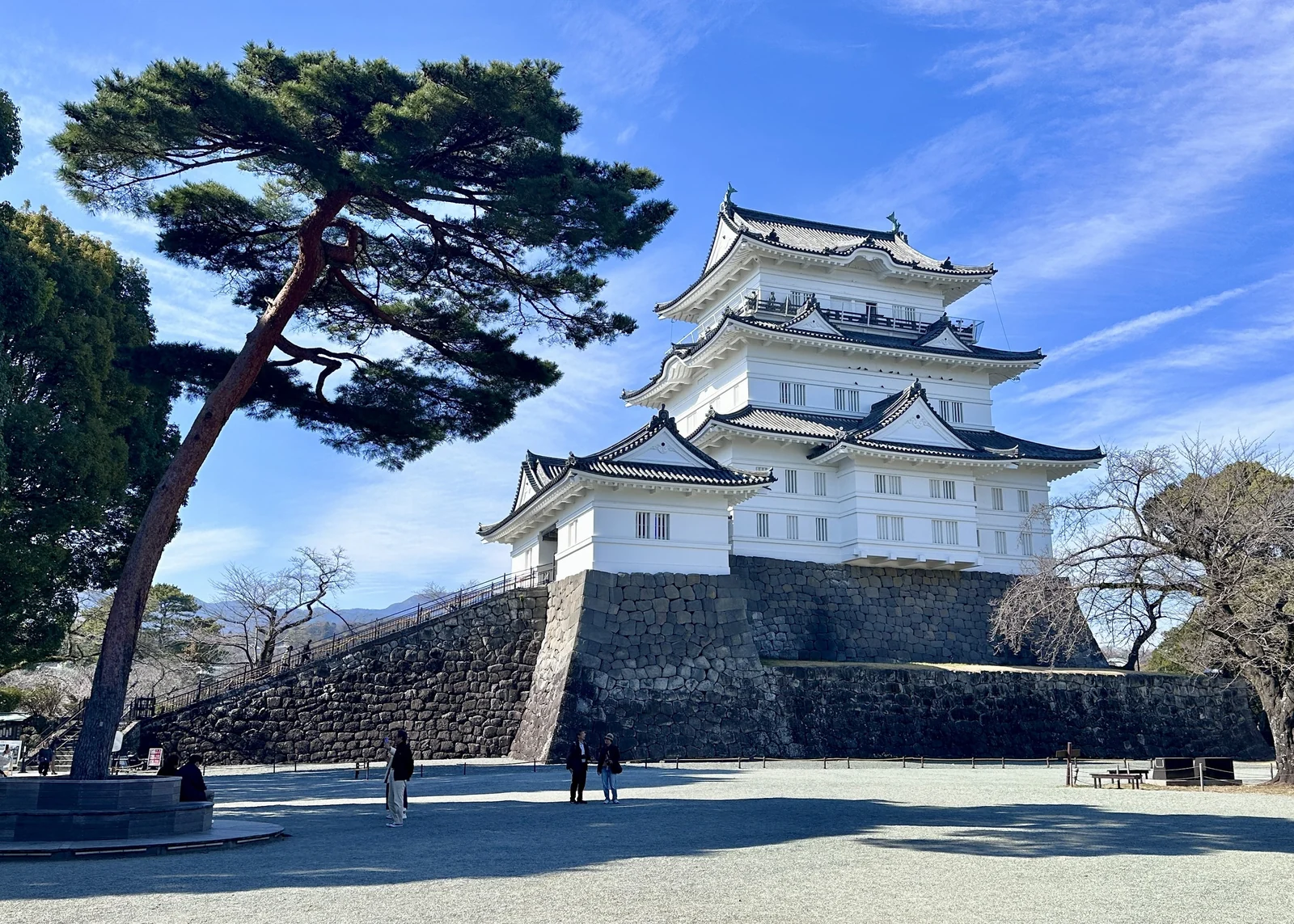
A practical tip: ask your hotel in Tokyo to send your large bags directly to Kyoto, and carry a small overnight bag into Hakone. Then the Shinkansen luggage rule does not matter, and the train from Odawara onward is relaxed.
Other Stopovers: Shizuoka and Nagoya
Shizuoka
Shizuoka sits roughly in the middle of the run, and the surrounding prefecture is known for green tea. Both the Hikari and the Kodama stop here, though only some Hikari services do, so check your timetable. It is a quieter stop than Odawara and works as a half-day break if you like walking through a city that does not see many tourists.
Nagoya
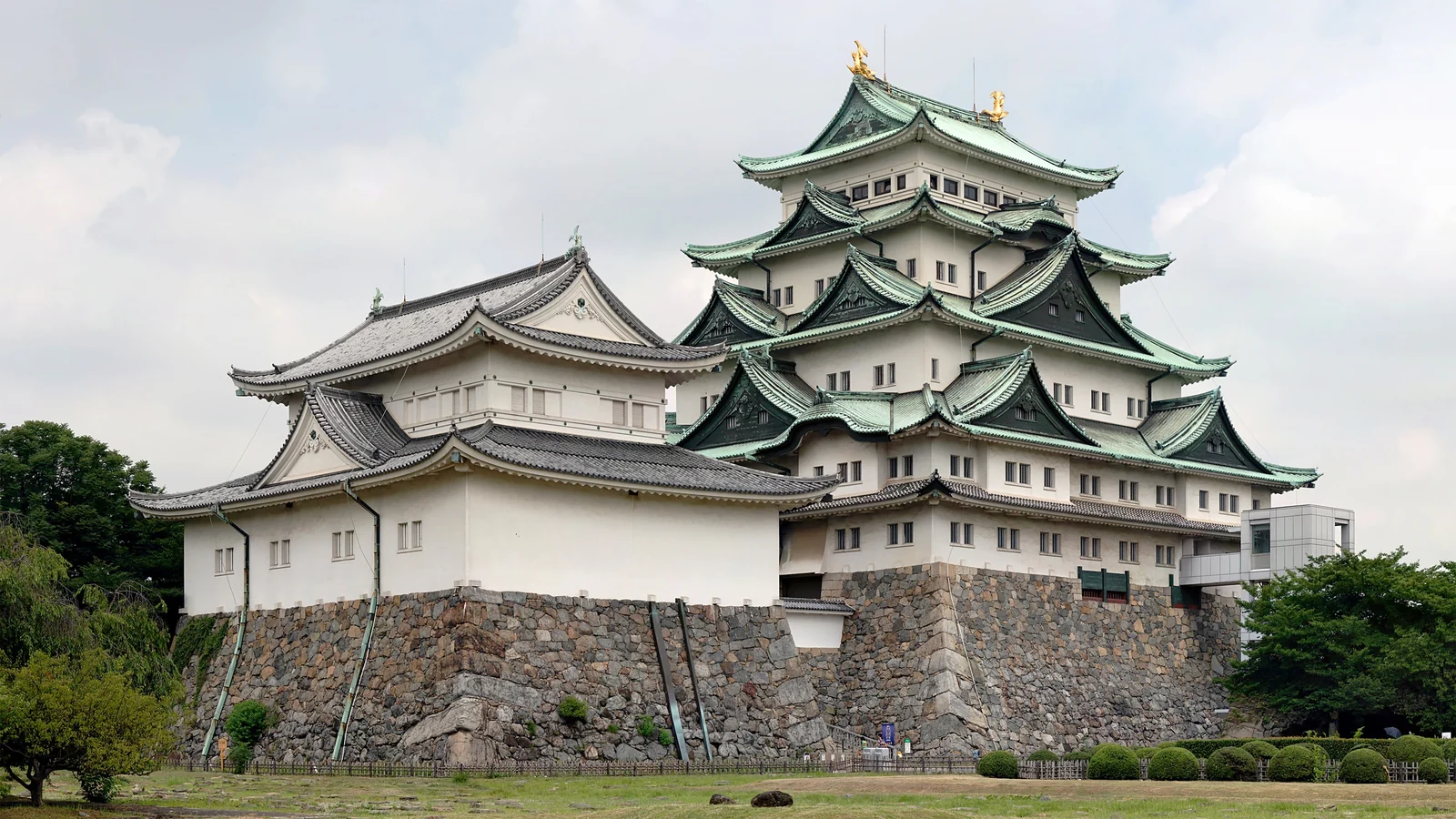
Nagoya is the sensible stop if you want a real city break. It is a major Shinkansen station served by the Nozomi, and Kyoto is only about half an hour to 40 minutes further. The castle, built in the early 1600s for the Tokugawa family, is the main sight, and the city has its own food traditions that deserve an evening.
Arriving in Kyoto
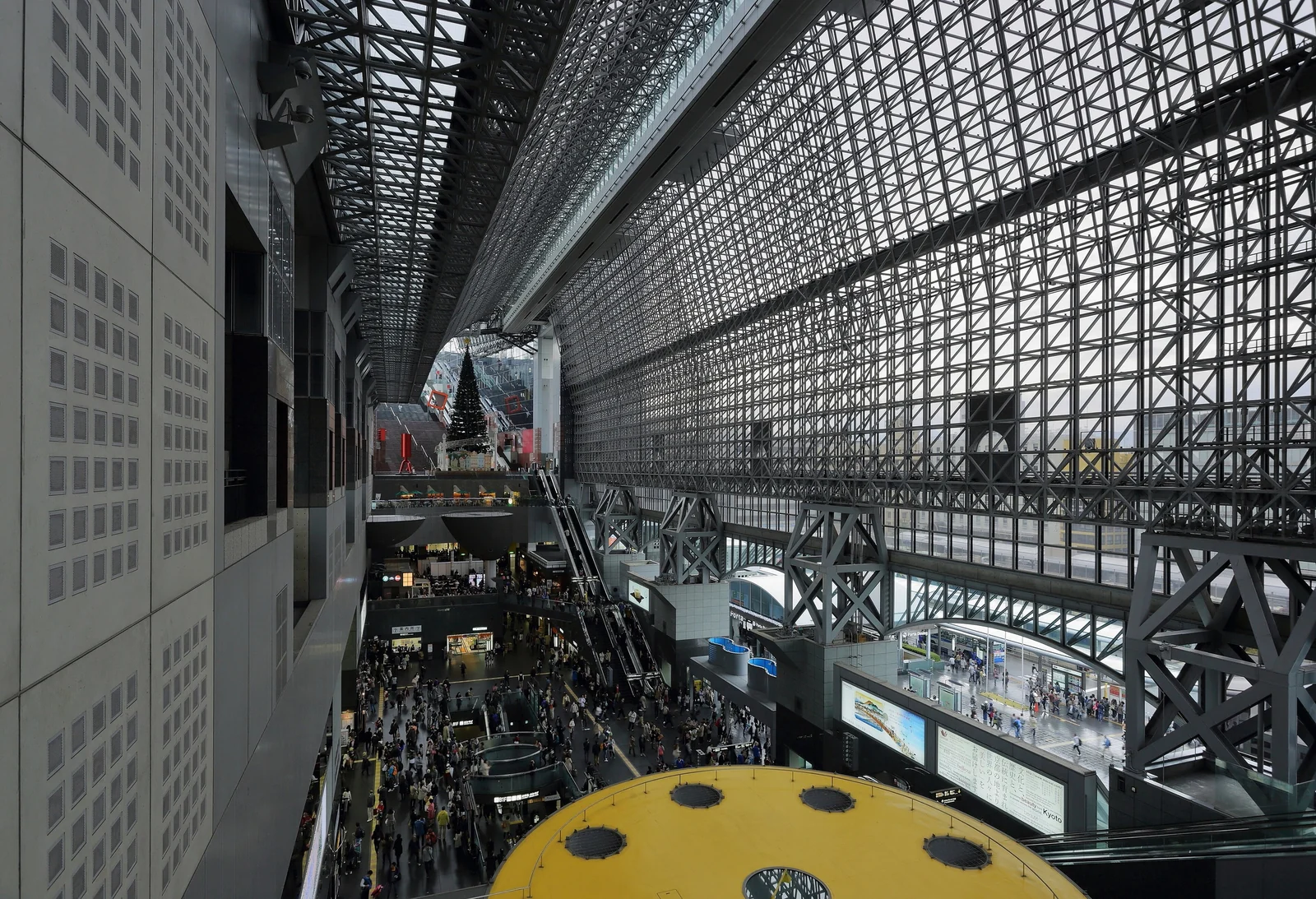
Every Tokaido Shinkansen service ends at Kyoto Station on the south side of the old city. It is a huge building with shops, restaurants and a direct link to the city bus network and the subway. From here most hotels are a short taxi, bus or subway ride away. Look for English signs when you leave the Shinkansen platforms.
If you have not yet planned the stay, read our Kyoto guide and plan one or two full days in the city before you move on. The Tokyo travel guide covers the other end of the trip.
Rail Passes and Ticket Tips
Rail passes can save money, but only for certain itineraries, so work the numbers out before you buy one. Some national passes have historically limited the fastest Nozomi trains, which means you may be restricted to the Hikari and the Kodama. Read the current conditions of any pass on its official page, and compare it with the cost of single reserved tickets for your own plan.
A pass is rarely worth it for a simple Tokyo to Kyoto round trip. It starts to make sense when you add several long rides, such as Kyoto to Hiroshima or a trip to the Alps.
- Book the seat when you buy the ticket. It costs little time and removes the worry about the next train.
- Allow time at Tokyo Station. It is a maze, and finding the right platform takes longer than most first-timers expect.
- Buy food before you board. Station lunch boxes are part of the experience, and eating on the Shinkansen is accepted.
- Keep your ticket until you exit. Gates can check it at the other end.
For a fuller picture of Japan, browse the other Japan travel guides on this site.
Which Option Fits You?
- First visit, limited days: the Nozomi, with a reserved window seat on the right side.
- Want Fuji and a night in the mountains: a Hikari or Kodama to Odawara, then onward the next day.
- Want a city break on the way: the Nozomi to Nagoya, then a short onward leg to Kyoto.
- Tight budget: an overnight bus, if you can sleep upright.
- Heavy luggage: a seat with an oversized baggage area, or send the bags ahead by courier.
Tokyo to Kyoto FAQ
How long does the Shinkansen take from Tokyo to Kyoto?
The fastest Nozomi trains take about two and a quarter hours, and JR Central lists the quickest trips at around 130 minutes. Hikari trains take a little longer, and Kodama trains the longest. Check the timetable for the exact train you want.
Do I need to reserve a Shinkansen seat?
Not always, since most trains have non-reserved cars. But reserving is wise: you pick your seat, you avoid the risk of standing, and at peak holiday periods trains can be fully reserved. Book at a station counter, machine or online.
Which side of the Shinkansen has the Mt. Fuji view?
The right side when you travel from Tokyo toward Kyoto, which is seat E in an ordinary car, and the left side on the way back. The view lasts only a few minutes after Shin-Fuji Station, and cloud often hides the mountain.
Can I take a large suitcase on the Shinkansen?
Yes, with a rule. Bags with three sides adding up to more than 160 cm and up to 250 cm need a reserved seat with an oversized baggage area, or a fee can apply. Anything larger cannot be taken on board.
Is there a bus from Tokyo to Kyoto?
Yes. Overnight highway buses run between the two cities and usually take around seven to nine hours. They are cheaper than the train and save a hotel night, but they are slower, less comfortable and arrive very early in Kyoto.
Does the Nozomi stop at Odawara?
No. The Nozomi skips Odawara, so choose a Hikari or Kodama for a Hakone or Fuji stopover. Only some Hikari trains stop there, so check the timetable before you plan the connection.
Is it worth flying from Tokyo to Kyoto?
Almost never. Kyoto has no commercial airport, so you land near Osaka and still need a train or bus. With airport transfers and security, the Shinkansen is faster and easier for most travelers, and it ends in central Kyoto.