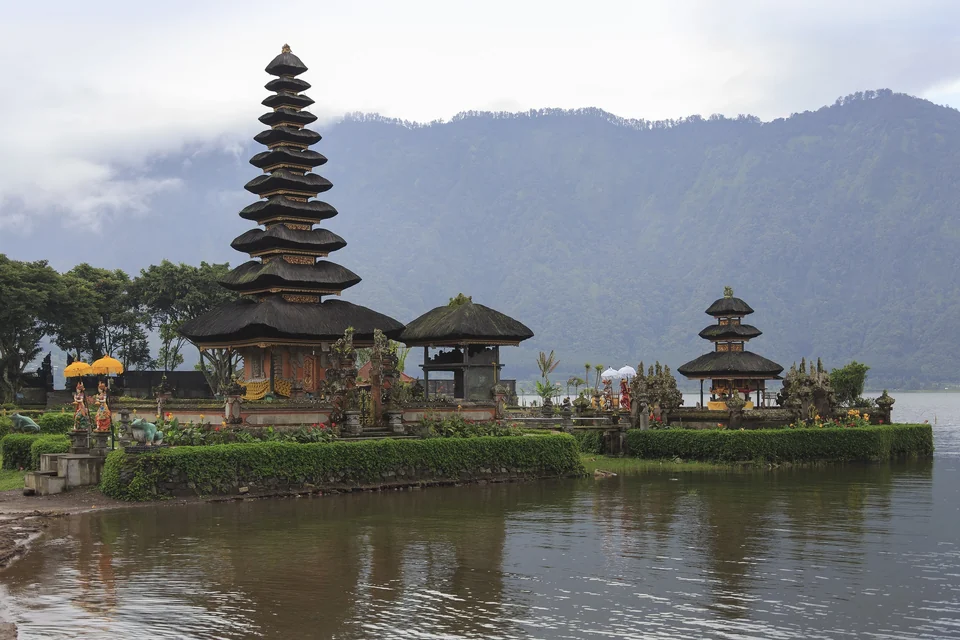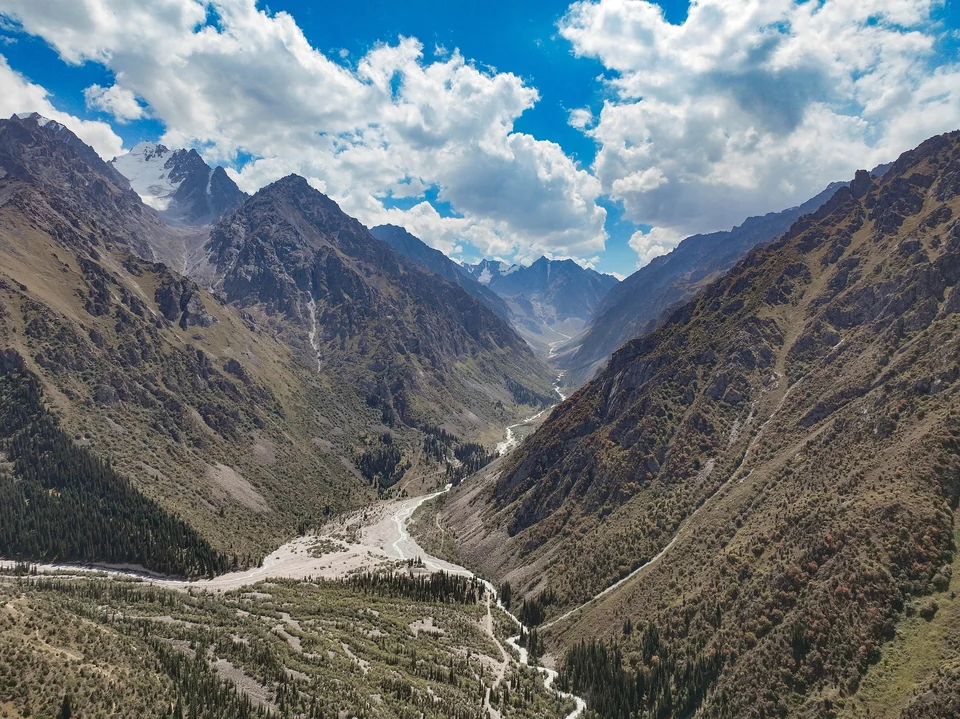



Indonesia sits on the Pacific Ring of Fire and has more active volcanoes than any other country, so it is no surprise that many of its most striking lakes fill old craters. A few of them do something remarkable: they change color. The most famous are the three crater lakes of Kelimutu on the island of Flores, which can turn from turquoise to green, brown or almost black within months.
This guide explains what makes these volcano lakes change color, then takes you to Kelimutu and three other colorful crater lakes on Java: Kawah Putih, Telaga Warna and the acid lake of Ijen. You will also find practical advice on reaching them, the best time to go and how to stay safe around volcanic gas.
Why Indonesia’s Volcano Lakes Change Color
A crater lake sits directly above a volcanic system. Hot gases such as sulfur dioxide and hydrogen sulfide bubble up through vents in the lake floor, dissolving minerals and making the water acidic. The color you see depends on the chemistry of the water at that moment.
- Gas input: more volcanic gas pushes dissolved iron and sulfur toward particular chemical states, which shifts the water between green, turquoise and red-brown.
- Oxidation: when oxygen-rich rainwater mixes in and gas input is low, iron compounds oxidize and the water can turn darker red, brown or black.
- Suspended sulfur and minerals: fine particles of sulfur and dissolved salts scatter light and give milky turquoise or white-green tones.
- Algae and light: in some cooler lakes, algae, water depth and the angle of the sun add to the effect.
Because each lake has its own vents and water supply, neighboring lakes can change independently, and the colors are never guaranteed. That unpredictability is part of the appeal.
Kelimutu: The Three Colored Lakes of Flores
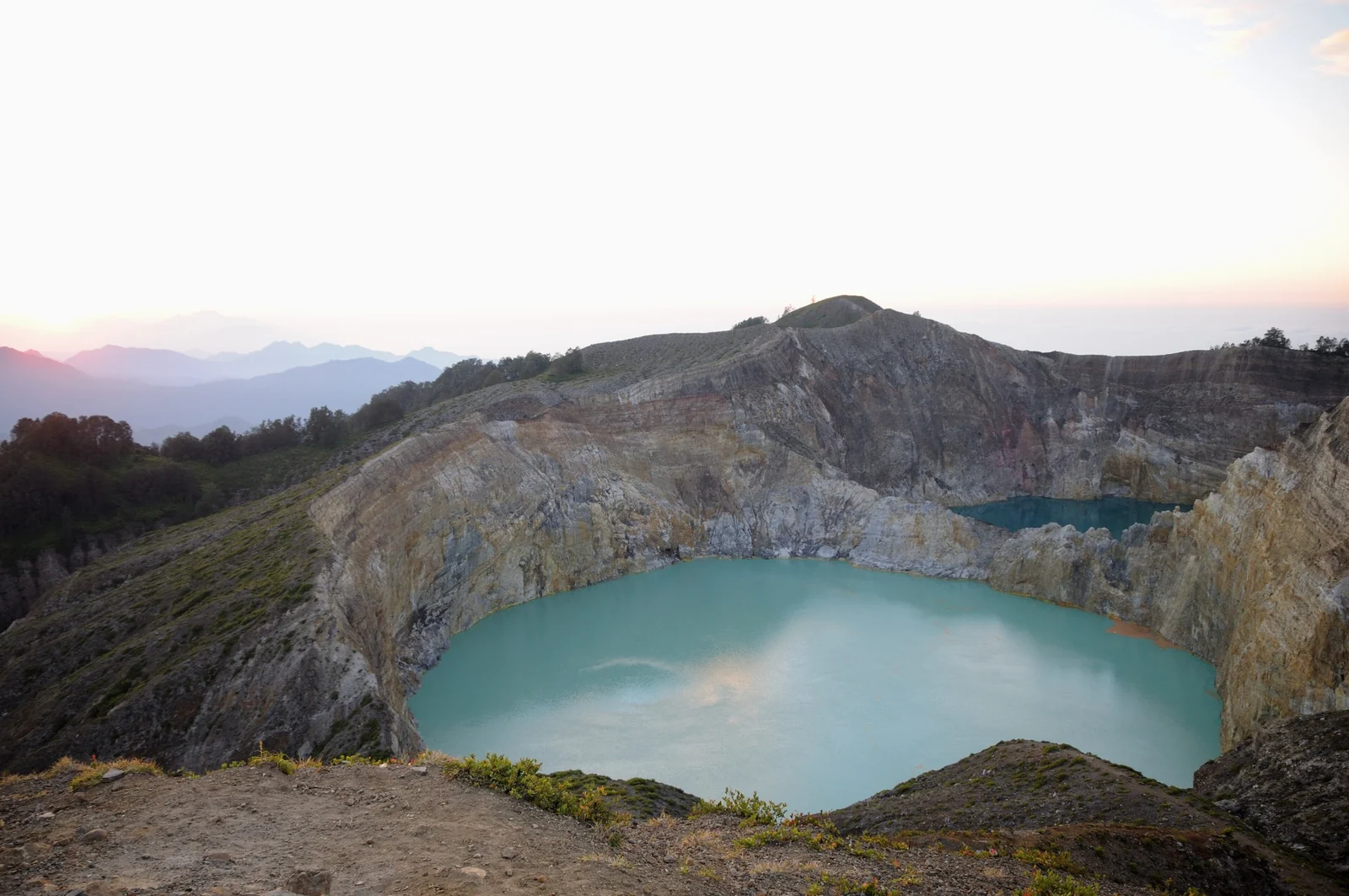
Kelimutu is a volcano 1,639 meters high in Ende Regency on Flores, in the province of East Nusa Tenggara, about 50 kilometers east of the town of Ende. Its summit holds three crater lakes, and in 1992 the surrounding area became Kelimutu National Park, covering roughly 5,000 hectares of forest and highland.
The three lakes and their names
| Lake | Meaning | Colors often seen |
|---|---|---|
| Tiwu Ata Bupu | Lake of Old People | Often blue or dark green; sits apart on the western side |
| Tiwu Ko’o Fai Nuwa Muri | Lake of Young Men and Maidens | Often turquoise or green |
| Tiwu Ata Polo | Bewitched or Enchanted Lake | Often red, brown or black |
The two eastern lakes lie side by side, separated only by a thin crater wall, while Tiwu Ata Bupu sits a short walk away. Their colors shift independently and sometimes quickly: between January and November 2016 alone, observers recorded six changes. Scientists link these changes to volcanic gas released from vents beneath the water and to the balance between that gas and rainwater.
Sacred lakes of the Lio people
For the local Lio people, Kelimutu is sacred. Tradition holds that the souls of the dead travel to one of the three lakes depending on their age and the life they lived, which is reflected in the lakes’ names. An annual ceremony to honor the ancestors is held at the summit in mid-August. Treat the viewpoints with respect, stay behind the railings and do not throw anything into the craters.
How to visit Kelimutu
Most travelers stay in Moni, a small village at the foot of the volcano, and drive up before dawn to reach the summit viewpoint for sunrise. From the parking area, a paved path and steps lead to the lakes in well under an hour. Flores has airports at Ende and Maumere, and Kelimutu is also a popular stop on overland trips across the island between Labuan Bajo and Maumere. Pay the national park entrance fee at the gate and check current rates locally.
Mornings are usually clearest; clouds often roll in by late morning. The dry season, roughly April to October, gives the best chance of clear views.
Kawah Putih: The White Crater of West Java
About 50 kilometers south of Bandung, Kawah Putih (“White Crater”) is a crater lake at around 2,430 meters on Mount Patuha. Its highly acidic water, with a pH as low as about 0.5 to 1.3, changes from bluish to whitish green or brown depending on sulfur concentration, temperature and oxidation. The surrounding rock and sand have been bleached pale by the acid, giving the whole crater a ghostly look.
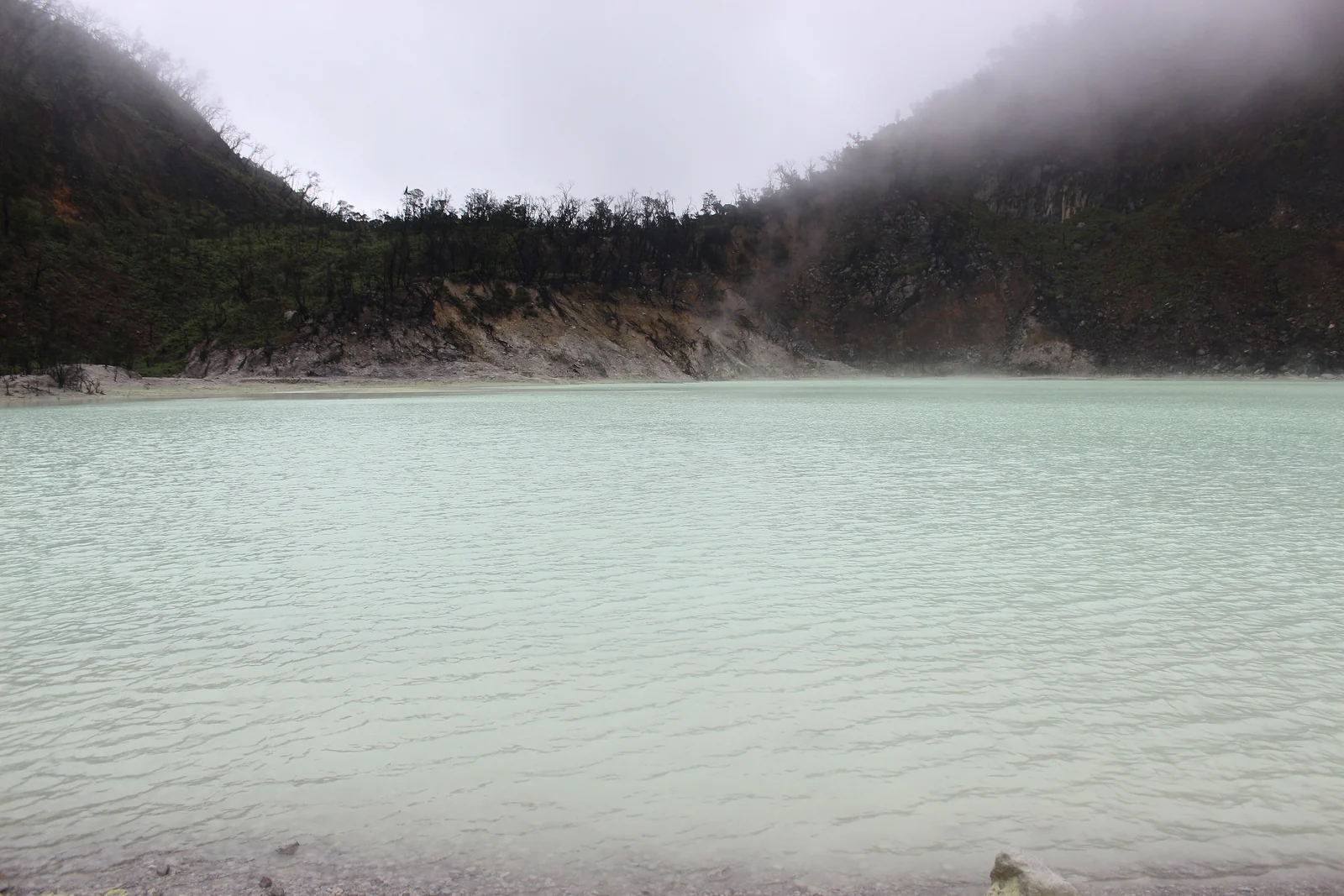
German botanist Franz Wilhelm Junghuhn recorded the lake in 1837, and a sulfur works operated here during Dutch rule and the Japanese occupation. The site opened to tourists in 1987 and is an easy day trip from Bandung via the Ciwidey highlands. Because of the sulfur fumes, keep visits short and follow any posted time limits.
Telaga Warna: The Colorful Lake of the Dieng Plateau
High on the volcanic Dieng Plateau in Central Java, at more than 2,000 meters above sea level, Telaga Warna literally means “Colorful Lake.” Sulfur and other minerals in the water, combined with sunlight, make it appear green, turquoise, yellow or bluish depending on the light and weather. Its quieter, darker neighbor, Telaga Pengilon, lies right beside it.
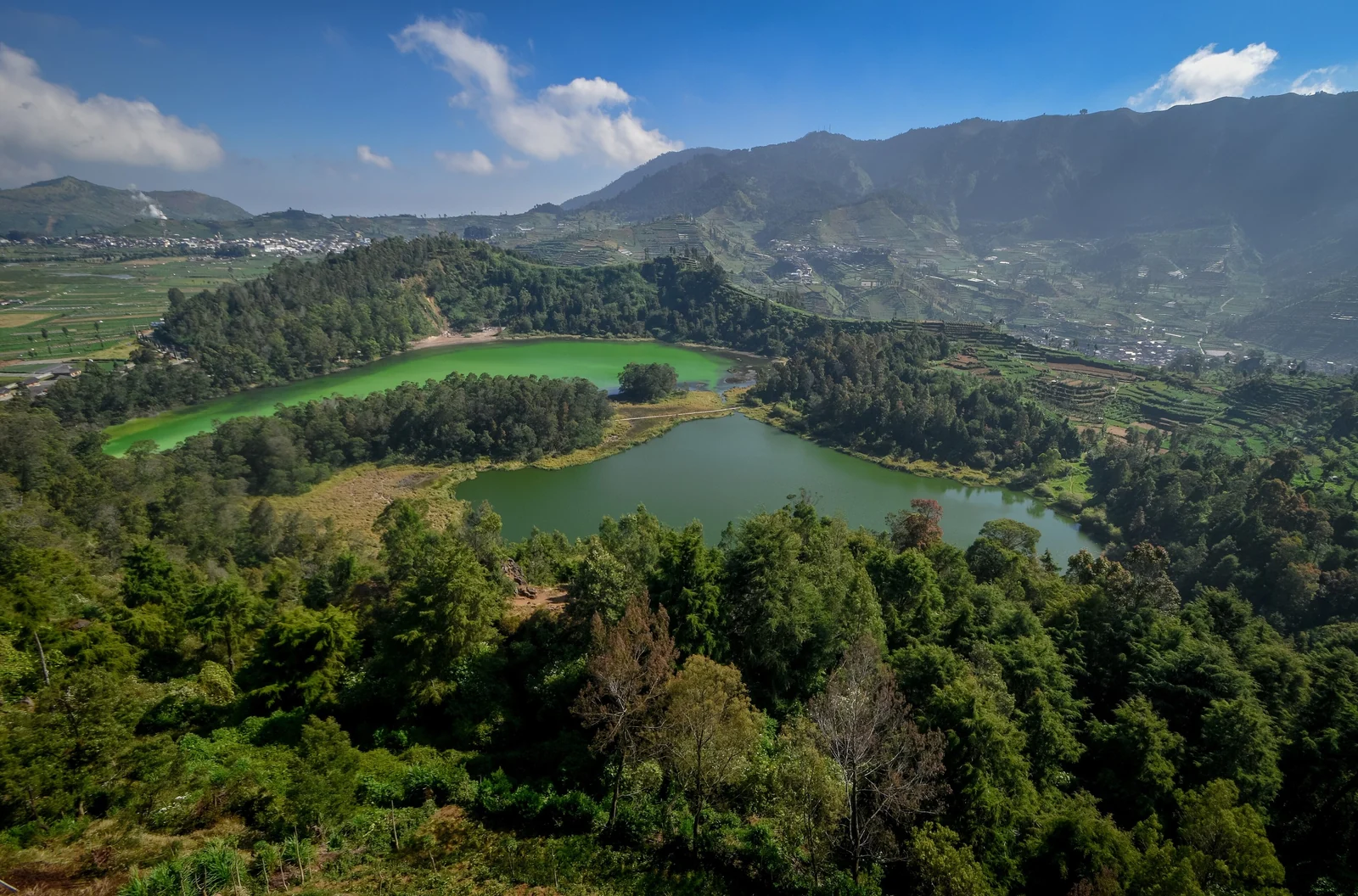
The plateau, in Wonosobo Regency, is also known for ancient Hindu temples, steaming fumaroles such as Kawah Sikidang and cool, misty mornings. Come early: according to the official Indonesia tourism site, thick fog often covers the lake in the afternoon. For the best view of the colors, climb one of the viewpoints on the surrounding hills.
Ijen: The World’s Largest Acidic Crater Lake
On the border of Banyuwangi and Bondowoso regencies in East Java, the Ijen volcano holds a turquoise crater lake about a kilometer wide. It is considered the largest highly acidic crater lake in the world, with pH readings measured below 0.3. Ijen is also famous for its “blue fire,” sulfur gases that ignite as they escape from cracks in the crater, visible only in darkness, and for the miners who still carry heavy loads of sulfur out of the crater by hand.
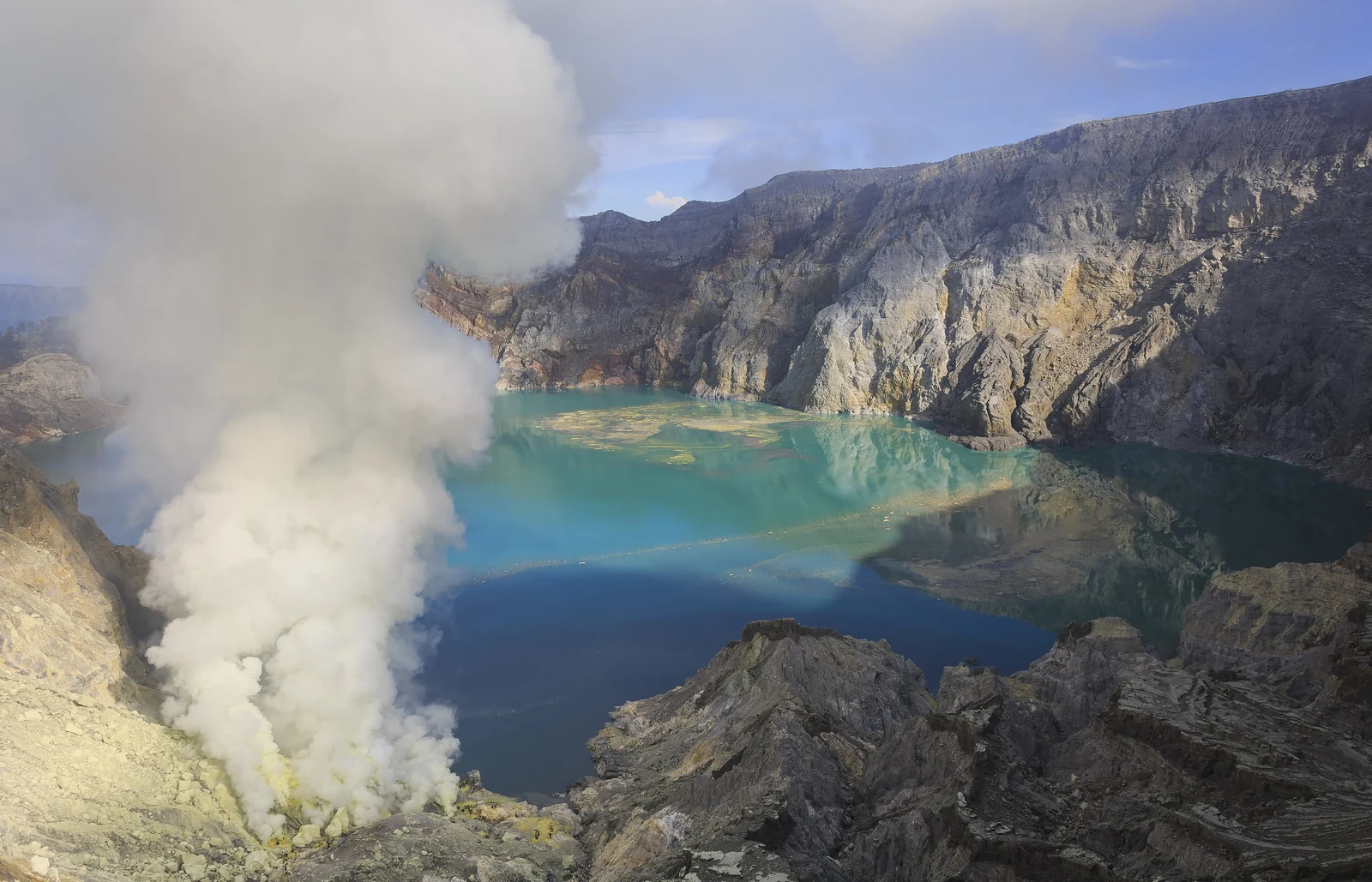
Ijen’s lake does not cycle through colors like Kelimutu’s, but its intensity changes with light and gas. In 2023 the area became part of the Ijen UNESCO Global Geopark. Most visitors start a night hike from the Paltuding trailhead to reach the rim before sunrise. Opening hours and access to the crater floor can change with volcanic activity, so check current rules locally.
Other Volcanic Lakes Worth Seeing
Several other famous Indonesian lakes are volcanic in origin, even though they do not change color. They are well worth adding to an itinerary.
- Lake Toba, North Sumatra: the largest volcanic lake in the world, filling the caldera of a supereruption about 74,000 years ago, with Samosir Island in the middle and the Batak culture around its shores.
- Lake Batur, Bali: a crescent-shaped lake inside the Batur caldera, best seen from the popular sunrise hike up Mount Batur.
- Segara Anak, Lombok: the crater lake inside Mount Rinjani’s caldera, reached on multi-day treks, with a young volcanic cone rising from its waters.
Planning Your Visit and Staying Safe
Indonesia’s dry season, roughly April to October across most of these islands, gives the best chance of clear skies. The status of every volcano is monitored by Indonesia’s volcanology agency, and access can be closed at short notice when activity increases.
- Check the current alert level and any closures before you travel, and follow ranger instructions on site.
- Carry a proper gas mask or respirator at Ijen and Kawah Putih; people with asthma or heart conditions should be especially careful around sulfur fumes.
- Never swim in or touch the water of acidic crater lakes.
- Bring warm layers: summits above 1,500 meters are cold before sunrise.
- Stay on marked paths and behind barriers; crater rims are steep and can be unstable.
If you love volcanic landscapes, read our guides to Iceland’s hot springs and underground wonders and to the geothermal beaches of Deception Island in Antarctica, or see how weather transforms Bolivia’s Salar de Uyuni. For more trip ideas, browse our Indonesia travel guides.
Indonesia Volcano Lakes FAQ
Why do the Kelimutu lakes change color?
The colors depend on the water chemistry of each lake. Volcanic gases rising from vents in the lake floor, together with rainfall and oxidation, change the state of dissolved iron, sulfur and other minerals. Because each lake has its own vents and inputs, the three lakes change independently.
Where is Kelimutu?
Kelimutu is a 1,639-meter volcano on the island of Flores in East Nusa Tenggara, Indonesia, about 50 kilometers east of Ende. Most visitors stay in the village of Moni near the park entrance and drive up to the summit before sunrise.
What color are the Kelimutu lakes now?
There is no fixed answer, because the colors change several times a year. The lakes are often seen as turquoise, green, brown, red or nearly black. Recent visitor photos and local guides in Moni are the best way to know what to expect before your visit.
What is the best time to visit Kelimutu?
The dry season, roughly April to October, offers the best chance of clear skies. Arrive at the summit around sunrise, when the air is usually clearest; clouds and mist often cover the craters from late morning, especially in the wet season.
Can you swim in Indonesia’s crater lakes?
No. Kelimutu, Kawah Putih and Ijen are highly acidic, and Ijen’s lake is among the most acidic on Earth. Swimming or touching the water is dangerous and not allowed. Larger volcanic lakes such as Lake Toba and Lake Batur are safe for swimming and boating in designated areas.
Is it safe to visit Ijen crater?
It can be, with precautions. Sulfur gas can drift suddenly across the crater, so carry a proper gas mask, follow your guide and turn back if the fumes become strong. Access may be restricted when volcanic activity rises, so check the current status before you go.