Bali is a small, mostly Hindu island in Indonesia, about 150 kilometers from end to end, and it packs rice terraces, volcanoes, surf breaks, cliff-top temples and a very good food scene into a few hours of driving. Most visitors split their time between Ubud for culture and green scenery and the southern coast for beaches, then add one or two day trips.
This Bali travel guide explains what each area is actually like, when to go, how to get around without losing days to traffic, how to behave at temples, and a 9-day route that works for a first visit. If Bali is part of a bigger trip, browse our Indonesia travel guides too.
Ubud: Rice Terraces, Monkey Forest and Temples
Ubud sits in the green hills of central Bali and has been the island's arts center for generations. Painters, woodcarvers and dancers still work here, and almost every evening you can watch a traditional dance performance in a temple courtyard or palace. The streets are choked with scooters, but the countryside starts minutes away.
Tegalalang and the Subak Landscape
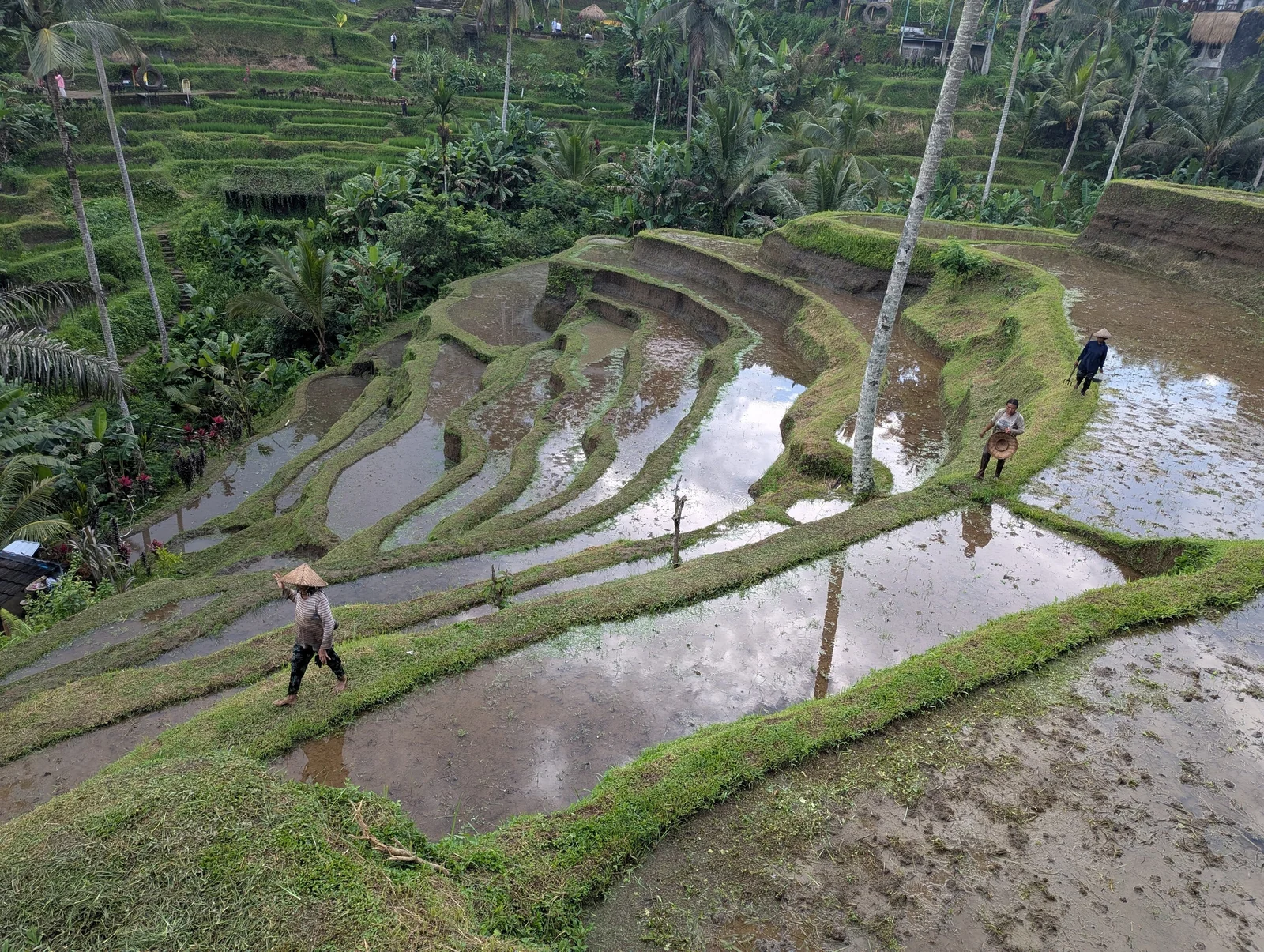
The terraced paddies north of town at Tegalalang are the classic Ubud photo. They are fed by subak, the centuries-old system of canals and water temples through which farmers share irrigation. UNESCO recognized this system as the Cultural Landscape of Bali Province in 2012. Tegalalang gets crowded, so go right after sunrise. For fewer people and bigger terraces, the Jatiluwih area in the west is part of the same listing.
The Sacred Monkey Forest
The Sacred Monkey Forest Sanctuary is a patch of jungle in the south of Ubud with three temples and a troop of long-tailed macaques. The monkeys are used to people and quick to grab sunglasses, snacks and phones, so keep food out of sight, do not make eye contact with a bared-teeth monkey, and never feed them.
Temples and Walks Around Ubud
Gunung Kawi, a group of rock-cut shrines carved into a river gorge near Tampaksiring, rewards the climb back up its stairs. Tirta Empul, a holy spring temple nearby, is where Balinese Hindus come for ritual purification. If you join the bathing, wear a sarong and follow the locals, or just watch. The Campuhan Ridge Walk, near town, is an easy morning stroll.
Balinese Hinduism and Temple Etiquette
Bali is the Hindu exception in a country that is mostly Muslim, and religion here is a daily practice, not a backdrop. You will step around small woven palm-leaf offerings called canang sari on sidewalks, shop doorways and scooter seats. Walk around them if you can.
- Dress modestly. Cover shoulders and knees. Many temples lend or rent a sarong and sash at the gate.
- Skip temples during ceremonies unless invited, and stay behind worshippers. Do not stand higher than a priest or someone praying.
- Do not enter if you are menstruating, a custom still observed at many temples.
- Keep your feet low and your hands polite. Do not climb on shrines, do not touch offerings, and use your right hand to give or receive things.
- Ask before photographing people who are praying, and never use a flash during rituals.
- Leave a donation if there is a box.
Two calendar quirks are worth knowing. Nyepi, the Day of Silence in March or April, shuts the whole island down for 24 hours: no flights, no traffic on the roads and tourists asked to stay in their hotels. Galungan and Kuningan, which come around every 210 days, fill the roads with tall bamboo decorations called penjor and are a wonderful time to be here. Check dates before booking.
The Southern Coast: Canggu, Seminyak and Uluwatu
Bali's beaches are not its main selling point, but the south coast offers variety. Pick a base by vibe, not map distance, because traffic stretches short hops.
| Area | Character | Best for | Watch out for |
|---|---|---|---|
| Canggu | Surf, cafes, coworking, rice-field villas | Younger travelers, longer stays, brunch | Heavy traffic on narrow lanes |
| Seminyak | Polished beach clubs, boutiques, restaurants | Couples, shopping, nightlife | Strong currents and crowds on the beach |
| Uluwatu and Bukit | Cliffs, surf breaks, hidden coves | Surfers, sunsets, quieter stays | Steep steps to beaches; spread out |
| Sanur | Calm, reef-protected shore, seafront path | Families, easy boat access to the islands | Less nightlife; sunrise side |
Canggu
Canggu is where Bali's surf-and-laptop crowd lives. Beginners learn on the sandy breaks at Batu Bolong and Echo Beach, and the lanes behind are lined with smoothie bowls, gyms and rice-field villas. It is fun for a few nights, but it is also the most congested part of the island.
Seminyak
Seminyak is more grown-up than Canggu, with good restaurants, design shops and sunset beach clubs. The sea can be rough, so swim only where lifeguards put out flags. If you want a polished base with plenty of evening options, this is it.
Uluwatu and the Bukit Peninsula
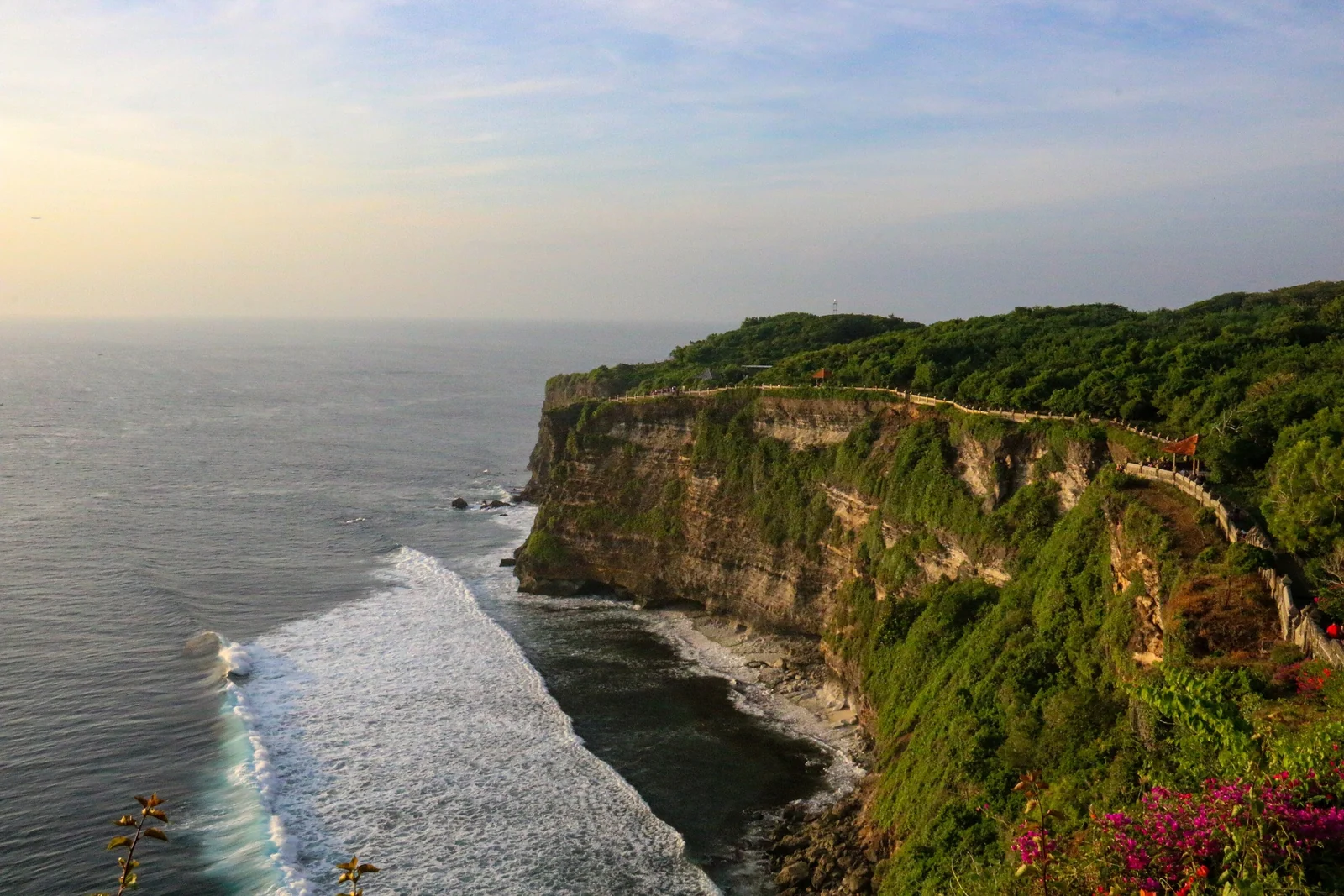
The Bukit is a dry limestone plateau at Bali's southern tip, where the land ends in 70-meter cliffs. Pura Luhur Uluwatu sits on the edge of those cliffs, and the sunset kecak dance in an amphitheater beside it is a popular evening. The temple's macaques steal glasses and hats, so hold on to your things. Below the cliffs are Padang Padang, Bingin and Dreamland, small beaches reached by stairs, with surf breaks famous among experienced surfers. Ask locally before swimming.
Nusa Penida and Nusa Lembongan
Southeast of Bali, three small islands, Nusa Penida, Nusa Lembongan and Nusa Ceningan, make a good side trip. Fast boats run from Sanur and other harbors on the main island, and the crossing is short. Sea conditions can change schedules.
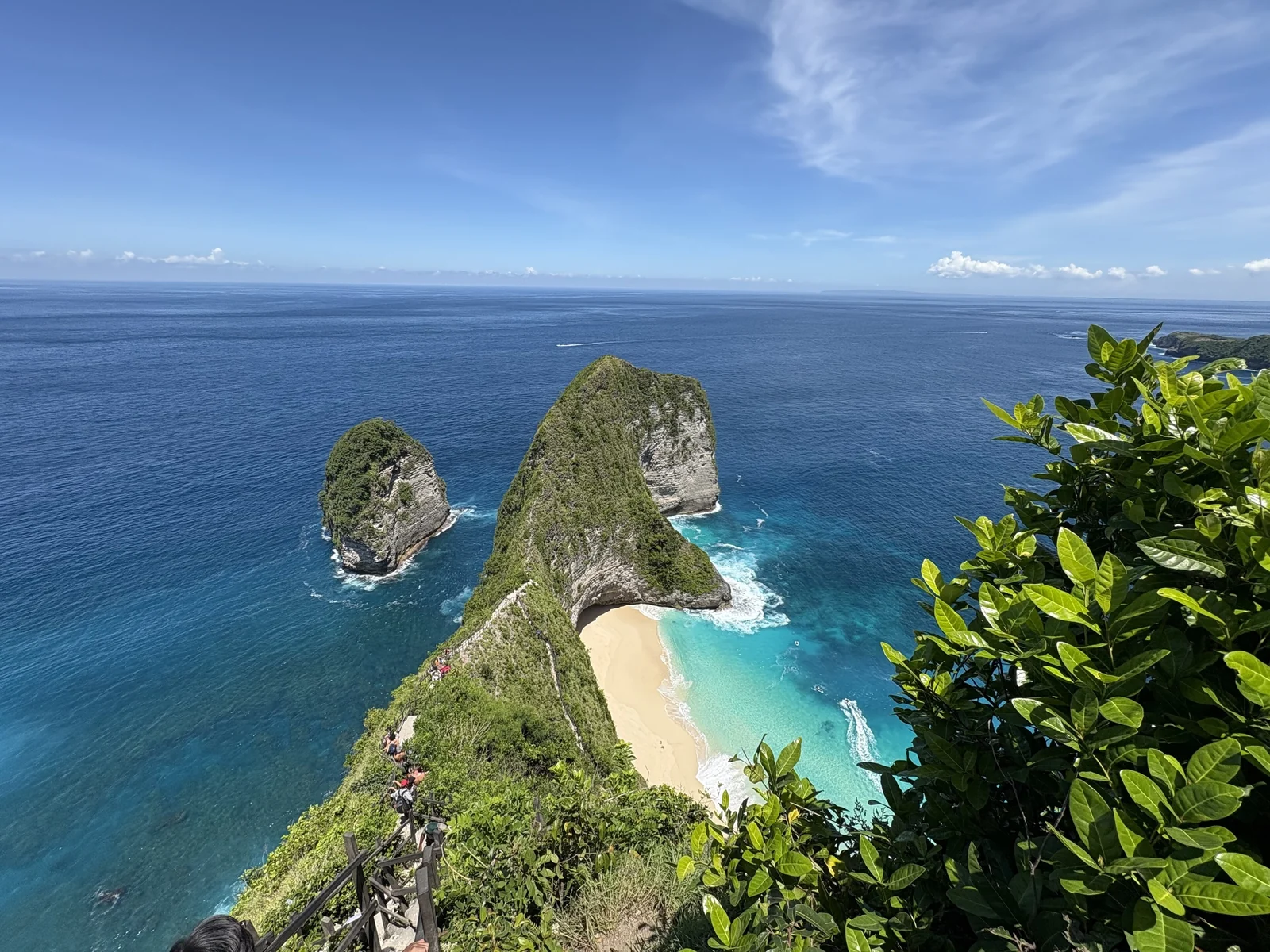
Nusa Penida is the larger and wilder island, famous for the cliff-top viewpoints of Kelingking and the sweep of rocky coast on its west side. Roads are steep and rough, so most people hire a driver for the day rather than ride a scooter. Nusa Lembongan is calmer, with cafes, snorkeling and small hotels.
East Bali, the North and Mount Batur
Sidemen and the East
The east is where Bali feels slower. Sidemen is a valley of rice fields and weavers, with Mount Agung rising behind it, and it makes a very good two-night stop between Ubud and the coast. Farther along, Tirta Gangga has a royal water garden and terraces, and Amed on the northeast coast is a quiet strip of black-sand beaches popular with snorkelers and divers. It shows what the island felt like before the boom.
Lovina and the North
Lovina is a string of black-sand villages on the north coast with a calm sea, dolphin-watching boats at dawn and almost no party scene. On the way, the highland lake of Bedugul holds Pura Ulun Danu Beratan, the postcard temple on the water, and the cooler air is a relief after the south. It suits one night on a longer loop.
Mount Batur Sunrise Trek
Mount Batur is an active volcano in the Kintamani highlands, and the sunrise hike is Bali's most popular early start. The summit is about 1,700 meters high, and most tours begin around 3 or 4 a.m., climbing for roughly two hours in the dark. At the top you watch the light spread over Lake Batur, with Mount Agung and Mount Rinjani on Lombok sometimes visible beyond.

Local guides are required on the trail. Bring a warm layer, a headlamp (or use the one your guide supplies) and shoes with grip, because the final section is loose volcanic gravel. Cloud can hide the view, so avoid your last morning. For more on the island chain's volcanic landscapes, see our guide to Indonesia's volcano lakes.
Best Time to Visit Bali: Dry vs. Wet Season
Bali is just south of the equator, so temperatures are warm all year and the real difference is rain. The dry season runs roughly from April to October, and the wet season from about November to March. Both work.
- April to June and September to October: the sweet spot. Sunny, lower humidity and fewer people than July and August.
- July and August: dry and busy, with the highest prices and the heaviest traffic.
- November to March: humid, with heavy afternoon showers that often clear quickly. Hotels are cheaper and rice fields greenest.
Getting Around Bali: Scooters, Drivers and Traffic
Bali has no trains and limited public transport. Most visitors choose among scooters, drivers and apps.
- Private driver: usually hired by the day, with a set price agreed in advance. This is the easiest option for Ubud day trips, Nusa Penida and long north or east loops.
- Scooter: cheap and flexible, but accidents are common and traffic keeps to the left. You need a valid license for motorcycles, and your travel insurance must cover riding. If you have never ridden, Bali's roads are not the place to learn.
- Ride-hailing apps: Grab and Gojek work in the south and around Ubud, although some local areas restrict pick-ups, so you may need to walk a few streets away.
- Airport and hotel transfers: pre-book. The drive from Ngurah Rai airport to Ubud takes one to two hours.
Traffic is the main reason itineraries fail. A route that looks like 20 kilometers can take an hour or more, especially around Canggu, Seminyak and Ubud in late afternoon. Plan one or two things a day and travel early.
Entry Rules, Money and Health
- Entry rules: check visa requirements for your passport before you go, and note that foreign visitors pay a one-time Bali tourist levy. The official Love Bali site explains how to pay it.
- Money: the currency is the Indonesian rupiah. ATMs are common, but use ones inside banks or malls, and check your card for foreign fees.
- Health: drink bottled water and use mosquito repellent, as dengue occurs in Indonesia. Carry travel insurance that covers scooters if you plan to ride.
- Leave slack: rain, waves and traffic all move schedules.
- Respect the sacred: never climb on shrines or pose in ways that disrespect temples. Official guidance is on the Wonderful Indonesia tourism site.
Where to Stay and What to Eat
Because of traffic, stay in fewer places for longer. Two or three bases suit a first visit.
- Ubud: stay near the center for walkability, or in the villages and rice fields around it for quiet.
- Seminyak or Canggu: pick Seminyak for restaurants and polish, Canggu for surf and cafes.
- Uluwatu: cliff-top villas and surf camps for sunset views and a laid-back pace.
- Sanur: flat, calm and easy for families, and the departure point for fast boats to the islands.
- Sidemen or Amed: small guesthouses for a slower stretch away from the crowds.
What to Eat in Bali
Balinese food is herb-driven and spicy. A warung, a small family-run restaurant, is usually the best value.
- Nasi campur: rice with small portions of vegetables, meat and sambal, a good all-in-one lunch.
- Babi guling: spit-roasted suckling pig, a festival dish now sold in Ubud and elsewhere. It is not halal, but it is a Bali specialty.
- Bebek betutu: slow-cooked, spiced duck, sometimes ordered in advance.
- Sate lilit: minced fish or meat wrapped around lemongrass sticks and grilled.
- Lawar: a mix of chopped vegetables, coconut and spices, sometimes with meat.
Stick to bottled or filtered water and eat where the food is cooked fresh and the place is busy. Ubud and Canggu have excellent vegetarian and vegan cafes.
A 9-Day Bali Itinerary
This route keeps driving short. Trim it to seven days by dropping the Nusa islands, or add Lovina for ten.
Days 1 to 4: Ubud
Day 1: arrive and walk the town. On day 2, hit Tegalalang at dawn, then Tirta Empul and Gunung Kawi with a driver. Day 3 is the Mount Batur sunrise trek, and a long afternoon rest. Day 4 takes in the Monkey Forest, the Campuhan Ridge and an evening dance performance.
Days 5 and 6: Sidemen or the Highlands
Move east to Sidemen for rice-field walks and weaving workshops, with a stop at Tirta Gangga. If you prefer the highlands, swap this for Bedugul and Jatiluwih.
Days 7 and 8: Nusa Penida or Lembongan
Take a fast boat from Sanur, spend a day on Penida with a driver, and keep the second for snorkeling and a coastal walk around Lembongan.
Day 9: Uluwatu and Departure
Spend the last day on the Bukit: a beach in the morning, Uluwatu temple for sunset. Keep a buffer for the airport transfer. Heading elsewhere in the region next? Compare this route with our Vietnam north-to-south itinerary or the temples of Bangkok.
Bali Travel FAQ
How many days do you need in Bali?
Seven to ten days is a good first visit. That covers Ubud, a few beach days and one island or volcano trip without constant packing. With only four or five days, pick Ubud plus one coastal base and skip the rest.
When is the best time to visit Bali?
The dry season, roughly April to October, has the best weather, and the shoulder months of April to June and September to October balance sun with fewer crowds. The wet season is cheaper and greener but has frequent heavy showers.
Is it safe to rent a scooter in Bali?
It can be, but accidents are common, and many travelers are hurt every year. Ride only with experience, a valid motorcycle license, a helmet and insurance that covers it. Otherwise hire a driver or use ride-hailing apps.
Where should first-time visitors stay in Bali?
Most first-timers combine Ubud for culture and scenery with Seminyak, Canggu or Uluwatu for beaches. Staying in two or three bases cuts down on traffic and gives each area enough time.
What should you wear to a Balinese temple?
Cover your shoulders and knees, and wear a sarong and sash, which are often available at the entrance. Stay quiet, stay behind people who are praying and avoid temples during ceremonies unless you are invited.
Is Mount Batur hard to climb?
It is a moderate hike of about two hours, steep at the end on loose gravel. Most reasonably fit people manage it. You need a local guide, a warm layer and a very early start to reach the top before sunrise.
What is Nyepi and how does it affect travel?
Nyepi is Bali's Day of Silence, held in March or April. For 24 hours the island closes, with no flights, no traffic and everyone asked to stay indoors. Check the date before booking flights and hotels.