Hong Kong packs a world-class skyline, steep green hills, island beaches and some of Asia's best cheap food into an area you can cross in a few hours by metro and ferry. If you only have a few days, the winning formula is simple: ride the Peak Tram for the view, cross the harbour on a Star Ferry, eat dim sum at least twice, and spend one day away from the towers on Lantau or an outlying island.
This Hong Kong travel guide covers the main districts, the best hikes, the day trip to Macau, when to go and where to stay, with a realistic 3-day plan at the end. If you are building a wider route, our Asia travel guides pair well with it.
One thing to know first: Hong Kong is a Special Administrative Region of China with its own currency, immigration rules and public transport system. Entry requirements depend on your passport, so check the official Hong Kong Tourism Board site before you book.
Victoria Peak and the Peak Tram
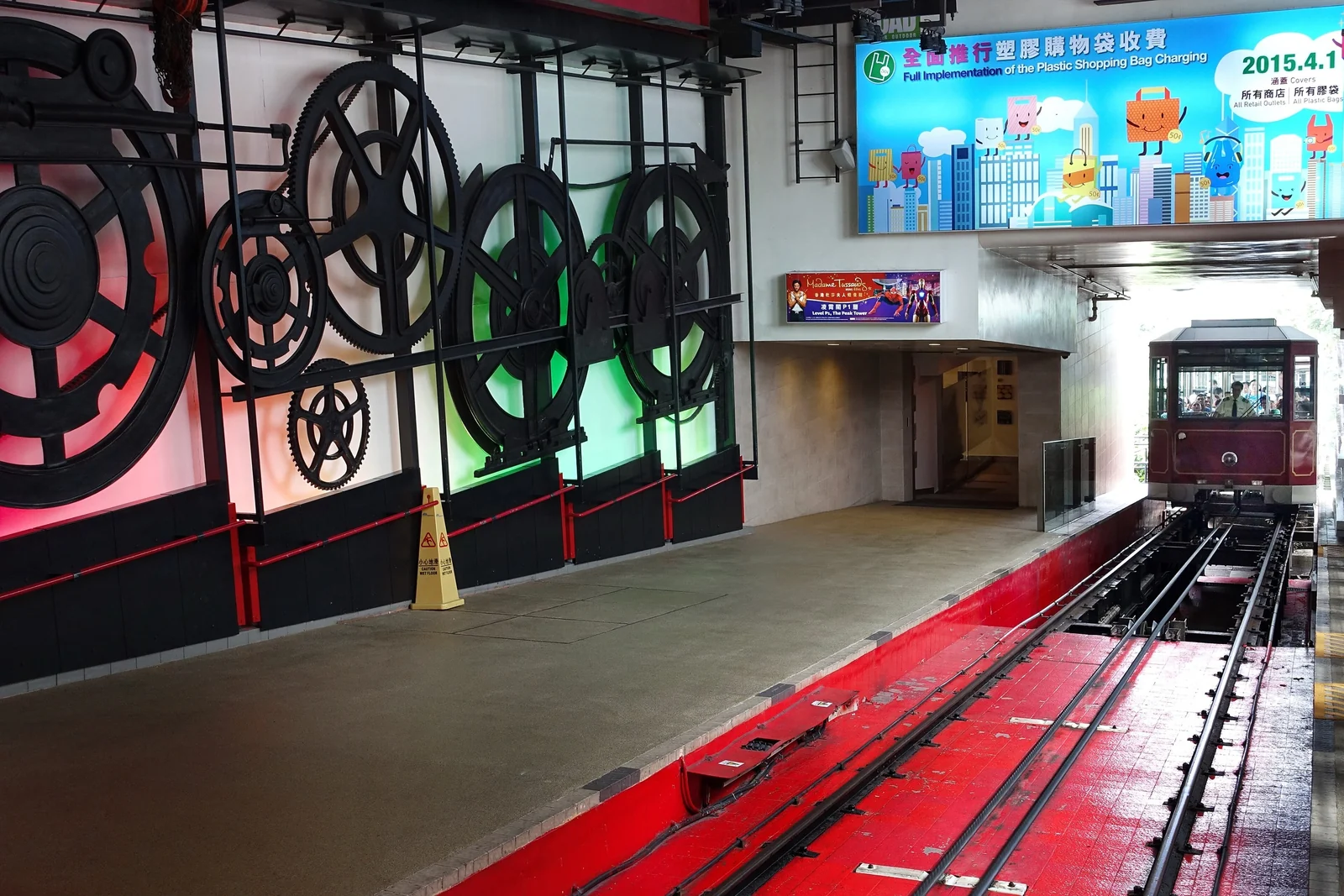
Victoria Peak is the high ground behind Central, and the view from it is the postcard shot of the city: skyscrapers stacked against the hillside, Victoria Harbour below and Kowloon across the water. The classic way up is the Peak Tram, a funicular that has been running since 1888 and is generally described as the first of its kind in Asia.
How to Do the Peak Without the Crush
The lower terminus is in Central, a short walk from the park. Queues build fast on clear afternoons and weekends, so go early in the morning or on a weekday, and book ahead if the operator offers timed tickets. Prices change, so check them on the official Peak Tram site rather than trusting a guidebook.
The Sky Terrace on top of the main complex is the obvious viewpoint, but it is also the most crowded one. The better move is to walk the flat, shaded loop along Lugard Road and Harlech Road, which circles the summit area and opens up wider, quieter views. It is an easy walk of an hour or so.
Timing matters more than anything else. Haze and cloud can wipe out the view completely in summer, so check the sky before you pay for the trip.
Star Ferry, Central and the Mid-Levels Escalator
Hong Kong Island's business core is a dense grid of towers, footbridges and old market streets, and the best way to meet it is from the water.
The Star Ferry Across Victoria Harbour
The Star Ferry has been crossing the harbour since 1888, and the green-and-white boats still link Tsim Sha Tsui in Kowloon with Central and Wan Chai. The operator's timetable lists the Tsim Sha Tsui to Central crossing at roughly nine minutes, with boats every six to eight minutes in the daytime. Check the Star Ferry website for current routes and times.
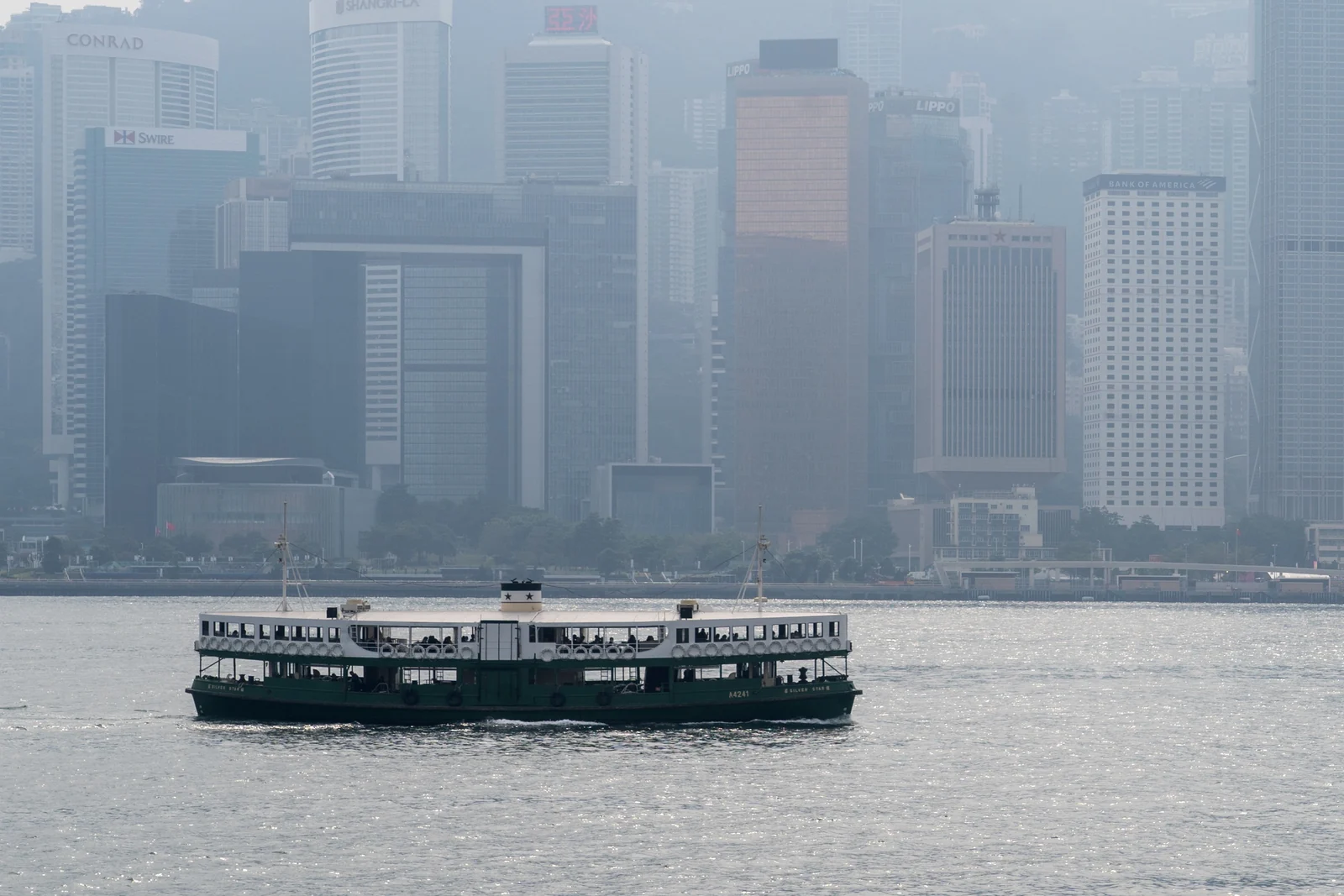
Sit on the upper deck if you can. The evening crossing, with the towers lit up on both shores, is the one I would not skip.
Central and the Mid-Levels Escalator
From the ferry piers, Central is walkable, and a covered footbridge network links many of the big buildings. The Central–Mid-Levels Escalator, opened in 1993, is a chain of covered escalators and walkways about 800 meters long that climbs the hillside through the Soho and Mid-Levels neighborhoods. It runs downhill in the early morning for commuters and uphill for the rest of the day, so you can ride it up in the afternoon.
Treat it as a street with a moving floor: hop off at any level and you land among restaurants, bars, galleries and small shops. Soho has the dining and drinking, and Hollywood Road is the antiques and gallery strip.
Kowloon: Tsim Sha Tsui, Temple Street and Mong Kok
Kowloon is louder, denser and cheaper than the island, and it is where the city feels most like itself.
Tsim Sha Tsui and the Waterfront
The promenade at Tsim Sha Tsui faces the island skyline across the harbour, which is the reason to come. Walk it in the late afternoon, when the light is soft and the ferries are busy, and again after dark.
Temple Street Night Market
Temple Street, in Yau Ma Tei, is a long-running night market of stalls selling souvenirs, clothing, gadgets and snacks, with fortune tellers and sometimes street performers. Prices at the stalls are negotiable, so ask and smile, and never pay the first number you hear.
Mong Kok
Mong Kok is one of the most crowded neighborhoods on the planet, and it is a fascinating place to be lost in. The Ladies' Market, the Goldfish Market, the Flower Market and the sneaker streets are all within a short walk of each other. Go in the afternoon and into the evening, when the neon signs and street food stalls are at their best.
Sheung Wan and Tai Kwun
Sheung Wan, just west of Central, is the quieter side of the island. Its streets are lined with dried seafood shops, tea merchants, herbal medicine dealers and small cafés, and the hill streets are full of old shopfronts and street art.
Tai Kwun is the main reason to head this way. The former Central Police Station compound, which also includes the old magistracy and Victoria Prison, reopened in 2018 as a center for heritage and arts. It has 16 historic buildings, plus galleries and a performance space, and it is a calm break from the street noise. Exhibitions and event costs vary, so check the Tai Kwun website for the current program.
Lantau Island: Big Buddha and Tai O
Lantau is the largest island in Hong Kong and the easiest escape from the city. The airport sits on its northern edge, so you may pass it already without noticing.
The Big Buddha and Ngong Ping
The Tian Tan Buddha, known as the Big Buddha, is a huge seated bronze statue completed in 1993 on the hills above Po Lin Monastery. You can get there by bus, or by the Ngong Ping 360 cable car, a 5.7 km ride of roughly 25 minutes from Tung Chung that crosses the bay and climbs over green hills. The cable car is closed or limited at times for maintenance or in high winds, so check the operator's status the day you go.
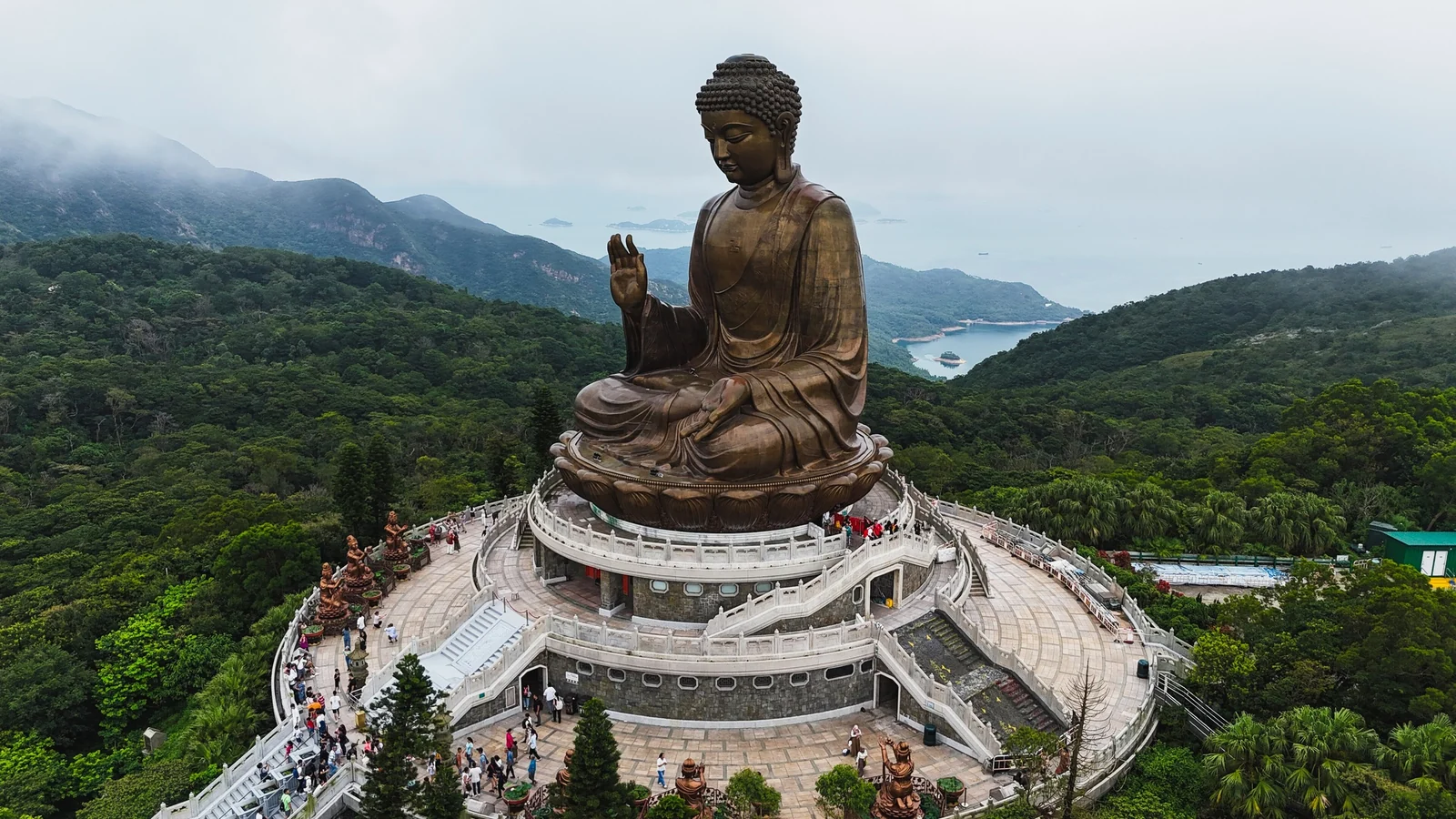
Go early. Tour groups arrive mid-morning, and the plateau fills up quickly.
Tai O Fishing Village
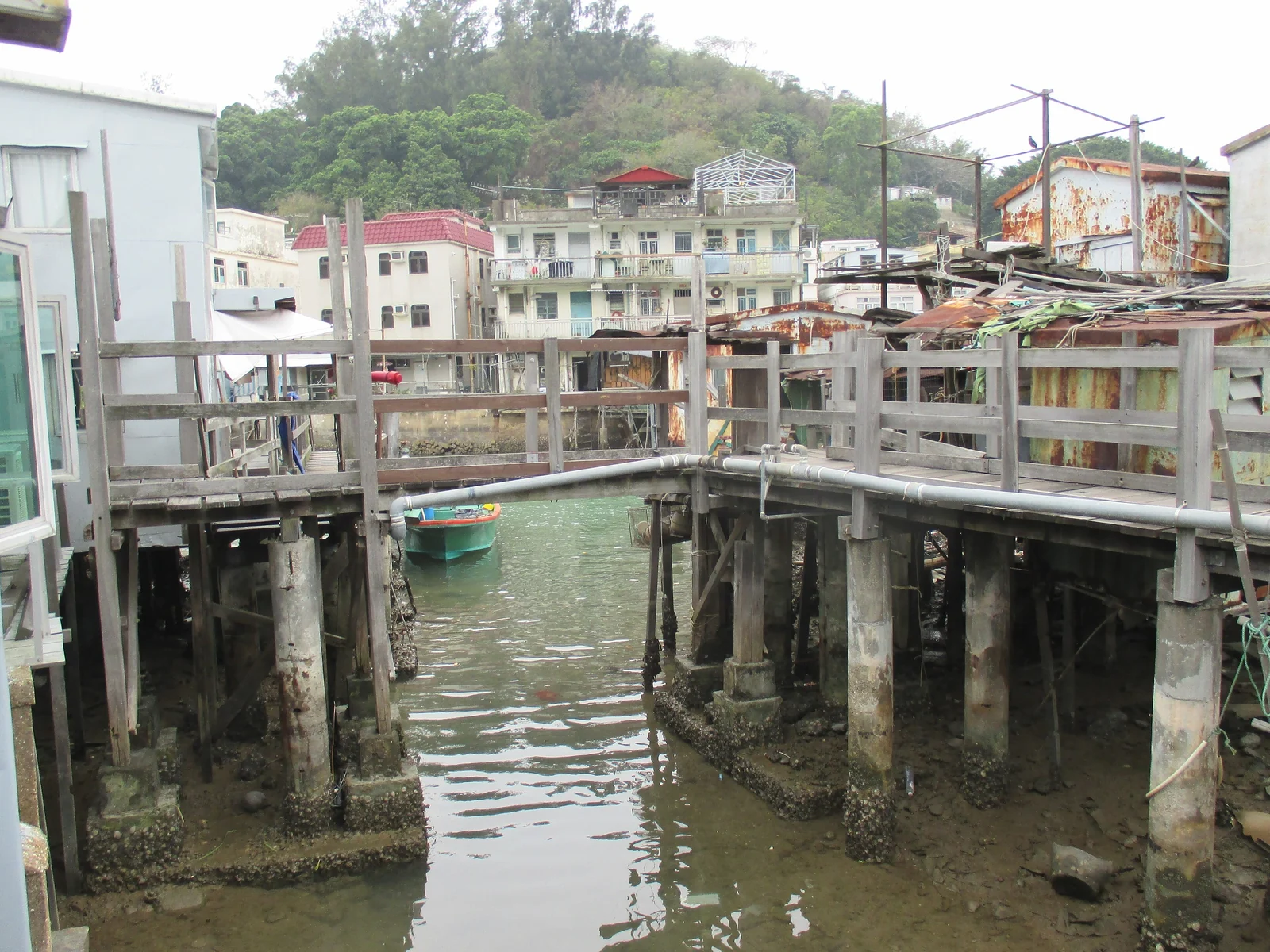
Tai O is a small fishing village on the western edge of Lantau, known for its stilt houses over the tidal creek. Look for dried seafood stalls, fish ball and egg waffle snacks, and the small boat trips that run around the creek. Public buses link it to Ngong Ping, so the two can be combined into one day.
Hiking, Outlying Islands and a Day in Macau
More than half of Hong Kong is countryside and country parks, a fact that surprises many first-time visitors. Trails start only a short bus ride from the metro.
Dragon's Back
The Dragon's Back is the best-known short hike in Hong Kong. It follows a ridge on the southeast of Hong Kong Island, with sea views on both sides, and finishes near beaches at Big Wave Bay or Shek O. Wear real shoes, bring water and start in the morning. It is exposed, so avoid midday heat.
Lion Rock
Lion Rock is the peak overlooking Kowloon, and the hike up gives a view across the dense blocks to the harbour. It is steeper than Dragon's Back, and it is best on a clear weekday when the haze is low.
Cheung Chau
Cheung Chau is a small island reached by ferry from the Central piers. It has almost no cars, a harbour full of fishing boats, seafood restaurants, beaches and a short coastal path. It makes an easy half-day or full day, and a good alternative to Lantau if you want something slower. Check the ferry operator's timetable, as fast and ordinary ferries differ in time and price.
A Day Trip to Macau
Macau, a former Portuguese territory, is a separate Special Administrative Region, and a day trip is realistic. You can go by ferry or by the long bridge link, and you will pass through border control in both directions, so bring your passport. Expect Portuguese-influenced old streets, colonial squares, Macanese food and casino resorts. Check the current entry rules and transport options before you go.
Dim Sum, Street Food and Cha Chaan Teng
Food is half the reason to visit, and you do not need to spend much to eat well.
Dim Sum
Dim sum is the traditional Cantonese teahouse meal: small steamed and fried dishes shared at the table with tea. Classics include har gow (shrimp dumplings), siu mai (pork and shrimp dumplings), char siu bao (barbecue pork buns), rice noodle rolls and egg tarts. Many places serve it mainly in the morning and at lunch, so go before the midday rush, and expect to share tables.
Street Food
Look for egg waffles (gai daan jai), curry fish balls, siu mei (roast meats on rice), wonton noodles and claypot rice in cooler months. Dai pai dong, the open-air licensed food stalls, are now rare, but the ones that survive are worth finding. Follow the queues of locals.
Cha Chaan Teng
A cha chaan teng is a Hong Kong-style tea restaurant serving fast, cheap, East-meets-West comfort food. Order milk tea, a pineapple bun with butter, French toast, macaroni soup or a set meal. Service is brisk and tables are shared. It is not a place to linger, and that is part of the fun.
When to Go, Getting Around and Where to Stay
Best Time to Visit Hong Kong
Autumn is generally the easiest season: it is drier, clearer and more comfortable for walking. Typhoons can happen in the warmer half of the year, and when a strong typhoon signal is raised, transport and shops can shut down for a time. Check the Hong Kong Observatory for live warnings.
| Season | What to expect | Good for |
|---|---|---|
| Autumn | Drier, clearer skies and lower humidity | Hiking, the Peak view, harbour walks |
| Winter | Cooler and mostly dry, with some cold snaps | City walking, dim sum, Lantau |
| Spring | Mild but often damp, with mist and drizzle | Food, museums, indoor plans |
| Summer | Hot, very humid, with rain and a typhoon risk | Air-conditioned sights; hike early |
Getting Around: MTR and Octopus
The MTR, the metro system, is clean, frequent and the backbone of the city. Buses, trams, ferries and minibuses fill in the gaps. An Octopus card, a rechargeable smart card, works on most public transport and in many shops, so buy one on arrival. Double-decker trams on Hong Kong Island are slow but cheap, and a good way to see street life.
Where to Stay in Hong Kong
- Central and Sheung Wan: restaurants, the escalator and the ferry piers on your doorstep. Rooms are small and pricey.
- Wan Chai and Causeway Bay: good for shopping and food, with easy metro and tram links.
- Tsim Sha Tsui: the classic first-timer base, close to the harbour and many museums, and convenient for the airport rail line.
- Yau Ma Tei and Mong Kok: cheaper, louder and closer to local life, with markets and food all around.
- Lantau or the islands: an option for a slower stay, but you will spend more time on transport.
Rooms are compact everywhere, so pick a spot near an MTR station over extra space farther out.
A 3-Day Hong Kong Itinerary
Day 1: The Island and the Peak
Start with dim sum in Central, ride the Peak Tram early and walk the Lugard Road loop. Come down to Soho, take the escalator, browse Hollywood Road and visit Tai Kwun. Finish with the Star Ferry across the harbour at dusk and a walk along the Tsim Sha Tsui waterfront.
Day 2: Lantau and Tai O
Take the MTR to Tung Chung, ride the cable car (or bus) to Ngong Ping and see the Big Buddha early. Move on to Tai O by bus for lunch and a walk through the stilt houses. Return in the evening for Temple Street and Mong Kok.
Day 3: A Hike, an Island or Macau
Pick one. Hike the Dragon's Back in the morning and swim at Shek O, take the ferry to Cheung Chau for seafood, or go to Macau for the day. If you finish early, finish with a milk tea at a cha chaan teng. For another food-led city, try our Singapore guide, Bangkok guide or Tokyo guide.
Hong Kong Travel FAQ
How many days do you need in Hong Kong?
Three days cover the Peak, the harbour, Central, Kowloon's markets, one island or Lantau and plenty of eating. Add a fourth for Macau or a longer hike, and a fifth if you want a slower pace.
What is the best time to visit Hong Kong?
Autumn is generally the most comfortable, with clearer skies and lower humidity. Winter is also pleasant. Summer is hot, humid and wet, with some typhoon risk, so check the Observatory's forecast.
Is the Peak Tram worth it?
Yes, if the sky is clear. The ride is short and steep, and the view from the top is the most famous in the city. Go early or on a weekday to avoid the longest queues, and skip it in thick haze or cloud.
How do you get around Hong Kong?
Use the MTR for most trips, supported by buses, trams and ferries. An Octopus card pays for nearly all of them and many shops. Taxis are fine for short late-night rides, but traffic can be slow.
Can you visit Macau as a day trip from Hong Kong?
Yes. You can travel by ferry or by the long bridge link, and you will clear border control each way, so carry your passport. Check the current entry rules for your nationality before you go.
Where should first-time visitors stay in Hong Kong?
Tsim Sha Tsui and Central are the easiest bases, with strong transport links and plenty of food nearby. Wan Chai suits shoppers, and Yau Ma Tei or Mong Kok are cheaper and more local. Choose a spot near an MTR station.
What should you eat in Hong Kong?
Start with dim sum, then try wonton noodles, roast meats on rice, egg waffles and milk tea with a pineapple bun at a cha chaan teng. Cheap local places are often the best, so follow the queues.