Zanzibar is a semi-autonomous island archipelago off the coast of Tanzania, in the Indian Ocean, and its main island, Unguja, packs a lot into a small space. There is a UNESCO-listed old town of coral-stone houses and carved doors, white-sand beaches on both coasts, a forest full of rare monkeys and farms where cloves and nutmeg still grow. It is one of East Africa's easiest places to add a few beach days to a bigger trip.
This Zanzibar travel guide covers what to see in Stone Town, how to choose between Nungwi, Kendwa and Paje, which excursions are worth the time, when to go, how to get there from Dar es Salaam and how to pair the island with a mainland safari. For more routes across the country, see our Tanzania travel guides.
Stone Town: Zanzibar's UNESCO Old Quarter
Stone Town, the old heart of Zanzibar City, was inscribed on the UNESCO World Heritage List in 2000. It grew rich in the 19th century as a trading hub for spices, ivory and, painfully, enslaved people, and the architecture mixes Swahili, Arab, Indian and European styles. Plan on a full day, ideally two, and give yourself permission to get lost. The lanes are narrow, unsigned and confusing, and that is much of the fun.
Doors, Palaces and Forts
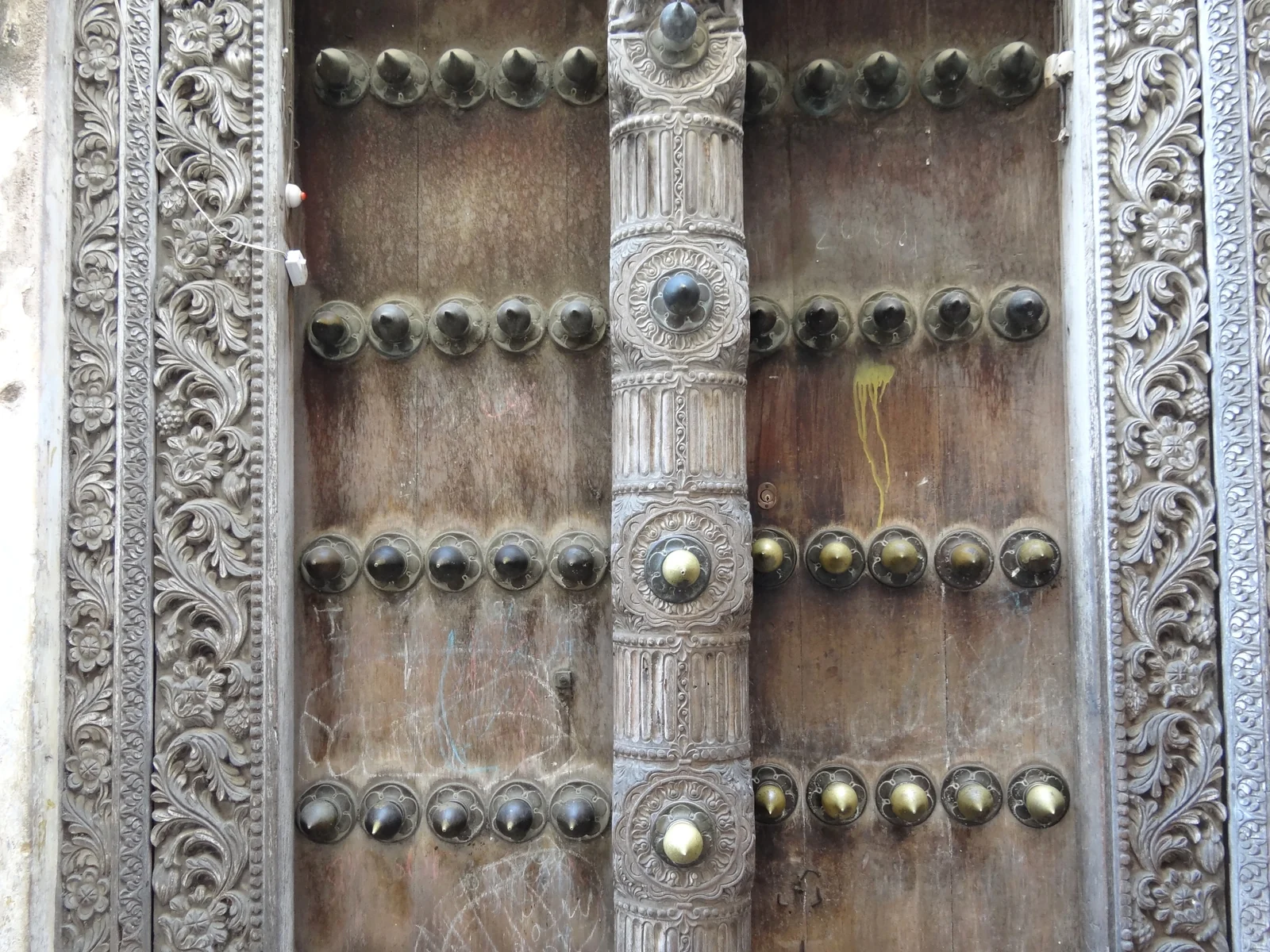
Look at the doors first. Heavy teak doors studded with brass spikes, a style borrowed from India, and carved with chains, flowers and Koranic verses, once signaled the wealth of the merchant inside. Many are more than a century old, and you can spot dozens in a short walk through the back streets.
On the waterfront you will find the Old Fort (Ngome Kongwe), an Omani-era stronghold from the 17th century that now hosts an amphitheater and craft stalls. Nearby stands the House of Wonders (Beit al-Ajaib), a ceremonial palace from the 1880s that was reportedly the first building in East Africa with electric light and an elevator. Part of it collapsed in late 2020 and it has been under restoration since, so check current access before you plan around it.
The Slave Market and Darajani
Zanzibar was East Africa's largest slave market until the trade was formally ended in 1873. The Anglican Cathedral was built on the site of the main market, and an exhibition on the grounds explains what happened there, with a memorial and the cramped underground chambers where captives were held. It is sobering, and the most important single stop in Stone Town. Hire a local guide at the entrance rather than wandering alone.
For a lighter contrast, walk through the Darajani market, where fishmongers, spice sellers and fruit vendors work in a loud, crowded hall. Then end the day at Forodhani Gardens on the seafront, where food stalls set up at dusk to grill seafood skewers, cassava and the island's famous Zanzibar pizza.
Freddie Mercury and the Swahili Coast
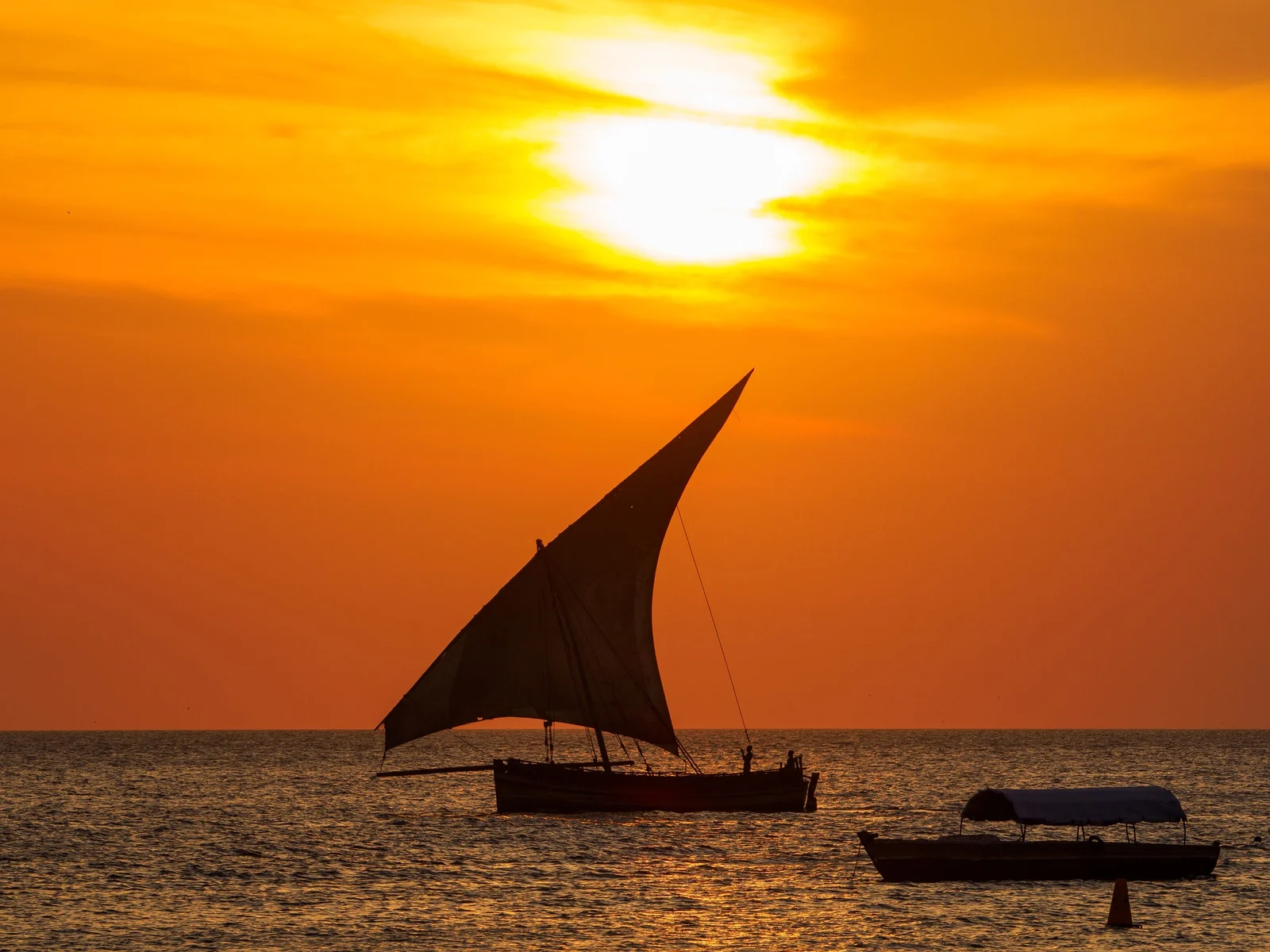
The Queen singer Freddie Mercury was born in Stone Town in 1946, and a small museum and a few cafes nod to the fact. It is fun trivia rather than a reason to visit. A better use of an hour is a sunset dhow trip from the harbor, which gives you the skyline from the water.
The Best Zanzibar Beaches: Nungwi, Kendwa and Paje
Zanzibar's beaches differ more than most first-time visitors expect, and the biggest factor is the tide. On the east coast the sea retreats a long way at low tide, leaving flats and seaweed beds. On the northern tip the water stays swimmable for far more of the day. Pick your base with that in mind.
| Beach | Coast | Best for | Watch out for |
|---|---|---|---|
| Nungwi | Far north | Swimming at most tides, sunsets, lively evenings | Busy in peak season, more built up |
| Kendwa | North-west | Calmer stretch of sand, sunset views, relaxed bars | Beach parties around the full moon can be loud |
| Paje | South-east | Kitesurfing, backpacker scene, budget stays | Low tide exposes seaweed and flats |
| Jambiani and Matemwe | East | Quieter villages, boutique stays, snorkeling trips | Tide timing shapes your swim |
Nungwi and Kendwa
Nungwi sits at the northern tip of Unguja and is the island's most developed beach town, with a long strip of resorts, dive centers and beach bars. Because the sea stays deep enough to swim at most states of the tide, it works well for families and first-timers. Dhow builders still work on the sand at the village end.
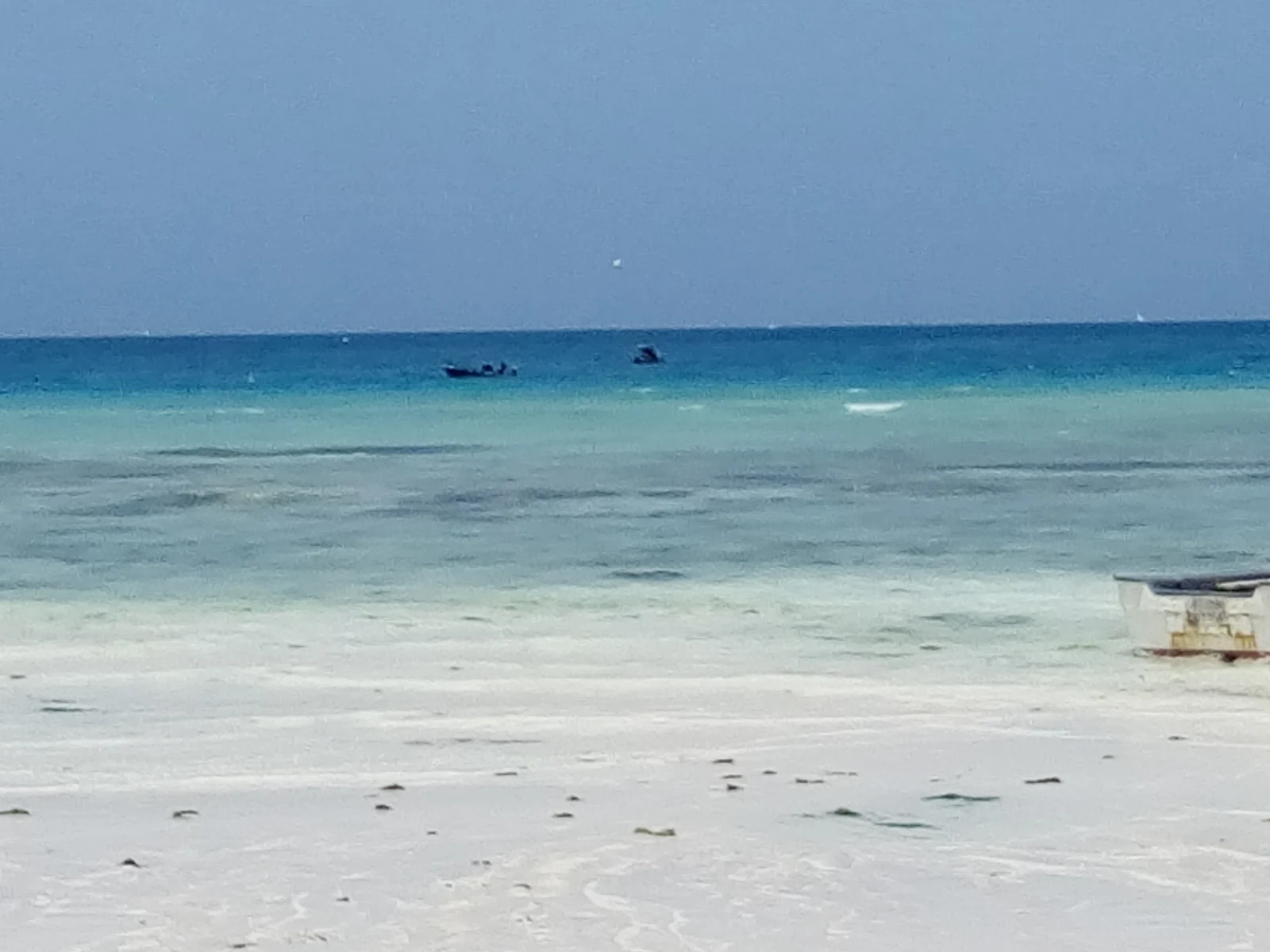
A short walk south, Kendwa has a wide, softer-feeling beach and a more relaxed pace. It is known for its full moon parties, which come around monthly, so pick dates carefully whether you want them or want to avoid them.
Paje and the East Coast
Paje is the island's kitesurfing base, helped by steady winds and shallow, forgiving water. Even if you do not kite, the village has a strong backpacker feel, with cheap guesthouses, yoga and beachfront restaurants. Time your swims for high tide, and use the low tide to walk the flats, where local women tend seaweed farms.
Jambiani and Matemwe, along the same coast, feel quieter and more village-like. They suit travelers who want a slower week, with snorkeling trips to nearby reefs.
Day Trips: Jozani Forest, Prison Island and Spice Tours
Jozani Forest and the Red Colobus
Jozani-Chwaka Bay National Park, in the middle of the island, protects the largest area of indigenous forest left on Unguja. Its stars are the Zanzibar red colobus monkeys, an endangered species found nowhere else in the world. They are used to people, so you often get close views from a short guided walk on a boardwalk and forest trail.

The park also has a mangrove boardwalk that shows how the coastal wetland works. Visit in the morning, when the animals are most active and the heat is manageable. Entry requires a guide and a fee; check the current price on arrival or with your hotel.
Prison Island (Changuu)
A short boat ride from Stone Town, Changuu Island is better known as Prison Island. In the 1860s an Arab trader built a prison complex here, but it was reportedly never used as one for enslaved people, and it later served as a quarantine station. Today the main draw is a sanctuary of giant Aldabra tortoises, some of them very old, plus a small beach with decent snorkeling. Keep expectations modest and pair it with a Stone Town afternoon.
A Spice Tour
Zanzibar is nicknamed the Spice Island because of the clove, nutmeg, cinnamon, black pepper and vanilla that grow on it. Cloves were introduced in the early 19th century and drove the island's economy for decades. On a half-day spice tour, guides take you through working farms, hand you leaves and fruits to smell and taste, and often climb a palm to cut a coconut.
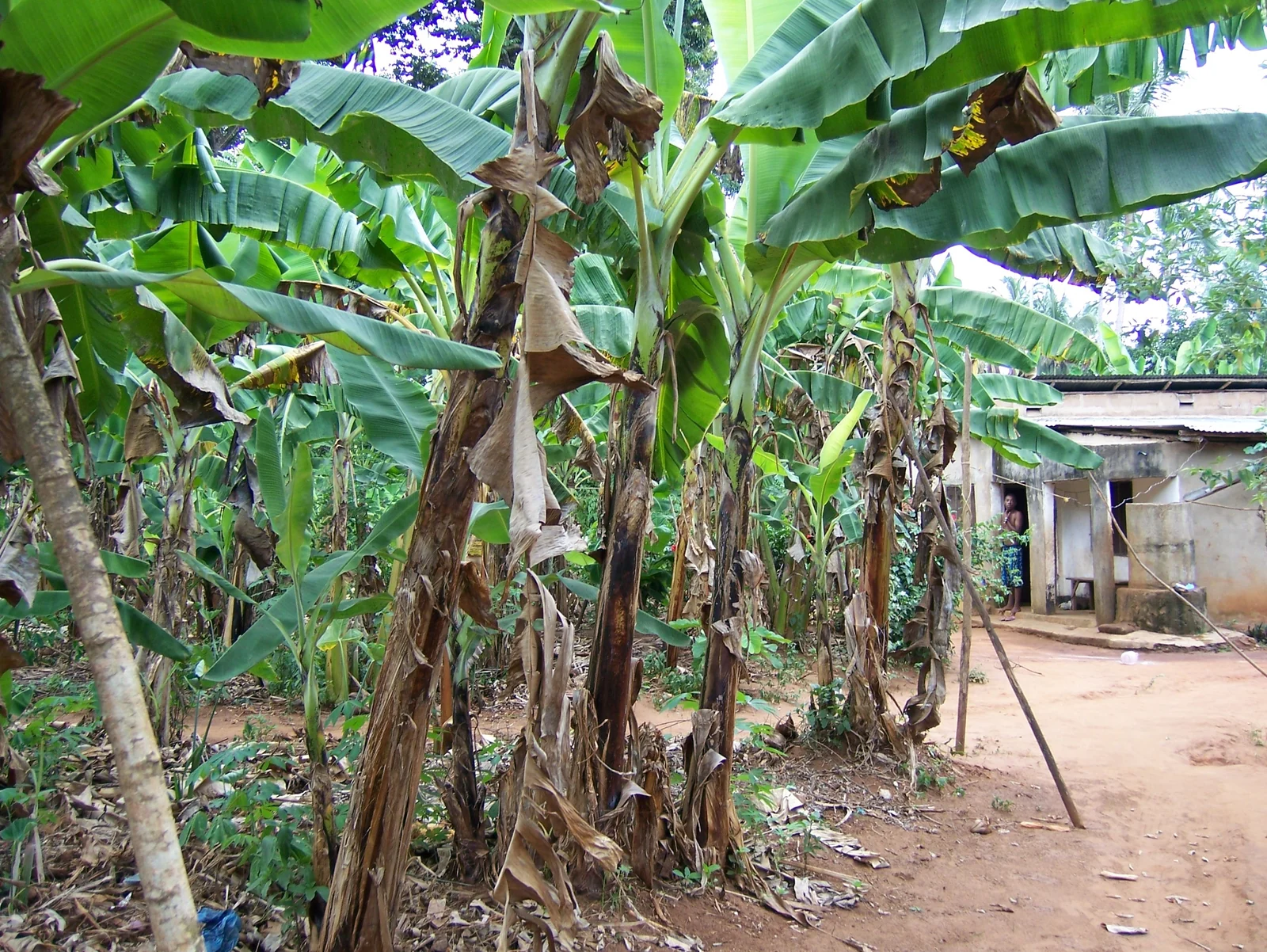
Tours vary in quality. Book through a reputable operator or your accommodation, ask what is included, and agree on a price before you start. The farms can feel touristy, but the plants themselves, from the red lipstick-tree pods to fresh cloves, are genuinely fascinating.
Best Time to Visit Zanzibar
Zanzibar sits just south of the equator, so it is warm all year. Seasons are defined by rain and wind rather than temperature. The long dry spell from roughly June to October is the classic choice, with lower humidity and plenty of sun. December to February is hot, sunny and busier.
| Period | What to expect | Good for |
|---|---|---|
| June to October | Dry, sunny, lower humidity, steady breezes | Beaches, kitesurfing, combining with a safari |
| November | Short rains, often brief and warm | Fewer crowds, lower prices |
| December to February | Hot, humid, sunny spells, peak holiday period | Diving, swimming in warm water |
| March to May | Long rains, heavy downpours, some places close | Budget travel, quiet beaches |
If you can pick, aim for the dry season or the shoulder weeks on either side. During the heaviest rains in April and May, some small hotels and restaurants close, and the sea can look gray. Always check the forecast and the local situation before booking.
Getting to Zanzibar From Dar es Salaam
Most visitors come through Dar es Salaam, Tanzania's largest city, and you have two practical choices.
- Fast ferry: several companies run daily boats from Dar es Salaam's port to Stone Town, and the crossing takes roughly two hours. It is the cheaper option, but the sea can be rough, and foreign visitors need their passport at check-in.
- Flight: short flights link Dar es Salaam's airport to Abeid Amani Karume International Airport on Zanzibar in about 20 to 30 minutes. It costs more but saves time and avoids seasickness.
- Mainland combination: many travelers fly in from Arusha, Kilimanjaro or the Serengeti after a safari, which makes a smooth end to the trip.
Zanzibar has its own immigration check even though it belongs to Tanzania, so keep your passport handy. Most visitors need a visa, which you can apply for through the Tanzania immigration eVisa portal. Check the current rules for your nationality, and confirm ferry and flight schedules directly with the operators.
Pairing Zanzibar With a Tanzania Safari
The classic Tanzania trip is a few days of game drives followed by a few days on the beach. Northern circuit parks such as Serengeti, Ngorongoro and Tarangire are the common starting points, and many tour operators sell the combination as a single package. The Tanzania National Parks website lists park details and conservation rules for planning.
A simple pattern is to do the safari first and the beach second, because you finish with rest. Flights from northern Tanzania connect through Arusha or Dar es Salaam. If you are weighing Tanzania against its northern neighbor, our Kenya safari guide compares the classic reserves, and the wider Africa destinations section has more ideas. Another Indian Ocean contrast is Madagascar, covered in our look at its baobab-lined roads.
Practical Tips for Zanzibar
- Dress modestly in towns. Zanzibar is predominantly Muslim. Cover shoulders and knees in Stone Town and villages, and save swimwear for the beach and resort areas.
- Mind Ramadan. Eating or drinking openly in public during the day is discouraged in that month, and some restaurants close until sunset.
- Carry some cash. Cards work at larger hotels, but small shops, markets and taxis often need cash. ATMs are easiest in Stone Town.
- Agree on fares first. Taxis and tours rarely run on meters, so settle the price before you set off.
- Protect yourself from the sun and mosquitoes. Use reef-safe sunscreen and repellent, and ask a travel clinic about malaria precautions before you go.
- Do not walk on the reef. Stay on sand or in water deep enough that you do not damage coral or step on urchins.
Where you stay shapes the trip. Base yourself in Stone Town for culture and food, then move to the beach for the rest of your days. Nungwi or Kendwa suit swimmers, Paje suits kitesurfers and budget travelers, and the quieter east coast villages suit anyone after calm. For official planning information, the Tanzania tourism board is a good starting point.
Zanzibar Travel FAQ
How many days do you need in Zanzibar?
Four to seven days works well. Give Stone Town one or two days, add a Jozani or spice-farm excursion, and spend the rest on the beach. If you combine it with a safari, three or four nights on the island is enough for a relaxing finish.
What is the best beach in Zanzibar?
It depends on what you want. Nungwi and Kendwa in the north are best for swimming at most tides and for sunsets. Paje on the east coast is best for kitesurfing and a backpacker atmosphere. Jambiani and Matemwe suit quieter stays.
What is the best time to visit Zanzibar?
June to October is the driest and most comfortable period. December to February is hot and sunny. The long rains from March to May bring heavy downpours and some closures, but also lower prices and fewer visitors.
How do you get from Dar es Salaam to Zanzibar?
Take a fast ferry, which takes around two hours, or a short flight of about 20 to 30 minutes. The ferry is cheaper, while the flight is faster and avoids rough seas. Check schedules directly with operators before you travel.
Is Stone Town a UNESCO World Heritage Site?
Yes. Stone Town of Zanzibar was inscribed on the UNESCO World Heritage List in 2000. It is recognized for its mix of Swahili, Arab, Indian and European architecture and for its role in the Indian Ocean trade.
Is Zanzibar safe for tourists?
Most visitors have trouble-free trips. Use normal precautions: avoid walking alone late at night in Stone Town, keep valuables out of sight on the beach and use registered taxis. Check your government's current travel advice before you go.
Can you combine Zanzibar with a Tanzania safari?
Yes, and it is very common. Travelers usually do the safari first, then fly from Arusha, Kilimanjaro or Dar es Salaam to Zanzibar for a few beach days. Many tour operators sell it as a single package.