The Tanzania northern circuit links four of Africa's best wildlife areas in one loop: the Serengeti, the Ngorongoro Crater, Tarangire and Lake Manyara. Almost every trip starts and ends in Arusha, and a week is enough to see all four if you are willing to spend long days in a vehicle.
The big question is timing. The Great Migration moves around the Serengeti ecosystem all year, so where you sleep decides what you see. This guide explains the herds month by month, what each park does best, how to build a route from Arusha, and what to expect on budget, mid-range and luxury trips. For a wider look at the country, see our Tanzania travel guides.
How the Northern Circuit Works
The circuit is a rough arc west and north of Arusha. Most itineraries run Tarangire, Lake Manyara, Ngorongoro, then the Serengeti, or the reverse. Distances are not huge on a map, but the roads are slow, and the last stretch into the Serengeti is long enough that many travelers fly one leg on a small plane between airstrips.
The parks differ a lot in feel. Tarangire is about elephants and baobabs. Manyara is compact, green and good for birds. Ngorongoro is a volcanic caldera with a dense mix of animals on its floor. The Serengeti is open plains and the migration. If you can only afford a short trip, pick the Serengeti and Ngorongoro and skip the other two.
Serengeti National Park: The Heart of the Trip
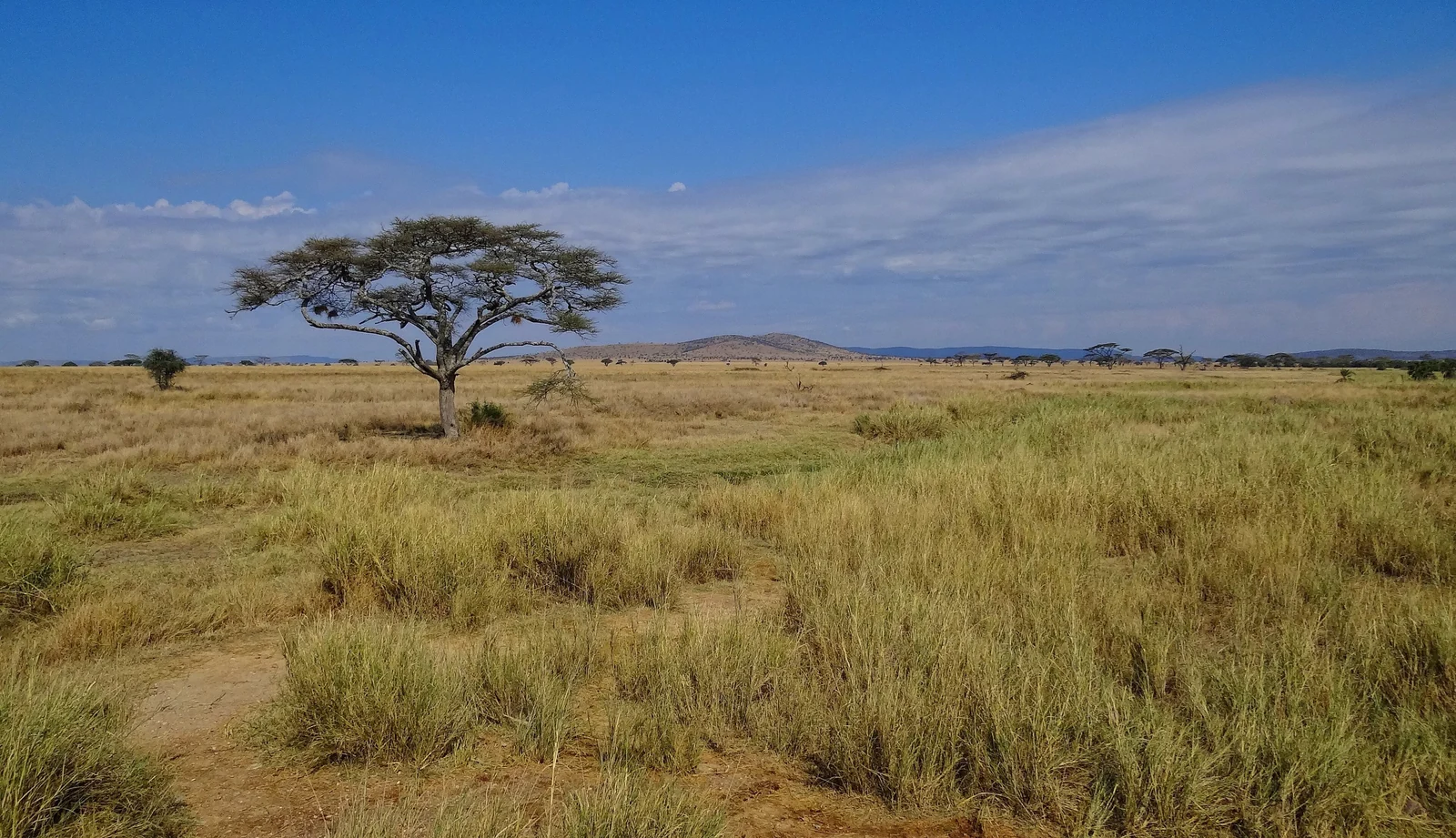
Serengeti National Park was added to the UNESCO World Heritage List in 1981, and it is contiguous with the Ngorongoro Conservation Area to the southeast. The name comes from a Maasai word often translated as "endless plains," and it lives up to that.
The park is not one place but several. The southern plains are short-grass country, the central Seronera area has the most reliable big cats year-round, the western corridor follows the Grumeti River, and the north is wilder and quieter, with the Mara River on its edge. Which area you choose should follow the herds, so read the monthly table below before you book anything.
Seronera and the Central Serengeti
Seronera has permanent water and rocky outcrops called kopjes, which leopards and lions like. It is the most visited part of the park for a reason: you can find predators here in almost any month. The trade-off is traffic. Expect other vehicles at good sightings, especially in the busy season.
Northern Serengeti and the Mara River
The north is where the dramatic river crossings happen, usually in the dry months of the second half of the year. It is a long drive from the center, so most visitors either fly in or stay in a camp near the river. Crossings are unpredictable. Some days the herds stand at the bank for hours and then turn back.
Great Migration Timing by Month
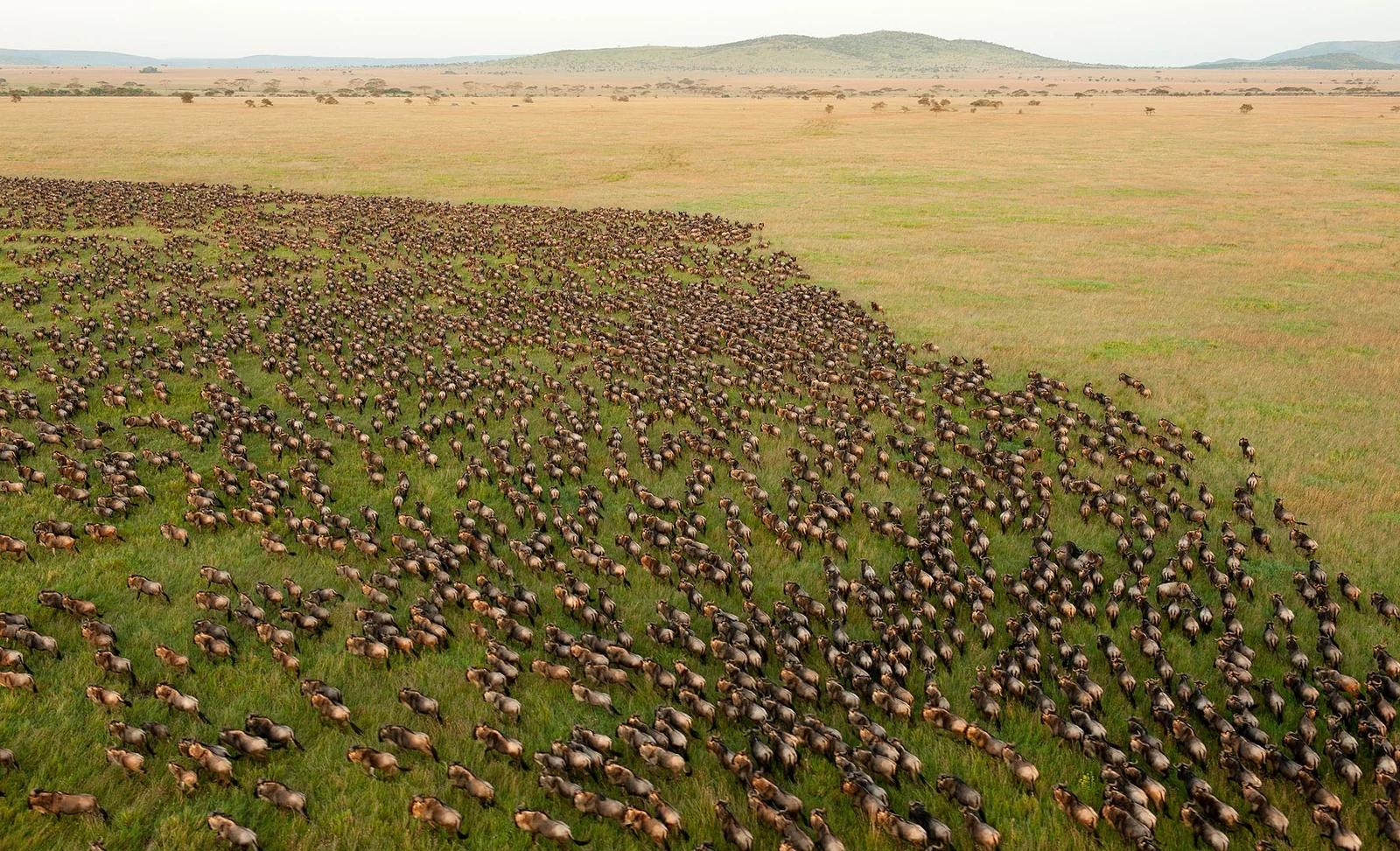
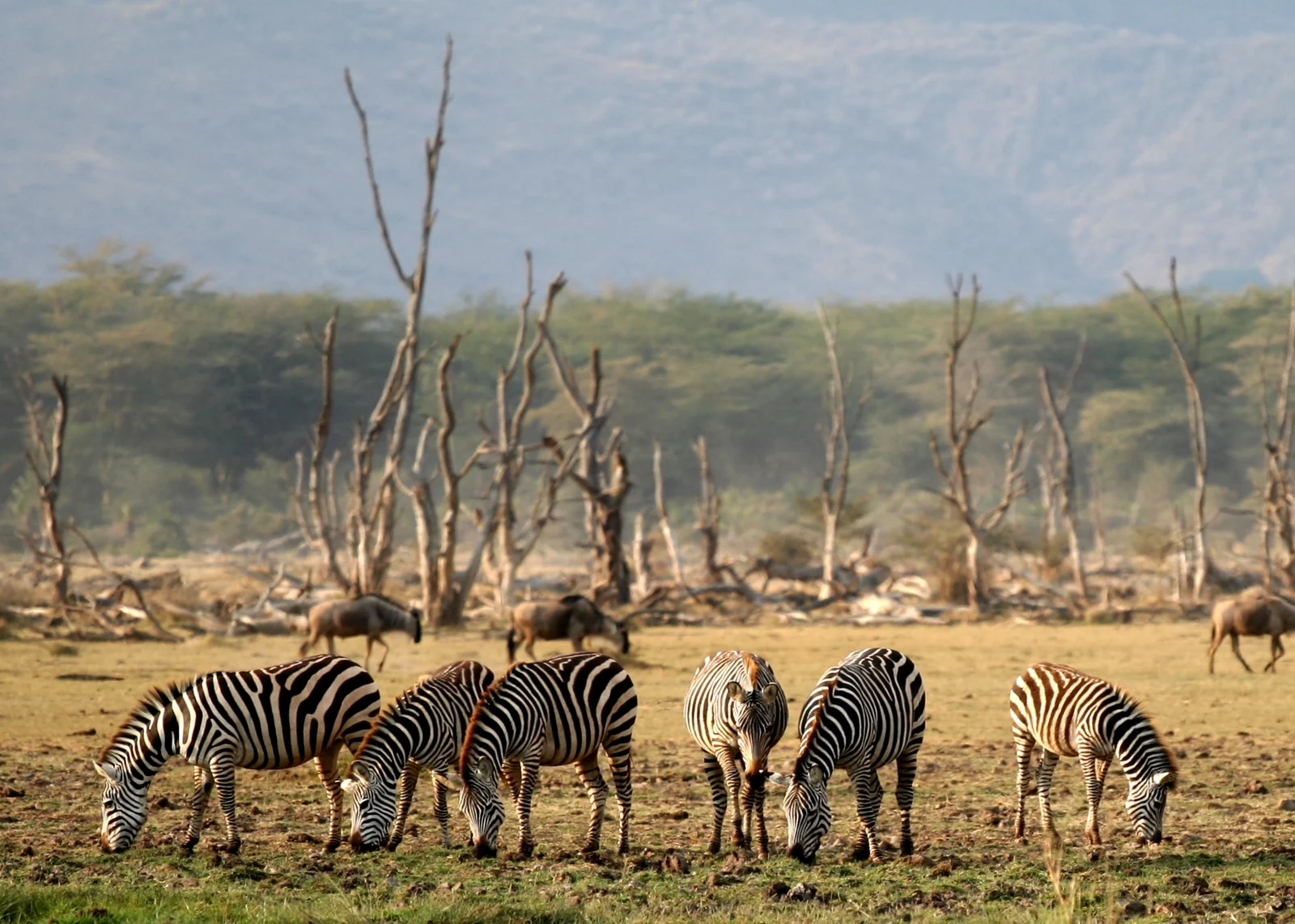
Well over a million wildebeest, together with large numbers of zebra and gazelle, follow the rains in a clockwise loop through the Serengeti and into Kenya's Maasai Mara. Nothing about it is exact. Rainfall shifts the herds by weeks, so treat the table as a guide to where the animals tend to be, and ask your operator for recent field reports before you lock in dates.
| Months | Where the herds usually are | What you see |
|---|---|---|
| January to March | Southern plains and the Ndutu area | Calving season, newborns, predators hunting |
| April to May | Moving north through the central and western Serengeti | Long rains, green landscapes, few visitors |
| June to July | Western corridor and the Grumeti River | Rut in late May and June, first river crossings |
| August to October | Northern Serengeti and the Mara River | Mara River crossings, dry weather |
| November to December | Heading back south on the short rains | Herds spread out, fewer crowds |
These are patterns, not promises. Some years the herds linger, some years they move early. If a crossing is the one thing you want, give yourself several days in the north rather than one.
Calving Season on the Southern Plains
From roughly January to March, the herds gather on the short-grass plains of the southern Serengeti and the Ndutu area, which sits inside the Ngorongoro Conservation Area. Most of the calves are born within a few weeks of each other, often in February. Within minutes of birth, a calf can stand and run, which has to happen quickly because lions, hyenas and cheetahs are waiting.
It is a rich time for photography and predator action. It is also, honestly, hard to watch at times. Many guides call it the best period for seeing both newborns and kills, and the open ground makes it easy to follow what is happening. Book early, because the lodges and camps in this area fill up.
River Crossings in the Dry Season
The famous scenes of wildebeest plunging down banks into crocodile-filled water happen at the Mara River and, earlier in the season, at the Grumeti. They are worth seeing, but they are also the most crowded moments on the circuit. Be patient, and be ready to wait.
Ngorongoro Crater: A Wildlife Arena in a Volcano
Ngorongoro is the remains of a huge volcano that collapsed, leaving a caldera with a floor of roughly 260 square kilometers and walls about 600 meters high. The Ngorongoro Conservation Area was listed by UNESCO in 1979 for its natural values and later recognized for cultural ones as well. Olduvai Gorge, where important early human fossils were found, lies within the area.
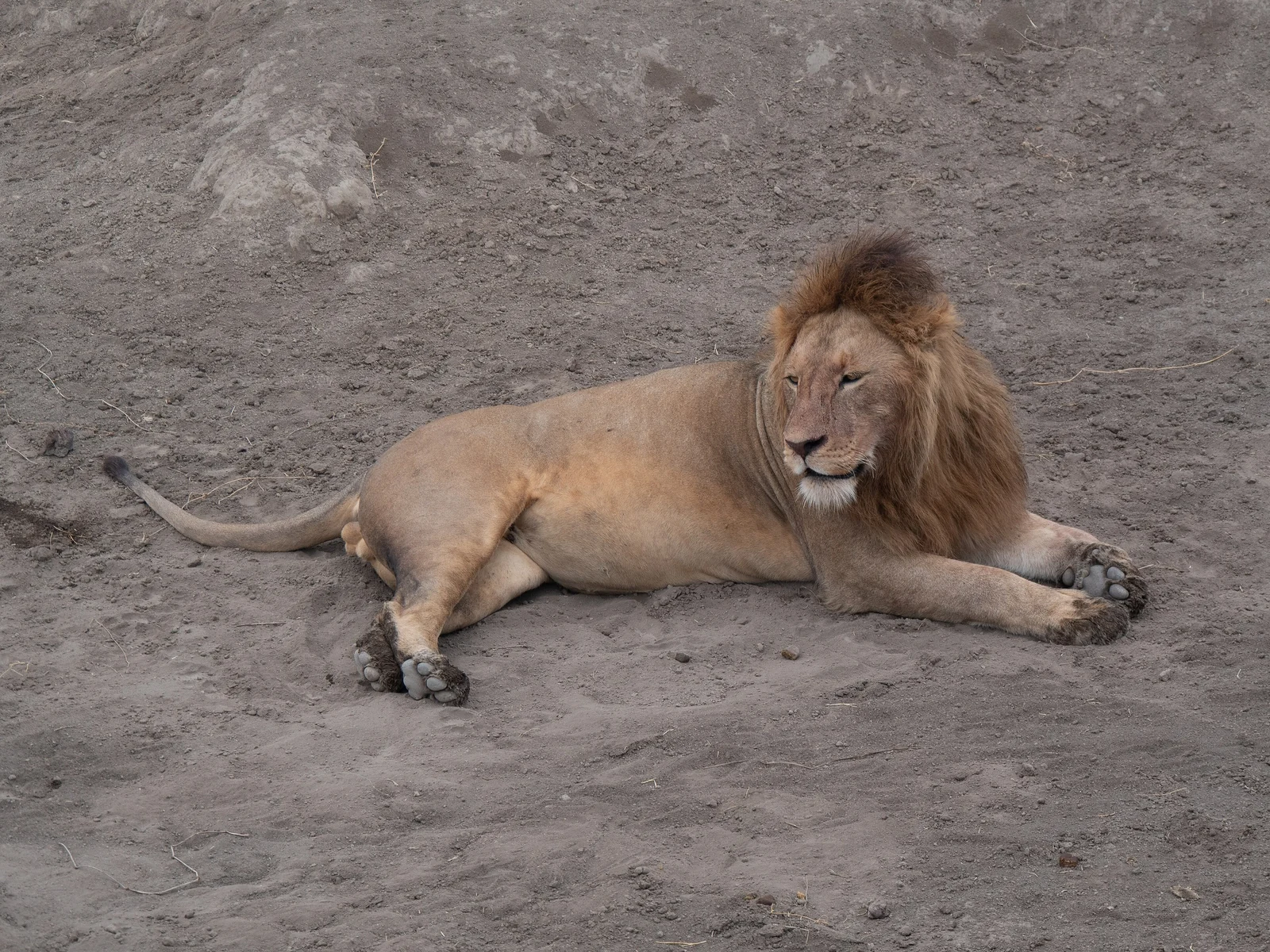
The crater floor holds grassland, a soda lake, swamps and patches of forest, and it supports lions, hyenas, elephants, buffalo, hippos and one of the better chances in East Africa of seeing a black rhino. Many of the animals live here year-round, so it is good in any season. The catch is that it is no secret. Vehicles queue at popular sightings.
How to Visit the Crater
- Go early. Light and animal activity are best in the morning, and you beat some of the crowds.
- Expect cool weather. The rim sits well above 2,000 meters, so mornings can be cold and misty even when the plains are hot.
- Plan a half day. A typical crater visit is a few hours on the floor with a picnic lunch, followed by a climb back out.
- Check rules. Time limits and fees are set by the conservation authority and change, so confirm them with your operator or on the official site.
Tarangire National Park: Elephants and Baobabs
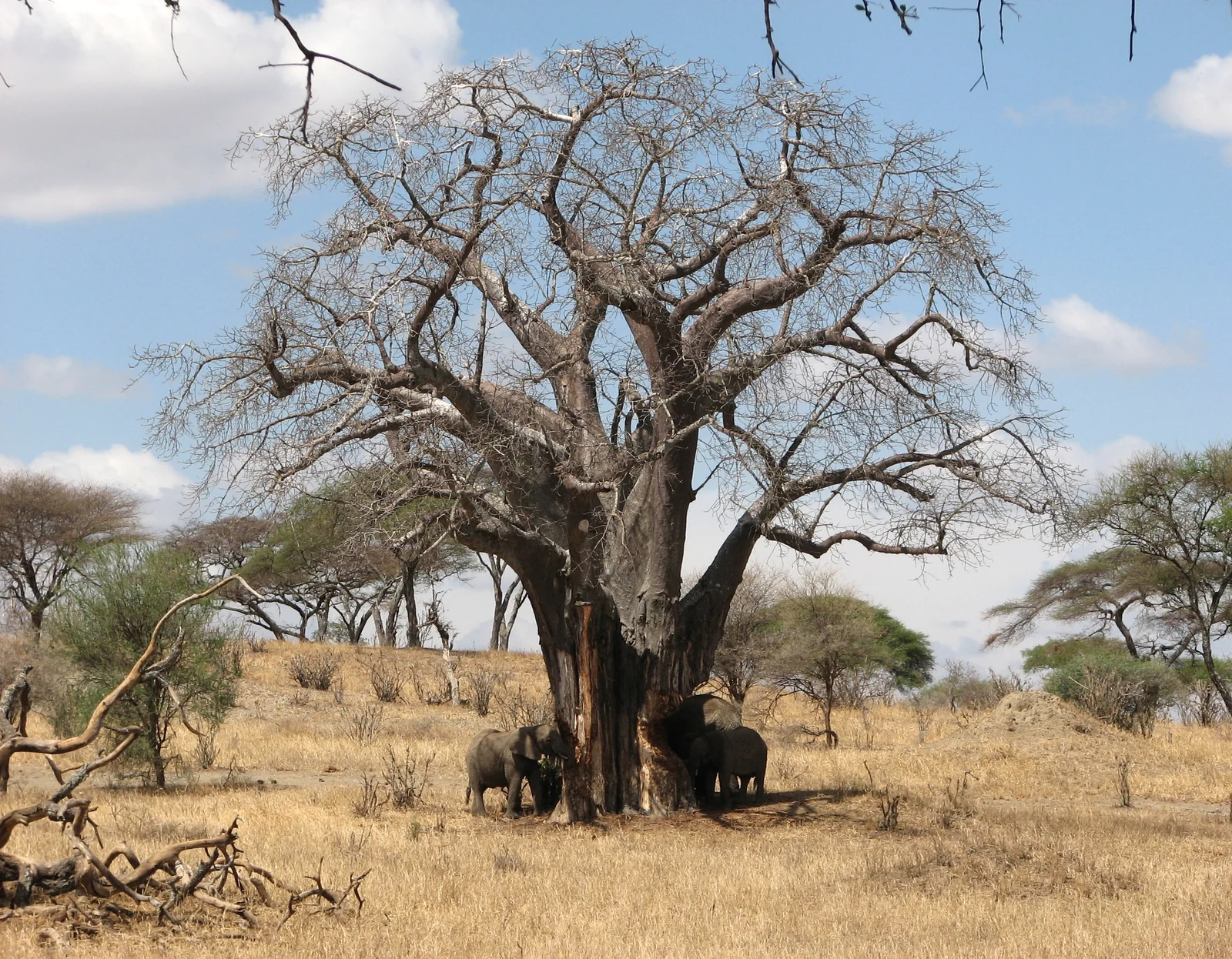
Tarangire is the one most first-timers skip, which is a mistake. It is known for large elephant herds, giant baobab trees and a river that draws animals in during the dry months, usually from about June to October. Wildlife density is high then, and the setting is more varied than the open plains.
In the green season the animals spread out across a larger area and the park is quieter. It is also one of the easiest parks to reach from Arusha, which makes it a good first or last stop on a loop, and the elephants are often relaxed around vehicles.
Lake Manyara National Park: A Short, Green Stop
Manyara sits below the Rift Valley escarpment, with a shallow lake on one side and a groundwater forest on the other. It is small, so you can see a lot in half a day. Baboons, elephants, giraffes, hippos and a long list of birds are the main draws, and the park is known for tree-climbing lions, though they are never guaranteed.
Manyara is often treated as filler on the way to Ngorongoro. That undersells it. It is a calm contrast to the bigger parks, with shade, water and good birding. If your schedule is tight, though, it is the stop to drop.
Planning the Route From Arusha
Arusha is the practical base. It has the safari operators, the supply shops and a regional airport, and Kilimanjaro International Airport is within reach by road. Most visitors spend a night or two here before and after the trip. If you plan to add a beach stay, read our Zanzibar travel guide.
A Sample Seven-Day Loop
- Day 1: Drive from Arusha to Tarangire for a game drive.
- Day 2: Morning in Tarangire, then on toward Lake Manyara or the Ngorongoro highlands.
- Day 3: Ngorongoro Crater at first light, then on to the Serengeti.
- Days 4 to 6: Serengeti game drives, based where the herds are.
- Day 7: Drive or fly back to Arusha.
If you have more time, add a second night at each stop. The pace of a seven-day loop is fast, and the Serengeti rewards a longer stay. If you are weighing Tanzania against its northern neighbor, our Kenya safari guide covers the Maasai Mara side of the same ecosystem.
Budget, Mid-Range and Luxury Safaris
Park fees are a large part of the cost on any northern circuit trip, and they are set by the authorities, so look at the official sites for current rates. Beyond that, the main differences between trip styles are where you sleep, how you travel and how many other vehicles you share a sighting with.
| Style | Typical set-up | Trade-offs |
|---|---|---|
| Budget | Group departure, camping or simple lodges, shared vehicle | Lowest cost, less flexibility, more time on the road |
| Mid-range | Private vehicle and guide, comfortable lodges or tented camps | Good balance of flexibility and cost |
| Luxury | Small camps, often placed near the herds, some flights between parks | Best locations and service, highest cost |
Whatever the budget, the guide matters more than the lodge. A good guide reads animal behavior, knows where the herds are and knows when to leave a crowded sighting. Ask what the operator includes: park fees, drinking water, transfers and any airstrip flights.
When to Go and What to Pack
The dry season, roughly June to October, has the clearest roads and the best Tarangire wildlife, and it covers the Mara River crossings. January to March is the pick for calving. The long rains, roughly March to May, bring lower prices and fewer visitors, but some roads get difficult and some camps close. The short rains return around November and December.
- Neutral-colored clothing, a warm layer for early mornings and the crater rim, and a rain jacket.
- A hat, sunscreen and sunglasses, because the sun on the plains is strong.
- Binoculars, which matter more than a long camera lens for most travelers.
- A refillable water bottle and any prescription medicines in your hand luggage.
Safety, Health and Practical Tips
Safari is generally safe when you follow your guide. Stay inside the vehicle in the parks unless the guide says otherwise, never approach animals, and keep your voice low at sightings. Do not walk around a camp at night without an escort, because animals pass through.
In Arusha, treat it like any busy East African city: keep valuables out of sight, use hotel-arranged or reputable taxis after dark and keep your passport in the safe. Talk to a travel clinic well before departure about malaria prevention and vaccines. Entry rules, visas and health certificates can change, so check the official Tanzanian immigration site and your own government's travel advice before you go.
Finally, be realistic about the roads. Driving days are long and often bumpy. A good vehicle with a roof that opens, a reasonable pace and a rest day between the longest drives will make the trip better. For the bigger picture, see our guide to the wonders of Africa.
Official information on parks, fees and rules is available from Tanzania National Parks and the Ngorongoro Conservation Area Authority, and UNESCO has pages for the Serengeti and Ngorongoro.
Northern Circuit Safari FAQ
How many days do you need for the Tanzania northern circuit?
Seven days is a workable minimum for Tarangire, Ngorongoro and the Serengeti, and Lake Manyara can fit in too. Ten days or more gives you two nights at most stops and far less time spent driving. If you only have four or five days, focus on the Serengeti and the crater.
When is the best time to see the Great Migration?
It depends on what you want. Calving on the southern plains is roughly January to March, river crossings in the north are usually in the second half of the year, and the herds are always somewhere in the ecosystem. Ask your operator where they are before you book.
Is Ngorongoro Crater worth it?
For most visitors, yes. The crater floor has a dense mix of animals in a small area, and it offers a good chance of a black rhino. It gets busy, so go early, and set your expectations for company at the best sightings.
Can you do the northern circuit on a budget?
Yes, with group departures, camping or simple lodges and a shared vehicle. Park fees are the main fixed cost and cannot be avoided, so savings come from accommodation and group size. Compare what each operator includes before choosing on price alone.
Is it safe to go on safari in Tanzania?
Safari travel is generally safe when you follow your guide's instructions and stay in the vehicle. The bigger risks are everyday ones: petty theft in towns, long road days and mosquito-borne illness. See a travel clinic before you go and check official travel advice.
Should I fly or drive between the parks?
Driving costs less and lets you see the countryside, but days are long. Short flights between airstrips save time, especially on the way to the northern Serengeti, and cost more. Many travelers drive some legs and fly others.