


Cape Town sits at the southwestern tip of Africa, squeezed between a flat-topped mountain and two oceans. Few cities pack so much into so little space: a national park inside the city limits, ferries to Robben Island, wild coastline and top wine country under an hour away.
Give it at least five days. That covers Table Mountain, the city and waterfront, a full day on the Cape Peninsula and a day in the Winelands, with a spare day for the weather, which has the final say here more often than you'd like. This Cape Town travel guide covers what to see, when to go, how to get around and how to stay safe.
For more of the country, browse our South Africa travel guides, or widen the lens with our roundup of Africa's great places and experiences.
Table Mountain: Cableway, Hiking Routes and Weather Closures
Table Mountain is the city's compass. Its summit plateau tops out at Maclear's Beacon, a little over 1,080 meters, and the mountain belongs to Table Mountain National Park, which runs all the way down the peninsula to Cape Point. The Cape Floral Region, with its fynbos shrubland found almost nowhere else, has been on the UNESCO World Heritage list since 2004.
The Table Mountain Aerial Cableway
The cableway first opened in 1929, and its modern cars have rotating floors, so everyone gets the full view of the city, Table Bay and Lion's Head on the way up. The ride takes only a few minutes. Easy paved loops at the top lead to viewpoints over the Twelve Apostles and Camps Bay.
Book online and go early on the first clear day of your trip. Do not save it for your last afternoon. Strong wind, low cloud and rain shut the cableway regularly, sometimes for days at a time, and the famous "tablecloth" of cloud can roll over the summit within minutes. The official Table Mountain Cableway site shows whether it is running before you leave your hotel.
Hiking Up Table Mountain
- Platteklip Gorge: the most direct and most popular route, a relentless staircase of rock up the front face. Fit hikers usually need around two to three hours to reach the top.
- India Venster: steeper and more exposed, with scrambling sections and fixed holds. Only for experienced, confident hikers in good weather.
- Skeleton Gorge: starts in Kirstenbosch on the back of the mountain and climbs through shaded forest, with ladders near the top. A lovely route that ends far from the cableway.
Many hikers walk up and ride the cableway down, which saves the knees. Start early, carry plenty of water and a warm layer, tell someone your route and never hike alone. Weather on the summit can turn quickly, and rescues happen every year.
Lion's Head, Bo-Kaap and the City Bowl
Hiking Lion's Head
If you only do one hike, many locals would point you to Lion's Head rather than Table Mountain. The peak, 669 meters high, is shorter to climb (usually around two hours round trip) and the 360-degree view over the Atlantic Seaboard, the city and Table Mountain is arguably better. The path spirals around the peak, and the final stretch uses chains and ladders; a slightly longer bypass avoids them.
Sunrise and sunset are the classic times, and full-moon evenings draw big crowds. Bring a headlamp if you'll come down in the dark, and go in a group.
Bo-Kaap
On the lower slopes of Signal Hill, the Bo-Kaap is one of Cape Town's oldest neighborhoods, long home to the Cape Malay community, descendants of people brought from Southeast Asia and elsewhere, many of them enslaved, under Dutch rule. Its cobbled streets are lined with houses painted in strong pinks, greens and blues, and the Auwal Mosque on Dorp Street, founded in 1794, is regarded as the oldest in South Africa.
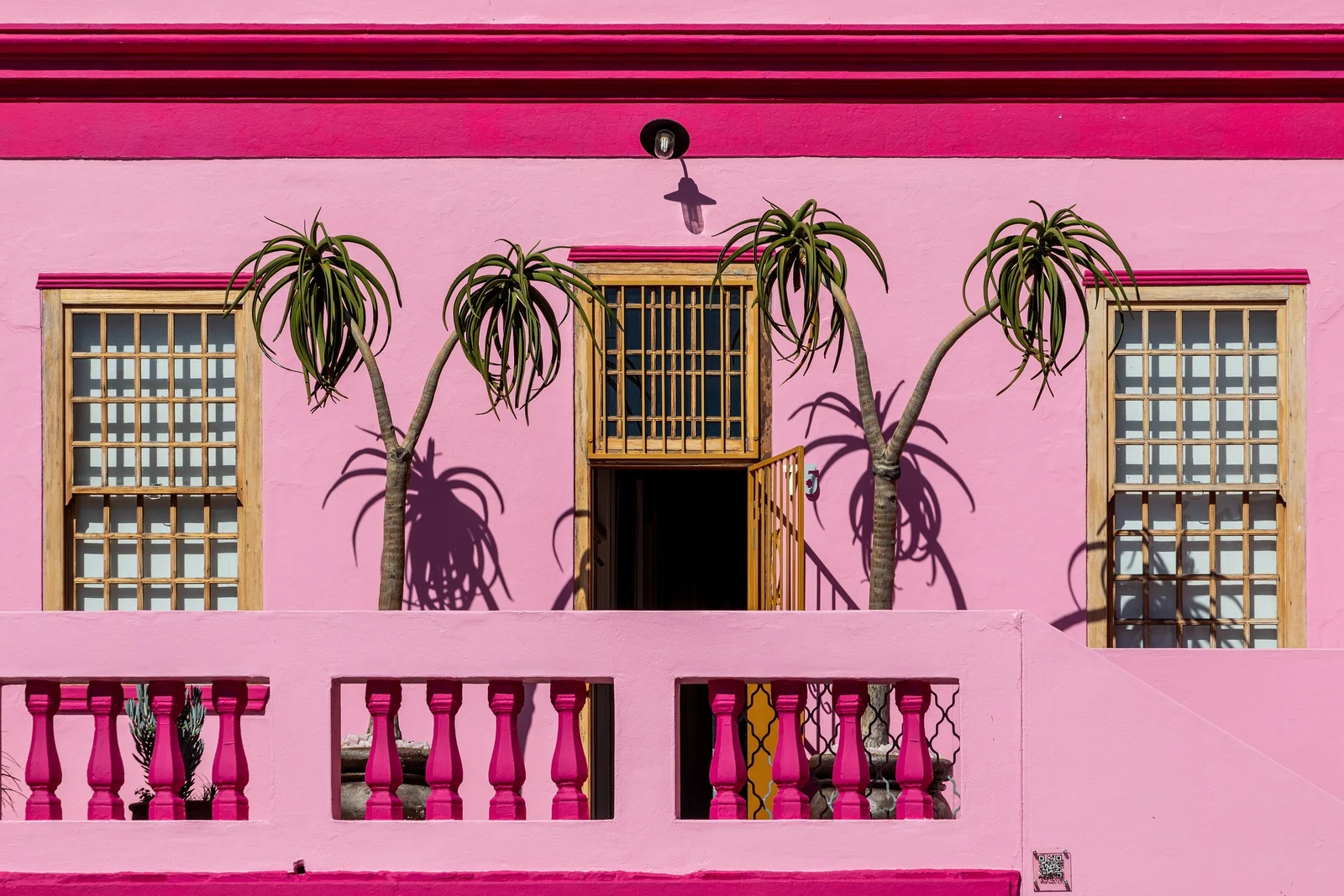
This is a residential area, not a backdrop, so be considerate with your camera. The small Bo-Kaap Museum on Wale Street tells the neighborhood's story, and a Cape Malay cooking class is the best way to taste it.
The V&A Waterfront and Robben Island
The Victoria & Alfred Waterfront is a working harbor turned shopping and dining district: touristy, but safe, walkable and handy on a windy day. Highlights are the Two Oceans Aquarium and Zeitz MOCAA, a contemporary African art museum opened in 2017 inside a converted grain silo.
Visiting Robben Island
Robben Island lies in Table Bay, and boats leave from the Nelson Mandela Gateway at the Waterfront. Nelson Mandela spent 18 of his 27 years in prison here, and the island became a UNESCO World Heritage Site in 1999. Tours combine a bus loop of the island with a visit to the maximum-security prison, traditionally guided by former political prisoners, and take around three and a half hours including the crossings.
Tickets sell out, so book ahead through the official Robben Island Museum site. Rough seas cancel sailings fairly often, especially in winter, which is another reason to book early in your stay.
Kirstenbosch National Botanical Garden
Founded in 1913 on the eastern slopes of Table Mountain, Kirstenbosch is one of the great botanical gardens of the world, devoted almost entirely to South African plants. Wander through proteas, ericas and cycads, then walk the Tree Canopy Walkway, a curving steel and timber bridge through the treetops locals call the Boomslang.
In summer, sunset concerts on the lawns are a Cape Town ritual: bring a picnic and a blanket. Kirstenbosch is also the start of the Skeleton Gorge hike. Check opening hours and events on the official Kirstenbosch page.
Driving the Cape Peninsula: Chapman's Peak, Boulders Beach and Cape Point
The loop around the peninsula is the best day out from Cape Town. Leave early and allow a full day; there is far more to stop for than the distance suggests.
Chapman's Peak Drive
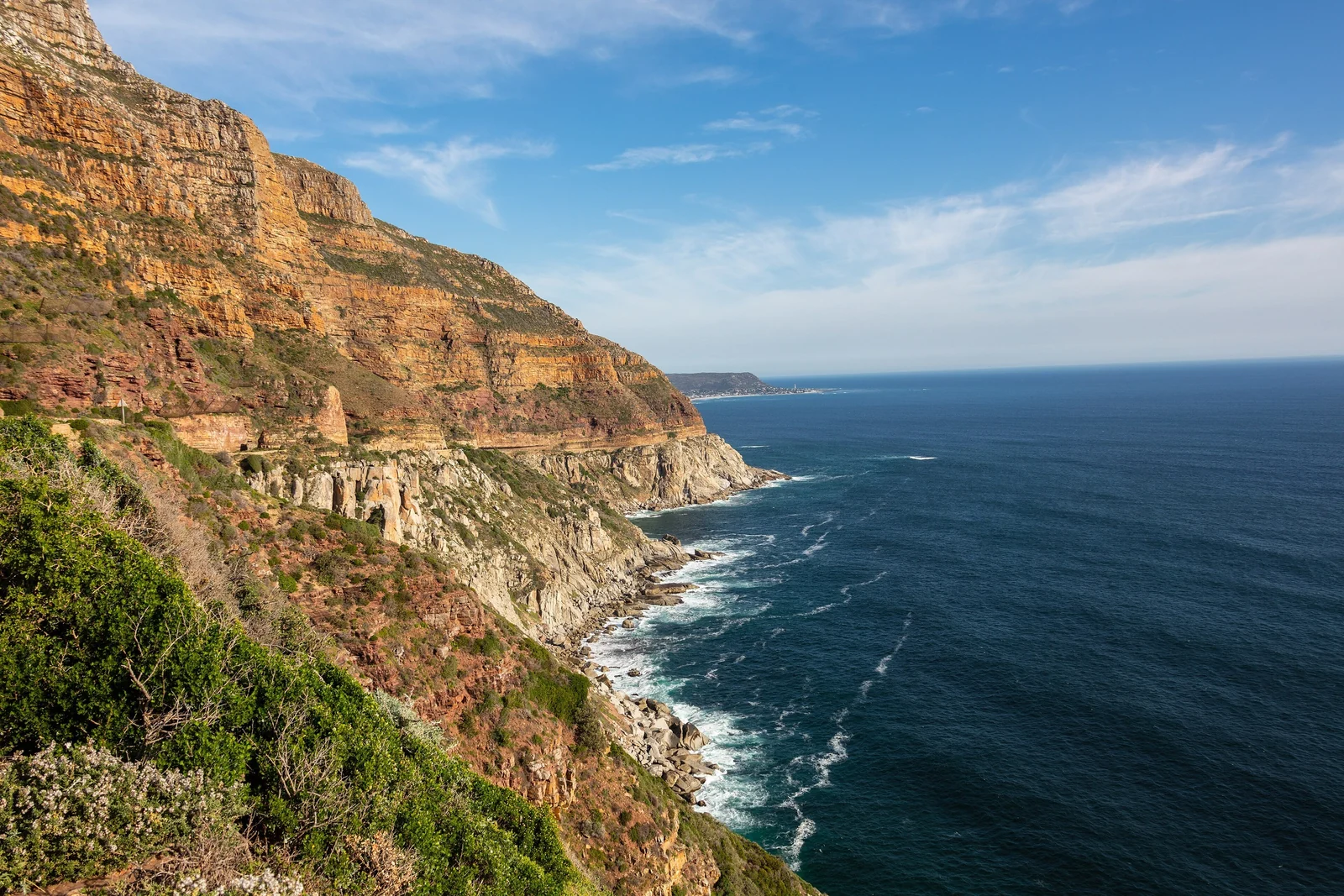
Between Hout Bay and Noordhoek, this toll road is cut into the cliffs above the Atlantic, with around 114 curves over roughly nine kilometers. Pull into the lookout points rather than slowing on the bends. The road closes after heavy rain or high winds because of rockfall risk, so check its status on the morning you drive.
Boulders Beach Penguins
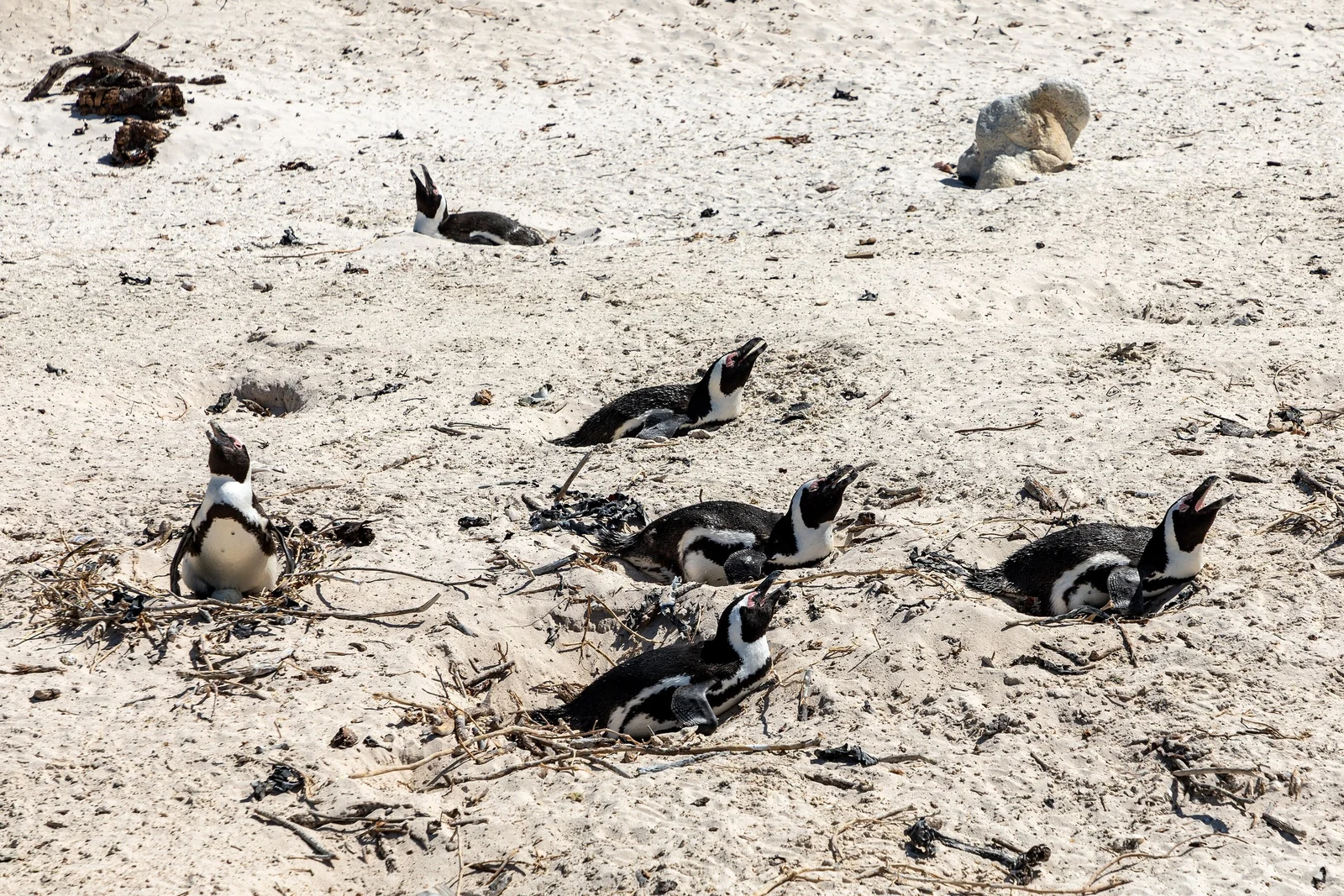
Just south of the naval town of Simon's Town, Boulders Beach is home to a colony of African penguins that grew from a couple of breeding pairs in the early 1980s. Boardwalks let you watch them waddle, nest and squabble at close range, and a separate section of beach lets you swim near the birds. The species is endangered, so keep your distance and never feed or touch them. Boulders is part of the national park and charges an entry fee.
Cape Point and the Cape of Good Hope
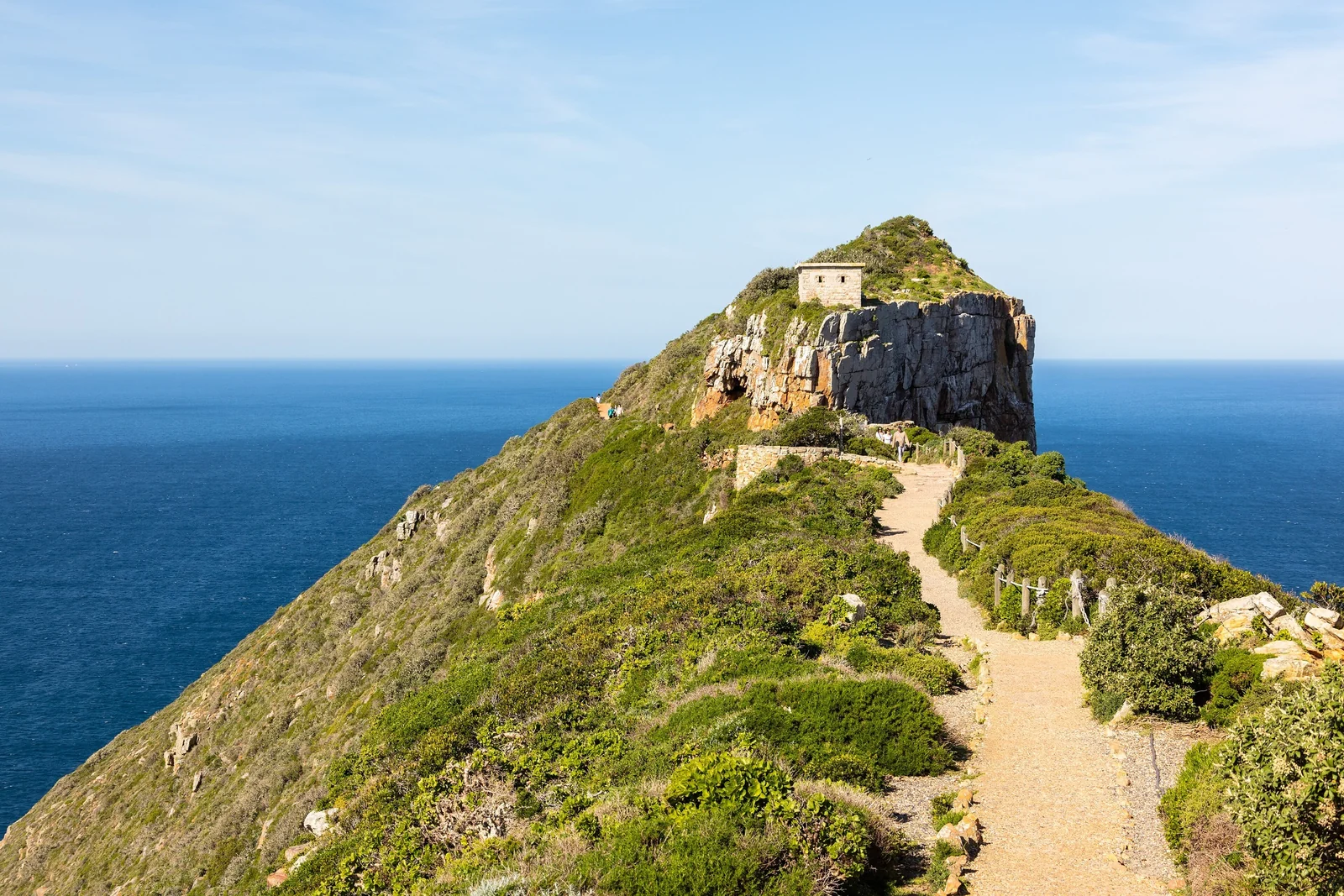
The Cape Point section of the national park covers the wild tip of the peninsula, with baboons, ostriches, fynbos and empty beaches. A funicular, or a steep walk, climbs to the old lighthouse, built in 1860 but so high that cloud often hid its light; a newer one sits lower down. Nearby, the Cape of Good Hope sign is the obligatory photo stop.
One myth to clear up: this is not where two oceans meet, and it is not Africa's southernmost point. That is Cape Agulhas, a few hours' drive to the east. Keep car windows closed and food out of sight, because the baboons are quick and bold. Park rules and gate times are on the SANParks Table Mountain National Park site.
Cape Town Beaches: Camps Bay, Muizenberg and More
Cape Town's beaches split neatly by coast. The Atlantic side has the scenery and very cold water; the False Bay side is noticeably warmer and calmer for swimming.
- Camps Bay: white sand, palms and the Twelve Apostles behind you, plus a strip of busy bars for sundowners. The water is bracing even in summer.
- Clifton 1st to 4th: small sandy coves below the cliffs, sheltered from the southeaster wind, with steep steps down.
- Muizenberg: the city's beginner surf beach, famous for its rows of brightly painted Victorian beach huts. Surf schools line the promenade.
- St James and Kalk Bay: a tidal pool, more striped huts and a fishing harbor with good seafood and secondhand shops.
Swim at lifeguarded beaches and watch for shark-spotter flags on the False Bay side.
Day Trips: Stellenbosch, Franschhoek and Whale Watching in Hermanus
Stellenbosch
Founded in 1679, Stellenbosch is South Africa's second-oldest European settlement and a lively university town with oak-lined streets and Cape Dutch architecture. Dozens of wine estates surround it, many with restaurants. It is the easiest Winelands base to reach from the city, around an hour's drive away.
Franschhoek
Franschhoek was settled by French Huguenot refugees in the late 1680s and still feels like a village, ringed by mountains and vineyards. It is known for its restaurants, and the hop-on hop-off Franschhoek Wine Tram solves the designated-driver problem. Whichever valley you choose, book a driver or tour if you plan to taste properly.
Whale Watching in Hermanus
About two hours' drive east, Hermanus is one of the best places in the world for land-based whale watching. Southern right whales come into Walker Bay to calve and mate from roughly June to November, with September and October usually the peak. The cliff path through town gives you front-row views without a boat, though licensed boat trips also run in season.
Best Time to Visit Cape Town
Cape Town has a Mediterranean climate: dry, warm summers and cool, wet winters. Summer also brings the strong southeasterly wind locals call the Cape Doctor, which can make beaches miserable and close the cableway.
| Season | Months | Weather | Good for |
|---|---|---|---|
| Summer | December to February | Hot, dry, often windy | Beaches, outdoor concerts, long evenings; busiest and priciest |
| Autumn | March to May | Warm, calmer, settled | Hiking, the Winelands at harvest, fewer crowds |
| Winter | June to August | Cool and rainy, green | Lower prices, early whale season, wine estates by the fire |
| Spring | September to November | Mild, wildflowers, some wind | Peak whale watching in Hermanus, flowers, hiking |
If you can pick, March to April and October to November are the sweet spots, with good weather and smaller crowds. December holidays fill the city, so book early.
Getting Around and Staying Safe in Cape Town
Transport Options
- Uber and Bolt: the default for most visitors. Rides are widely available and affordable, and they solve the late-evening problem neatly.
- MyCiTi buses: the city's bus rapid transit network links the airport, the city center, the Waterfront and the Atlantic Seaboard as far as Camps Bay and Hout Bay. You pay with a rechargeable card.
- Car hire: the best way to see the peninsula, the Winelands and Hermanus at your own pace. South Africa drives on the left. Do not leave anything visible in a parked car.
Cape Town International Airport is roughly 20 kilometers from the center, a 20 to 30 minute drive outside rush hour.
Safety Tips
Cape Town has high crime levels, but most visitors have trouble-free trips by following local habits. Petty theft and opportunistic crime are the main risks in tourist areas.
- Use ride-hailing at night instead of walking, even short distances.
- Keep phones and cameras out of sight on the street, and don't flash valuables.
- Hike popular trails in groups and in daylight, and avoid isolated paths.
- Ask your accommodation which nearby streets are fine to walk and which aren't.
Where to Stay and Power Cuts
First-timers do well at the V&A Waterfront, Green Point or Sea Point, all safe, central and on the MyCiTi network. Gardens and Tamboerskloof put you under Table Mountain, near Kloof Street's restaurants. Camps Bay suits a beach holiday; Stellenbosch or Franschhoek works if wine is the point of the trip.
South Africa has gone through periods of scheduled power cuts, known as load-shedding. Check the current situation before you travel, and if it is in effect, ask your accommodation about backup power and keep a power bank charged. Planning a longer African journey? Our guide to Africa's tallest waterfalls and our Marrakech travel guide cover the other ends of the continent.
Cape Town Travel FAQ
How many days do you need in Cape Town?
Five days is a good minimum: one for Table Mountain and the city, one for the Waterfront and Robben Island, one for the Cape Peninsula, one in the Winelands and a spare day for bad weather. A week lets you add Hermanus or a slower beach day.
Is the Table Mountain cableway always open?
No. Strong wind, low cloud and rain close it fairly often, sometimes for several days. Check the official cableway site or social channels on the morning you plan to go, and ride up on the first clear day of your trip rather than leaving it to the end.
How hard is the Platteklip Gorge hike?
It is short but steep, essentially a long stone staircase, and fit hikers usually need two to three hours to reach the top. It is not technical, but it is tiring and exposed to the sun. Start early, carry water and a warm layer, and consider taking the cableway down.
Do you need to book Robben Island in advance?
Yes, it is wise to. Tours often sell out, especially in summer and during school holidays. Boats depart from the Nelson Mandela Gateway at the V&A Waterfront and can be canceled in rough seas, so book for early in your trip to leave room to rebook.
When is whale season in Hermanus?
Southern right whales visit Walker Bay from roughly June to November, and September and October are usually the best months. You can often see them from the cliff path in town without taking a boat, especially on calm mornings.
Is Uber safe in Cape Town?
Uber and Bolt are widely used by visitors and locals and are generally the safest way to get around after dark. Check that the plate and driver match the app before getting in, and wait inside a restaurant or hotel rather than on the street.
Do you need a car in Cape Town?
Not for the city itself, where ride-hailing and MyCiTi buses cover most needs. A rental car makes sense for the Cape Peninsula, the Winelands and Hermanus. Remember that South Africa drives on the left, and never leave bags visible in a parked car.