


Africa is the world’s second-largest continent, with 54 countries and landscapes that range from the Sahara and the Namib to rainforest, savanna and glaciated peaks. Its must-see places include the Serengeti’s Great Migration, Victoria Falls, the Pyramids of Giza and Mount Kilimanjaro, along with quieter wonders such as Madagascar’s baobab roads.
Because the continent is so vast, the best trips focus on one or two regions. This guide introduces the highlights by theme, from wildlife and natural wonders to ancient sites and unique experiences, and ends with practical advice on seasons, health and safety. For deeper dives, browse all our Africa travel guides.
Africa by Region: Where to Start
| Region | Best known for | Good first-trip bases |
|---|---|---|
| North Africa | Ancient Egypt, medinas, the Sahara | Cairo, Luxor, Marrakesh, Fez |
| East Africa | Safari, the Great Migration, Kilimanjaro, gorillas | Arusha, Nairobi, Kigali, Zanzibar |
| Southern Africa | Cape Town, Victoria Falls, Okavango, Namib | Cape Town, Livingstone, Maun, Windhoek |
| Indian Ocean islands | Endemic wildlife, beaches, reefs | Madagascar, Mauritius, Seychelles |
| West and Central Africa | Music, markets, rainforest, river life | Dakar, Accra; check advice carefully for Central Africa |
Africa’s Great Natural Wonders
The Serengeti and the Great Migration
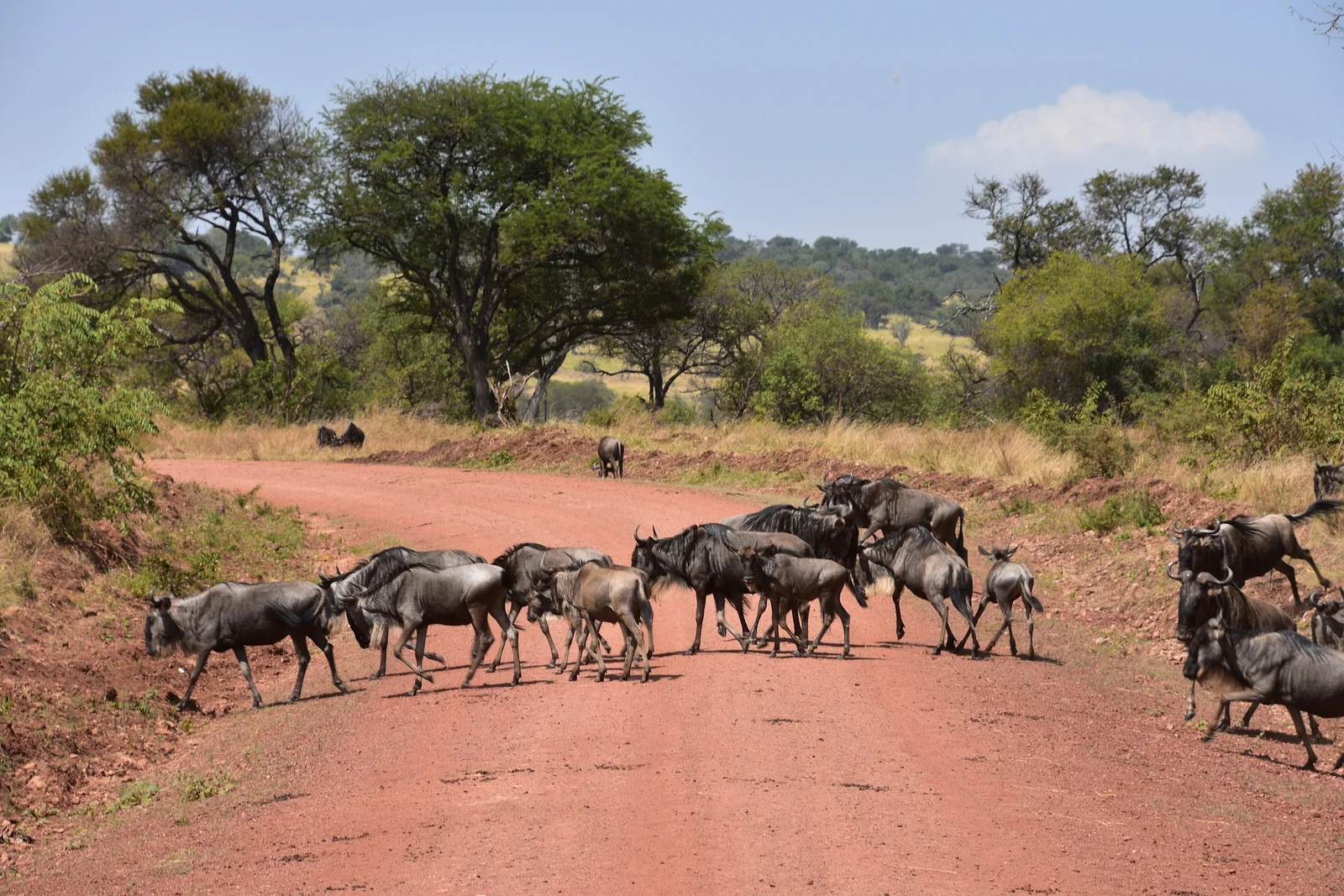
Tanzania’s Serengeti National Park, a UNESCO World Heritage Site since 1981, hosts the largest land animal migration on Earth. Roughly 1.5 million wildebeest and some 250,000 zebras follow the rains in a year-round loop that continues into Kenya’s Maasai Mara. Calving happens on the southern plains from about January to March, and the dramatic river crossings usually take place from July to October.
Mount Kilimanjaro
At 5,895 meters, Kilimanjaro in northern Tanzania is Africa’s highest mountain and the world’s tallest free-standing peak. Reaching the summit requires no technical climbing, but altitude is a real challenge, so most climbers choose routes of six days or more with licensed guides. Even if you do not climb, the view of its snowy summit from Amboseli in Kenya is unforgettable.
Victoria Falls
Shared by Zambia and Zimbabwe, Victoria Falls, or Mosi-oa-Tunya, “the smoke that thunders,” is about 108 meters high and 1,708 meters wide, the largest single curtain of falling water in the world. It is not Africa’s tallest waterfall, though: that title belongs to Tugela Falls, as explained in our guide to Africa’s tallest waterfalls.
The Okavango Delta
In northern Botswana, the Okavango River spreads into the Kalahari instead of reaching the sea. In 2014 the Okavango Delta became the 1,000th site on the UNESCO World Heritage List. The floods peak from about June to August, in the dry season, drawing wildlife to the water; exploring by traditional mokoro canoe is a highlight.
The Namib and the Sahara
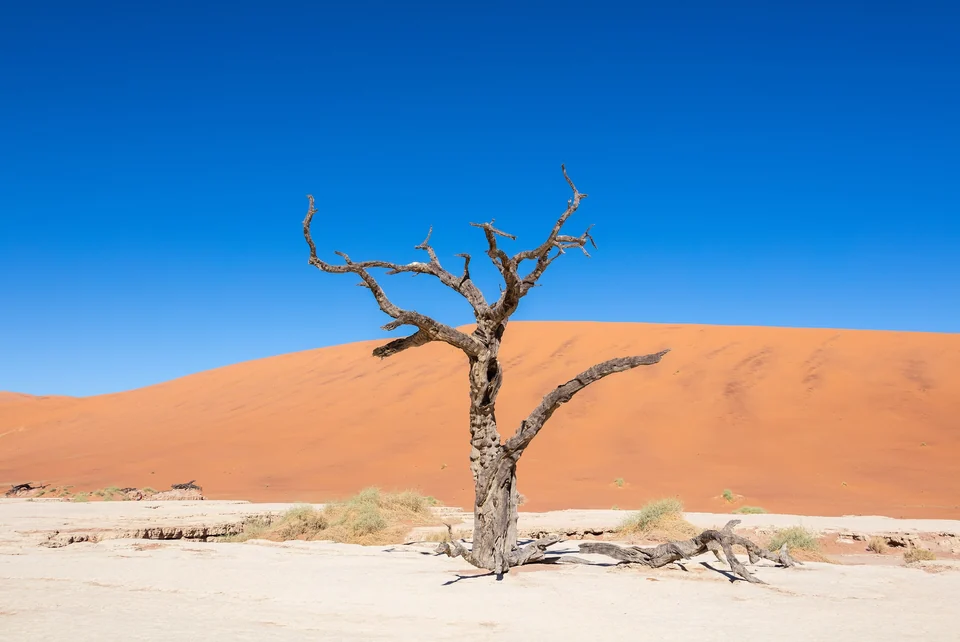
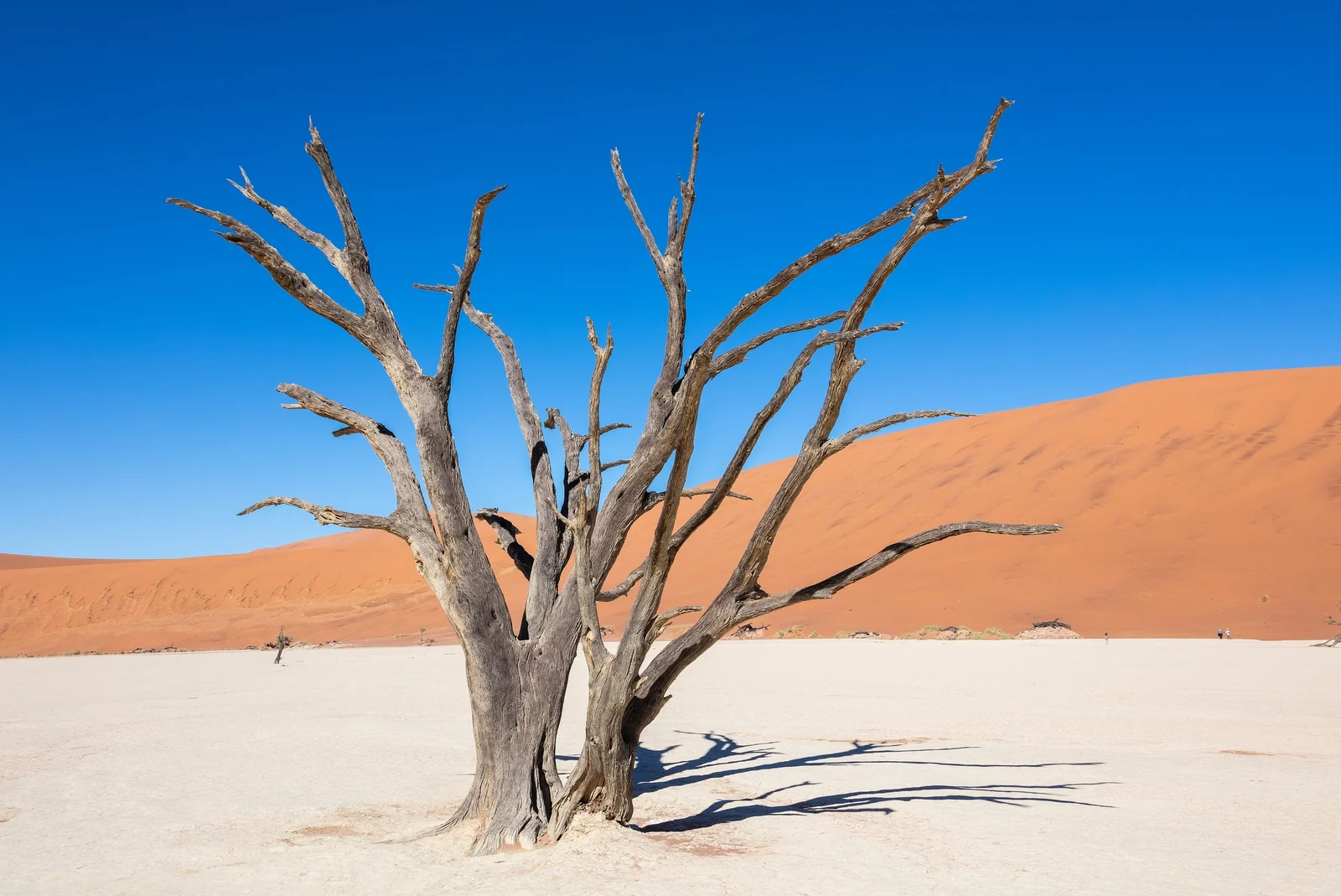
Africa has two very different great deserts. In Namibia, the red dunes of Sossusvlei and the ghostly dead camel thorn trees of Deadvlei are among the most photographed landscapes on the continent. In the north, the Sahara covers some 9.2 million square kilometers; our guide to the Sahara Desert explains where you can visit its dunes and oases safely.
Ancient Sites and Cultural Landmarks
The Pyramids of Giza and the Grand Egyptian Museum
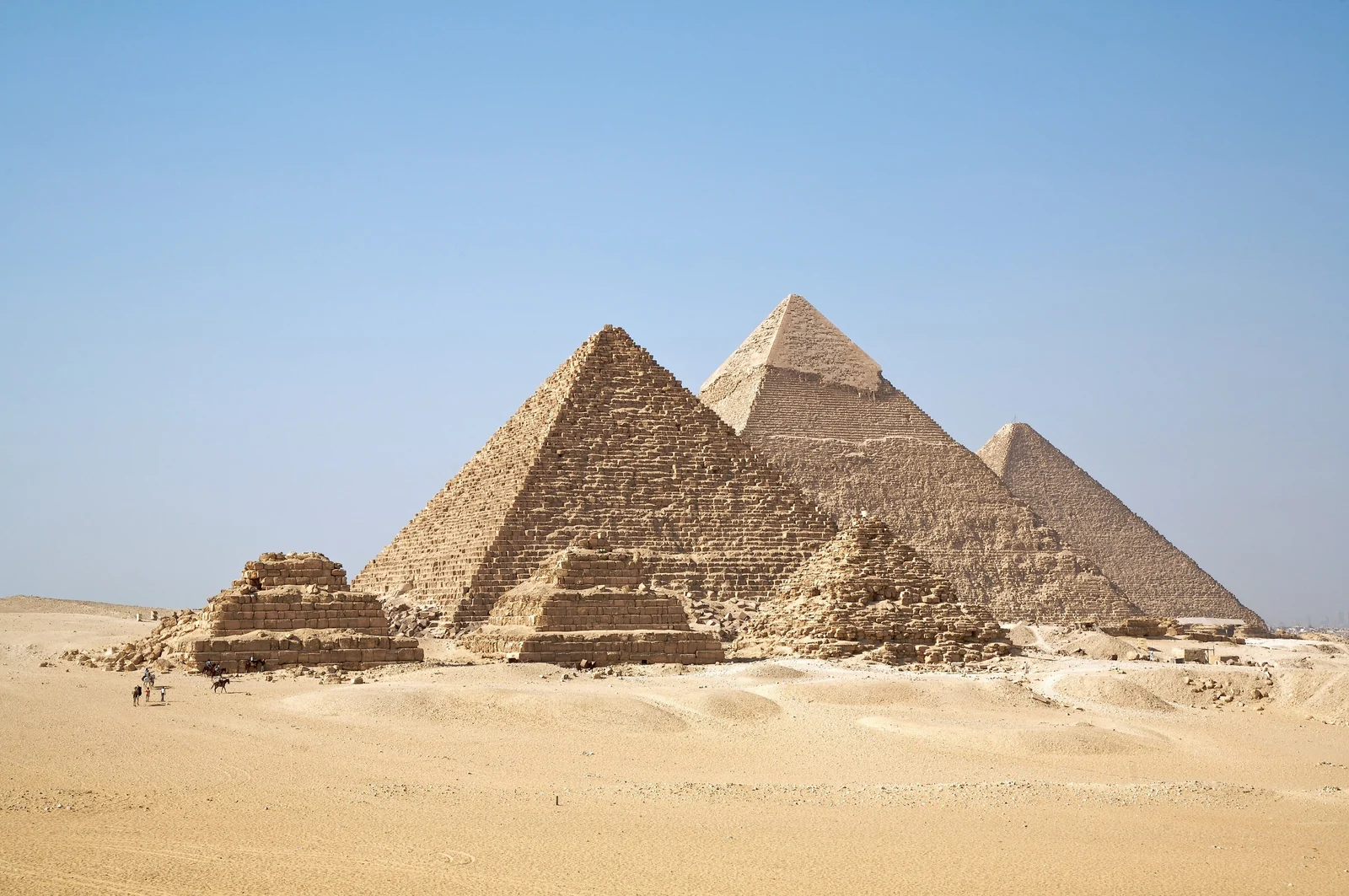
The pyramids on the Giza plateau, built more than 4,500 years ago, are the only one of the Seven Wonders of the Ancient World still standing. Nearby, the Grand Egyptian Museum opened fully in November 2025 and displays the complete Tutankhamun collection together for the first time since the tomb’s discovery in 1922.
Lalibela, Ethiopia
The eleven rock-hewn churches of Lalibela, carved downward out of solid rock in the 13th century, are still active places of worship and were among the first sites inscribed by UNESCO in 1978. Note that, as of September 2026, the UK Foreign Office advises against all travel to Ethiopia’s Amhara region, where Lalibela lies, so check current advice before planning a visit.
Medinas of Morocco and Stone Town, Zanzibar
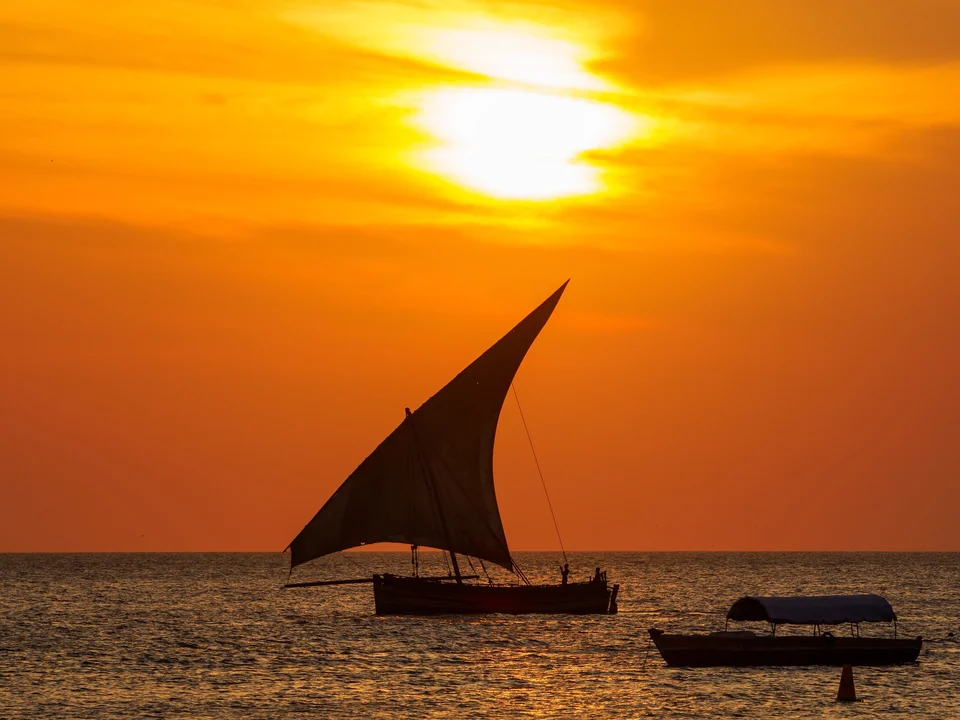
The walled medinas of Fez and Marrakesh, both UNESCO-listed, are living cities of souks, riads and workshops, and Marrakesh’s Jemaa el-Fnaa square comes alive with storytellers and food stalls every evening. On the Swahili coast, Zanzibar’s Stone Town blends African, Arab, Indian and European influences in its carved doors and narrow lanes.
Unique Experiences in Africa
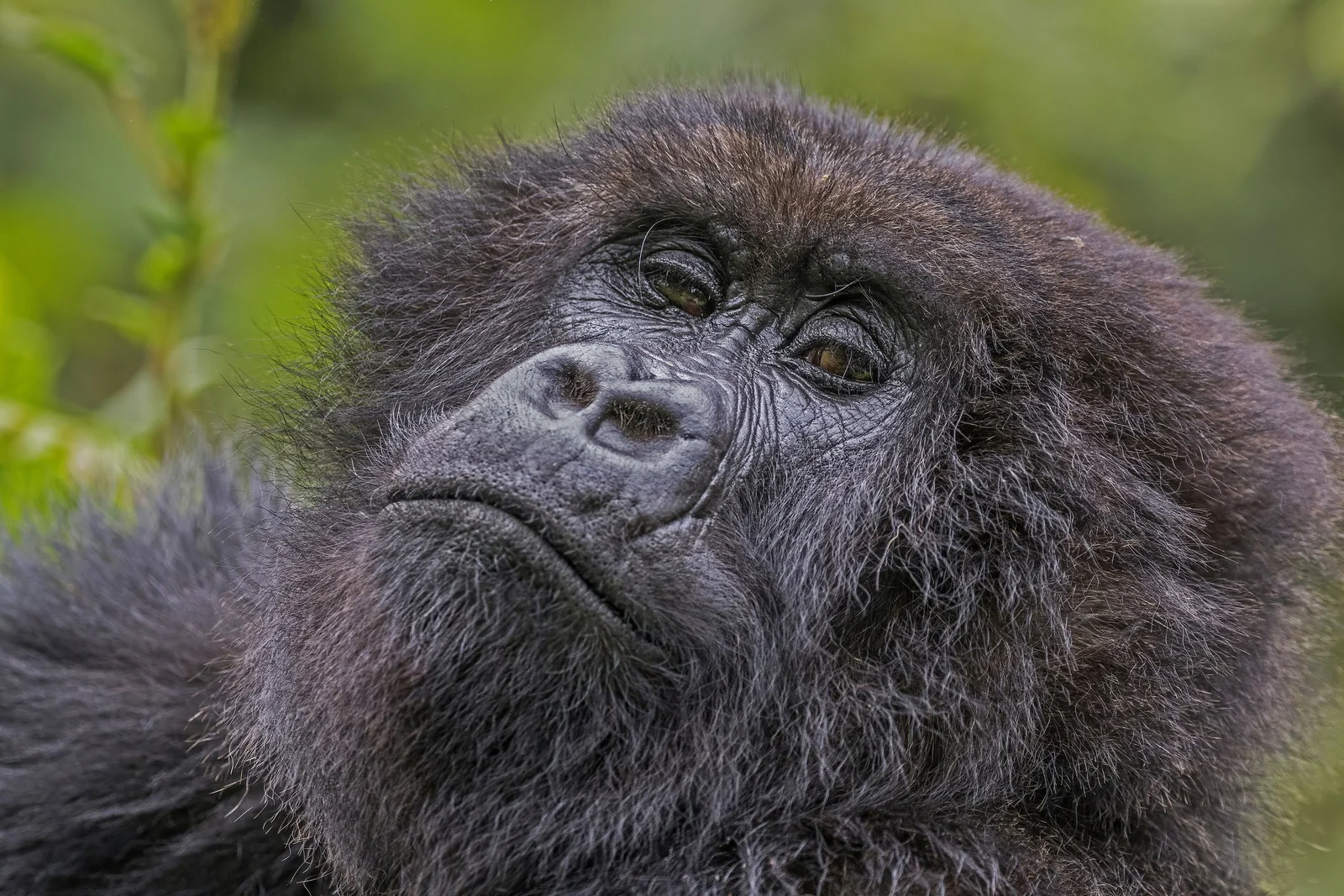
- Gorilla trekking: hike into the forests of Volcanoes National Park in Rwanda or Bwindi Impenetrable National Park in Uganda to spend an hour with a habituated mountain gorilla family. Permits are limited and must be booked in advance.
- A night in the desert: sleep in a camp among the Erg Chebbi dunes in Morocco or under the stars in the Namib.
- A mokoro safari: glide silently through the Okavango’s channels in a dugout canoe.
- Walking safaris: explore the bush on foot with an armed ranger in parks that allow it, such as South Luangwa in Zambia.
- Baobab roads at sunset: watch the giant trees of the Avenue of the Baobabs in Madagascar turn to silhouettes.
Flavors of Africa: What to Eat
African food is as varied as its landscapes, and trying local dishes is one of the easiest ways to connect with a place. A few classics to look for:
- Injera in Ethiopia: a spongy, sour flatbread made from teff, served with stews such as spicy doro wat.
- Tagine and couscous in Morocco: slow-cooked stews named after the clay pot they are made in.
- Jollof rice in West Africa: tomato-rich rice whose best version is a friendly rivalry between Ghana, Nigeria and Senegal.
- Nyama choma in Kenya and Tanzania: grilled meat, often shared with friends.
- Braai in South Africa: the social barbecue that is a national institution.
Off the Beaten Path in Africa
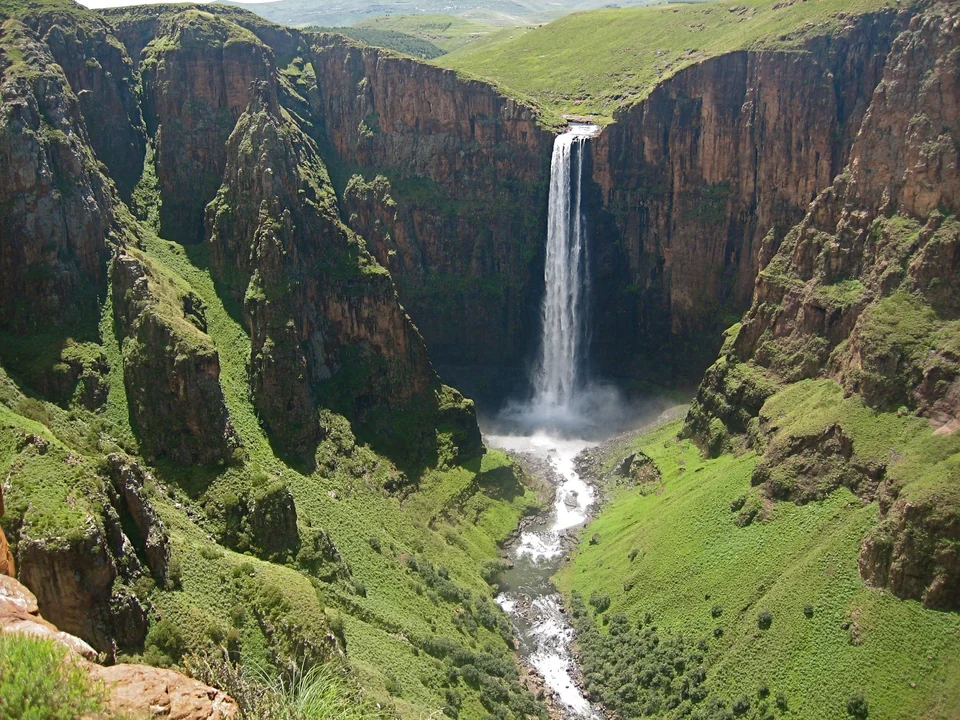
Beyond the icons, Africa rewards curious travelers. Lesotho’s Maletsunyane Falls and Zimbabwe’s Mutarazi Falls see a fraction of Victoria Falls’ visitors. Western Madagascar combines baobabs with the limestone needles of Tsingy de Bemaraha. And the Congo River remains one of the world’s great river journeys, though current safety and health advice makes it a trip for later rather than now.
Planning a Trip to Africa: Seasons, Health and Safety
Best time to visit
There is no single best season for a whole continent. In East and Southern Africa, the dry months from about June to October are the classic safari season, when animals gather around water. North Africa and the Sahara are most comfortable from October to April. Madagascar is best in its dry season, roughly April to November.
Health and vaccinations
Visit a travel health clinic six to eight weeks before you go. Several African countries require proof of yellow fever vaccination, and malaria is present in much of sub-Saharan Africa. The CDC Travelers’ Health site lists recommendations by country.
Safety and travel advice
Most travelers visit Africa without problems, but conditions differ enormously between and within countries. Always check your government’s current travel advice for each country on your route, buy insurance that covers medical evacuation, and book safaris and remote trips with licensed operators.
Africa Travel FAQ
What is the best time to visit Africa?
It depends on the region. For safaris in East and Southern Africa, the dry season from about June to October is ideal. North Africa is most pleasant from October to April, while the Indian Ocean islands have their own dry seasons. Plan around the specific places you want to see.
What are the most famous places to visit in Africa?
Top highlights include the Serengeti and Maasai Mara, Mount Kilimanjaro, Victoria Falls, the Pyramids of Giza, the Okavango Delta, Cape Town and Table Mountain, the medinas of Marrakesh and Fez, and Zanzibar’s Stone Town.
Is Africa safe for tourists?
Safety varies widely by country and region. Many destinations, such as Botswana, Namibia, Rwanda and the main tourist areas of Tanzania, Kenya, Morocco and South Africa, receive large numbers of visitors. Others have areas covered by advice against travel, so check official guidance for every country on your route.
What vaccinations do I need for Africa?
Requirements depend on where you go. Some countries require a yellow fever certificate, and routine vaccines plus hepatitis A and typhoid are often recommended. Malaria prevention is advised in much of sub-Saharan Africa. See a travel health professional several weeks before departure.
Where can you see the Great Migration?
The Great Migration moves through Tanzania’s Serengeti and Kenya’s Maasai Mara in a year-round loop. Calving takes place in the southern Serengeti from about January to March, and the Mara River crossings usually happen between July and October.
How many countries are there in Africa?
Africa has 54 countries recognized by the United Nations, making it the continent with the most countries. It is also the second-largest continent by area, covering about a fifth of the world’s land surface.