


The Garden Route road trip is the easiest big drive in South Africa: a coastal run along the N2 where forest, lagoons, long beaches and mountain passes follow one another every half hour. The classic stretch runs from Mossel Bay to the Storms River in Tsitsikamma, roughly 200 km, with Knysna, Plettenberg Bay and Wilderness in between. Most visitors link it with a flight into Cape Town and out of Gqeberha, which makes it a one-way trip of about 750 km at full length.
Give it five to seven days if you want to stop rather than just drive. This guide covers the route town by town, the Oudtshoorn detour for ostriches and the Cango Caves, whale watching, the best season and how many days to allow. For the city that usually starts the journey, see our Cape Town travel guide.
Where the Garden Route Starts and Ends
There is no official line on the map. Most guides begin at Mossel Bay and end at the Storms River, while broader definitions stretch from Witsand in the west to the Tsitsikamma border in the east, about 300 km in all. The name comes from the green, varied vegetation and the string of lakes and estuaries along the shore, and the area became a UNESCO biosphere reserve in 2017.
The weather helps explain the greenery. Rain falls in every month, with a small peak in spring, because moist Indian Ocean air drops its load on the Outeniqua, Tsitsikamma and Langeberg ranges. Winters rarely fall below 10 °C and summers seldom pass 28 °C, so there is no season when the drive is off the table.
Getting There and Planning the Drive
Cape Town to Mossel Bay is about 390 to 400 km, a long half day on the N2 if you do not stop. From Storms River, Gqeberha is roughly another 170 km. Most car rental companies allow one-way hires between the two cities, usually with a drop-off fee, so check the terms before you book. Drive on the left, fill up in the larger towns and keep daylight in mind, since some stretches have slow trucks and the odd animal on the road after dark.
The route is also easy to split. Many travelers do Cape Town to Mossel Bay or George on day one, then move on every second night. If you would rather add a longer stay in the Cape first, our guide to the Winelands and Cape Peninsula shows what you can fit around the drive.
Mossel Bay: Where the Route Begins
Mossel Bay is a good first night because it has real history. The Portuguese navigator Bartolomeu Dias landed here in 1488 after rounding the Cape of Good Hope, and the town's Dias Museum complex tells that story alongside local archaeology. The caves at nearby Pinnacle Point hold some of the earliest evidence of shellfish eating and heat-treated stone tools, around 164,000 years old.
Walk the cliff path below the Cape St Blaize lighthouse, built in 1864, and look at the cave beneath it, which holds deposits about 200,000 years old. White shark cage diving is the headline adventure here, but you can skip it and still have a full evening on the harbor.
Wilderness and George: Lakes, Beaches and Passes
Wilderness sits a short drive east of George, down the Kaaimans River Pass. It is a quiet beach town with lagoons and forest behind the sand, a natural place to slow down after the busier Mossel Bay stop. Walk the beach, paddle on the rivers or just watch the Indian Ocean from a lookout beside the N2.
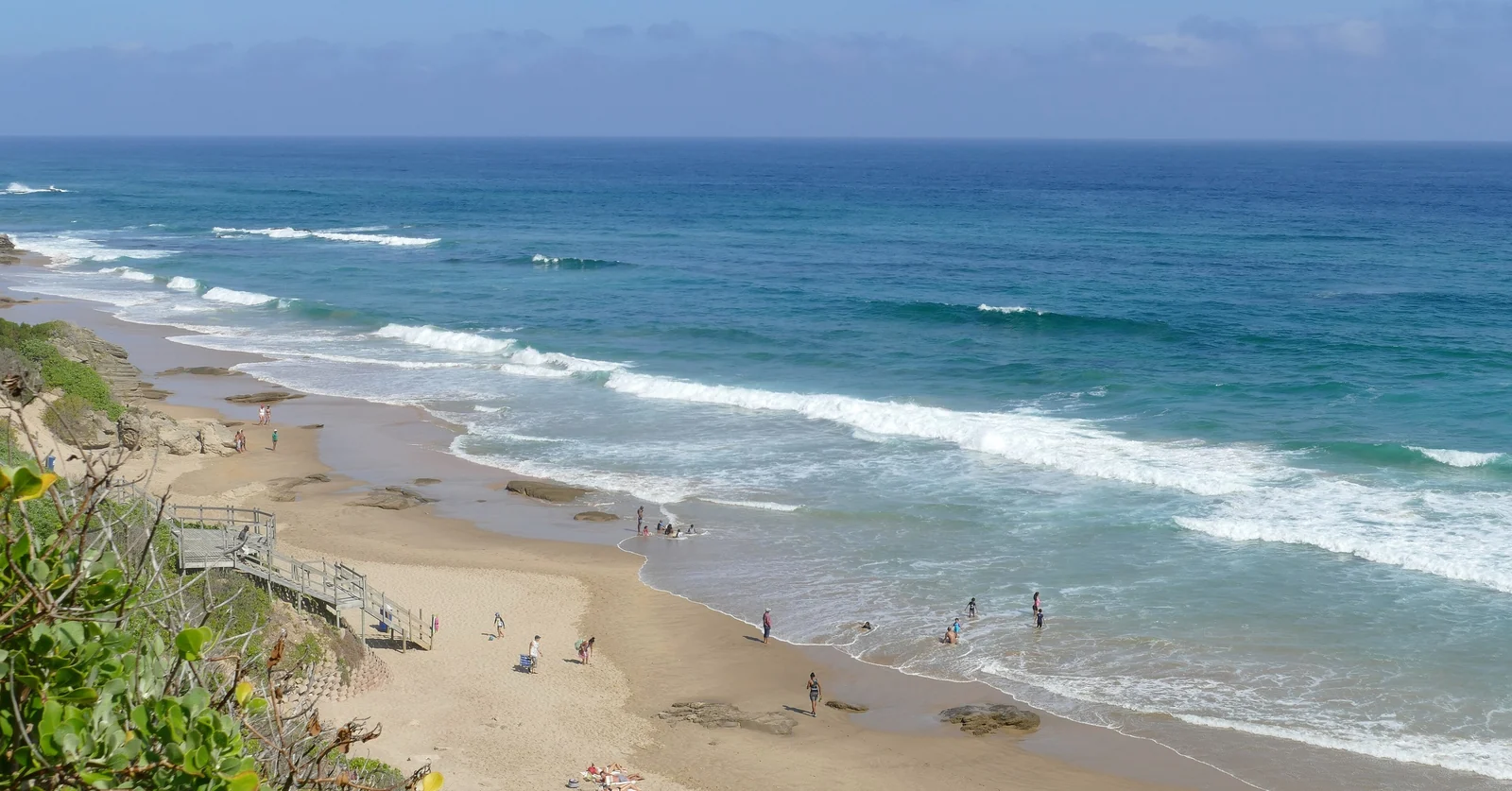
George is the region's largest town and the gateway for the road north to Oudtshoorn via the Outeniqua Pass. It also has the main airport on the route, which helps if you want to fly in rather than drive from Cape Town. As a base for the Garden Route proper, though, Wilderness and Knysna are more rewarding.
Knysna: Lagoon, Heads and Oysters
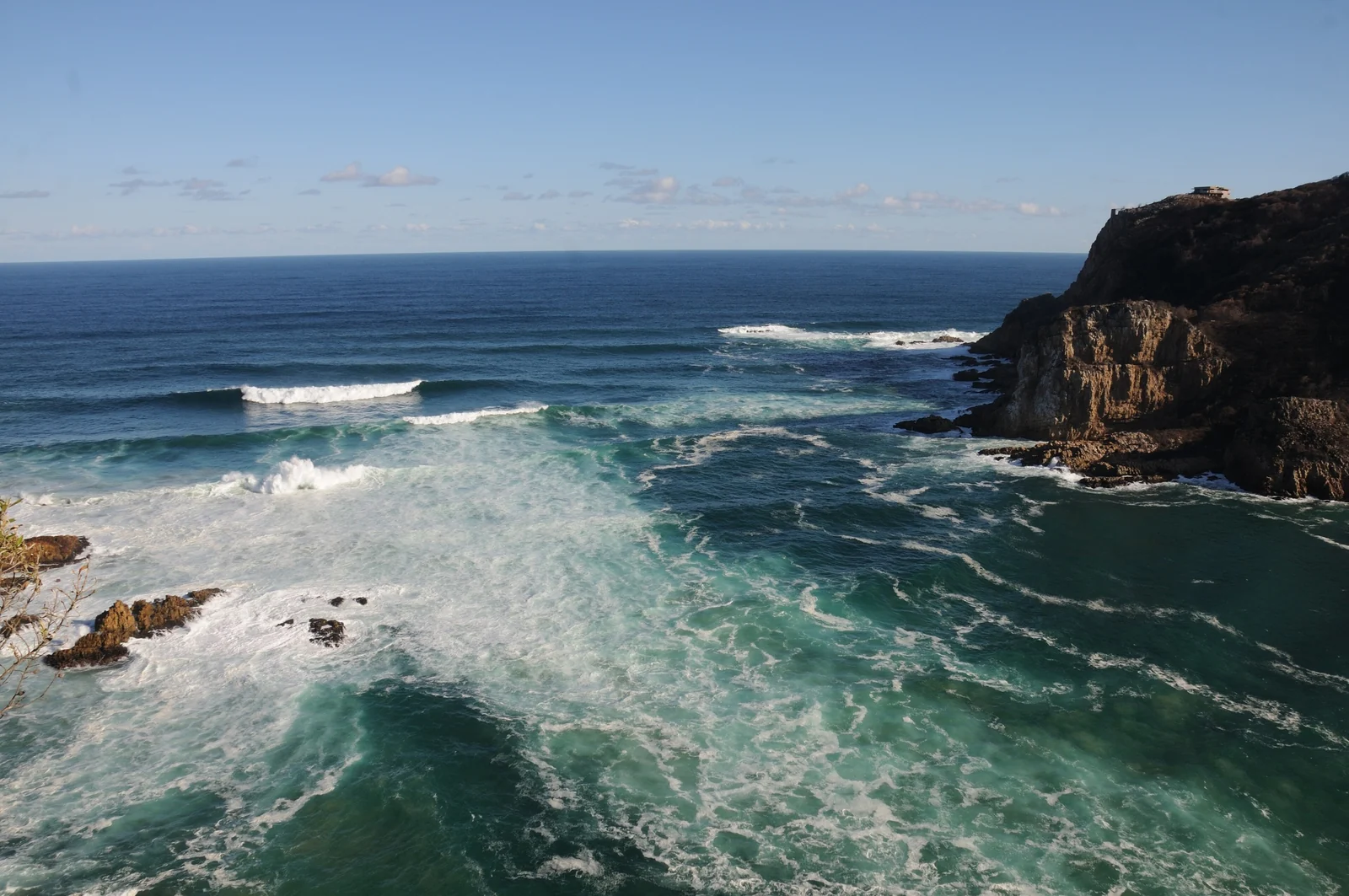
Knysna sits on the northern shore of a large, warm estuary, the Knysna Lagoon. At the mouth two quartzite headlands, the Knysna Heads, guard a narrow and notoriously rough entrance to the ocean. Drive up to the East Head viewpoint for the best look, then spend the afternoon on the waterfront or taking a lagoon cruise.
Food is the other reason to stay. Knysna is oyster country, and its Oyster Festival, held in late June or early July since 1983, is the town's oldest annual event. The surrounding indigenous forest was logged heavily in the 1800s, and today it is more rewarding to walk its trails than to look for souvenirs made from its timber. Expect two nights here to feel natural.
Plettenberg Bay: Beaches, Robberg and Whales
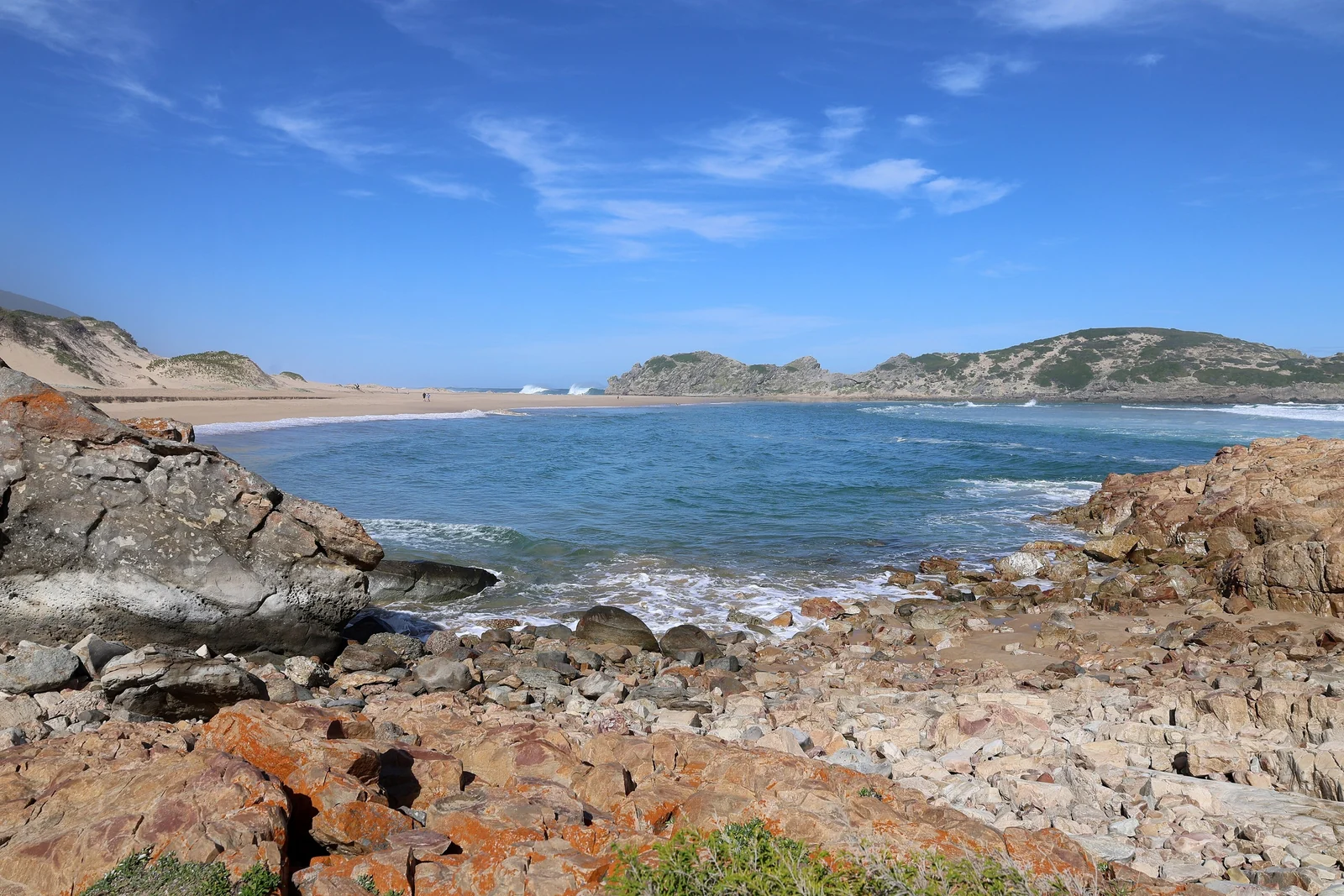
Plettenberg Bay, known locally as Plett, is the Garden Route's beach resort, with wide sand, warm-water swimming in summer and a lively December and January crowd. The Robberg peninsula is the standout, a fynbos reserve with a large Cape fur seal colony and walking routes along the cliffs. Allow half a day, and pick the shorter loop if the wind is up.
Further inland, the Keurbooms River area has forest and an estuary with an unusual local seahorse species, and Plett also has wildlife attractions such as Monkeyland and Birds of Eden, a large free-flight aviary. Our South Africa travel guides cover other parts of the country if you are building a longer trip.
Whale Watching on the Garden Route
Southern right whales come to the bays here to breed, mainly from about July to December, and Plettenberg Bay is among the best places on the route to see them. Bryde's whales are present all year, and humpbacks pass through at several times of year. Boat trips and shore watching both work, and the cliffs at Robberg and Wilderness make decent free viewpoints.
No one can promise a sighting. Whales follow food and weather, and the exact edges of the season shift from year to year. If whales matter to you, plan the trip for the middle of the season and book a licensed operator rather than relying on luck.
Tsitsikamma and the Storms River Bridge
The final act of the Garden Route is the Tsitsikamma section of Garden Route National Park, where forest meets rugged coast at the Storms River Mouth. The main walk is the Mouth Trail, a short out-and-back path along a boardwalk that leads to a suspension bridge across the river mouth, with the sea crashing on rocks nearby. It is the most photographed spot in the national park.
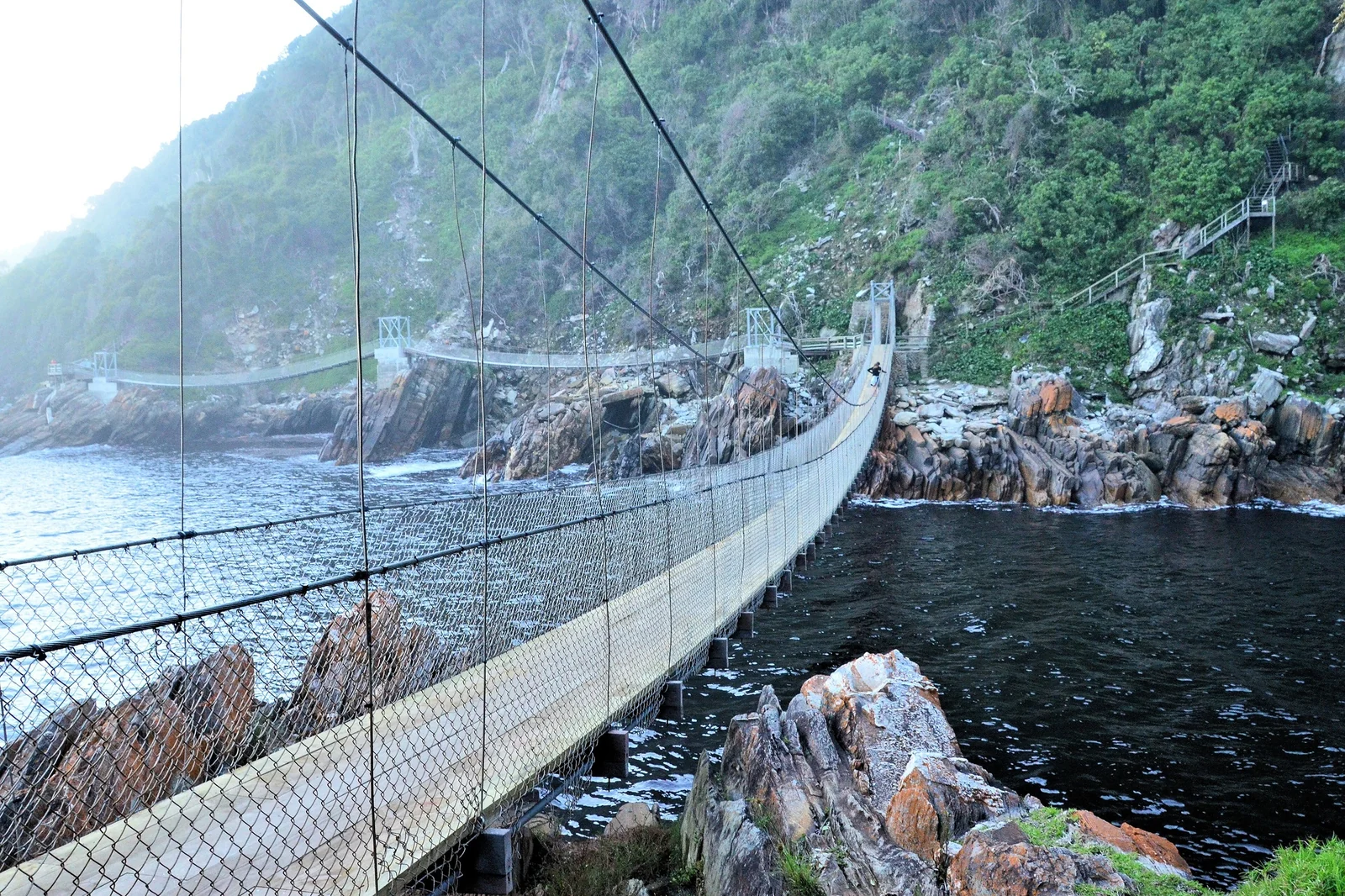
The bridge has been closed for rebuilding and maintenance more than once, so check its status with the official SANParks page before you plan around it. Conservation fees apply at the gate, and weather in the gorge can change quickly, so bring a light waterproof layer.
If you want adrenaline, the Bloukrans Bridge on the N2, close to the Western Cape and Eastern Cape boundary, is a commercial bungee site about 216 m above the river, billed as the highest bridge bungee in the world. Even if you do not jump, it is a dramatic stop for a look from the viewing area.
Oudtshoorn: Ostriches and the Cango Caves
Oudtshoorn lies inland in the Little Karoo, reached from George over the Outeniqua Pass. It is the ostrich capital of South Africa, shaped by two feather booms, the biggest one from around 1900 to 1914, which paid for the grand sandstone mansions known as feather palaces. The CP Nel Museum recreates the boom days, and several farms offer guided tours where you can see the birds up close.
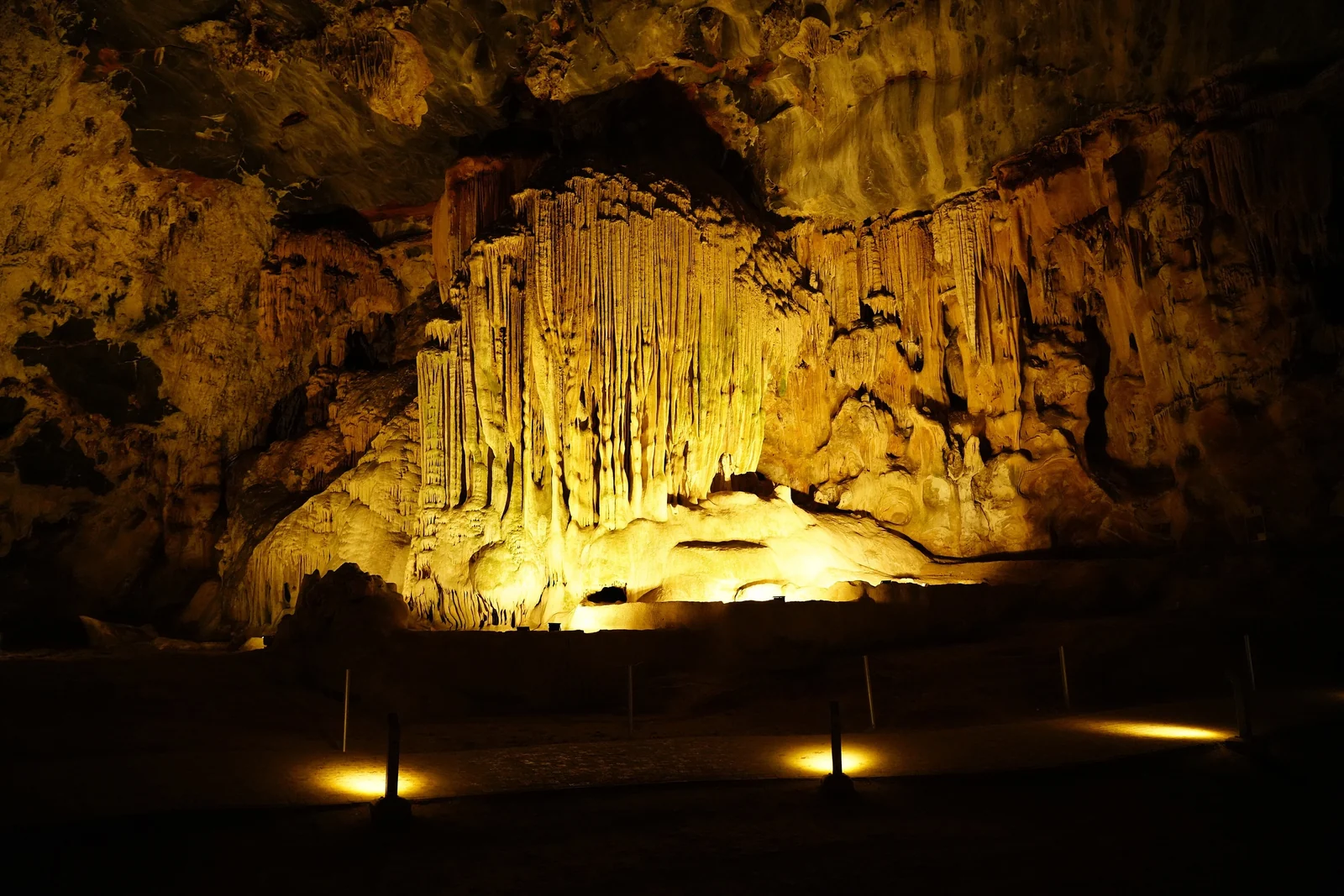
The Cango Caves, in the foothills of the Swartberg range north of town, are the other draw. A local farmer, Jacobus van Zyl, found them in 1780. More than 4 km of passages have been surveyed, and only about a quarter is open to visitors, always with a guide. The standard tour takes about an hour through large halls of limestone formations; the adventure tour takes about 1.5 hours and involves crawling through narrow gaps and climbing rock, so skip it if you are claustrophobic.
Best Time for a Garden Route Road Trip
| Season | What to expect | Best for |
|---|---|---|
| Summer (December to February) | Warm and busy, with peak school holiday crowds and higher prices | Beaches, swimming, lagoon activities |
| Autumn (March to May) | Mild days, fewer crowds, good light | Hiking, forests, driving at your own pace |
| Winter (June to August) | Cooler with some rain, quiet roads, southern right whales arriving | Whale watching, cozy stays, bargains |
| Spring (September to November) | Fresh and green, with peak whale season and wildflowers | Whales, walking, a balance of weather and quiet |
Because rain can fall in any month, there is no truly dry season to chase. I would pick spring or autumn for most travelers, when the weather is pleasant and the towns are less crowded. Summer suits beach people who book early; winter suits whale watchers who accept a few gray days.
How Many Days Do You Need?
Four days is the bare minimum, and it feels rushed. Five to seven is the sweet spot, and a week with a night at each key stop lets the route breathe. This sample plan fits a week.
- Night 1: Mossel Bay, with the museum and the cliff path.
- Night 2: Wilderness, with the beach and lagoons, plus an Oudtshoorn day trip if time allows.
- Nights 3 and 4: Knysna, with the Heads and the lagoon.
- Nights 5 and 6: Plettenberg Bay, with Robberg and whale watching.
- Night 7: Tsitsikamma, with the Mouth Trail, before the run to Gqeberha.
With less time, drop Mossel Bay or Wilderness and base yourself in Knysna and Plett. If Oudtshoorn is a priority, add a night there rather than squeezing it in as a long day from the coast.
Practical Tips for the Drive
- Book ahead in December and January. Coastal stays fill early in the summer school holidays.
- Take the N2 for speed, the side roads for views. Several scenic detours leave the highway and rejoin it later.
- Pack layers. The coast can go from sun to drizzle in an afternoon.
- Carry some cash. Cards work in most places, but small stalls and parks may prefer it.
- Check official sites for fees and opening. Park fees, bridge access and cave tours change, so confirm on SANParks and South African Tourism.
For safety, follow normal city-style precautions: do not leave bags visible in a parked car and use secure parking at night. The Garden Route is among the most visited parts of the country, but it is still wise to ask your accommodation about local conditions. If you want more on South Africa's other outdoor highlights, our Tugela Falls hike guide covers the Drakensberg.
Garden Route Road Trip FAQ
How long is the Garden Route?
The classic stretch from Mossel Bay to the Storms River is about 200 km along the N2. Broader definitions run from Witsand to the Tsitsikamma border, around 300 km. From Cape Town to Gqeberha the full drive is roughly 700 to 750 km.
How many days do you need for the Garden Route?
Five to seven days is a comfortable pace, with a night or two in each of Mossel Bay or Wilderness, Knysna, Plettenberg Bay and Tsitsikamma. Four days works if you are happy to skip stops and drive more. Add a night for Oudtshoorn.
What is the best time to do the Garden Route?
Spring and autumn give mild weather and fewer crowds. Summer is warm and busy, and winter is cooler with some rain but good for whales. Rain falls year-round, so there is no truly dry season.
When can you see whales on the Garden Route?
Southern right whales visit mainly from about July to December, with the middle months the most reliable. Bryde's whales are around all year, and humpbacks pass through at other times. Sightings are never guaranteed, so book a licensed boat operator.
Is Oudtshoorn worth the detour?
Yes, if you like ostrich farms, feather-boom history and caves. It is inland over the Outeniqua Pass from George, so allow a full day or an overnight. The Cango Caves standard tour takes about an hour; the adventure tour takes about 1.5 hours.
Can you drive the Garden Route one way?
Yes. Many travelers drive Cape Town to Gqeberha, or the reverse, and arrange a one-way rental with a drop-off fee. Check the rental terms and mileage rules before you book, since policies differ between companies.
Is the Storms River suspension bridge open?
The bridge at Storms River Mouth has been closed for maintenance and rebuilding at times, so status varies. Check the official SANParks page for the Tsitsikamma section before you visit. The Mouth Trail and coastline are scenic even when access to the bridge is limited.