


New York City is the largest city in the United States, a cluster of five boroughs (Manhattan, Brooklyn, Queens, the Bronx and Staten Island) spread across islands and harbor shoreline at the mouth of the Hudson River. Most first-timers spend nearly all their time in Manhattan, and for good reason: the Statue of Liberty, Central Park, the Brooklyn Bridge, the Met and the best skyline views all sit within a subway ride of each other.
Three to four days is enough to see the icons without sprinting. This New York City travel guide explains how the boroughs fit together, which neighborhoods are worth your time, what to eat, how the subway works, where to stay by area and when to go. It ends with a 4-day plan you can copy or bend. For more of the country, browse our USA travel guides.
The Five Boroughs at a Glance
New York is easier to plan once you stop thinking of it as one place. Each borough has its own character, and a good trip usually touches at least two of them.
| Borough | Character | Come for |
|---|---|---|
| Manhattan | Dense, vertical, the core of the tourist map | Museums, skyscrapers, Central Park, Broadway |
| Brooklyn | Neighborhood-driven, creative, waterfront | Brooklyn Bridge Park, Williamsburg, DUMBO, food |
| Queens | The most diverse borough, spread out | Flushing and Astoria dining, MoMA PS1, local life |
| The Bronx | Big green spaces and baseball | Yankee Stadium, the Bronx Zoo, Arthur Avenue |
| Staten Island | Quieter, suburban in feel | The free ferry ride past the Statue of Liberty |
If you only have time for one extra borough, make it Brooklyn. Walk over the bridge in the morning, spend an afternoon in DUMBO or Williamsburg and you will have seen a very different city from Midtown within an hour.
Manhattan Icons You Should Not Skip
Some sights are famous because they are overrated. These five are famous because they hold up. Group them by area and you will waste far less time on trains.
Statue of Liberty and Ellis Island
The Statue of Liberty was dedicated in 1886 as a gift from France, and it remains the most recognizable symbol of the city. Ferries to Liberty Island and Ellis Island leave from Battery Park in Lower Manhattan. The National Park Service runs the monument and explains which ticket types cover the pedestal and the crown. Crown access is limited, so reserve well ahead if you want it.
Do not skip Ellis Island. It was the main federal immigration station from 1892 to 1954, and its museum makes the story personal, especially if your own family arrived through it. Plan most of a day for both islands, and take the first ferry you can to beat the crowds.
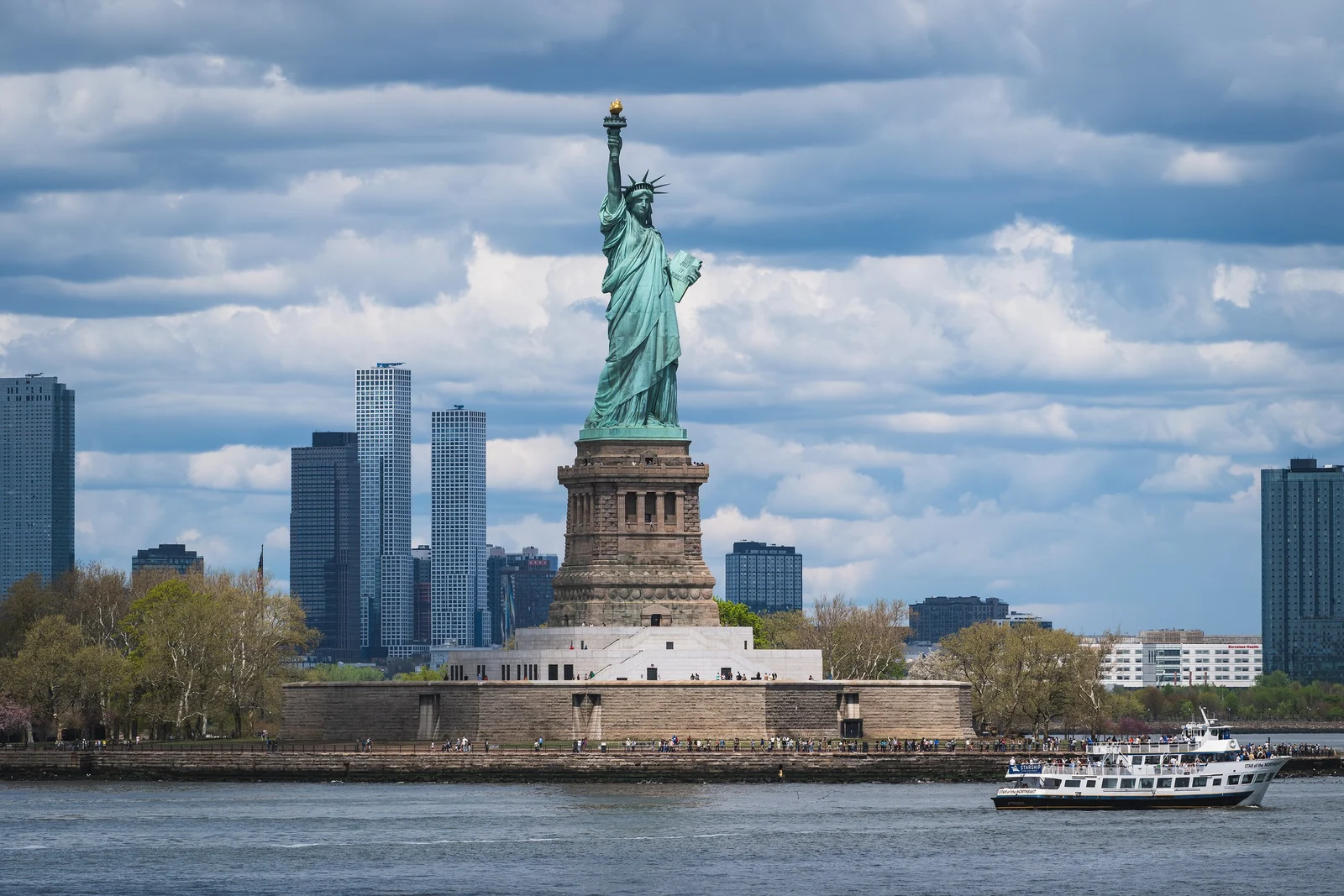
If you only want the view, the Staten Island Ferry is free and passes the statue at a distance. It is a decent consolation prize, and arguably the best deal in the city.
Central Park
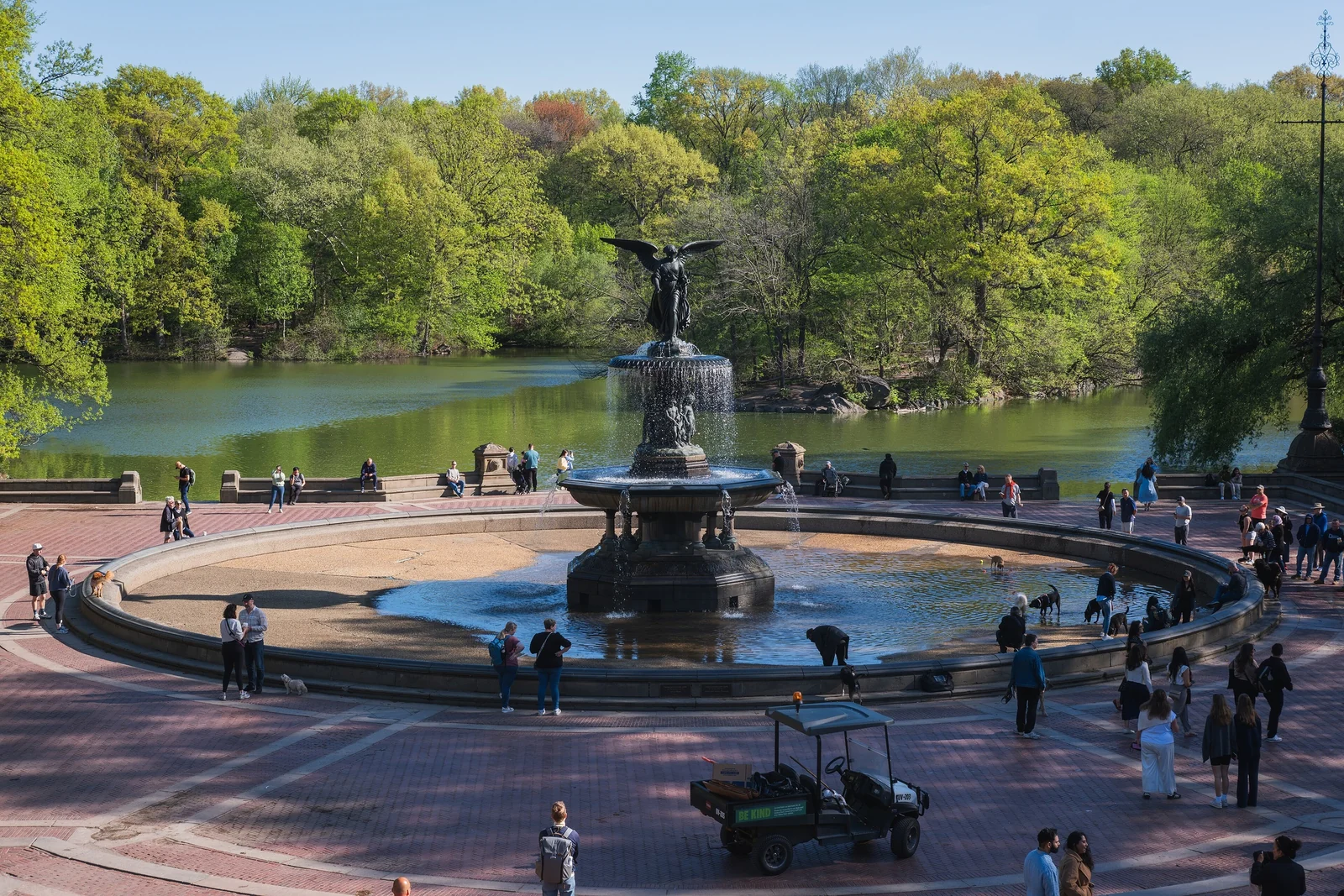
Central Park covers 843 acres in the middle of Manhattan, and it is far more varied than most visitors expect. Frederick Law Olmsted and Calvert Vaux won the design competition in the 1850s, and the park has been public ever since. Start at Bethesda Terrace and its fountain, then follow the paths to the Mall, the lake and Strawberry Fields.
Rent a rowboat, picnic on Sheep Meadow or simply walk north toward the Reservoir. Go on a weekday morning if you can, because weekends fill up quickly. The Central Park Conservancy publishes maps and a calendar of free events.
Brooklyn Bridge
Opened in 1883, the Brooklyn Bridge was the longest suspension bridge in the world at the time, and its stone towers and web of steel cables still look dramatic. Walking across takes about 30 to 40 minutes at a relaxed pace, longer if you stop for photos. The promenade is shared with cyclists, so keep to the pedestrian side.
Start from the Manhattan side near City Hall and finish in DUMBO, where cobblestone streets and the waterfront park give you the classic skyline shot. Midday in summer is the wrong time to cross; go early or near sunset instead.
The Metropolitan Museum of Art
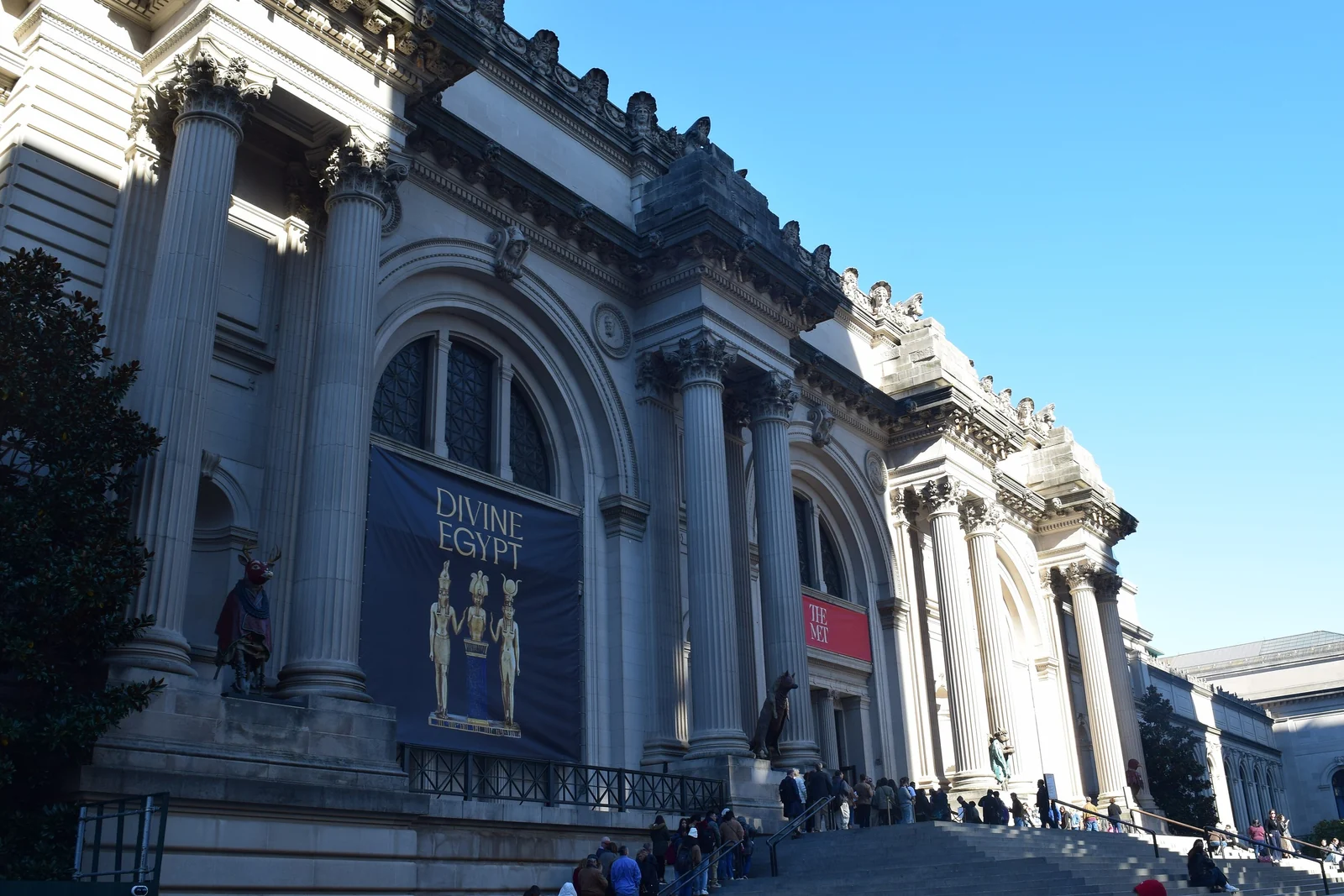
The Met, founded in 1870 and standing on Fifth Avenue at the edge of Central Park, holds works from ancient Egypt to contemporary art. You cannot see it all, so choose. The Egyptian wing with the Temple of Dendur, the European paintings and the American Wing are strong starting points. Check hours, ticket rules and special exhibitions on the official Met website before you go.
Empire State Building and Top of the Rock
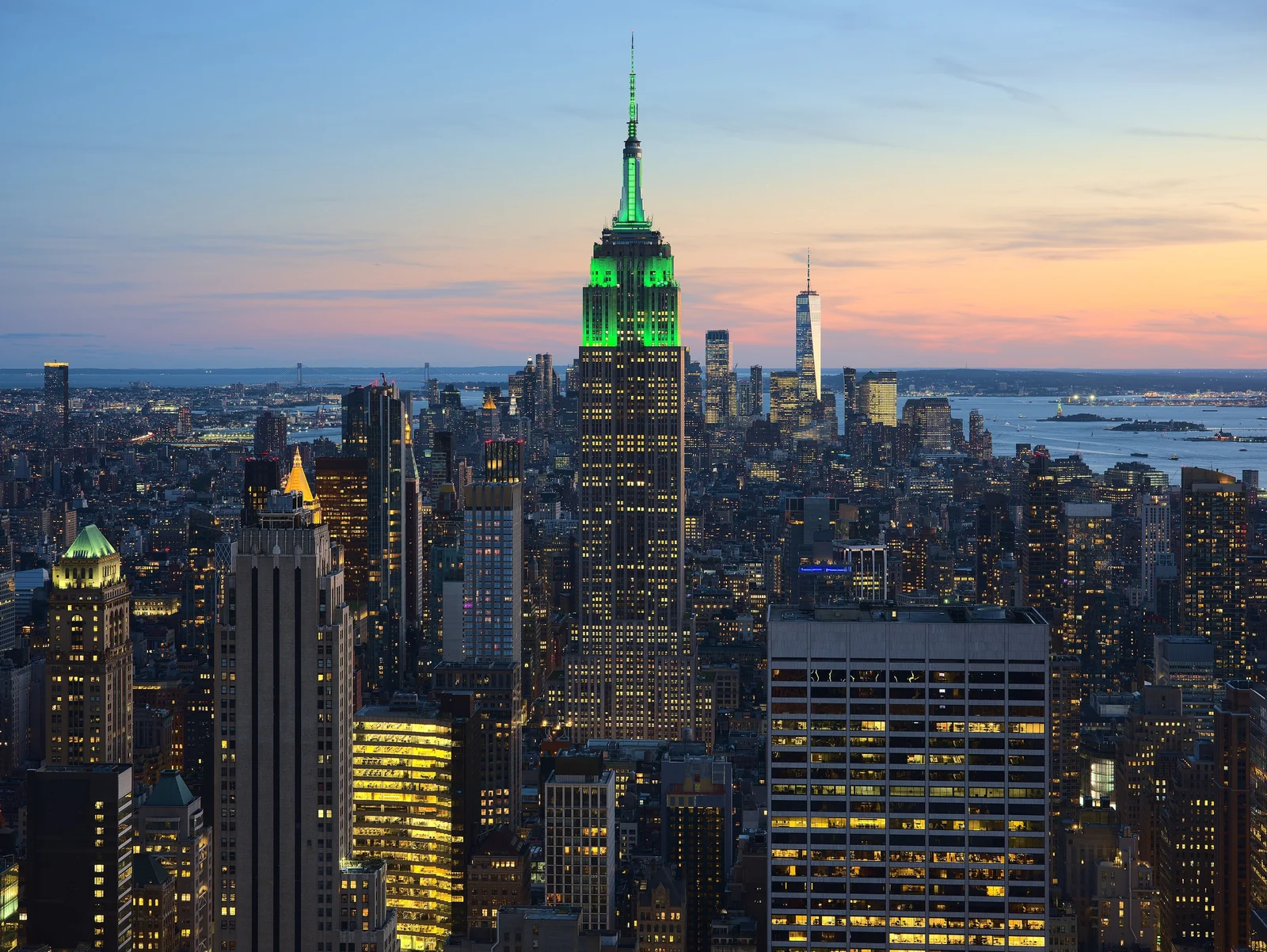
The Empire State Building opened in 1931 and rises 102 floors, with an Art Deco spire that is lit at night in changing colors. Top of the Rock, the observation deck at Rockefeller Center, is the other big option. Many travelers prefer it because it frames the Empire State Building itself and looks over Central Park.
You rarely need both. Pick Top of the Rock for the view that includes the Empire State Building, or the Empire State Building for the classic experience of standing on it. Book a timed ticket for around sunset, and expect to pay a noticeable amount in either case.
Neighborhoods Worth Your Time
The icons are only half the appeal. The rest comes from walking through neighborhoods and noticing how different they feel from one another, sometimes within ten minutes.
- Greenwich Village and the West Village: low-rise brownstone streets, small cafes, jazz clubs and Washington Square Park.
- SoHo, Little Italy and Chinatown: cast-iron buildings and shopping in SoHo, then a short walk to dumplings and bakeries in Chinatown.
- Lower East Side and East Village: old tenement streets, delis, small bars and the Tenement Museum.
- Chelsea and the High Line: a park built on a former elevated rail line, opened in 2009, with galleries and the Hudson River close by.
- Upper West Side and Upper East Side: grand apartment buildings, museums and the quieter edges of Central Park.
- DUMBO and Williamsburg in Brooklyn: waterfront views, converted warehouses, independent shops and nightlife.
- Harlem: historic music venues, soul food and a central role in Black American culture.
Staten Island, Queens and the Bronx reward the curious. Queens in particular has one of the best food scenes in the country, and Flushing is the place to try regional Chinese cooking.
What to Eat in New York
New York is a city where eating is a main activity, not a break from it. You can spend very little and still eat well, or spend a lot and be disappointed. Know the classics first.
- Pizza by the slice: thin, foldable and sold from counters across the city. A cheap, fast lunch that locals take seriously.
- Bagels: order one with cream cheese, or with lox if you are feeling traditional.
- Delis: towering pastrami on rye is a Lower East Side tradition.
- Street food: halal carts, hot dogs and soft pretzels are cheap and everywhere.
- Dumplings and noodles: Chinatown in Manhattan, Flushing in Queens and Sunset Park in Brooklyn.
- Cheesecake: a New York-style slice is a fair way to finish the day.
Restaurant prices vary a lot by neighborhood, and a tip of roughly 18 to 20 percent is customary in sit-down places. Reserve ahead for popular dinners, particularly on weekends, but leave room for spontaneous counter meals too.
Getting Around New York City
The Subway
The subway opened in 1904, runs around the clock and is the fastest way to move between most neighborhoods. Pay by tapping a contactless card or phone at the turnstile; the MTA website lists current fares and how the OMNY system works. Watch the signs for local and express trains, because an express can skip your stop.
Use a transit app for live arrivals and service changes, which are common on weekends. At night, ride in a car with other people in it and stay aware of your surroundings, as you would in any large city.
Walking, Buses and Ferries
Manhattan is surprisingly walkable, though avenue blocks are much longer than street blocks. Buses are slower but useful for crosstown trips where the subway does not go. Ferries link Manhattan to Brooklyn, Queens and Staten Island, and the Staten Island Ferry is free.
From the Airports
New York has three major airports: JFK, LaGuardia and Newark. JFK connects to the subway and rail network via the AirTrain, and Newark has a rail link to Penn Station. Road traffic can be punishing, so trains are usually the safer choice for arrivals at rush hour.
Where to Stay in New York
Hotels are expensive in Manhattan, so the best decision is choosing an area that fits your plans rather than chasing a specific property.
- Midtown: close to Times Square, Broadway, Rockefeller Center and major transit hubs. Convenient, busy and loud.
- Lower Manhattan: good for the ferry, the Brooklyn Bridge and the 9/11 Memorial. Quiet on weekends.
- West Village, SoHo and Chelsea: the best mix of restaurants and walking, with a higher price tag.
- Upper West Side: calm, residential and handy for Central Park and the American Museum of Natural History.
- Brooklyn (DUMBO or Williamsburg): often better value, with skyline views and a short subway ride into Manhattan.
- Long Island City, Queens: one stop from Midtown on the subway, with waterfront views.
Book early for peak seasons and holiday weekends, because rooms sell out and rates climb. The official NYC Tourism site is a good place to check events that may affect your dates.
Best Time to Visit New York
| Season | What to expect | Good for |
|---|---|---|
| Spring (April to June) | Mild days, blooming parks, some rain | Walking, Central Park, outdoor dining |
| Summer (July to August) | Hot and humid, busy with tourists | Rooftop bars, ferries, free outdoor events |
| Fall (September to November) | Crisp air, clear light, comfortable temperatures | Everything; many locals' favorite season |
| Winter (December to March) | Cold, sometimes snowy, short days | Museums, theater, holiday lights, lower hotel rates |
September to early November and May to June are the easiest months for sightseeing. Winter has its own appeal: the holiday windows on Fifth Avenue and the Christmas tree at Rockefeller Center draw big crowds in the weeks around late November and December, so book early if you want to be there then.
A 4-Day New York Itinerary
Day 1: Lower Manhattan and the Harbor
Take the earliest ferry from Battery Park to Liberty Island and Ellis Island. Return to Lower Manhattan for lunch, walk past Wall Street and visit the 9/11 Memorial. Finish by walking the Brooklyn Bridge toward sunset and have dinner in DUMBO.
Day 2: Central Park and the Met
Spend the morning at the Met, then walk into Central Park for lunch. Wander Bethesda Terrace and the lake, then head south to Midtown for dinner. If you like the theater, book a Broadway show in the evening.
Day 3: Midtown, the High Line and the Village
Go up Top of the Rock or the Empire State Building early in the day. Walk the High Line southward from Hudson Yards, eat in Chelsea Market, then drift into the West Village and Greenwich Village for the evening.
Day 4: Brooklyn or Queens
Choose a borough and stay put. In Brooklyn, spend the day in Williamsburg and Brooklyn Bridge Park. In Queens, eat your way through Flushing and visit MoMA PS1 in Long Island City. If you plan to continue to another city, our guides to Mexico City and Tokyo make good next chapters, and you can browse all North America destinations too.
New York City Travel FAQ
How many days do you need in New York City?
Three to four days is enough for the main sights in Manhattan plus a half day in Brooklyn. With five or six days you can add Queens, the Bronx or Staten Island and slow the pace considerably.
What is the best way to get around New York?
The subway is fastest for most trips and runs all day and night. Combine it with walking, and use buses or ferries where the subway does not reach. Tap a contactless card or phone at the turnstile.
Do you need tickets for the Statue of Liberty?
Yes. Ferry access to Liberty Island and Ellis Island requires a ticket, and crown access needs a separate reservation. Book ahead through the official operator listed by the National Park Service rather than from street sellers.
Is Top of the Rock or the Empire State Building better?
Most travelers only need one. Top of the Rock has the view that includes the Empire State Building and overlooks Central Park, while the Empire State Building offers the classic experience. Book a timed ticket near sunset.
Is New York City safe for tourists?
Most visitor areas are busy and well used, and the usual big-city habits apply: keep valuables out of sight, stay aware on crowded trains and ignore anyone pushing tours or scams on the street.
When is the cheapest time to visit New York?
January and February tend to bring the lowest hotel rates, though it is cold. Early spring and late fall can also offer better value than summer or the holiday weeks, so compare dates before booking.
Which borough should I stay in?
Manhattan is the easiest base for a first visit. Brooklyn and Long Island City in Queens often offer better value with a short subway ride into Midtown and good local restaurants nearby.