Portugal in winter is milder than most of Europe, but it is not one climate. The south and Madeira stay gentle enough for walks in a light jacket, Lisbon is mostly cool and bright with the odd soaking day, Porto and the north are wetter and grayer, and the highest mountains get real snow. Pick the region first and the weather mostly sorts itself out.
This guide covers November to February: what each region is like, where the sun is most likely to show up, which festivals come back every year, what to pack, and which beach towns go quiet. If you like fewer crowds, softer light and no heat, winter is a good time to go. If you want beach days, it is a gamble outside the far south.
Portugal in Winter: The Short Version
Think of the country as a ladder. The farther south and the closer to the Atlantic islands you go, the gentler the season. The farther north and the higher you climb, the more rain, wind and cold you should expect. The weather service IPMA publishes climate normals by station, and the broad pattern in them is clear: the north is much wetter than the south, and the interior mountains are the coldest part of the mainland.
For a first winter trip, my advice is simple. Base yourself in Lisbon for the best mix of sights, food and day trips, add the Algarve if you want to walk coastal cliffs in the sun, and treat Porto as a city for cafés, museums and port cellars rather than a place for open-air plans. Madeira is the strongest choice if sun and green hiking matter most.
Weather by Region at a Glance
The table is a general guide, not a forecast. Winter weather in Portugal swings from week to week, so check a regional forecast a few days before you travel.
| Region | What winter feels like | Best for | Watch out for |
|---|---|---|---|
| Algarve | The mildest and sunniest part of the mainland; cool nights, pleasant days | Cliff walks, golf, almond blossom, quiet beaches | Some beach-town cafés, hotels and boat tours close or run reduced hours |
| Lisbon and surroundings | Cool and often bright, with spells of rain and Atlantic wind | City sightseeing, day trips, food, Christmas lights | Slick cobbles and steep hills in the rain |
| Porto and the north | Wetter and grayer, with more rainy days than the south | Museums, wine cellars, tiles, cozy restaurants | Persistent rain and damp; short daylight for the Douro |
| Alentejo and the interior | Crisp, dry days and cold nights; frost is possible | Walled towns, wine, slow driving | Cold, unheated old buildings |
| Serra da Estrela | The coldest part of the mainland, with regular snow | Snow views, mountain drives, hearty food | Road closures and ice in bad weather |
| Madeira | Mild and green, with sun on the south coast and cloud in the mountains | Levada walks, gardens, New Year | Rain and fog high up; some trails close |
| Azores | Mild but wet, windy and changeable | Hot springs, crater lakes, green landscapes | Cancelled boat trips and flights in storms |
Where It Is Mildest: Algarve, Lisbon and Madeira
Algarve
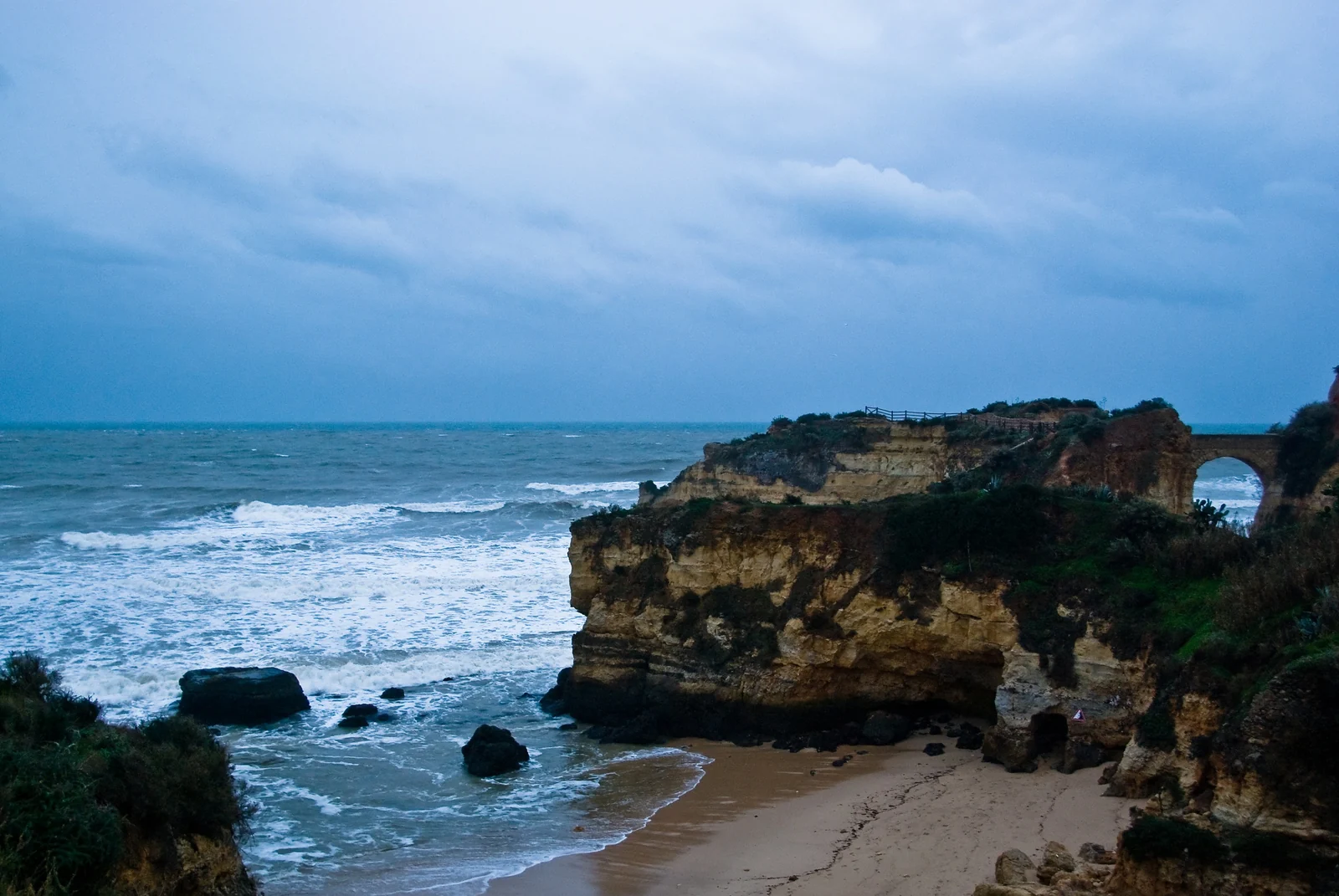
The south coast is the answer when someone asks where to find winter sun in mainland Portugal. Days can be genuinely pleasant for walking, and the cliffs around Lagos and Ponta da Piedade are at their best without summer crowds. Late winter brings almond blossom to the inland hills, and the region hosts an almond blossom festival with hikes in the countryside. It will not be swimming weather for most people, because the Atlantic stays cold, so think walks, golf, markets and long lunches.
Lisbon
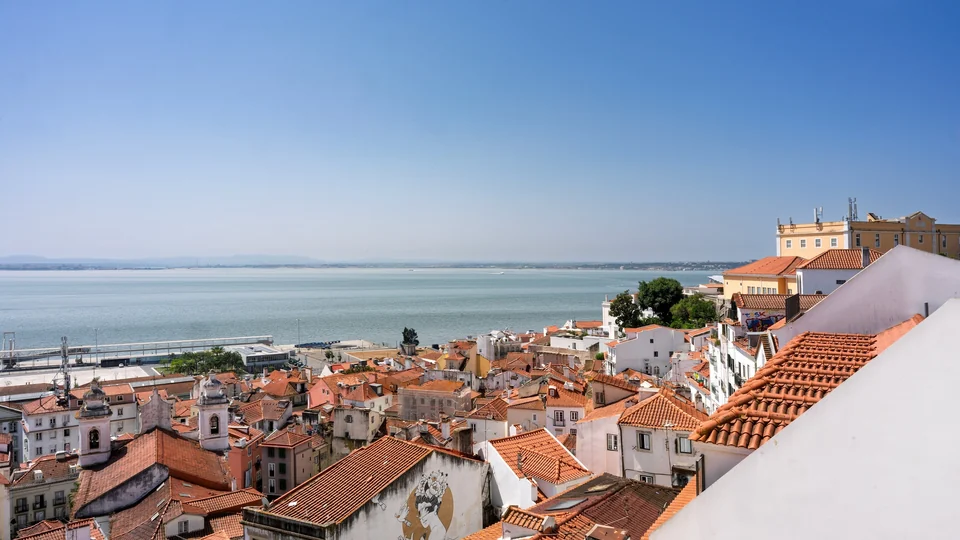
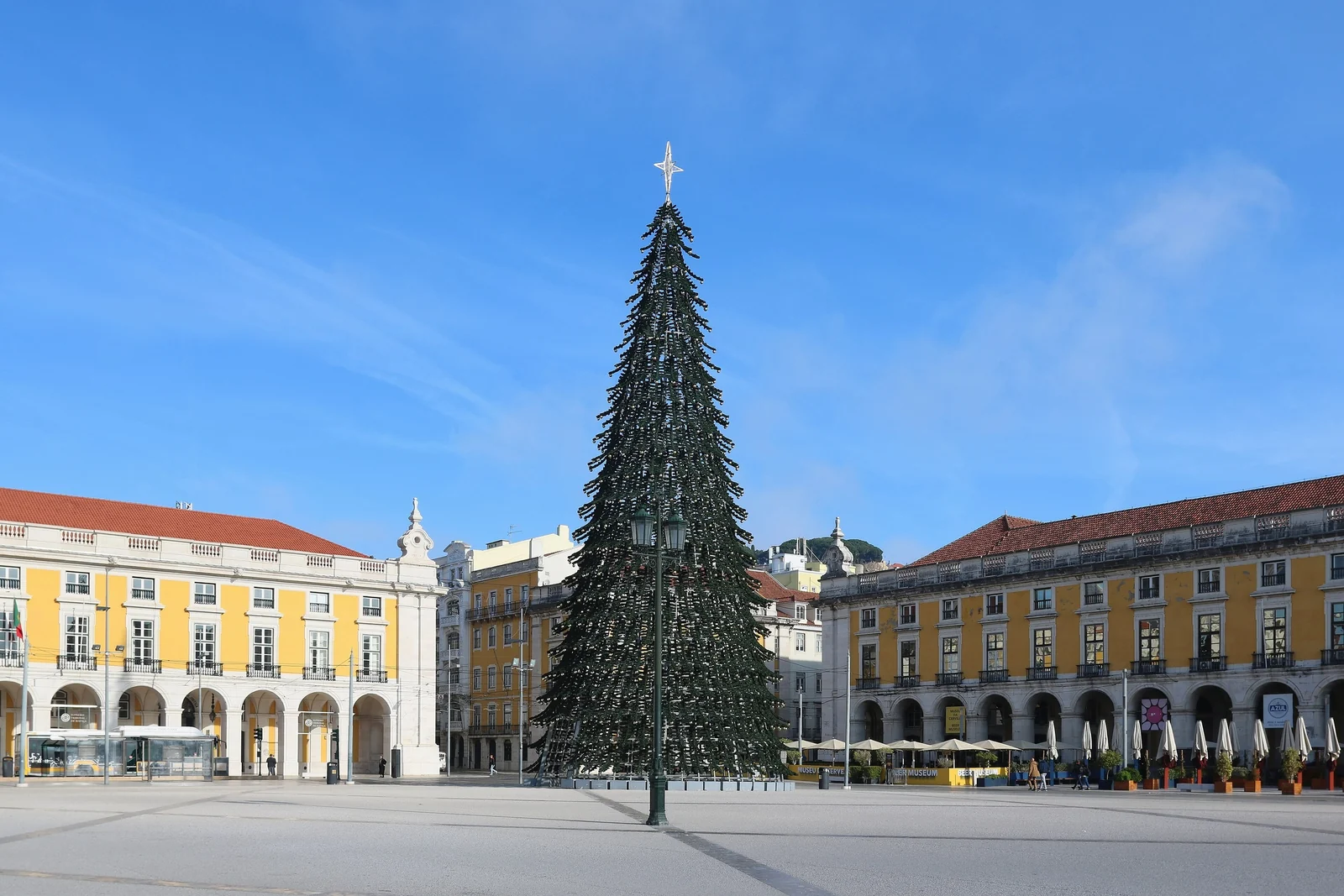
Lisbon in winter is underrated. The light is low and golden when the sky clears, the viewpoints are quiet, and the pastry shops and tascas feel warmer for the weather. Rain does come, sometimes for days, so plan a few indoor stops such as museums, the monasteries in Belém and covered markets. Our Lisbon travel guide lays out the main sights, and a rainy day is a good excuse to work through the cafés on your list.
Madeira
Madeira is the island people choose for a green, mild winter. The south coast around Funchal is usually the sunniest and gentlest side, while the mountains in the middle are cooler, cloudier and wetter. Many levada walks stay open and beautiful, but trails can close after heavy rain or wind, so ask locally before heading out. Our Madeira levada walks guide covers the easier routes.
Porto and the North: Rain and How to Use It
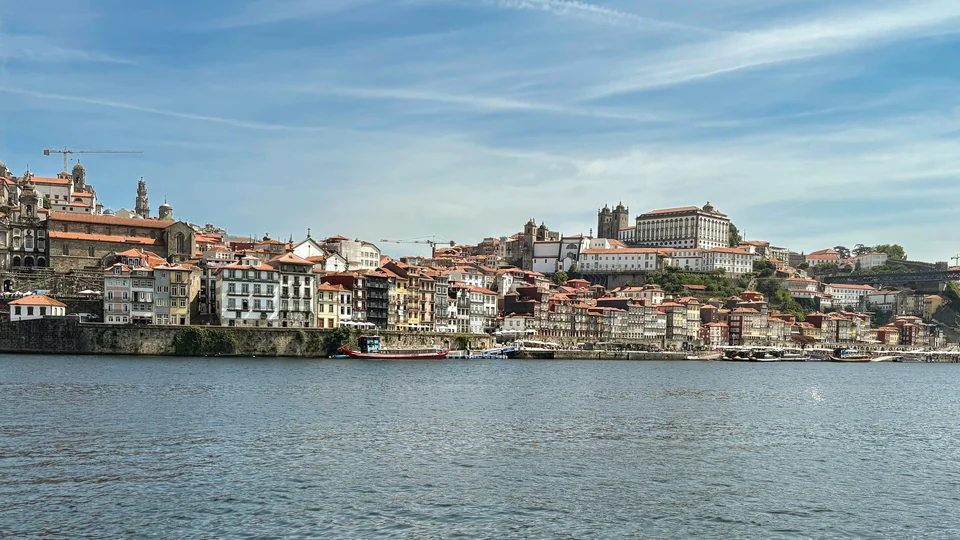
Porto is the city where winter packing matters most. The north sits in the path of Atlantic storms and is far wetter than Lisbon or the Algarve, so expect gray days, wind off the river and the kind of drizzle that finds its way inside a jacket. That sounds grim, but Porto handles bad weather better than most places. Tile-covered churches, the Livraria Lello bookshop, the covered Bolhão market and the port lodges of Vila Nova de Gaia all work indoors.
When the sky does clear, the light on the Douro is superb and the crowds are thinner. Our Porto travel guide covers the Ribeira, the cellars and the Douro Valley. Treat any day trip into the valley as flexible, since winter days are short and fog or rain can change the plan.
The Azores in Winter
The Azores are mild but wet, windy and changeable. The big attractions, such as crater lakes, hot springs and green coastlines, are still there, and the warm thermal pools make more sense in cool weather than in summer. The catch is logistics. Rough seas can cancel boat trips and whale-watching, and bad weather can disrupt flights between islands. Build slack into the itinerary, keep one island as a base rather than hopping daily, and read our Azores travel guide before you plan the route.
Serra da Estrela: Snow in Portugal
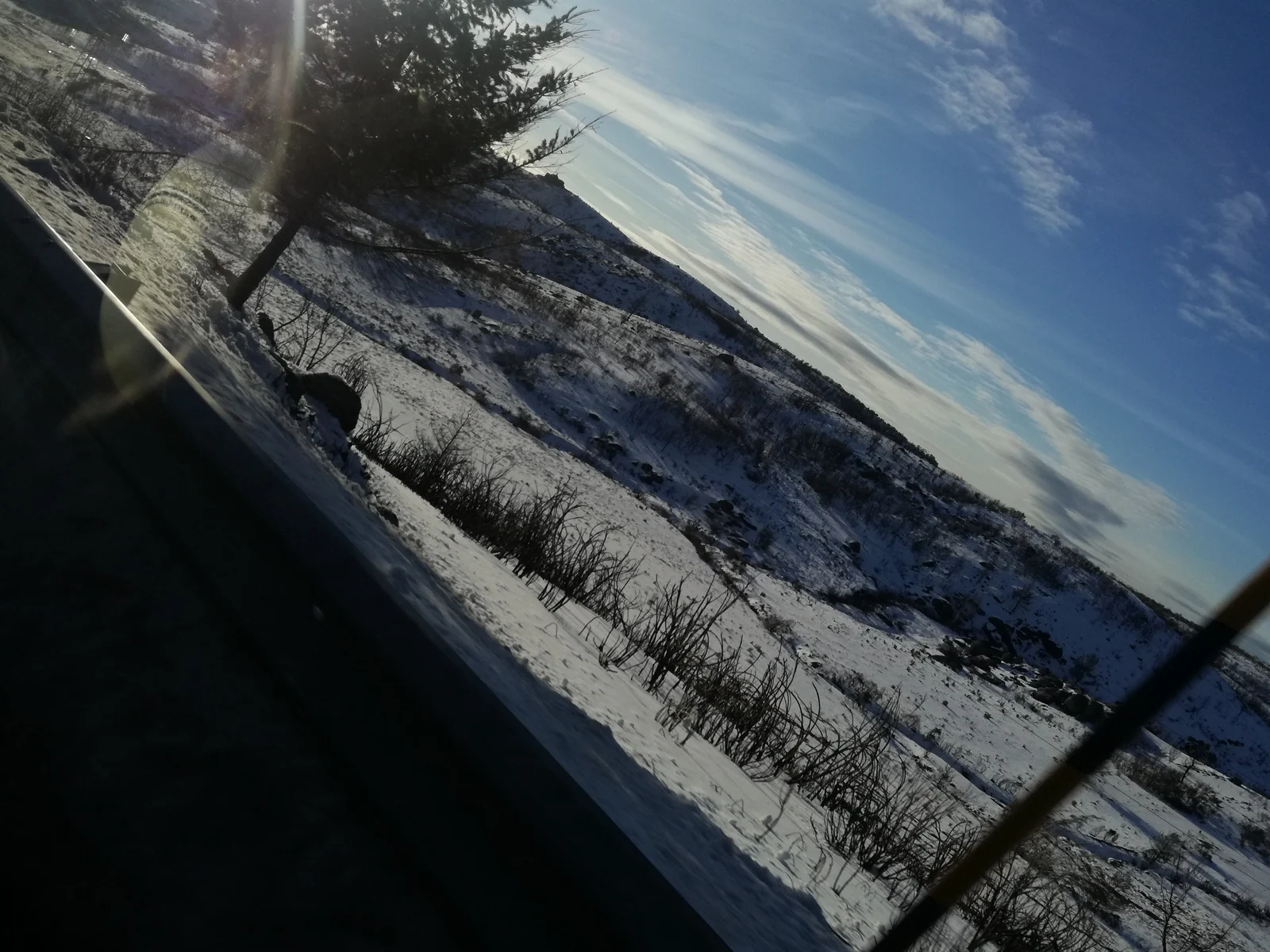
Yes, it snows in Portugal. The Serra da Estrela is the country's best-known snow destination, and its summit, Torre, is the highest point on the mainland at about 1,993 meters. Snow is most likely from late autumn into spring, and a paved road climbs close to the top when conditions allow. The mountain also has Portugal's only ski area, though it is small and snow cover is unreliable, so treat skiing as a bonus, not the reason to book.
Come for the landscape, the drive and the food. The region is known for Serra da Estrela cheese, soft and spoonable in winter, and for hearty mountain cooking. Check road conditions before you drive up, carry warm layers and do not rely on a rental car without winter tires or chains if a storm is forecast.
Winter Festivals and Events That Come Back Every Year
Dates move, so confirm them locally, but these traditions return every winter.
- St. Martin's Day, in November. The chestnut and new-wine tradition known as the magusto is celebrated across the country, with roasted chestnuts and young wine.
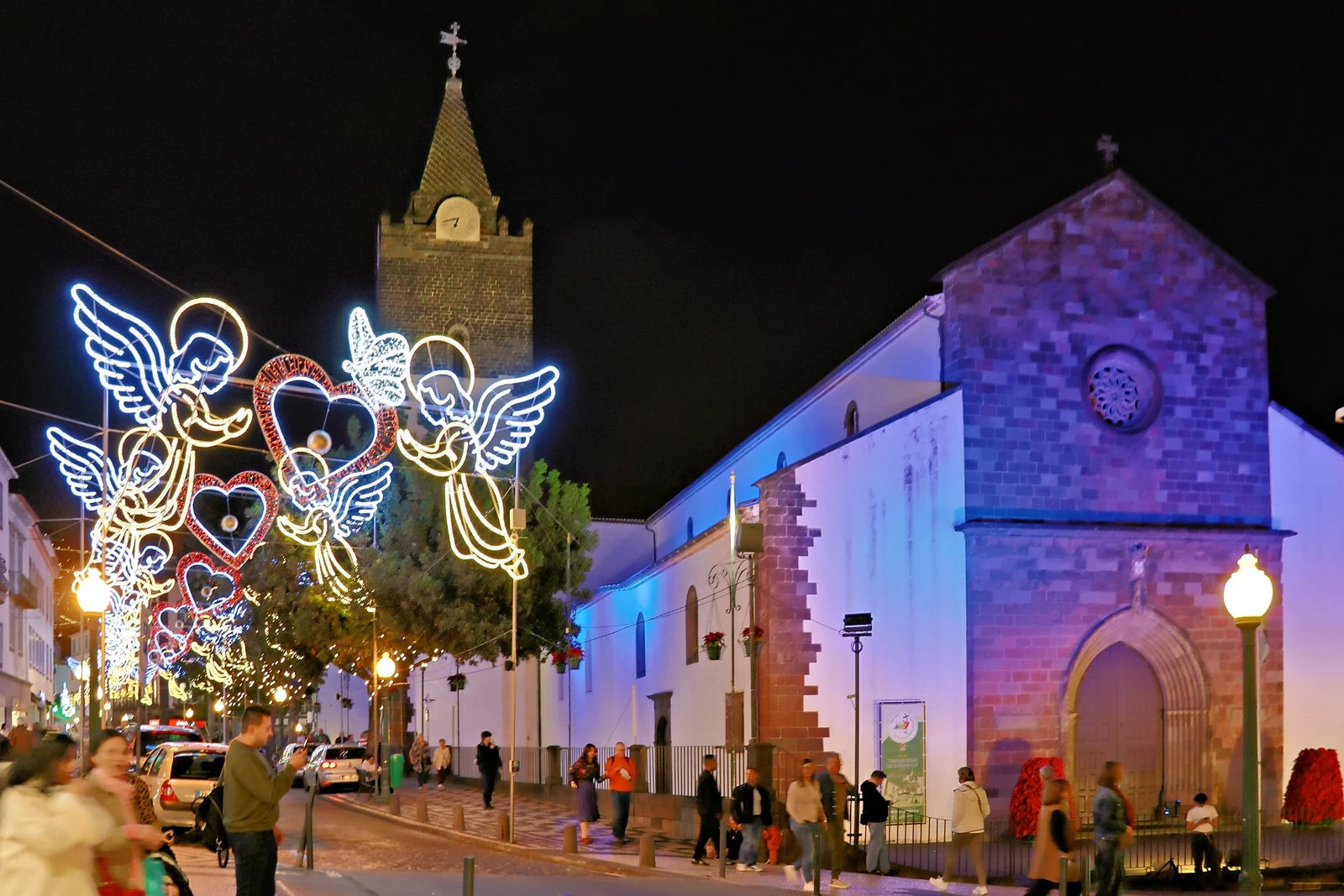
- Christmas lights. Lisbon and Porto light their main squares, and Funchal is especially known for its decorations across the old town and gardens.
- New Year's Eve in Madeira. Funchal puts on one of the best-known fireworks displays in Europe, which Guinness World Records recognized as the world's largest for a stretch in the late 2000s.
- Almond blossom in the Algarve. Late winter brings pale blossom to the inland hills, with a festival and guided walks in the countryside.
- Carnival, in February or early March. Loulé in the Algarve has one of the country's oldest carnivals, and Torres Vedras is known for its irreverent costumes and parades. Madeira holds its own carnival too.
What to Pack for Portugal in Winter
Layers beat a single heavy coat. A waterproof jacket, a light sweater or fleece and a warm scarf cover most of the mainland, and you can add or remove pieces as the day changes.
- Waterproof shoes with grip. Lisbon and Porto have steep, polished stone pavements that turn slick in the rain.
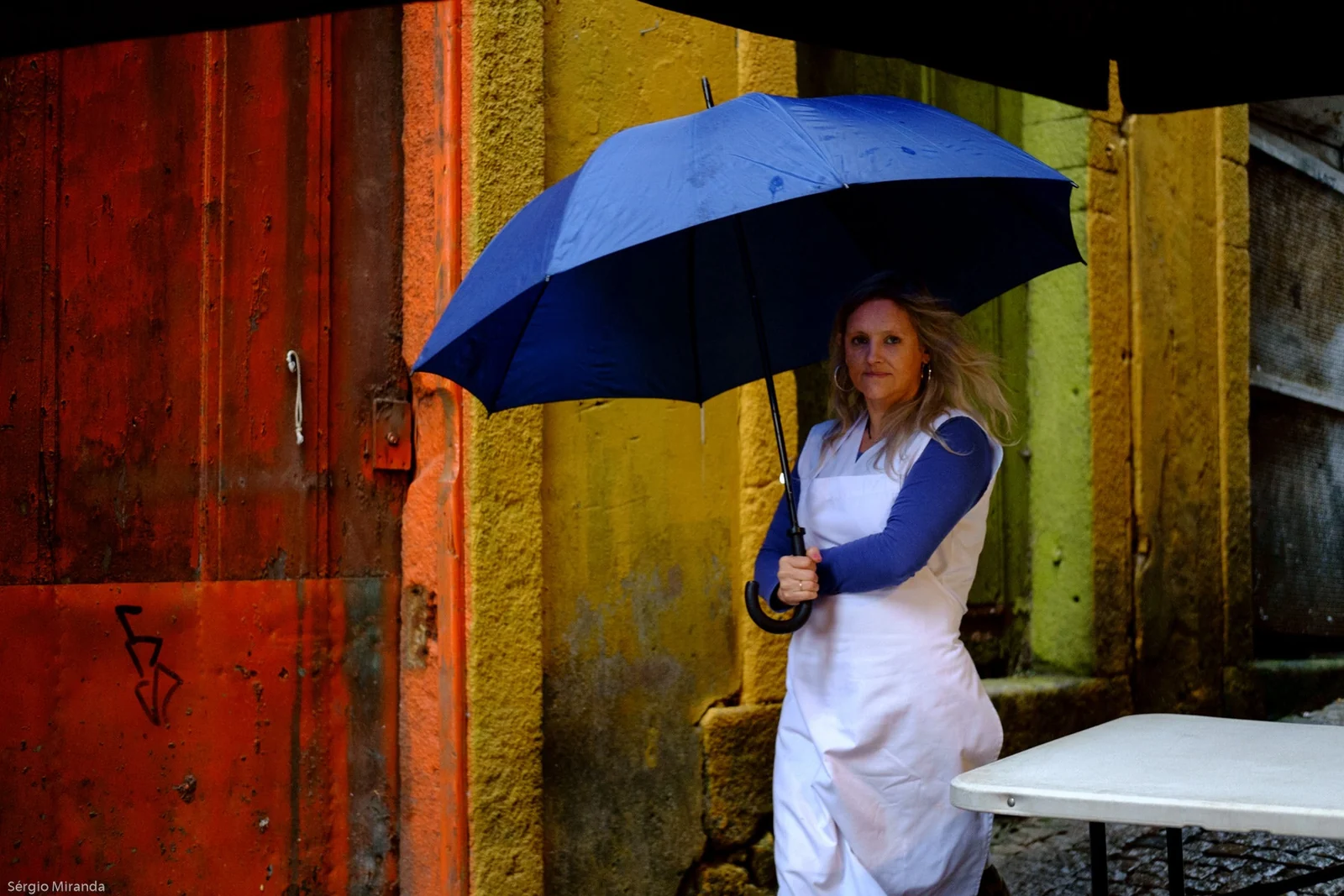
- A compact umbrella and a hooded rain jacket. Wind can wreck a cheap umbrella, especially in Porto.
- Warm indoor layers. Many older houses, guesthouses and restaurants are not heated as strongly as you might expect, so a sweater helps at dinner.
- Sunglasses and sunscreen. Winter sun in the south and on Madeira still burns on clear days.
- Real winter gear for the mountains. If you head to the Serra da Estrela, bring a warm coat, gloves, a hat and boots.
Closures and Quiet Beach Towns
Beach resorts in the Algarve and on other coasts run on a summer rhythm. In winter, some restaurants, bars, hotels and boat-tour operators close for part of the season, and others cut their hours. Larger towns such as Lagos, Faro and Tavira stay lively because they have year-round residents, while smaller resort strips can feel nearly empty on weekdays.
That is a plus for walkers and photographers and a minus if you want nightlife. Look at opening hours before you commit to a specific restaurant or tour, and book a place to stay in a town that functions in winter, not at the edge of a closed-up resort. Cliff-edge paths can be slippery after rain, so stay well back from the edge.
Who Portugal in Winter Suits
- City travelers who want museums, food and thinner crowds more than beach time. Lisbon works well, and Porto works if you accept the rain.
- Walkers who like cool, clear days. The Algarve coast and Madeira's lower trails suit them best.
- Photographers who value soft light, empty viewpoints and dramatic skies.
- Remote workers and slow travelers who want a mild base and do not mind some closures.
- Not ideal for: anyone whose trip depends on swimming, sunbathing or a packed beach club scene.
If you are comparing the two big cities, our guide to Lisbon or Porto helps you choose, and the Portugal travel guides collection covers the rest of the country.
Portugal in Winter FAQ
Is Portugal worth visiting in winter?
Yes, if you choose your region well. Lisbon, the Algarve and Madeira are mild enough for sightseeing and walking, and crowds are much smaller. Porto and the north are rainier, so build in indoor plans. Skip winter if beach days are the goal.
Which part of Portugal is warmest in winter?
The Algarve is generally the mildest and sunniest area on the mainland, and Madeira is the best island choice for gentle weather. Both still have cool nights and changeable days, so pack layers and check a local forecast before you go.
Does it rain a lot in Portugal in winter?
It depends on the region. The north, including Porto, gets far more rain than the south, and the Azores are wet and windy. Lisbon sees showers and the occasional long wet spell, while the Algarve is usually the driest of the main destinations.
Does it snow in Portugal?
Yes, mainly in the Serra da Estrela, where the summit Torre rises to about 1,993 meters. Snow is likely there in winter, and it can close roads. Elsewhere on the mainland, snow is rare, and the coast almost never sees it.
Can you swim or sunbathe in Portugal in winter?
Sunbathing is possible on clear days in the Algarve and on Madeira, but the Atlantic stays cold, so swimming is for the hardy. Plan your trip around walks, sightseeing, food and viewpoints, and treat any beach time as a bonus.
Are things closed in Portugal in winter?
Major cities and attractions stay open year-round. Some beach-town restaurants, hotels and boat tours in the Algarve close or reduce hours, and certain trails or island excursions may stop after storms. Check opening times before you travel or book.
What should I pack for Portugal in winter?
Pack layers, a waterproof jacket, an umbrella and comfortable shoes with good grip for wet cobbles. Add sunglasses for clear southern days and warmer gear for the mountains. A sweater for unheated indoor spaces is useful, too.