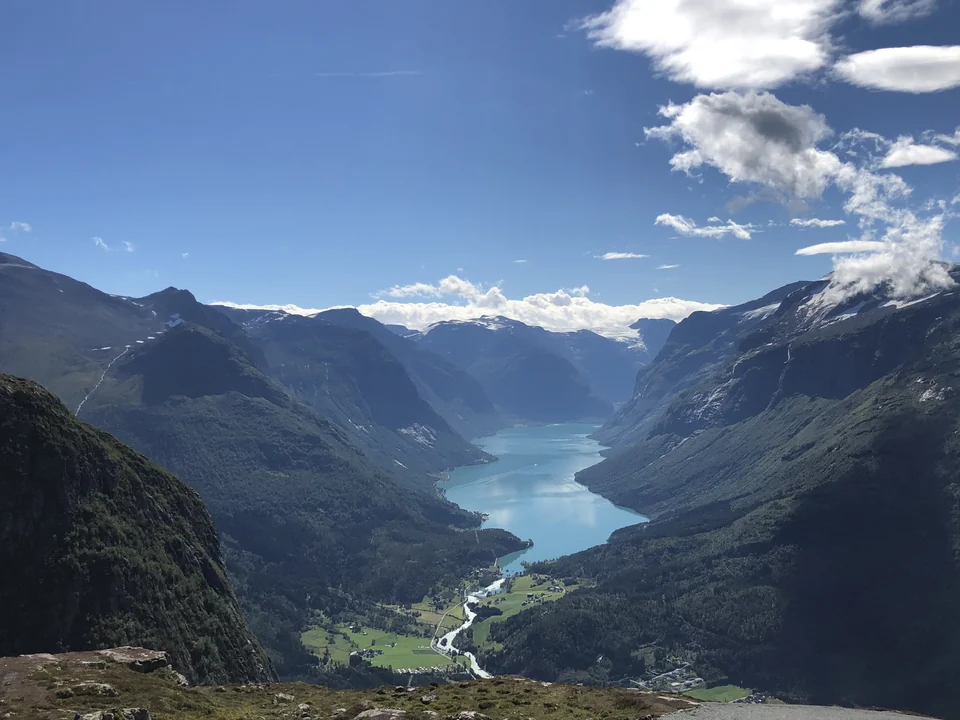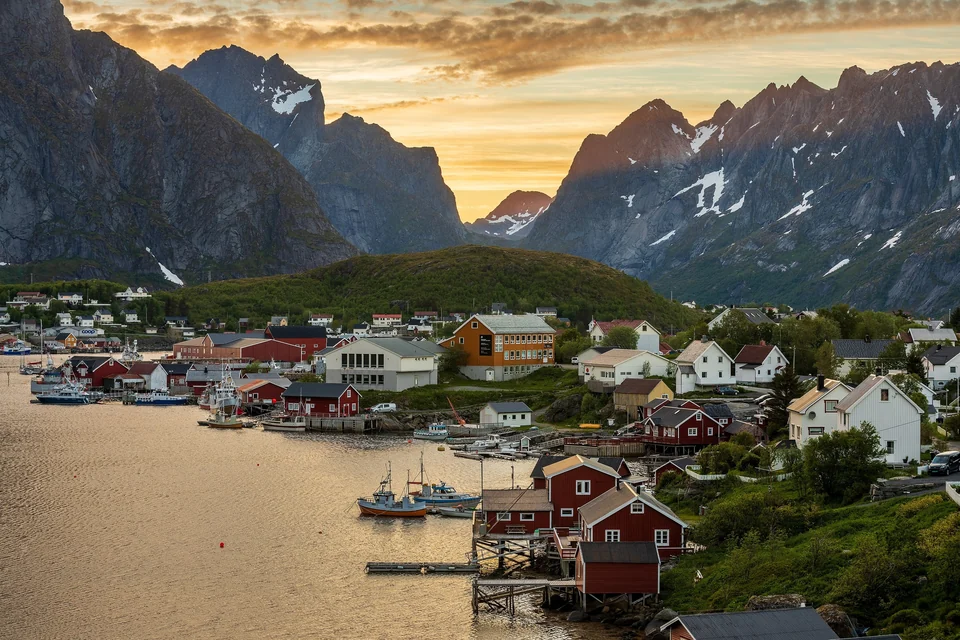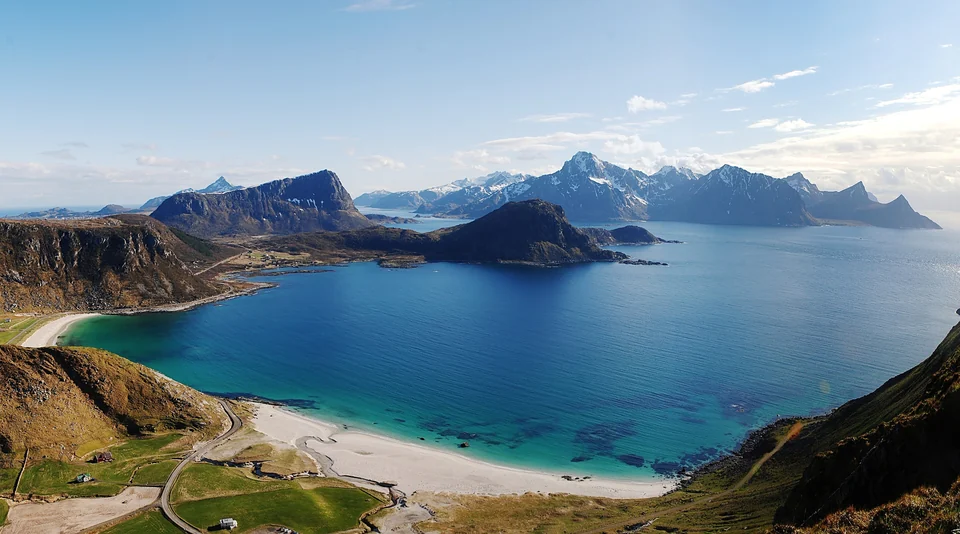
Pick Svalbard for polar bears, ice and true Arctic remoteness, Lofoten for jagged mountains, fishing villages and road-trip freedom, and Iceland for the widest mix of waterfalls, volcanoes, hot springs and easy logistics. They are all northern, all dramatic, and all very different once you are on the ground. The wrong choice usually comes from assuming they are interchangeable.
This guide compares Svalbard, Lofoten and Iceland on landscape, wildlife, northern lights, midnight sun, access, safety, cost and trip length, then tells you who should go where. For wider planning, our Norway guides cover the mainland side of the story.
Svalbard, Lofoten and Iceland at a Glance
| Svalbard | Lofoten | Iceland | |
|---|---|---|---|
| Latitude | Around 78°N (Longyearbyen) | Around 68°N, north of the Arctic Circle | About 63° to 66°N, mostly just south of the Arctic Circle |
| Landscape | Polar desert, glaciers, sea ice, mountains | Sharp granite peaks, fjords, beaches, red fishing huts | Volcanoes, lava fields, waterfalls, glaciers, geothermal areas |
| Signature wildlife | Polar bear, walrus, Svalbard reindeer, Arctic fox | Sea eagles, puffins, whales, seals | Puffins, whales, Arctic foxes, seabirds |
| Midnight sun | Roughly mid-April to late August | Roughly late May to mid-July | Very bright nights in June, no true midnight sun on the mainland |
| Dark season | Polar night, roughly late October to mid-February | Dark winters with short days, no full polar night | Short winter days, long nights |
| Getting there | Flights via Oslo or Tromsø to Longyearbyen | Flights via Bodø to Leknes or Svolvær, or road and ferry | Direct flights to Keflavík from many cities |
| Getting around | Tours, boats, snowmobiles; guided outside town | Rental car on the E10, buses, ferries | Rental car on the Ring Road, tours, buses |
| Cost level | Highest | High | High, with more budget options |
| Ideal length | 5 to 7 days | 4 to 7 days | 6 to 10 days |
Landscape: Ice, Fjords or Fire
Svalbard: a polar desert at the edge of the map
Svalbard sits roughly midway between mainland Norway and the North Pole. Longyearbyen, the main settlement, lies at about 78°N, and most of the archipelago is glacier, bare rock and sea ice. Precipitation is low, which is why it is often described as a polar desert. Trees do not grow here, and the horizon feels enormous.
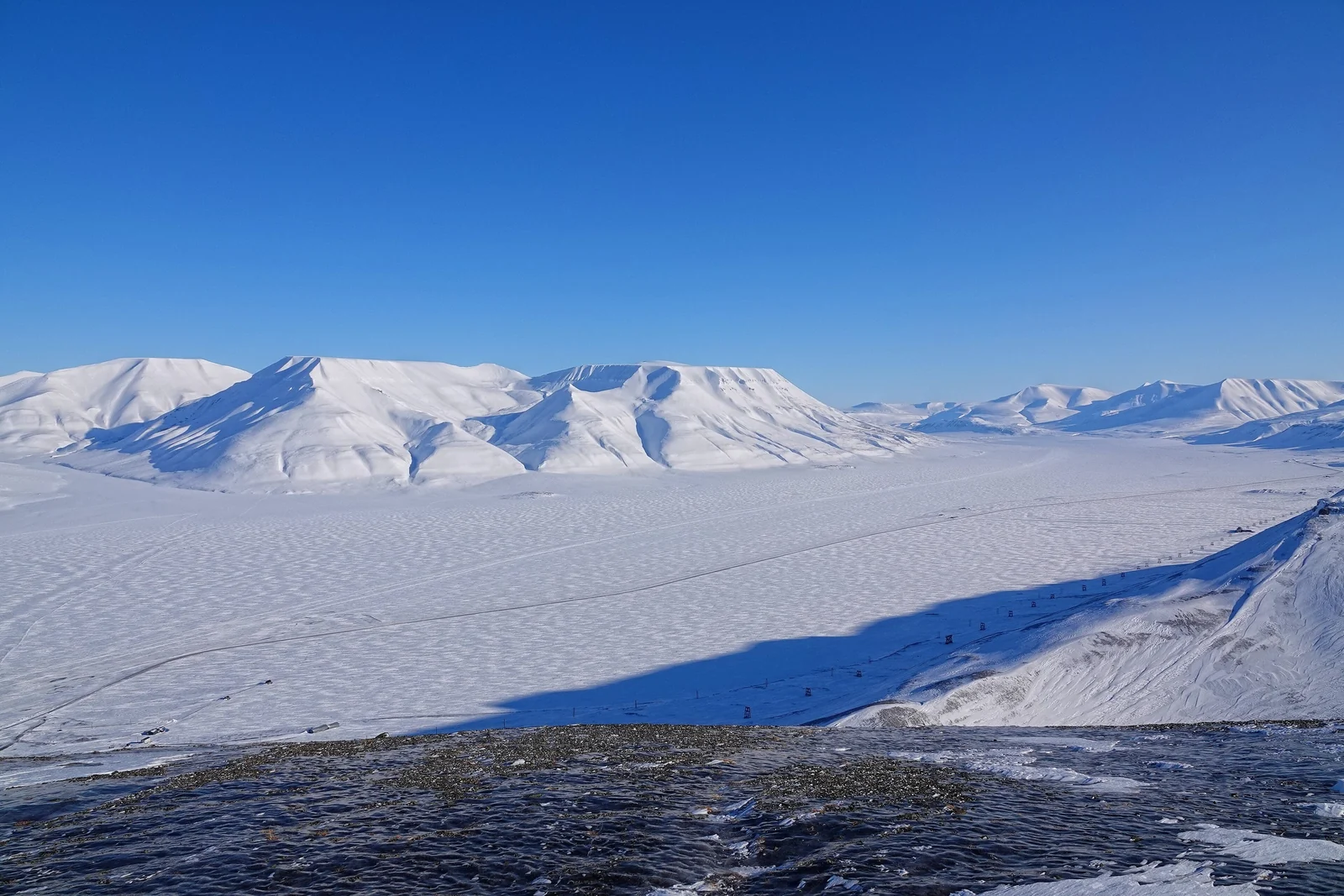
The scenery is quiet rather than showy. You come for glacier fronts, frozen fjords, old mining relics and the sense of being somewhere that people only barely occupy. If you want green, you will find it only as a thin layer of tundra in summer.
Lofoten: mountains rising straight from the sea
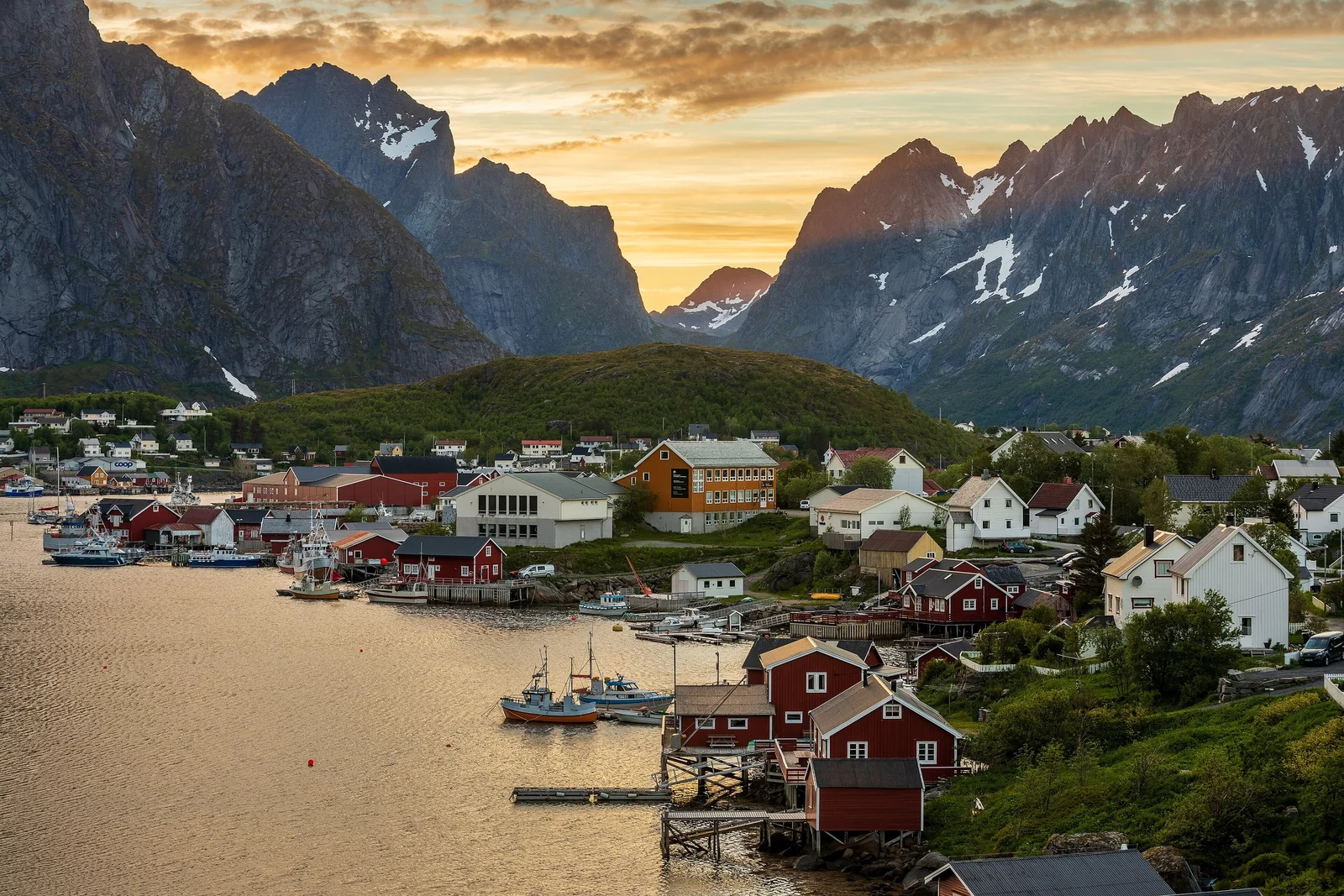
Lofoten is the most photogenic of the three for many travelers. Granite peaks drop almost directly into the Norwegian Sea, white-sand beaches sit under them, and red fishing cabins called rorbuer line the harbors. The islands are connected by bridges and tunnels, so you can drive the whole chain. See our Norway fjords and Lofoten guide for more on the region.
Iceland: volcanic variety
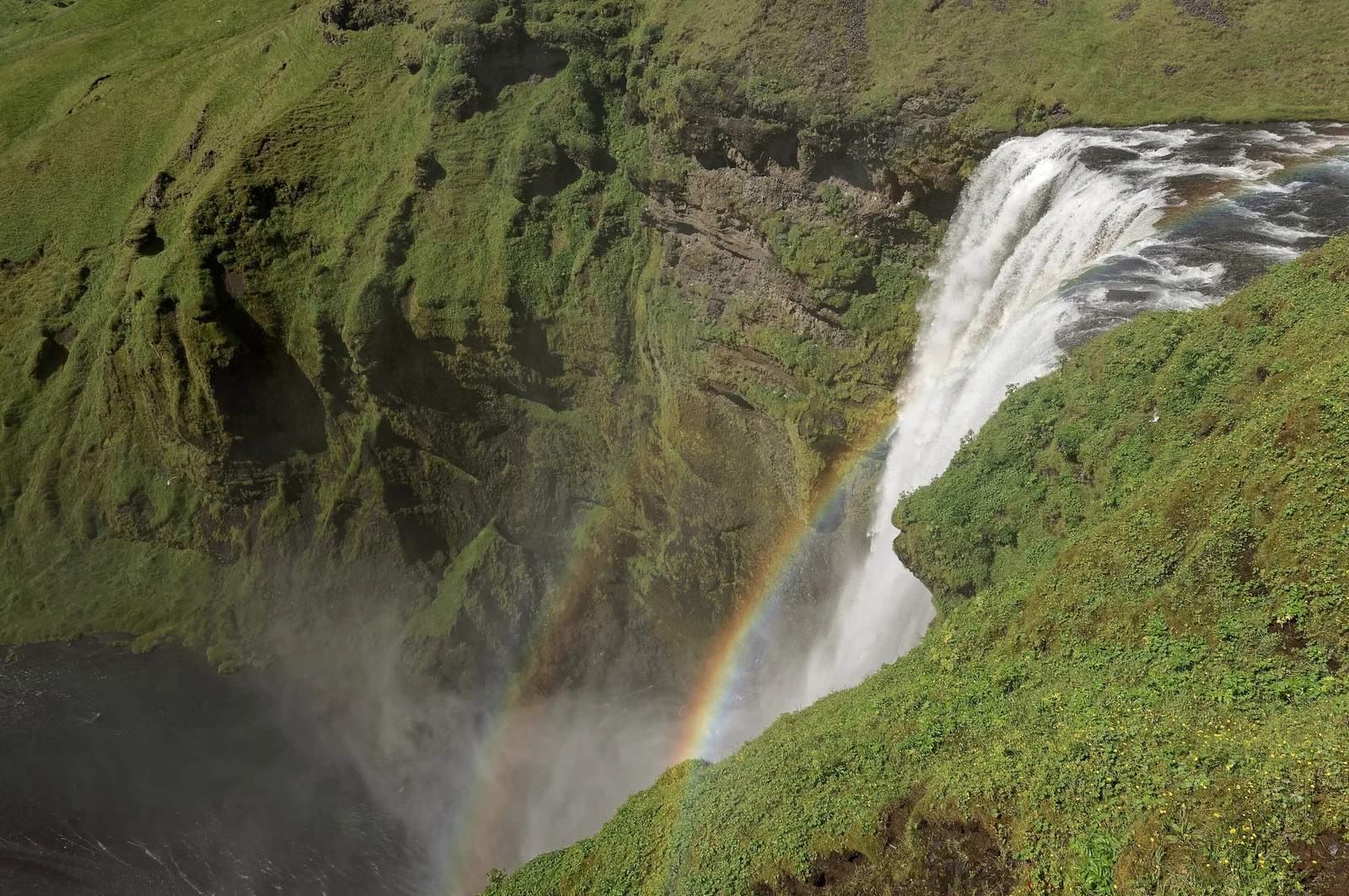
Iceland offers the most variety. Within a few hours' drive you can pass waterfalls, black sand beaches, lava fields, glacier tongues, geysers and steaming ground. Much of it is easy to reach from the Ring Road, which is why Iceland suits first-time northern travelers. Our piece on Iceland's hot springs and underground rivers goes deeper into the geothermal side.
Wildlife: Polar Bears, Eagles and Puffins
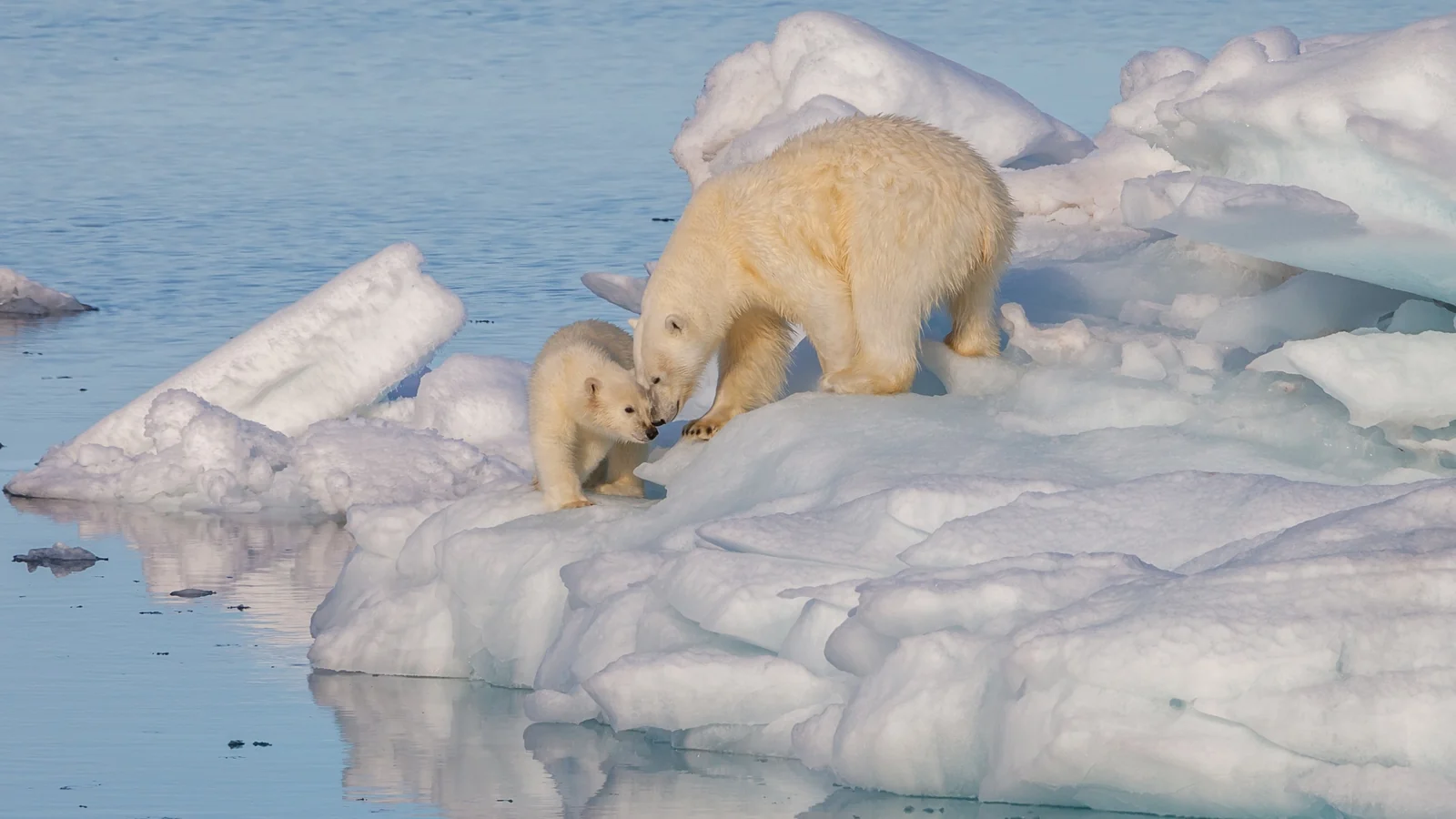
Svalbard is the only one of the three with polar bears, and they shape everything about travel there. Walrus, Svalbard reindeer, Arctic foxes, seals and large seabird colonies are the other draws. Sightings of bears on any given trip are never guaranteed, and responsible operators keep their distance. Treat a bear as a bonus, not a promise.
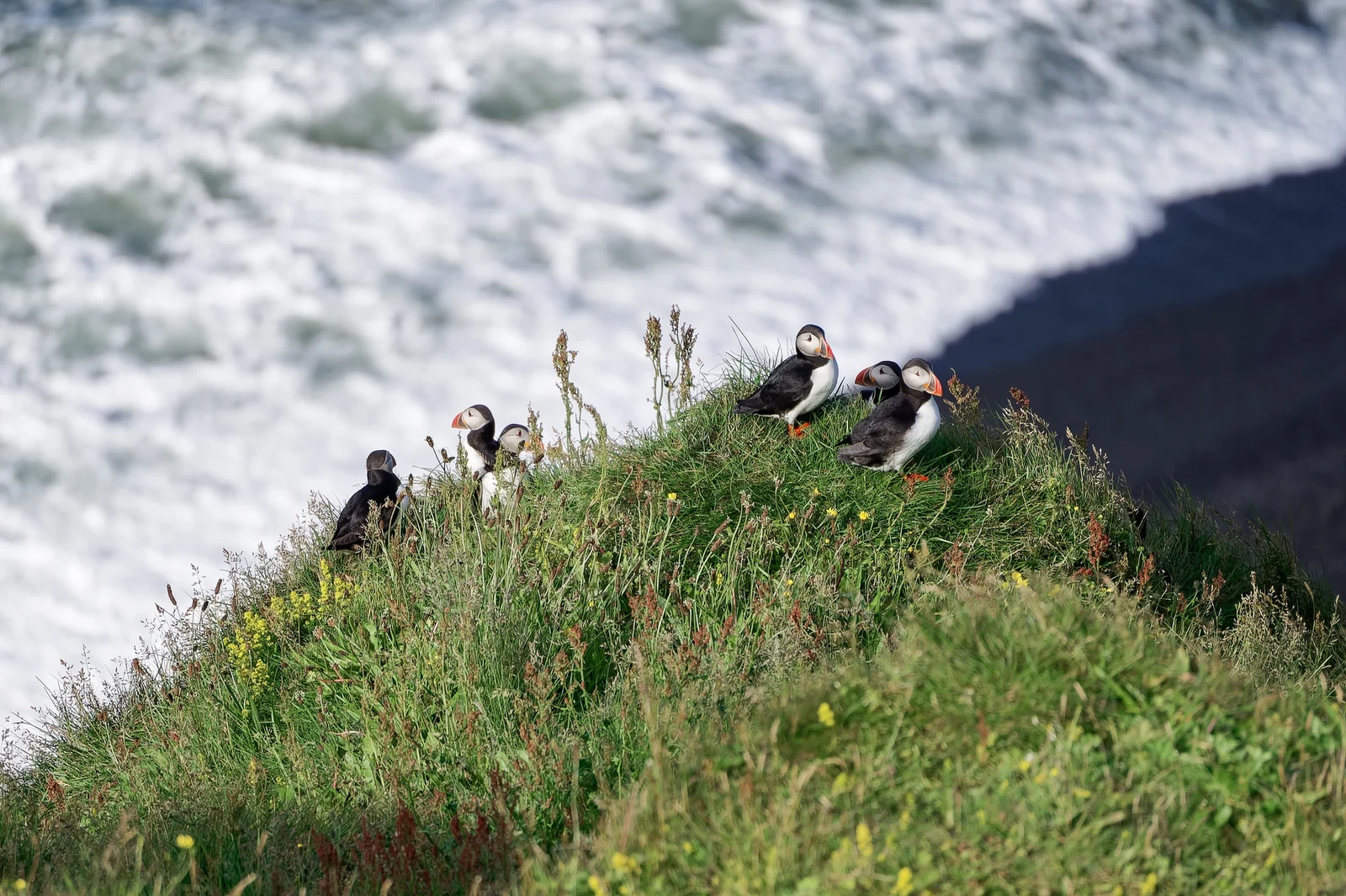
Lofoten's wildlife is quieter but real. White-tailed sea eagles are a highlight, and boat trips run to see them. Puffins nest on the outer islands in summer, and whales, including orcas in the colder months, are seen from boats in the wider region. Check operators' seasons before you plan around any one animal.
Iceland is best known for puffins in summer and whale watching, mainly from northern and southwestern bases. Arctic foxes live in the remote northwest, but you will not see them casually. If wildlife is your main motive, Svalbard wins on drama and Iceland on convenience.
Northern Lights and Midnight Sun Windows
Latitude does not simply mean better aurora. The lights depend on solar activity and clear skies, and all three places sit under the auroral zone. What changes is how much darkness you get.
- Svalbard: The polar night runs roughly from late October to mid-February, according to Visit Svalbard, with the darkest stretch around November to January. Aurora can show in daytime-like twilight, but it is easier to see when the sky is fully dark. The midnight sun lasts roughly from mid-April to late August.
- Lofoten: Visit Lofoten says the aurora can be seen from late August to mid-April, with deep winter offering the longest nights. The midnight sun runs roughly from late May to mid-July, and the exact dates shift slightly from place to place.
- Iceland: The aurora season runs roughly from late summer into spring. The mainland is almost entirely south of the Arctic Circle, so there is no polar night and no true midnight sun, only very bright summer nights and short winter days.
For aurora alone, Lofoten and Iceland are the more practical bets because you can move around freely and chase clear skies. In Svalbard you stay close to Longyearbyen or join a guided outing. For more aurora planning, read our guide to aurora hunting in Canada's Arctic.
How to Get There
Svalbard: Longyearbyen has its own airport, with scheduled flights from the Norwegian mainland, mainly via Oslo and Tromsø. The flight takes a few hours. There are no roads to or from the archipelago, so flying or taking a cruise are the realistic options.
Lofoten: Many travelers fly to Bodø and then take a short regional flight to Leknes or Svolvær, or take the ferry. Others fly into Evenes or Harstad and drive. Check current schedules with the airlines and ferry operators, as services change by season.
Iceland: Keflavík International Airport handles nearly all international arrivals, with direct flights from many European and North American cities. The capital area is roughly an hour away by road. Iceland is the easiest of the three to reach.
Getting Around and Polar Bear Safety
Iceland and Lofoten are drive-it-yourself places. Roads are good in summer, and a rental car lets you stop where you like. In winter, check road conditions on the official road and weather services, and take extra time.
Svalbard works differently. Outside the settlements you are in polar bear country. The Governor of Svalbard requires anyone traveling outside settlements to carry suitable means of scaring off polar bears, and a rifle is the standard tool, with a signal pistol or flares as part of the kit. Visitors cannot casually hike out of town without both equipment and training. For that reason most visitors join guided trips, which bring licensed guides with the proper gear. Check the Governor of Svalbard's website for the current guidelines before you go.
Guided options include snowmobile safaris in winter, boat trips and kayaking in summer, glacier hikes and dog sledding. You can still walk around Longyearbyen itself, but follow the local signs and ask your accommodation about the current rules.
Cost Level
None of the three is cheap. Svalbard is typically the most expensive per day because nearly everything is guided and most of it is flown or shipped in. Lofoten is costly in summer, especially for rorbuer and rental cars. Iceland is also high, though it has the widest range of guesthouses, campsites and self-catering options. Prices change by season and exchange rate, so check current rates with Visit Norway, Visit Svalbard and Visit Iceland.
A few ways to hold costs down: travel in shoulder months, rent a car for Lofoten and Iceland only for the days you need it, cook some of your own meals, and pick one or two paid tours rather than many.
Best Season and Trip Length
- Svalbard: Late winter and spring (roughly March to May) mix returning light with snowmobile trips and snow. Summer brings boat trips, open water and 24-hour daylight. Winter is for polar night and aurora. Five to seven days is enough for most visitors.
- Lofoten: Late May to August for midnight sun, hiking and boat trips. Late September to March for aurora, with February and March often easier for driving than midwinter. Four to seven days works well.
- Iceland: June to August for open highland roads, puffins and long days. September to March for aurora and ice caves. A first trip works best at six to ten days, especially if you want to drive the Ring Road.
Who Should Choose Which
Choose Svalbard if
You want polar bears, sea ice and a real sense of the high Arctic, and you are happy to travel with guides. It suits adventurous travelers and photographers more than people who like to improvise.
Choose Lofoten if
You want mountains, fishing villages, hiking and photography, and you like a flexible road trip. It is excellent for couples and anyone who wants scenery without a heavy tour schedule.
Choose Iceland if
You want variety, hot springs, waterfalls and easy logistics, or you are traveling with family or friends of mixed interests. It is the best first northern trip, and it works in every season.
The Verdict and a Combined Idea
If you can only pick one, Iceland is the safest all-rounder, Lofoten is the most beautiful drive, and Svalbard is the most extreme and unusual. First-timers who want comfort should start with Iceland. Travelers who have done a few northern trips and want something truly wild should go to Svalbard.
Combining Lofoten and Svalbard is the most natural pairing, because both are in Norway and connect through Tromsø or Oslo. Spend a few days in Lofoten, fly north, and finish with a short Svalbard stay. Combining Iceland with either is possible, but it usually means separate flights and a bigger budget. If the polar angle really appeals, our Antarctica travel guide shows what the southern counterpart looks like.
Svalbard, Lofoten and Iceland FAQ
Is Svalbard worth it compared with Lofoten and Iceland?
Yes, if polar bears, sea ice and a remote Arctic setting matter to you. It is more expensive and more structured, since you need guides outside town. If you want a self-drive scenic trip, Lofoten or Iceland fits better.
Do you need a guide in Svalbard?
Outside settlements you need protection against polar bears, which is why most visitors join guided trips. The Governor of Svalbard sets the rules on carrying a firearm and other means of scaring off bears. Check its current guidance before you travel.
Which is best for the northern lights?
Lofoten and Iceland are easier for chasing clear skies because you can drive. Svalbard has a long polar night, but you stay near Longyearbyen or join tours. Clear weather matters more than latitude.
When is the midnight sun in each place?
Svalbard has it roughly from mid-April to late August. Lofoten has it roughly from late May to mid-July. Iceland has very bright summer nights but no true midnight sun on the mainland. Exact dates vary by location.
Which is cheapest?
None is cheap. Svalbard is generally the priciest day to day, while Iceland offers the widest range of budget options. Check current prices with the official tourism boards, and travel in shoulder months to save.
Can you combine Svalbard and Lofoten in one trip?
Yes. Both are in Norway and connect via Tromsø or Oslo. A few days in Lofoten followed by a short Svalbard stay works well, though it adds flight costs and needs at least a week.
How many days do you need?
Plan about five to seven days for Svalbard, four to seven for Lofoten and six to ten for Iceland. Longer stays give you buffer for weather, which affects flights, roads and aurora viewing.