If you have time for only one, pick Rome for a first trip to Italy when you have four days or more, and Florence when you have two or three or when art and walkable streets matter more to you than ancient scale. Rome is bigger, older and more varied. Florence is smaller, calmer and far easier to take in at a human pace.
This guide to Rome or Florence compares the two on art, history, size, food, day trips, crowds and walkability, and ends with sample plans. If Rome wins your vote, our Rome travel guide covers the sights in detail.
Rome or Florence: The Short Answer
Rome rewards you for staying long. The ruins, the churches, the Vatican and the neighborhoods stack up so densely that a week still leaves a list. Florence rewards you for staying focused. The historic center is compact enough that you can see its headline sights in two full days without feeling rushed.
My stance: most first-timers with a standard week should start in Rome, because it delivers the Italy of the imagination at full volume. Florence is the better first stop if your trip is short, if you dislike big-city friction, or if you want a base for Tuscany. Neither choice is wrong, and the fast train between them makes it easy to do both.
Rome vs Florence at a Glance
| Rome | Florence | |
|---|---|---|
| Size and feel | Sprawling capital, with sights spread across many districts | Compact center, most sights within a short walk |
| Best for | Ancient history, baroque piazzas, the Vatican, big-city energy | Renaissance art, architecture, a slower pace |
| Headline sights | Colosseum, Roman Forum, Pantheon, Vatican Museums, St. Peter's | Duomo and dome, Uffizi, Accademia, Ponte Vecchio, Piazzale Michelangelo |
| Ideal stay | 4 to 6 days | 2 to 3 days |
| Getting around | Metro, buses, trams and a lot of walking | Almost entirely on foot |
| Day trips | Ostia Antica, Naples and Pompeii, Tivoli, Orvieto | Siena, Pisa, Lucca, Chianti, San Gimignano |
| Crowds | Large, but spread out over a big city | Concentrated around a few famous streets and museums |
| Skip it if | You want a quiet, small-town pace | You want ancient ruins or a lot of variety |
The table is a rule of thumb, not a verdict. A rainy week in Florence can feel long, and a hot week in Rome can wear you down. The next sections explain where the differences come from.
Art and History: Renaissance vs Ancient Rome
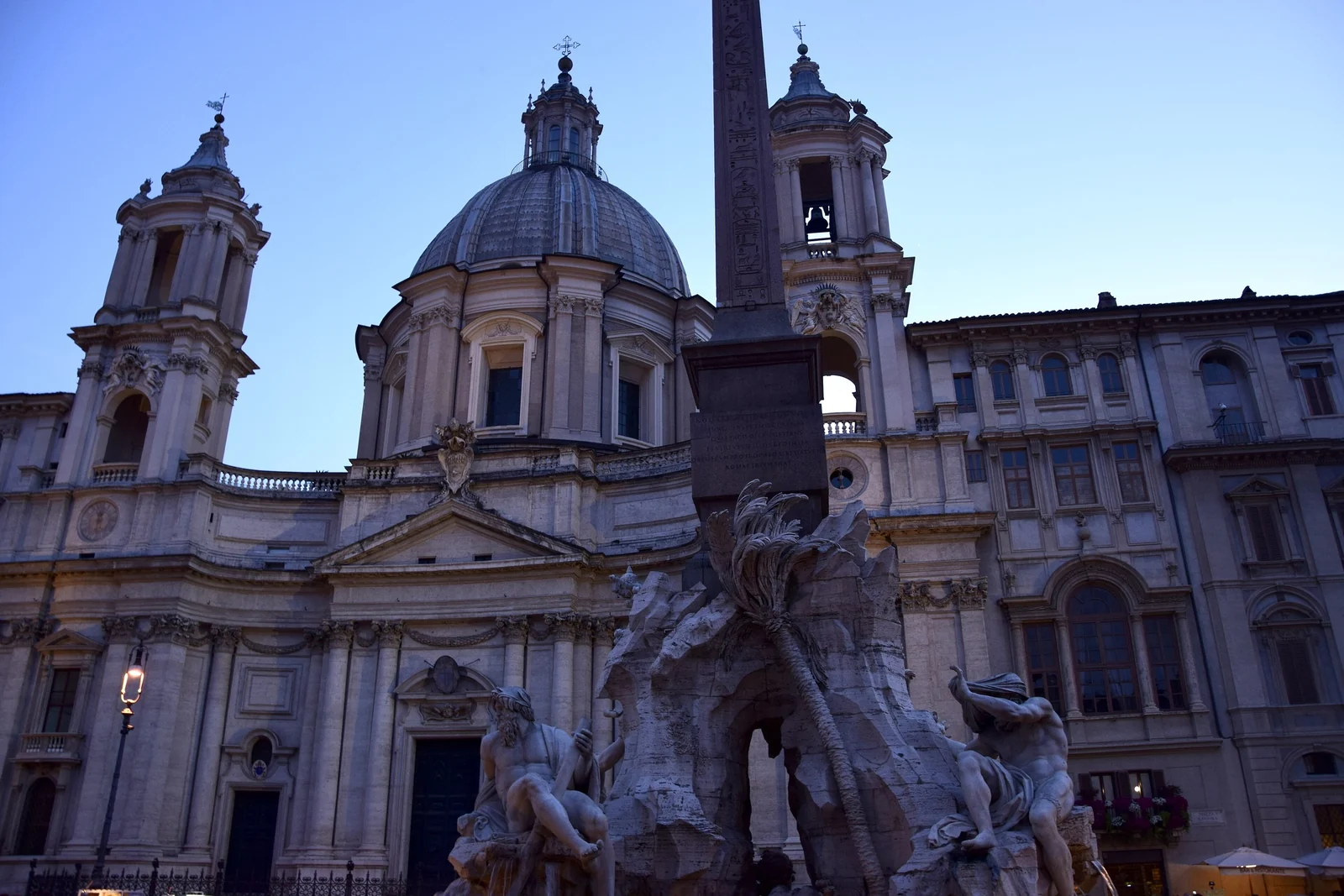
These two cities tell different chapters of the same story. Rome is the empire and the church. The Colosseum opened in AD 80, the Pantheon was rebuilt under Hadrian in the second century AD, and the Vatican holds Michelangelo's Sistine Chapel ceiling. You are walking through almost three thousand years of layers, sometimes literally, with a baroque fountain on top of a Roman street.
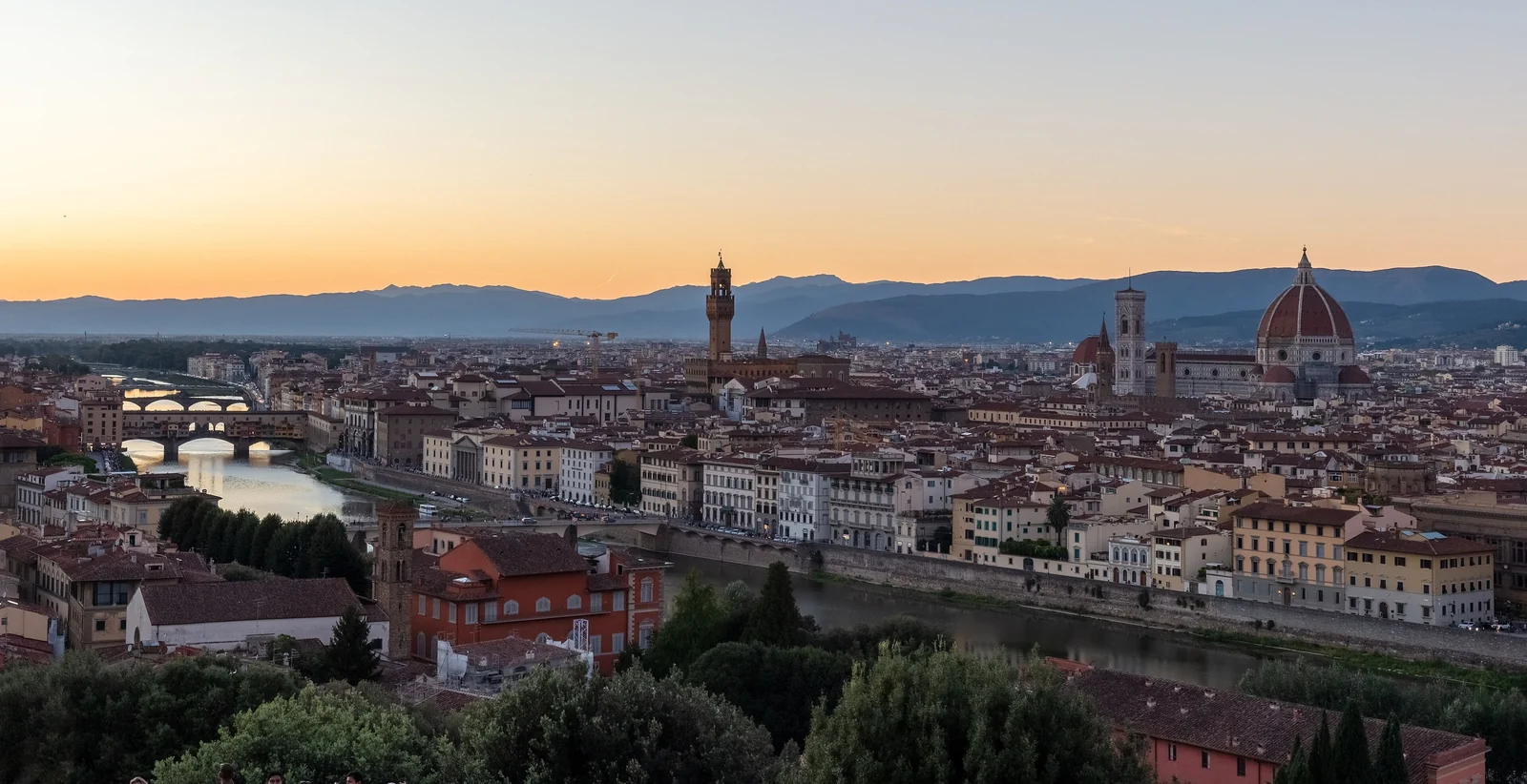
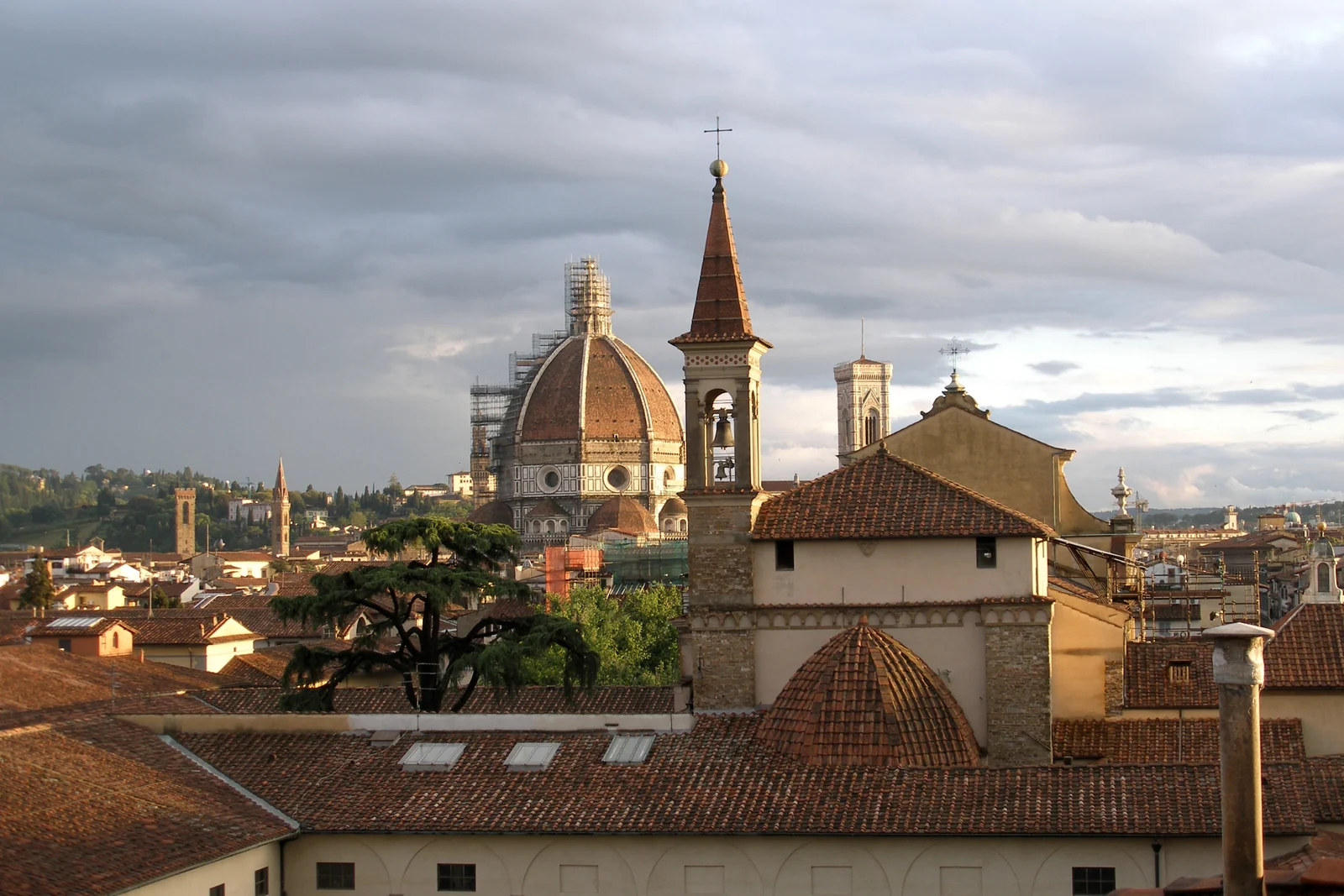
Florence is the Renaissance, and it is concentrated. The Uffizi Gallery houses Botticelli's Birth of Venus. The Accademia keeps Michelangelo's David. Brunelleschi's dome crowns the cathedral, finished in the 1430s and still the city's silhouette. UNESCO inscribed the historic center of Florence in 1982, two years after Rome's own historic center in 1980.
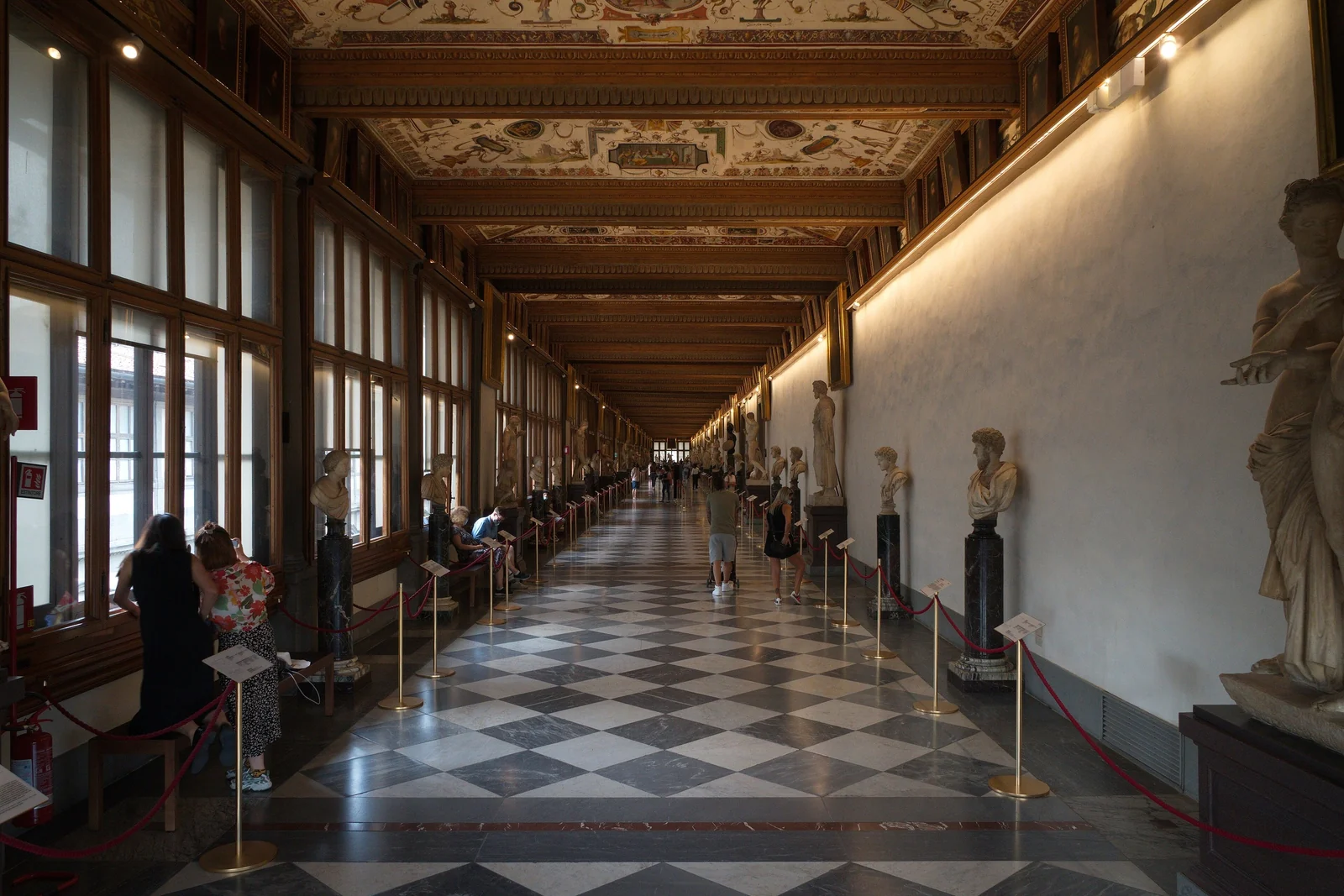
If you like to understand a place by looking at paintings and sculpture, Florence is more satisfying per hour. If you like ruins, churches and the feeling of deep time, Rome is unmatched. Rome also has major art, from the Vatican Museums to a long list of churches with paintings you can see for free, so art lovers do not have to give it up.
Size and Walkability
Florence is the easy one. You can cross the historic center on foot in well under an hour, and you rarely need a bus or taxi except for the train station or the hills. Most visitors never use public transport at all. That is a real advantage on a short trip, because there are fewer decisions and less lost time.
Rome is a different scale. The Colosseum, the Pantheon and Trastevere are walkable from one another, but the Vatican sits across the river and the sights add up to long days on your feet. Plan on the metro and buses for some legs, and group sights by area rather than crossing the city twice in one day. Good shoes matter more here than almost anywhere in Italy.
Food: Roman Classics vs Tuscan Plates
Both cities eat well, and the cooking is genuinely different. Rome is known for pasta dishes such as carbonara, cacio e pepe and amatriciana, along with fried artichokes in the old Jewish quarter and thin, crisp pizza. Florence leans toward Tuscan staples: bistecca alla fiorentina, a thick T-bone steak cooked rare, ribollita, a bread and vegetable soup, and crostini with chicken liver pâté.
Neither city needs a food plan beyond a few smart habits. Eat where Italians eat, avoid restaurants with photo menus next to the biggest monuments, and do your lunch in a side street rather than the main piazza. Florence has the edge for a casual market-and-wine afternoon, and Rome has the edge for variety and late dinners.
Crowds and the Best Time to Go
Both cities are busy in summer, and both are far nicer in spring and autumn. The difference is how the crowds feel. In Rome the people spread out across a large city, so you feel the crush mostly at the Colosseum, the Trevi Fountain and the Vatican. In Florence the same number of visitors squeezes into a small center, so the main streets, the Duomo square and the Ponte Vecchio can feel packed by late morning.
Practical advice for both. Book the biggest attractions ahead on their official sites, go early or late, and plan one slow afternoon where you wander without a ticket. Midsummer is hot in both cities, and shoulder seasons give you easier light and cooler walking. Check opening days before you build an itinerary, since museums often close on one weekday.
Day Trips: Tuscany vs Naples and Ostia
Your base also decides your side trips, and this is where Florence quietly wins for many travelers. It sits in the middle of Tuscany, so a day out is simple.
From Florence
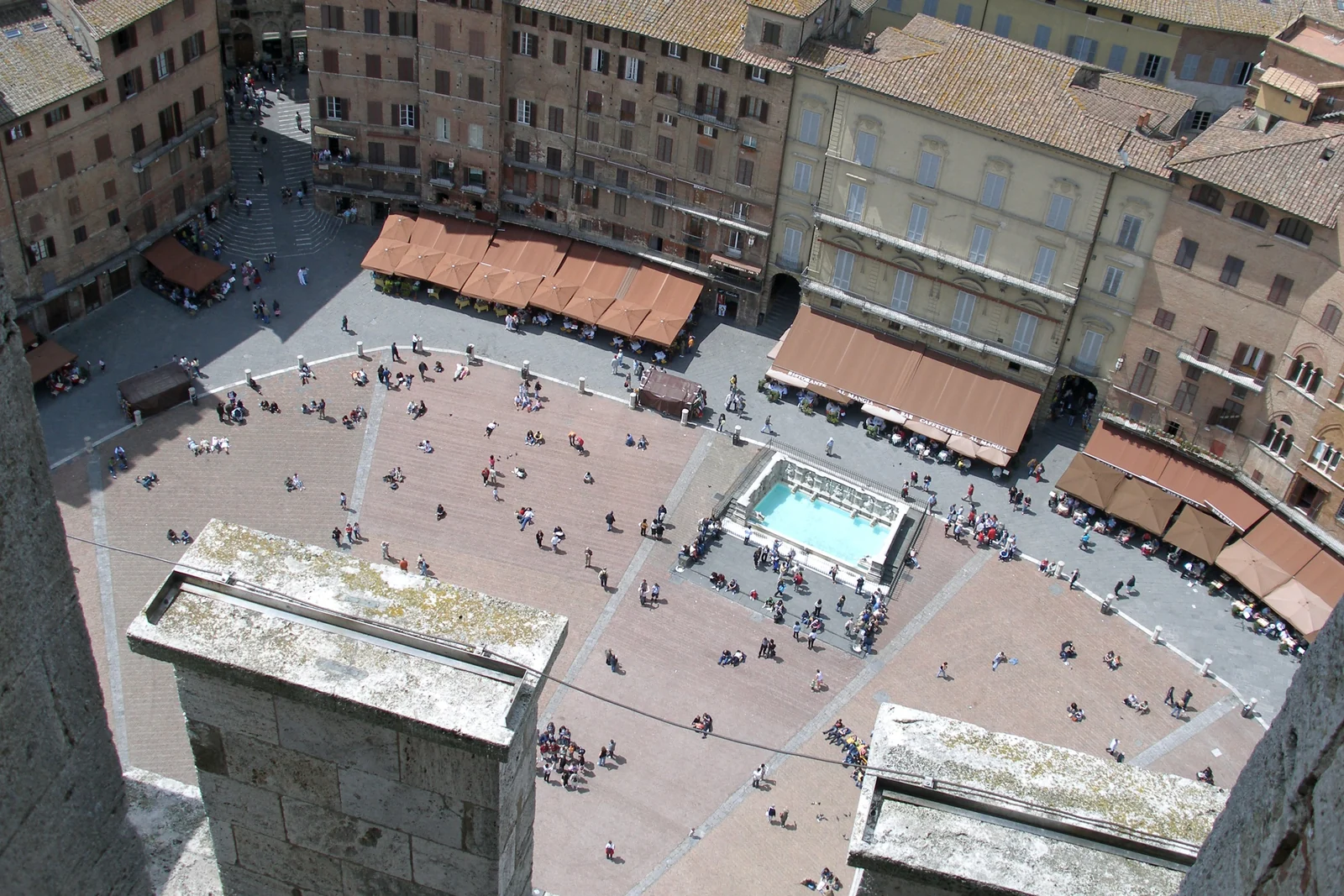
- Siena: a medieval city around the shell-shaped Piazza del Campo, reached by bus or by train with a change, usually in about 1.5 hours.
- Pisa: a direct regional train, roughly an hour, and enough time for the Leaning Tower and the square.
- Lucca and the Chianti hills: easy for a slower day, especially by rented car or on a small-group tour.
From Rome
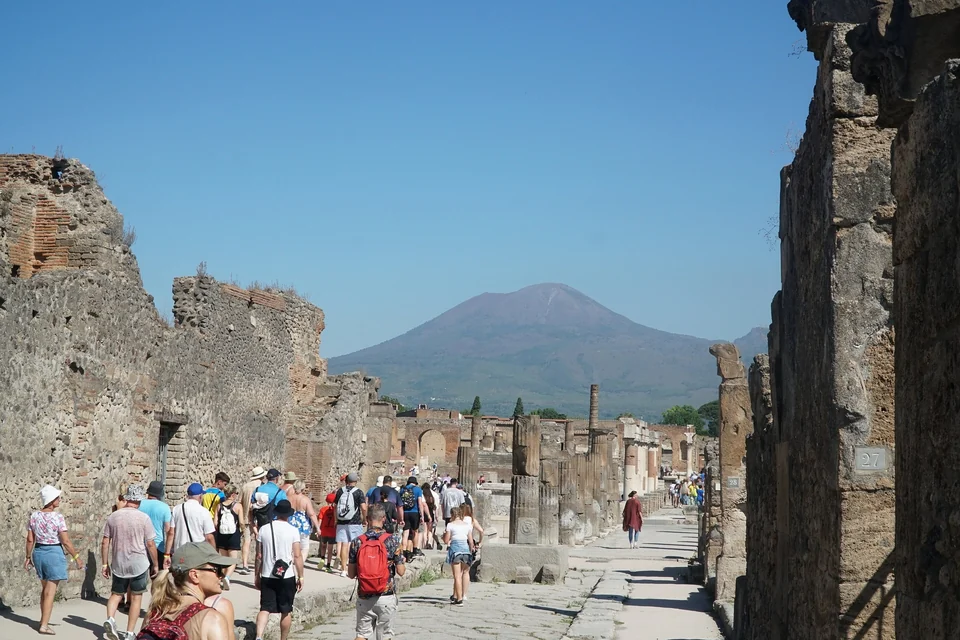
Rome's best day trips look different. Ostia Antica, the ruins of ancient Rome's port, is reached by a suburban train from Piramide in roughly half an hour, and the archaeological park sits opposite the station. Check the official park site for opening hours. A bigger day goes south to Naples and Pompeii, covered in our guide to Rome to Naples and Pompeii by train. The Amalfi side of Italy is a stretch from a Rome base, but the Amalfi Coast guide shows what you would be leaving for another trip.
The honest comparison: Florence gives you landscapes, hill towns and wine country within an hour or two. Rome gives you archaeology, a port city of ruins and a long ride to Naples. Pick the kind of day trip you would actually enjoy.
The Train Between Rome and Florence
This is why you do not have to choose forever. High-speed trains run between Roma Termini and Firenze Santa Maria Novella and generally take about an hour and a half, with Trenitalia and Italo both operating the route and frequent departures through the day. Most services arrive at Santa Maria Novella, which is central, but a few use Campo di Marte, so check the station on your ticket.
Book directly on the Trenitalia or Italo sites, and book ahead when you can, since cheaper fares tend to sell out first. Because the trip is short, you can even visit Florence on a long day from Rome, though I would not recommend it: you would spend more time on trains and in queues than looking at things.
Sample Plans: How Many Days in Each City
Florence only, 2 days
Day one: the cathedral square, the Duomo and dome if you have a timed ticket, then an afternoon in the Uffizi, ending at Piazzale Michelangelo for the view. Day two: the Accademia early, the Oltrarno across the river for lunch and workshops, and a slow evening by the Arno. Add a Siena or Pisa day if you have a third day.
Rome only, 4 days
Day one: the Colosseum and the Roman Forum. Day two: the Vatican Museums and St. Peter's. Day three: the Pantheon, Piazza Navona and the Trevi Fountain, then Trastevere for dinner. Day four: Ostia Antica or a slower neighborhood day, and leave room for whatever surprised you.
One week, both cities
Spend four nights in Rome and three in Florence, and move by train on the morning of day five. This gives each city enough time and leaves a Tuscan day trip. If you must trim, cut a Rome day, not a Florence day, because Florence tends to feel rushed when it is squeezed below two nights.
So Which City Should You Visit First?
- Choose Rome first if you have four days or more, love ancient history, or want a base for Naples and Pompeii.
- Choose Florence first if you have two or three days, care about Renaissance art, want to avoid public transport, or plan to explore Tuscany.
- Choose both if you have a week. Start in Rome, finish in Florence, and end the trip on a quieter note.
- Choose neither first if you want sea and coast. For that kind of trip, skim our Italy travel guides and pick another base.
The question beneath the question is your pace. A fast, full traveler tends to love Rome, and a slow, looking traveler tends to love Florence. If you are unsure which you are, begin with Rome, since a big first impression is easier to soften than to build.
Rome or Florence FAQ
Is Rome or Florence better for a first trip to Italy?
Rome is better for most first trips of four days or more because of its scale, ancient sights and variety. Florence is better for two or three days, for art-focused trips and for travelers who prefer a smaller, walkable city.
How many days do you need in Rome and in Florence?
Four to six days suit Rome, since the sights are spread over a large city. Two to three days are enough for Florence's main sights, with an extra day if you want a Tuscan excursion such as Siena or Pisa.
How long is the train from Rome to Florence?
High-speed trains between Roma Termini and Firenze Santa Maria Novella usually take about an hour and a half. Trenitalia and Italo both run the route, so check the current timetable and your arrival station when you book.
Is Florence more walkable than Rome?
Yes. Florence's historic center is small enough that most visitors walk everywhere, while Rome's sights are far apart and often need the metro or a bus. Wear comfortable shoes in both, because cobblestones are everywhere.
Which city is more crowded, Rome or Florence?
Both are crowded in peak season. Florence feels busier because its main sights sit in a small area, while Rome's crowds are spread across a bigger city. Book major attractions ahead and visit early or late in the day in either place.
Can you visit both Rome and Florence in one trip?
Easily. The fast train takes about an hour and a half, so a week works well with roughly four nights in Rome and three in Florence. Even a long weekend can split two nights each if you accept a quick pace.
Which is better for day trips, Rome or Florence?
Florence is better for Tuscan scenery and hill towns such as Siena and Pisa. Rome is better for ancient sites like Ostia Antica and for a big day to Naples and Pompeii. Choose by the kind of day you prefer.