Ireland is a small island with an outsized reputation, and most of it is earned. The Republic packs a lively capital, one of Europe's great coastal drives, sea cliffs that rise more than 200 meters and pubs where live music happens because someone felt like playing. This Ireland travel guide pulls those pieces into one workable trip: Dublin first, then west along the Wild Atlantic Way to Galway, Clare, Dingle and Kerry.
The honest planning advice is to do less. Distances look short on a map, but the roads in the west are narrow and slow, and the weather has opinions. Ten days is a comfortable length for Dublin plus a west-coast loop. If you are also thinking about the neighboring island, browse our Ireland guides and the wider European destinations section.
Dublin in Two Days: Trinity, Georgian Streets and the Liffey
Dublin is compact, walkable and easier to like than its tourist-trap corners suggest. Most of the headline sights sit within a 20-minute walk of each other on either side of the River Liffey, so you can spend your time looking instead of commuting.
Trinity College and the Book of Kells
Trinity College holds the Book of Kells, an illuminated manuscript of the four Gospels usually dated to around the year 800. Only part of it is on display at any time, with the pages changed periodically. Upstairs is the Long Room, built between 1712 and 1732, a barrel-vaulted hall lined with marble busts and about 200,000 of the library's oldest books. It is one of the most photographed interiors in the country, so book a timed slot online and go early. Check the Trinity Old Library page for current tickets.
Georgian Dublin and St Stephen's Green
South of Trinity, the Georgian squares and brick terraces are the city at its most elegant, with rows of doors painted in every color the council allows. St Stephen's Green is the obvious place to sit down, and Merrion Square, with its Oscar Wilde statue, is a quieter walk. The National Museum of Ireland's archaeology branch on Kildare Street is free and surprisingly good, especially for Bronze Age gold and the bog bodies.
Temple Bar and Where Locals Drink
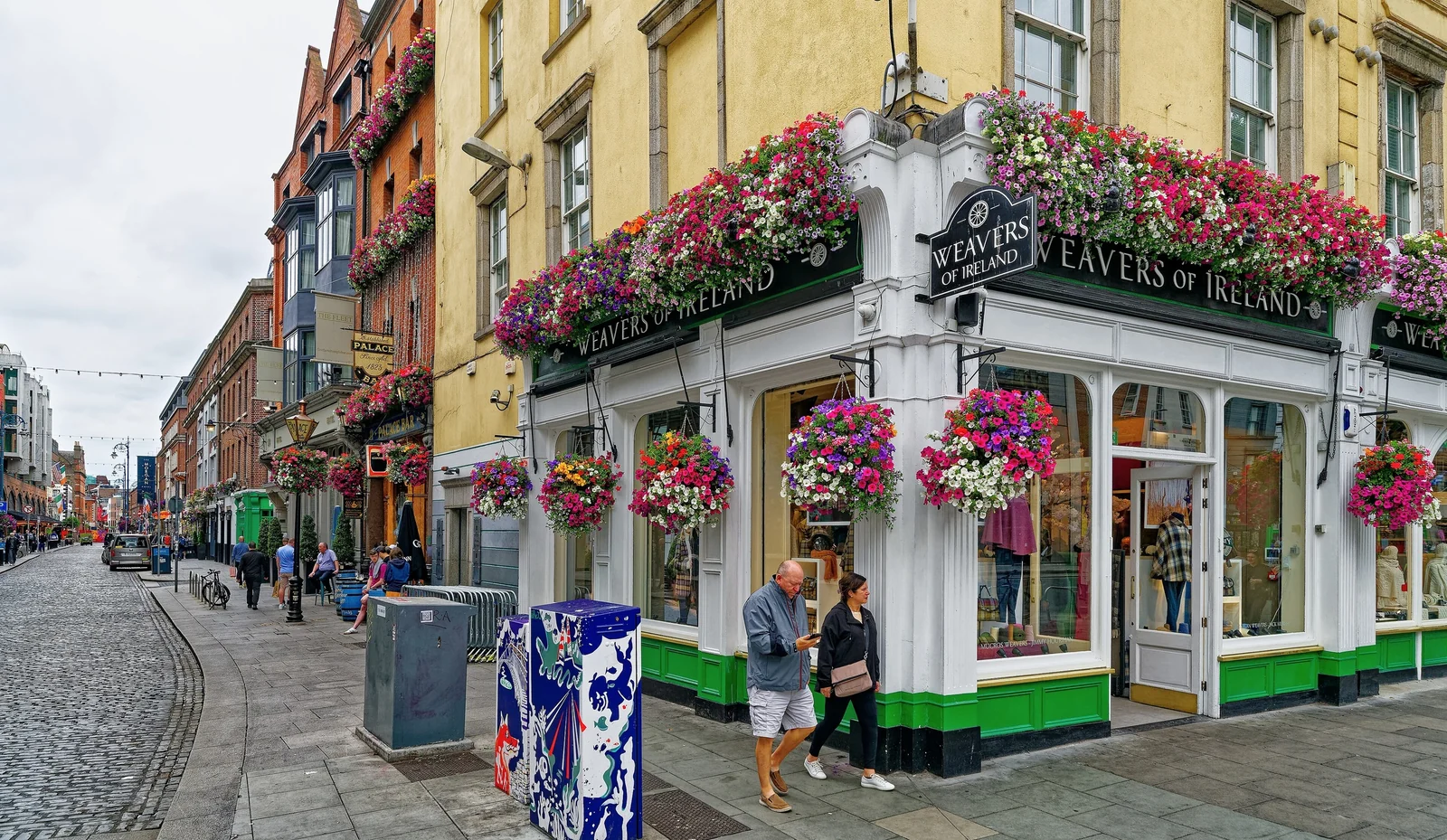
Temple Bar is the cobbled district on the south bank where tourists end up, and it deserves a look for the atmosphere and the music spilling into the street. It also charges the highest drink prices in the city. Walk ten minutes in almost any direction and the same pint costs less in a room full of locals.
Kilmainham Gaol and the Guinness Storehouse
Two big attractions are worth the tickets. Kilmainham Gaol, opened in 1796, is where leaders of the 1916 Rising were held and executed, and the guided tour is the best short lesson in modern Irish history you can get. The Guinness Storehouse at St James's Gate is the brewery's visitor experience, ending with a pint in a rooftop bar. Both sell out in busy months, so book ahead and check opening hours on their official sites.
The Wild Atlantic Way: What It Is and How to Drive It
The Wild Atlantic Way is a signposted coastal touring route of about 2,500 kilometers, running from Malin Head in County Donegal to Kinsale in County Cork. It is not a single road but a chain of existing roads, marked with a wave-shaped logo and dotted with viewpoints the tourist board calls Discovery Points. Counts of those points differ between sources, which tells you how often the list is updated.
Almost nobody drives all of it. Pick a section instead. The stretch from Galway to Kerry is the classic choice for first-timers because it links the Burren, the Cliffs of Moher, the Dingle Peninsula and the Ring of Kerry within a few hundred kilometers. For route ideas and updates, the official Tourism Ireland site is the place to start.
Galway and the Burren
Galway City
Galway is the west's liveliest small city, a place of street musicians, colorful shopfronts and seafood restaurants within a few blocks of the Corrib estuary. The Spanish Arch marks the old medieval quays, and the Latin Quarter around Quay Street and Shop Street is where you will spend most evenings. Salthill, a short walk or bus ride west, has a seafront promenade where the local tradition is to walk to the end and kick the wall.
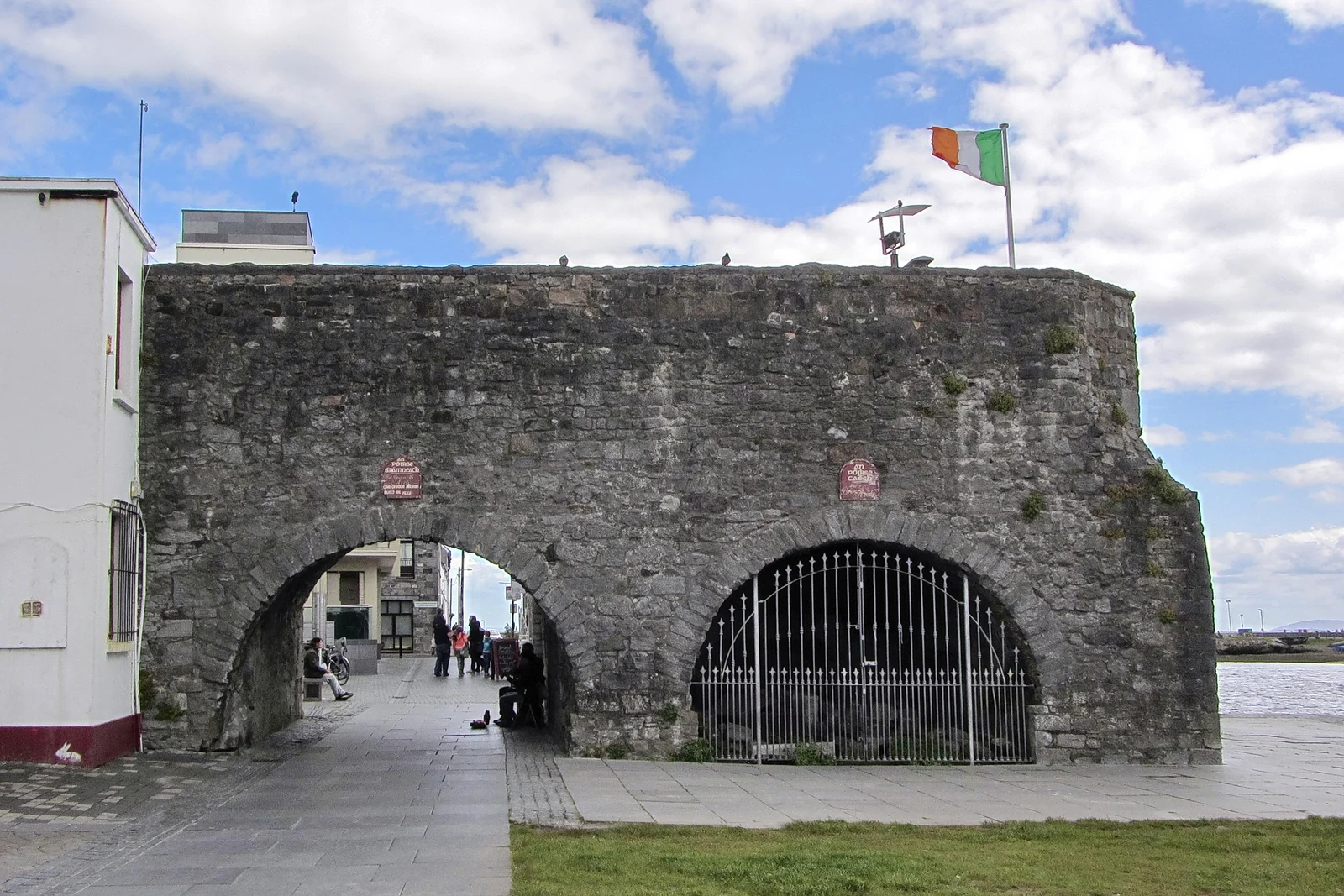
Galway makes a good base for a night or two. It is roughly two and a half hours from Dublin by road or bus, and the Cliffs of Moher are within a long day trip, though an overnight further south saves you backtracking.
The Burren
On the road to the cliffs, the landscape changes into the Burren in County Clare, a karst plateau of pale limestone pavement, tiny wildflowers and old tombs. It looks barren from the car and surprising on foot. Stop at least once, even for 30 minutes, and walk on the rock.
Cliffs of Moher: Views, Walks and Crowd Tactics
The Cliffs of Moher run for roughly 14 kilometers along the Clare coast and reach a maximum height of about 214 meters. O'Brien's Tower, built in 1835 by local landlord Cornelius O'Brien as a viewing point for visitors, sits near the highest stretch. The visitor center is built into the hillside so it barely shows from outside, and the official site, Cliffs of Moher Experience, lists current opening hours, parking and any booking requirements.
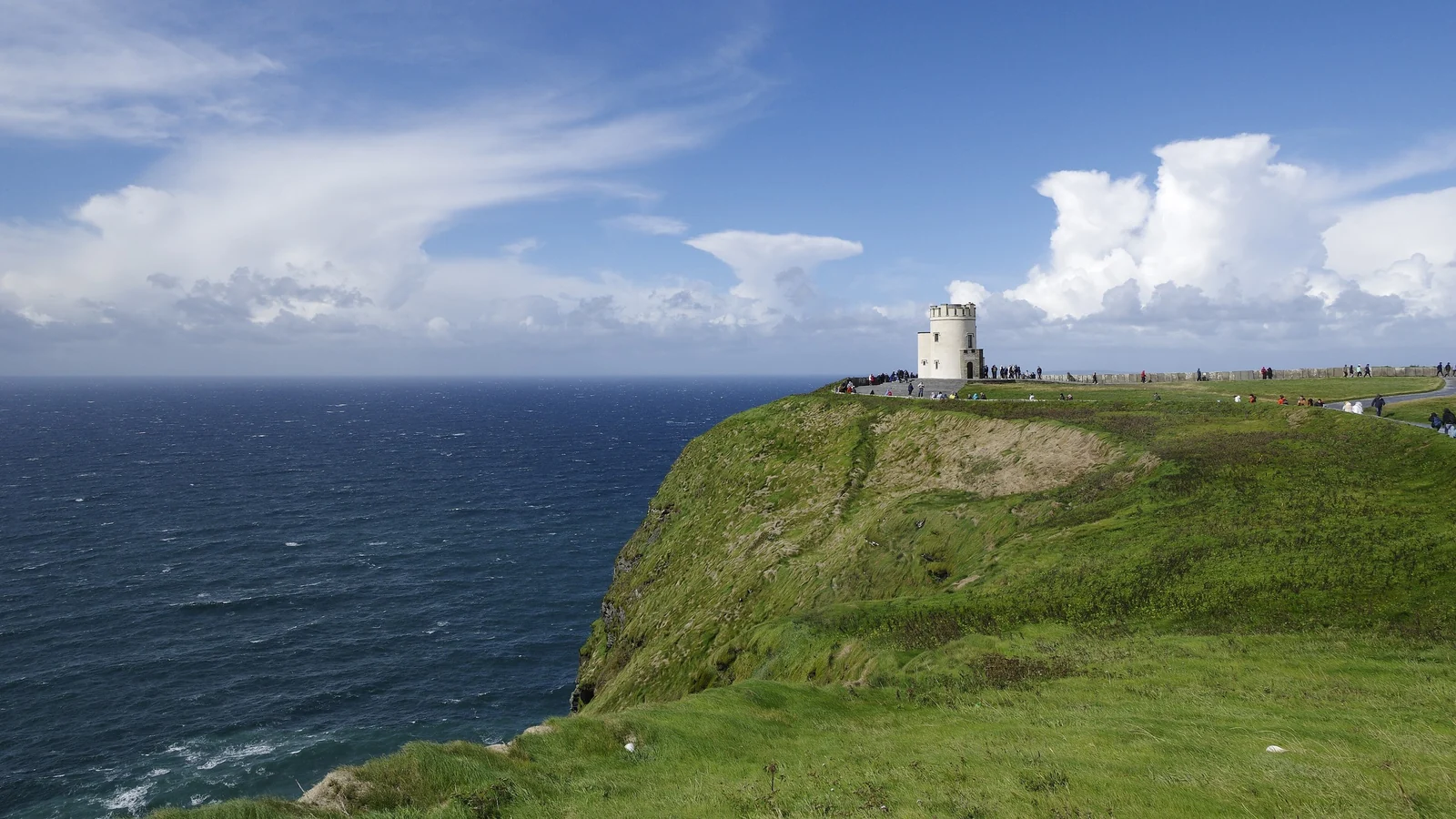
The main platforms get crowded from late morning, especially in summer, when tour buses arrive together. Go early or late, and if you have time, walk the coastal path toward Doolin or Hag's Head, staying well back from the edge. Fog can erase the view completely, so if the forecast is poor, wait an hour before deciding the trip was wasted.
Dingle Peninsula and Slea Head Drive
Dingle is the compact peninsula in County Kerry that many people end up preferring to the Ring of Kerry. Dingle town is small, colorful and packed with pubs, and the loop road around the western tip, the Slea Head Drive, is about 47 kilometers and is generally driven clockwise. It passes beaches, beehive huts, early Christian stone sites and views toward the Blasket Islands.
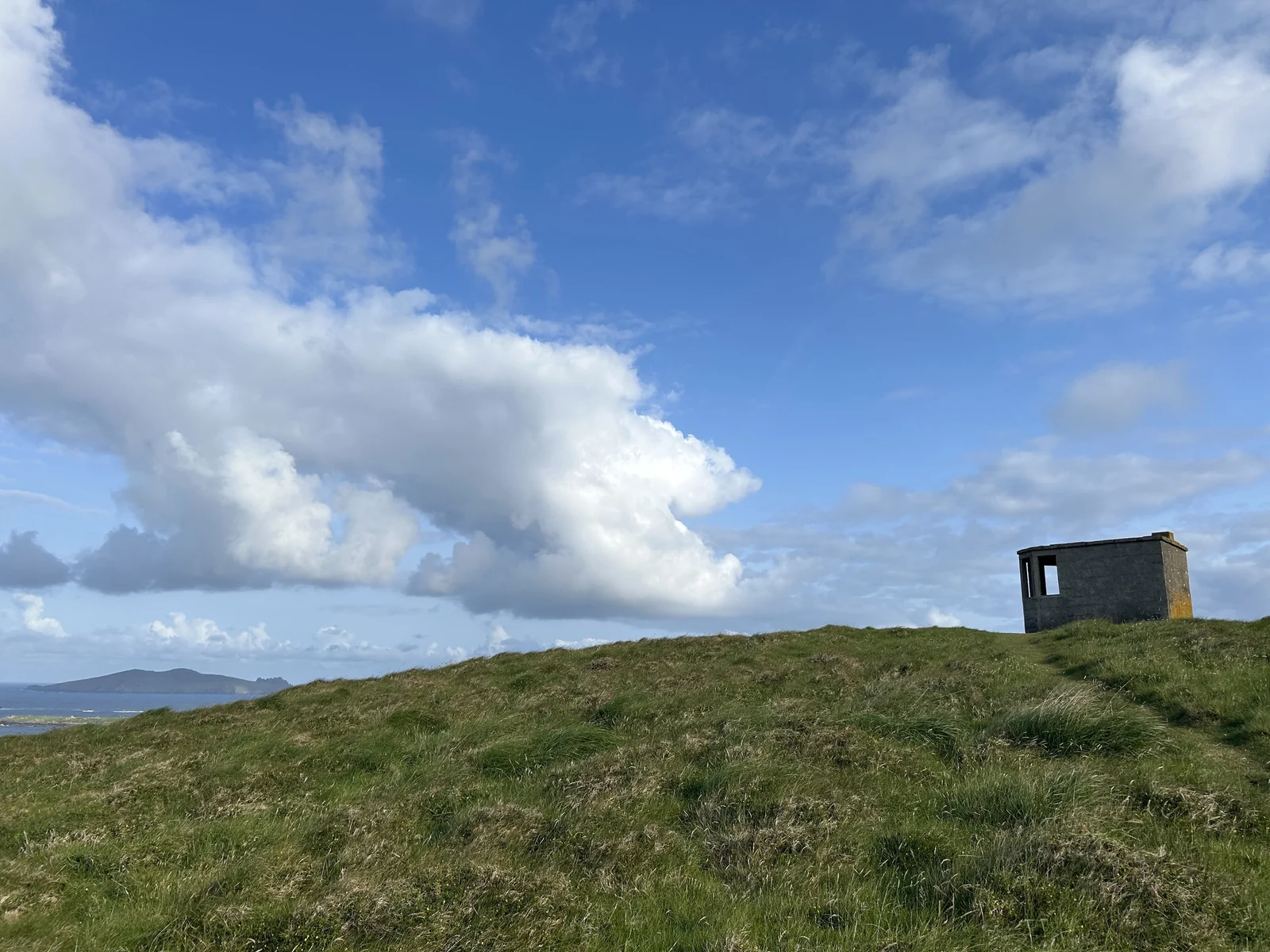
Allow a full day for the loop with stops. The road is narrow and tour coaches use it, so drive slowly, pull in at the wide bits and do not stop in the road for photos.
The Ring of Kerry: Worth It or Not?
The Ring of Kerry is a circular route of about 179 kilometers around the Iveragh Peninsula, usually starting and ending in Killarney. It is popular for good reasons: mountains, lakes, coast and small villages. It is also busy. Tour coaches run it anti-clockwise, so drive it the same way and you will not meet them head-on at the narrow bends.
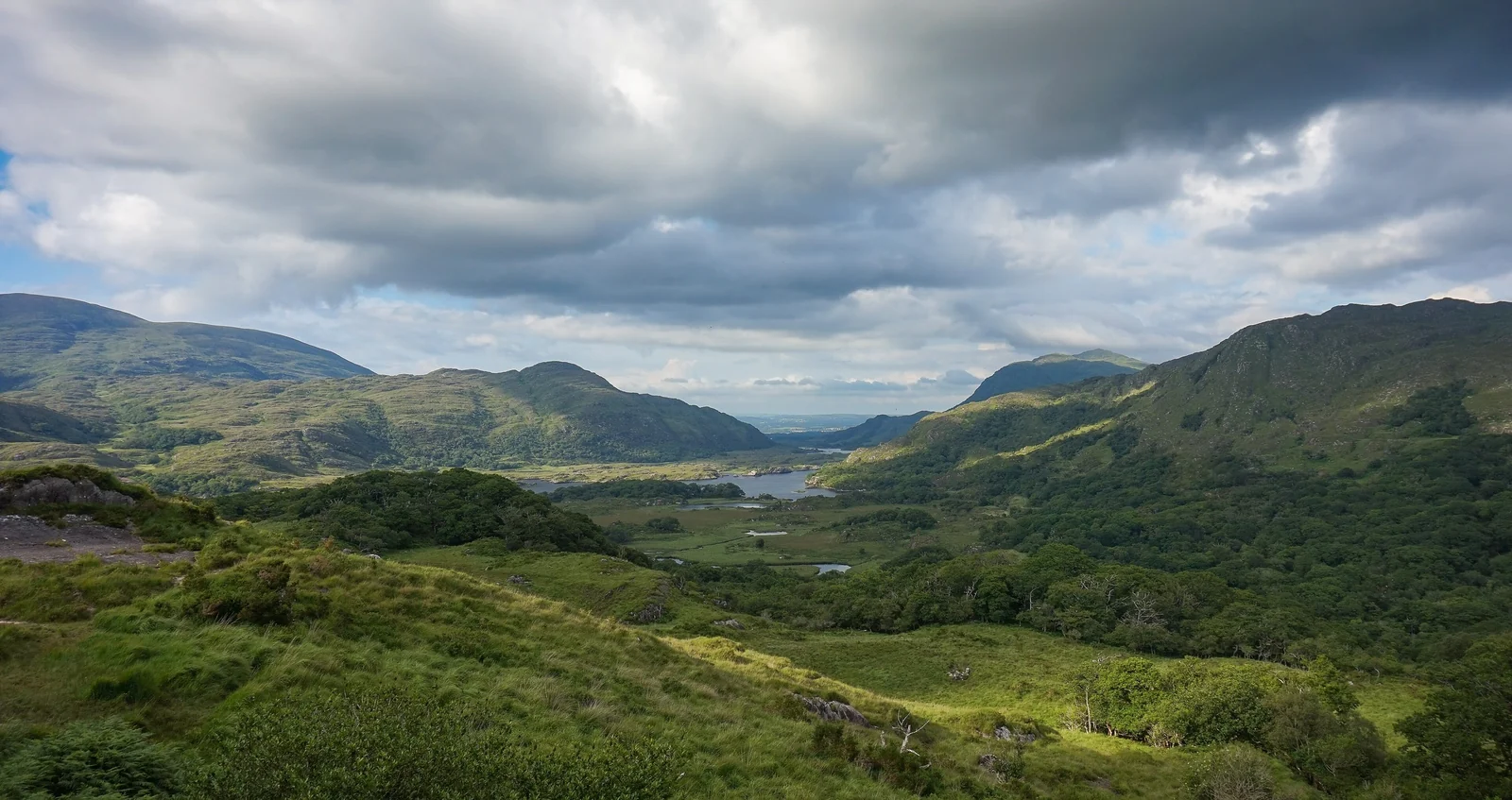
The most famous stop is Ladies View in Killarney National Park, where the road looks across the Killarney lakes. The name is traditionally linked to ladies-in-waiting of Queen Victoria, who admired the view on a royal visit in the 1800s. If you see only one stretch, make it the Killarney National Park section and the coastal road at the western end of the peninsula.
Driving on the Left: Practical Tips for Visitors
Ireland drives on the left, and most rental cars are manual unless you reserve an automatic ahead of time. Automatics cost more and sell out in peak months, so book early if you cannot drive a stick shift. Take the smallest car that fits your luggage, because rural roads can be extremely narrow with stone walls or hedges on both sides.
- Roundabouts: give way to traffic already on the roundabout, which comes from the right, and go clockwise.
- Single-track roads: use the pull-in spots and wave to oncoming drivers.
- Sheep and cattle: they have right of way, and they know it.
- Signs: road signs in the Republic are in kilometers, but many older signs and all signs in Northern Ireland use miles.
- Time: plan on 40 to 60 kilometers an hour averages on western roads, not motorway speeds.
If you would rather not drive, buses and trains link Dublin, Galway, Cork and Killarney, and organized day tours cover the Cliffs of Moher and the Ring of Kerry. Tours trade flexibility for ease and work well for short trips.
A Note on Northern Ireland and the Giant's Causeway
The Giant's Causeway is not in the Republic. It sits on the Antrim coast in Northern Ireland, which is part of the United Kingdom, so it is a separate leg of the trip rather than a stop on the Wild Atlantic Way. The site is made up of around 40,000 interlocking basalt columns and has been a UNESCO World Heritage Site since 1986. See the UNESCO listing for details.
Dublin to Belfast takes roughly two hours by train, and you can reach the causeway from Belfast by bus, tour or car. Border checks do not exist between the two jurisdictions, but the currency changes: Northern Ireland uses the pound sterling, the Republic the euro. Phone roaming and rental-car insurance can also differ, so check both before crossing. For the other side of the water, see our guides to Edinburgh and London.
Weather and the Best Time to Visit Ireland
Ireland has a mild, changeable maritime climate. Rain can fall in any month, and a good day often includes sun, showers and wind within a few hours. Pack layers and a waterproof jacket regardless of the season, and treat a clear forecast as a bonus.
| Season | What to expect | Best for |
|---|---|---|
| Spring (March to May) | Cool, fresh and often bright, with long evenings arriving by May | Quiet roads, lambs, wildflowers on the Burren |
| Summer (June to August) | The warmest and longest days, but the busiest sights and highest prices | Coastal drives, long daylight, festivals |
| Autumn (September to October) | Settled weather is common early on, with fewer crowds | Walking, good light, easier bookings |
| Winter (November to February) | Short, wet and windy days, and some rural attractions close | Dublin city breaks, cozy pubs, low prices |
May, June and September give the best balance of daylight, mild temperatures and manageable crowds. Many seasonal tours, ferries and small guesthouses on the west coast close or cut back outside summer, so check each one before planning around it.
Pubs and Traditional Music: How to Enjoy Both
The Irish pub is a social institution rather than just a bar, and a good one is worth building your evenings around. A session is an informal gathering of musicians who play traditional tunes together, usually around a table rather than on a stage. Sessions are not concerts, so be quiet while the music plays, buy a drink and keep your phone away from the players.
- Ordering: pay at the bar as you order, and in a group, take turns buying rounds.
- Finding music: ask the bartender where tonight's session is, because it is often in a smaller pub off the main street.
- Pints: a stout takes time to settle, so do not rush the pour.
- Food: most pubs serve a hot meal at lunch and early evening, and the kitchen often closes before the music starts.
Dublin, Galway and Dingle all have strong pub scenes, and small villages along the coast can surprise you with a Tuesday night session in a room that holds twenty people.
A Sample 8-Day Ireland Itinerary
- Days 1 to 2: Dublin. Trinity, the Georgian streets, a Kilmainham tour and an evening of music.
- Day 3: Cross the country to Galway. Walk the Latin Quarter and eat seafood.
- Day 4: The Burren and the Cliffs of Moher, then south toward Kerry.
- Days 5 to 6: Dingle town and the Slea Head Drive.
- Day 7: Killarney and the Ring of Kerry, including Ladies View.
- Day 8: Return to Dublin, or fly home from Shannon or Cork.
If you only have four or five days, skip Kerry and keep Dublin, Galway and the Cliffs of Moher. A trip that feels slightly under-planned usually goes better than one that is perfect on paper.
Ireland Travel FAQ
How many days do you need in Ireland?
A week covers Dublin plus one region, such as Galway and the Cliffs of Moher. Ten days is a comfortable length for Dublin and a west-coast loop through Dingle and Kerry. Less than five days is better spent in Dublin and a single day trip.
Is it hard to drive in Ireland?
It is manageable if you take it slowly. You drive on the left, rural roads are narrow, and roundabouts are common. Book an automatic if you need one, choose a small car and avoid long days of driving in poor weather.
What is the best time to visit the Cliffs of Moher?
Early morning or late afternoon, outside the midday tour-bus window, gives the most space and the best light. Fog can hide the view at any time of year, so allow flexibility in your schedule.
Is the Giant's Causeway in Ireland?
It is on the island of Ireland but in Northern Ireland, which is part of the United Kingdom. You can reach it as a day trip from Belfast or as a separate leg after Dublin. Northern Ireland uses the pound sterling, not the euro.
Should I do the Ring of Kerry or the Dingle Peninsula?
The Ring of Kerry is longer and more famous, with lakes and mountains. Dingle is smaller, easier to cover in a day and has a livelier town. If time allows, do both, but if you must choose, many travelers prefer Dingle.
Do I need to tip in Irish pubs?
Tipping is not expected for drinks at the bar. In restaurants, leaving around ten percent for good table service is common. Check whether a service charge has already been added to the bill, especially for larger groups.