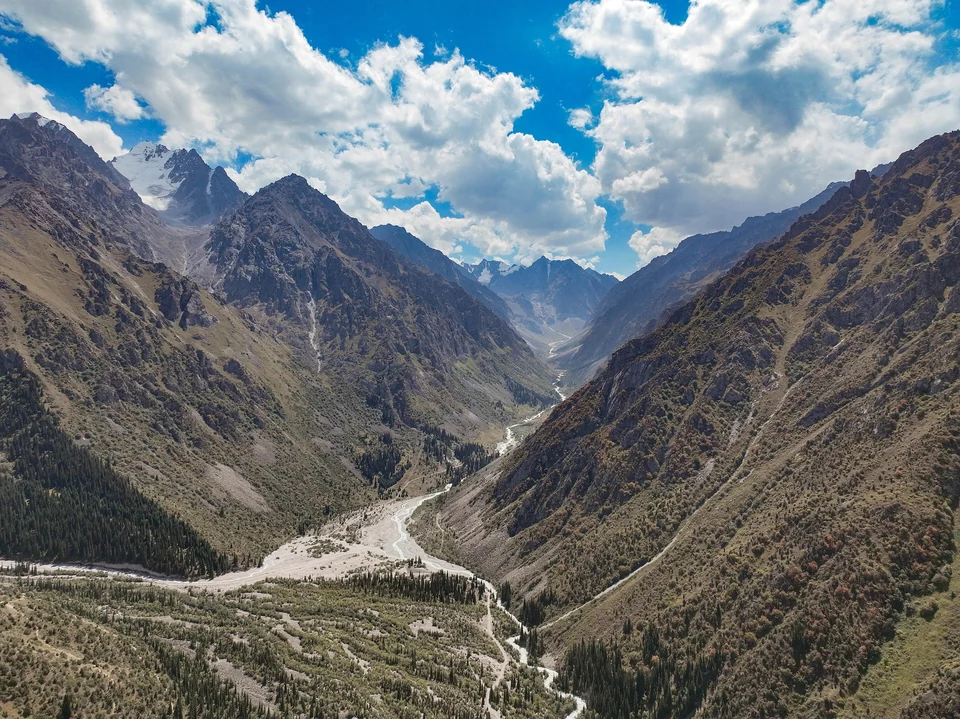
The Philippines has more than 7,000 islands, so the first job is choosing a few. For most first-timers the best pairing is Palawan and the Visayas: El Nido and Coron for limestone cliffs, lagoons and wreck diving, then Cebu and Bohol for sardine shoals, canyon falls and the Chocolate Hills, with Siargao as an optional surf finale.
This Philippines travel guide covers what each stop is actually like, how to move between islands without losing days, when the weather helps or hurts, and a 10 to 14 day route that keeps the flights manageable. If you are still weighing destinations, our Philippines travel guides collect more ideas.
El Nido and the Bacuit Archipelago
El Nido sits on Bacuit Bay in northern Palawan, gateway to an archipelago of roughly 45 islands and islets. Sheer limestone walls drop straight into green water, and the town itself is small, a strip of cafés, dive shops and tour desks along the beach. Nobody comes for the town. You come for the boats.
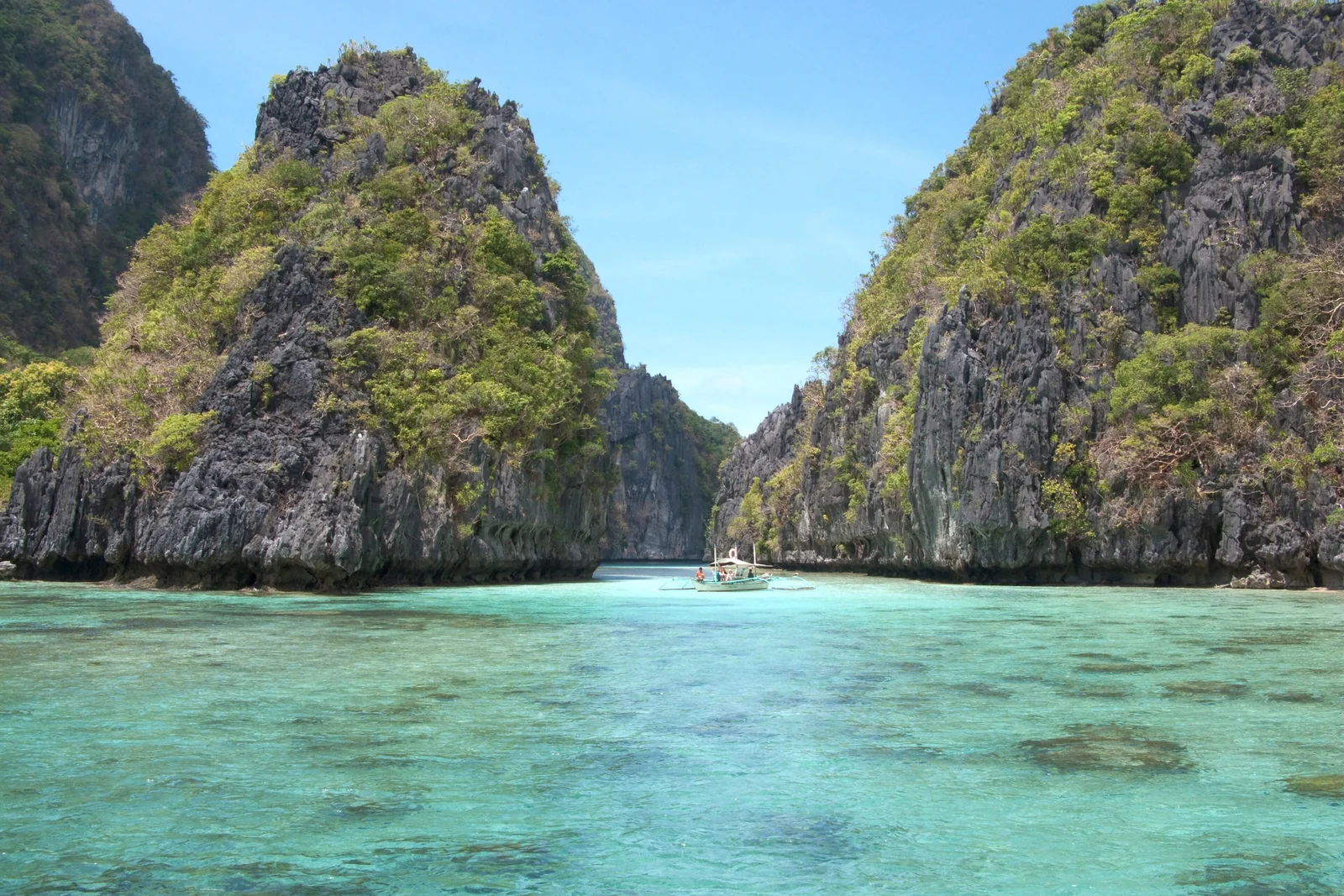
Island-hopping tours A, B, C and D
Operators in El Nido sell standardized day trips labeled Tour A, B, C and D. Each one strings together a handful of lagoons, beaches, caves and snorkeling spots, and the exact stops and lunch arrangements differ a little between boat operators. Your guesthouse or the tour desk will hand you a route card, so compare the cards rather than trusting a letter alone.
Tour A is the one most visitors start with, because it is built around the best-known lagoons and suits a first day on the water. The other three swap in different beaches, caves and snorkeling stops, and some mix in more remote islands for a longer day. If you have three or four days, book different letters and ask your host which one fits the day's weather and sea conditions.
Go early. By late morning the famous lagoons fill with boats, and the water is far nicer when only your group is paddling. Entrance and protected-area fees are normally collected separately from the tour price, so ask what is included before you pay.
Coron: Wrecks, Lakes and Lagoons
Coron is the main town on Busuanga Island, reached by a short flight or a long ferry from other parts of Palawan. It feels different from El Nido: rougher around the edges, more of a working town, with limestone islands scattered offshore and a very good dive scene.
Wreck diving
American aircraft attacked a Japanese supply fleet near Coron on September 24, 1944, and the sunken ships now lie at depths of roughly 10 to 40 meters off Coron Island. That range makes Coron one of the most accessible wreck-diving areas in Asia. Beginners can try the shallower wrecks with a licensed operator, while the deeper ones suit advanced certification. Dive with care, stay off the structures and take nothing.
Kayangan Lake and Twin Lagoon
Kayangan Lake sits on Coron Island, reached by a short stair climb from the landing and a descent to a clear lake ringed by cliffs. It is often called one of the cleanest lakes in Asia, which is a local boast rather than a measurement, but the water is lovely and worth keeping free of sunscreen. Twin Lagoon is a pair of lagoons separated by a rock wall, and boat crews explain how to cross between them depending on the tide.
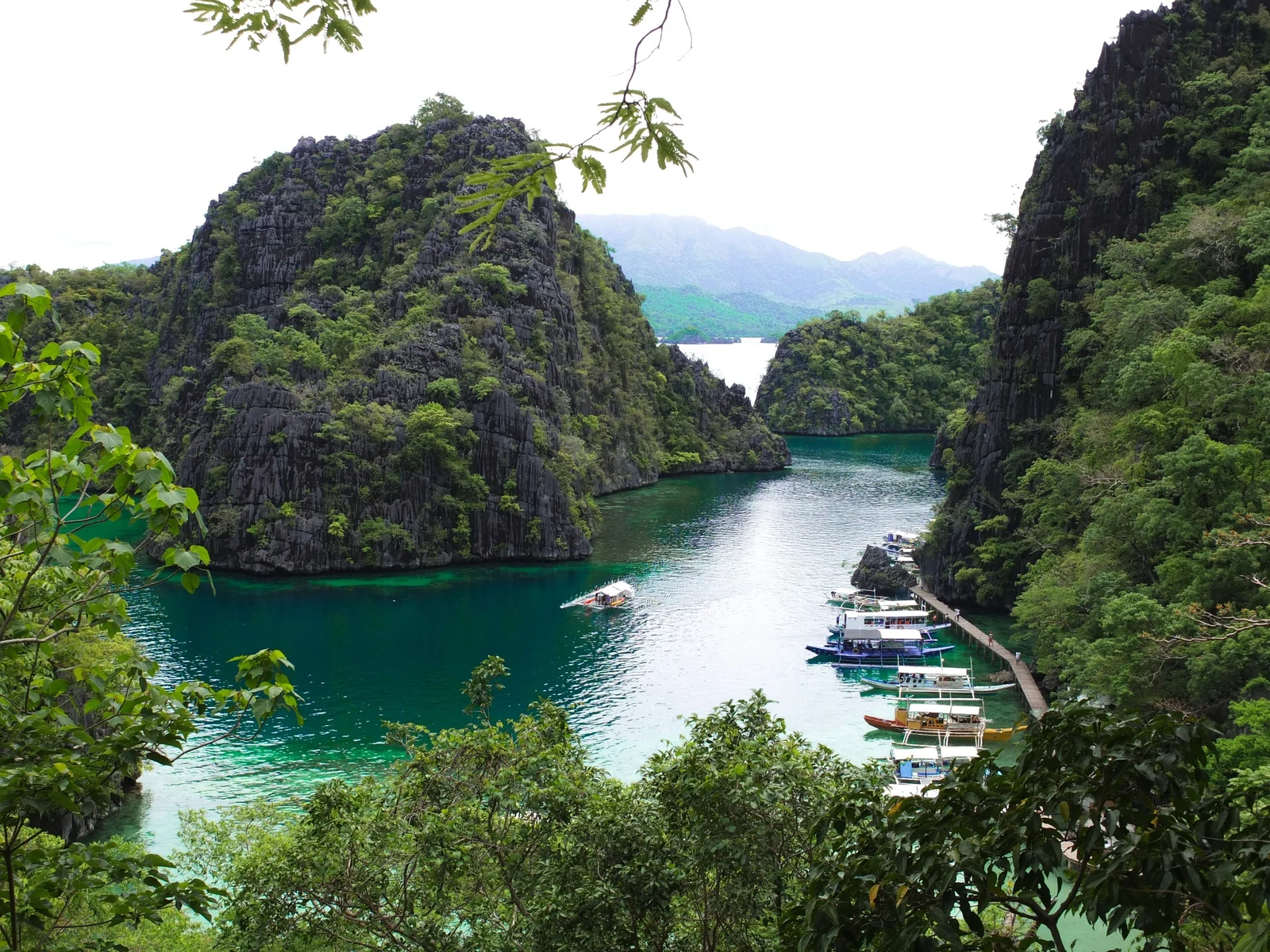
Coron Island has been recognized as the Tagbanua people's ancestral domain since 1998, and many of the best sites are managed by them. Follow guide instructions, pay site fees at the landing, and do not touch or move anything.
Puerto Princesa Underground River
The Puerto Princesa Subterranean River National Park, on Palawan's west coast about 80 kilometers north of the city, has been a UNESCO World Heritage Site since 1999. An underground stretch of river, about 8.2 kilometers long, runs through a large cave system into the sea. Visitors glide in by boat for a guided look at stalactites, bats and cathedral-sized chambers. The usual base is Sabang, where outrigger boats leave for the park.
Permits and booking
Entry works by permit with a daily quota, and the city government enforces a no-permit, no-entry rule. Permits are arranged through the city's official channels or through a tour operator that includes them, and slots fill up in busy months. Check the official Puerto Princesa Underground River site for the current booking method, fees and conditions, and sort it out before you arrive if you have a fixed schedule.
Puerto Princesa is also the usual arrival point for Palawan. Many travelers fly in, tour the river as a long day trip, then head north to El Nido by road, which takes most of a day.
Cebu: Moalboal, Kawasan and Oslob
Cebu is the Visayas hub. The city has the main airport, but the island's best experiences lie along the southwest coast, where you can base in one place for several days.
Moalboal and the sardine run
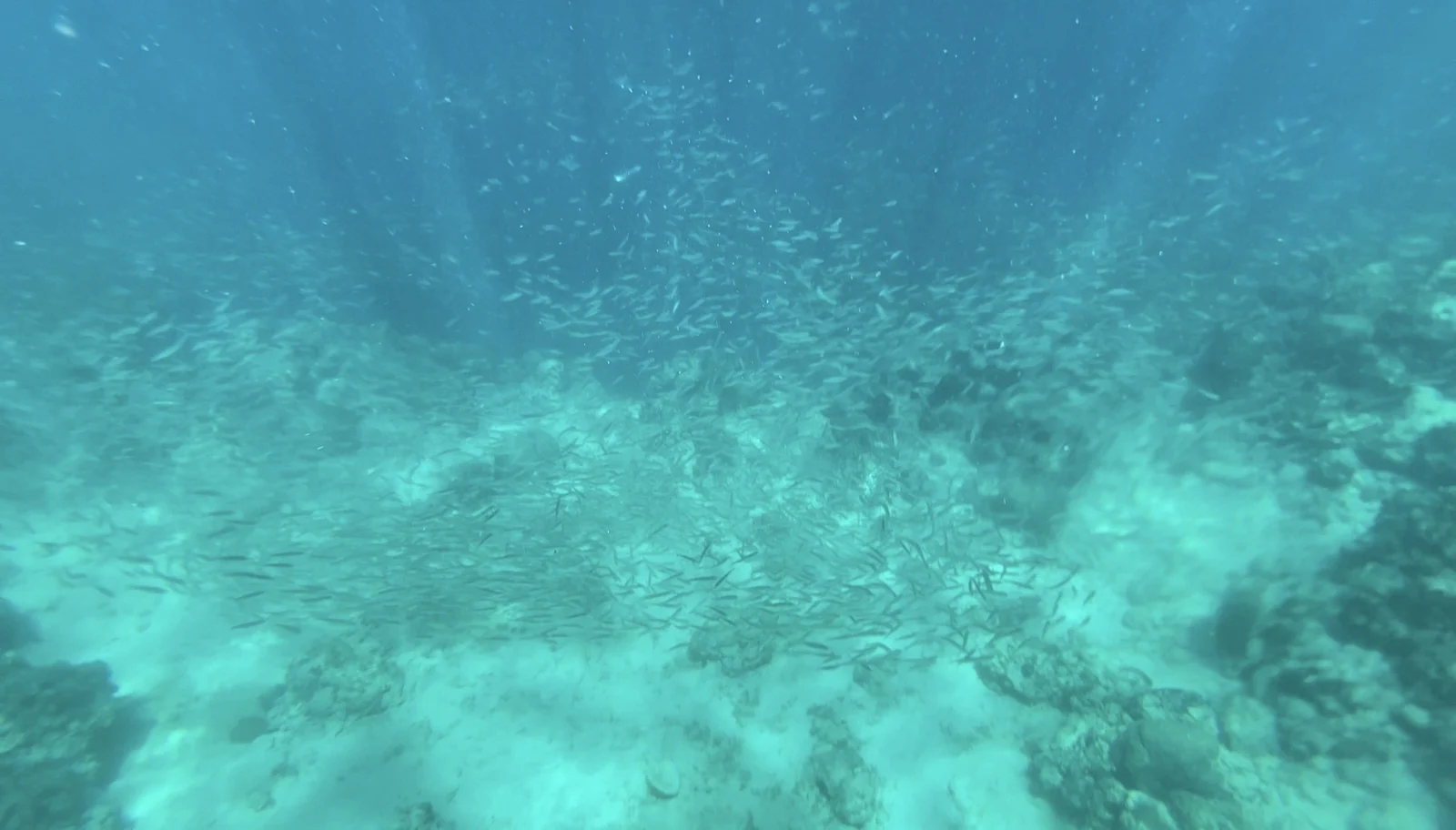
Moalboal is about 105 kilometers south of Cebu City. Just offshore from Panagsama Beach, a huge school of sardines hangs close to the reef, and you can often see it with just a mask and snorkel. Sea turtles also live in the area. Keep your distance from the shoal, do not swim through it, and never touch the turtles.
Kawasan Falls and canyoneering
Kawasan Falls in Badian is around 20 kilometers from Moalboal, and the town is a common base for canyoneering trips that lead to it. Expect jumps, slides and swims down a river canyon with a guide, helmet and life jacket. It suits confident swimmers. Heavy rain makes canyons dangerous, so accept it when a guide cancels.
The Oslob question
Oslob, about 116 kilometers from Cebu City, is known for whale shark watching close to shore. Conservation groups have long criticized the feeding used to keep the animals there, arguing that it alters their natural behavior. If wildlife is your priority, skip it. Moalboal's sardines and local dive operators that never feed animals give you encounters that are real, even if they come with no guarantee.
Bohol: Chocolate Hills and Tarsiers
Bohol is a short ferry hop from Cebu, and a good rest after canyons and boats. Its signature sight is the Chocolate Hills, a field of cone-shaped grassy mounds in the towns of Carmen, Batuan and Sagbayan. Most sources put the hills at about 30 to 50 meters high, with the tallest near 120 meters. The grass turns brown in the dry season, which gives them their name.
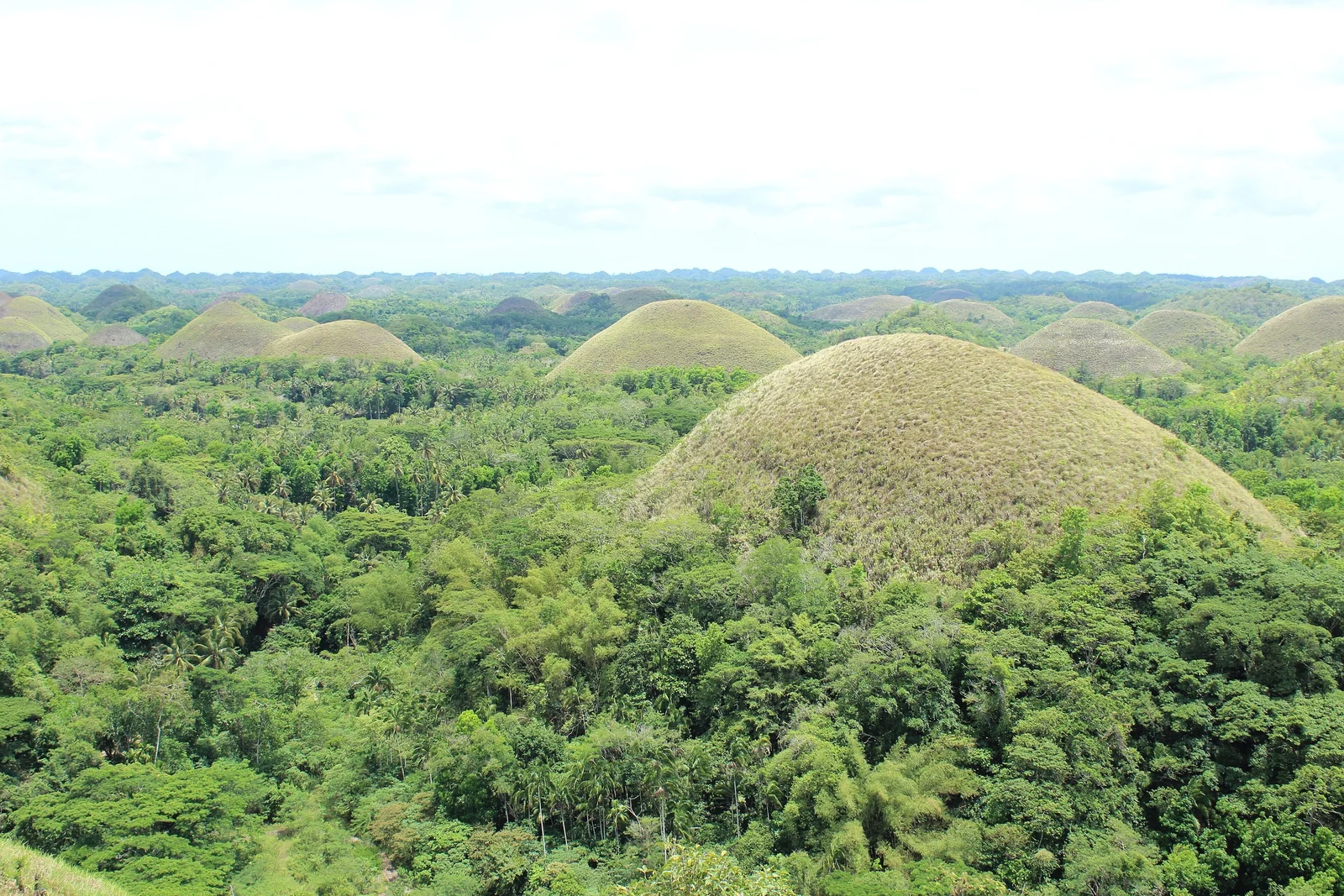
Counts differ by source, from about 1,260 to 1,776, so treat any exact figure with caution. The viewing deck in Carmen is the easy stop, and from there it is a short drive to the tarsier sanctuary.
Seeing tarsiers ethically
The Philippine tarsier is one of the smallest primates, about the size of a fist, and it is shy and nocturnal. Flashes, touching and noise stress it badly. The Philippine Tarsier Foundation runs a sanctuary in Corella with a visitor center and a forest habitat. Choose a sanctuary like that over a roadside display where animals are handled or kept in small cages, and follow the staff's rules: no flash, no touching, quiet voices.
Siargao: Surf Island at the Edge of the Route
Siargao is a teardrop-shaped island off Mindanao's northeastern coast, about 437 square kilometers. General Luna is the main base, with surf schools and cafés, and Cloud 9 is a right-breaking reef wave reached by a pier from the shore. It is famous for hollow barrels and for crowds.
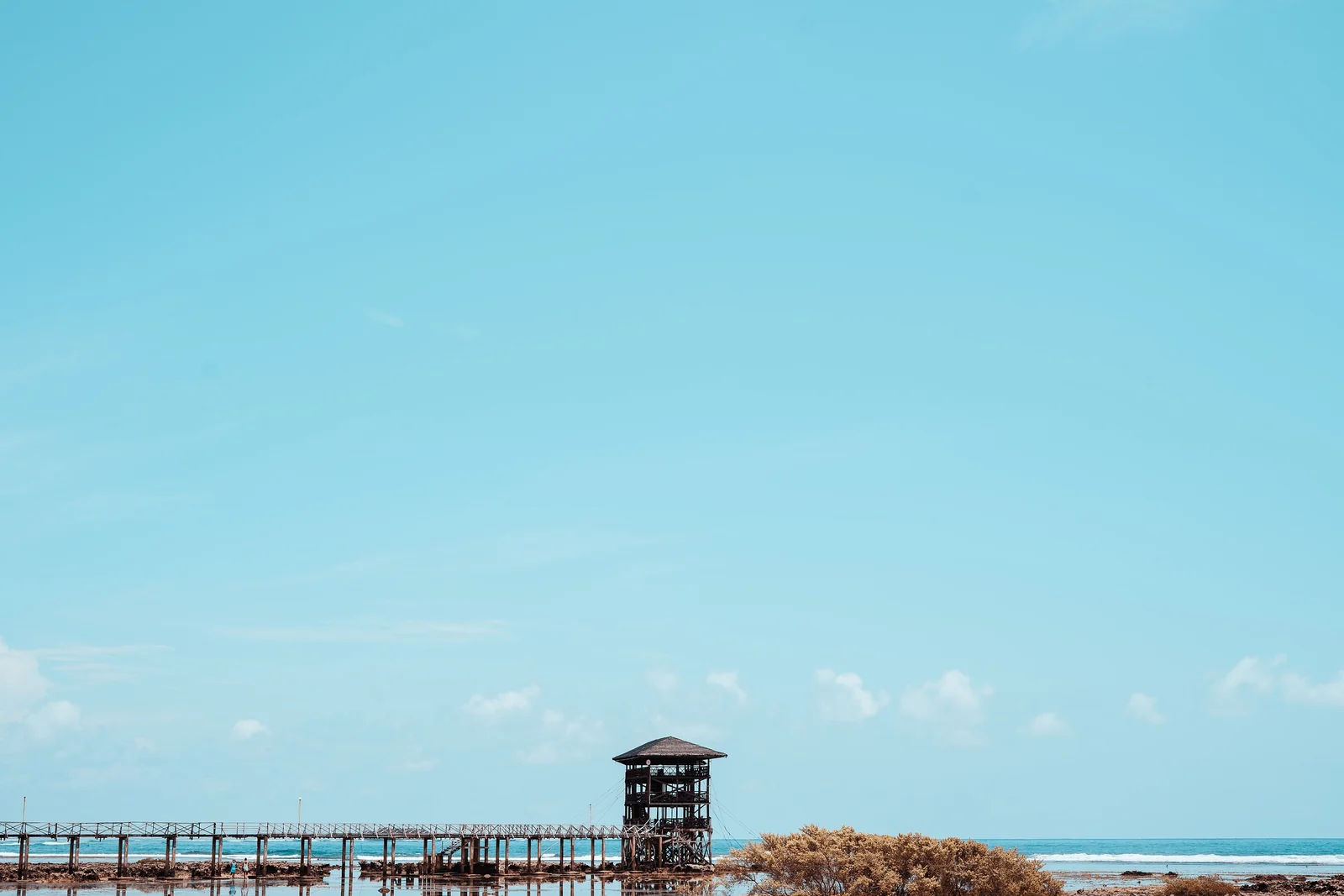
Surf season runs with the southwest monsoon, roughly August to December, when winds blow offshore. That overlaps with the months when storms can disrupt travel, so build slack into your schedule. Beginners should take lessons on gentler breaks and leave Cloud 9 to experienced surfers. Siargao is reached by direct flights to Sayak Airport or by ferry from Surigao City, so it adds a leg to the route rather than fitting neatly on the way.
Best Time to Visit and the Typhoon Belt
The Philippines sits in the Pacific typhoon belt. In general, the dry season runs roughly from November to May and the wet season from June to October, with dangerous storms most likely from July through October. The dry months split into a cooler stretch from about November to February and a hotter one from March to May.
| Period | What to expect | Good for |
|---|---|---|
| November to February | Cooler and drier, the most settled stretch | Island hopping, diving, the full Palawan and Visayas route |
| March to May | Hot and dry, strong sun | Beaches, snorkeling, wreck diving |
| June to October | Rain, rougher seas and typhoon risk | Cheaper stays, flexible plans; surf on Siargao from August |
Treat those months as a guide, not a guarantee. Weather varies by island, and storms can disrupt boats and flights even in the shoulder months. Check the national weather agency, PAGASA, for forecasts and tropical cyclone bulletins before ferry days.
Island Logistics: Flights, Ferries and Weather Delays
Moving between islands is the real skill of a Philippines trip. Domestic flights are the fastest way between Manila, Cebu, Puerto Princesa, Busuanga (for Coron) and El Nido. Ferries link Cebu with Bohol and many smaller islands, and vans or buses cover the long roads inside Palawan. El Nido has its own airport, but many travelers still arrive overland from Puerto Princesa, about 269 kilometers away.
- Build buffer days. Keep a spare day before an international flight home. Weather can cancel boats and delay planes.
- Book the early flight. Morning departures are less likely to be caught in afternoon storms and leave time to rebook.
- Pack light. Small planes and boats impose baggage limits, so check each carrier's rules.
- Keep confirmations handy. Ports and tour desks often ask for them.
- Insure the trip. Cover that includes weather cancellations and diving is worth it.
Cash, Connectivity and Responsible Tourism
Carry plenty of Philippine pesos in small bills. Cards work in cities and bigger hotels, but small islands, tour boats, market stalls and many fee windows are cash only, and ATMs can be scarce or empty in remote towns, so withdraw before leaving Cebu, Puerto Princesa or Coron. Mobile coverage is good in towns and weak on the water. A local SIM or eSIM usually beats hotel Wi-Fi.
Responsible habits matter more here than in most places, because the same reefs and lagoons absorb hundreds of visitors a day.
- Use reef-safe sunscreen, or cover up with a rash guard.
- Do not stand on coral, feed fish or touch turtles.
- Take all trash back to the boat, and carry a refillable bottle.
- Pay the local environmental and entrance fees; they support site management.
- Hire local guides and boat crews, and tip them fairly.
- Skip any wildlife attraction that feeds animals or lets you hold them.
A 10 to 14 Day Route and Where to Base
The route below follows the logic of flights: arrive in Puerto Princesa, work north, then cross to the Visayas. Reverse it if your flights suit that better.
| Days | Base | Highlights |
|---|---|---|
| 1 to 2 | Puerto Princesa and Sabang | Underground River, arrival buffer |
| 3 to 6 | El Nido | Island-hopping tours, a rest day, sunsets |
| 7 to 8 | Coron | Wreck dive or snorkel, Kayangan Lake, Twin Lagoon |
| 9 to 10 | Moalboal | Sardine run, Kawasan canyoneering |
| 11 to 12 | Bohol | Chocolate Hills, tarsier sanctuary |
| 13 to 14 (optional) | Siargao | Surf lessons, island rides |
With only ten days, skip Siargao and shorten Coron. With more time, add a night in Cebu City on arrival and departure. Base in El Nido town for the widest choice of tours and food. In Coron, stay in town for diving or on a quieter island if you prefer a beach. In Cebu, Moalboal's Panagsama Beach is the easiest base for both sardines and canyons, and on Bohol the Panglao side has the beach resorts. In Siargao, General Luna has the most choice.
Building a longer Southeast Asia trip? Our guides to Vietnam and Bali pair well, Okinawa is another island-hopping option, and all of them sit under Asia destinations.
Philippines Travel FAQ
How many days do you need for Palawan and the Visayas?
Ten days is the minimum for El Nido, Coron, Cebu and Bohol without feeling rushed. Twelve to fourteen days adds time for the Underground River and Siargao, and gives you slack when ferries or flights are delayed by weather.
What is the best time to visit Palawan and the Visayas?
The dry season, roughly November to May, is the safest bet for calm seas and clear water. Typhoon risk is highest from July through October. Check PAGASA forecasts close to travel, as storms can arrive outside the usual window.
What is the difference between El Nido Tours A, B, C and D?
They are standard island-hopping day trips that each combine different lagoons, beaches and snorkeling stops. Exact stops vary by operator, so compare route cards. Many visitors do Tour A first for the lagoons, then add another letter.
Do you need a permit for the Puerto Princesa Underground River?
Yes. Entry requires a permit and a daily quota applies, with a no-permit, no-entry policy. Check the official city site for the current booking method and fees, and reserve ahead in busy months.
Is Oslob whale shark watching ethical?
Most conservation groups say no. The animals are fed to keep them near shore, which can change natural behavior. Moalboal's sardine run, responsible dive operators and boat trips that do not feed wildlife are better choices.
How do you see Bohol's tarsiers responsibly?
Visit a sanctuary such as the Philippine Tarsier Foundation site in Corella, where the animals live in forest habitat. Avoid places that handle them or keep them in small cages. Never use flash or touch, and keep your voice low.
Should you carry cash in the Philippines?
Yes, in pesos and small bills. Cards work in cities and larger hotels, but tour boats, markets, entrance fees and small islands often take cash only, and ATMs can run empty. Withdraw before heading to remote areas.