Komodo National Park is the only place on Earth where you can walk past wild Komodo dragons, and almost everyone reaches it from Labuan Bajo, a harbor town on the western tip of Flores. From there, boats cover the park's main stops in anything from one long day to a week at sea: the dragon trails on Komodo and Rinca, the hike up Padar for the famous three-bay view, the pink-tinted sand of Pink Beach and the manta rays at Manta Point.
This guide explains how the park works, which islands are worth your time, whether to book a day trip or a liveaboard, when to go and how to stay safe around animals that can reach about three meters in length. It sits alongside our other Indonesia travel guides.
What Komodo National Park Is and Why It Matters
The park covers roughly 1,700 square kilometers, about a third of it land and the rest sea. It has three large islands (Komodo, Rinca and Padar) and dozens of smaller ones, all dry, hilly and ringed by strong tidal currents. UNESCO inscribed it as a World Heritage Site in 1991, both for the dragons and for the unusually rich marine life around them.
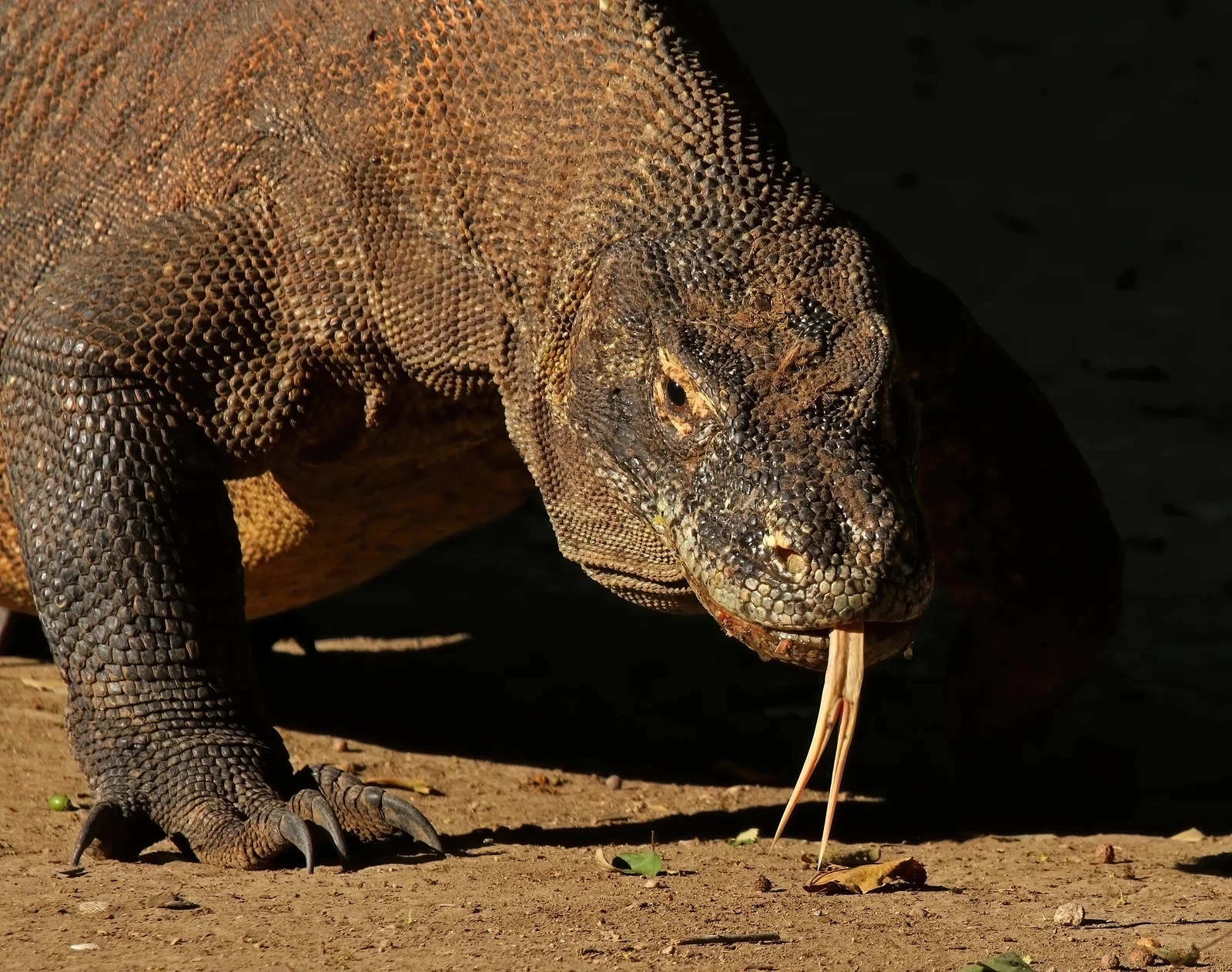
The Komodo dragon is the world's largest living lizard. Adult males can reach about three meters and well over 100 kilograms. The species is listed as endangered, and the wild population lives only on Komodo, Rinca, a few small islands and parts of Flores. Rough estimates put around 1,700 dragons on Komodo and about 1,300 on Rinca, which is why those two islands are the ones tours visit.
Labuan Bajo: The Gateway Town
Labuan Bajo sits at the western end of Flores and has changed fast from a fishing port into the park's tourism base. Komodo International Airport is a short drive from the center, with connections from other Indonesian cities, so most visitors fly in rather than take the long overland route across Flores.
The town is not the attraction. Treat it as a place to sort out boats, dive centers and supplies, and to eat grilled fish by the harbor in the evening. Most of what you came for is on the water, so allow at least a night on either side of your trip to absorb flight delays and bad weather. Sunsets over the islands from a waterfront terrace are the one thing the town does exceptionally well.
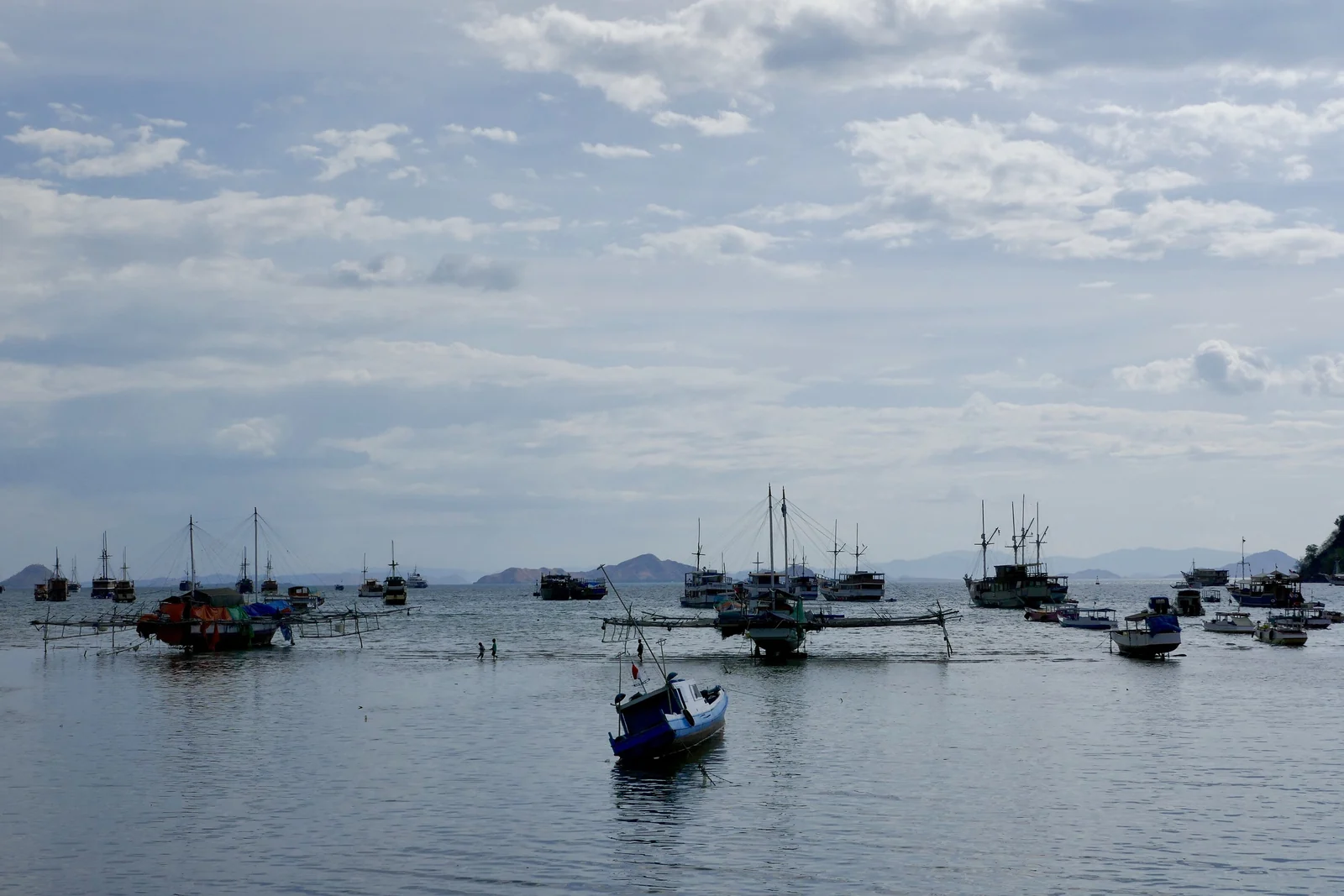
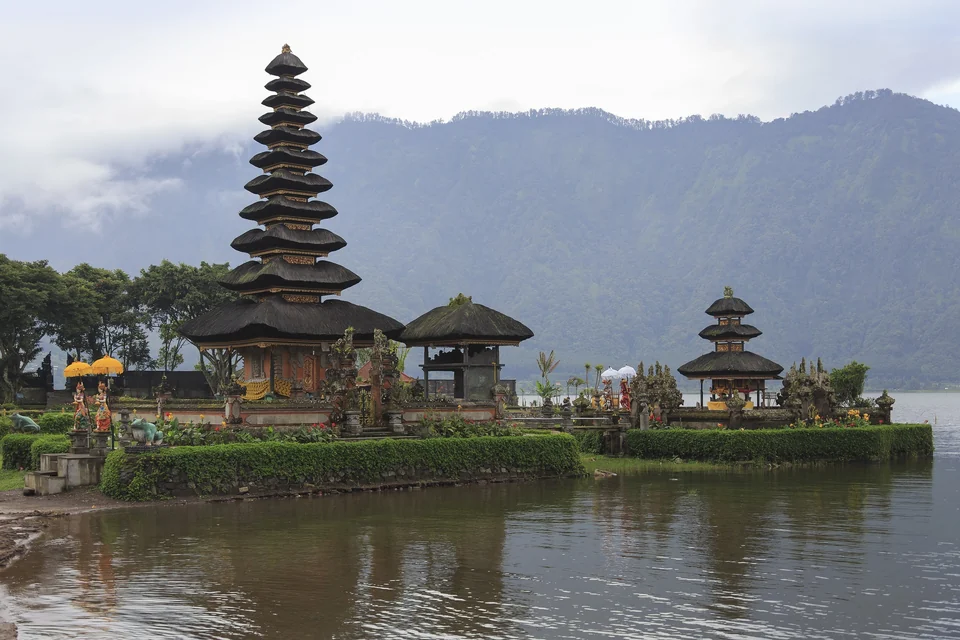
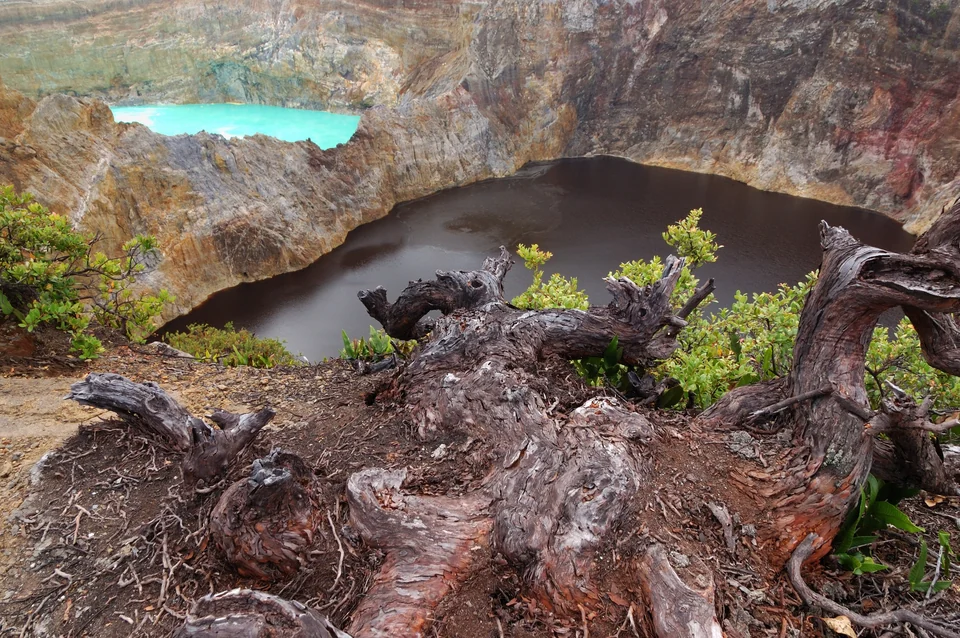
If you are building a longer trip, pair this with Kelimutu's crater lakes, also on Flores, or a stay in Bali, the usual flight connection.
Komodo Dragons on Komodo and Rinca
You see the dragons on a ranger-led walk. Visitors do not roam the islands alone, and the park requires guides on the dragon trails. Rangers carry forked sticks, brief you at the start and lead you on short, medium or long loops depending on the island and the time you have.
Rinca Island
Rinca is closer to Labuan Bajo, and many travelers find it the easier place to see dragons. The trails are shorter, the landscape of dry grassland and low hills is open, and dragons often loiter near the ranger station and kitchen, drawn by the smell of food. That makes sightings likely, though never guaranteed. It is also a good island for photographs of the dry savanna scenery.
Komodo Island
Komodo, the park's namesake, is farther away and the walks are a little longer. Dragons are spread more thinly across a bigger island, so you may see fewer of them, but the trails cross more varied terrain. Check the park's current arrangements before you book, because access to Komodo Island has been the subject of closure and management plans and can change.
What You Will Actually See
Expect adults resting in shade, sometimes motionless for long stretches, plus deer and wild boar, which are the dragons' prey, and macaques. Young dragons spend their first years in trees, so you will rarely see them on the ground. Mating takes place around the middle of the year and nests are laid later, so rangers may ask groups to keep extra distance from females in that period.
Padar Island: The Viewpoint Everyone Photographs
Padar has no dragons in the wild. It is on the itinerary for one reason, a steep, open ridge hike to a lookout over a trio of curved bays with different shades of sand. The climb is short but sunny and exposed, with steps in places. Go early or late, wear proper shoes and carry water.
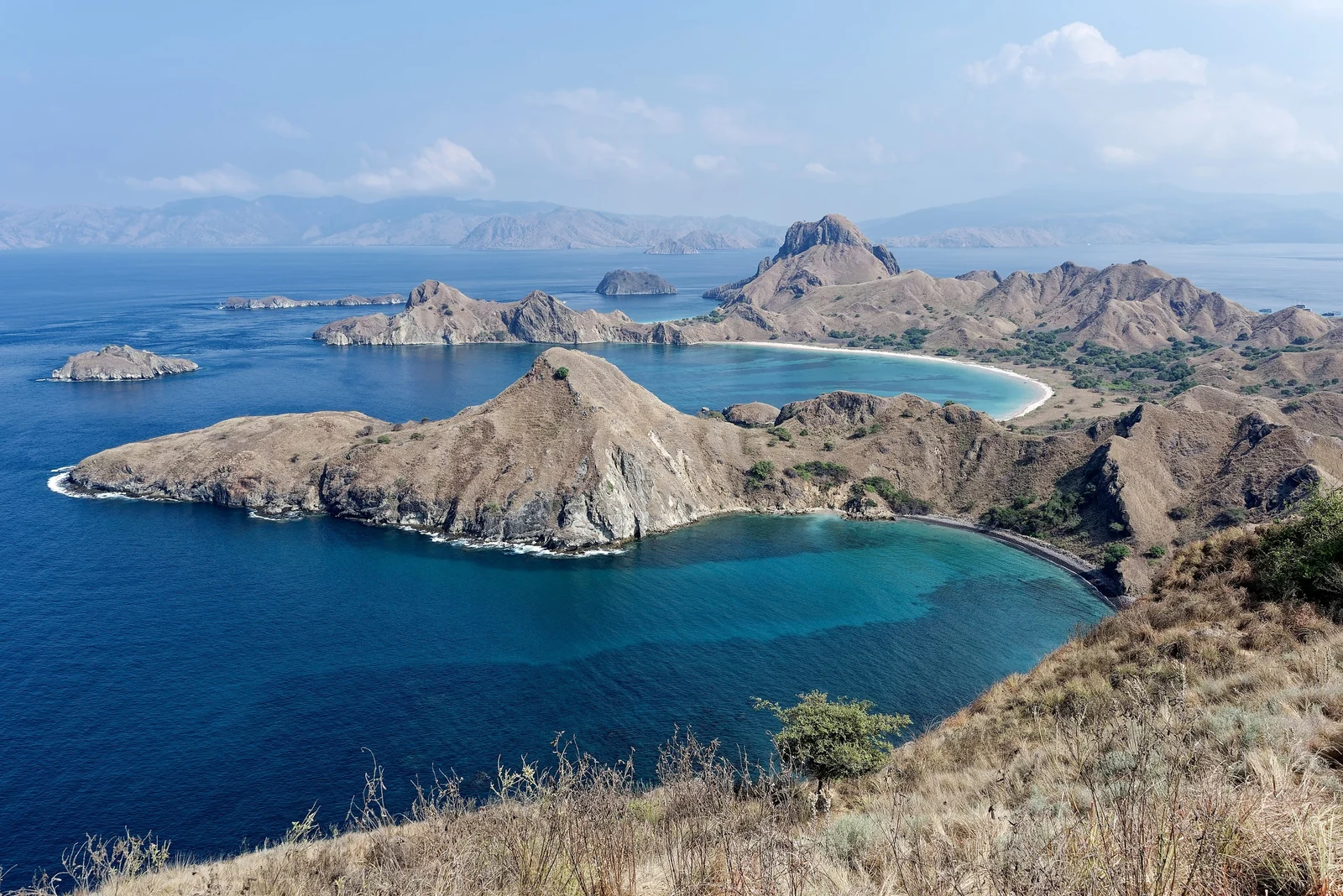
Sunrise tours reach the top in the cooler hours and give you the best light, but expect company at the viewpoint on popular days. A late-afternoon stop is a calmer alternative, and the hike is a good break from the heat of a long day on the boat. Honestly, the photo you have seen a hundred times looks better in person, because the scale of the bays only makes sense when you are standing above them.
Pink Beach, Manta Point and the Marine Side
The marine park is the other half of the story. Currents funnel nutrient-rich water through the channels between islands, which feeds coral reefs and large animals. Divers come for that, and snorkelers can sample a lot of it without a certification.
Pink Beach
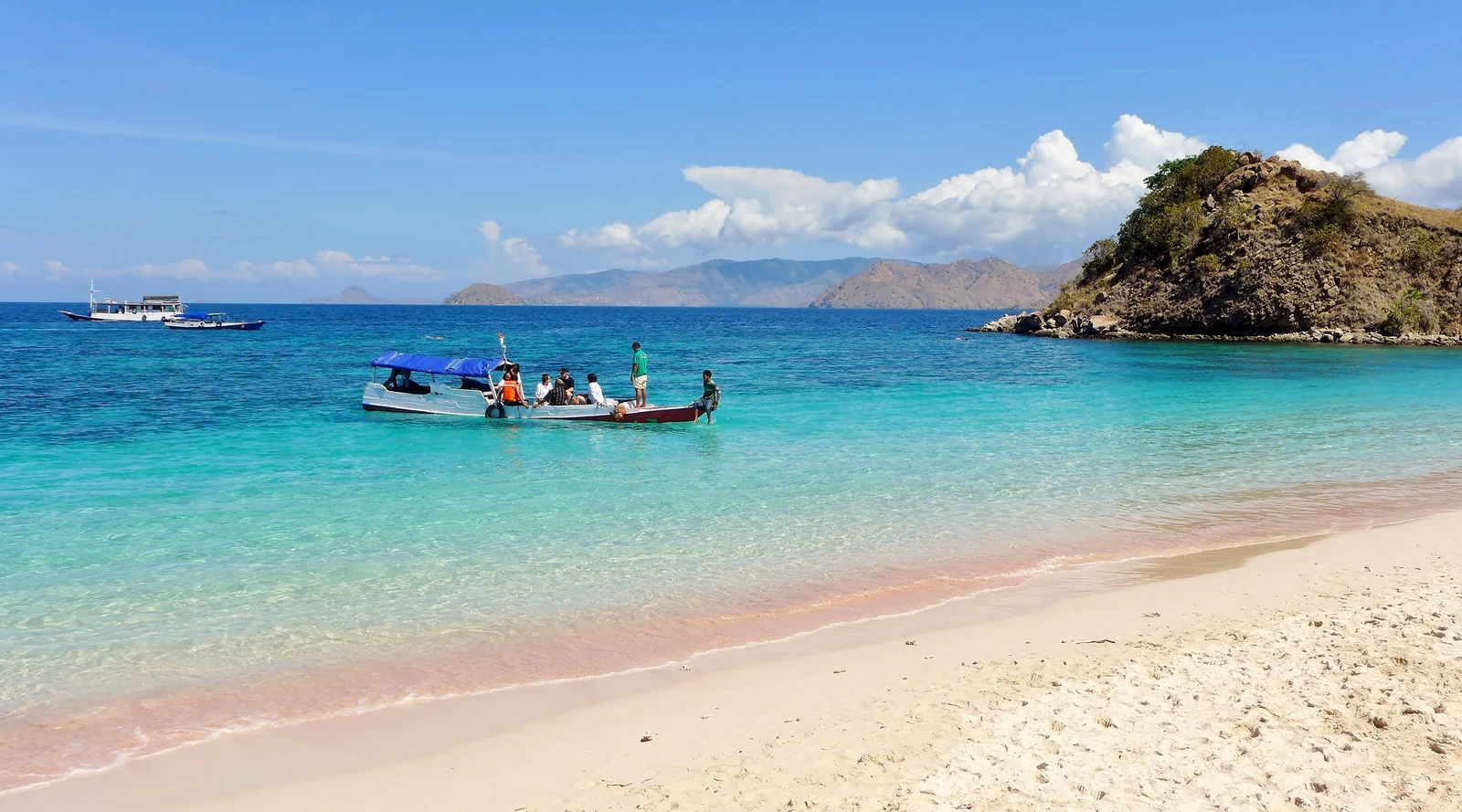
Pink Beach gets its tint from fragments of red coral mixed into white sand. The color is subtle and shows best in direct sun, so do not expect a pink beach in the cartoon sense. The real draw is the snorkeling just offshore, where the reef starts close to the sand. Do not collect sand or coral, and keep your fins off the bottom.
Manta Point
Manta Point, also known as Karang Makassar, is one of the more reliable places in Indonesia to see manta rays, which glide over a shallow reef where they feed. Mantas live in the park year-round, and encounters tend to be most predictable in the drier months, though sources differ on exactly when numbers peak. Currents can be strong, so follow your guide and stay close to the boat.
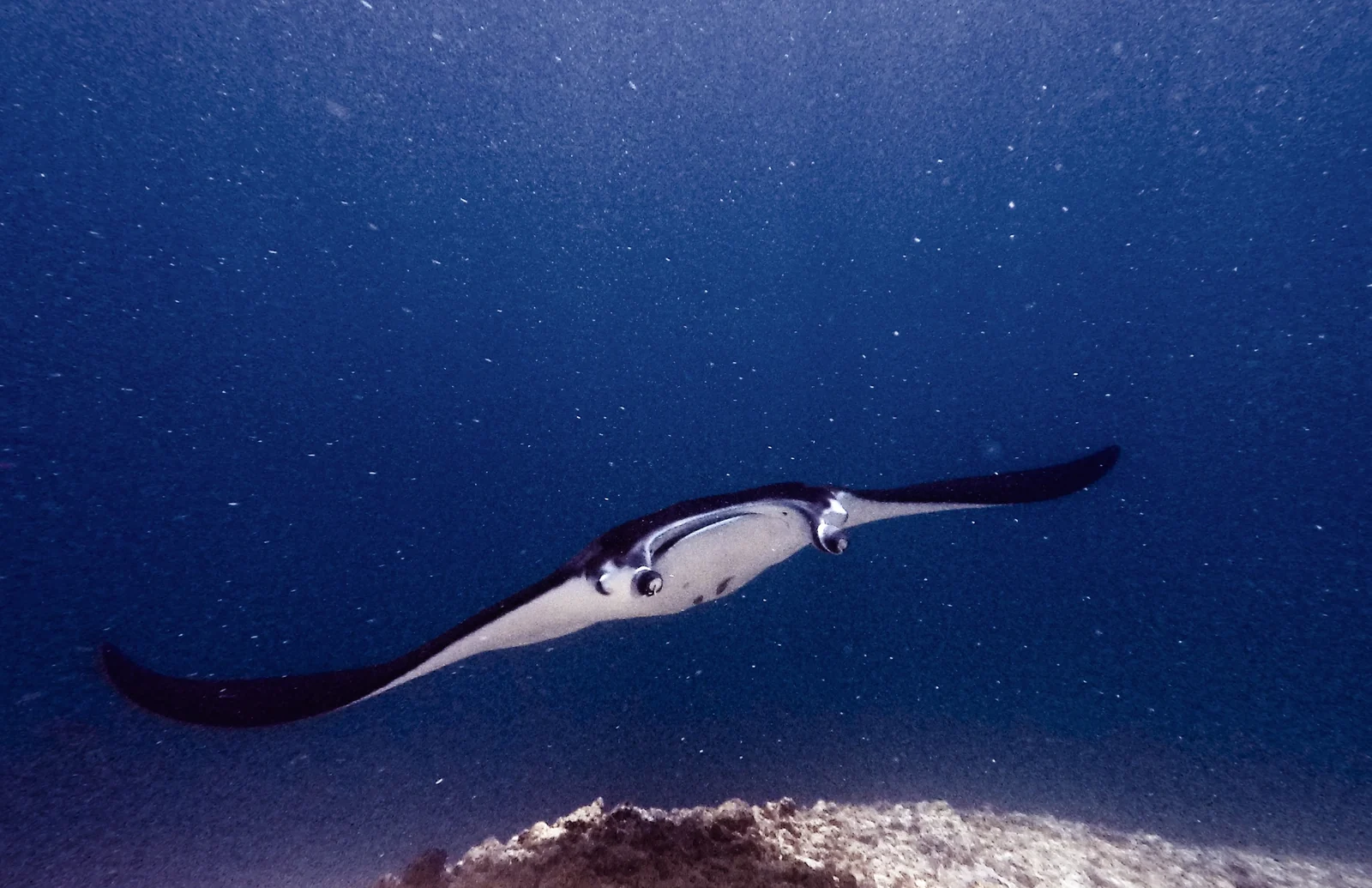
Divers should also know the park is famous for strong currents. Choose a licensed dive operator with local experience, and be honest about your level.
Day Trip vs Liveaboard: Which Should You Choose?
The right format depends on your time, budget and tolerance for boat life. Day trips and shorter overnight cruises are the sensible choice for most first-timers. A liveaboard makes sense if diving is the point.
| Option | Typical length | Best for | Trade-offs |
|---|---|---|---|
| Speedboat day trip | 1 day | Rinca dragons plus a stop or two when you are short on time | Long hours on the water, fewer stops, no sunrise or sunset at Padar |
| Open-trip or private boat | 2 to 3 days | Komodo, Rinca, Padar, Pink Beach and Manta Point at an easier pace | Cabin and bathroom standards vary a lot by boat |
| Dive liveaboard | 4 to 7 days | Divers who want remote sites and several dives a day | Needs a certification, costs more, weather can reshuffle the plan |
| Land-based with day trips | Flexible | Travelers who dislike sleeping on boats | Daily commute from Labuan Bajo, less time at remote sites |
Prices vary widely by boat, season and group size, so compare written itineraries rather than headline rates. Ask what is included: park fees, meals, snorkel gear, transfers and fuel are not always bundled. For a first visit, a two- or three-night boat is the best balance of value and time.
Best Time to Visit Komodo National Park
The dry season, roughly April to November, is the safest bet. Skies are clearer, seas are calmer and tours run reliably. It is also the cooler part of the year for the hikes, though midday on Padar or Rinca is hot in any month.
| Period | What to expect | Good for |
|---|---|---|
| April to June | Hills still green after the rains, calm seas, moderate crowds | Hiking, photography, general sightseeing |
| July to September | Driest and sunniest, hills turn brown, usually the busiest period | Reliable weather, longer boat trips |
| October to November | Hot and dry, seas still manageable, thinner crowds | Dragons, snorkeling, easier bookings |
| December to March | Rainy season, rougher seas and some canceled departures, often cheaper | Flexible travelers, some divers |
Dragons are active year-round, so there is no bad month for seeing them. Weather and sea conditions are the real variables, and some operators trim itineraries when winds rise.
Park Fees, Rules and Practicalities
Visiting the park requires an entry permit, and the fee structure has changed more than once, with different rates for foreign visitors, weekends and activities such as diving. Do not trust old blog figures. Check the current rates with your operator and the park authority, and confirm whether your tour price includes them. Carry some cash for fees or small purchases in case card payment is not available.
- Ranger escort: required on the dragon trails on Komodo and Rinca.
- Drones: typically need advance permission, so ask before packing one.
- Visitor limits: the park has discussed caps and closures, so book early and check current conditions.
- Packing: sun hat, reef-safe sunscreen, closed shoes with grip, a reusable bottle, motion-sickness tablets and a dry bag.
- Waste: take your trash back to the boat.
The park is a UNESCO site, and its World Heritage listing explains why the rules around visitors exist.
Safety Around Komodo Dragons
Dragons look sluggish and can sprint in short bursts at about 20 kilometers per hour. They hunt deer, pigs and buffalo, and they occasionally attack people. The risk is low if you follow the rules and high if you do not.
- Stay with your ranger and never walk the trails alone.
- Keep the distance your guide sets. Figures of around five meters are commonly quoted, but follow the guide, who knows the animals around you.
- Do not run, crouch or step off the path. Give nesting females extra room.
- Tell the ranger about open cuts or bleeding before the walk, because dragons have a keen sense of smell.
- Never feed a dragon or leave food on the trail.
- Move slowly and never approach from behind for a better photo.
Researchers still debate how much the bite relies on venom and how much on infection and blood loss. For a traveler it does not matter. Any bite is a medical emergency, and the nearest proper hospital is far from the islands, so travel insurance that covers evacuation is a good idea.
A Sample Three-Day Plan
Day 1: Rinca and Padar
Leave Labuan Bajo early for a ranger walk on Rinca, then continue to Padar for a late-afternoon hike and sleep on the boat.
Day 2: Komodo, Pink Beach and Manta Point
Do the Komodo trail in the morning, snorkel at Pink Beach, then continue to Manta Point on the way back toward Labuan Bajo.
Day 3: A Reef Stop and Buffer
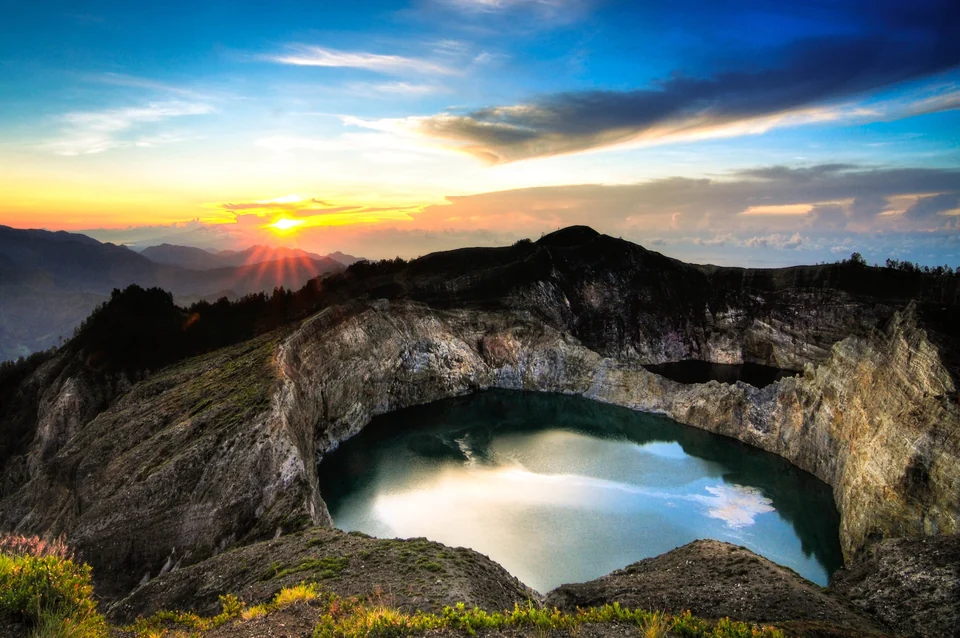
Use the last day for reef snorkeling or as a cushion for weather. For more of Indonesia's dramatic landscapes, read about Indonesia's color-changing volcano lakes, and for another famous boat-based region see our Philippines island guide.
Komodo National Park FAQ
How do you get to Komodo National Park?
Most visitors fly to Labuan Bajo at the western end of Flores, then join a boat tour from the harbor. There is no road to the dragon islands. Day trips, overnight cruises and liveaboards all depart from Labuan Bajo.
Is it safe to see Komodo dragons?
Yes, on a ranger-led walk. Rangers know where the animals are and set the distance. Problems usually come from ignoring them, wandering off the trail or carrying food. Dragons can bite and run fast over short distances.
How many days do you need for Komodo National Park?
Two to three days is enough to see Rinca or Komodo, hike Padar, snorkel Pink Beach and visit Manta Point at a relaxed pace. A single long day is possible but rushed. Divers should plan four days or more.
What is the best time to visit Komodo?
The dry season from roughly April to November offers the calmest seas and most reliable tours. Dragons are active all year. The rainy months bring rougher water, some canceled departures and often lower prices.
Can you see Komodo dragons on Padar Island?
No. Padar is visited for its viewpoint, not for dragons. For wild dragons, go on a ranger-led walk on Komodo or Rinca, where the main populations live.
Is a liveaboard worth it for Komodo?
It is worth it if you dive and want several dives a day at remote sites. For non-divers, a two- or three-day boat trip covers the highlights for less money and fewer days at sea. Compare itineraries and inclusions.
How much are the park fees?
Fees depend on nationality, the day of the week and what you do, and they have changed over time. Check the current schedule with the park authority or your tour operator, and ask what your booking already includes.