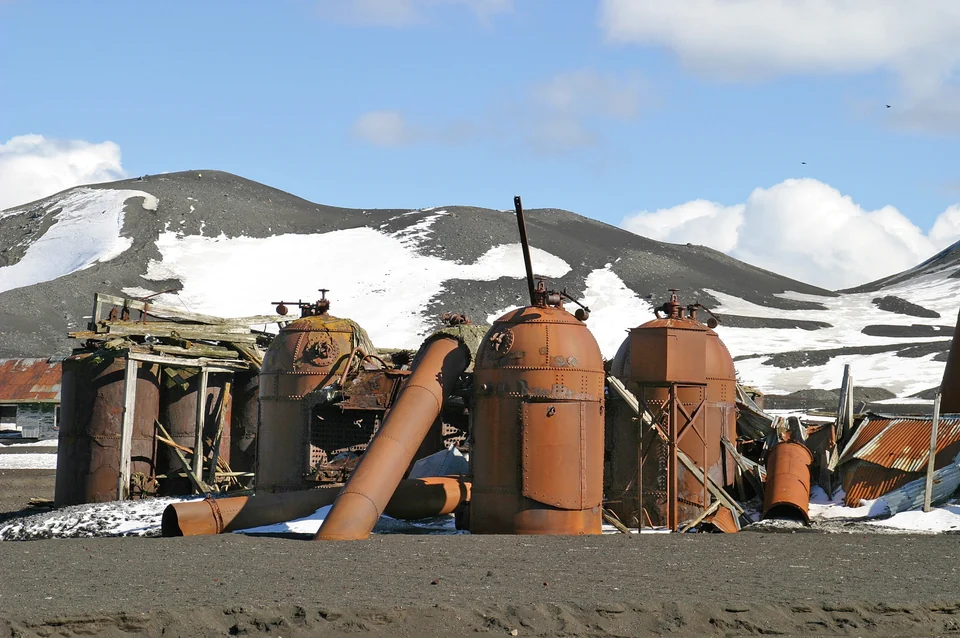



Antarctica is the coldest, windiest and most remote continent on Earth, a land of about 14 million square kilometers almost entirely covered by ice. It has no permanent population, no hotels and no airports for scheduled flights, yet every southern summer more than 100,000 people travel there to see glaciers, icebergs, penguins and whales.
For almost every visitor, an Antarctic trip means an expedition cruise to the Antarctic Peninsula, usually from Ushuaia in Argentina. This guide explains when to go, which route to choose, what happens on a typical voyage, the wildlife you are likely to meet and the rules that keep one of the planet’s last wildernesses intact.
Why Visit Antarctica?
Nothing quite prepares you for the scale of the place: mountains rising straight out of the sea, glaciers calving into channels filled with blue ice, and silence broken only by penguin colonies. Antarctica holds most of the world’s fresh water in its ice sheet, and the lowest natural air temperature ever recorded at ground level, −89.2°C, was measured at the Russian Vostok Station in 1983.
It is also a place with a unique political status. Under the Antarctic Treaty, signed in 1959 by 12 countries and in force since 1961, the continent is reserved for peace and science. A later environmental protocol bans mining and sets strict rules for every visitor, including tourists.
Best Time to Visit Antarctica
Tourist voyages run only during the Antarctic summer, from about November to March. Outside these months, sea ice and darkness make the coast inaccessible. Each part of the season has its own character.
| Period | What to expect |
|---|---|
| November | Fresh snow and big icebergs; penguins court and build nests; fewer ships |
| December to January | Longest daylight and mildest weather; penguin eggs hatch; busiest and often priciest weeks |
| February to March | Penguin chicks growing fast; the best months for whale watching; more exposed rock and shorter days |
On the Peninsula, summer temperatures often hover around freezing, but wind chill and wet conditions can make it feel much colder. Weather, not the calendar, decides each day’s program.
How to Get to Antarctica
There are three main ways to reach the continent. Which one suits you depends on time, budget and how you feel about rough seas.
Expedition cruise from Ushuaia
Most travelers sail from Ushuaia, at the southern tip of Argentina, across the Drake Passage to the South Shetland Islands and the Antarctic Peninsula. The crossing usually takes about two days each way and can be calm or very rough, so bring seasickness remedies. Classic voyages last around 10 to 12 days, while longer trips add the Falkland Islands and South Georgia.
Fly-cruise from Punta Arenas
If you want to skip the Drake, fly-cruise itineraries use a short charter flight from Punta Arenas in Chile to King George Island in the South Shetlands, where you board your ship. Flights depend on weather, so build spare days into your plans.
Ross Sea voyages and deep-field trips
A small number of long voyages leave from New Zealand or Australia for the Ross Sea side of the continent, home to historic huts from early polar expeditions. Specialist operators also fly guests to private camps in the interior for skiing, mountaineering, trips to the South Pole or visits to emperor penguin colonies. These are the most expensive options.
What to Expect on an Antarctic Expedition
Expedition ships are smaller than standard cruise ships and carry a team of naturalists, historians and guides. Days follow the weather: typically one or two outings a day, either a landing or a cruise among the ice in an inflatable Zodiac boat, with lectures on board in between.
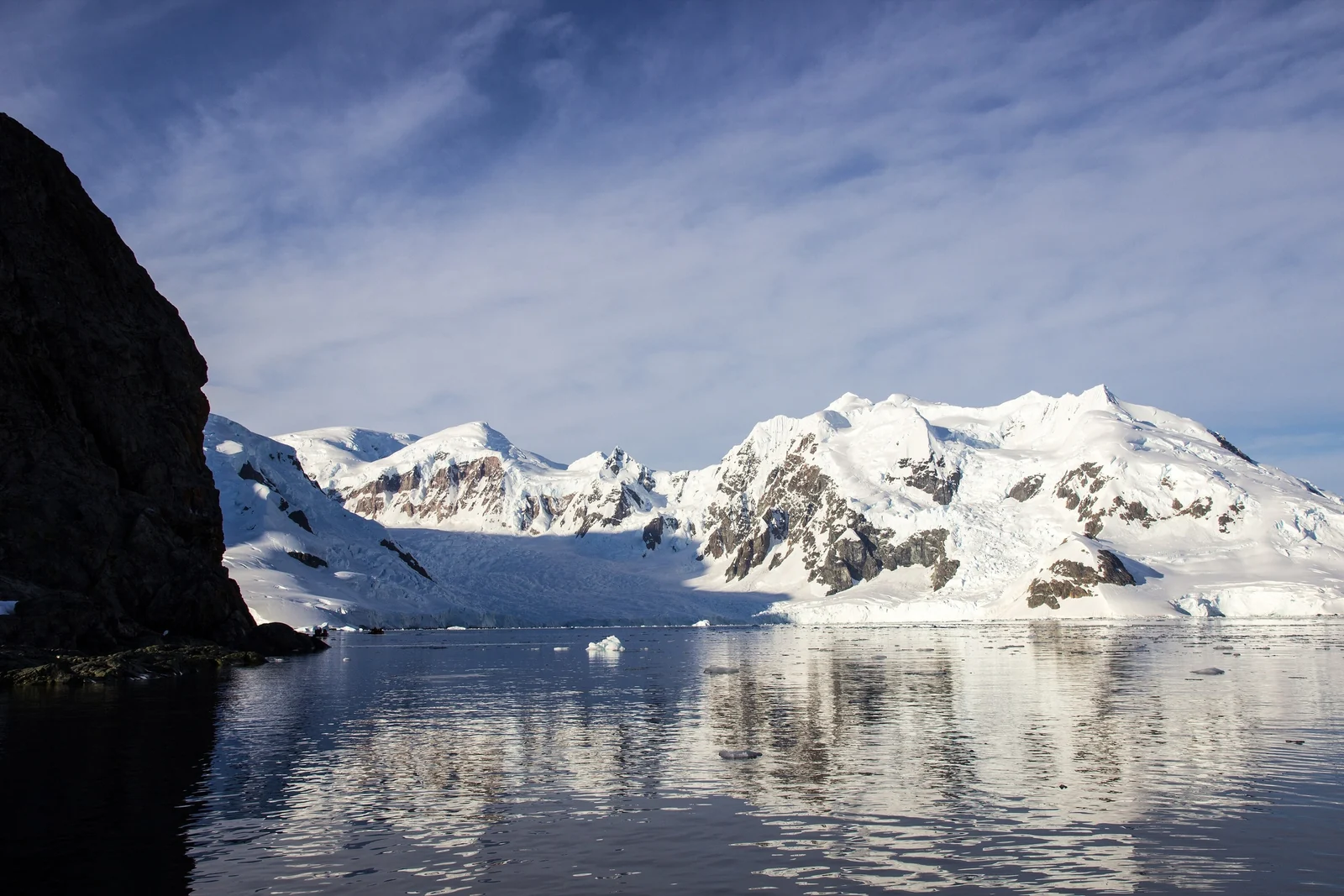
- Scenic highlights: the narrow, ice-filled Lemaire Channel, Paradise Bay and Neko Harbour with their tidewater glaciers, and the volcanic caldera of Deception Island.
- Research stations and history: some voyages visit stations or historic sites such as Port Lockroy, a former British base run as a museum.
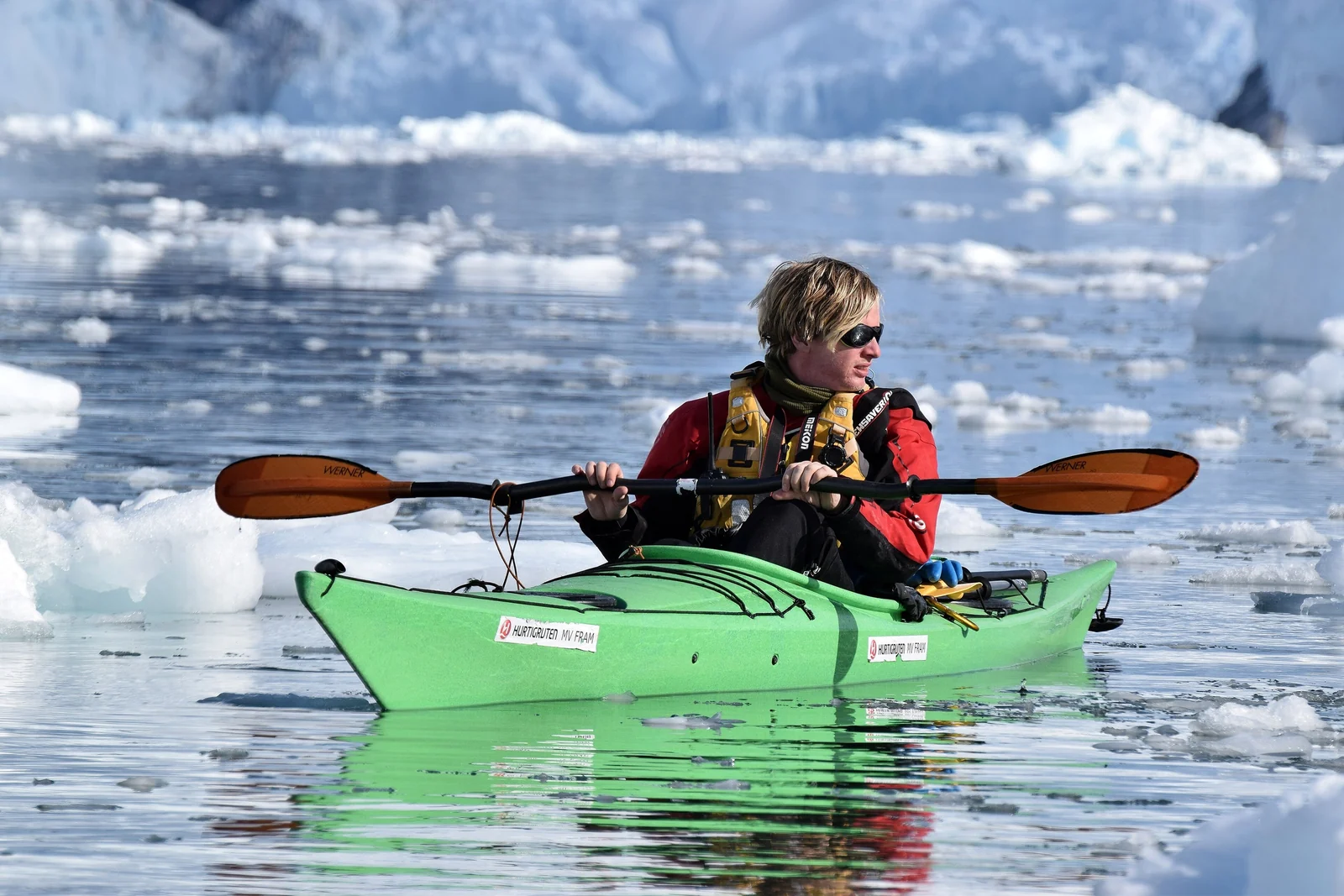
- Optional activities: sea kayaking, camping for a night on the ice, snowshoeing or a polar plunge, depending on the operator.
- Landing limits: ships carrying more than 500 passengers cannot land anyone, and no more than 100 people may be ashore at one site at a time, so small ships get the most time on land.
Wildlife Encounters in Antarctica
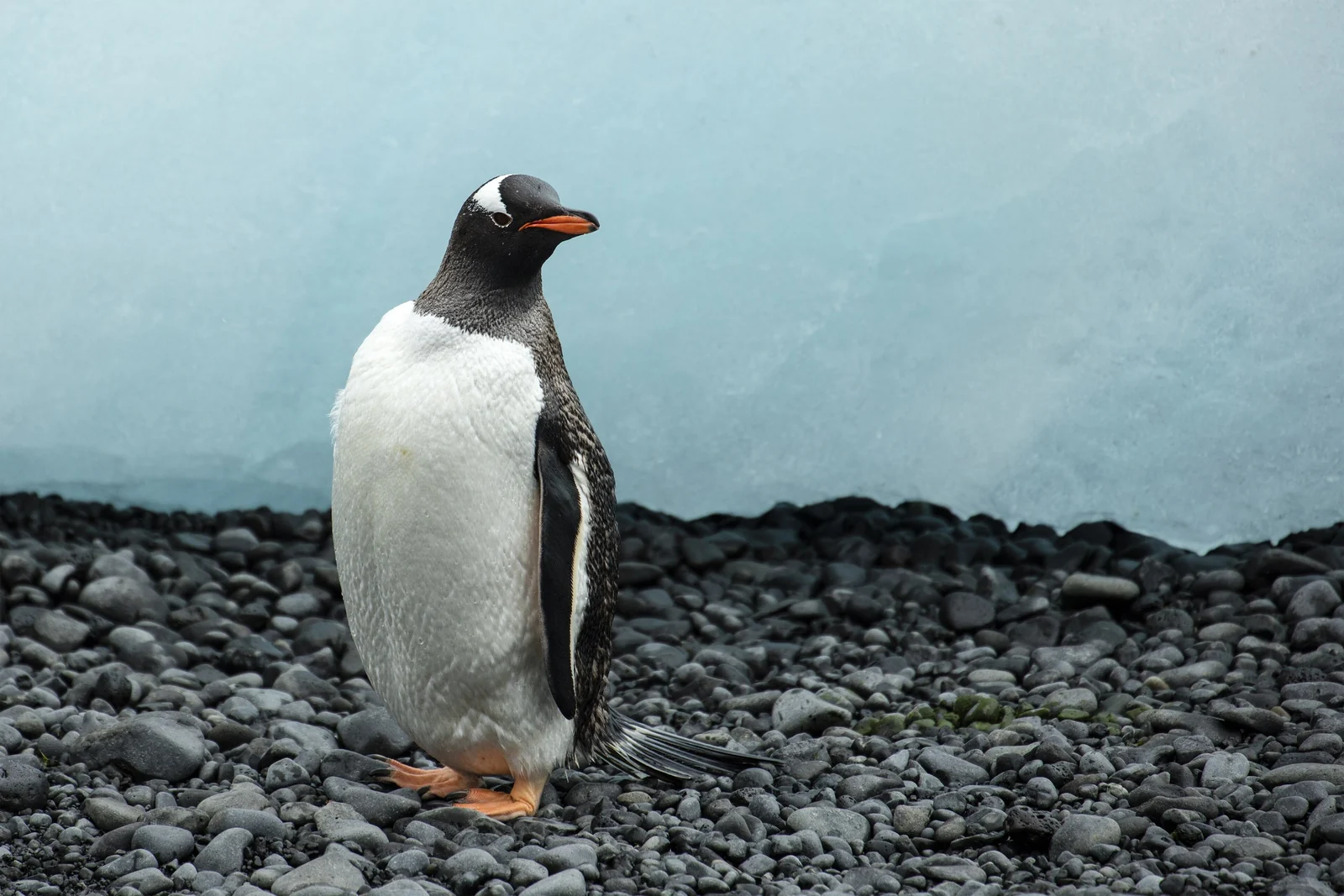
Antarctic animals have few land predators and are often unafraid of people, which makes encounters remarkably close. On the Peninsula you are most likely to see gentoo, chinstrap and Adélie penguins, often in large, noisy colonies.
- Seals: Weddell, crabeater and leopard seals rest on ice floes, and Antarctic fur seals are common on beaches later in the season.
- Whales: humpback and minke whales feed on krill in the channels, and orcas are seen regularly; late summer is usually best.
- Seabirds: albatrosses and petrels follow ships across the Drake Passage, while skuas, Antarctic shags and snow petrels nest on the coast.
- Emperor penguins: they breed on sea ice far from the usual cruise routes and are rarely seen on standard Peninsula voyages.
Responsible Travel and Climate Change
Antarctica is changing. The Antarctic Peninsula has been one of the fastest-warming regions on Earth in recent decades, and the continent’s ice sheets have been losing mass, contributing to global sea-level rise. Tourism brings its own pressures, from fuel emissions to the risk of introducing non-native species.
Most operators belong to the International Association of Antarctica Tour Operators (IAATO), founded in 1991, which coordinates ship schedules and enforces guidelines agreed under the Antarctic Treaty. IAATO counted 118,491 visitors in the 2024–25 season. As a visitor you will be asked to:
- Keep at least 5 meters from penguins and seals, and give way to penguins crossing your path.
- Clean and inspect boots, clothing and bags before every landing so that no seeds or soil reach the continent.
- Take nothing away, including rocks, bones and feathers, and leave nothing behind.
- Stay with your group, follow your guides and never walk on moss or lichen.
Preparing for Your Antarctic Trip
Antarctic voyages sell out early for the peak months, so many travelers book a year or more ahead. Compare ship size, itinerary, included activities and how much time is set aside for landings, and check that your operator is an IAATO member.
- Clothing: waterproof outer layers, warm mid-layers, thermal base layers, gloves, a hat and sunglasses; many ships lend rubber boots and provide a parka.
- Health: you will be far from hospitals, so ships usually require a medical form. Pack seasickness medication.
- Insurance: choose a policy that covers emergency medical evacuation from Antarctica.
- Camera gear: spare batteries (they drain in the cold), a zoom lens for wildlife and a dry bag for Zodiac rides.
- Flexibility: weather and ice decide where you go; every expedition changes plans at some point.
For more of the polar world, read about the geothermal beaches of Deception Island, compare the ice of Greenland’s glaciers and Patagonia’s glaciers and mountains, or head north for the best places to watch the northern lights. All our polar stories are collected in the Antarctica section.
Antarctica Travel FAQ
When is the best time to visit Antarctica?
Tourist voyages run from about November to March. November offers pristine snow and nesting penguins, December and January bring the longest days and hatching chicks, and February and March are best for whales. There is no bad month within the season; it depends on what you most want to see.
How long does an Antarctic trip take?
A classic cruise from Ushuaia to the Antarctic Peninsula lasts around 10 to 12 days, including about two days of sailing each way across the Drake Passage. Fly-cruises can be shorter, while voyages that add the Falklands and South Georgia often take three weeks.
Do you need a visa or permit to visit Antarctica?
No country issues visas for Antarctica, but every expedition must be authorized under the Antarctic Treaty by the government of the country where the operator is organized. Tour operators handle this for you. You will still need the correct entry documents for Argentina or Chile.
Is the Drake Passage dangerous?
The Drake Passage is famous for rough seas, but expedition ships are built for these waters and captains plan around the weather. Crossings range from calm to very rough. Seasickness is the main problem for most passengers, so bring remedies or consider a fly-cruise instead.
Can you see the northern lights in Antarctica?
No. The northern lights occur in the Arctic. Antarctica has the southern lights, or aurora australis, but they need dark skies, and tourist voyages sail during the summer when nights are short or absent. Most visitors therefore do not see auroras on an Antarctic cruise.
Can you see emperor penguins on a cruise?
Rarely. Emperor penguins breed on sea ice far from the usual Peninsula cruise routes. Seeing a colony normally requires a specialist voyage or a flight to a deep-field camp. On standard trips you will see gentoo, chinstrap and Adélie penguins instead.