The classic Sahara desert tour from Marrakech ends at one of two places: Merzouga, beside the tall orange dunes of Erg Chebbi, or the Zagora and M’Hamid side, where the dunes are farther away and the crowds thinner. Merzouga is the better choice if you have three days and want the picture-book dunes. Zagora is the better choice if you only have two days, or if you care more about quiet than about size.
This guide compares the two, explains the 2-day and 3-day tour formats, walks through the route over the High Atlas and past Aït Benhaddou, and covers camps, camels, packing, operators and the scams worth knowing about. For the bigger picture of the desert itself, read our guide to the Sahara, Africa’s largest sand sea.
Merzouga or Zagora: Which Desert to Choose
Both are real Sahara, and both sit south of the Atlas in the Draa-Tafilalet region. The difference is scale, distance and atmosphere.
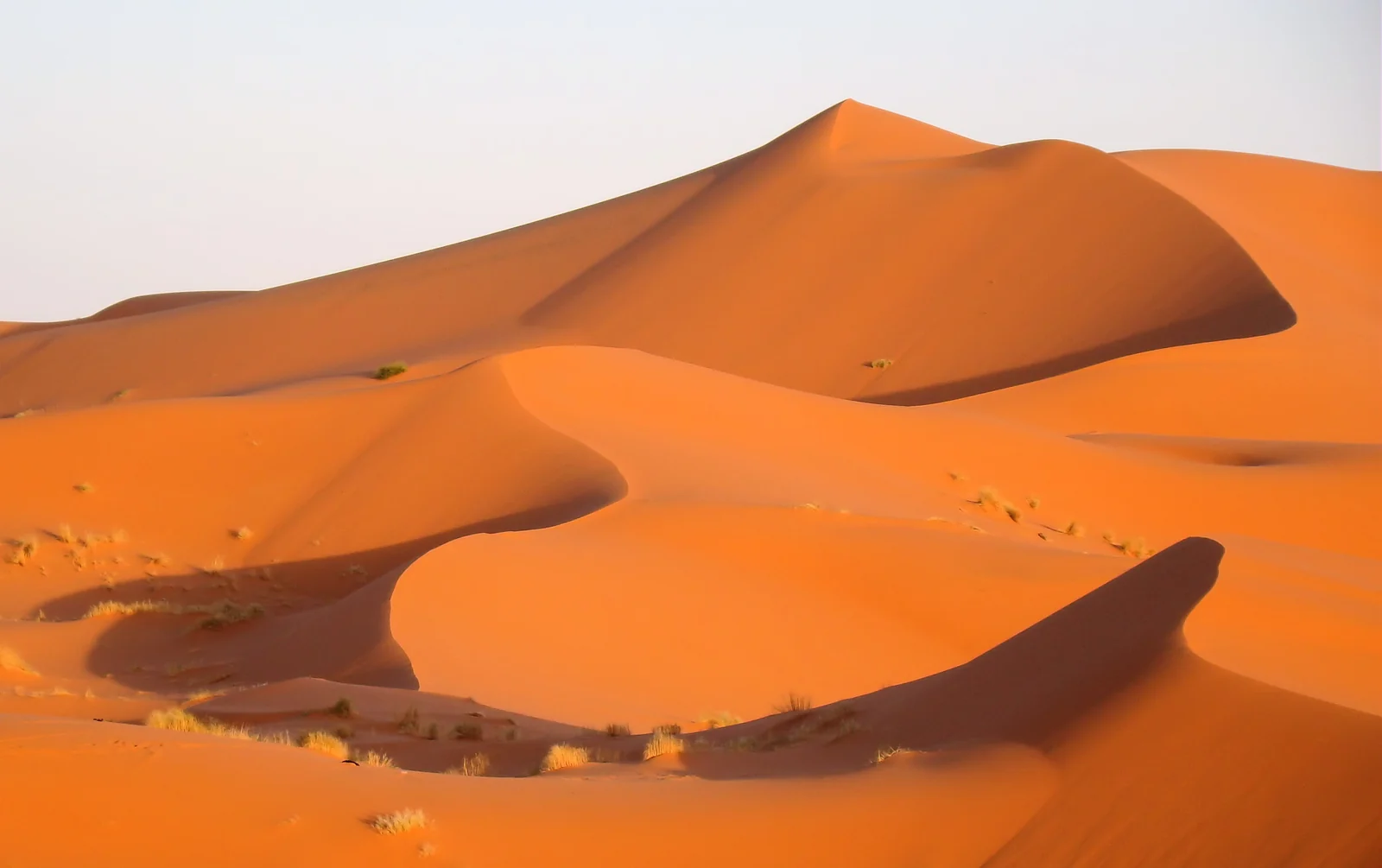
Merzouga and Erg Chebbi is a single great dune field rising straight out of flat, stony desert. The tallest dunes are often quoted at around 150 meters, which is what makes the sunrise climb worthwhile. The camps cluster along the eastern edge, so you step from the village into the sand within minutes. It is also the more developed option, with a wide choice of camps and a lot of other people doing the same thing at the same hour.
Zagora is a palm-oasis town in the Draa Valley, and the dunes near it are small. Most travelers who want proper sand go beyond it to M’Hamid El Ghizlane and then on to Erg Chigaga, a much larger dune field that is usually reached by 4x4 across rough ground. Erg Chigaga is wilder and quieter, but it demands more time, so it suits a three-day trip or longer rather than a hurried 2-day run.
| Merzouga (Erg Chebbi) | Zagora / M’Hamid (Erg Chigaga) | |
|---|---|---|
| Drive from Marrakech | Long, usually a full day or two | Shorter to Zagora, longer to M’Hamid and the dunes |
| Dunes | Tall, easy to reach, very photogenic | Larger and wilder at Chigaga; small dunes near Zagora |
| Crowds | Busy at sunrise and sunset | Noticeably quieter |
| Camp choice | Very wide, from basic to luxury | Fewer camps, more remote |
| Best tour length | 3 days, 2 nights | 2 days for the Zagora side, 3 or more for Chigaga |
| Add-ons on the way | Dades and Todra gorges | Draa Valley palms and kasbahs |
| Best for | First-timers, photographers | Travelers who prefer solitude |
2-Day vs 3-Day Sahara Tours from Marrakech
Operators sell both formats, and the honest answer is that the length matters more than anything else you will decide.
The 2-Day Tour
A 2-day trip is usually built around Zagora and a camp near the dunes close to it. It saves time and money, but you spend most of both days in a vehicle. Be skeptical of any 2-day itinerary that promises Merzouga from Marrakech: the distance makes it an exhausting, rushed run with little time in the dunes.
The 3-Day Tour
This is the format most people should book. Day one crosses the Atlas and stops at Aït Benhaddou, with the night in a valley town. Day two continues east through the gorges to Merzouga for the camel ride and the night in camp. Day three is the long drive back to Marrakech, often beginning with a sunrise in the dunes. It is still driving-heavy, but each day has something to look at.
Longer Options
If you can spare four or five days, you can add Erg Chigaga, slow the pace or return a different way. Some travelers also fly or take a bus part of the way and book only the desert section locally. A longer trip costs more but turns the drive from a chore into part of the journey.
The Route: Atlas Crossing and Aït Benhaddou
Almost every tour leaves Marrakech on the N9 and climbs the High Atlas to the Tizi n’Tichka pass, at about 2,200 meters. The road has many bends, plenty of truck traffic and good views, and snow can affect it in winter. If you get carsick, take medication before the climb. We cover the pass in more detail in our Aït Benhaddou and Ouarzazate day trip guide.
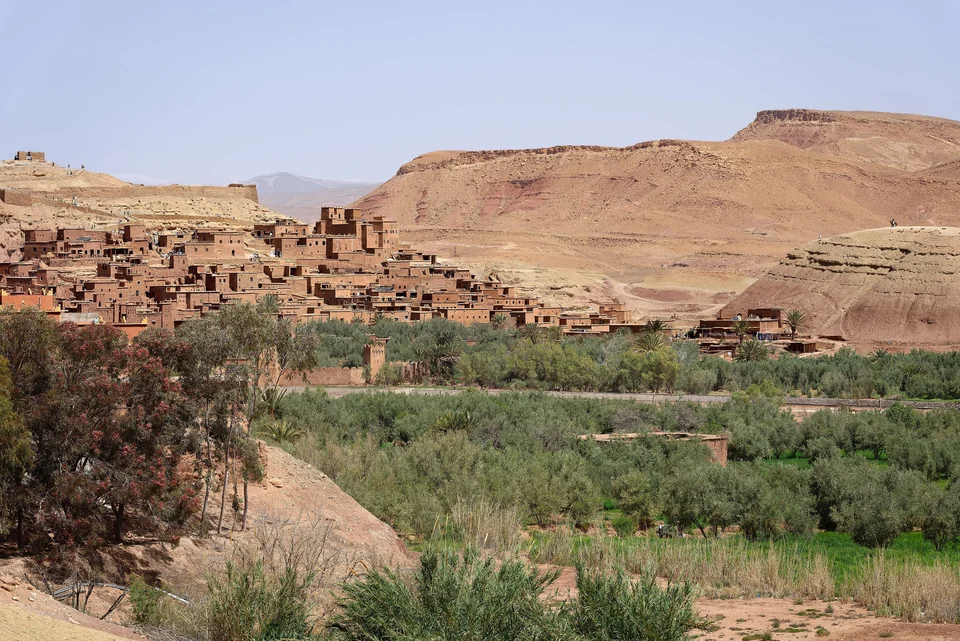
The first big stop is Aït Benhaddou, a fortified earthen village that UNESCO inscribed in 1987. It is the best stop on the route, and worth the time it takes to climb to the top for the view over the valley. See the UNESCO listing for its heritage status. Ouarzazate, the next town, is the usual lunch stop and a handy place for a night.
From there the road runs east through dry, open country toward the oases of the Dades and Todra valleys. Driving times vary with traffic, weather and how often the driver stops, so treat any figure you are given as a rough guide and ask the operator for a written itinerary with daily distances.
Dades and Todra Gorges: The Scenic Detour
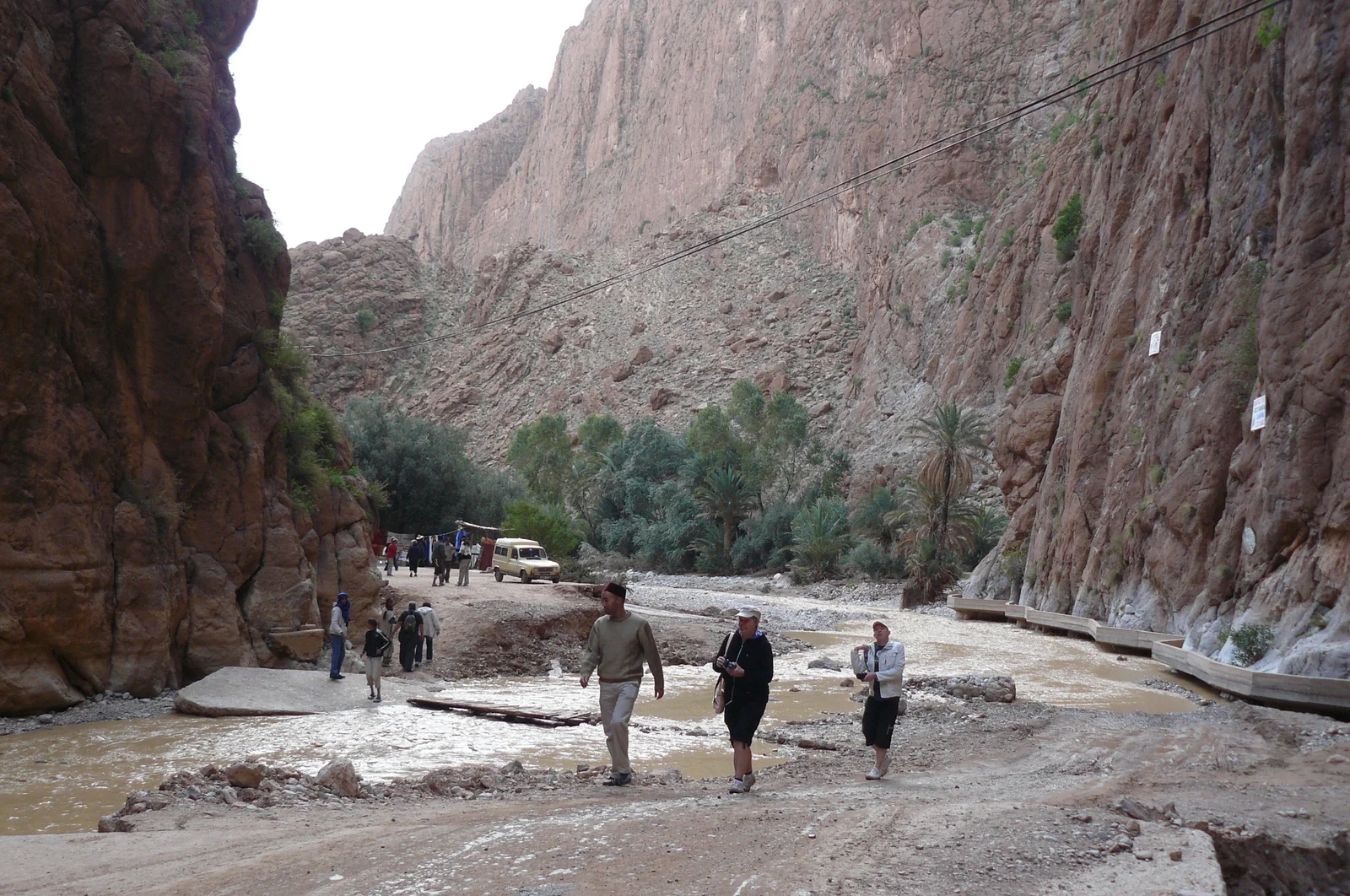
On a Merzouga route you pass two of southern Morocco’s best landscapes. The Dades Gorge is known for its winding road, layered red cliffs and rock formations, and it makes a good overnight base. The Todra Gorge, near Tinghir, is narrower, with sheer walls that make the canyon feel like a corridor. A short walk through it is worth more than a quick photo from the car.
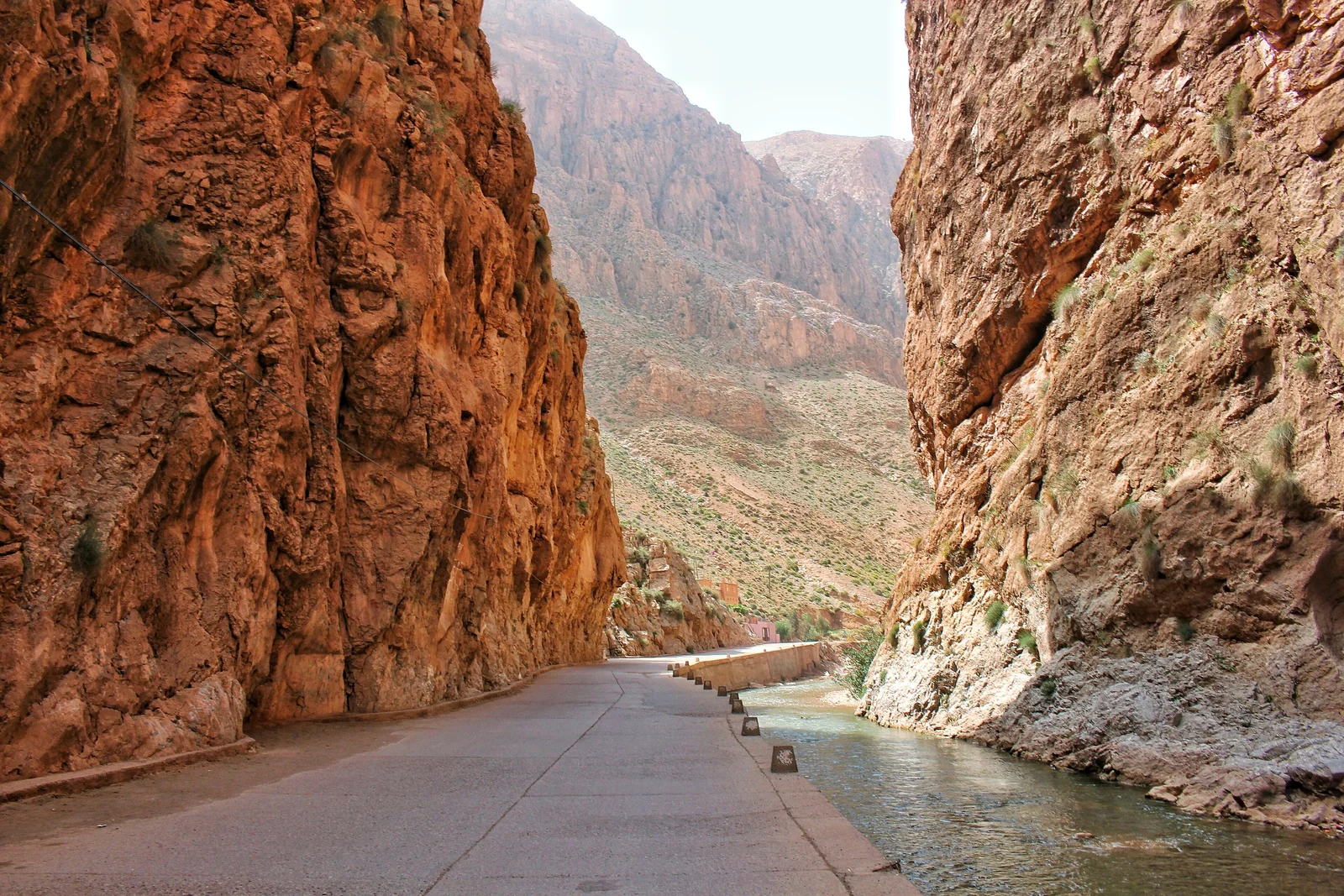
Not every tour includes both, so ask. If the itinerary skips the gorges to save time, you are paying for a lot of highway. Zagora routes usually follow the Draa Valley instead, with date palms, kasbahs and a gentler landscape.
Camel Trek and Desert Camps
The camel ride is the part of the trip people remember, and it is usually short: roughly an hour or two from the edge of the dunes to camp at sunset, with a return the next morning. Camels are slow and rhythmic, and sitting on one for the first time is stranger than it looks. Bring a scarf for the wind and lean back when the camel stands up.
Camps come in rough tiers. The names change, but the pattern is steady:
- Standard camps: simple tents, shared or basic toilets, blankets and a communal dinner with music around a fire. Good value if you only want to sleep out.
- Mid-range camps: larger tents with real beds, private bathrooms in some, better food and warmer bedding.
- Luxury camps: tents with proper beds, en suite bathrooms, heating or cooling, and more thoughtful service. They cost far more, and the setting is the real attraction.
- Private or remote camps: fewer people and more distance from the crowd, which is the main reason to go to Erg Chigaga.
A fancier camp does not change the dunes. It changes how you sleep, and whether a near-freezing night feels like an adventure or a punishment. Ask whether the camp is deep in the dunes or on the edge near the road, because that decides how quiet it is. Tour websites love to say “private”, so confirm what it means in writing.
Dunes and Sunrise: What to Expect
Climb a dune before dusk, then again at dawn. Climbing is slow, sandy and tiring, and the crest is the point: the light moves across the ridges and the sand turns from pale gold to orange. At sunrise the dunes are quiet, and the view is wider than the sunset one because the camps are behind you.
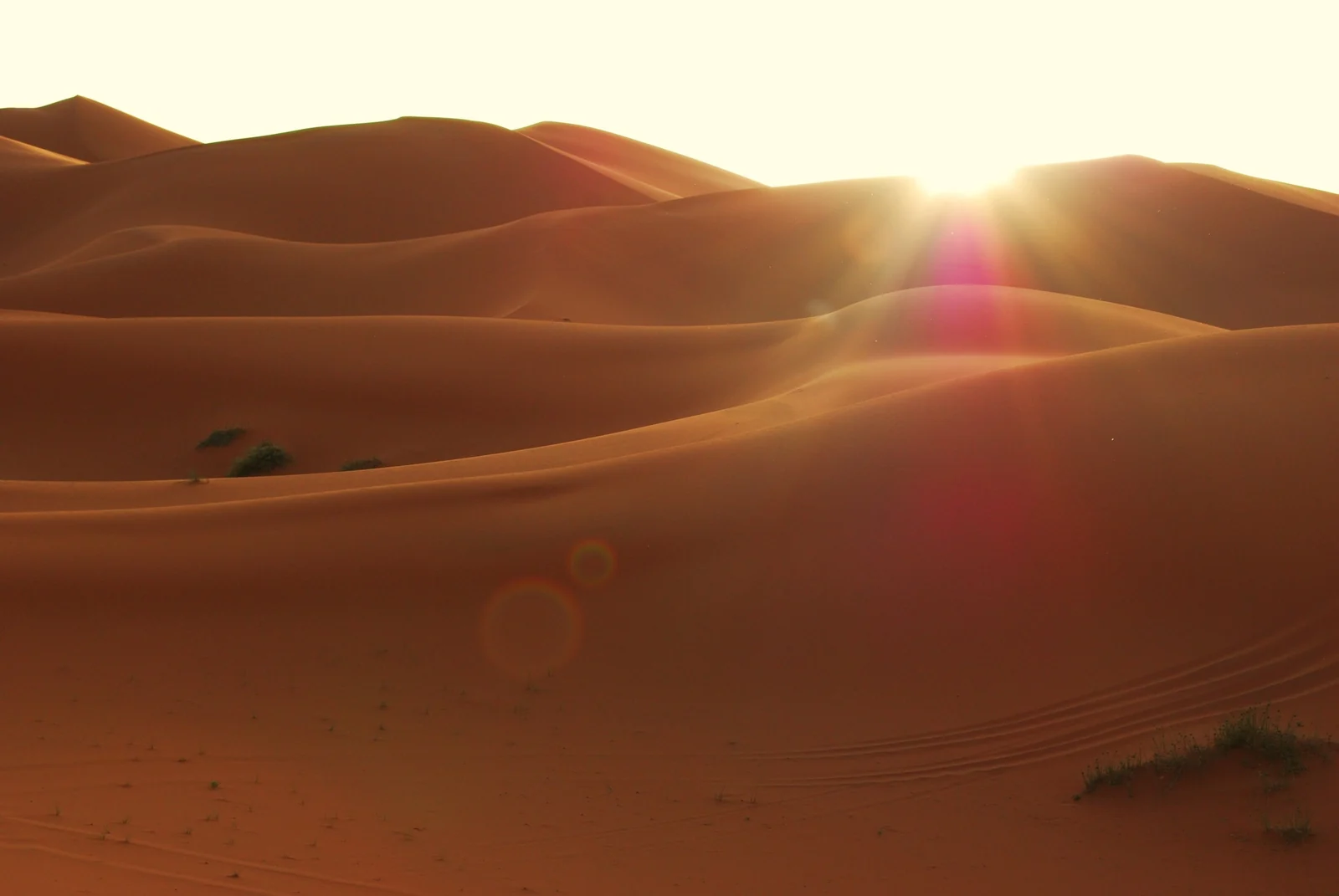
Set out in the dark with a small flashlight, wear closed shoes you can pour sand out of, and take your time on the climb. Do not expect solitude at the best-known viewpoints, because everyone has the same idea. Walk a little further along the ridge and the crowd thins quickly.
When to Go: Season, Heat and Winter Nights
Spring and autumn are the safest choice. Days are warm rather than punishing, and nights are comfortable. Summer is extremely hot in the desert, which makes the middle of the day miserable and the camp tents stuffy, though early mornings and evenings are fine.
Winter surprises people. Daytime can be pleasant, but nights drop sharply, sometimes close to freezing, and thin tents offer little insulation. If you go in winter, ask about heaters and extra blankets and bring warm layers. Wind and sand haze can spoil the photographs in any season, so keep your schedule flexible if you can.
What to Pack for a Sahara Tour
- A small overnight bag: large suitcases usually stay in the vehicle or at a hotel.
- A head scarf or light wrap for sun and blowing sand.
- Layers: a warm jacket and a hat for the night, light clothing for the day.
- Closed shoes plus sandals for camp.
- Sunscreen, sunglasses and lip balm.
- A small flashlight or head torch, and a power bank, because charging in camp is limited.
- Cash in small bills for tips, tea and small purchases.
- A refillable water bottle and any medication, including motion-sickness tablets.
Dress modestly in villages, with shoulders and knees covered. That is courteous, and it also keeps the sun off.
How to Choose an Operator and Avoid Scams
Dozens of agencies in Marrakech sell nearly identical tours, and the difference is in the details. Look for a written itinerary, a clear list of what is included (meals, camp, entry fees, the camel ride, hotel nights) and recent independent reviews. A licensed company with a real office is a better bet than a street tout. Official information on traveling in the country is available from the Moroccan National Tourist Office.
A few things come up repeatedly:
- Unclear inclusions: drinks, tips and gorge entry fees get billed later. Ask what is covered before paying.
- Camp swaps: the photos show a luxury tent and you arrive at something plainer. Get the camp name and tent type in writing.
- Pushy shop stops: some drivers earn commission from carpet, argan or fossil shops. You are free to skip them.
- Unofficial guides: in the villages and at Aït Benhaddou, people will offer to show you around and then ask for money. Say no politely if you do not want one.
- Rushed schedules: a driver who skips stops to save time is cutting what you paid for.
- Upfront payment in full: a small deposit is normal, but be wary of paying everything in cash before you meet your driver.
Booking through your accommodation in Marrakech is often easier than negotiating with strangers. If you are still planning your time in the city, our Marrakech travel guide covers where to stay and what to see before or after the desert.
Ethics: Camels, Communities and Leave No Trace
Watch how the camels are treated. They should have shade, water and rest, and be led calmly rather than hit. If the animals look thin or sore, say something to the operator, and pick a different company next time.
Take everything out that you bring in, including plastic bottles, and do not leave trash in the dunes. Ask before photographing people, and buy from local cooperatives and family-run places where you can. Small camps in the desert are often one of the few local sources of income, so how you spend matters.
Verdict: Which Sahara Tour for Which Traveler
- First-time visitors with three days: Merzouga on a 3-day tour. It is the classic for a reason.
- Short on time: a 2-day Zagora trip, with realistic expectations about the dunes.
- Photographers: Merzouga, with a sunrise climb and a flexible schedule.
- Travelers who want quiet: Erg Chigaga via M’Hamid, with at least three days.
- Families with children: Merzouga, with a comfortable camp and one night rather than two in the desert.
- Budget travelers: a group tour with a standard camp, as long as the inclusions are in writing.
- Anyone who dislikes long drives: consider an extra night, or look at our Namibia guide or Petra and Wadi Rum guide for other desert trips.
My own view: Merzouga on three days beats everything else for a first visit, but only if you accept that you will spend a lot of time on the road. The gorges and Aït Benhaddou make that time worth it.
Sahara Tour from Marrakech FAQ
Is a 2-day Sahara tour from Marrakech worth it?
It can be, if you pick the Zagora side and accept limited dune time. A 2-day trip to Merzouga is mostly driving. If Erg Chebbi is the goal, book three days, or spend an extra night on the way.
Which is better, Merzouga or Zagora?
Merzouga has the taller, more photogenic dunes and many camps, but also more visitors. Zagora is closer to Marrakech and quieter, with smaller dunes nearby. For big dunes without the crowds, look at Erg Chigaga beyond M’Hamid.
How long is the drive from Marrakech to Merzouga?
It is a long one, usually a full day of driving or more when broken up over two days with stops. Exact times depend on traffic, weather on the Atlas pass and how many sights you visit, so ask for the planned daily distances.
When is the best time for a Sahara desert tour?
Spring and autumn offer the most comfortable temperatures. Summer is very hot, and winter nights can get close to freezing in camp. Whenever you go, bring layers, because desert temperatures swing widely between day and night.
What is the difference between standard and luxury desert camps?
Standard camps offer simple tents, basic or shared facilities and a communal dinner. Luxury camps have proper beds, private bathrooms and better service, at a much higher price. Check what the tent actually includes before booking.
Is the camel ride included in the tour?
Most packages include the sunset camel ride to camp and the return, but not always. Confirm in writing, along with meals, the camp night, gorge entry fees and drinks, so there are no surprises on the day.
How do I avoid scams when booking a Sahara tour?
Get a written itinerary, the camp name and a list of inclusions. Use a licensed company with real reviews, pay only a small deposit upfront and politely skip commission shops. Be wary of unofficial guides who appear at stops.