Cappadocia is a high plateau in central Türkiye where volcanic ash settled into soft rock, and wind and water spent millions of years carving it into cones, ridges and canyons. People then did the rest. They dug homes, churches, stables and entire cities into the stone. Today the heart of the region, around Göreme, Uçhisar and Ürgüp, is a UNESCO World Heritage Site and one of the most distinctive landscapes you can visit anywhere.
Three days is a good minimum. That is enough for a sunrise balloon flight (weather permitting), the rock churches of Göreme, a valley walk and a descent into one of the underground cities. This Cappadocia travel guide explains what to see, how balloon flights really work, where to base yourself, when to go and how to get there. It pairs well with a few days in Istanbul; start with our Istanbul travel guide.
Göreme and the Open-Air Museum
Göreme is the traveler's hub of Cappadocia, a small town wedged between rock cones and cliffs, with cave pensions, rooftop terraces and a steady trickle of hikers and balloon chasers. It is easy to walk around, the bus station sits right in the middle, and most tours start here. If you only stay in one place, make it this one.
A short walk or drive from the center, the Göreme Open-Air Museum is a cluster of rock-cut monasteries and chapels used by Byzantine monks. Together with the surrounding landscape it was added to the UNESCO World Heritage List in 1985 as Göreme National Park and the Rock Sites of Cappadocia. The painted interiors are the draw: frescoes of saints and Gospel scenes survive in churches that look like nothing more than lumps of rock from the outside.
Making the Most of the Museum
The best-known chapel is the Dark Church (Karanlık Kilise), named for the single small window that lets in very little light. Its colors are better preserved for exactly that reason. It has historically required a separate ticket on top of general entry, so check the current setup on the official Turkish museums site before you go, along with opening hours and prices.
Fairy Chimneys and How the Landscape Formed
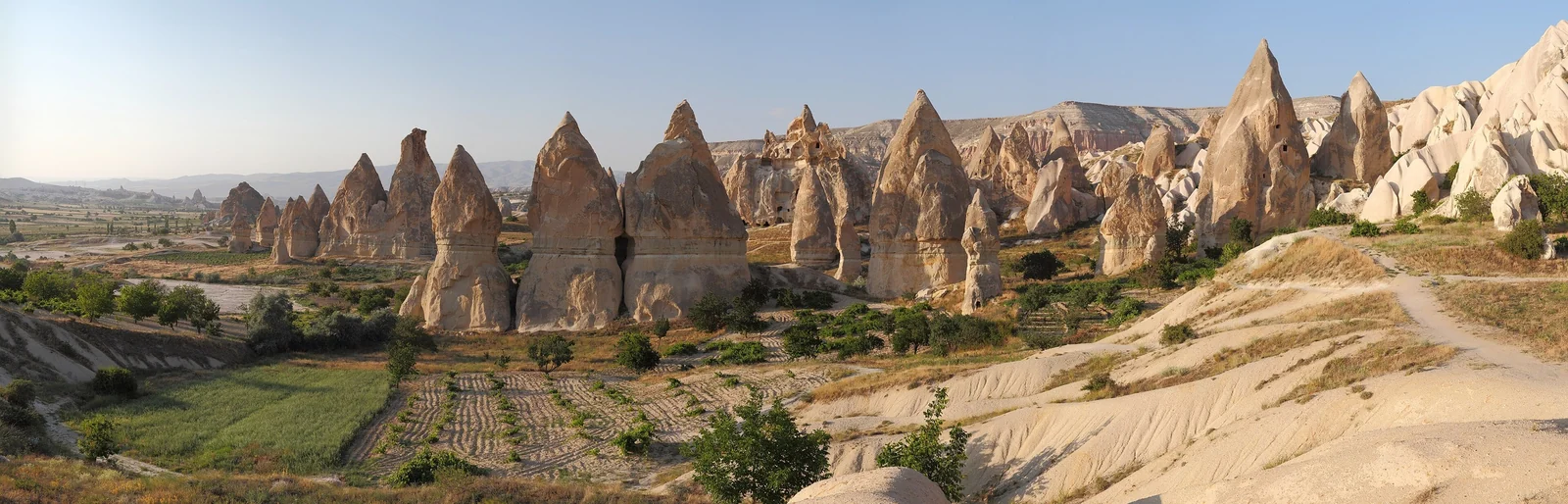
The pointed cones that give Cappadocia its look are called fairy chimneys. They form where a harder cap of rock protects the softer volcanic tuff beneath it while the surrounding ground erodes away. The result is a column topped by a stone hat, and sometimes a whole forest of them in a single valley.
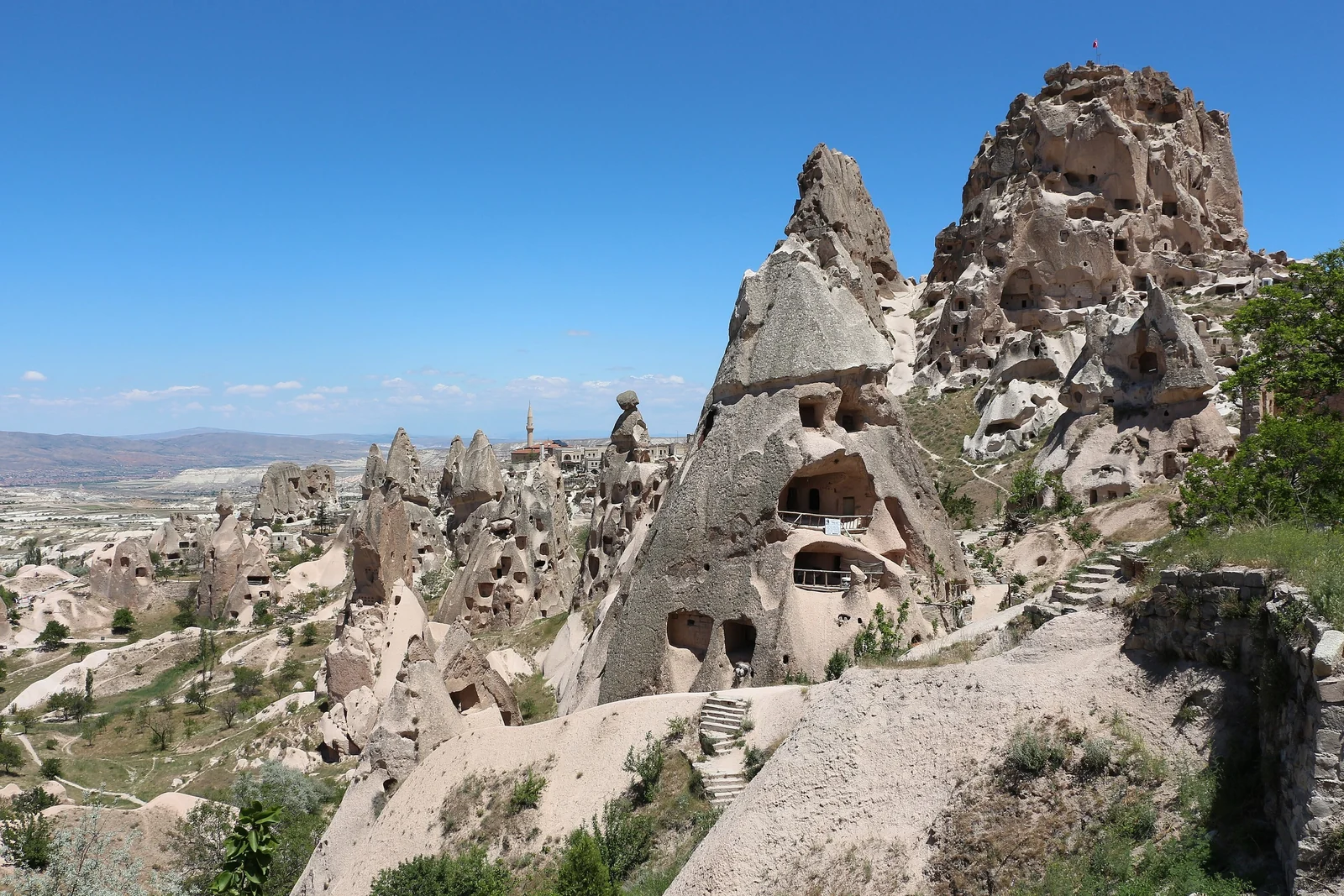
Because tuff is easy to carve, locals have lived in these formations for centuries. Doorways, windows and stairways are cut into cones all over the region, some abandoned, some turned into guesthouses.
Hot-Air Balloons in Cappadocia
Dozens of balloons lifting off together at dawn is the image most people associate with Cappadocia, and it lives up to the photos. Flights usually launch before sunrise and last roughly an hour. Even if you never go up, watching from a rooftop terrace in Göreme is worth setting an alarm.
Weather Cancellations and How to Plan Around Them
Flights are weather-dependent and are only allowed to go ahead when the aviation authorities and operators judge wind and visibility to be safe. Cancellations happen, more often in winter, and sometimes several days in a row. Operators usually decide in the early morning and tell guests by message or phone before pickup.
- Build in spare days. Book your flight for the first or second morning, not the last, so a cancellation can roll to another day.
- Ask about the cancellation policy. Reputable operators refund or reschedule when they cancel for weather. Get the terms in writing before you pay.
- Do not pay the cheapest price blindly. Very low offers can mean crowded baskets, rushed flights or weak safety standards. Compare what is included, such as hotel pickup, basket size and flight time.
- Choose a licensed operator. Look for an established company with clear information on its pilots, equipment and insurance, and read recent independent reviews.
Safety in General Terms
Ballooning in Türkiye is regulated by the civil aviation authority, and flights go ahead only after daily weather assessments. A cancelled flight is a sign the system is working. Follow the crew briefing, wear closed shoes and dress in layers, because it is cold before sunrise. Tell the operator about any back, mobility or health concern when booking.
Uçhisar, Ürgüp, Avanos and Zelve
Uçhisar
Uçhisar sits on high ground and is dominated by a huge rock outcrop honeycombed with rooms and passages. Climb it for one of the widest views in the region. The village below is quieter than Göreme, with some of the area's more upscale stays.
Ürgüp
Ürgüp is the largest of the tourist towns and feels the most like a real place, with shops, restaurants, wine bars and a lively evening promenade. It is a good base if you want more dining choice than Göreme offers, and it is the best spot for tasting wine from the region. Buses and dolmuşes run regularly to Göreme and Nevşehir.
Avanos and Its Pottery
Avanos stands beside the Kızılırmak, the long river that cuts through central Türkiye, and its red clay has supported a pottery tradition for generations. Studios let you watch potters at the wheel, and some offer short hands-on sessions. Check the glaze and finish before you buy.
Zelve
Zelve is an open-air site of abandoned cave homes, chapels and passages in three small valleys. Walking through the empty rooms gives a sense of daily life in the cones. Wear shoes with grip, because some paths are uneven.
Derinkuyu and Kaymaklı Underground Cities
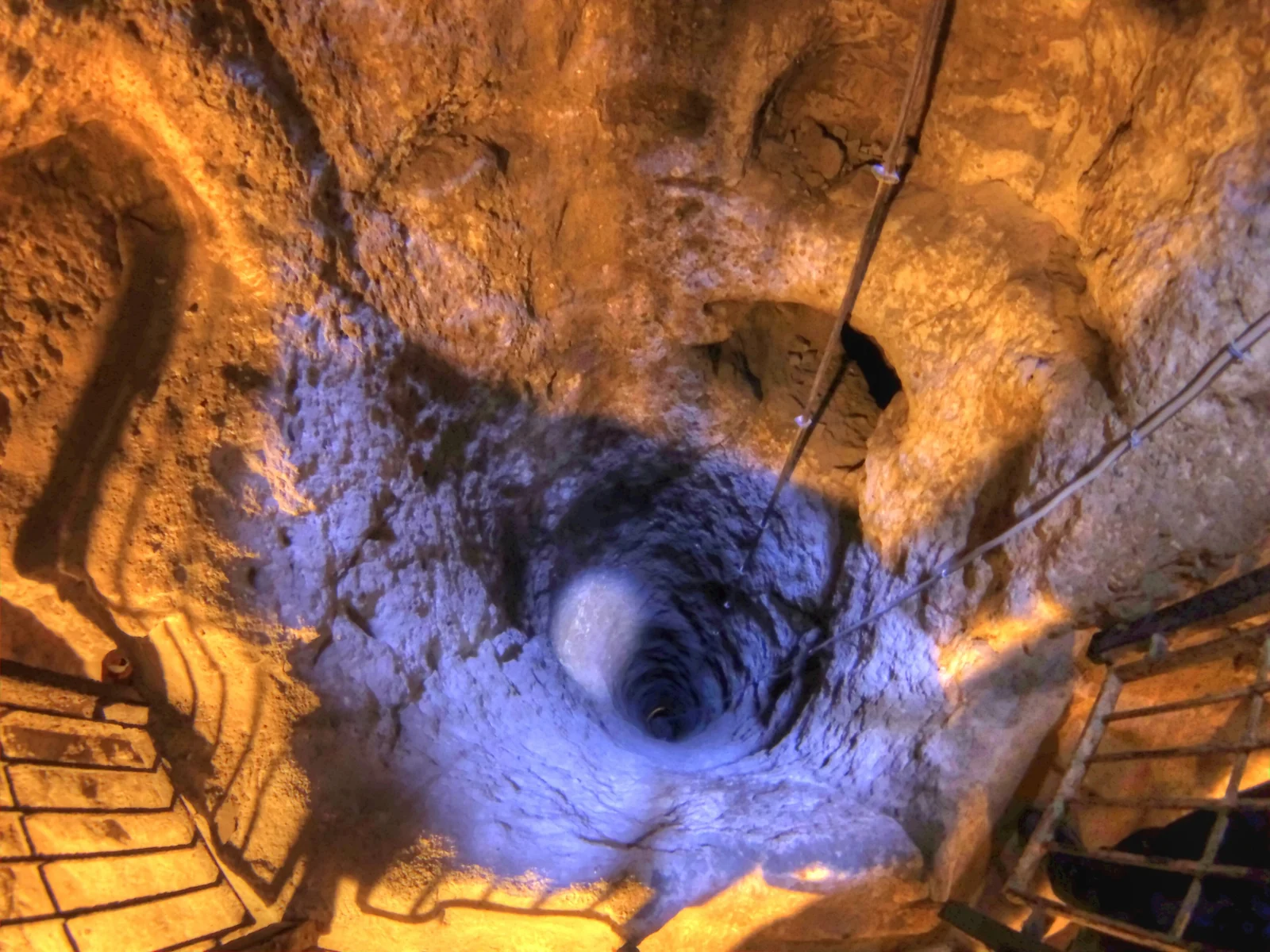
Beneath the plateau, communities dug multi-level cities with kitchens, storerooms, stables, chapels and ventilation shafts. They are generally linked to periods when people needed to hide from raiders and enemies, and they could be sealed from the inside with rolling stone doors. Derinkuyu and Kaymaklı, both reachable from Nevşehir, are the two most visited.
Only part of each city is open to visitors, and sources disagree on exact depths and level counts, so treat any figure you read as approximate. Derinkuyu is the deeper and more dramatic of the two; Kaymaklı is shorter and a little busier. If you only do one, pick Derinkuyu. The two sites sit around 10 km apart, so it is easy to see both in one morning with a car or taxi. Expect tight, low corridors and steep steps, so skip it if you are claustrophobic or have limited mobility.
Valleys and Hikes: Rose, Love, Red and Ihlara
The best way to understand Cappadocia is on foot. The valleys near Göreme are short, signposted in places and easy to combine, and they are far quieter than the viewpoints. Carry water, a hat and sun protection in summer, and do not rely on the weather staying calm in shoulder seasons.
| Valley | Where | What to expect | Good for |
|---|---|---|---|
| Rose Valley | Between Göreme and Çavuşin | Pink-tinted rock, cave churches, easy paths | Sunset views, half-day walks |
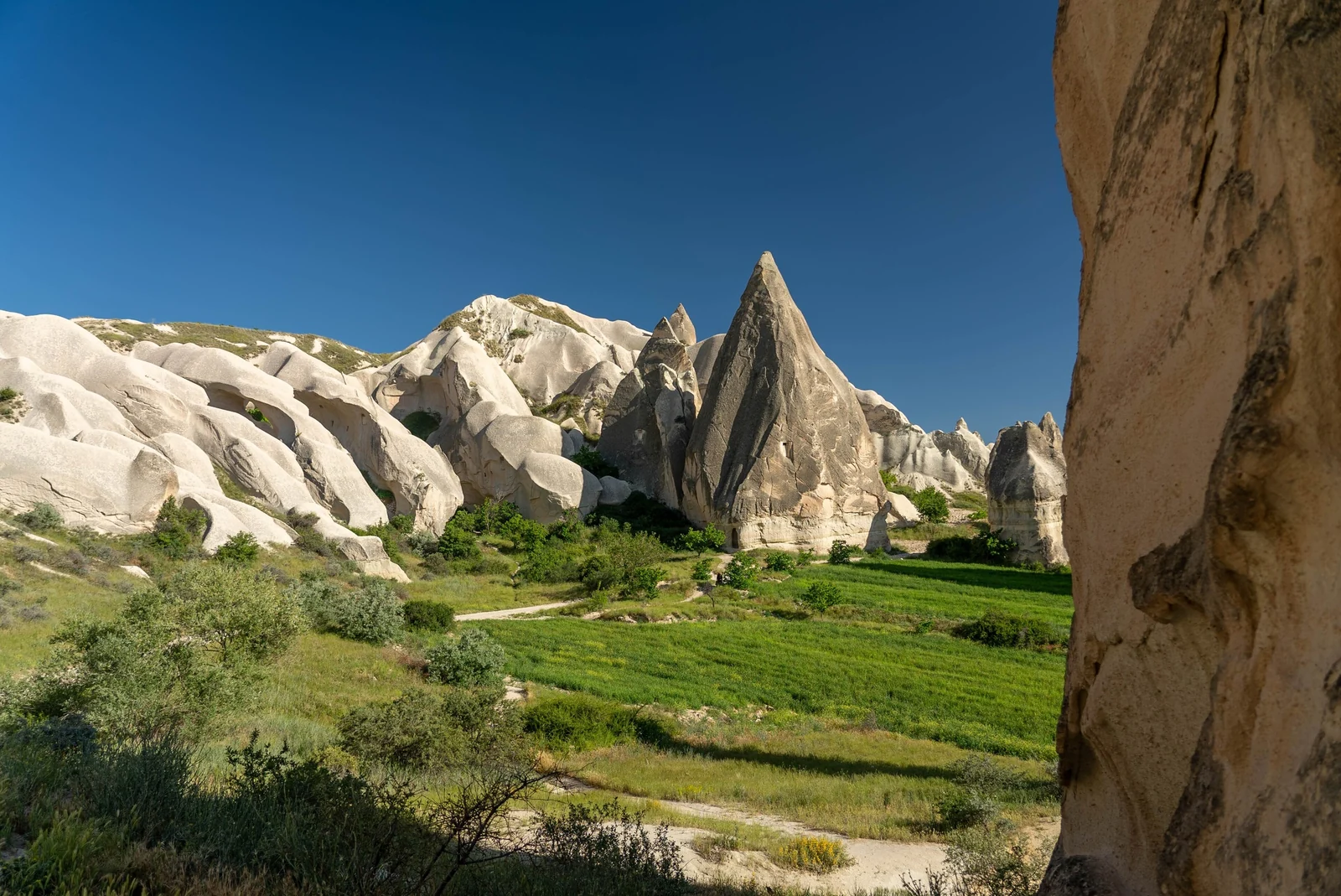
| Love Valley | Near Göreme and Uçhisar | Tall, tapering formations | Short walks, photography |
| Red Valley | Near the Rose Valley | Red-orange cliffs, rock churches, wide views | Sunrise or sunset hikes |
| Ihlara Valley | South-west of the main tourist area, near Aksaray | A deep green canyon with a river and rock churches | A full day trip, shady walking |
Rose, Love and Red Valleys
These three can be strung together in a day, or sampled separately in the golden hour. Trails cross open ground with little shade and junctions are not always marked, so download an offline map. Sunset in Rose Valley is popular, so arrive early.
Ihlara Valley
Ihlara is a different landscape: a deep, green gorge along the Melendiz River, lined with rock-cut churches. Sources give varying lengths for the canyon, so plan on a long walk along the river rather than a quick stop, and pair it with the nearby Selime Monastery if you have the time. It lies a fair distance from Göreme, so go with a tour or hire a driver for the day.
Where to Stay: Cave Hotels and the Best Towns
Sleeping in a cave room is part of the Cappadocia experience. Rooms stay cool in summer and warm in winter, and range from simple pensions to polished boutique stays. Check photos for natural light and ask about stairs.
- Göreme: the most social and practical base, with the widest range of budgets, rooftop terraces for balloon watching and easy access to tours and buses.
- Uçhisar: calmer and more upscale, with sweeping views from the higher ground. You will walk more, and there are fewer places to eat.
- Ürgüp: a proper town with more restaurants and wine bars, and a good fit if you want evenings out. Fewer cone-top terraces than Göreme.
- Avanos: a quieter riverside base for pottery lovers, but farther from the main sights.
- Çavuşin and Ortahisar: small villages with a slower pace, best with a car.
Food and Wine in Cappadocia
Cappadocian cooking is hearty and built around slow-cooked meat, bread and local produce. The signature dish is testi kebab, a meat and vegetable stew sealed inside a clay pot that is cracked open at your table. It is sometimes called pottery kebab, and worth ordering at least once.
- Testi kebab: order it a little ahead if you can, since it takes time to cook. Sharing a pot works well.
- Manti and gözleme: small dumplings and thin stuffed flatbreads, good lighter meals.
- Local wine: the region has a long winemaking tradition, and Ürgüp and Uçhisar have tasting rooms. Ask about local grape varieties rather than defaulting to a familiar label.
- Turkish tea: finish a meal with a glass of strong tea, offered almost everywhere.
Best Time to Visit Cappadocia
Spring and autumn are the best seasons: comfortable walking temperatures, clear light and good balloon odds. Summer is hot in the middle of the day and busy, but mornings and evenings are lovely. Winter is quiet and cold, with the chance of snow dusting the rock formations, which looks striking, though balloon flights are more often cancelled and some services run less often.
- Spring and autumn: the sweet spot for hiking, photography and ballooning.
- Summer: long days, hot afternoons, high demand. Walk early and late.
- Winter: snow-covered scenery, better rates and fewer people. Pack warm layers and allow flexibility for weather.
Getting to Cappadocia
Cappadocia is served by two airports, Nevşehir Kapadokya (NAV) and Kayseri Erkilet (ASR). Nevşehir is closer to Göreme, usually a transfer of well under an hour. Kayseri is farther, generally an hour or more by road, but it can have more flight options. Shuttles, taxis and pre-booked transfers connect both airports with the main towns, so compare options before you land.
From Istanbul, flights are the fastest option. Overnight buses also run to the region and take around 11 to 12 hours, which is a long haul but saves a hotel night. Check timetables and seat comfort with the operators, and be ready for an early arrival. Once you are there, buses and dolmuşes link the towns, but a rental car or private driver is the easiest way to reach the underground cities and Ihlara. Start and finish your trip with more of the country in our Türkiye travel guides.
A 3-Day Cappadocia Itinerary
Day 1: Göreme and the Valleys
Start with a balloon flight if the weather allows. Later, visit the Göreme Open-Air Museum when it opens, then walk Rose and Red Valleys in the afternoon and watch sunset from a ridge. Dinner is a testi kebab in town.
Day 2: Underground Cities and Ihlara
Head out early to Derinkuyu, add Kaymaklı if energy allows, then continue to Ihlara Valley for a riverside walk. This is a long day, so a driver or small-group tour makes it much easier.
Day 3: Avanos, Zelve and Uçhisar
Visit Zelve in the morning, then spend time with the potters in Avanos. Finish at Uçhisar Castle for a late-afternoon view, and taste local wine in Ürgüp that evening. If your balloon flight was cancelled earlier, use this as your backup morning. Headed on to Istanbul afterward? See our Hagia Sophia guide, or browse all European destinations.
Cappadocia Travel FAQ
How many days do you need in Cappadocia?
Three days covers the main sights: Göreme, a valley walk, an underground city and a balloon attempt with a day to spare. Two days is rushed. Add a fourth if you want Ihlara Valley at a relaxed pace or a quieter day to wander villages.
Are balloon flights in Cappadocia often cancelled?
Cancellations depend on wind and visibility and are more common in winter. Operators decide in the early morning. Book for your first or second morning, keep a spare day in your plan and ask your operator about refunds or rescheduling before you pay.
Is it safe to take a hot-air balloon in Cappadocia?
Flights are regulated and only go ahead after daily weather checks. Choose an established, licensed operator, follow the crew's landing briefing and wear closed shoes. Very cheap offers deserve scrutiny. Tell the operator about any health or mobility issues when you book.
Which town is best to stay in, Göreme, Uçhisar or Ürgüp?
Göreme suits most first-time visitors thanks to its rooftop terraces, tours and buses. Uçhisar is quieter with broader views, and Ürgüp has the best restaurants and wine bars. All three are close enough to combine in a single trip.
How do you get to Cappadocia from Istanbul?
Fly to Nevşehir or Kayseri, the fastest option, then take a shuttle or taxi to your town. Overnight buses also run and take roughly 11 to 12 hours. Compare timetables and comfort before booking, as schedules change.
What is testi kebab?
Testi kebab is a slow-cooked stew of meat and vegetables sealed in a clay pot. The pot is cracked open at your table. It is a regional specialty, takes time to cook and is easy to share, so ask if your restaurant needs advance notice.
When is the best time to visit Cappadocia?
Spring and autumn offer the best mix of mild weather, clear light and decent balloon odds. Summer is hot and busy. Winter is cold and quiet, with the chance of snow on the formations but more disrupted flights.