If you can only pick one, pick Granada for a first trip built around one overwhelming monument, and Seville when you want a city to live in for a few days. That is the short answer to Seville or Granada, and the rest of this guide explains why, and when the answer flips.
Both cities sit in Andalusia, both are shaped by centuries of Moorish rule, and both are full of orange trees, tiled courtyards and late dinners. They feel very different on the ground. Seville is large, grand and theatrical, with a cathedral, a palace and a flamenco scene. Granada is smaller and steeper, built around the Alhambra and a hillside of white houses. Our Seville travel guide goes deeper on the southern city.
Seville or Granada: The Quick Verdict
Choose Granada if the Alhambra is the reason you are going to Andalusia. Nothing in Seville replaces it, and the city around it is compact enough to cover on foot in two days. Choose Seville if you care more about atmosphere, big architecture and nightlife than about a single headline sight, or if you will be there for a festival week.
My stance: for a first visit with only a few days, Granada gives you the stronger single memory, while Seville is the better city to be in. If you have four or five days and a bus ticket, do both and do not agonize. They are close enough that the choice mostly becomes a question of order and time.
Seville vs Granada at a Glance
| Seville | Granada | |
|---|---|---|
| Headline sights | Real Alcázar, Cathedral and Giralda, Plaza de España | Alhambra and Generalife, Albaicín, Royal Chapel |
| Size and feel | Large, flat, spread out, a real city | Compact, hilly, easy to walk in a day |
| Best for | Atmosphere, architecture, flamenco, nightlife | One great monument, viewpoints, tapas crawls |
| Heritage listing | Cathedral, Alcázar and Archivo de Indias (UNESCO, 1987) | Alhambra, Generalife and Albayzín (UNESCO, 1984 and 1994) |
| Summer heat | Among the hottest big cities in Europe | Hot, but cooler nights thanks to altitude |
| Winter | Mild, with some rain | Cold nights, snow possible on the nearby Sierra Nevada |
| Booking pressure | Alcázar and Cathedral fill up in busy weeks | Alhambra timed tickets sell out well ahead |
| Ideal stay | 2 to 3 days | 2 days |
| Eating | Late dinners, classic tapas bars | Tapas often arrive with your drink |
Treat the table as a quick filter, not a rulebook. Ticket rules, opening hours and entry conditions change, so confirm them on the official sites before you plan a day around them.
Seville: Alcázar, Cathedral and Flamenco
Seville rewards wandering more than ticking. Its big sights cluster in a small zone, so one morning can hold the Cathedral and the Alcázar, and the rest of the day goes to eating, resting and walking the old quarter in the cool of the evening.
The Real Alcázar
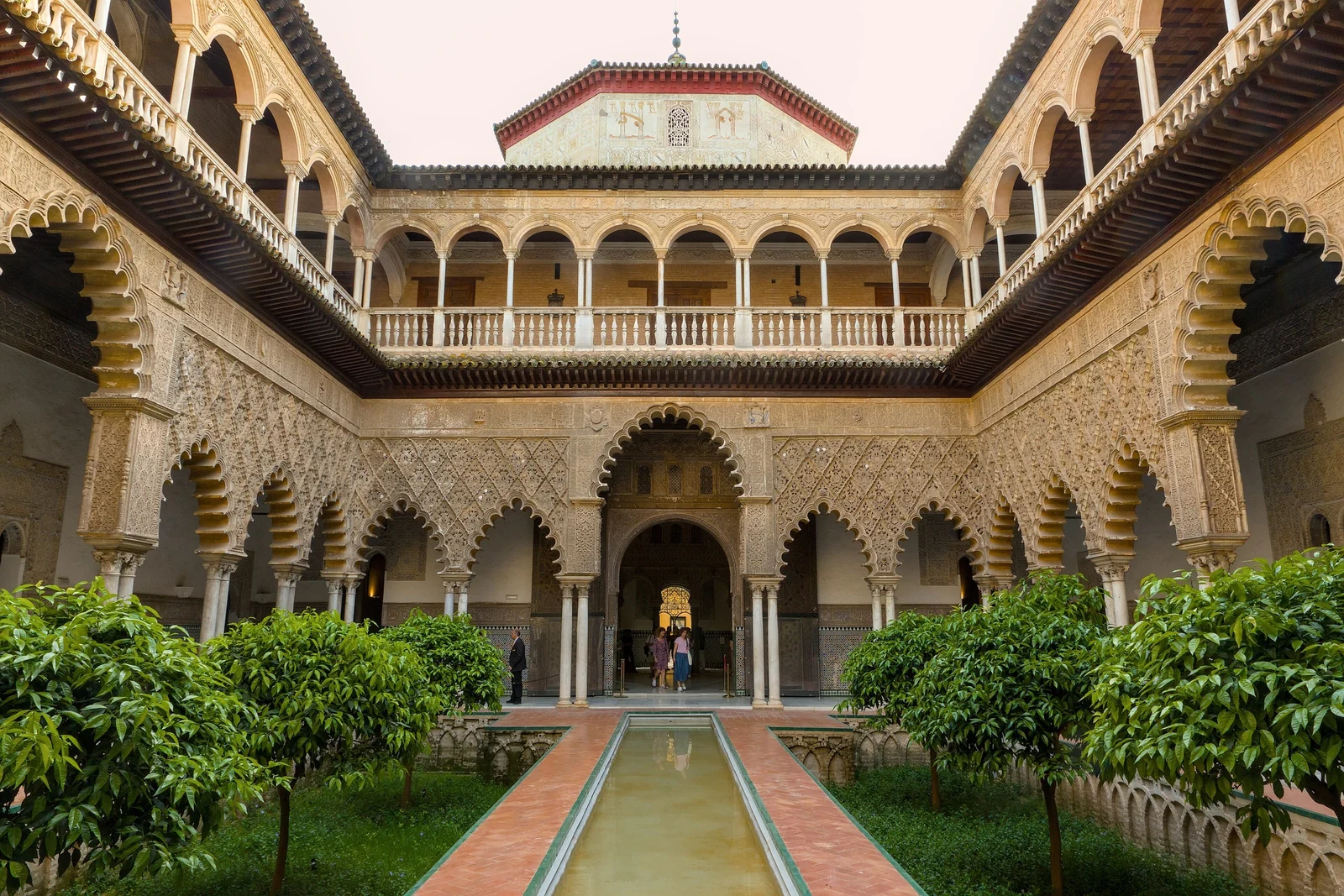
The Real Alcázar is a royal palace still used by the Spanish royal family, and it is one of the finest examples of Mudéjar architecture, the style in which Muslim craftsmen worked for Christian rulers. The Palace of Pedro I, built in the 14th century, is the highlight, with stucco-lace walls, tiled rooms and arched courtyards. Outside, the gardens run through terraces, fountains and orange trees. Book ahead in busy weeks and use the official Alcázar site for current opening details.
Cathedral and Giralda
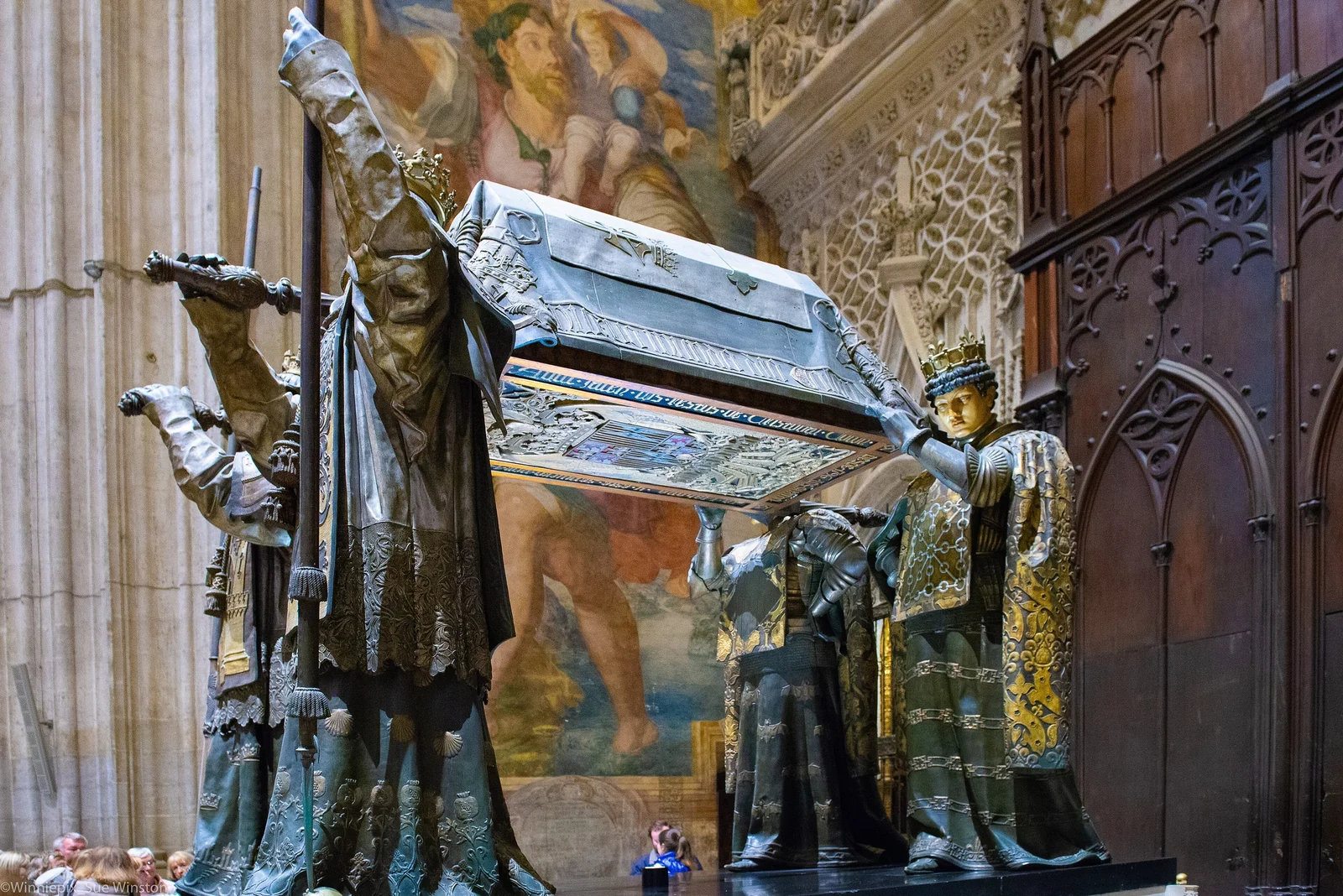
Seville Cathedral is among the largest Gothic cathedrals in the world, and it was built on the site of the city's great mosque. The Giralda bell tower began life as that mosque's minaret, which is why it looks so unlike a normal church tower. Inside, the tomb of Christopher Columbus is carried by four bearers, and it draws a crowd. The tower climb is gentle, built as a ramp rather than stairs.
Flamenco, Triana and the evenings
Seville is the better city for an evening out. Flamenco here runs from polished tourist shows to small, serious venues, and the Triana district across the river is its traditional home. Go for a smaller venue if you can, and treat the show as a performance to sit through quietly. After the show, the city does what Seville does best: drinks late, eats late, and stays loud until midnight.
Granada: The Alhambra, the Albaicín and Tapas
The Alhambra and Generalife
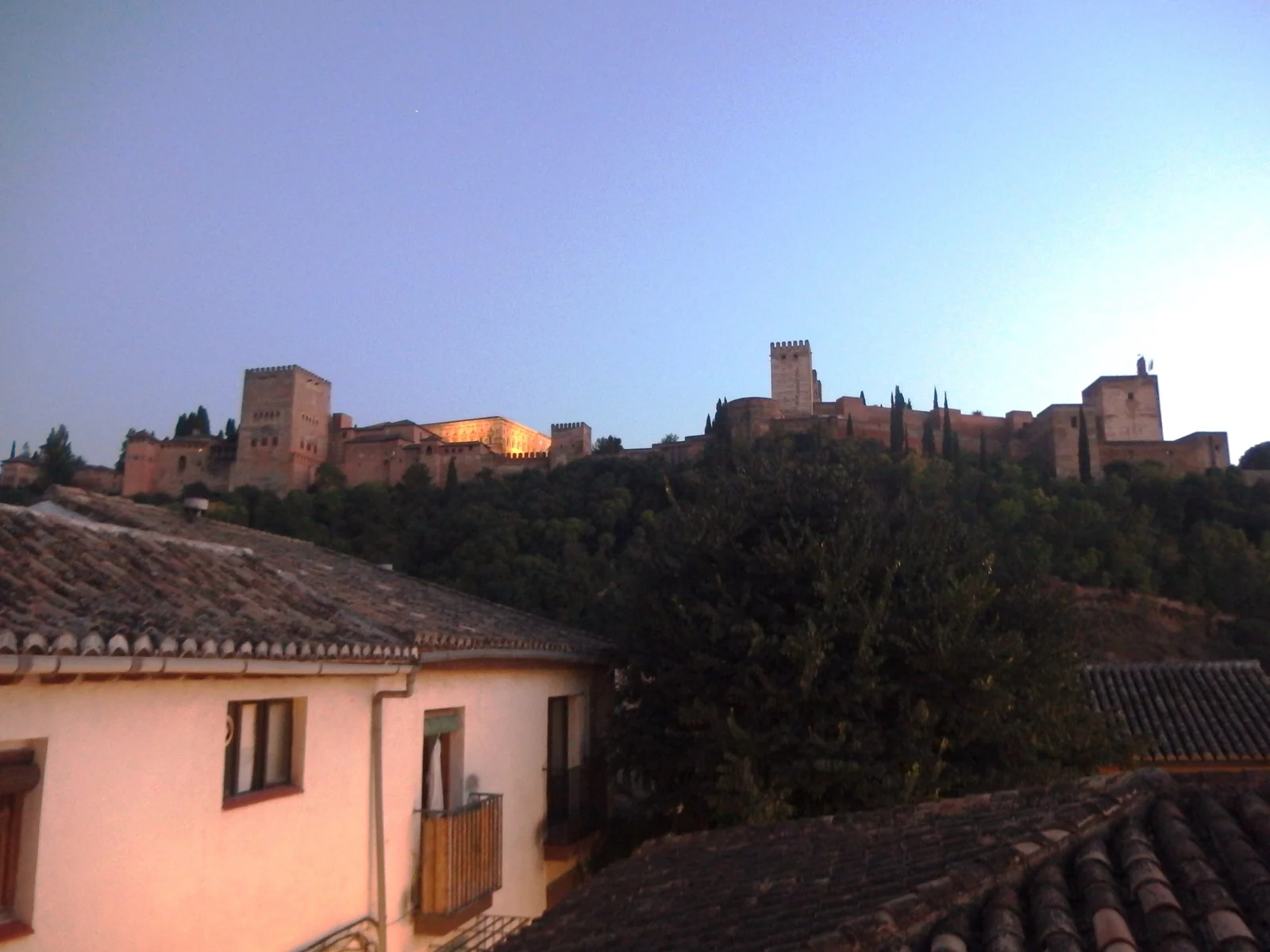
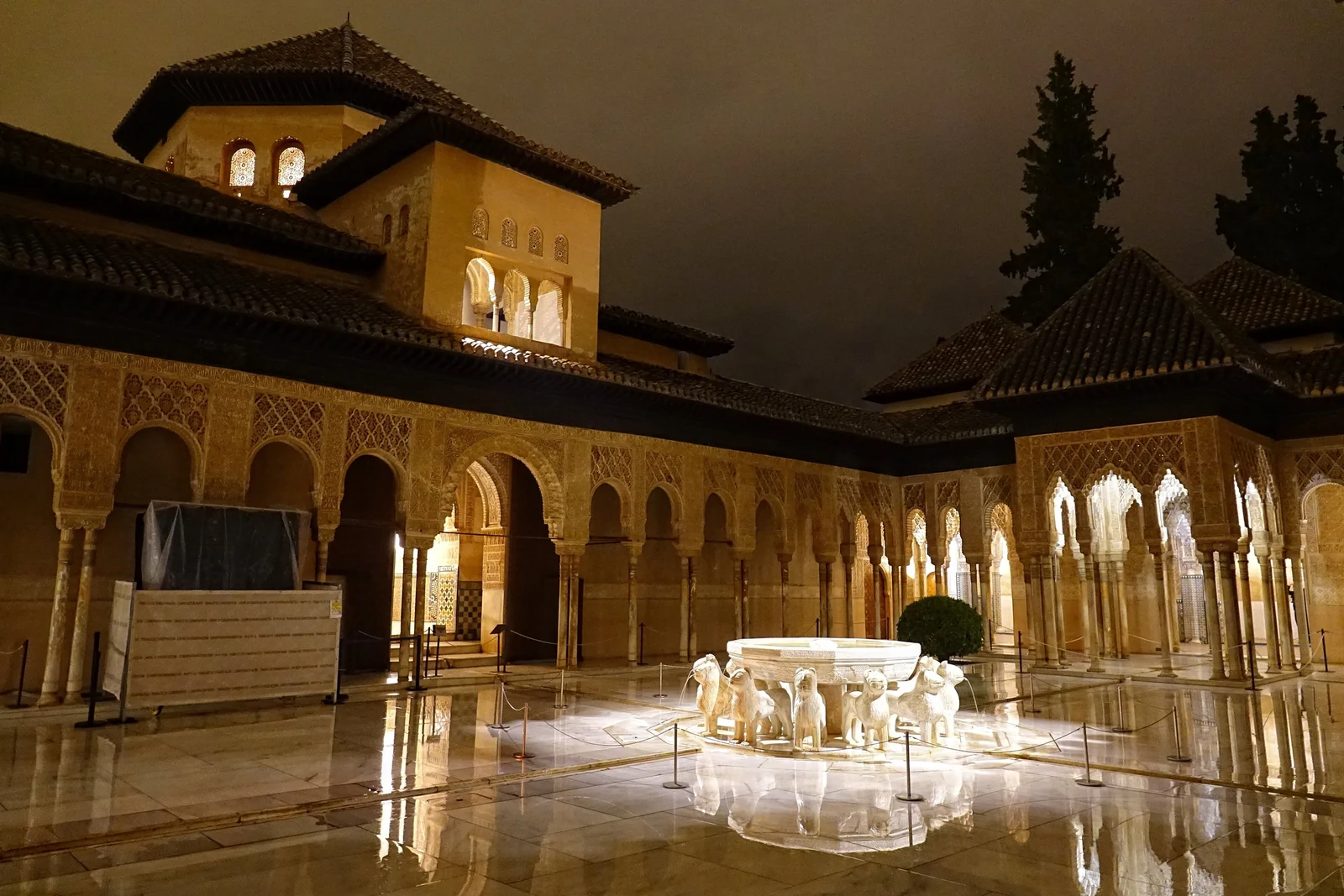
The Alhambra is a fortress, palace complex and garden estate on a hill above the city, and the Nasrid Palaces inside it are what people queue for. Poetry runs along the walls in carved plaster, water moves from room to room, and the Court of the Lions is the image on every postcard. The Generalife gardens, a short walk away, were the rulers' retreat. Allow most of a day, and plan around your timed entry to the palaces.
This is the bottleneck of the whole comparison. Alhambra tickets are timed and limited, and in busy seasons they sell out well ahead of the visit. Buy only from the official Alhambra site, and book the moment your dates are fixed.
The Albaicín and Sacromonte
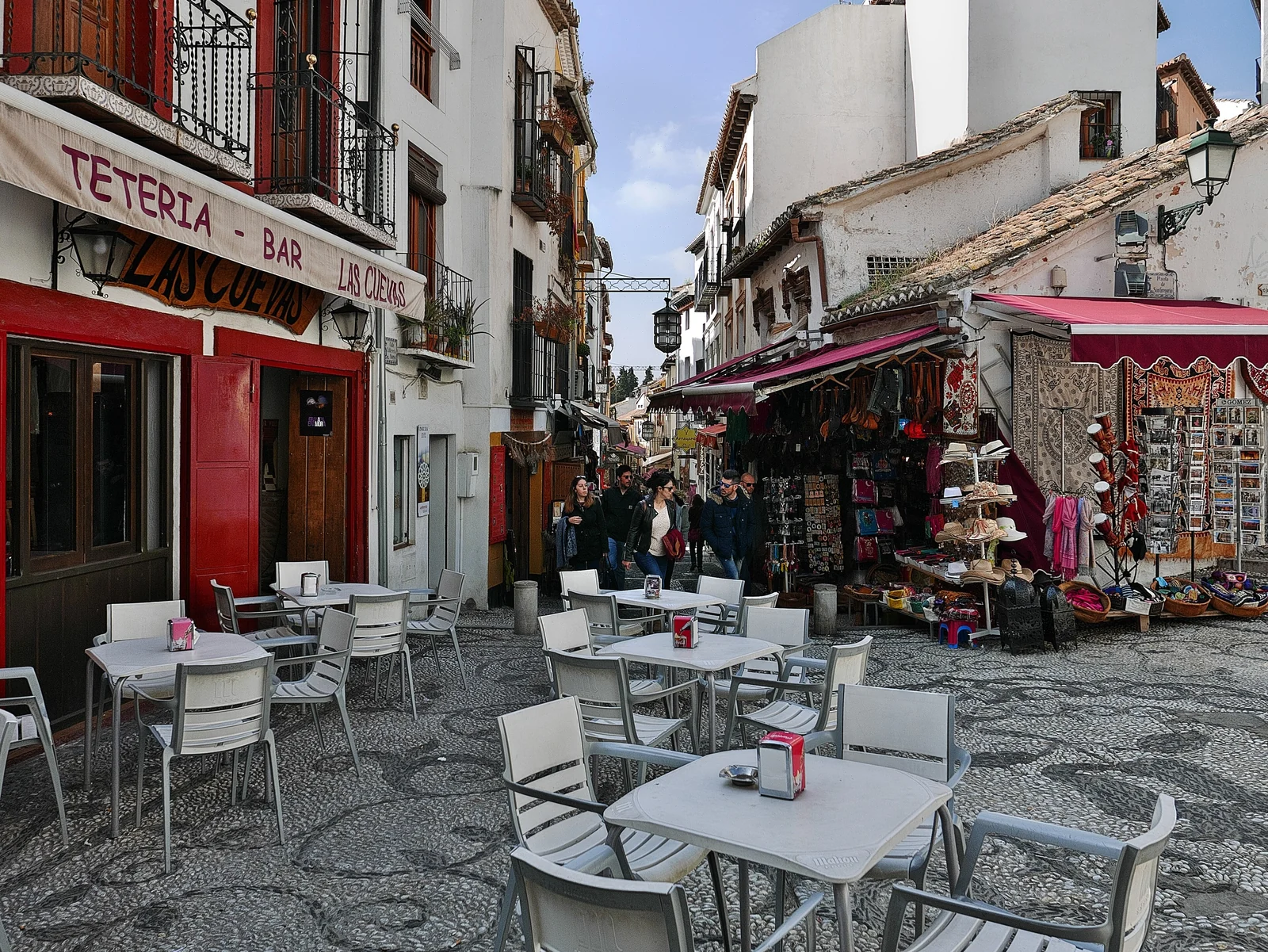
Across the valley, the Albaicín is Granada's old Moorish quarter, a maze of whitewashed lanes, small squares and carmens, the walled houses with gardens. It is the best place to look back at the Alhambra, and the viewpoint at San Nicolás is where everyone gathers at sunset. Be ready for steep, uneven streets, and wear shoes you trust on cobbles.
Higher up, Sacromonte has its cave houses and a long flamenco tradition, in the form of small cave venues. Flamenco in Granada feels more intimate than the big Seville shows, and it comes with a smaller choice.
Tapas in Granada
Granada is famous for tapas that arrive with your drink, and in many bars the plate gets bigger with each round. It is a real habit and not just a slogan, though it varies from bar to bar, so ask before you assume. For travelers, it means dinner can be a loose crawl, not a reservation. Seville's tapas culture is excellent too, but there you order and pay for each plate.
Pace matters as much as sights. Seville rewards a slow rhythm: a long morning at the big monuments, a break through the hottest hours, then a late walk and dinner. Granada is the opposite. Its day is built around a ticket time, so you rise early, commit to the Alhambra, and spend the evening climbing into the Albaicín. If you are traveling with someone who hates schedules, Seville will cause fewer arguments. If you travel with someone who wants one perfect day, Granada delivers it.
Weather and Crowds: When to Visit Each City
Spring and autumn are the safest seasons for both. Seville's summers are severe, and the heat can make midday sightseeing miserable, so plan around early mornings and late evenings. Granada is hot in summer as well, but the altitude cools the nights and you can see snow on the Sierra Nevada from the city in colder months.
Crowds follow the same pattern. The Alhambra is busy in all but the quietest weeks, and the Seville sights fill up around spring festivals. Seville's Holy Week and the April Feria draw big crowds and push up demand for rooms, so book early if your trip overlaps. If you can pick your dates, choose a shoulder season and a weekday for the big monuments.
Getting Between Seville and Granada
The two cities are roughly 250 km apart, and the bus is the simplest link. Services run through the day, and the trip takes around three hours, though listings differ by departure. Train options and schedules change, so check the current offer on Renfe before choosing, and compare it with the bus operators for your date.
If you rent a car, the drive is easy, but you pay for parking in both old centers and neither is car-friendly. For most travelers, taking public transport between the two and walking inside each city is far less stressful. An open-jaw trip, flying into one city and out of the other, also saves the backtracking.
How to Do Both: Sample Plans
Three days: Granada first
Spend two nights in Granada, one full day on the Alhambra and a second for the Albaicín, the Cathedral and Royal Chapel, and an evening tapas route. Take the morning bus to Seville on day three and use the afternoon for the Cathedral exterior, a walk through the old quarter and a flamenco show at night.
Five days: the balanced route
- Day 1: arrive in Seville, walk the old center, early dinner and an evening paseo.
- Day 2: Alcázar in the morning, Cathedral and Giralda after lunch, flamenco at night.
- Day 3: Triana and a slow morning, then the afternoon bus to Granada.
- Day 4: Alhambra on your timed ticket, tapas in the evening.
- Day 5: Albaicín and the sunset viewpoint, or a Sacromonte evening.
Flip the order if your flight is into Málaga and out of Seville. The only hard rule is to buy the Alhambra slot first and build everything else around it.
One day only
Nothing replaces an overnight stay, because both cities change character after dark. A single day in either city is a compromise. If you must choose, Granada is the easier day to defend, since the Alhambra fills the hours. Seville in a day means the Alcázar and Cathedral and little else. Our guides to Barcelona and Valencia show how other Spanish cities handle that same one-day squeeze.
Where to Stay in Seville and Granada
In Seville, the area around the Cathedral and Santa Cruz is the most convenient for first-timers, and Triana is quieter and more local. In Granada, stay near the center or at the foot of the Albaicín if you are comfortable with hills. A room inside the steep upper lanes means a lot of climbing with a suitcase, so check the street access before you book.
For more places to base yourself across the country, browse the other Spain travel guides.
Seville or Granada FAQ
Is Seville or Granada better for a first trip to Andalusia?
Granada is the better pick if the Alhambra is your main goal, and Seville is better if you prefer a big, lively city with several sights. With four or five days, visit both and keep the Alhambra ticket as your fixed anchor.
How many days do you need in Seville and in Granada?
Two to three days suits Seville, since its sights are spread out and the evenings are half the appeal. Two days is enough for Granada: one for the Alhambra, one for the Albaicín, the cathedral area and tapas.
How do you get from Seville to Granada?
The bus is the simplest option and takes roughly three hours. Train services and schedules change, so check Renfe and the bus operators for your date. Driving is possible but parking in both old centers is a hassle.
Do you need to book the Alhambra in advance?
Yes. Entry to the Nasrid Palaces is timed and limited, and tickets can sell out well ahead in busy seasons. Buy only through the official Alhambra site, and fix your Granada dates before you plan the rest of the trip.
Which city is better for flamenco?
Seville has more choice, from large shows to small serious venues, and Triana is its traditional home. Granada's Sacromonte offers a more intimate cave-venue setting. Pick a smaller venue in either city if you can.
When is the best time to visit Seville and Granada?
Spring and autumn are the most comfortable seasons for both. Seville gets very hot in summer, and Granada has cold winter nights. Holy Week and the April Feria in Seville bring crowds and higher demand, so book early.
Is Granada cheaper than Seville?
Costs vary by season and by neighborhood, so there is no reliable rule. Granada's habit of serving tapas with drinks can lower food costs, but check current prices for rooms and tickets on official and booking sites for your dates.