Mallorca is the largest of Spain's Balearic Islands, and it is far more than a beach package. In one compact island you get a Gothic cathedral city, a UNESCO-listed mountain range, terraced villages, cliff-backed coves and some of Europe's best coastal driving. This Mallorca travel guide shows how to combine Palma, the Serra de Tramuntana and the beaches without spending the whole trip in a car.
Plan on a week if you want all three. Base yourself in Palma for the first two or three days, then move to the northwest or the east coast for the rest. For more ideas across the country, browse our Spain travel guides.
Palma: Cathedral, Old Town and the Waterfront
Palma is the island's capital and its only real city, with an international airport, a marina and an old town you can cover on foot. Start at the sea. The cathedral, known as La Seu, rises straight above the waterfront promenade, and its honey-colored limestone glows best in the late afternoon.
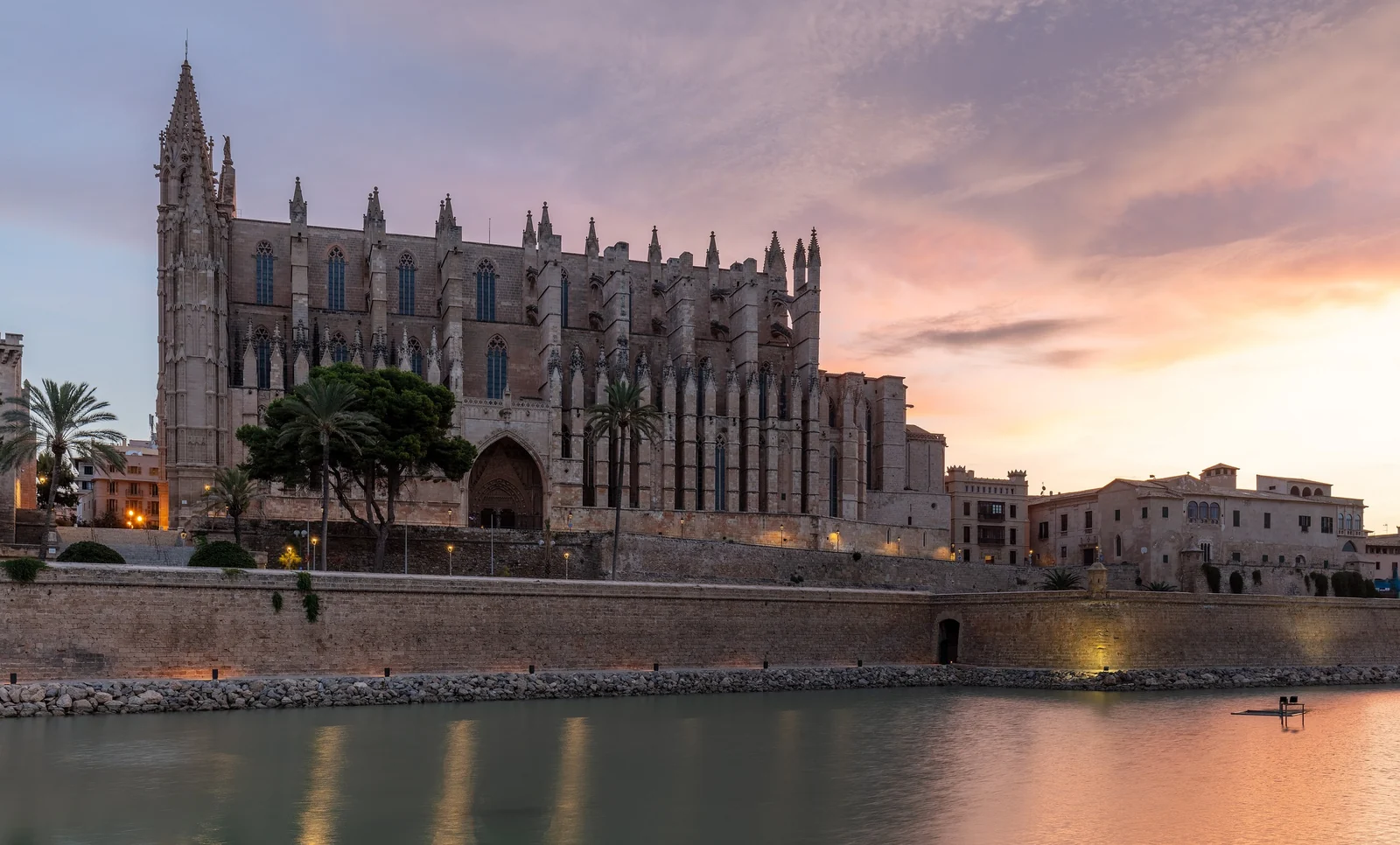
La Seu Cathedral
Construction began in 1229, soon after the Aragonese conquest of the island, and the Gothic building took centuries to finish. Its great rose window is among the largest Gothic rose windows in the world. Inside, look for the wrought-iron canopy and lamps that Antoni Gaudí designed in the early 1900s during a restoration. Check opening hours and ticket options on the official cathedral website, since religious services can change visiting times.
The Old Town and the Almudaina
Next door, the Almudaina Palace, a former Moorish fortress turned royal residence, faces the cathedral across a wide terrace. Behind them the old town is a maze of lanes, courtyards and small squares. Wander without a plan, duck into a patio if the doors are open, and stop at a bakery for an ensaïmada, the island's spiral, powdered-sugar pastry.
Bellver Castle
Built in the early 14th century for the kings of Majorca, Bellver is unusual because its plan is circular, with a central courtyard ringed by two arcaded levels. It stands in a pine wood above the bay, and the terrace gives you the best single view of Palma, the harbor and the mountains. Allow half a day, or a couple of hours if you take a taxi up.
Serra de Tramuntana: The Island's UNESCO Mountains
The Serra de Tramuntana runs along the northwest coast for about 90 kilometers. UNESCO inscribed it in 2011 as a cultural landscape, because centuries of farmers shaped these slopes with dry-stone terraces, irrigation channels and mills. The UNESCO World Heritage listing explains why the mountains matter.
This is where Mallorca stops feeling like a resort and starts looking like the Mediterranean of old paintings: gnarled olive trees, stone villages and sudden sea views. Roads are narrow and winding, so give every drive more time than the map suggests.
Valldemossa
Valldemossa is a stone village of flower-filled lanes in a mountain bowl, and the busiest stop in the range. Its Carthusian monastery is where Frédéric Chopin and George Sand spent the winter of 1838 to 1839. Come early or late in the day to see the village without tour groups, and try a coca de patata, a sweet potato bun that locals eat for breakfast.
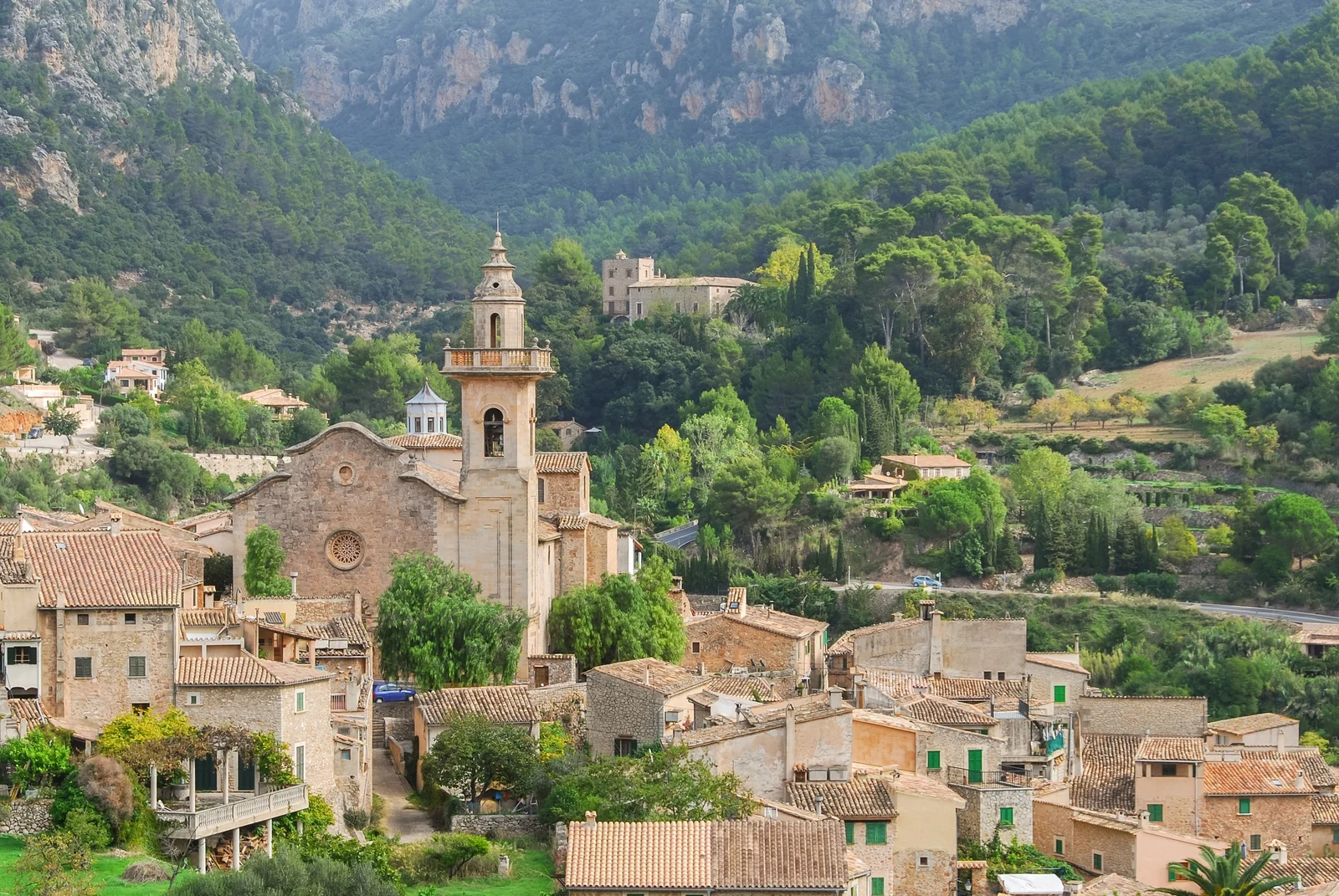
Deià
A few miles farther along the coast road, Deià clings to a hillside above a small cove. The poet Robert Graves lived here for decades, and the village has drawn artists ever since. Walk down to Cala de Deià for a swim, but note that parking is tight and the road is steep. A coffee on a terrace with a view of the terraces and sea is reason enough to stop.
Sóller and Port de Sóller
Sóller sits in a valley of orange and lemon groves behind the mountains. The best way to arrive is the vintage Sóller train, a wooden railway that opened in 1912 and winds from Palma through tunnels to the valley. At Sóller, a wooden tram continues to the harbor at Port de Sóller, which opened in 1913. See the Tren de Sóller website for current timetables and fares.
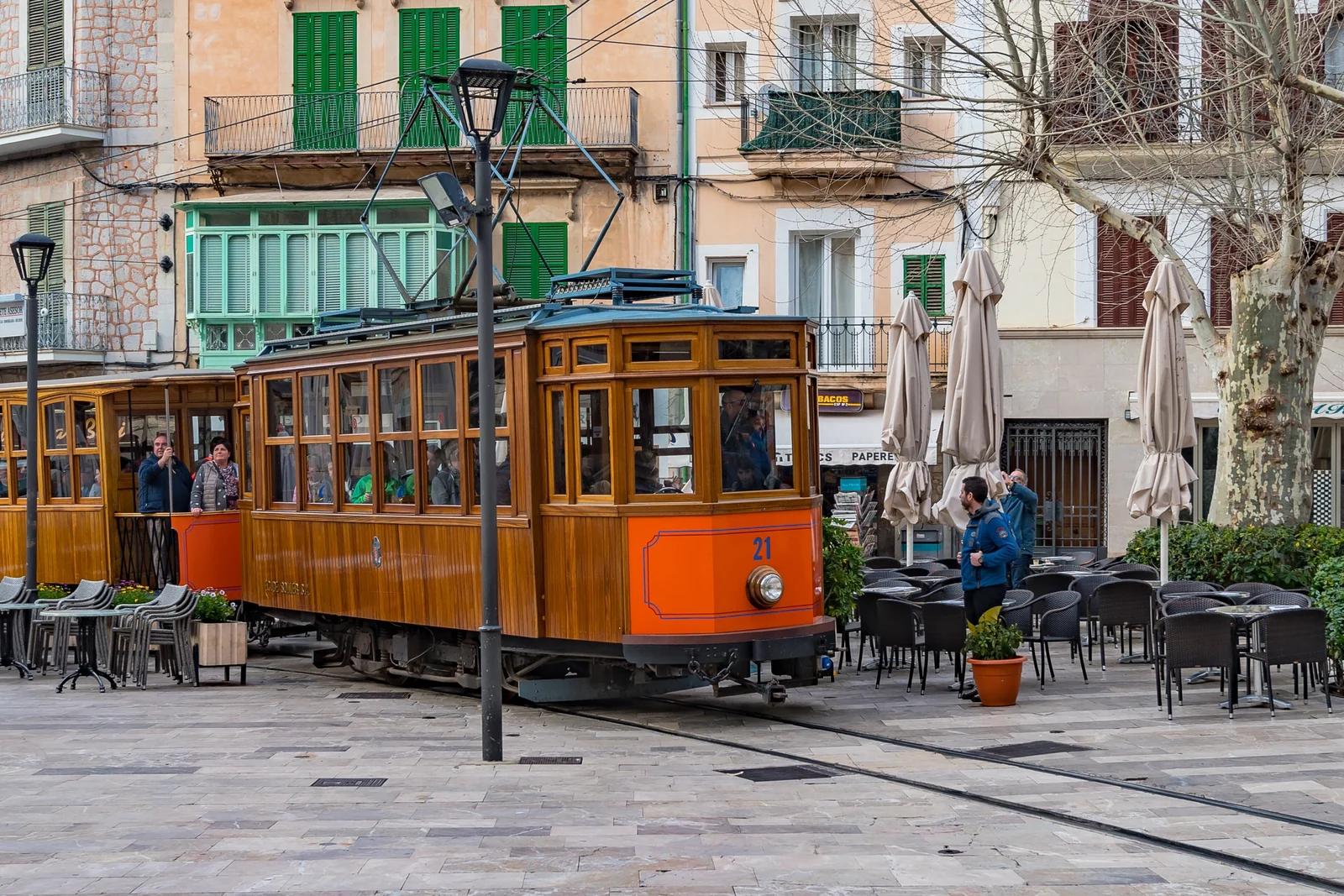
Sa Calobra and Torrent de Pareis
The road to Sa Calobra drops from the mountains in a series of hairpins, including a loop known as the Nus de sa Corbata, the tie knot, where the road passes under itself. At the bottom, a short walk leads to the mouth of the Torrent de Pareis, a gorge with a pebble beach. It is dramatic but busy at midday, so go early or arrive by boat from Port de Sóller. Confident cyclists love this climb; everyone else should drive slowly.
Cap de Formentor and the North Coast
The Formentor peninsula forms the island's northeastern tip, and the road to its lighthouse is one of the most famous drives in the Balearics. It threads along sheer cliffs, passes viewpoints such as Mirador des Colomer and ends at a lighthouse built in the 19th century on a rocky headland above the sea.
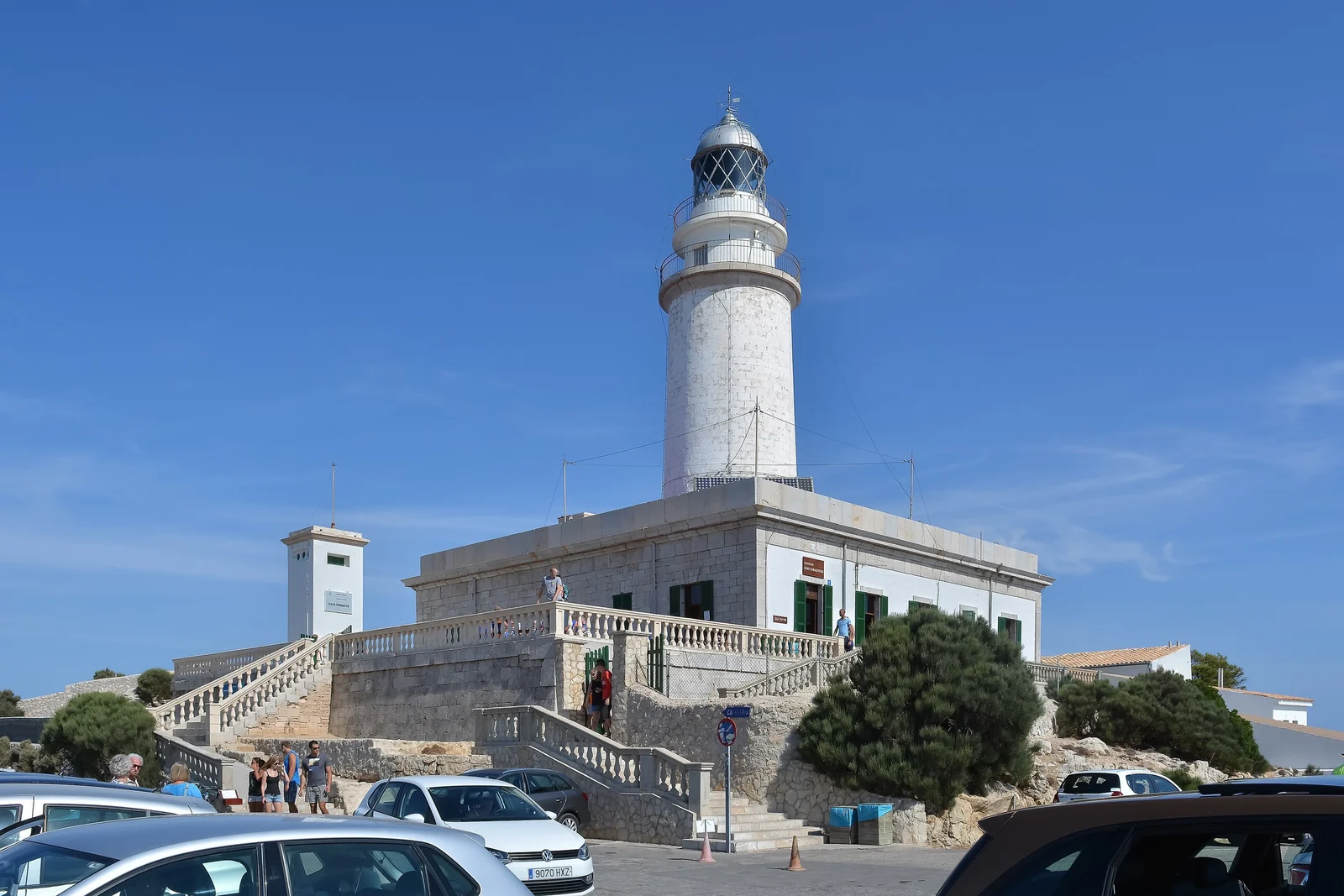
Go early or near sunset. At midday the road, the viewpoints and the parking fill, and in summer access can be regulated, so check current rules with the local authorities before you set out. On the way you can stop at Port de Pollença for a swim or a waterfront lunch, then continue to the old town of Pollença with its steps and Sunday market.
Best Beaches and Calas in Mallorca
Mallorca's coastline falls into two moods. The north and west are steep and rocky, while the south and east have the pale sand and shallow turquoise water. Swimming is best from late spring to early autumn, and the busiest beaches fill early in summer, so arrive in the morning.
| Beach or cove | Area | What it is like | Good for |
|---|---|---|---|
| Caló des Moro | Southeast | A narrow cove between cliffs, tiny and very popular | Photos, early swims |
| Es Trenc | South | Long, natural stretch of white sand with dunes behind | Space, a relaxed day |
| Mondragó | Southeast | Sheltered coves inside a natural park | Families, snorkeling |
| Platja de Formentor | North | Calm bay with pines along the shore | Clear water, quiet swimming |
| Cala Mesquida | Northeast | Dune-backed sand beach | Wide views, fewer buildings |
| Cala de Deià | Northwest | Rocky cove below a village | Swimming, a seafood lunch |
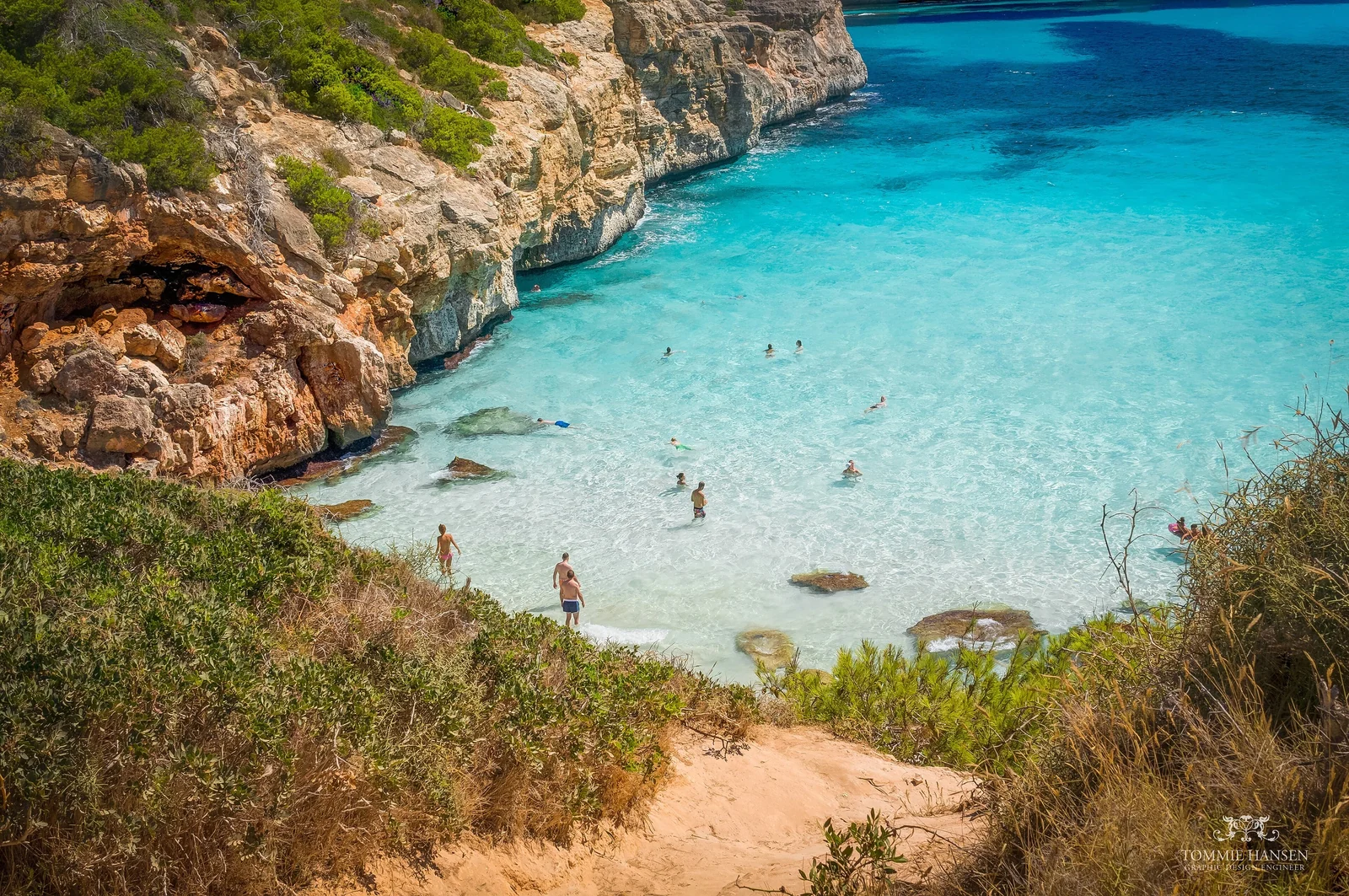
Caló des Moro is a classic example of the problem: it is beautiful, small and photographed constantly. If you reach it by 9 a.m. you will have a peaceful swim. Es Trenc is the better choice when you want space, and it feels wilder than most beaches on the island. Mondragó, on the southeast coast, works well with children because the coves are sheltered.
Best Time to Visit Mallorca
The island works almost all year, but each season offers something different.
- April to June: green hills, spring flowers, comfortable hiking weather and quieter roads. Sea temperatures are still cool.
- July and August: the hottest and busiest months, best for beach days and the most expensive for rooms and cars.
- September and October: warm sea, thinner crowds and good light. For many travelers this is the best balance.
- November to March: mild but changeable, with some hotels and restaurants closed in beach areas. Palma and the mountains remain open, and almond blossom appears in late winter.
If you prefer the mountains to the beach, aim for spring or autumn. If you only care about swimming, late June to September is the safest bet.
Getting Around Mallorca and Renting a Car
Palma's airport is the main entry point and sits a short drive from the center. Ferries also connect the island with the Spanish mainland, with services from cities such as Barcelona and Valencia; check operators for routes and times.
For the Tramuntana villages, Formentor and the best calas, renting a car gives you the freedom to move before the tour buses arrive. Book early for summer, choose a small car for the narrow mountain streets and check the parking rules in villages. Public buses do link Palma with Sóller, Valldemossa, Deià and many resorts, and the Sóller train needs no car at all, so a car-free trip is possible if you plan around timetables. If you are comparing islands, our guides to Tenerife and Crete will help you decide.
Where to Stay in Mallorca
Mallorca is small enough to change bases, but most visitors choose one area and make day trips from there.
- Palma old town: the best base for first-timers who want restaurants, culture and walkable streets without a car.
- Sóller and Port de Sóller: a good mountain-and-sea base with the train, the tram and boat trips on your doorstep.
- Deià and Valldemossa: romantic and quiet in the evening, but rooms are limited and book out early.
- Pollença and Port de Pollença: convenient for Formentor and the north coast, with a relaxed bay.
- Southeast coast: practical for families and beach-focused trips around Mondragó and Santanyí.
A Sample 5-Day Mallorca Itinerary
Day 1: Palma
See the cathedral and the Almudaina in the morning, wander the old town after lunch and watch the sun go down from Bellver Castle or the waterfront promenade.
Day 2: Valldemossa and Deià
Drive into the Tramuntana early. Visit Valldemossa first, continue to Deià for a swim, then finish in Sóller for dinner.
Day 3: Sóller and Sa Calobra
Take the old tram to the harbor, then a boat or the mountain road to Sa Calobra. Return by train if you are staying in Palma.
Day 4: Formentor and Pollença
Drive to the lighthouse early, stop at Platja de Formentor on the way back and have lunch in Port de Pollença. Walk the steps in Pollença in the evening.
Day 5: Beaches in the Southeast
Spend the morning at Caló des Moro or Mondragó, then continue to Es Trenc if you want a final long beach before the flight. Looking for another Spanish city after the island? Try our Barcelona guide.
Mallorca Travel FAQ
How many days do you need in Mallorca?
Five to seven days is ideal. That gives you two days in Palma, two in the Serra de Tramuntana and one or two for Formentor and the beaches. Four days works if you skip the north, and a long weekend covers little more than Palma.
Do you need a car in Mallorca?
Not strictly, but it helps. Buses and the Sóller train reach Palma, Sóller, Valldemossa and Deià, but a car makes Formentor, Sa Calobra and small coves far easier, especially if you want to arrive early before the crowds build.
What is the best time to visit Mallorca?
May, June, September and October offer the best mix of warm weather, swimmable sea and manageable crowds. July and August are best for beach holidays but are hotter, busier and pricier. Winter is quiet and mild, with some coastal businesses closed.
What is the Serra de Tramuntana?
It is the mountain range along Mallorca's northwest coast, about 90 kilometers long. UNESCO listed it in 2011 as a cultural landscape because of its terraced farmland, irrigation systems and old stone villages such as Valldemossa and Deià.
How do you get from Palma to Sóller?
You can take the vintage Sóller train from Palma, drive through the Sóller tunnel or take a bus. The train is slower but far more scenic. From Sóller, a tram continues to the harbor at Port de Sóller.
Which are the best beaches in Mallorca?
Popular choices include Caló des Moro, Es Trenc, Mondragó, Platja de Formentor and Cala Mesquida. Small coves such as Caló des Moro fill early, so arrive in the morning. Es Trenc offers the most space, while Mondragó suits families.
Is Mallorca worth visiting outside summer?
Yes. Spring and autumn are better for walking, cycling and sightseeing, and Palma stays lively all winter. Some beach resorts and restaurants close in the low season, so confirm opening before booking if you want a coastal base.