Madrid is Spain's capital and its biggest city, a high, dry, late-night metropolis in the middle of the country. A first Madrid travel guide comes down to three things: a golden triangle of world-class art museums, a handful of grand royal and civic spaces, and a food culture built around standing at a bar with a small plate and a cold drink.
Three full days cover the essentials, and the city also works as a base for day trips to Toledo, Segovia, El Escorial and Alcalá de Henares, all reachable by train or bus. Below you'll find what to see, what to eat, how the neighborhoods differ, when to go and how to get around. For the wider picture, browse our Spain travel guides.
Madrid rewards a slower, later rhythm. Museums fill the day, the streets come alive in the evening, and dinner rarely starts before 9 p.m. Plan around that and the city feels easy.
The Prado, Reina Sofía and the Art Triangle
Madrid's art museums sit close together along the Paseo del Prado, a tree-lined boulevard that is part of a UNESCO World Heritage landscape. You can see all three major ones in a long day, but you will enjoy two much more.
Museo del Prado
The Prado opened in 1819 and holds the finest collection of Spanish painting anywhere. Velázquez's Las Meninas, Goya's Black Paintings and Bosch's The Garden of Earthly Delights are the headline works, and the museum is also strong on Titian, El Greco and Rubens. Do not try to see everything. Pick three or four rooms, give them time and leave.
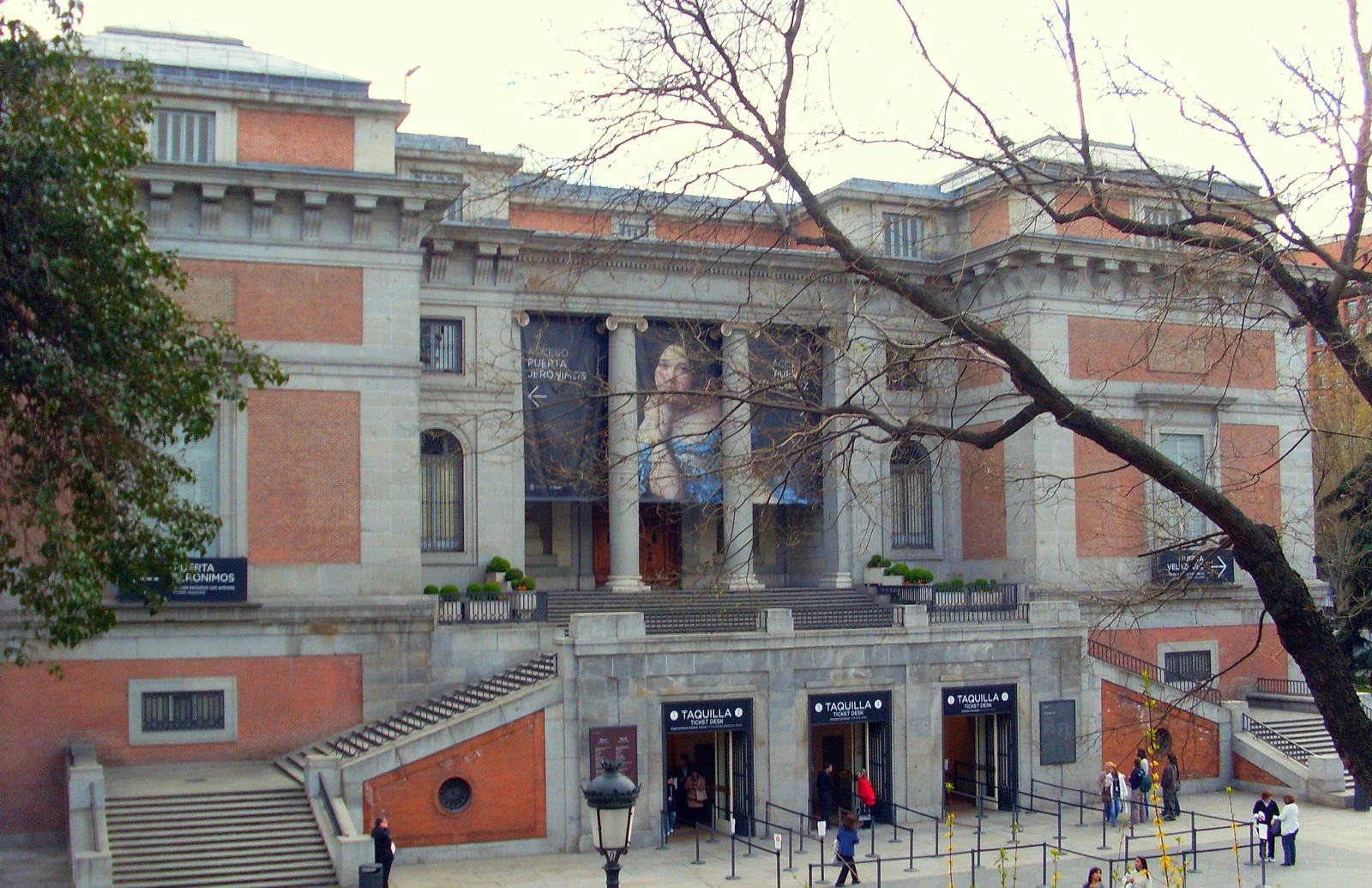
Book a timed ticket online and check the official Prado website for opening hours and any free-entry slots, which usually fall late in the day and mean long lines.
Museo Reina Sofía
The national museum of modern and contemporary art is best known for Picasso's Guernica, painted in response to the 1937 bombing of the Basque town. The painting hangs in a gallery of its own, with preparatory sketches nearby, and it is worth standing in front of for a long while. Dalí and Miró are well represented too. The museum is closed on Tuesdays, so check the Reina Sofía website before you plan.
Thyssen-Bornemisza and the rest
The Thyssen completes what locals call the Golden Triangle of Art. It is the most readable of the three, running from medieval panels through Impressionism to the 20th century, and it fills gaps the Prado leaves. If you only have time for two museums, choose the Prado and the Reina Sofía. Art lovers with a third day can add the Thyssen, or the smaller Sorolla and Lázaro Galdiano museums.
The Royal Palace, Plaza Mayor and Old Madrid
The historic center is compact and walkable. Start at Puerta del Sol, where a plaque marks the point from which Spain's radial roads are measured, and walk west through streets that date back to the Habsburg era.
Palacio Real
Madrid's Royal Palace is the official residence of the Spanish monarch, though the royal family lives elsewhere and the palace is used for state ceremonies. Charles III moved in during the 1760s, and the building has more than 3,000 rooms, making it one of the largest royal palaces in Europe. Highlights include the Throne Room, the Royal Armory and the grand staircase. Opening times change around state events, so check the Patrimonio Nacional website before you go.
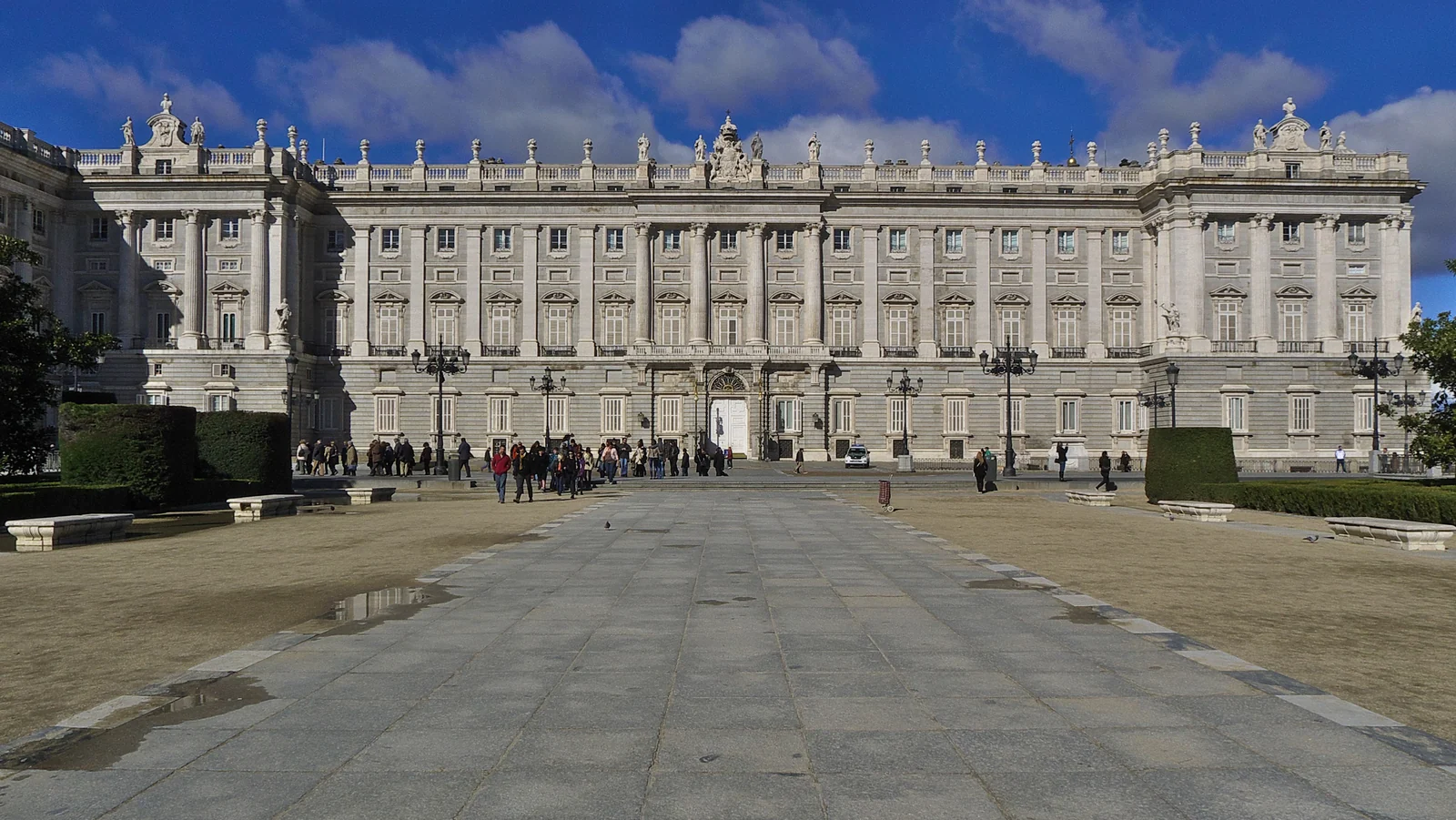
Walk through the Plaza de Oriente gardens afterward, then look in at the Almudena Cathedral next door. Its neo-Gothic exterior, finished in the 20th century, surprises many visitors.
Plaza Mayor
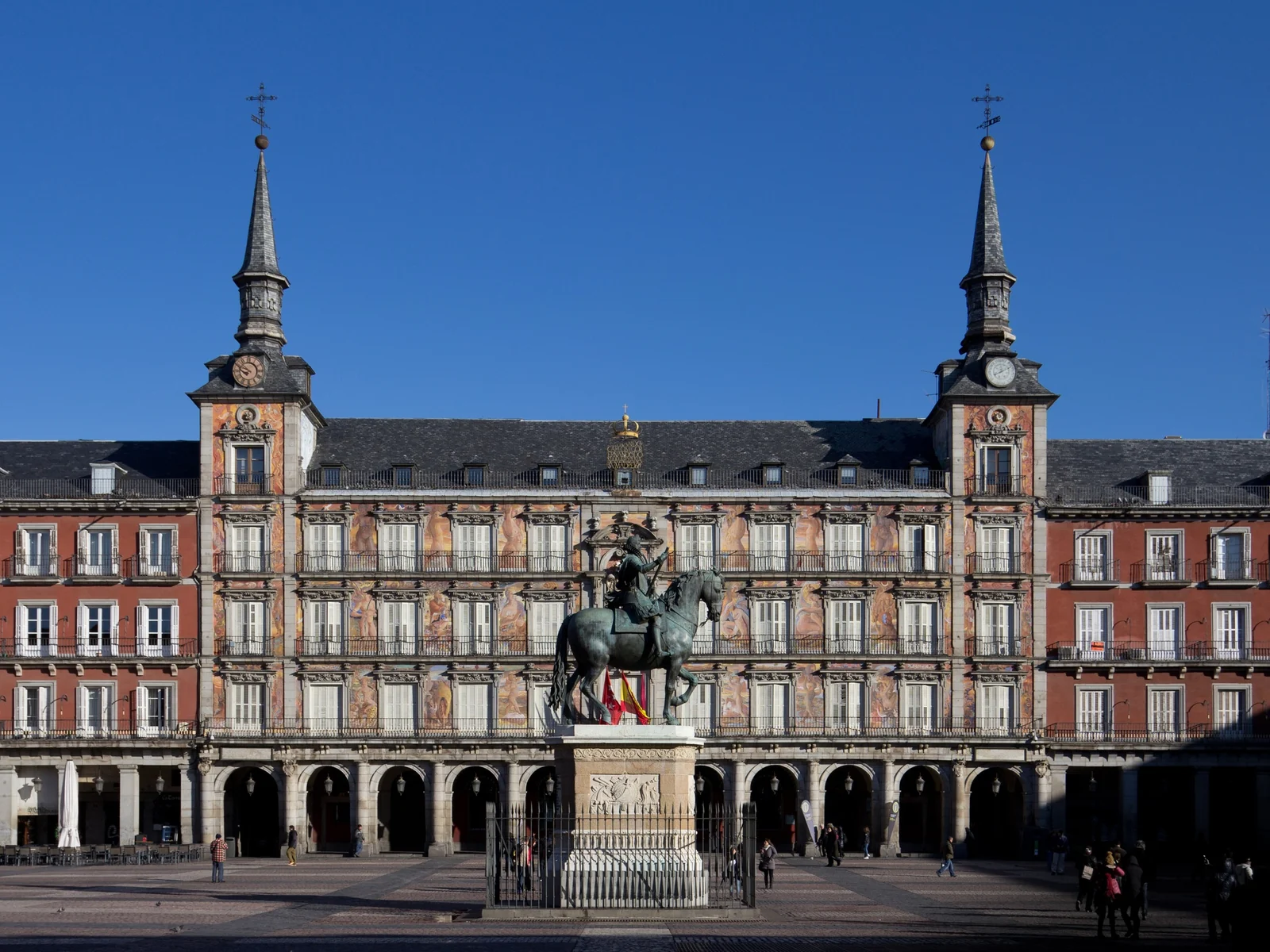
This enclosed arcaded square was laid out under Philip III and completed in 1619. The painted facade of the Casa de la Panadería, with its murals, dominates the north side. Terraces here are priced for the setting, so treat it as a place to look at and walk through rather than a place for lunch. Pass through one of the arched gateways and the old streets begin.
Mercado de San Miguel and the surrounding lanes
The iron-and-glass Mercado de San Miguel, which dates to 1916, sits beside Plaza Mayor and sells small plates, vermouth and seafood at tourist prices. It is fun for a quick look. For better value, walk a few minutes south into La Latina or Lavapiés, where the same food costs less.
Retiro Park: Madrid's Green Heart
Parque del Retiro began as a royal garden and opened to the public in the 19th century. It now covers well over 100 hectares of paths, formal gardens and chestnut avenues, and it was added to UNESCO's World Heritage List in 2021 together with the Paseo del Prado.
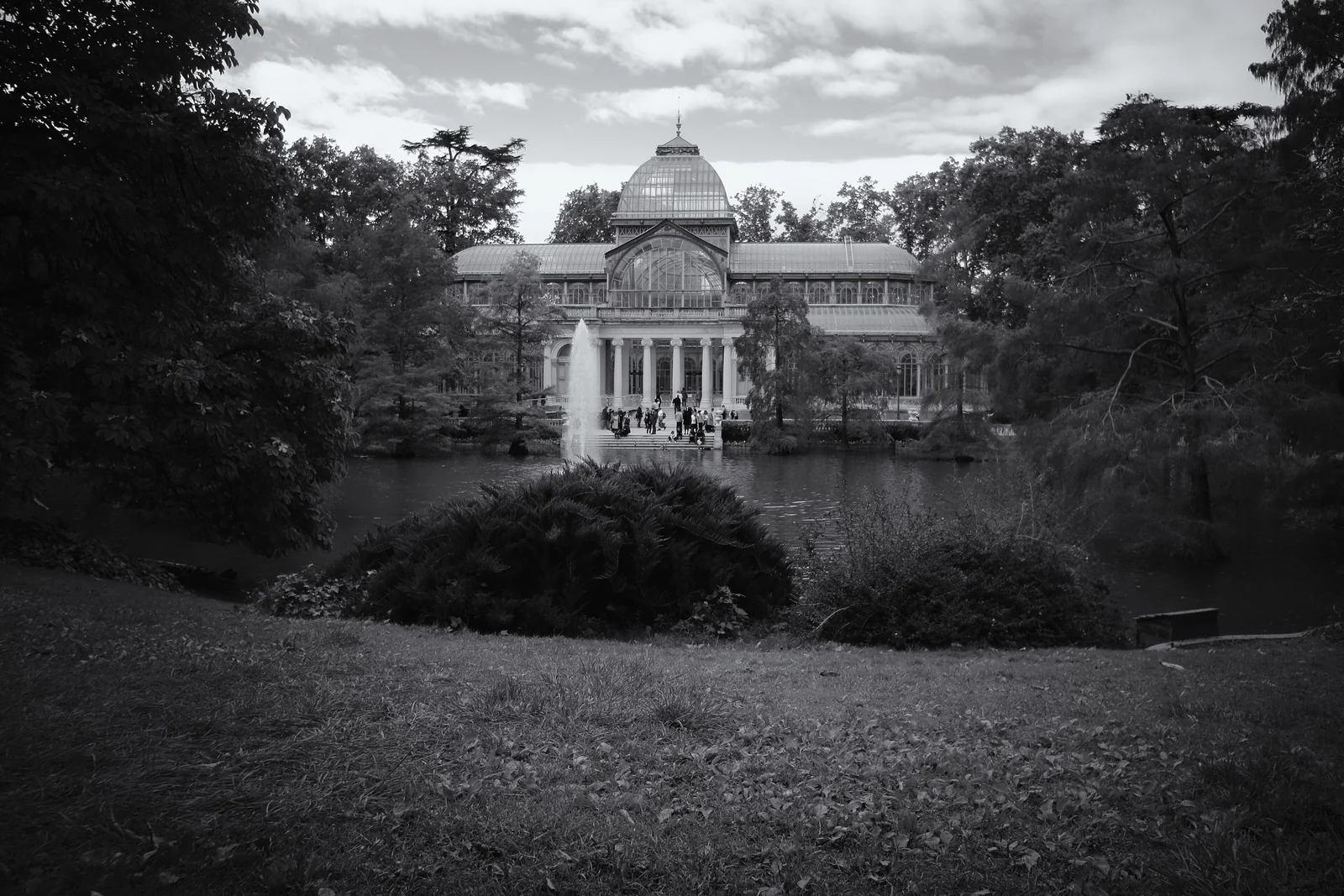
The Estanque Grande, a large rectangular lake with a monument to Alfonso XII, is where families rent rowboats. South of it, the Palacio de Cristal, an iron-and-glass pavilion built in 1887, reflects in its own pond and often hosts free art installations. The rose garden and the Velázquez Palace offer quieter corners.
On a Sunday afternoon the park is at its liveliest, with buskers, tarot readers and picnic groups. Visit in the morning for a calmer walk, or at the end of the day for soft light.
Tapas, Bocadillo de Calamares and What to Eat
Eating in Madrid is a sport. Madrileños move between bars, order a caña (a small draft beer) or a glass of vermouth, and snack as they go. Some bars still bring a small bite with a drink, though the habit is less universal than it once was, so don't count on it.
The dishes to try
- Bocadillo de calamares: a crusty roll stuffed with fried squid rings, the city's signature cheap snack. Bars around Plaza Mayor are famous for it.
- Tortilla de patatas: thick Spanish potato omelet, best when still soft in the middle.
- Patatas bravas and croquetas: bar staples, with a spicy tomato sauce on the potatoes.
- Cocido madrileño: a slow-cooked chickpea and meat stew, served in several courses and best as a long weekday lunch in winter.
- Jamón ibérico: cured ham, sliced thin. Ask for a small ración to share.
- Chocolate con churros: thick hot chocolate with fried dough, a late-night or breakfast classic.
When and how to eat
Lunch runs from about 2 to 4 p.m., and dinner starts around 9 p.m. Restaurant kitchens often close between those meals, but bars with tapas stay open. If you are hungry at 6 p.m., order a few raciones at a bar. Expect to stand at the counter in busy places, and pay when you leave.
Neighborhoods: La Latina, Malasaña, Chueca and More
Madrid's character changes sharply between districts, so where you stay and where you wander matters more than it seems.
| Neighborhood | Character | Best for |
|---|---|---|
| La Latina | Medieval lanes, tavern-lined Calle de la Cava Baja | Sunday tapas crawl, the Rastro flea market |
| Malasaña | Alternative, vintage shops, small bars | Nightlife, coffee, street art |
| Chueca | LGBTQ+ friendly, lively squares | Dinner, bars, late nights |
| Lavapiés | Multicultural, artsy, a bit rough around the edges | Cheap international food, Reina Sofía nearby |
| Salamanca | Upscale, wide avenues, designer shops | Shopping, elegant dining |
| Chamberí | Residential, relaxed, local | Quiet evenings, good bars without crowds |
La Latina on a Sunday
Sunday is the best day for La Latina. El Rastro, Madrid's big flea market on Calle de Ribera de Curtidores, runs on Sundays and public holidays. After browsing, locals fill the bars of Cava Baja and Plaza de la Paja for beers and tapas. Hold your valuables tightly in the Rastro crowds.
Where to stay
For a first visit, the area around Sol, Huertas or La Latina puts you within walking distance of the main sights and the metro. Salamanca and Chamberí suit travelers who prefer calm streets. Gran Vía has many hotels but can be noisy at night.
Day Trips from Madrid: Toledo, Segovia, El Escorial and Alcalá
Madrid sits at the center of a good rail and bus network, and four historic towns are within easy reach. All four can be done in a day without a car.
| Destination | How to get there | Approx. time | Known for |
|---|---|---|---|
| Toledo | High-speed train from Atocha | About 30 to 35 minutes | Medieval walled city, cathedral, three cultures |
| Segovia | High-speed train from Chamartín | About 30 minutes | Roman aqueduct, Alcázar |
| El Escorial | Cercanías train from Atocha, or bus from Moncloa | About 1 hour | Monastery-palace of Philip II |
| Alcalá de Henares | Cercanías train from Atocha | About 40 minutes | University town, birthplace of Cervantes |
Train times and fares change, so check the operator's site or the official Madrid tourism site before booking.
Toledo
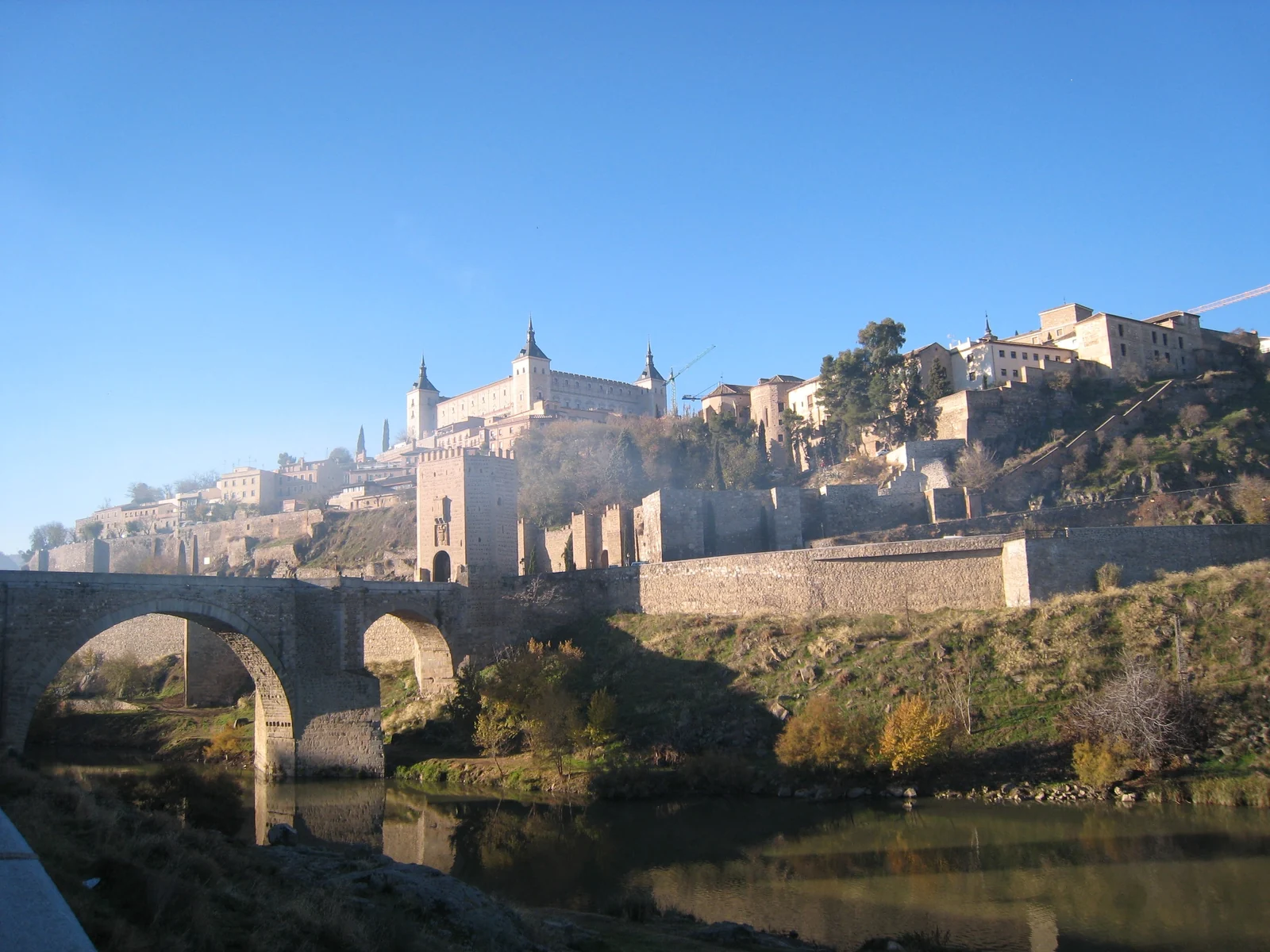
Toledo sits on a rocky bend of the Tagus River and has been a UNESCO World Heritage Site since 1986. Christians, Muslims and Jews lived side by side here for centuries, and the old town mixes cathedrals, synagogues and mosque-era architecture. Wear comfortable shoes: the streets are steep and cobbled. The best view is from across the river, on the road that circles the city.
Segovia
Segovia's Roman aqueduct, built without mortar from granite blocks, is the main attraction and still looks superb. The old city and aqueduct were listed by UNESCO in 1985. The Alcázar, which stands on a rock where two rivers meet, is worth the climb. Segovia is also known for roast suckling pig, cochinillo, so plan lunch accordingly.
El Escorial
The Monastery of San Lorenzo de El Escorial was built in the late 16th century under Philip II and combines a royal palace, a monastery, a basilica and a library. It joined the UNESCO list in 1984. The austere granite style tells you a lot about the king who ordered it. Combine the visit with a walk in the village.
Alcalá de Henares
Alcalá is the quietest of the four. Its university and historic center were listed by UNESCO in 1998, and it is the birthplace of Miguel de Cervantes, author of Don Quixote. Come on a weekday for tapas along its long arcaded main street. Heading further afield? Compare Madrid with Barcelona or Seville.
Best Time to Visit Madrid
Madrid is high, around 650 meters above sea level, and has a continental climate with hot summers and cold, dry winters. Spring and autumn are the most comfortable seasons.
- April to June and September to October: mild days, long evenings and the best conditions for walking. Late spring brings the San Isidro festival around May 15.
- July and August: very hot, and many locals leave the city in August. Museums are air-conditioned, so spend afternoons indoors.
- November to March: cold but often sunny, with fewer crowds and cocido weather.
Whatever the season, start early and rest in the afternoon. The city does not truly wake up until the evening.
Getting to Madrid and Getting Around
From the airport
Adolfo Suárez Madrid-Barajas Airport lies northeast of the center. Metro line 8 connects the terminals to Nuevos Ministerios, where you can change for other lines, and Cercanías commuter trains serve Terminal 4. An airport express bus also links the terminals with Atocha station. Taxis are another option, and the official tourism site lists current routes and fares.
By train
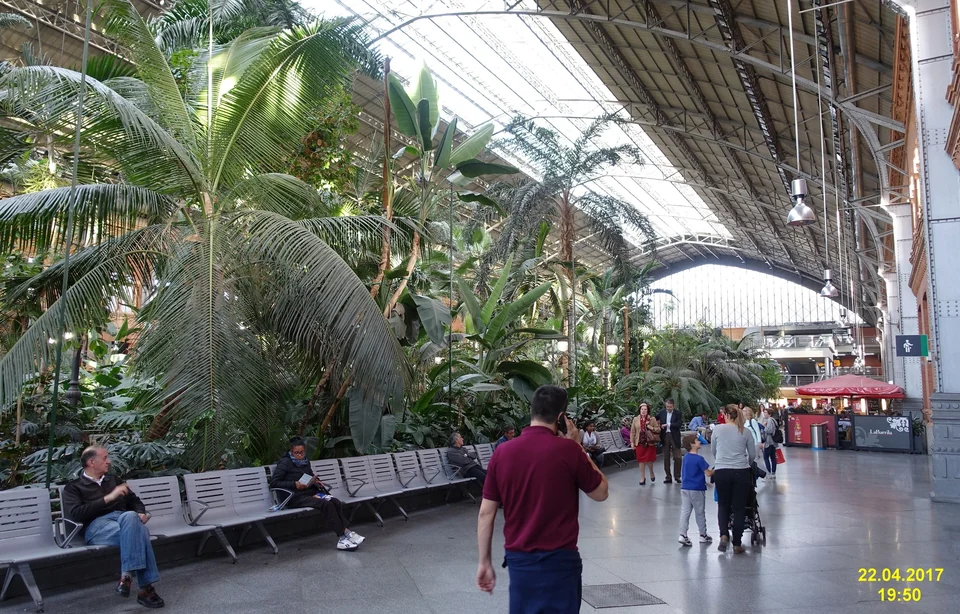
High-speed trains arrive at Atocha and Chamartín stations. Atocha serves southern, eastern and Andalusian routes, while Chamartín serves the north. If you are choosing between modes for the Barcelona run, read our guide to Barcelona to Madrid by train, flight, bus or car.
Getting around the city
The Metro is fast, clean and covers most of what you will want to see. The center is also walkable, and the main museums, palace and Retiro lie within roughly 30 minutes of each other on foot. Taxis are plentiful. Check with the Madrid transport authority for visitor passes, and keep an eye on your bag in crowded metro cars and around Sol.
A 3-Day Madrid Itinerary
Day 1: Art and the Retiro
Spend the morning in the Prado, have a long lunch, and walk through Retiro Park to the Crystal Palace in the afternoon. End with tapas around Huertas.
Day 2: Royal and Old Madrid
Visit the Royal Palace in the morning, then walk through Plaza de Oriente to Plaza Mayor for a bocadillo de calamares. In the afternoon see the Reina Sofía and Guernica, and finish in La Latina or Malasaña for dinner.
Day 3: A Day Trip
Take the early train to Toledo or Segovia and return to Madrid for a late supper and a last vermouth. If you prefer to stay, spend the day at the Thyssen, shopping in Salamanca, or at El Rastro on a Sunday. For more ideas, see Lisbon next door or all European destinations.
Madrid Travel FAQ
How many days do you need in Madrid?
Three days cover the main sights: the Prado, the Reina Sofía, the Royal Palace, Plaza Mayor, Retiro Park and a few evenings of tapas. Add one or two days if you want to visit Toledo, Segovia or El Escorial.
Is Madrid worth visiting?
Yes. It has some of the best art museums in Europe, a lively food scene and easy day trips to UNESCO-listed towns. The city feels distinctly Spanish and local without being difficult for first-time visitors.
What is bocadillo de calamares?
It is a sandwich made with fried squid rings in a crusty bread roll, usually served with a little lemon or mayonnaise. It is Madrid's classic cheap snack, and bars near Plaza Mayor are well known for it.
What is the best day trip from Madrid?
Toledo is the top choice for history and views, and the high-speed train takes about half an hour. Segovia is a close second for its Roman aqueduct. El Escorial and Alcalá de Henares are quieter alternatives.
When is the best time to visit Madrid?
Spring and autumn offer pleasant weather for walking and sightseeing. Summers are very hot, especially in July and August, while winters are cold but sunny and less crowded.
How do you get from Madrid airport to the center?
Metro line 8 runs from the terminals to Nuevos Ministerios, and Cercanías trains serve Terminal 4. An airport express bus goes to Atocha station, and taxis are also available. Check the official tourism site for current fares.
What time do people eat in Madrid?
Lunch is usually between 2 and 4 p.m., and dinner starts around 9 p.m. Bars serve tapas throughout the day, so you will not go hungry if you arrive outside normal restaurant hours.