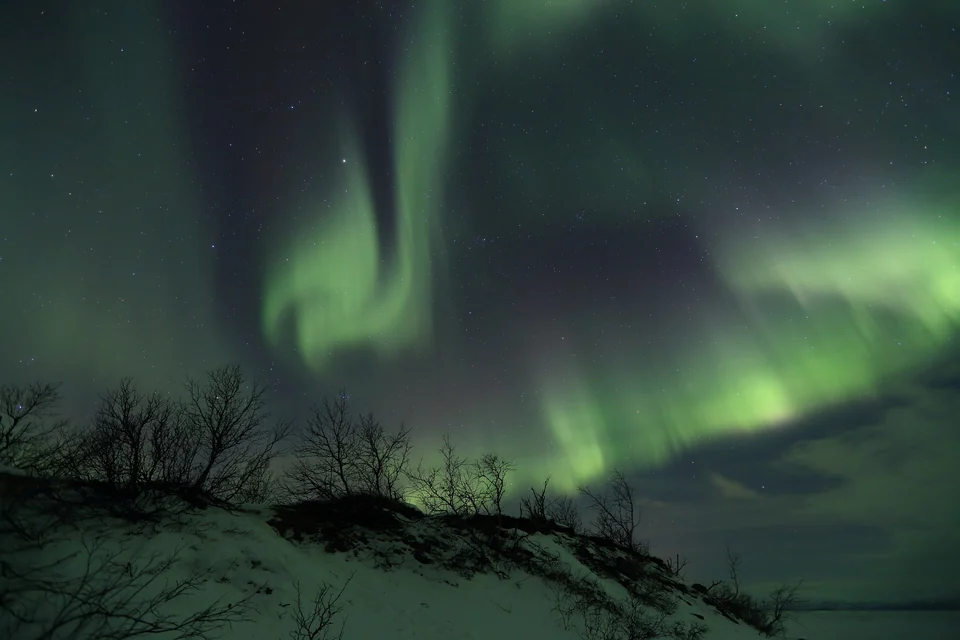



Aurora hunting in Canada’s Arctic and subarctic is one of the most reliable ways to see the northern lights anywhere. Places like Yellowknife, Whitehorse and Churchill sit under the auroral oval, the ring of frequent aurora activity around the magnetic pole, and their dry inland winters bring many clear nights.
This guide covers the best places to go in northern Canada, when to travel, how to read aurora forecasts, and how to cope with the cold and photograph what you see. If you would rather chase the lights in quieter corners of Scandinavia, Greenland or Alaska, see our list of hidden places to watch the northern lights.
Why Canada’s North Is So Good for the Northern Lights
The aurora borealis appears when charged particles from the sun, carried by the solar wind, are funneled by Earth’s magnetic field into the upper atmosphere. There they collide with oxygen and nitrogen about 100 to 300 kilometers up, which glow green, red and sometimes purple. Because the geomagnetic north pole lies in the Canadian Arctic, the auroral oval passes over large parts of northern Canada.
Being under the oval means even modest activity can produce a display overhead, not just a faint glow on the horizon. Inland locations such as Yellowknife also benefit from a continental climate: cold, dry air and fewer coastal clouds than many Scandinavian or Icelandic spots.
Best Places for Aurora Hunting in Canada
Yellowknife, Northwest Territories
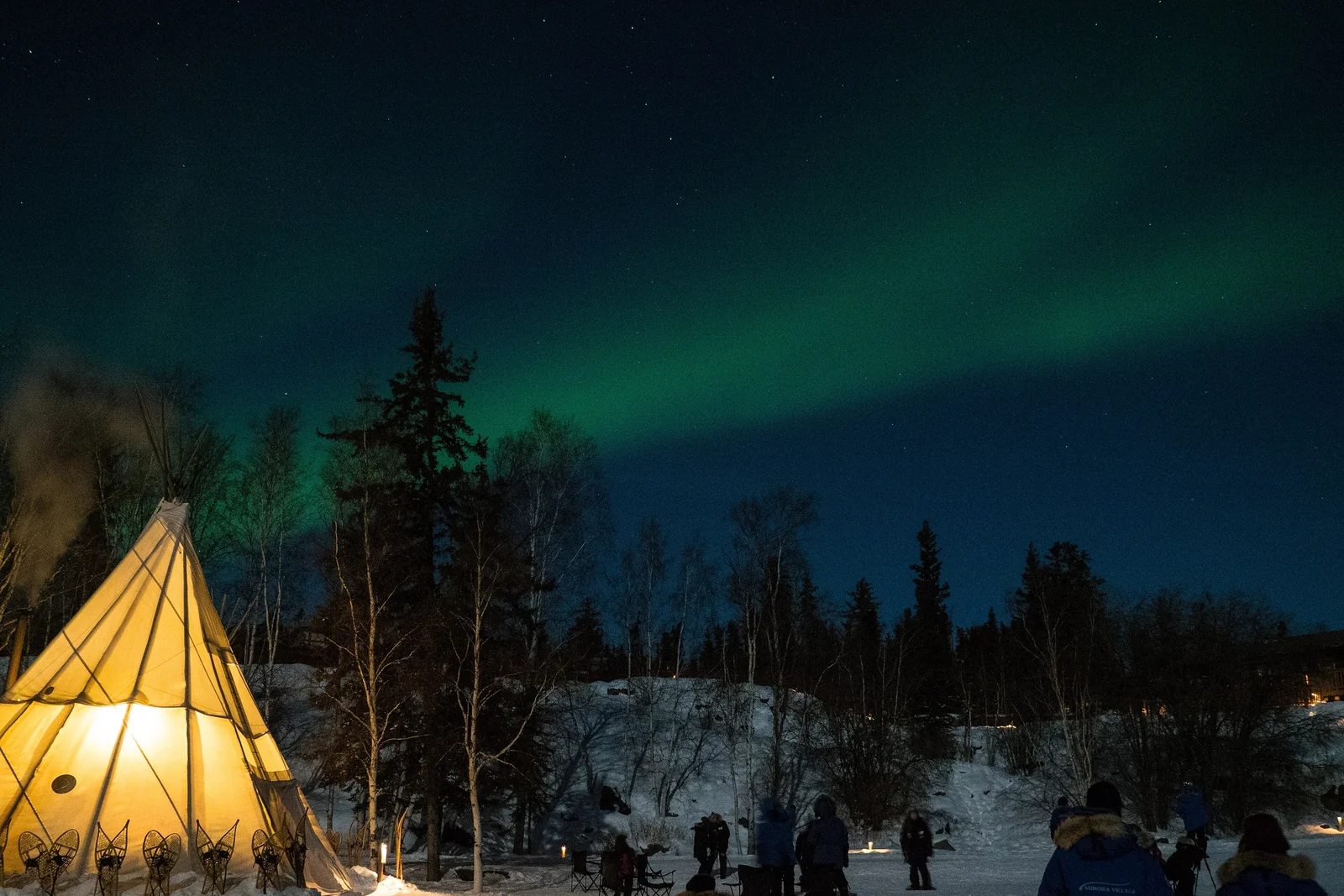
The capital of the Northwest Territories, on the north shore of Great Slave Lake at about 62.4°N, is Canada’s best-known aurora base. The territorial tourism board, Spectacular NWT, says the aurora can be seen on an average of 240 nights a year. There are regular flights from southern Canada, a range of hotels and many licensed aurora tour operators, including heated viewing sites outside town.
Whitehorse and Dawson City, Yukon
Whitehorse, the Yukon capital, pairs aurora viewing with mountain scenery and easy daytime activities like dog sledding and hot springs. The viewing season runs roughly from late August to mid-April. Farther north, the Klondike gold-rush town of Dawson City has very little light pollution and a historic setting that makes a memorable foreground for photos.
Churchill, Manitoba
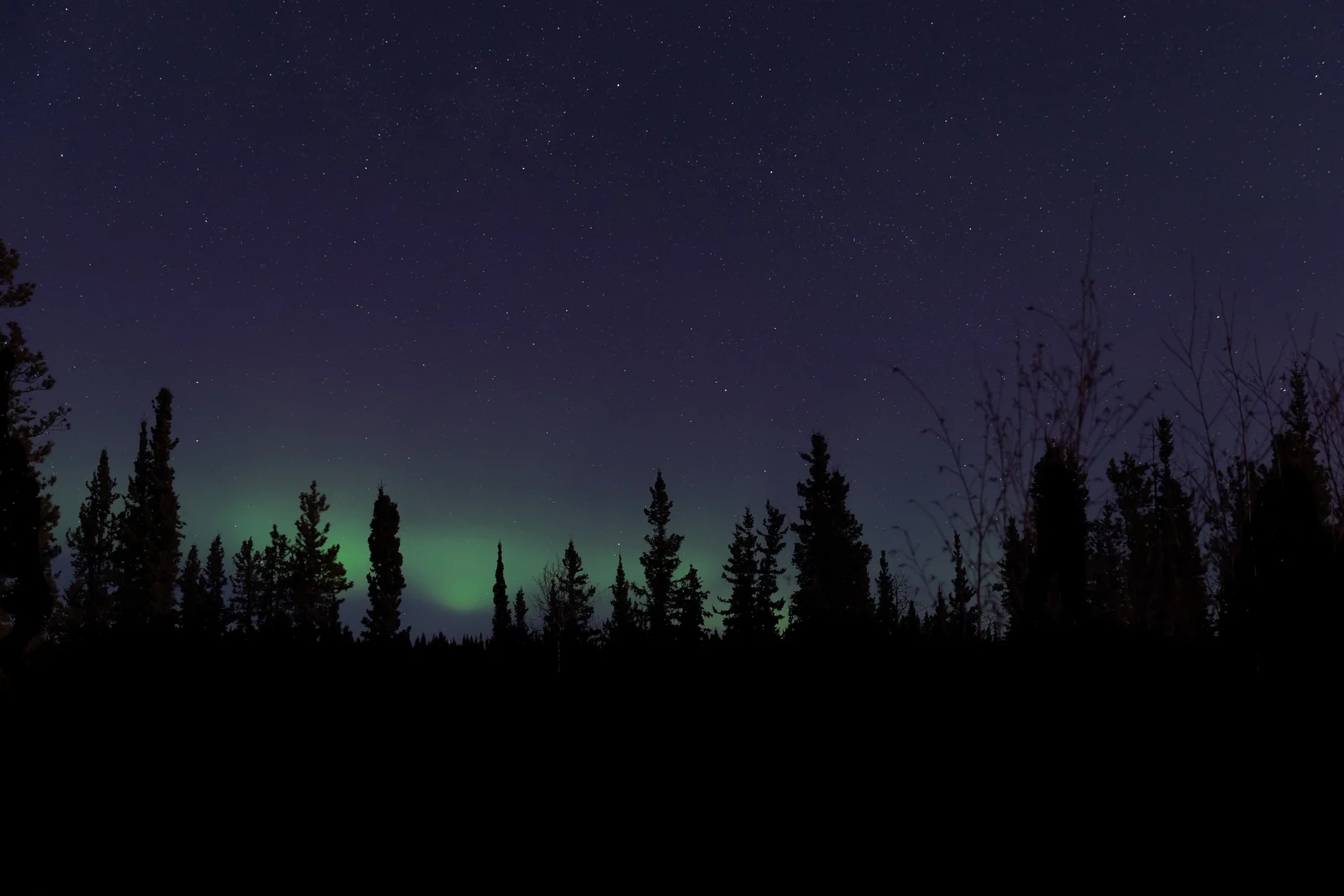
On the shore of Hudson Bay, Churchill has no road connection to the rest of Manitoba; you arrive by plane or train. Travel Manitoba promotes it as a place where the aurora appears on up to 300 nights a year, with the best viewing on clear nights from January to March. Churchill is also famous for polar bears in autumn, and some tours combine the two.
Wood Buffalo National Park, Alberta and NWT
Canada’s largest national park straddles the Alberta–Northwest Territories border. In 2013 the Royal Astronomical Society of Canada designated it the world’s largest Dark Sky Preserve, covering about 44,741 square kilometers. The gateway is Fort Smith, which hosts a Dark Sky Festival each summer. Parks Canada has details on night-sky viewing in the park.
Inuvik, Tuktoyaktuk and Nunavut
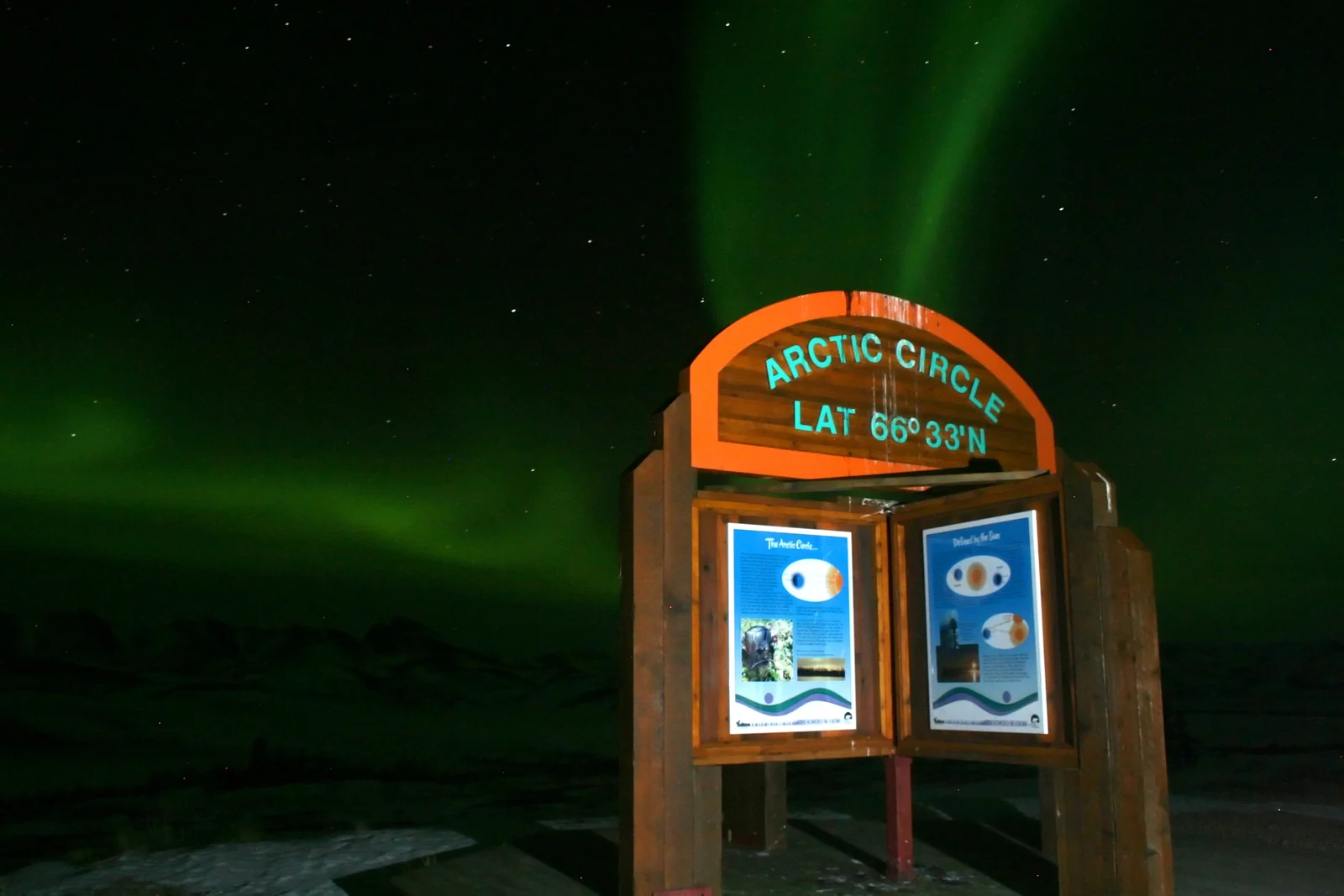
For a true Arctic adventure, drive the Dempster Highway from the Yukon to Inuvik and continue on the all-season Inuvik–Tuktoyaktuk Highway, opened in 2017, to the Arctic Ocean coast. Inuvik has weeks of polar night around midwinter. In Nunavut, communities such as Iqaluit and Rankin Inlet also see strong aurora, but travel there is expensive and weather-dependent, so it suits experienced travelers or those combining the trip with cultural tourism.
Canada Aurora Destinations Compared
| Destination | Main season | Getting there | Best for |
|---|---|---|---|
| Yellowknife, NWT | Mid-Aug to late Sep; mid-Nov to early Apr | Direct flights from southern Canada | First-timers, most tour options |
| Whitehorse, Yukon | Late Aug to mid-Apr | Flights from Vancouver and other hubs | Aurora plus mountain scenery |
| Churchill, Manitoba | Jan to Mar (peak) | Flight or train only | Aurora plus Hudson Bay wildlife |
| Wood Buffalo NP | Late summer to winter | Via Fort Smith, NWT | Dark skies and stargazing |
| Inuvik and Tuktoyaktuk | Winter, around polar night | Flights or the Dempster Highway | Remote Arctic road trip |
Best Time to See the Northern Lights in Canada
In the far north, summer nights are too bright for aurora. Viewing generally starts in late August, when darkness returns, and continues until early or mid-April. Within that window, you are choosing between two different experiences.
- Late August to September: milder temperatures, unfrozen lakes that reflect the lights, and fall colors. Nights are shorter, and weather can be more changeable.
- October to mid-November: often a gap in places like Yellowknife, as lakes freeze and cloud cover tends to be higher.
- Mid-November to March: long, dark nights, frozen landscapes and generally clear, very cold skies. This is peak season for most tours.
- Late March to early April: still dark enough at night, with more daylight and slightly milder weather for daytime activities.
Plan at least three to four nights in one place. The aurora is never guaranteed on a given night, and several nights give you a margin for clouds. Activity often peaks around local midnight, so be ready to stay out from about 10 p.m. to 2 a.m. Avoiding the week around the full moon also helps fainter displays stand out.
How to Read Aurora Forecasts
Two things matter: geomagnetic activity and cloud cover. Natural Resources Canada runs the Canadian Space Weather Forecast Centre, which publishes short-term geomagnetic forecasts for northern, auroral and southern zones. Many travelers also watch the Kp index, a global scale from 0 to 9. Under the auroral oval, a low to moderate Kp is often enough for a good show.
Check the local cloud forecast as closely as the space weather. A strong solar storm behind a solid cloud deck shows you nothing, while clear skies on a quiet night can still deliver. Local guides are valuable here, because they know where to drive to escape cloud.
Staying Warm and Safe in the Arctic Winter
Winter temperatures in Yellowknife, Churchill and Inuvik regularly fall below −30°C, and wind makes it feel colder. Standing still for hours is harder on the body than skiing or hiking, so dress for inactivity.
- Layer properly: thermal base layer, insulating mid-layer and a windproof insulated parka and pants. Many tour operators rent Arctic-grade outerwear.
- Protect extremities: insulated winter boots rated for extreme cold, mitts over thin liner gloves, a warm hat and a face covering.
- Carry spare batteries: cold drains phone and camera batteries quickly; keep spares in an inside pocket.
- Drive carefully: if you self-drive, carry winter gear, tell someone your plans and never stop on the road itself to look at the sky.
Photographing the Northern Lights
A camera with manual controls, a sturdy tripod and a wide, fast lens are the essentials. As a starting point, try an aperture of f/2.8 or wider, ISO 1600 to 3200 and exposures of 5 to 15 seconds, then adjust: shorter exposures keep detail in fast-moving curtains. Focus manually on a bright star, and include a foreground such as trees, a cabin or a frozen lake to give the sky scale. Recent smartphones with night modes can capture surprisingly good images if you brace them on something solid.
The Aurora in Northern Indigenous Cultures
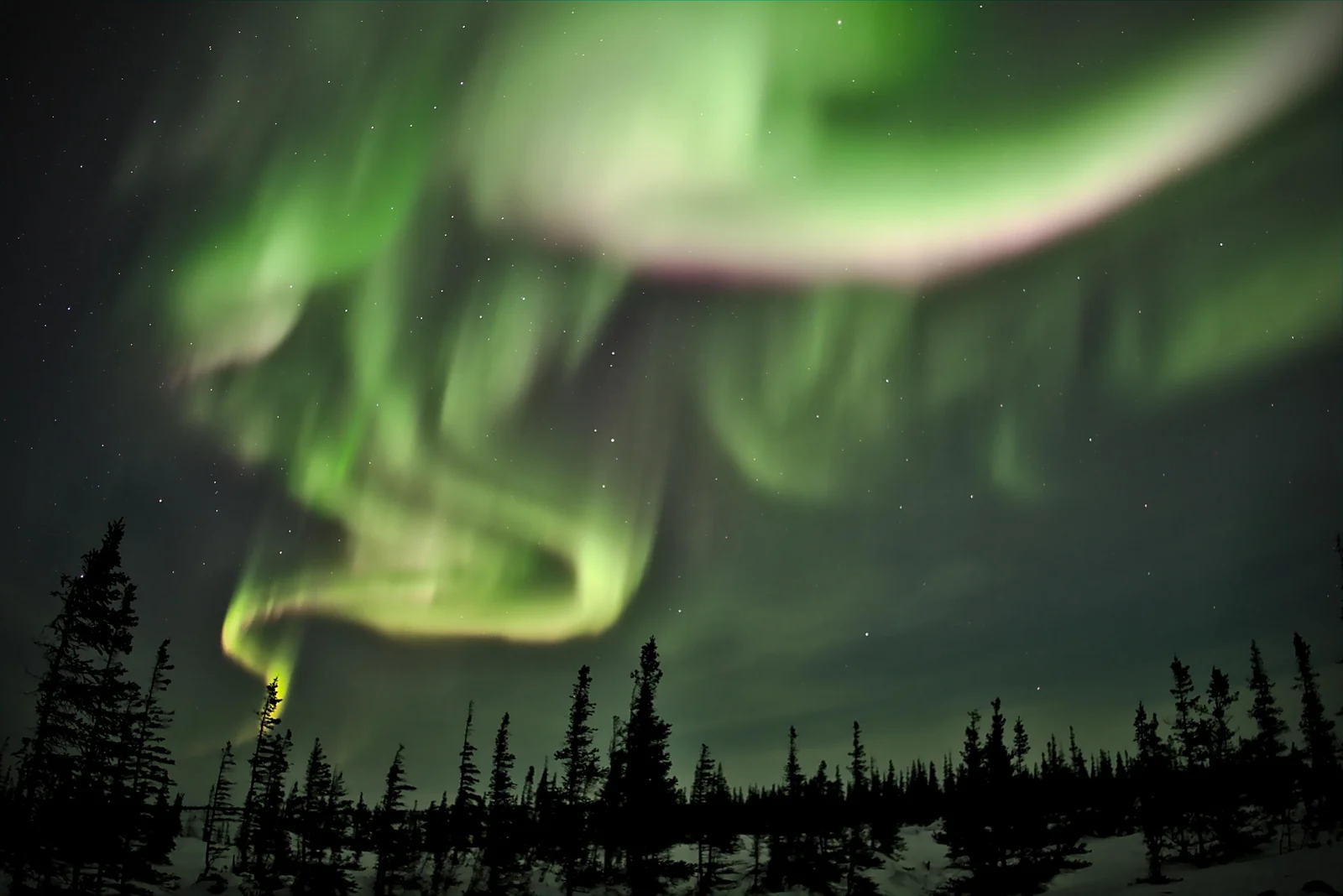
The northern lights are part of the oral traditions of many First Nations, Métis and Inuit peoples, and the stories vary from community to community. In some Inuit traditions, for example, the lights are linked to the spirits of the dead. Several Indigenous-owned tour companies in the North share their own stories alongside the viewing, which adds real depth to a night outside.
Build daytime around the landscape too: dog sledding, snowshoeing, ice fishing and cultural centers fill the short winter days. If you are combining the North with the rest of the country, our Canada travel guide covers the big cities and national parks further south, and our North America guides have more ideas across the continent.
Canada Aurora Hunting FAQ
Where is the best place to see the northern lights in Canada?
Yellowknife in the Northwest Territories is the most popular and reliable choice, thanks to its position under the auroral oval, dry winters and many tour operators. Whitehorse, Churchill and Wood Buffalo National Park are strong alternatives with different scenery and fewer visitors.
What month is best for the northern lights in Canada?
The season runs from late August to early April. Mid-November to March offers the longest, darkest nights and usually the clearest skies, while late August and September are milder and let you see the aurora reflected in unfrozen lakes.
How many nights should I stay to see the aurora?
Plan at least three to four nights in one location. Displays depend on solar activity and clouds, so a single night is a gamble. A longer stay greatly improves your chances of at least one clear night with good activity.
Can you see the northern lights in Yellowknife every night?
No. The Northwest Territories tourism board says the aurora is visible on an average of about 240 nights a year in Yellowknife, but cloud, moonlight and quiet space weather can hide it on any given night. Checking forecasts helps you choose where and when to look.
Do I need a tour to see the aurora in Canada?
No, but tours help. Guides know dark sites away from town lights, move with the weather and often provide heated shelters and warm clothing. If you go on your own, drive only on safe winter roads and park well away from traffic.
How cold does it get during aurora season in Canada’s North?
In midwinter, temperatures in Yellowknife, Churchill and Inuvik regularly drop below −30°C, and wind chill makes it feel colder. Autumn viewing in late August and September is much milder, often just around or above freezing at night.