


Castles in France range from grim medieval fortresses on clifftops to Renaissance palaces built for pleasure, hunting and display. The country has thousands of them, but the most rewarding are concentrated in a few areas: the Loire Valley, the royal palaces around Paris, and the fortified strongholds of the southwest, Alsace and Normandy.
This guide picks the best French châteaux region by region, explains what makes each one special, and helps you plan a route, whether you have a day trip from Paris or a week to drive through France.
Château or Castle? What the Word Means in France
In French, château covers almost any grand country house, from a moated fortress to a wine estate. Medieval defensive castles are often called châteaux forts, while the palaces built from the 16th century onward were designed for comfort and prestige rather than war. Knowing the difference helps you choose: fortresses offer ramparts, keeps and dramatic settings, while Renaissance and classical châteaux offer furnished interiors and formal gardens.
The Best Loire Valley Châteaux
The stretch of the Loire between Sully-sur-Loire and Chalonnes was inscribed as a UNESCO World Heritage Site in 2000 for its cultural landscape of historic towns and châteaux. French kings and their courts spent long periods here in the 15th and 16th centuries, and they left behind the densest collection of Renaissance châteaux in the country.
Château de Chambord
The largest château in the Loire was begun in 1519 for King Francis I as a hunting lodge on a spectacular scale. It has 426 rooms, 282 fireplaces and a roofline crowded with towers and chimneys. Its centerpiece is a double-helix staircase whose two spirals climb without ever meeting, a design often linked to Leonardo da Vinci’s influence. The estate is surrounded by a 32-kilometer wall enclosing about 5,440 hectares of forest, the largest enclosed park in Europe.
Château de Chenonceau
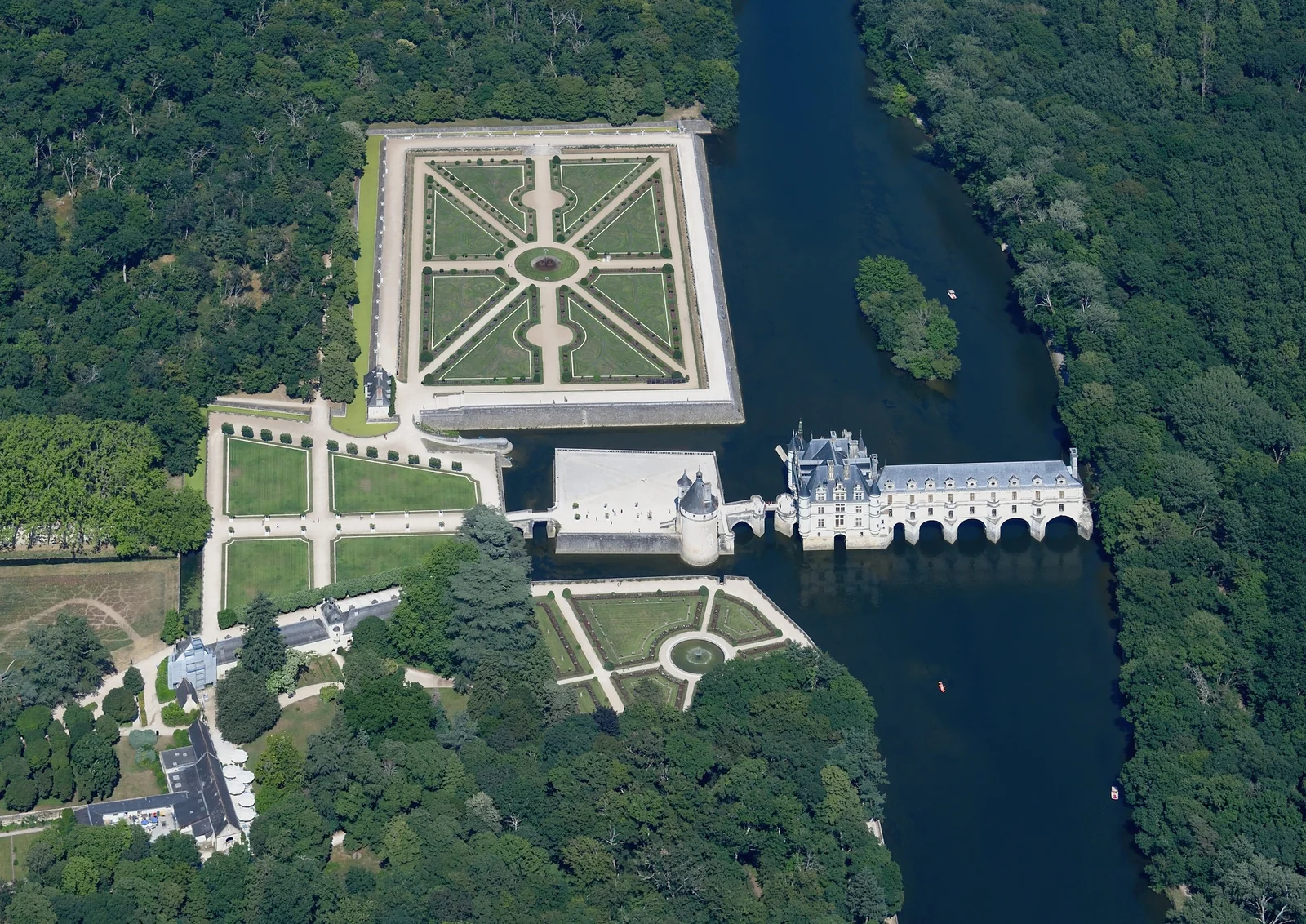
Chenonceau is famous for its arches spanning the River Cher. It is known as the “Château des Dames” because women shaped it: Diane de Poitiers had the bridge built, and Catherine de’ Medici added the long gallery on top. Come early to see the reflections in the water and allow time for the formal gardens on both sides of the château.
Amboise and Clos Lucé
The royal Château d’Amboise rises above the river and the town, and its small Chapel of Saint-Hubert holds the tomb of Leonardo da Vinci. A short walk away is the Château du Clos Lucé, the manor house where Leonardo spent his last years at the invitation of Francis I and where he died in 1519. Its park displays large models built from his designs.
Château de Villandry
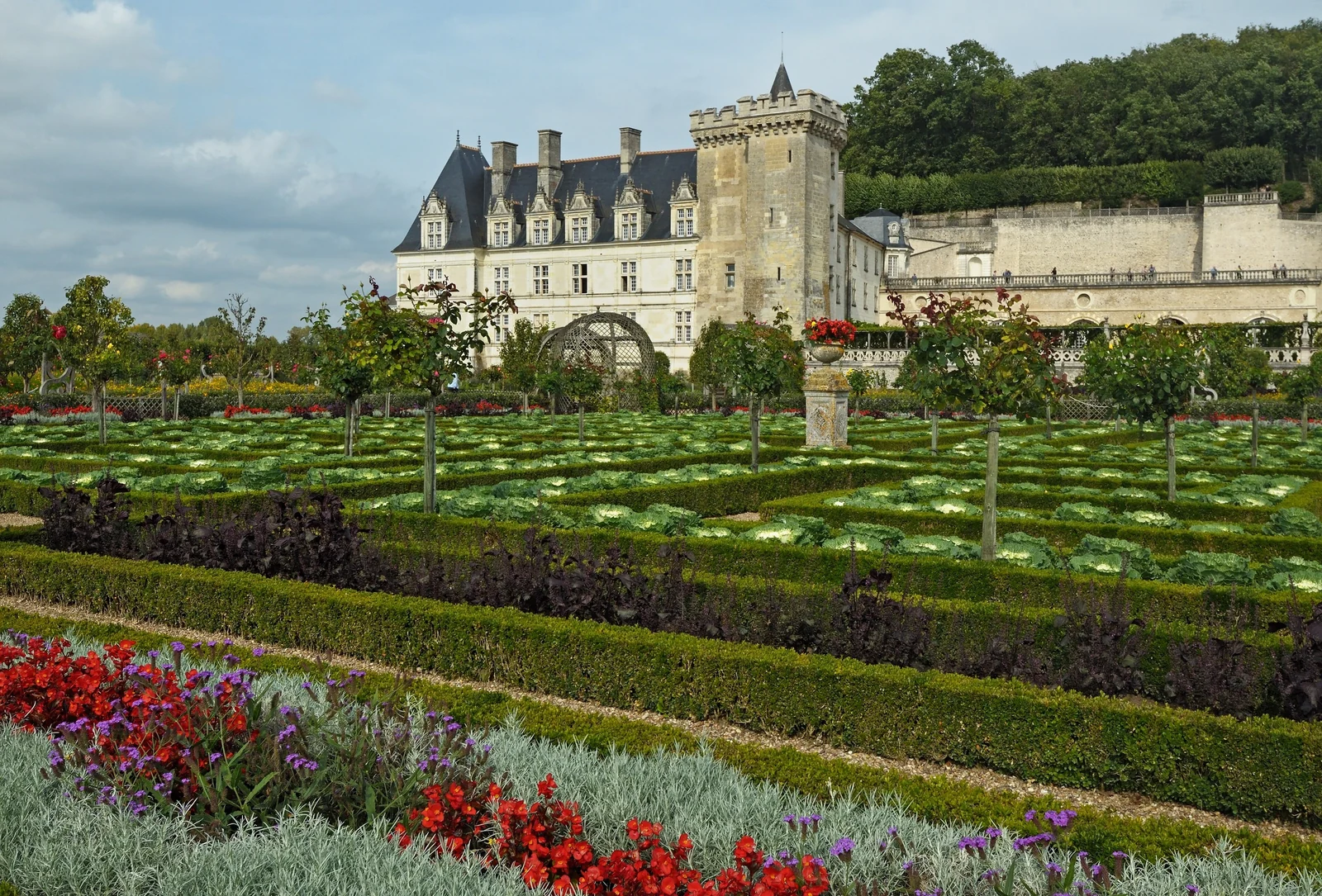
Villandry is the place to go for gardens. Its terraces of clipped box hedges, ornamental vegetable beds and water gardens were recreated in Renaissance style in the early 20th century, and they change color with every season. Climb to the belvedere for the best view of the patterns from above.
More Loire châteaux worth a stop
- Blois: a royal château in the center of town whose wings show several centuries of architecture, including the Francis I wing with its open spiral staircase.
- Cheverny: an elegant classical château with richly furnished rooms, still privately owned. Its facade is said to have inspired Marlinspike Hall in Hergé’s Tintin books.
- Azay-le-Rideau: an early Renaissance château built on an island in the Indre River, famous for its reflections.
- Chinon: a medieval royal fortress above the Vienne River, where Joan of Arc met the future King Charles VII in 1429.
Royal Palaces and Châteaux Near Paris
You do not need to leave the Paris region to see some of the most important palaces in France, and all of these can be visited as day trips from the capital.
- Palace of Versailles: Louis XIV turned his father’s hunting lodge into the seat of royal power and moved the court there in 1682. Highlights are the Hall of Mirrors, the state apartments, the vast gardens and the Trianon estate. Book timed tickets on the official Versailles website.
- Château de Fontainebleau: used by French rulers for centuries, from medieval kings to Napoleon III, with interiors spanning the Renaissance to the Second Empire. Napoleon bid farewell to his guard in its courtyard in 1814.
- Vaux-le-Vicomte: built for finance minister Nicolas Fouquet, whose lavish 1661 party impressed and angered Louis XIV. Fouquet was arrested weeks later, and the same team of architect, painter and garden designer went on to work at Versailles.
- Château de Pierrefonds: a fairytale fortress north of Paris, rebuilt in the 19th century by the architect Viollet-le-Duc for Napoleon III.
Medieval Fortresses and Clifftop Castles
For battlements rather than ballrooms, head south and east. These castles are about setting and history as much as architecture.
Cité de Carcassonne (Occitanie)
Carcassonne’s medieval Cité is ringed by about 3 kilometers of double ramparts and 52 towers, with a castle at its heart. It was heavily restored in the 19th century by Viollet-le-Duc, a restoration that is itself part of its story, and it has been a UNESCO World Heritage Site since 1997. Walk the ramparts early or at dusk to avoid the busiest hours.
Château du Haut-Koenigsbourg (Alsace)
High on a ridge above the Alsace vineyards, this red sandstone castle was a ruin until German Emperor Wilhelm II had it rebuilt between 1900 and 1908, when Alsace was part of the German Empire. The result is a vivid, if partly imagined, picture of a late-medieval fortress, with views across the Rhine plain to the Black Forest on clear days.
Beynac and Castelnaud (Dordogne)
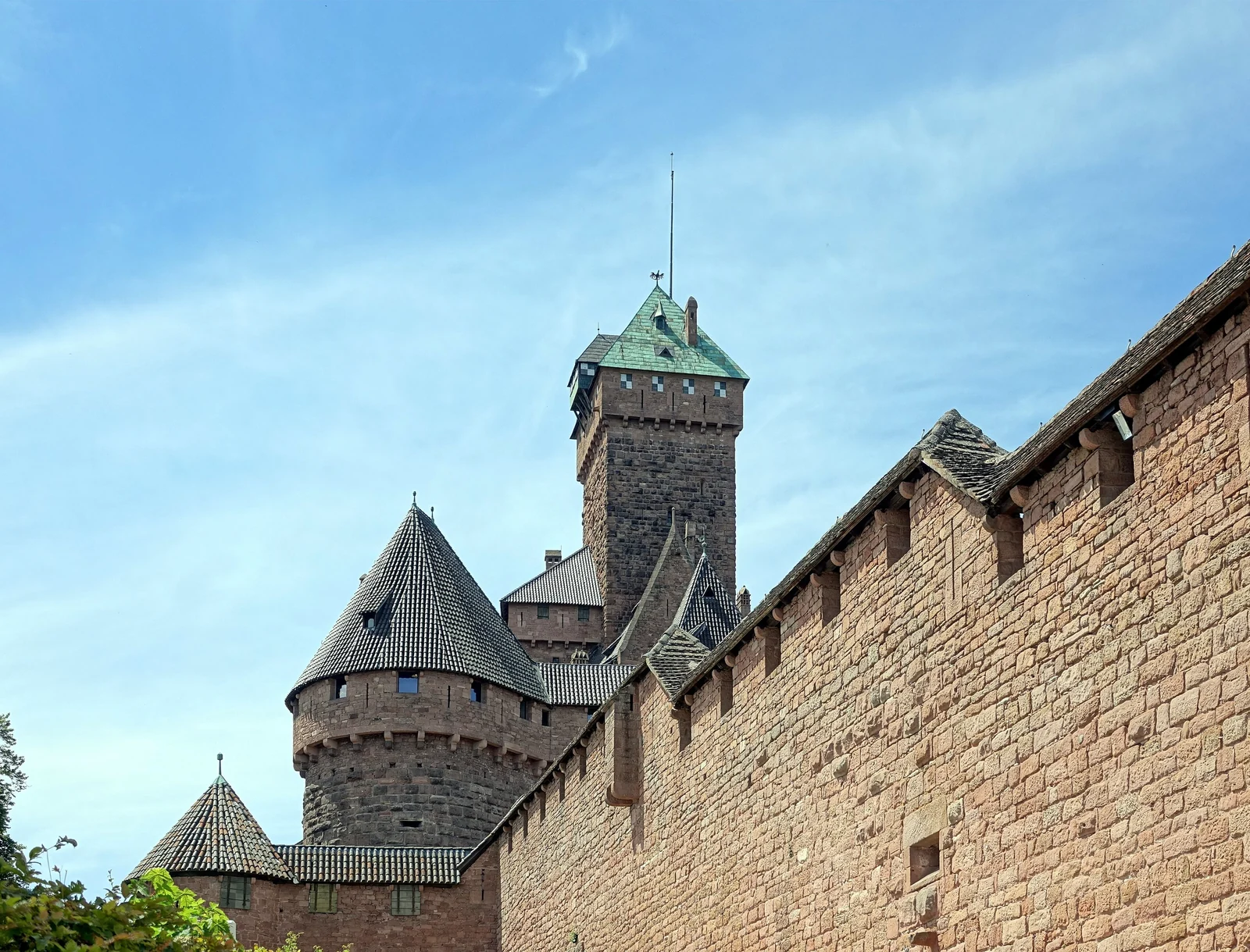
The Dordogne valley was a frontier during the Hundred Years’ War, and rival castles still face each other across the river. Beynac clings to a cliff above a village of golden stone, while Castelnaud, on the opposite bank, houses a museum of medieval warfare with full-size replica siege engines. A canoe trip on the river gives you the best views of both.
Château Gaillard (Normandy)
Richard the Lionheart, King of England and Duke of Normandy, built this fortress above the Seine at Les Andelys in the late 1190s. Its ruins still command a sweeping view of the river’s bends.
French Castles at a Glance
| Castle | Region | Best for |
|---|---|---|
| Chambord | Loire Valley | Scale, architecture, the double staircase |
| Chenonceau | Loire Valley | Romantic setting over the river, gardens |
| Villandry | Loire Valley | Renaissance-style gardens |
| Versailles | Paris region | Royal history, Hall of Mirrors, gardens |
| Fontainebleau | Paris region | Interiors spanning seven centuries, forest walks |
| Carcassonne | Occitanie | Walled medieval city and ramparts |
| Haut-Koenigsbourg | Alsace | Mountain fortress and valley views |
| Beynac and Castelnaud | Dordogne | Clifftop castles, medieval warfare |
Planning a French Châteaux Trip
Getting there and getting around
For the Loire, high-speed trains from Paris reach Tours in about an hour, and Blois and Amboise are served by regional trains. From there, a rental car gives you the most flexibility, although some châteaux are reachable by local bus in season or on organized minibus tours. Cyclists can follow the Loire à Vélo route, which runs for roughly 900 kilometers along the river and passes many châteaux.
How many châteaux per day?
Two major châteaux a day is a comfortable maximum; three is possible but rushed. Large sites like Chambord and Versailles deserve half a day or more. Tickets, opening hours and combined passes change regularly, so check each château’s official website, such as Chambord, before you go.
Best time to visit
Late spring and early autumn offer the best balance of open gardens, pleasant weather and manageable crowds. July and August bring the most visitors but also evening events and light shows at several châteaux. In winter, some castles have shorter hours or close for part of the season, while others host Christmas decorations and events.
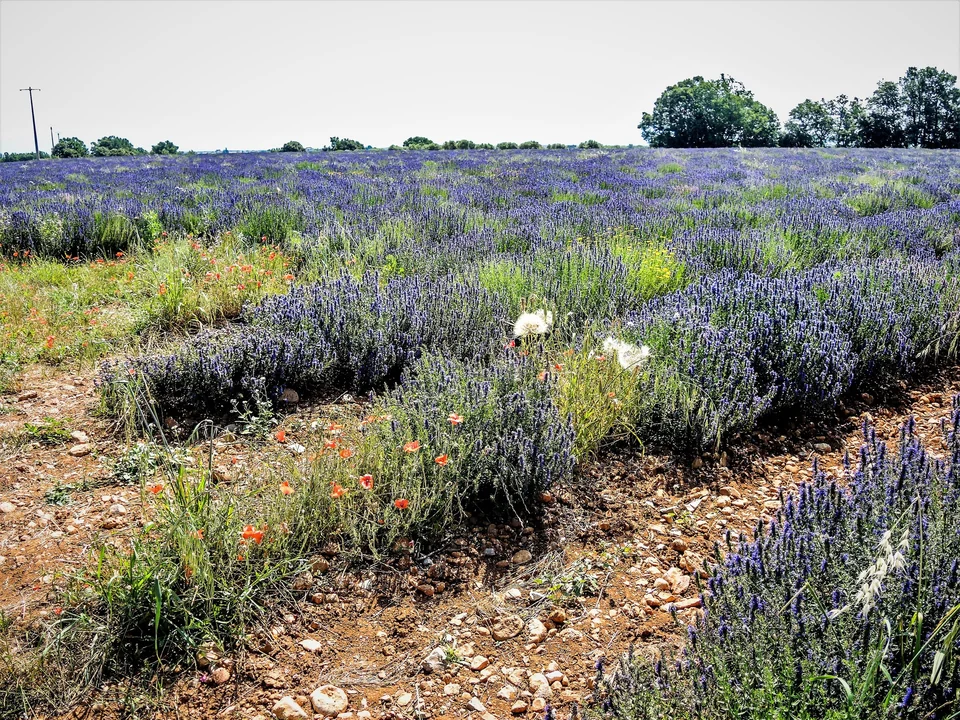
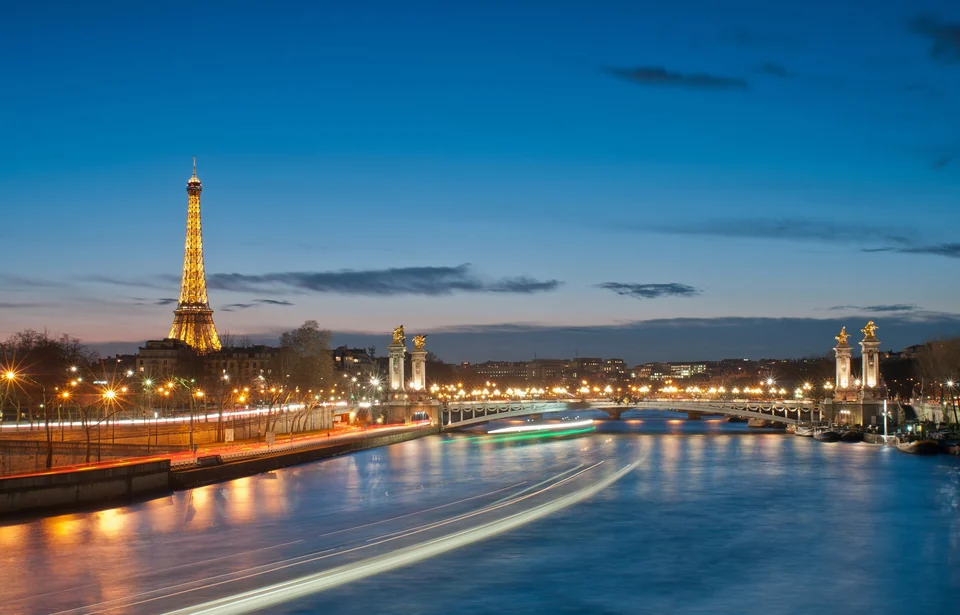
Combine your castle route with our guides to Provence and the Eiffel Tower in Paris, or, if ruined castles and atmospheric places are your thing, the ghost towns of Scotland.
Castles in France FAQ
What is the most famous castle in France?
The Palace of Versailles is the most famous and most visited, but it is a palace rather than a fortress. Among Loire châteaux, Chambord and Chenonceau are the best known, and Carcassonne is the most famous medieval fortified site.
Which Loire Valley château should I visit if I only have one day?
Chambord and Chenonceau make a classic pairing: one shows Renaissance ambition on a huge scale, the other a romantic château over the River Cher. They are about an hour apart by car. If gardens are your priority, swap one of them for Villandry.
Can you visit the Loire châteaux without a car?
Yes, with some planning. Blois, Amboise and Chenonceau have train stations nearby, seasonal shuttle buses serve some châteaux, and many tour companies run minibus trips from Tours and Amboise. Renting a bicycle to follow the Loire à Vélo route is another popular option.
How many castles are there in France?
There is no single official count because the word château covers everything from ruined keeps to country houses and wine estates. Estimates run into the tens of thousands, and several hundred are regularly open to visitors.
Is Mont-Saint-Michel a castle?
Not exactly. Mont-Saint-Michel is a medieval abbey on a tidal island in Normandy, protected by ramparts and fortifications that resisted English sieges during the Hundred Years’ War. It is often included in castle itineraries, but its heart is a Benedictine abbey rather than a castle.
When is the best time to visit French castles?
May, June and September are ideal: gardens are at their best, the weather is mild and crowds are smaller than in July and August. Summer adds evening events and light shows, while some castles reduce opening hours in winter.