


For a first visit to Paris, stay in the 4th, 5th, 6th or 7th arrondissement. Le Marais (3rd/4th) gives you the liveliest streets, the Latin Quarter and Saint-Germain (5th/6th) give you the classic Left Bank feel, and the 7th puts you near the Eiffel Tower in a calm, polished neighborhood. All four are central, well served by the metro and easy to walk.
Paris is compact, but its 20 arrondissements differ a lot in noise, price and atmosphere, and the number in an address tells you a good deal before you open a map. This guide explains how the system works, how to choose, and what each area is like at street level. For sights and itineraries, see our Paris travel guide.
How Paris Arrondissements Work
Paris is divided into 20 administrative districts called arrondissements. The 1st sits at the center, around the Louvre, and the numbers then spiral clockwise outward like a snail shell, ending with the 20th in the northeast. Low numbers mean central, so a hotel in the 15th or 17th is a longer ride from the old center than one in the 2nd or 6th.
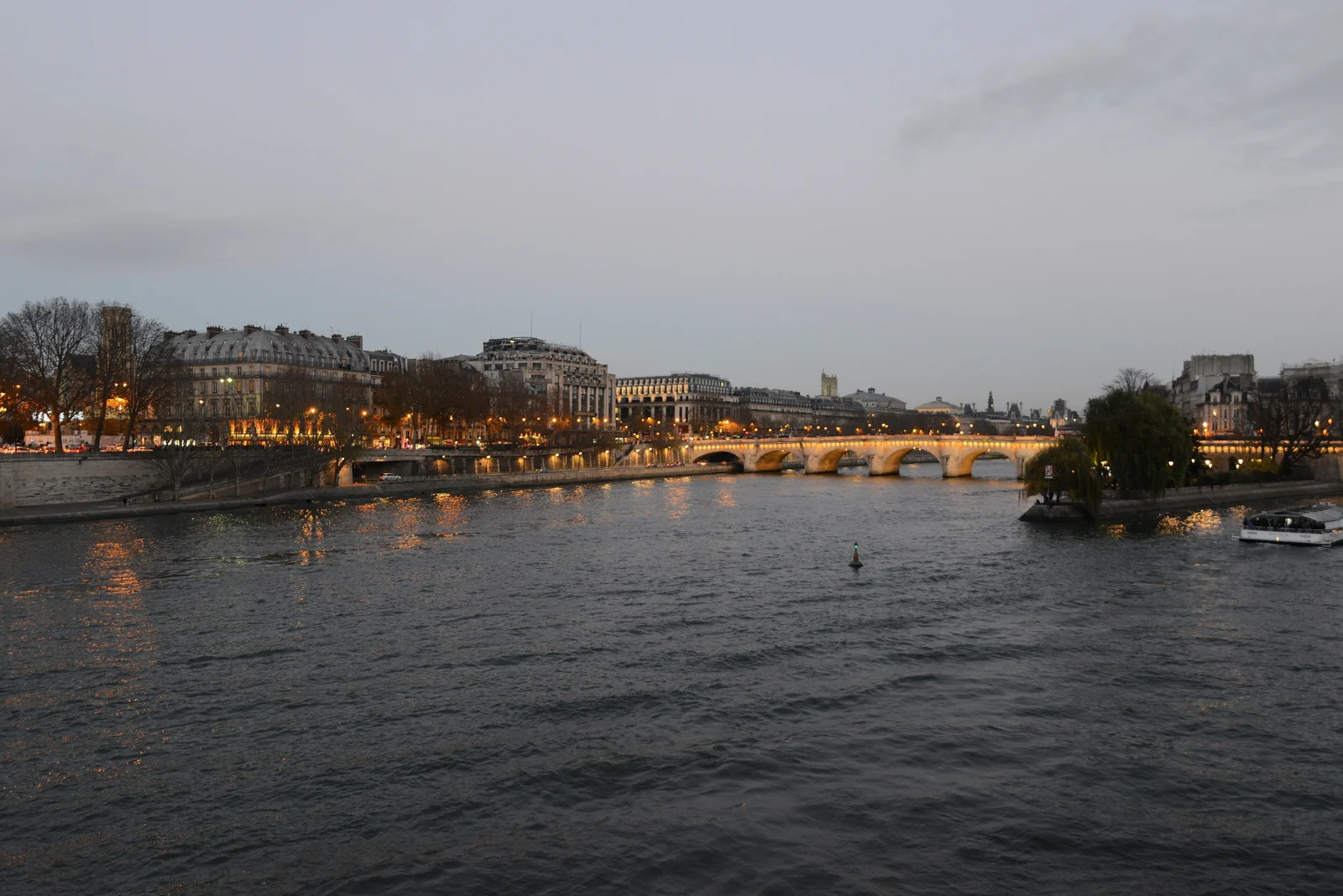
The Seine adds a second layer. It flows through the city from east to west and splits it into the Right Bank (Rive Droite, to the north) and the Left Bank (Rive Gauche, to the south). The 1st to 4th and 8th to 12th, plus the outer northern districts, lie on the Right Bank. The 5th, 6th, 7th, 13th, 14th and 15th are on the Left Bank. The two islands in the river, Île de la Cité and Île Saint-Louis, belong to the 1st and 4th. Postal codes follow the same logic: 75004 is the 4th, 75018 the 18th.
How to Choose Where to Stay in Paris
Four things matter more than the star rating.
- Metro access. Paris has a dense metro network, and a station within a five-minute walk is worth more than a prettier street 15 minutes away. Check that the nearest station is on a line that reaches the sights you care about without changes.
- Noise. Streets with bars, deliveries or late-night crowds are loud, and older buildings often have thin windows. Ask for a courtyard-facing room and read recent reviews for the word "noise."
- Budget. The most central arrondissements generally cost more per night, and rooms get cheaper toward the outer districts. Paying a little less and riding the metro for ten minutes is a sound trade for most travelers.
- Room size and lifts. Many hotels occupy old buildings with small rooms, narrow staircases and tiny lifts, or none at all. If you travel with a large suitcase, a stroller or anyone who finds stairs hard, confirm that there is a lift and which floor you are on before you pay.
Paris Neighborhoods at a Glance
| Area | Best for | Vibe | Metro | Watch out for |
|---|---|---|---|---|
| Le Marais (3rd/4th) | First-timers, walkers, food | Lively, historic lanes, shops and cafés | Lines 1, 11, 8, 5 | Weekend crowds, small rooms |
| Latin Quarter (5th) | History lovers, mid-range stays | Old Left Bank, bookshops, student energy | Lines 10, 7, 4; RER B | Tourist restaurants near the river |
| Saint-Germain (6th) | Couples, café lovers | Elegant, leafy, calmer | Lines 4, 10, 12 | Higher prices |
| Louvre/Opéra (1st/2nd/9th) | Museums, trains, shopping | Central, grand, commercial | Lines 1, 7, 14, 3, 8, 9 | Traffic noise on the big boulevards |
| 7th (Eiffel) | Families, quiet nights | Residential and polished | Line 8, RER C, line 13 | Few late restaurants, fewer budget options |
| Montmartre (18th) | Atmosphere, views | Village-like hill, stairs | Lines 2, 12 | Hills; rougher Pigalle and Barbès edges |
| Canal Saint-Martin (10th) | Repeat visitors, cafés | Relaxed, local, creative | Lines 5, 11, 7 | Busier streets near the train stations |
| Bastille/11th | Nightlife, food | Casual, bar-filled | Lines 1, 5, 8, 9 | Late-night noise |
Best Areas to Stay in Paris, One by One
Le Marais (3rd and 4th): The Easy First-Timer Pick
Le Marais is one of the few central districts that escaped the 19th-century rebuilding of Paris largely intact, which is why its streets are narrower and older than the wide boulevards elsewhere. The Place des Vosges, completed in the early 17th century, is its calm heart. Around it you find boutiques, bakeries, small museums and the old Jewish quarter around Rue des Rosiers, with long-established food counters.
It is walkable to Notre-Dame and the Seine, and several metro lines pass through, so you are rarely stuck. The trade-offs are real: lanes get crowded on weekends and rooms are small. Choose a side street rather than the main shopping lanes.
Latin Quarter and Saint-Germain (5th and 6th): The Classic Left Bank
Across the river, the Latin Quarter has been a student district since the Middle Ages, and the Sorbonne is still here. You get bookshops, small cinemas, the Panthéon and steep, characterful streets. It is lively around Place Saint-Michel and calmer higher up the hill. Restaurants right by the river lean toward tourists, so walk a block or two inland to eat.
Saint-Germain-des-Prés, in the 6th, is the elegant neighbor, known for historic cafés and galleries. It is the most comfortable base for couples and for anyone who likes to sit in a garden after sightseeing, because the Luxembourg Garden is on its doorstep. Rooms generally cost more than in the 5th, and the area can feel quiet by late evening.
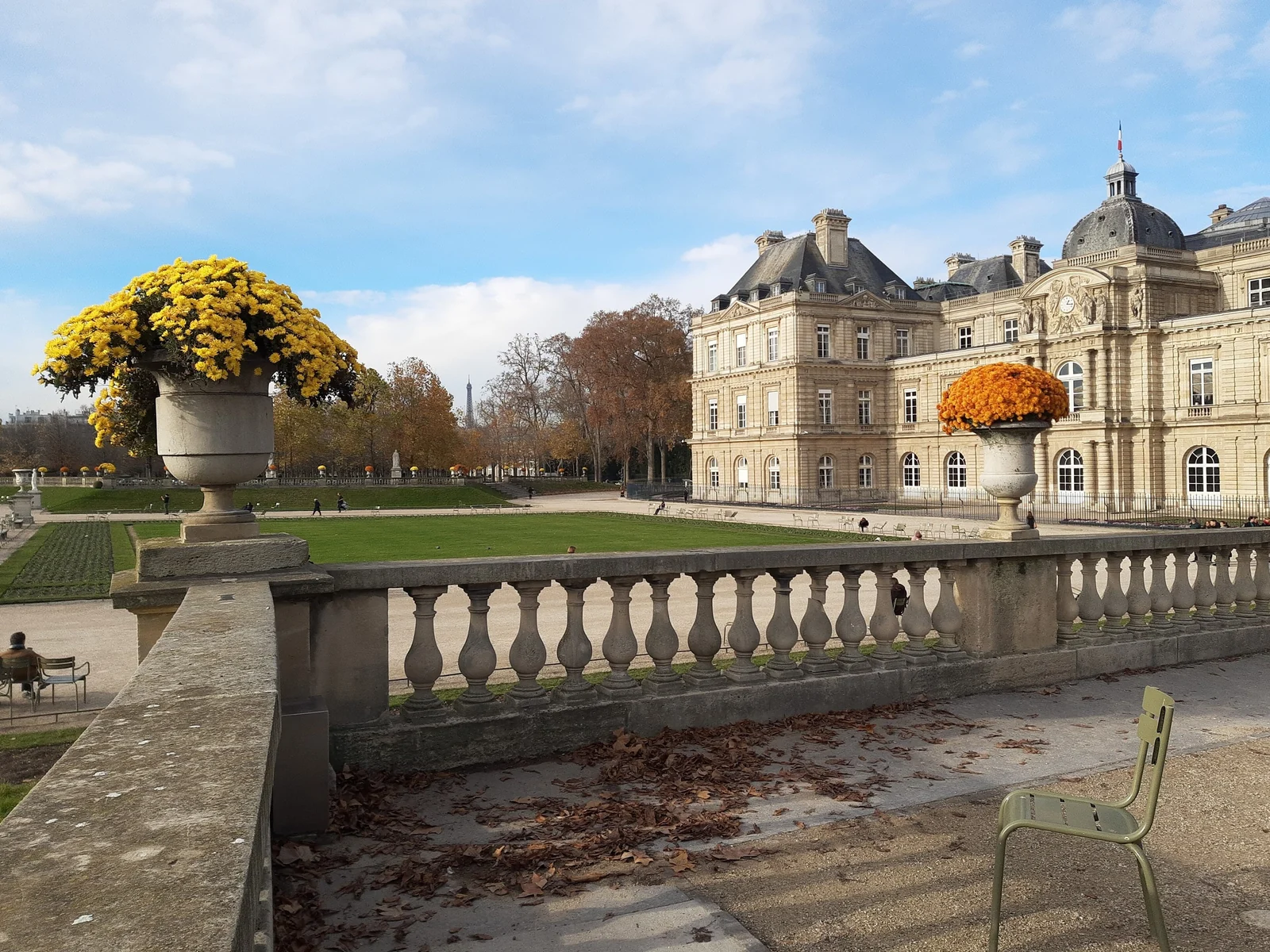
Louvre, Tuileries and Opéra (1st, 2nd and 9th): Central and Practical
The 1st holds the Louvre, the Tuileries garden and the Place Vendôme. The 2nd is a smaller district of covered passages and a busy restaurant scene. The 9th reaches north to the Opéra Garnier and the department stores on Boulevard Haussmann. This is the most convenient zone for a short stay, because many metro lines cross here and the big train stations to the north are a short ride away.
It can feel more commercial than residential, and the grand boulevards are loud with traffic. Streets behind the Louvre and around the covered passages are calmer. Pick it for museums, shopping or an early train.
The 7th and the Eiffel Tower: Polished and Quiet
The 7th arrondissement is home to the Eiffel Tower, Les Invalides and the Musée d'Orsay. The streets are wide, the buildings are handsome and the evenings are calm. Families like it because the Champ de Mars gives children room to run. Read our guide to the Eiffel Tower before you decide how much time to give it.
The downside is that it feels residential after dark, with fewer lively restaurants and bars than the Marais or the Latin Quarter, and rooms tend to cost more. It is a good choice if you want a quiet base and don't mind a short metro ride for dinner elsewhere.
Montmartre (18th): Atmosphere With Honest Cautions
Montmartre is a hill in the north of the city with winding streets, small squares, steep stairs and the white domes of Sacré-Cœur at the top. In its quieter corners it still feels like a village, and it gives some of the best views over the city. It suits couples who want atmosphere and don't mind climbing.
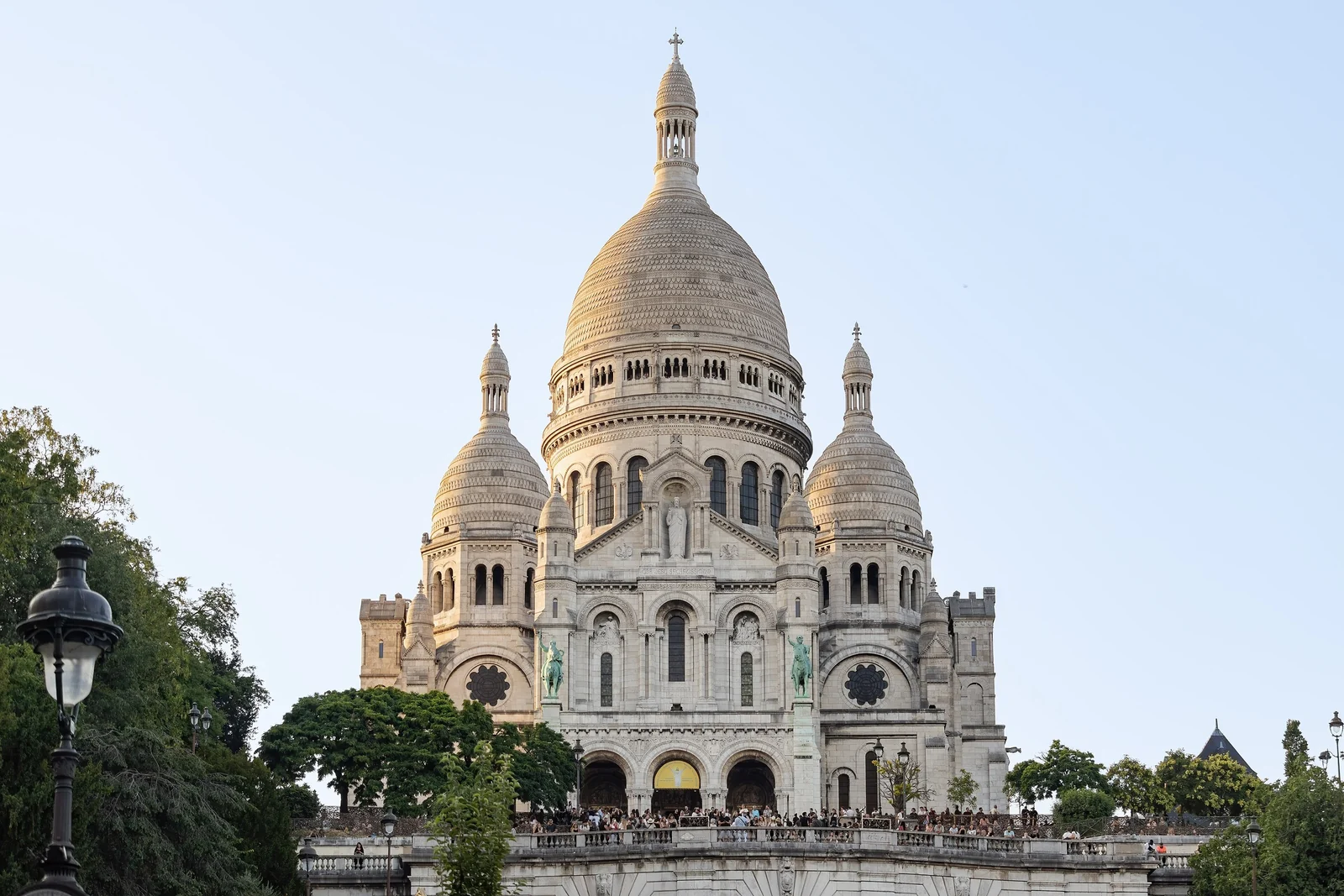
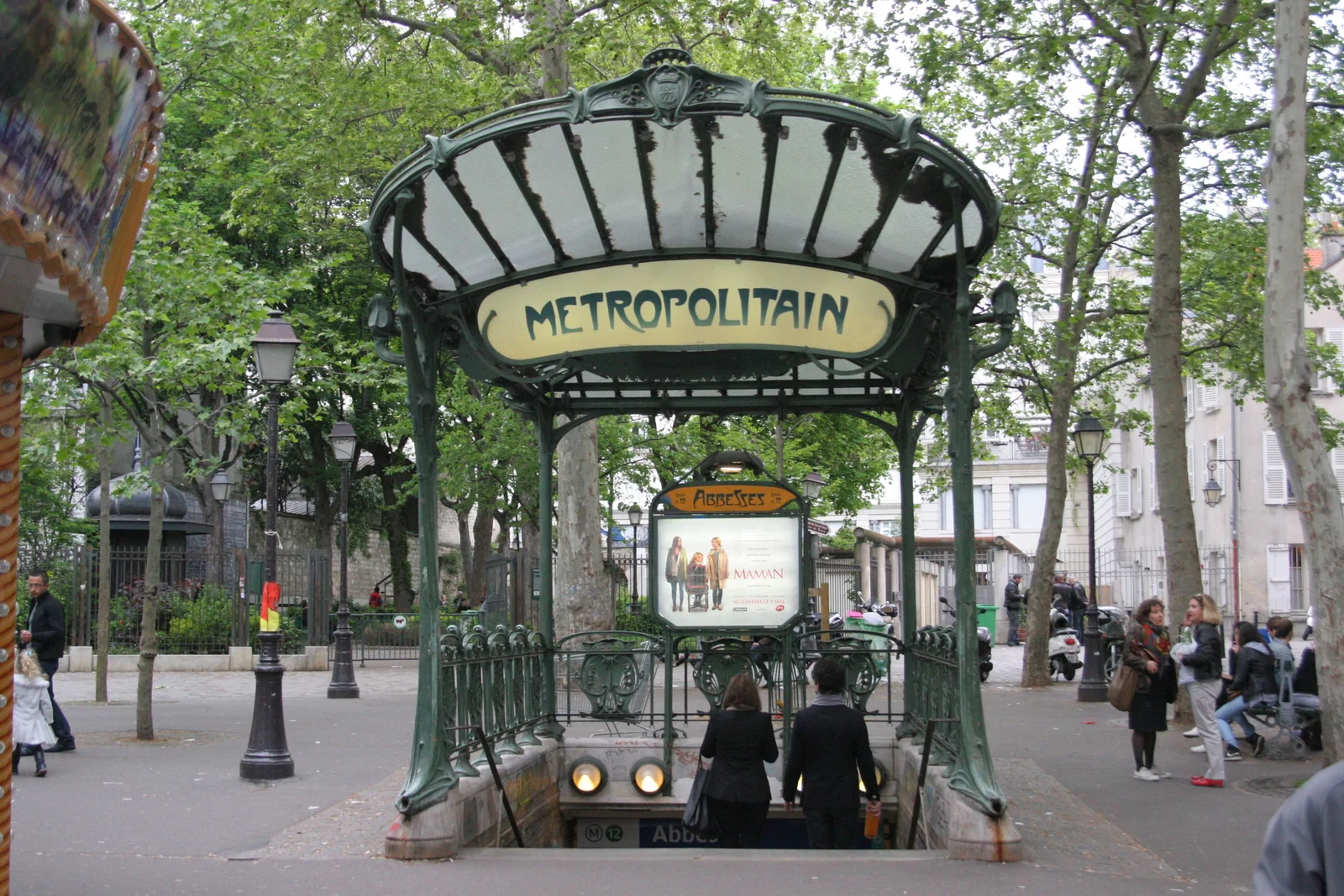
Be selective about the exact address. The southern edge near Pigalle is lined with loud bars and adult venues and stays crowded late, and the streets around Barbès and toward the Gare du Nord are rougher, with heavy street trading and more petty crime. Look for lodgings on the hill near Abbesses or on quieter streets near the basilica, and check your walking route home at night on a map. Abbesses station, on line 12, is known for its Art Nouveau entrance designed by Hector Guimard.
Canal Saint-Martin and the 10th: Local and Relaxed
The Canal Saint-Martin runs through the 10th arrondissement with iron footbridges, locks and tree-lined quays. In the evening locals sit along the water, and the surrounding streets are full of casual cafés and small shops. It suits repeat visitors and travelers who want to feel like residents, and prices tend to be gentler than in the center.
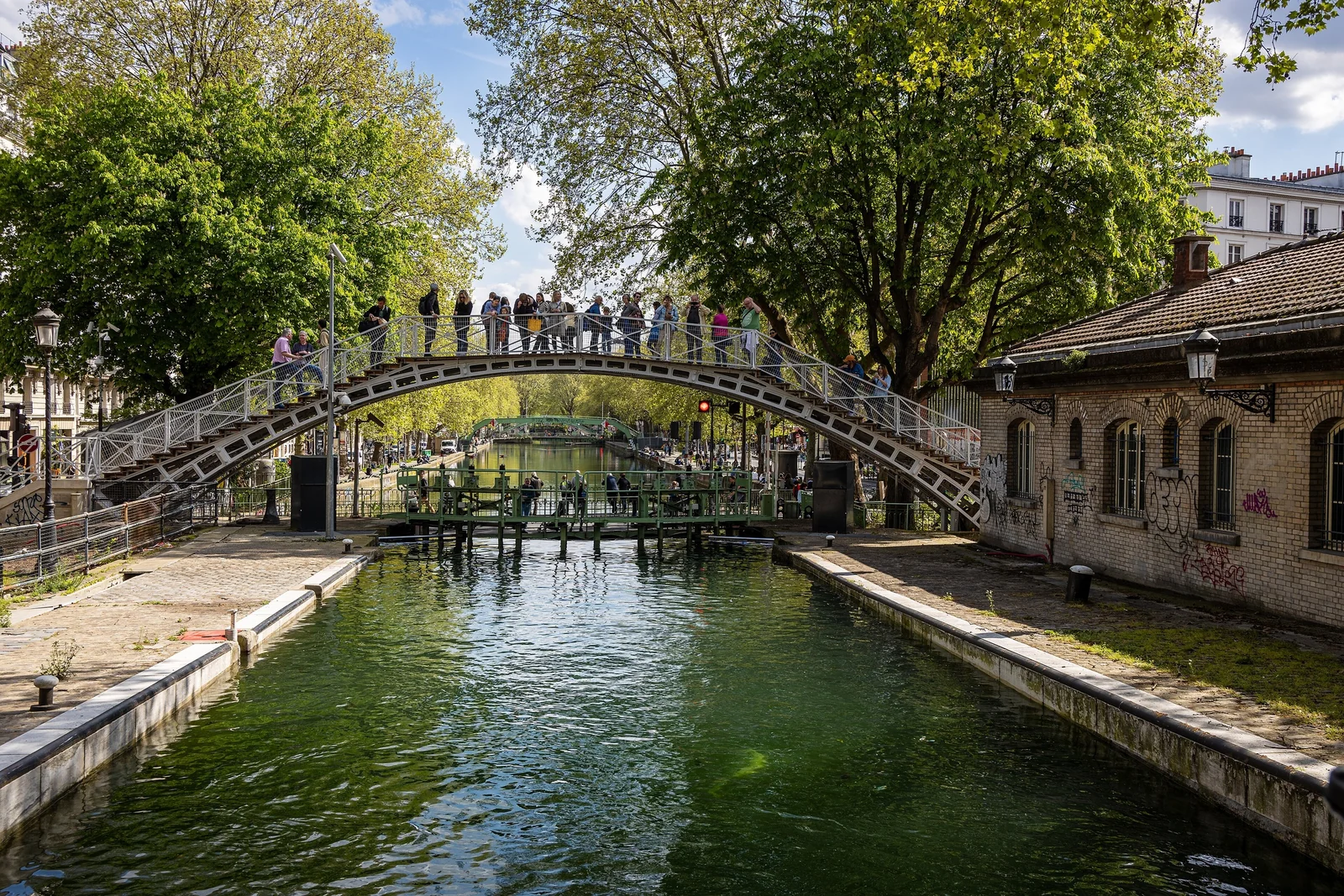
For a first trip it is a step away from the main sights, and quality varies by street. Near the Gare du Nord and the Gare de l'Est the neighborhood gets busy, loud and rougher after dark. Choose a street closer to the canal itself, and check recent reviews.
Bastille and the 11th: Food and Nightlife
The 11th arrondissement, around Bastille and Oberkampf, is where many Parisians go out. It has a dense mix of small restaurants, wine bars and casual cafés, and it is easy to reach on several metro lines. If your priority is eating well and staying up late, this is a good base. If you sleep lightly, it is not: weekend nights are loud, and the best rooms face a courtyard.
Where Not to Stay as a First-Timer
No part of Paris is off limits, but some areas are a poor fit for a first visit.
- Right around the Gare du Nord and Gare de l'Est. The stations are convenient for trains, but nearby streets are busy, noisy and less pleasant at night. Choose a different area unless you have an early departure.
- The Pigalle and Barbès edges. Fine for a daytime visit, but late-night streets can be rough, and they are not ideal for a first-night arrival.
- Outer districts and suburbs. Rooms can be cheaper, but a 30- or 40-minute ride to the center eats the hours you came for. Compare real travel time, not price alone.
- Business districts such as La Défense. Efficient, but empty in the evening and far from the Paris you have in mind.
- Anywhere with no lift when you carry a big suitcase. A lovely old building loses its appeal on the fifth floor.
Hotel or Apartment in Paris?
Hotels give you a front desk, luggage storage and usually a daily clean, which helps on a short trip. Rooms are often small, so look at the listed room size and bed type. Apartments make more sense for stays of four nights or longer and for families, because you get a kitchen and more space, but check the floor, the lift, the check-in procedure and the rules for guests.
Many stays add a small municipal tourist tax per person per night, usually shown separately at check-in or on the final bill. Rates depend on the type of lodging, so check the current rules on the official Paris tourism site before you compare totals.
Airport Transfers and Getting Around Paris
From Charles de Gaulle (CDG), the usual public route into the center is the RER B train, which stops at central stations such as Gare du Nord, Châtelet-Les Halles and Saint-Michel-Notre-Dame. Taxis and shuttles are the alternative if you arrive with heavy luggage or late at night. From Orly, public transport connections include metro line 14 and tram T7, with further links by RER and bus. Routes, fares and hours change, so confirm them on the official sites of Paris Aéroport, RATP and Île-de-France Mobilités.
Inside the city, the metro is the fastest way to cross town, the RER reaches farther points such as the airports and Versailles, and walking is usually the best way to link sights within an arrondissement. Paying is simpler with a rechargeable pass or tickets from machines, and the best option depends on how long you stay, so check the current ticket and pass options on the official transport sites. For a day away from the city, see our guide to Mont-Saint-Michel from Paris, and browse more of the country in our France category.
Which Paris Area Is Right for Your Trip?
- First visit, three or four days: Le Marais, the 6th or the 7th.
- Couples: Saint-Germain, the 7th, or the quieter side of Montmartre.
- Families with children: The 7th, or the 5th and 6th near the Luxembourg Garden, both with open space close by.
- Nightlife and food: Bastille and the 11th, or Le Marais.
- Museums and shopping: The 1st, 2nd and 9th around the Louvre and Opéra.
- Budget-conscious: The 10th near the canal, or the 11th. Compare travel time, not only the nightly rate.
- Return visitors: Canal Saint-Martin or Montmartre, for a more local rhythm.
Where to Stay in Paris FAQ
What is the best arrondissement to stay in for first-timers in Paris?
The 4th (Le Marais), 6th and 7th are the most popular picks. They are central, well connected by metro and easy to walk, with the Seine and major sights close. The 4th is livelier, the 6th is elegant and the 7th is quieter.
Is it better to stay on the Left Bank or the Right Bank?
Neither is better. The Left Bank (5th, 6th, 7th) feels classic and calmer, while the Right Bank (1st to 4th, 9th to 11th) has more shops, museums and nightlife. Choose based on the atmosphere you want and the metro line closest to your hotel.
Is Montmartre a good place to stay?
Yes, with care. Near Abbesses and the quieter streets on the hill it feels like a village and offers great views. The Pigalle and Barbès edges are louder and rougher at night, so check the exact address and your route back after dark.
Is it safe to stay in Paris?
Paris is generally fine for visitors, but pickpocketing is common near major sights, on crowded metro lines and around stations. Keep bags closed, watch your phone and stay alert at night in busier areas and near big train stations.
How do I get from the airport to central Paris?
From Charles de Gaulle, the RER B train is the usual public route to central stations. From Orly, metro line 14 and tram T7 connect to the city. Taxis and shuttles also run. Confirm current routes and fares on the official RATP and Paris Aéroport sites.
Should I stay in a hotel or an apartment in Paris?
A hotel suits short stays because of the front desk, luggage storage and daily cleaning. An apartment works better for four nights or more and for families who want a kitchen. In either case, check the floor, the lift and the street.
How many days do I need in Paris?
Three days cover the main sights, and four or five let you add a neighborhood walk, a market or a day trip. Pick a central base so you spend your time on sights rather than commuting. Our Paris guide has more detail on what to see.