


The Great Barrier Reef is not one place you visit but a coastline-sized system of reefs, cays and islands, and the trip you book decides what you actually see. For most travelers the best plan is a day trip from Cairns or Port Douglas to the outer reef, ideally between roughly May and October, when the water is calmer and clearer and stinger suits are less of a daily routine.
Coral bleaching headlines make some people wonder whether the reef is still worth the flight. It is, with a little homework. This guide explains how the reef is laid out, how to choose between snorkeling, diving and a scenic flight, which gateway town fits your trip, and how to travel in a way that helps rather than harms. For the wider picture of the state, see our guide to Queensland beyond the Gold Coast.
What the Great Barrier Reef Actually Is
The reef runs for more than 2,300 kilometers along Queensland's northeast coast, from near the tip of Cape York to just south of the Tropic of Capricorn. The Great Barrier Reef Marine Park Authority describes it as roughly 3,000 individual coral reefs plus hundreds of islands, and the Queensland Government lists more than 900 islands within the World Heritage Area. Counts vary a little by source because scientists and agencies define reefs and islands differently, so treat the totals as a sense of scale.
It was inscribed as a World Heritage Area in 1981, and the protected area covers roughly 344,000 square kilometers, which is bigger than many countries. Only a small fraction of it is ever visited. Almost every tourist operation clusters around a few dozen reef sites that have moorings, trained crew and a track record, and that concentration is useful to know: you are choosing among well-managed sites, not wandering into open ocean.
Inner Reef vs Outer Reef: What It Means for a Day Trip
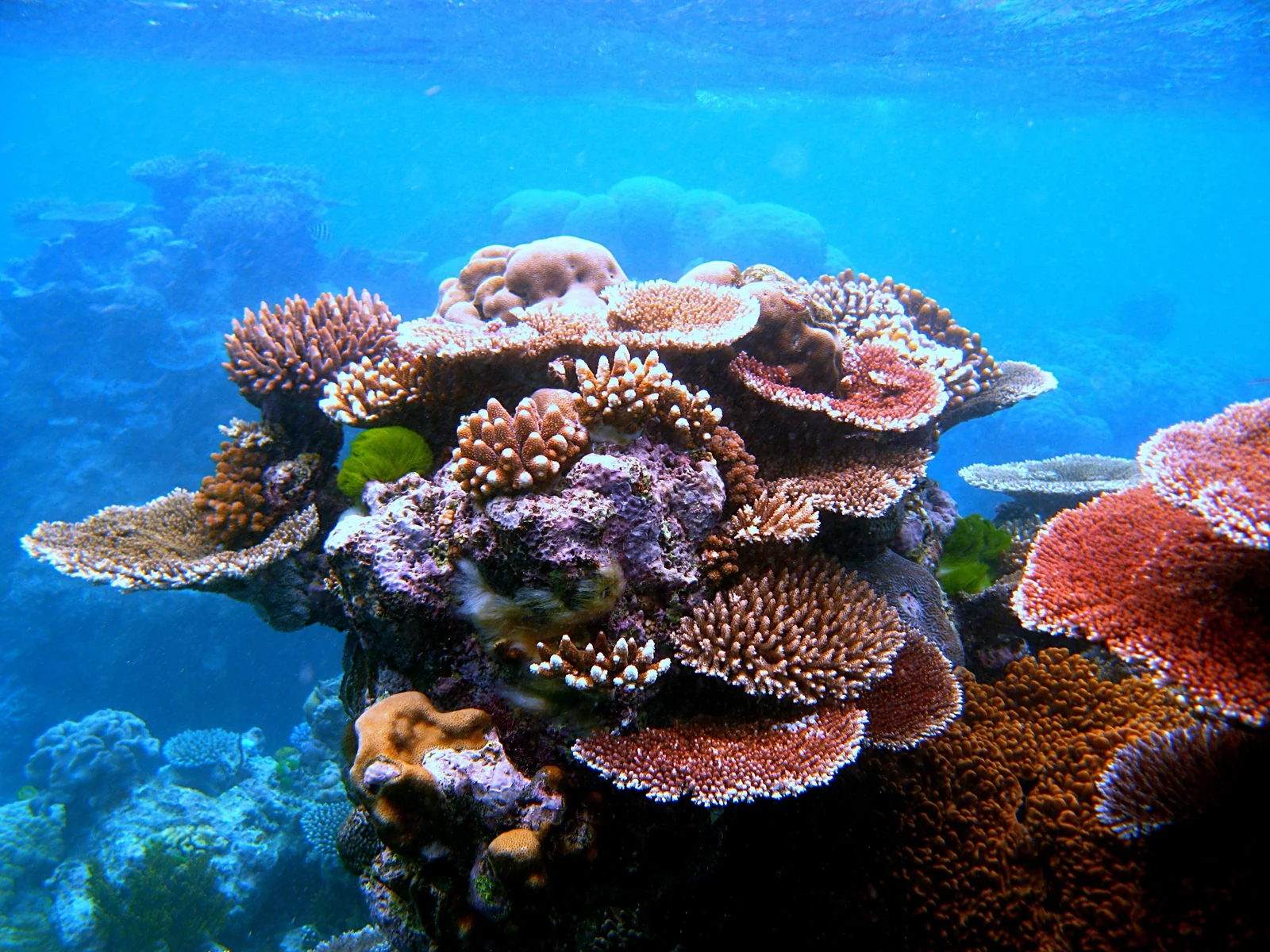
Inner reefs and fringing reefs sit close to the mainland or around continental islands. The water is often greener and more turbid, the corals are tougher and the boat ride is short. Outer reefs sit on the edge of the continental shelf, where open-ocean water pushes in. Visibility is usually better, the corals and fish are more varied, and you tend to see bigger animals such as turtles and reef sharks.
The trade-off is distance. From Cairns and Port Douglas, outer reef day trips typically spend about 90 minutes each way on the boat, and a full day can mean roughly five hours at the reef. Shorter inner reef options exist, including trips to islands such as Green Island and Fitzroy Island from Cairns and Low Isles from Port Douglas. They are good for families, nervous swimmers and anyone prone to seasickness, but they are not the classic reef experience most people picture.
Snorkel, Dive, Liveaboard or Scenic Flight?
Snorkeling
Snorkeling is the easiest way to see living reef, and on an outer reef trip it is often the best value. You float over corals only a few meters below, equipment and instruction are normally supplied, and many operators offer flotation vests and guided swims for beginners. You do not need to be a strong swimmer, but you do need to be calm in open water.
Introductory and Certified Diving
An introductory dive lets you go a little deeper with an instructor, with no certification required, after a briefing and a health questionnaire. Certified divers get the widest choice: multiple dives a day, drop-offs, walls and wrecks. If you are certified, carry your card and logbook, and expect operators to ask about recent diving and medical history.
Liveaboards
Liveaboards sleep on board for several nights and reach remote sites that day boats cannot, which makes them the right call for committed divers. Dwarf minke whale encounters are run under permit by only a handful of operators out of Cairns and Port Douglas.
Scenic Flights
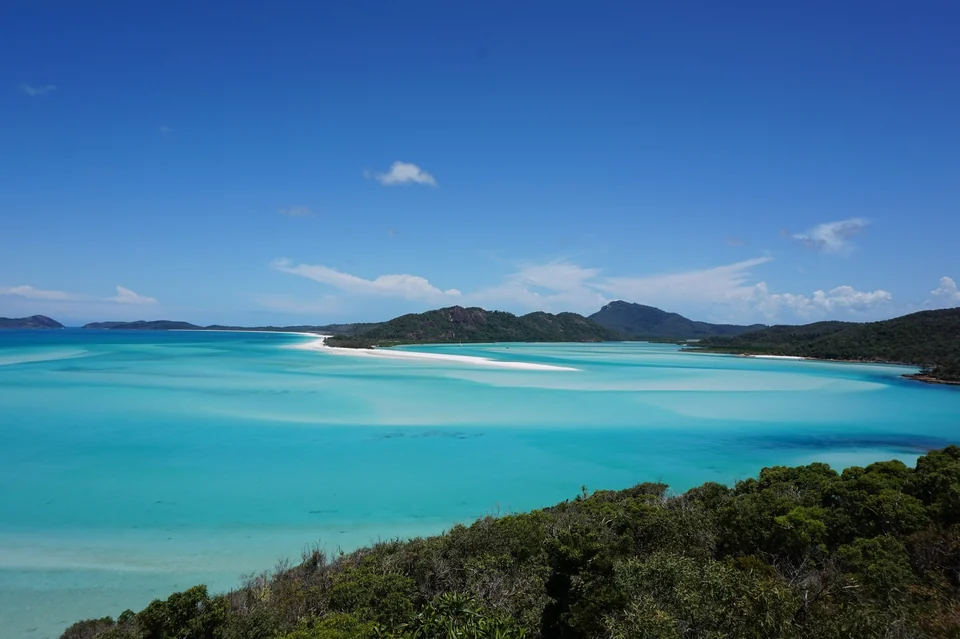
Flights by helicopter or seaplane show the scale of the reef and its white sand cays, which you cannot appreciate from the water. Treat them as an addition to a water trip, not a replacement.
Gateways Compared: Cairns, Port Douglas, the Whitsundays and Townsville
The reef is huge, so the town you sleep in shapes your options more than anything else. These four gateways cover most first trips.
| Gateway | Best for | Typical reef access | Good to know |
|---|---|---|---|
| Cairns | First-timers and the widest choice of operators | Outer reef day trips of about 90 minutes each way, plus island trips and liveaboards | International airport and the usual base for rainforest day trips |
| Port Douglas | A quieter base and smaller boats | Outer reef trips such as Agincourt, plus Low Isles | About an hour's drive north of Cairns; popular for dwarf minke whale season |
| Airlie Beach and the Whitsundays | Island scenery, sailing and a mix of beaches and reef | Day trips and overnight sails to Whitsunday sites and outer reef pontoons | Reefs here are less continuous than in the north; consider adding a scenic flight |
| Townsville | Divers, wrecks and a less touristy feel | Day boats and dive trips, plus Magnetic Island nearby | Fewer package tours; best for travelers who want a working city base |
Cairns is the default for good reason. It has the deepest choice of boats, the easiest connections, and enough rainforest, waterfalls and wildlife nearby to fill a week. Port Douglas suits travelers who prefer a smaller town and a short drive to the Daintree. The Whitsundays are the right choice if you picture yourself on a sailboat between islands with some snorkeling as a bonus. Townsville is for people who want to dive more than they want to shop.
Getting There and Getting Around
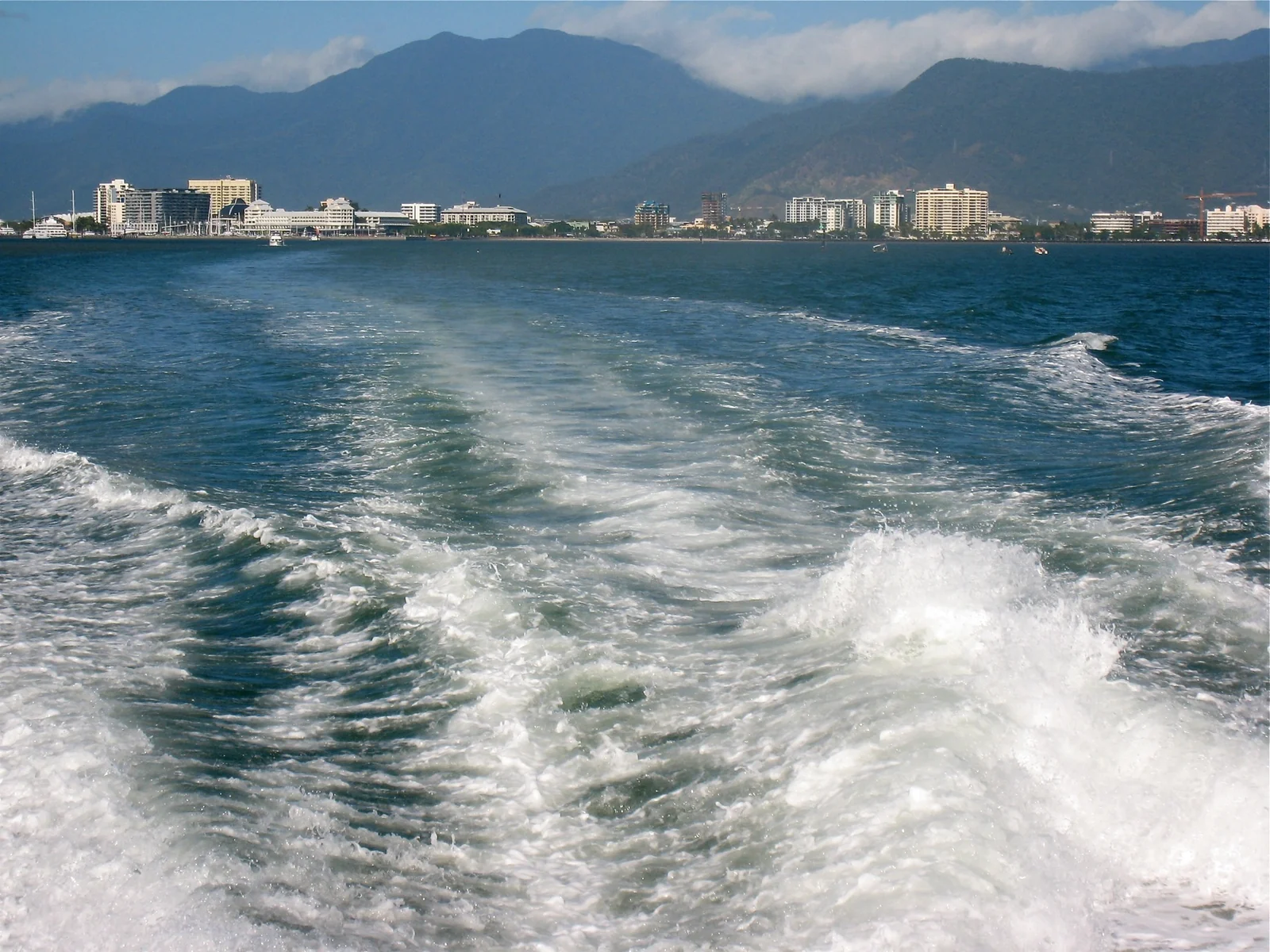
Most international visitors fly into Sydney or Melbourne first and then take a domestic flight north. Cairns has its own airport with domestic and some international services. The Whitsundays are reached through airports on the mainland coast and on Hamilton Island, and Townsville has its own airport as well. From Cairns, a rental car or a shuttle takes you to Port Douglas in about an hour. Our Australia travel guide covers visas, seasons and distances.
Best Time to Visit the Great Barrier Reef
The reef can be visited all year, but conditions differ. Queensland tourism and travel sources generally describe the cooler, drier months, roughly May or June to October, as the most settled period, with calmer seas, clearer water and lower humidity. It is also the busiest time, especially around Australian school holidays in June and July, so book boat trips early. A stinger suit is just a thin lycra suit that also guards against sun and coral scrapes, so it is no hardship.
- Roughly May to October (dry season): The best bet for visibility and comfortable weather. Expect the most visitors.
- Roughly November to May (warm, wet season): Hotter, more humid, with storms and sometimes rougher or cloudier conditions. This is also stinger season, when box jellyfish and Irukandji are more likely to be in the water close to shore. Stinger suits are standard on many trips.
- June and July near Cairns and Port Douglas: The window for dwarf minke whale encounters on permitted trips.
- Late spring: Coral spawning usually happens around a full moon, often in November or December, and sometimes earlier or later. It is spectacular, but the exact timing shifts from year to year, so ask a liveaboard or dive operator rather than planning a whole trip around it.
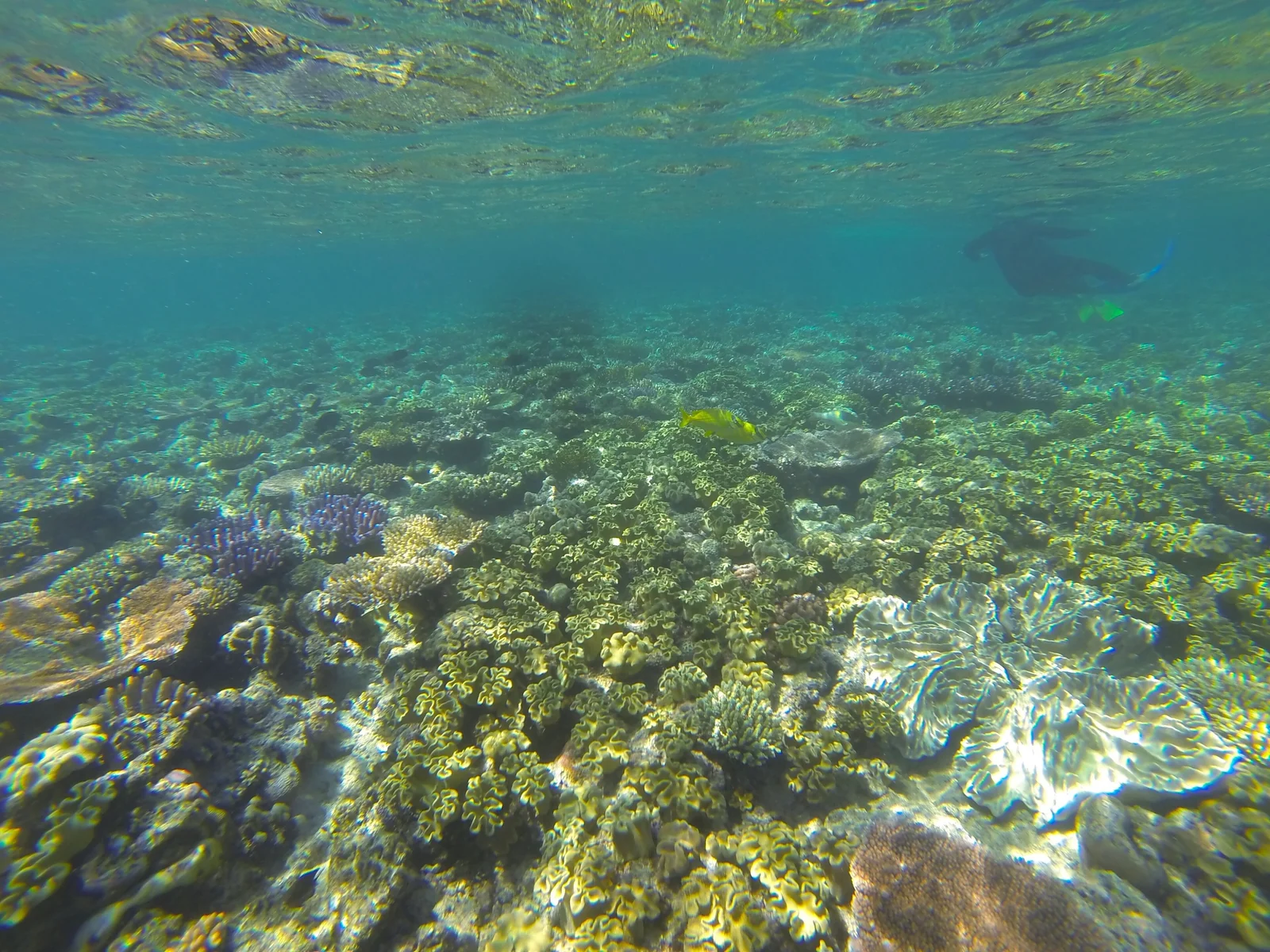
Coral Bleaching: What Visitors Can Expect
Coral bleaching happens when water stays too warm for too long and corals expel the algae that feed them and give them color. Bleached coral is not always dead, and it can recover if conditions cool in time. The reef has had several mass bleaching events in recent years, and both the Reef Authority and the Australian Institute of Marine Science report on them openly. A strong El Niño can raise the risk of heat stress in the following summer.
What does that mean for your trip? The impact is patchy. Some reefs and some parts of a single reef are hit hard, while others stay colorful and busy with fish. Monitoring reports have shown both loss and recovery in different regions and years, and many tourist sites are chosen by operators precisely because they remain healthy and are monitored. Visibility and marine life are still excellent at plenty of locations.
The sensible response is to check before you book. The Reef Authority publishes reef health updates, and your operator can tell you honestly which sites are in good shape. A reputable operator will not hide it if a site has suffered. If you see pale or white coral, that is not a failure of the trip. It is part of what the reef is going through, and knowing how to look at it makes you a better-informed visitor.
Why You Should Still Go
Skipping the reef does not help it. Responsible tourism funds part of its management and puts more informed eyes on the water. The bigger threats are warming seas and slow global action on climate, and a canceled booking does not fix those. A visit can make the reef real to you, which tends to change how people talk about climate when they get home.
How to Visit the Reef Responsibly
- Choose a high standard operator. The Reef Authority runs a High Standard Tourism Operator program based on independent certification, such as Ecotourism Australia or EarthCheck. Its guidance on choosing a high standard tourism operation explains what to look for. Ask about Master Reef Guides on board, too.
- Never touch, stand on or kick coral. Corals are living animals and even a light touch can damage them. Keep your fins up and your distance from the bottom, and do not chase turtles or fish.
- Think about sunscreen. Covering up with a rash vest or stinger suit reduces how much sunscreen goes into the water. If you do use sunscreen, apply it well before you swim and ask your operator what they recommend.
- Do not take anything. No shells, coral or sand, and do not feed the fish.
- Listen to the briefing. Crew explain sites, currents and wildlife rules for a reason, and they are the best source of what is good to see that day.
Reef tour operators collect an Environmental Management Charge on behalf of the Reef Authority, and the Authority states that the money goes directly toward managing the Marine Park, including ranger patrols, moorings and reef protection signage. Operators must show it in their advertised prices, either as a total that includes the charge or as a separate line. When you compare tours, check whether it is included so you are comparing like with like.
Sample Itineraries for Three or Four Days
Three Days Based in Cairns
- Day 1: Arrive, walk the waterfront, and get your gear sorted. Book an early night.
- Day 2: Full-day outer reef trip with snorkeling or an introductory dive. Bring a rash vest and motion sickness tablets if you are prone to seasickness.
- Day 3: Rainforest day: Daintree and Cape Tribulation, or the Atherton Tablelands. A scenic flight is a good optional extra if the weather is clear.
Four Days in Port Douglas and the Daintree
- Day 1: Fly to Cairns, drive to Port Douglas, and spend the evening on the beach.
- Day 2: Outer reef day trip from Port Douglas on a smaller boat.
- Day 3: Daintree rainforest and a guided walk, with time to rest after the boat day.
- Day 4: A relaxed half-day at Low Isles or a second reef session, then back to Cairns.
Four Days in the Whitsundays
- Day 1: Arrive in Airlie Beach and take it easy.
- Day 2: Sailing day among the islands with snorkel stops.
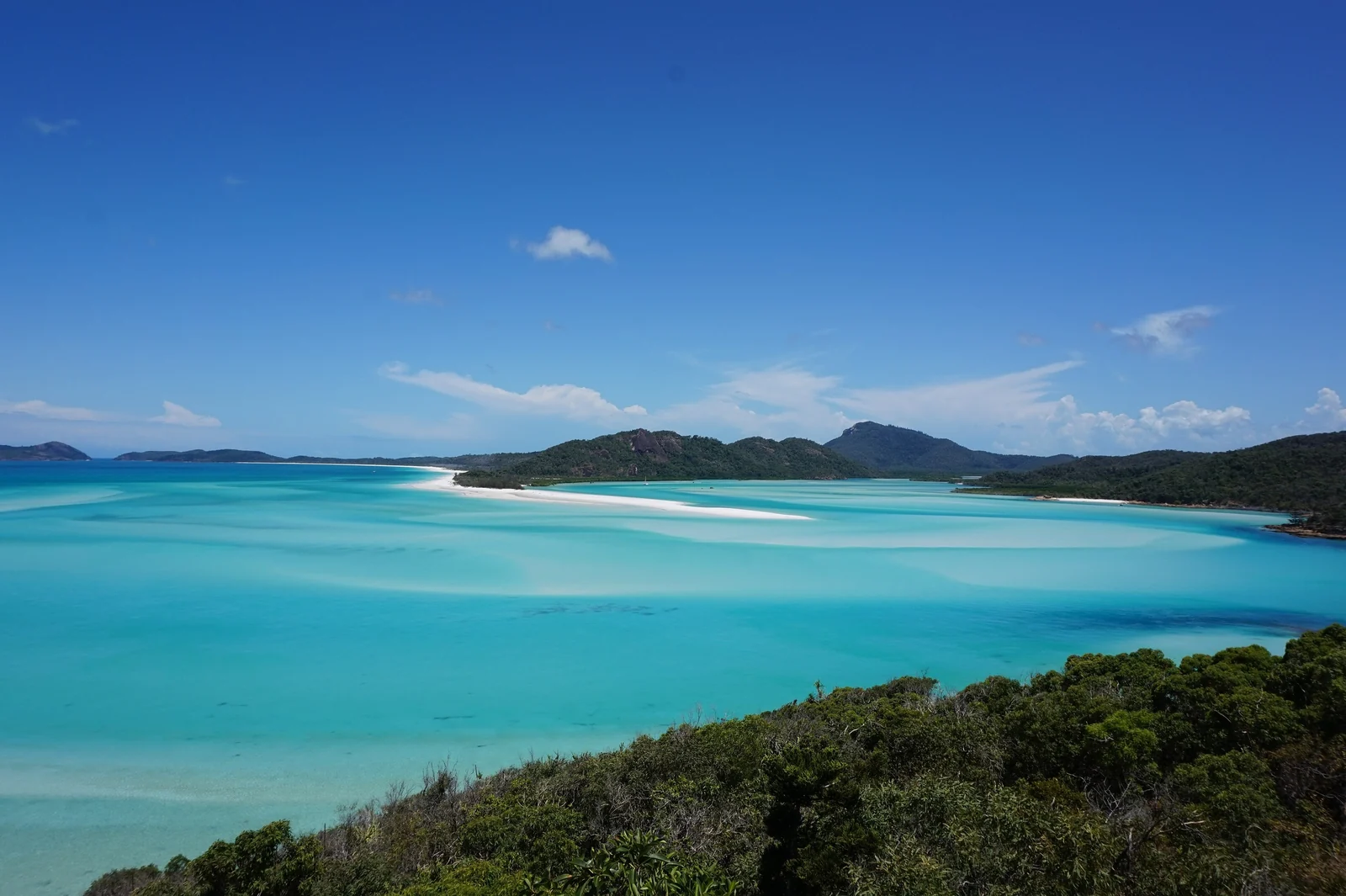
- Day 3: Day trip to an outer reef site, or a scenic flight over the reef and Whitehaven Beach.
- Day 4: A morning swim or lookout walk, then onward travel.
For food and city stops on a longer Australian trip, see Australia's finest restaurants by city, and for a broader first-trip route, our first-trip bucket list.
Practical Tips Before You Book
- Book early in the dry season. Popular boats fill up, particularly in school holiday periods.
- Compare what is included. Equipment, a stinger suit if needed, lunch, and the Environmental Management Charge are not always packaged the same way. Ask rather than assume.
- Check for health and swimming requirements. Diving in particular involves a medical questionnaire, and some conditions require a doctor's clearance.
- Pack light. Rash vest, hat, a towel, reef-conscious sunscreen, a waterproof phone case and seasickness medication if you need it.
Great Barrier Reef FAQ
What is the best time to visit the Great Barrier Reef?
Roughly May or June to October is the most popular window, with calmer, clearer conditions and less humidity. Warmer months bring stingers and more rain but fewer crowds. The reef is open year-round, so choose based on what matters most to you.
Is the Great Barrier Reef dead because of coral bleaching?
No. Bleaching is serious and has hit parts of the reef hard, but damage is patchy and corals can recover. Many sites remain colorful. Check the Reef Authority's health updates and ask your operator which sites are in good condition before you book.
Is it better to go from Cairns or Port Douglas?
Cairns has the widest choice of operators and the easiest transport. Port Douglas is quieter and about an hour's drive north, with smaller boats and easy access to the Daintree. Outer reef trips from both take a similar time to reach the reef.
Do I need to be a good swimmer to snorkel?
You should be comfortable in open water, but you do not need to be a strong swimmer. Operators typically provide flotation vests or noodles, and crew supervise the swim area. If you are nervous, say so at the briefing and ask about a guided snorkel.
Do I need a stinger suit?
During stinger season, roughly November to May, many reef trips supply and recommend full-body suits, and on some boats wearing one is standard. They are thin and light, and they also protect against sun and scrapes. Your operator will tell you what is required.
Can I see the reef without getting in the water?
Yes. Glass-bottom boats, semi-submersibles and underwater viewing chambers on some pontoons let you see coral while dry, and scenic flights show the reef from above. They are good options for young children or anyone who would rather stay out of the water.
How can I choose a responsible reef operator?
Look for operators the Reef Authority lists as High Standard, which relies on independent certification such as Ecotourism Australia. Ask about marine biologists or Master Reef Guides on board, and about what they do to protect the sites they visit.