


This Australia travel guide covers the practical side of a trip: which visa or ETA you need, when to visit each region, how big the distances really are, how to get around and what to expect with money and safety. It is written for first-time visitors who already know roughly where they want to go and now need the trip to work.
Australia is a continent-sized country of about 7.7 million square kilometers, with a population concentrated in a handful of coastal cities. Getting the basics right, from entry permission to the season in each region, makes the difference between a smooth trip and one spent in airport queues and bad weather.
Australia Visa and ETA Requirements
Everyone except Australian and New Zealand citizens needs a visa or electronic authority before boarding a flight to Australia. For tourism, most visitors use one of three options. Always check the current rules with the Department of Home Affairs before you book, because eligibility depends on your passport.
| Option | Who it is for | How to apply | Stay |
|---|---|---|---|
| Electronic Travel Authority (ETA, subclass 601) | Passport holders of eligible countries, including the United States, Canada, Japan, Singapore and the United Kingdom | Australian ETA app; no visa charge, but an AUD 20 service fee | Up to 3 months per visit, multiple visits within 12 months |
| eVisitor (subclass 651) | Passport holders of eligible European countries, including EU member states | Online through ImmiAccount; free | Up to 3 months per visit, multiple visits within 12 months |
| Visitor visa (subclass 600) | Travelers not eligible for an ETA or eVisitor, or who need a longer stay | Online through ImmiAccount; a visa charge applies | Set on the visa grant |
Apply only through the official app or website; third-party sites may charge extra fees for the same permission. Your passport should be valid for the whole stay.
Biosecurity and customs on arrival
Australia has strict biosecurity rules to protect its agriculture and wildlife. You must declare certain food, plant material and animal products on arrival, including many items you might carry as snacks. If you are unsure, declare it: undeclared goods can lead to fines, while declared items are simply inspected. The Department of Agriculture lists what you can and cannot bring.
Best Time to Visit Australia by Region
Seasons in Australia are the reverse of the Northern Hemisphere: summer runs from December to February and winter from June to August. The south has four seasons, while the tropical north has a wet season from November to April and a dry season from May to October, as Tourism Australia explains.
| Region | Best months | Notes |
|---|---|---|
| Sydney and New South Wales coast | September to May | Warm summers; mild winters are fine for sightseeing |
| Melbourne, Victoria and the Great Ocean Road | October to April | Changeable weather; winters are cool and wet |
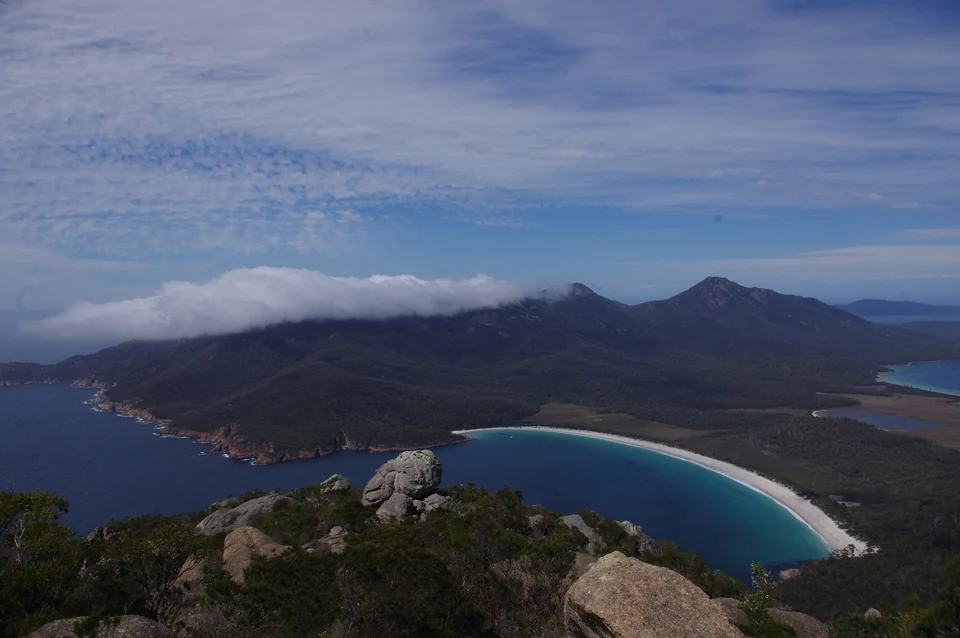
| Tasmania | November to April | Best hiking weather in summer; cold winters |
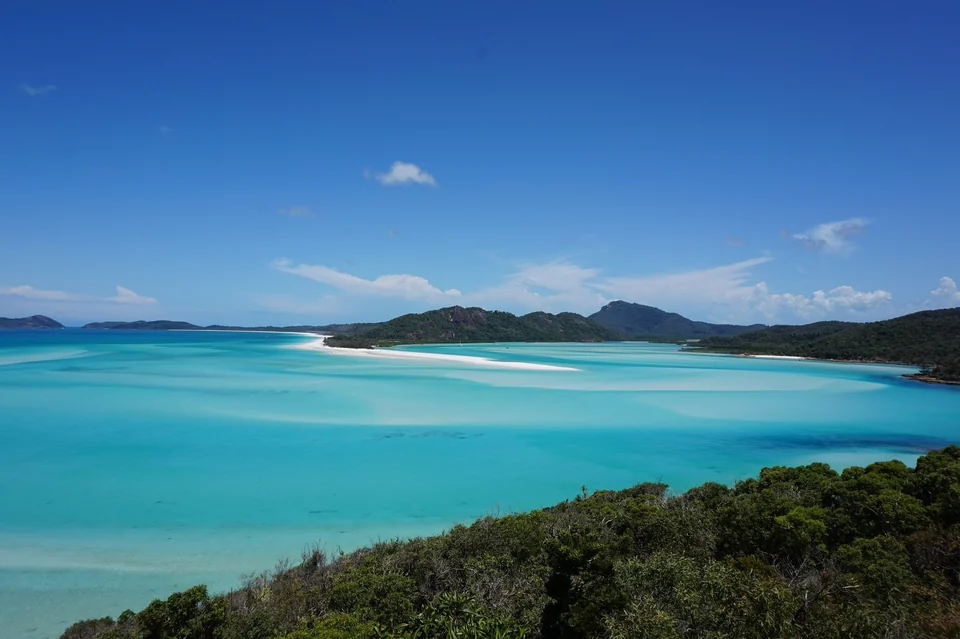
| Tropical North Queensland and the reef | May to October | Wet season, stingers and cyclone risk from November to April |
| Darwin and Kakadu (Top End) | May to September | Many roads and sites close in the wet season |
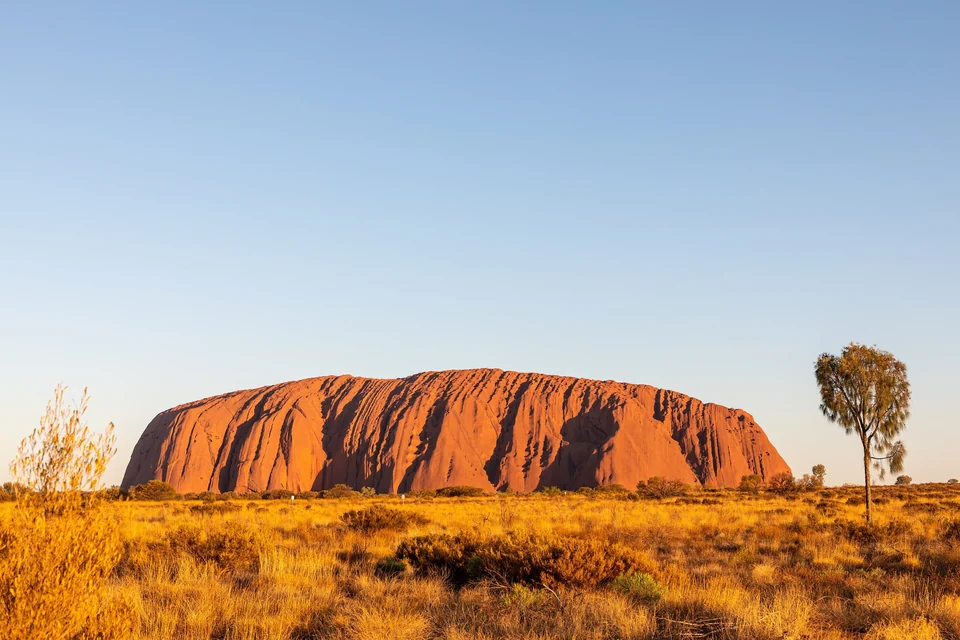
| Uluru and the Red Centre | April to September | Extreme heat in summer; cold desert nights in winter |
| Perth and the southwest | September to May | Wildflowers in spring; hot, dry summers |
| Adelaide and South Australia | September to May | Harvest season in the wine regions in autumn |
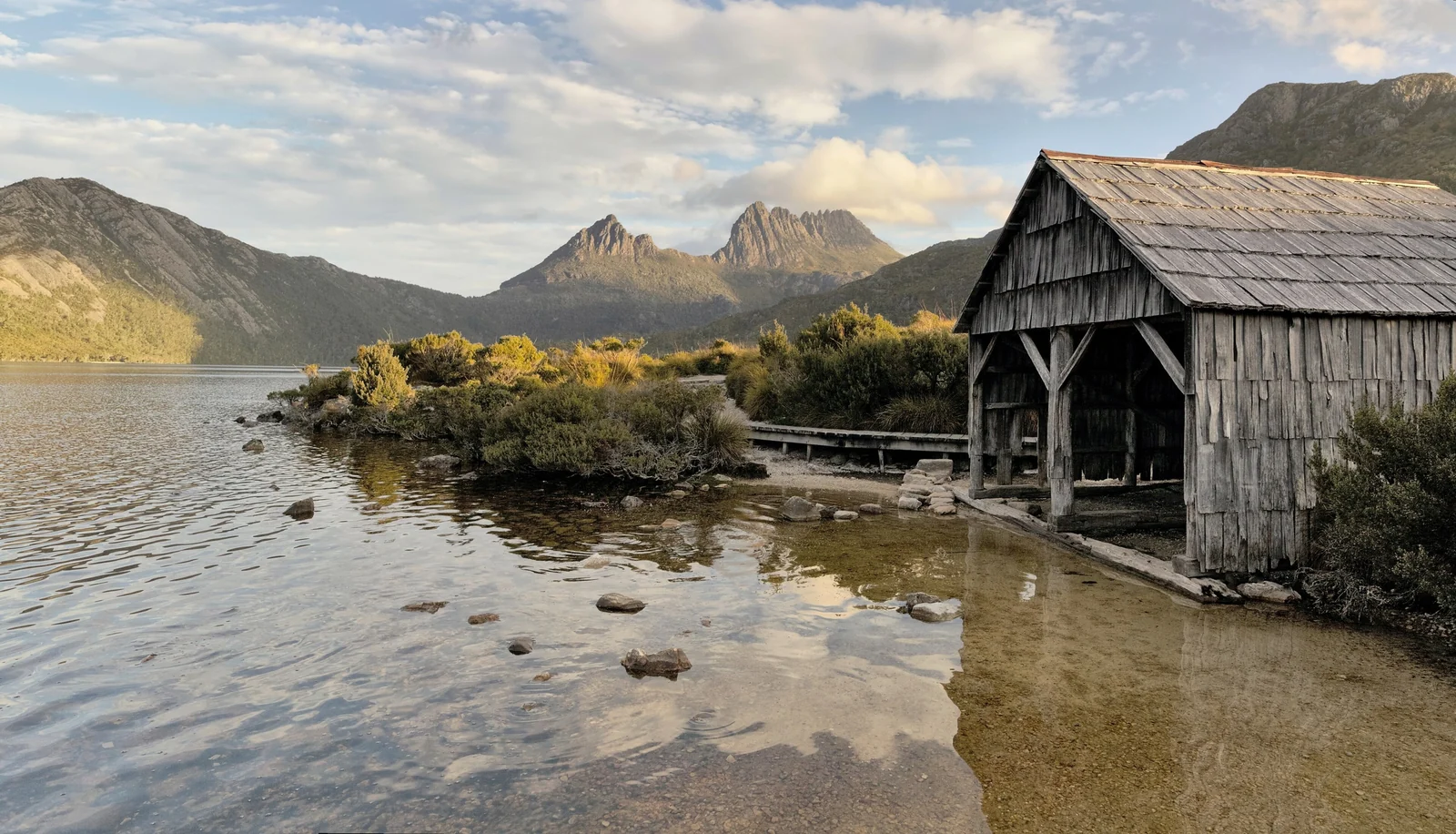
If you want help choosing a region to match your month, our guide to the best holiday destinations in Australia by travel style and season goes into more detail.
Distances and Time Zones
Distances are the biggest planning trap. Tourism Australia gives these typical flight times and road distances:
| Route | Flight time | Road distance |
|---|---|---|
| Sydney to Melbourne | About 1 hour 30 minutes | About 880 km (inland route) |
| Sydney to Cairns | About 3 hours | A multi-day drive |
| Sydney to Darwin | About 4 hours 15 minutes | A multi-day drive |
| Sydney to Perth | About 4 to 5 hours | About 4,050 km |
| Melbourne to Hobart | About 1 hour 20 minutes | Ferry plus drive |
Mainland Australia uses three standard time zones: Eastern (Queensland, New South Wales, Victoria and the ACT), Central (South Australia and the Northern Territory) and Western (Western Australia). Tasmania follows Eastern time. Some states use daylight saving time in summer and others, including Queensland, the Northern Territory and Western Australia, do not, so time differences change during the year.
Getting Around Australia
Domestic flights
Flying is the standard way to cover long distances. Qantas, Virgin Australia and Jetstar connect the capital cities and major tourist hubs such as Cairns and Ayers Rock, and regional airlines serve smaller towns. Check baggage allowances, since budget fares often exclude checked bags.
Long-distance trains and ferries
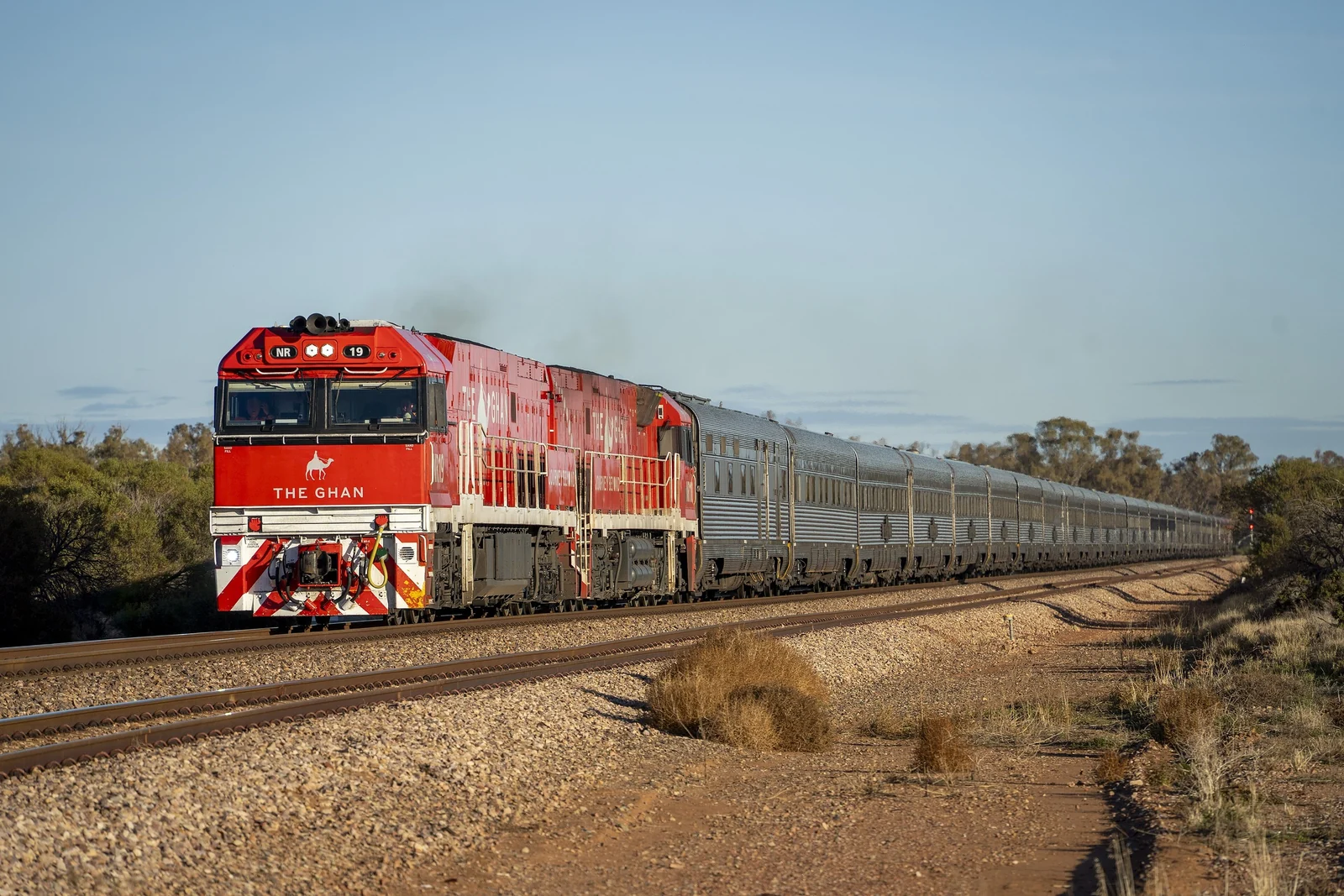
Australia’s great train journeys are experiences rather than transport: the Indian Pacific crosses the continent between Sydney and Perth via Adelaide, and the Ghan runs between Adelaide and Darwin through Alice Springs. The Spirit of Tasmania ferry links Geelong in Victoria with Devonport in Tasmania and carries cars. Tourism Australia’s getting around guide lists the main routes.
Driving and car hire
A car is the best way to explore regions such as the Great Ocean Road, Tasmania or southwest Western Australia. Keep these rules in mind:
- Australians drive on the left.
- If your license is not in English, carry an International Driving Permit together with your home license.
- Avoid driving at dawn, dusk and night in rural areas, when kangaroos and other animals are most active.
- Fill up whenever you can on remote highways; roadhouses can be hundreds of kilometers apart.
- Check whether your rental agreement allows unsealed roads before heading off the bitumen.
Money and Costs in Australia
The currency is the Australian dollar (AUD). Cards, including contactless payments, are accepted almost everywhere, and some businesses add a small surcharge for card payments. Prices displayed in shops and restaurants already include the 10 percent Goods and Services Tax (GST).
- Accommodation is usually the largest cost, and prices rise sharply during school holidays and major events. Book early for Uluru, the Whitsundays and summer beach towns.
- Eating out ranges from affordable cafés and food courts to fine dining; see our guide to Australia’s finest restaurants for splurge options.
- Tipping is not expected, because service staff are paid a minimum wage, but rounding up or leaving around 10 percent for excellent restaurant service is appreciated.
- Park fees: several national parks, including Uluru-Kata Tjuta and Kakadu, require a park pass, and some states charge vehicle entry fees.
- Tourist Refund Scheme: you may claim back GST on goods bought within 60 days of departure if you spend at least AUD 300 with one business, and present the goods and tax invoice when you leave.
Health and Safety Tips
Australia is a safe destination, but its nature needs respect. Most problems visitors have come from the sun, the sea and the distances.
- Use strong sunscreen, a hat and sunglasses, even on cloudy days; UV levels are high.
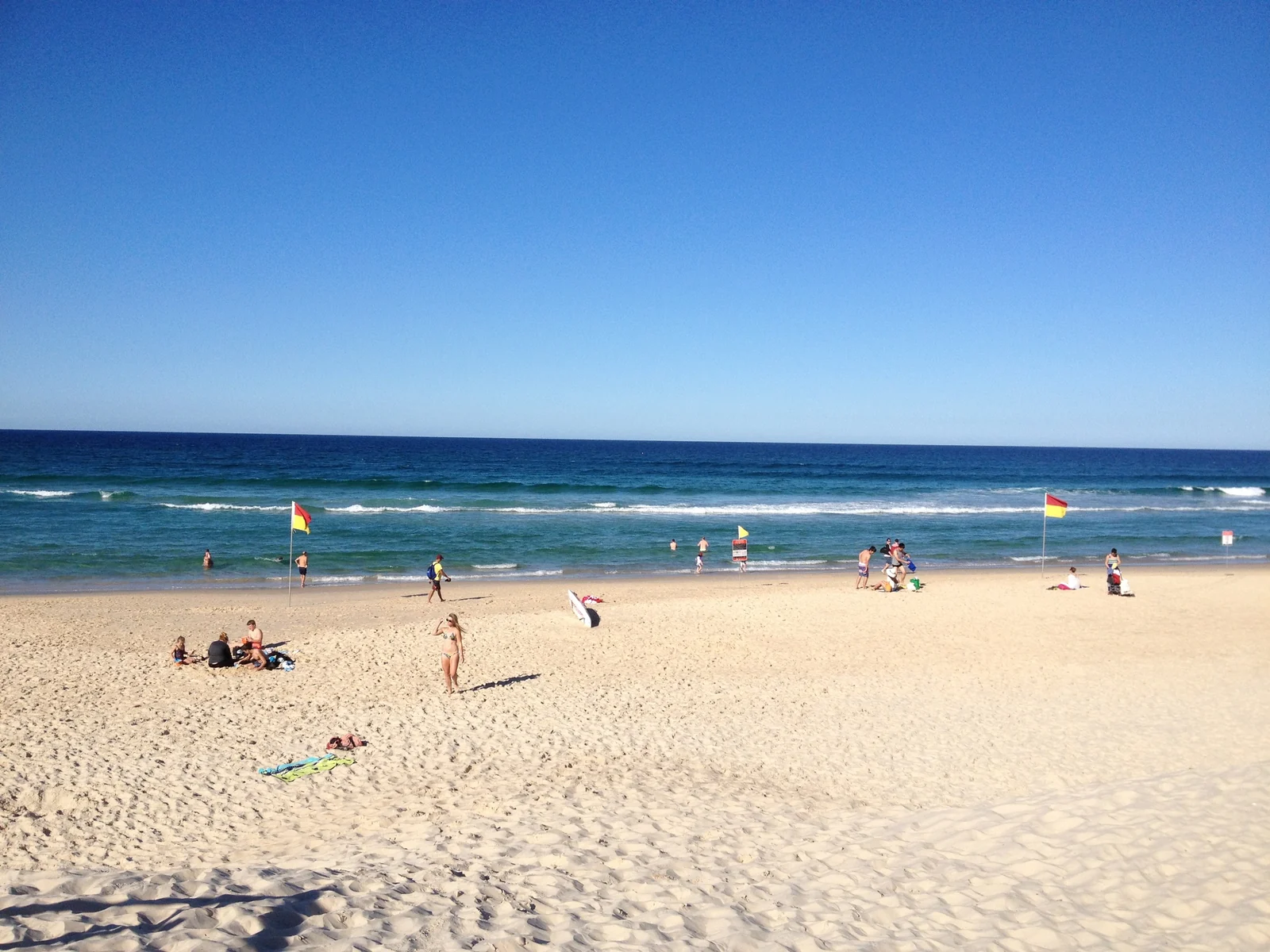
- Swim at patrolled beaches between the red and yellow flags, which mark the area watched by lifesavers.
- In the tropics, wear a stinger suit in the warmer months and obey crocodile warning signs.
- Carry plenty of water in the outback and tell someone your plans before remote walks or drives.
- In summer, check bushfire warnings for the areas you plan to visit.
- The emergency number for police, fire and ambulance is 000.
- Buy travel insurance that covers medical care; Australia has reciprocal health arrangements with only some countries.
Where to Start Planning Your Route
Once the practical side is clear, choose your route. Our first-trip bucket list and itinerary turns the classic highlights into two- and three-week plans, our roundup of Australia’s natural wonders covers Uluru, Kakadu and the reef, and our guide to Queensland beyond the Gold Coast helps if the tropics are your focus.
Australia Travel FAQ
Do I need a visa to visit Australia?
Yes. All visitors except Australian and New Zealand citizens need a visa or electronic authority before flying. Many nationalities can use the ETA through the Australian ETA app or the free eVisitor for eligible European passports; others apply for a Visitor visa (subclass 600). Check the Home Affairs website for your passport.
How much does an Australian ETA cost?
There is no visa application charge for the ETA, but the official Australian ETA app charges an AUD 20 service fee. The ETA allows multiple visits within 12 months, with stays of up to three months each time. Avoid unofficial websites that charge more for the same authority.
What is the best month to visit Australia?
There is no single best month because the climate varies so much. September to November and March to May are good all-rounders, with pleasant weather in the south and the dry season in the north. Choose based on the regions you want to visit most.
Is it better to fly or drive around Australia?
Fly between regions and drive within them. Sydney to Perth is around four to five hours by air but more than 4,000 kilometers by road. Road trips shine in compact regions such as the Great Ocean Road, Tasmania or the Margaret River area.
Do you tip in Australia?
Tipping is not expected, since hospitality workers are paid a minimum wage. Many people round up the bill or leave around 10 percent in restaurants for excellent service. You do not need to tip in cafés, taxis or bars, although tip jars are common.
Can I use my driver’s license in Australia?
Visitors can usually drive on a valid overseas license for a limited period. If your license is not in English, carry an International Driving Permit or an official translation with it. Rules vary slightly between states, so check with your rental company before you arrive.
Is Australia expensive for tourists?
Australia is generally more expensive than Southeast Asia and comparable to other developed countries. Accommodation and domestic flights take the largest share of a budget. Traveling outside school holidays, booking ahead and mixing self-catering with eating out keep costs under control.