Oaxaca is the city in southern Mexico where the food, the mezcal and the craft traditions are all unusually good, and where a Zapotec past is still easy to find. The colonial center is walkable and low-rise, built of green volcanic stone, with a market on almost every other block. Beyond it, three sites sit within a day's reach: Monte Albán, Mitla and the mineral cascades of Hierve el Agua.
Three full days is a comfortable first visit, four if you want the craft villages without rushing. This Oaxaca travel guide covers the Centro, the markets, mole and mezcal, the main day trips, the two big annual celebrations and the practical details. For the rest of the country, start with our Mexico travel guides.
Oaxaca's Centro: Zócalo, Churches and Walkable Streets
The historic center was inscribed on the UNESCO World Heritage list in 1987, together with the archaeological site of Monte Albán. The streets run in a tidy grid around the Zócalo, a shaded square ringed by arcades, cafés and the cathedral. Locals use it as a living room, and on most evenings you will find a band, balloon sellers and families on benches.
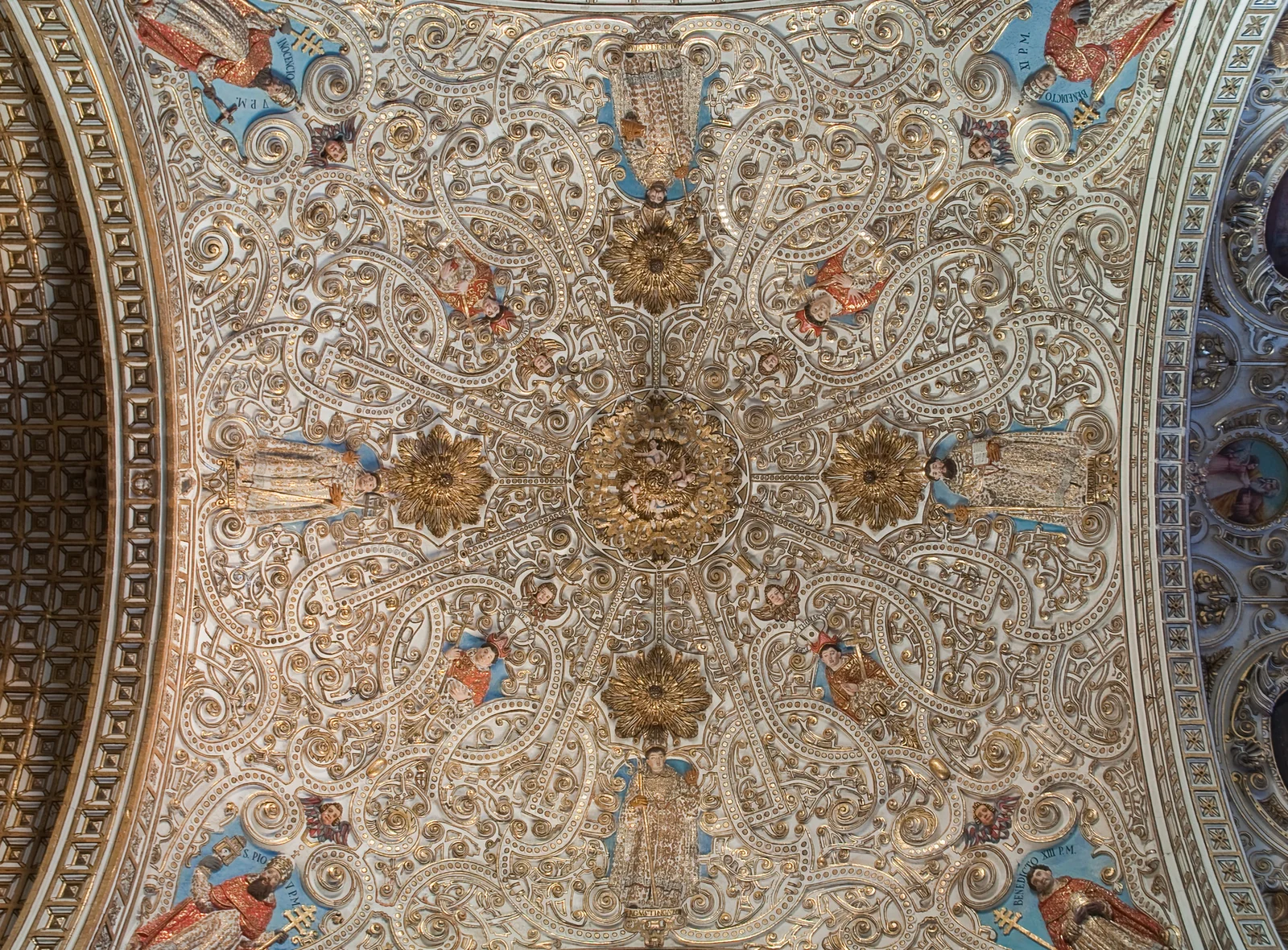
Walk north along the pedestrian street Macedonio Alcalá and you reach the real showpiece, the church of Santo Domingo de Guzmán. Its Baroque stone facade is impressive, but the interior is the surprise, covered in gilded plasterwork. The former convent next door now houses the Museo de las Culturas de Oaxaca, a good place to understand the region before you head out to the ruins.
Where to Wander Beyond the Main Squares
Give yourself time to walk without a plan. The side streets are lined with colorful colonial houses, small galleries, chocolate shops and courtyards that open without warning. The leafy Alameda, next to the cathedral, is a good pause. The pace is easy, but the city sits at roughly 1,500 meters, so go slowly on your first afternoon.
Markets: Where to Eat and What to Buy
Markets are the best way into Oaxacan food, and they are not a separate attraction from the city. They are how people eat, shop and meet. Three are worth knowing.
- Mercado 20 de Noviembre: the most famous, with rows of cooks serving mole, soups and tlayudas. Its Pasillo de Humo, the smoke aisle, is lined with grills where you pick raw meat and have it cooked to order.
- Mercado Benito Juárez: next door, better for fruit, cheese, bread, textiles and everyday goods.
- Central de Abastos: the huge wholesale market on the western edge, busiest on Saturdays. It is chaotic and fascinating, so keep your bag in front of you and go with an open mind.
Nearby towns hold their own weekly markets. The Sunday market in Tlacolula, on the road toward Mitla, is the best known and combines naturally with a day trip. Go early, before the heat and the crowds, and bring small bills.
Mole, Tlayudas and Oaxacan Classics
Oaxaca is often called the land of seven moles, a phrase that sums up the region's sauces: negro, rojo, coloradito, amarillo, verde, chichilo and manchamanteles. Each uses a different blend of chiles, seeds, spices and sometimes chocolate or fruit. Mole negro is the dark, complex one most visitors hear about, but coloradito is often friendlier for a first taste.
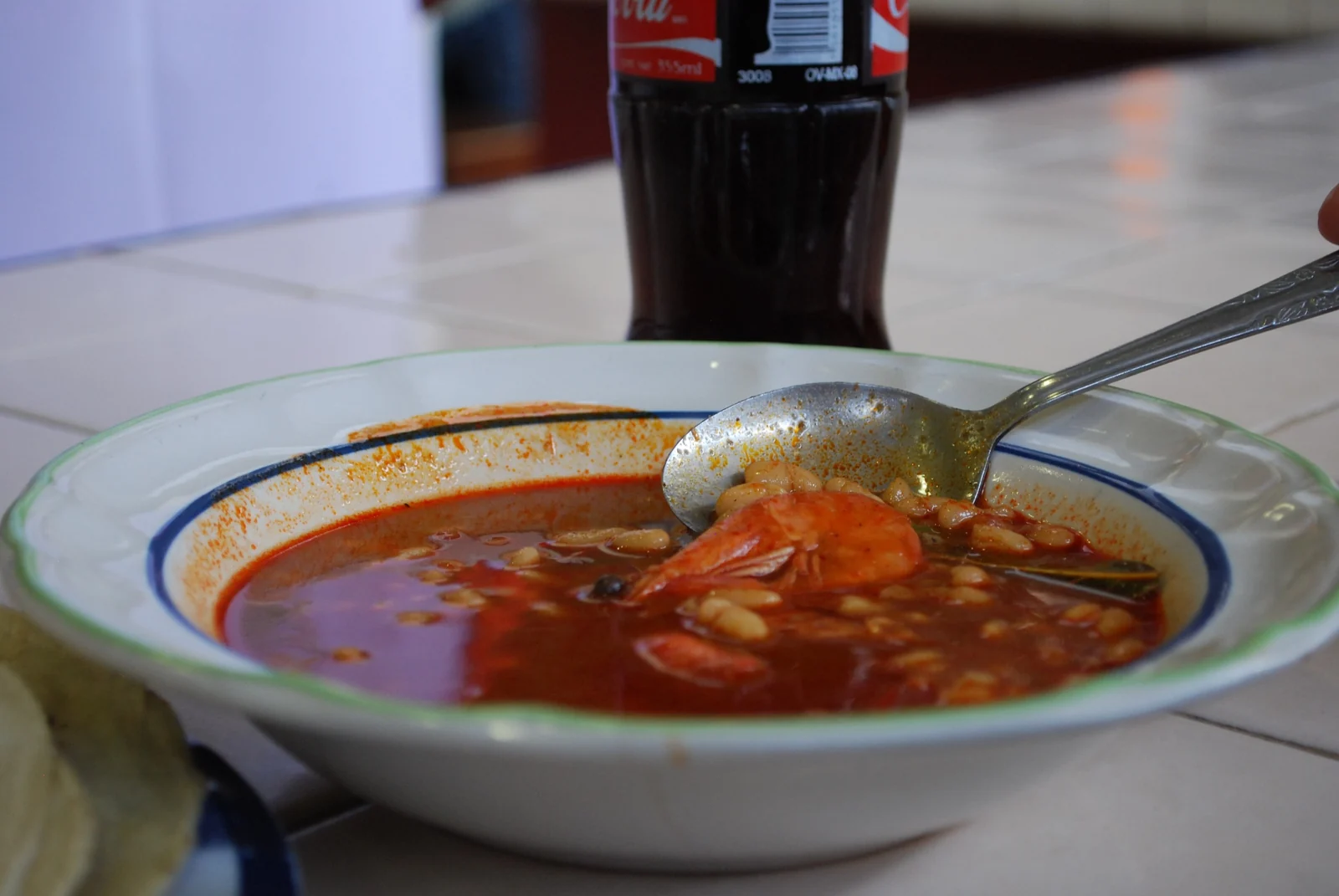
Beyond mole, build your meals around a few dishes:
- Tlayuda: a large, thin, crisp tortilla spread with bean paste and topped with Oaxacan string cheese, meat and salsa.
- Quesillo: the stretchy local cheese, pulled into strands and often served inside tortillas or on top of dishes.
- Memelas and empanadas de amarillo: street-food staples sold at griddles all over town.
- Tejate: a cold, frothy drink of maize and cacao, traditional in the Central Valleys.
- Chapulines: toasted grasshoppers seasoned with lime, garlic and chile. Try a few from a market stall; they taste mostly of salt and citrus.
- Hot chocolate and pan de yema: a breakfast pairing at the chocolate mills near the markets.
Mezcal: How to Taste It Well
Oaxaca is the heartland of mezcal, a spirit made from roasted agave, usually distilled twice in small batches. Most Oaxacan mezcal is made from the espadín agave, which matures faster than others, but wilder varieties such as tobalá and tepeztate are rarer and costlier. The village of Santiago Matatlán, on the road to Mitla, bills itself as the world capital of mezcal, and many palenques (distilleries) there welcome visitors.
In town, mezcalerías pour small tasting flights. Sip, do not shoot it. A traditional serving comes with orange slices and sal de gusano, a salt blended with dried chile and ground agave worm. Ask the staff which agave and which village each bottle comes from; the good ones enjoy explaining.
Choose a palenque tour over a scripted tasting if you can, as it shows the whole process: the earthen pit where agave hearts roast, the stone mill and the clay or copper stills. Many tours combine a palenque, a weaving village and Mitla in one day. Drink water between pours, and keep a driver or guide for the rest of the trip.
Monte Albán: The Zapotec Mountaintop Capital
Founded around 500 BCE, Monte Albán was the political and ceremonial capital of the Zapotec people for centuries. The builders leveled a mountaintop above the valley and arranged temples, platforms and a long central plaza along its ridge. The views of the surrounding valleys are half the reason to come.
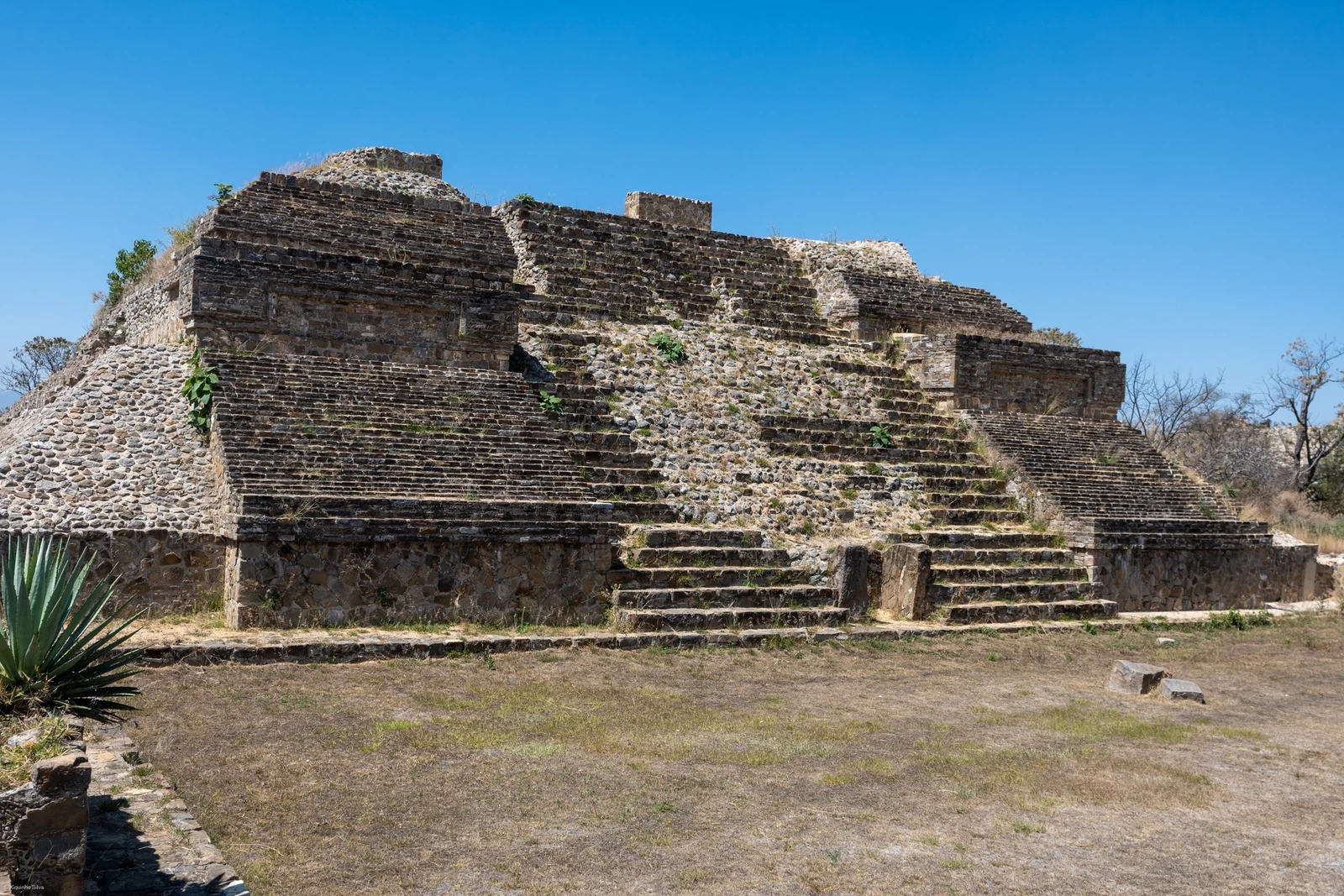
Highlights include the Great Plaza, the ball court, the carved stones of the Danzantes and Building J, which sits at an odd angle to the rest and is widely interpreted as an observatory. The site is about 9 kilometers west of the city, and a short drive or a tourist shuttle from the center gets you there. Visit in the morning to beat the heat, and bring water, a hat and sunscreen because shade is scarce. A small museum on site displays carved stones and offerings.
Check the official INAH listing or the tourism site for current hours and ticket prices before you go.
Hierve el Agua and Mitla
Hierve el Agua
Roughly 70 kilometers east of the city, Hierve el Agua is a set of cliff-top pools and mineral formations that look like frozen waterfalls. Spring water rich in dissolved minerals has deposited calcium carbonate down the cliff over thousands of years. Despite the name, which means boiling water, the water is cool, not hot.
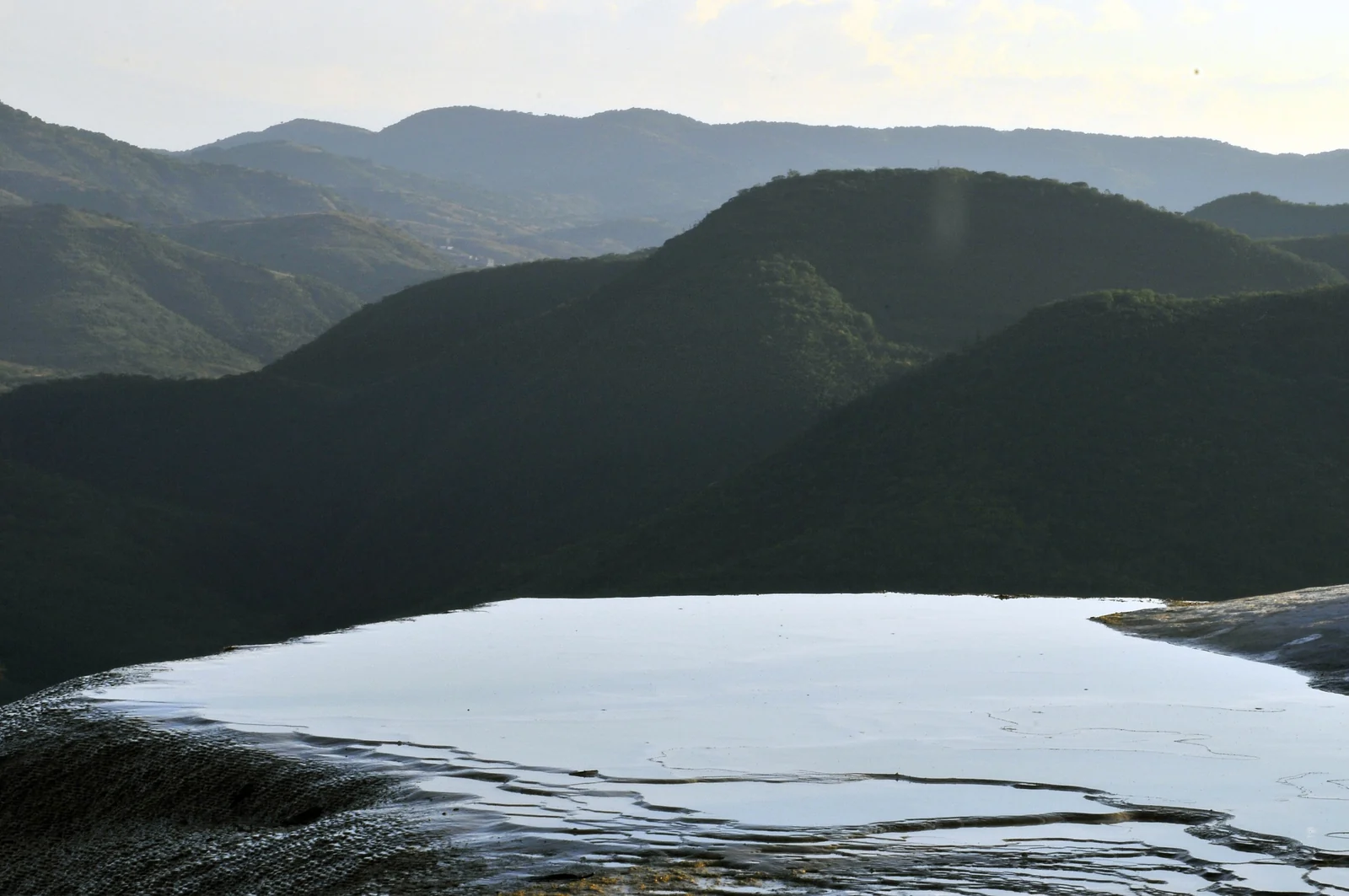
Bring a swimsuit and sandals with grip, as the rock can be slick. Go early or late to avoid the heaviest crowds. The access road in the final stretch is rough, so most visitors go with a tour or a hired driver, and independent travelers can take a shared ride from Mitla.
Mitla
Mitla, about 44 kilometers southeast of the city, is a Zapotec and later Mixtec ceremonial site known for its geometric stone mosaics. Thousands of small cut stones are fitted together without visible mortar to form stepped-fret patterns on palace walls. It is smaller than Monte Albán, but the craftsmanship is the star.
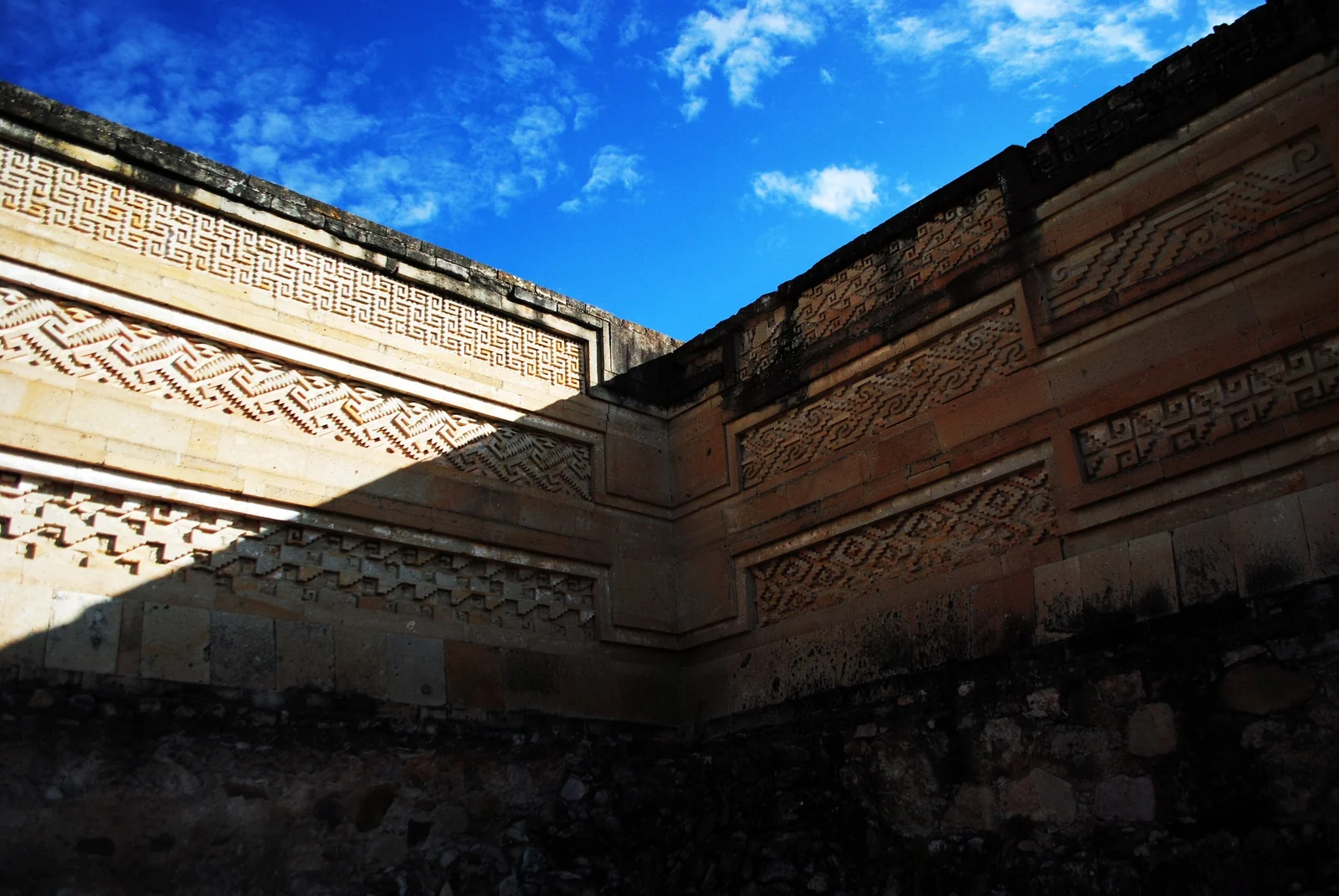
Mitla pairs well with a mezcal stop, the Tlacolula market on Sundays and a visit to the weavers of Teotitlán del Valle. One long day can cover all of them if you start early.
Craft Villages Around Oaxaca
The valley around the city is a patchwork of craft villages, each known for one thing. Most are close enough to combine two or three on a single day, and many workshops sell directly to visitors.
| Village | Known for | Direction from the city | Why go |
|---|---|---|---|
| Teotitlán del Valle | Wool rugs woven on pedal looms | East, on the way to Mitla | Weavers show natural dyes, including cochineal |
| San Bartolo Coyotepec | Black pottery (barro negro) | South | Burnished, shiny clay pieces |
| San Martín Tilcajete | Carved and painted alebrijes | South | Whimsical animal figures from copal wood |
| Arrazola | Alebrijes | Southwest | A second alebrije community near Monte Albán |
| Santo Tomás Jalieza | Backstrap-loom textiles | South | Belts, runners and bags |
Buy directly from the artisans when you can. Ask how a piece was made, and be wary of prices that seem too low, as true hand-carved or hand-woven pieces take days or weeks. A bargain price is usually a sign of mass production. If something is truly handmade, expect the maker to tell you how long it took.
Día de Muertos and Guelaguetza: The Big Annual Celebrations
Día de Muertos
Day of the Dead is the most famous tradition in Mexico, and Oaxaca celebrates it with particular intensity. The period runs from late October to early November. Families build altars with marigolds, candles, bread and the favorite foods of the dead, and cemeteries fill with people through the night. UNESCO added the indigenous festivity dedicated to the dead to its Intangible Cultural Heritage list in 2008.
Treat it as a family occasion, not a show. Cemeteries are for mourning and remembrance, so ask before photographing people and keep your voice down. Accommodation in the city books out far in advance for these days, so reserve early or choose another time if you want a quiet visit.
Guelaguetza
The Guelaguetza is a folk dance festival that takes place on two Mondays in July, the ones after July 16, in an amphitheater on the Cerro del Fortín hill. Delegations from across Oaxaca's regions perform in traditional dress, and the dancers toss local products to the crowd. The word comes from Zapotec and refers to reciprocity, giving and sharing.
Seats in the main arena are ticketed, while a free seating area at the back fills early. Parades, craft fairs and mezcal events take over the city around it. Reserve a room well ahead, as the whole of July is busy.
Best Time to Visit Oaxaca
The dry season, from roughly October to April, is the most comfortable for sightseeing, with sunny days and cooler nights. Rain generally arrives in the summer months and tends to come as afternoon downpours rather than all-day gray. The city is lovely in the green season too, and prices can be lower outside the festival periods.
- Late October to early November: Día de Muertos, the busiest and most atmospheric time. Book far ahead.
- November to March: mild, dry and good for ruins and hikes. December can bring Christmas crowds.
- April to May: the hottest part of the year. Start sightseeing early.
- July: Guelaguetza on two Mondays, with festival crowds and showers.
- August to September: quieter, green and wet in the afternoons.
Getting There, Getting Around and Where to Stay
Oaxaca's airport, Xoxocotlán International Airport (OAX), has regular flights from Mexico City and other Mexican cities. Overland, buses from Mexico City take most of a day, so many travelers choose to fly one way. The mountain roads from the coast are winding and slow, and an overnight bus can feel long.
The center is best on foot. Taxis are cheap and plentiful for the outskirts, and colectivos (shared vans) run to nearby villages. For the Central Valley sites, a tour or a hired driver for the day saves time, though independent travel by shared transport works too. Check Mexico's official tourism site for current travel information.
Where to Stay
- Centro Histórico: the best base for first-timers, close to markets, restaurants and the Zócalo. Choose a room away from the main squares if you are a light sleeper.
- Jalatlaco: a quiet, colorful neighborhood east of the center with cafés and small guesthouses, still walkable.
- Reforma and Xochimilco: residential, good for slower stays and local restaurants.
A 3-Day Oaxaca Itinerary
Day 1: Centro and the Markets
Start at the Zócalo, then walk to Santo Domingo and the museum in the former convent. Lunch in Mercado 20 de Noviembre. Spend the afternoon in the side streets and finish with mezcal at a tasting bar.
Day 2: Monte Albán and Craft Villages
Be at the ruins when they open, then head south to the villages for black pottery and alebrijes. Have a late lunch of mole and end with a quiet evening on a terrace.
Day 3: Mitla, Mezcal and Hierve el Agua
Leave early for Teotitlán del Valle or the Tlacolula market on a Sunday, stop at a palenque, see Mitla and finish at Hierve el Agua in the late afternoon. Heading north afterward? Our Mexico City guide and Yucatán Peninsula guide are good next steps, and you can browse all North American destinations.
Oaxaca Travel FAQ
How many days do you need in Oaxaca?
Three full days cover the center, the markets, Monte Albán and a day in the valley. Add a fourth day if you want the craft villages and a mezcal tour at a relaxed pace, or to see Hierve el Agua without rushing.
Is Oaxaca safe for tourists?
The center is widely visited and generally easy to navigate. Use normal city precautions: watch your bag in crowded markets, take licensed taxis at night and check current government travel advice before you go, as conditions on rural roads can change.
When is the best time to visit Oaxaca?
The dry season, roughly October to April, is the most comfortable for sightseeing. Late October to early November brings Día de Muertos, and July has the Guelaguetza. Both are busy, so book accommodation well ahead.
Can you visit Monte Albán, Mitla and Hierve el Agua in one day?
Monte Albán is on the opposite side of the city from Mitla and Hierve el Agua, so doing all three in one day is tiring. Pair Monte Albán with the craft villages, and combine Mitla, a palenque and Hierve el Agua on a second day.
What food should you try in Oaxaca?
Start with mole (coloradito and negro are good choices), a tlayuda, quesillo and tejate. Try chapulines from a market stall if you are curious, and finish with hot chocolate and pan de yema.
What is Guelaguetza?
The Guelaguetza is a folk dance festival held on two Mondays in July, after July 16. Delegations from Oaxaca's regions perform in traditional dress at an amphitheater on the Cerro del Fortín. The word refers to reciprocity and sharing.
How do you get to Hierve el Agua?
The easiest way is a day tour or a hired driver from Oaxaca City, about 70 kilometers away. Independent travelers can take transport to Mitla and then a shared ride up the final rough road. Ask locally about current options.