The Yucatán Peninsula is a flat limestone shelf in southeastern Mexico, and nearly everything worth the trip sits on it: Maya cities such as Chichén Itzá and Uxmal, hundreds of freshwater sinkholes called cenotes, a colonial capital in Mérida and a Caribbean coast of lagoons and islands. Ten days is enough to see the best of it without living in a rental car.
This Yucatán Peninsula travel guide explains when to go, how the main ruins differ, what to eat in Mérida, how to behave in a cenote, and how to choose between a car, ADO buses and colectivos. A 10-day route and a section on where to base yourself close it out. Mexico City is a different trip, so for the capital see our Mexico City travel guide.
Best Time to Visit the Yucatán Peninsula
The peninsula is hot all year, so the real question is rain, storms and seaweed. Sources broadly agree on the pattern: the dry season runs from about mid-November through April, the Atlantic hurricane season lasts from June to November, and the riskiest weeks fall between August and October.
| Season | Roughly | What to expect |
|---|---|---|
| Dry season | Mid-November to April | Best weather for ruins and cenotes, clearest water, highest prices and the biggest crowds |
| Shoulder | May and early June | Very hot inland, fewer visitors, and sargassum starts to arrive on some Caribbean beaches |
| Rainy season | June to October | Afternoon downpours, humidity, lower prices; greener jungle and emptier ruins |
| Hurricane peak | August to October | Highest storm risk; buy flexible bookings and watch forecasts |
Sargassum, the floating brown seaweed that piles up on Caribbean beaches, is seasonal and uneven. It is usually heaviest from spring into late summer and eases off by autumn, but it varies from beach to beach and from year to year. If swimming from a clean beach matters, check a live sargassum report before you book the coast, or lean on the cenotes and the Gulf side instead.
My own pick is late November through February: the rains have ended, the jungle is still green, and the cenotes are at their most inviting. For more on the country, browse our Mexico travel guides.
Chichén Itzá, Uxmal and the Puuc Route
Chichén Itzá
The best-known Maya city on the peninsula has been a UNESCO World Heritage Site since 1988, and its stepped pyramid, El Castillo, is the picture on every brochure. Beyond it you will find a huge ball court, the Temple of the Warriors and the Sacred Cenote. The site gets very crowded, so be at the gate when it opens and head straight to El Castillo before the tour buses arrive.
Access rules are strict. Visitors can no longer climb El Castillo, and the area immediately around it is roped off. Entry is controlled by the Mexican heritage institute INAH, and hours, ticket categories and any extra restrictions can change, so check the official INAH site or the gate signs before you commit.
Many people see Chichén Itzá on a day trip from Mérida or Valladolid. Staying in Valladolid, about an hour away by road, lets you arrive early without a pre-dawn start. Pair the ruins with a swim at nearby Ik Kil, described in the cenote section below.
Uxmal
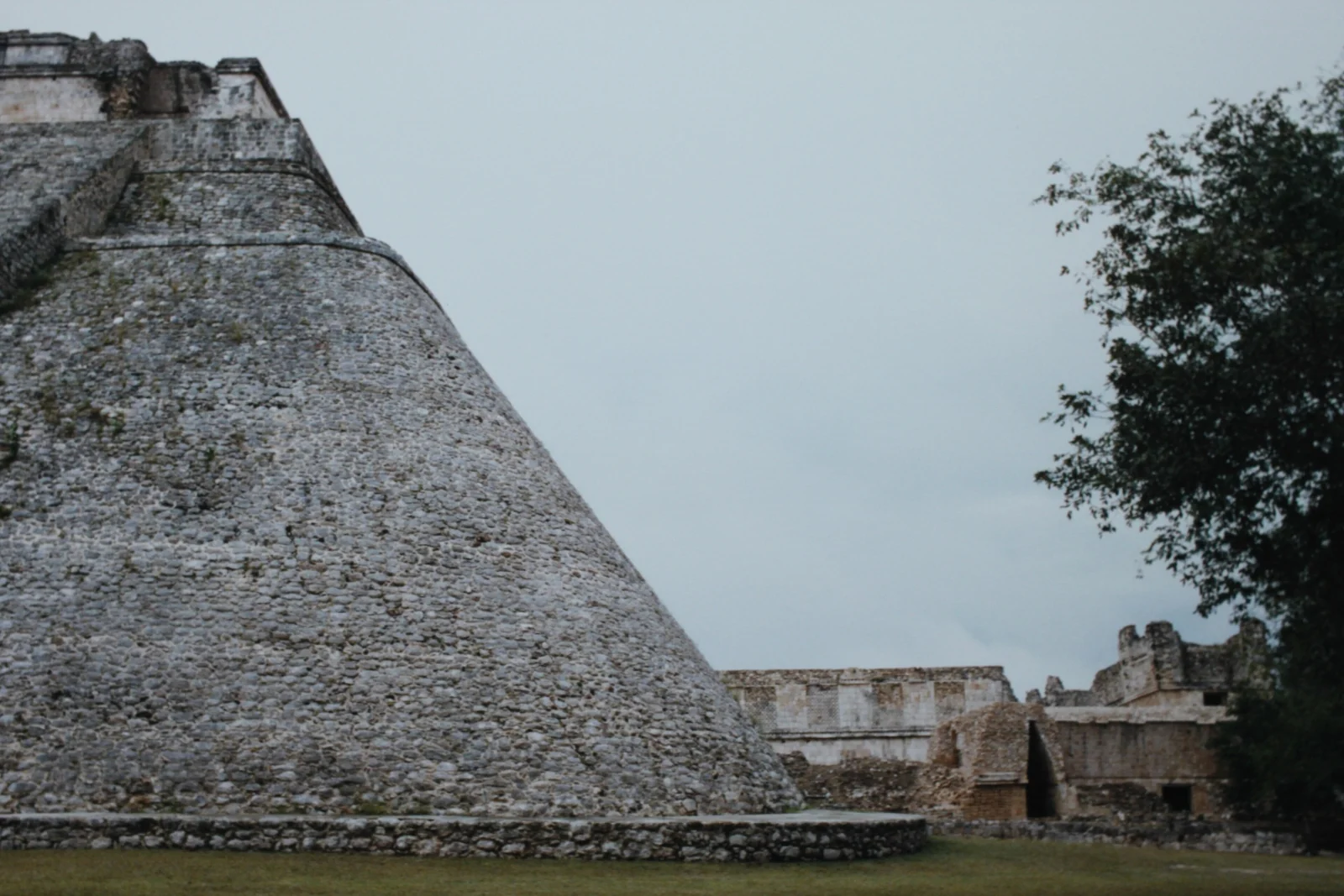
Uxmal, south of Mérida, is my favorite of the big sites. UNESCO inscribed it in 1996 together with the other Puuc towns, and the Puuc style is the reason: crisp, geometric stonework covering whole facades. The oval Pyramid of the Magician is the centerpiece, with the Governor's Palace and the Nunnery Quadrangle close by.
The Puuc Route
The Puuc Route is a short driving loop that links Uxmal with smaller sites in the same hills. Kabah is known for the Codz Poop, a facade covered in hundreds of long-nosed rain-god masks. Sayil has a multistory palace with columned galleries, and Labná is famous for a freestanding arch. They are quiet, often nearly empty, and easy to combine in a single long day from Mérida if you have a car.
Cobá, Tulum Ruins and Tulum Town
Cobá
Cobá sits in forest inland from the coast, and its charm is the setting. Sacbeob, raised Maya causeways, link groups of ruins spread across a wide area, so you walk or rent a bike or a pedicab between them. The tallest structure, Nohoch Mul, is about 42 meters high and ranks among the tallest pyramids in the Yucatán. Whether visitors may climb it has changed more than once, so check the current rule at the entrance.
Tulum Ruins
Tulum is smaller and later than the inland cities, a walled port from the Late Postclassic period perched on a cliff over the Caribbean. The ruins are not as grand as Uxmal, but nothing else on the peninsula pairs temples with a turquoise sea. Go first thing in the morning for softer light and fewer people; midday brings heat and tour groups. Climbing on the structures is not allowed, and outside food is restricted, so travel light. Last entry is earlier than closing time, so confirm hours on the INAH site.
Tulum Town
The town itself is split in two. The pueblo along the highway has the ADO station, taquerías and affordable guesthouses. The hotel zone runs along the beach road and leans toward boutique stays and high prices. Tulum is a handy hub for Cobá, Gran Cenote and Sian Ka'an, but it can be hot, busy and expensive, so decide whether you want a beach base or just a night on the way through.
Mérida: Colonial Center and Yucatecan Food
Mérida is the peninsula's cultural capital and the best city to base yourself in. The compact historic center spreads from the Plaza Grande, flanked by the cathedral of San Ildefonso and the state government palace, and the leafy, mansion-lined Paseo de Montejo runs north from there. The city is flat, walkable and noticeably calmer than the Caribbean resorts.
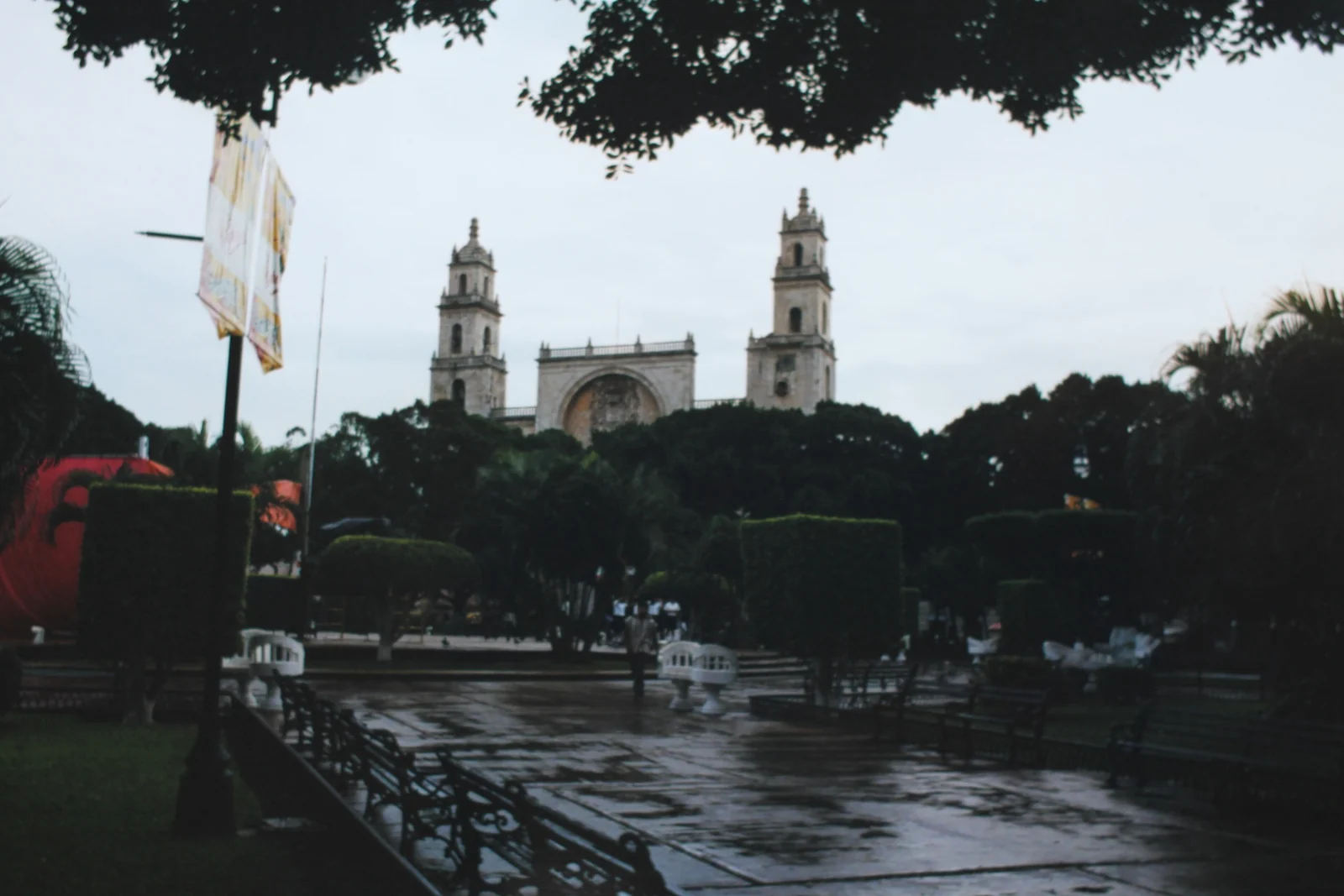
Sundays are the best day to be here. Paseo de Montejo is closed to traffic for the morning, and the Plaza Grande fills with food carts, music and dancing in a weekly event known as Mérida en Domingo.
What to Eat in Mérida
Yucatecan cooking is its own regional cuisine, built on achiote, sour orange and habanero. Start with these:
- Cochinita pibil: pork marinated in achiote and sour orange, then slow-cooked (traditionally in a pit) until it falls apart. Many locals eat it for breakfast, in tacos or on bread.
- Sopa de lima: a clear chicken broth brightened with a local lime, with shredded chicken and crisp tortilla strips on top.
- Panuchos: fried tortillas stuffed with refried beans, topped with shredded turkey or chicken, pickled red onion and avocado.
- Habanero salsa: usually served on the side. Taste a drop before you pour.
Markets and small neighborhood restaurants often beat polished dining rooms for these dishes.
Cenotes: Where to Swim and How to Behave
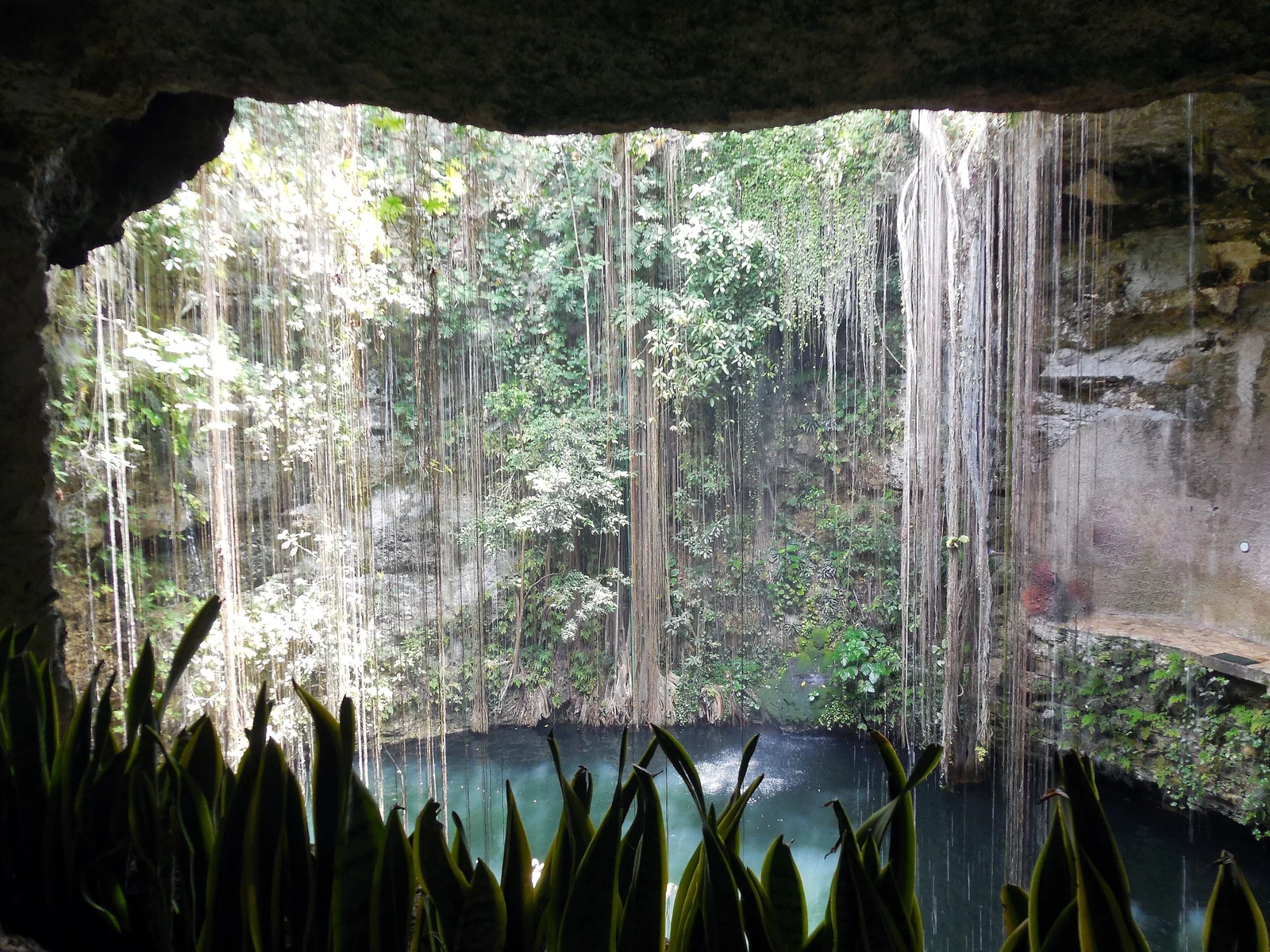
A cenote forms when limestone collapses and exposes the groundwater beneath, and the peninsula is full of them. Some are open pools with vines hanging overhead, others are caves lit by a single shaft of sunlight. They were sacred to the Maya, and they are fragile now.
Four Cenotes Worth Your Time
- Ik Kil: the most photographed cenote in the country, close to Chichén Itzá. It gets crowded fast, so arrive at opening.
- Suytun: near Valladolid, known for a circular stone platform lit by a beam of light from a hole in the cave roof. The beam is best around midday.
- Dos Ojos: a large cave system near Tulum with clear water, good for snorkeling. Some routes require a guide.
- Gran Cenote: also near Tulum, a bright cavern system popular with snorkelers and often busy by late morning.
Swimming Etiquette and Sunscreen
Most cenotes ask you to rinse in the on-site shower before getting in. That removes lotions, repellent and oils that can harm the water. Many sites ban sunscreen in the water altogether, even biodegradable products, so cover up with a rash guard instead and save the biodegradable, reef-safe sunscreen for the sea. Check each cenote's rules; they differ.
- Life vests are required or offered at many sites, even for confident swimmers.
- Do not touch stalactites, bats or fish, and stay off marked-off areas.
- Skip the perfume, and bring a towel and water shoes for slippery steps.
Valladolid and Izamal
Valladolid is a relaxed colonial town between Mérida and the coast, with a leafy main square, a handful of cenotes nearby, and Chichén Itzá within easy reach. It is the most comfortable base for the eastern ruins and a good place to break the journey to the Caribbean.
Izamal, known as the Yellow City because so many colonial buildings are painted yellow, makes a pleasant half-day from Mérida. Its centerpiece is a large Franciscan convent built on top of an earlier Maya structure, and the town is quiet enough to enjoy at walking pace.
Bacalar, Holbox, Cozumel, Isla Mujeres and Sian Ka'an
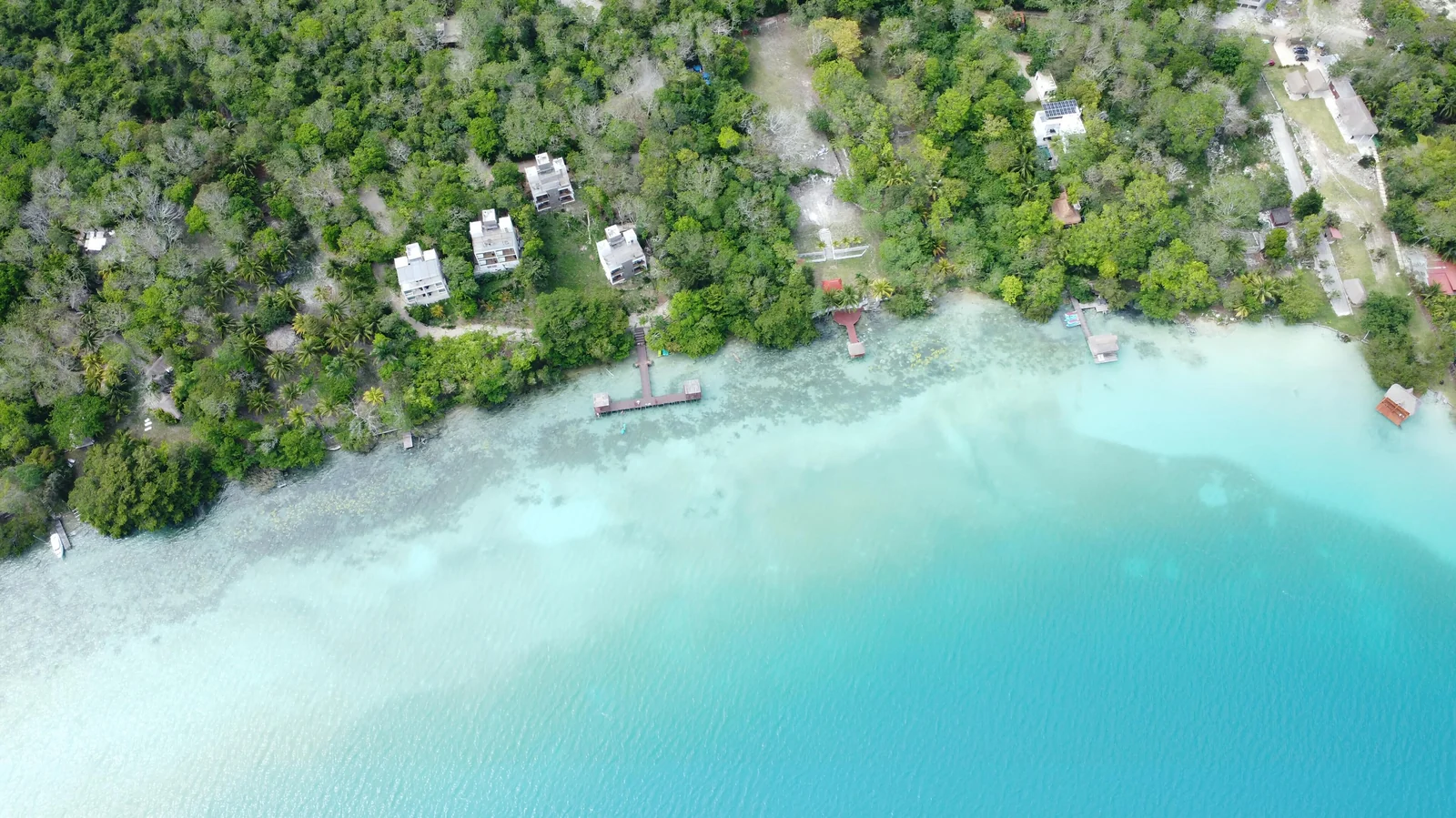
- Bacalar: a long, shallow freshwater lagoon in the far south of Quintana Roo, famous for its layers of blue. It suits slow days of kayaking and swimming.
- Isla Holbox: a car-free island on the north coast reached by a short ferry from Chiquilá, roughly half an hour. Sand streets and golf carts; whale shark trips run in the summer months, so confirm the season with the operator.
- Cozumel: a larger island reached by ferry from Playa del Carmen, best known for diving and snorkeling on its reefs.
- Isla Mujeres: a small island off Cancún, with ferries from Puerto Juárez that take about half an hour. Good for a quiet beach day.
- Sian Ka'an: a vast biosphere reserve south of Tulum, inscribed by UNESCO in 1987 and covering roughly 528,000 hectares of wetlands, forest and reef. Visit it with a licensed local guide rather than on your own.
Getting Around: Car, ADO Buses or Colectivos
Three options cover most trips, and many travelers mix them.
| Option | Best for | Watch out for |
|---|---|---|
| Rental car | Puuc route, early starts at ruins, cenotes off the main road | Parking at busy sites, toll roads, speed bumps (topes), insurance rules; read the contract carefully |
| ADO buses | City-to-city legs, such as Mérida, Valladolid, Tulum and Bacalar | Fixed timetables, and you still need local transport to reach ruins and cenotes |
| Colectivos | Short hops, such as Tulum to Cobá or Playa del Carmen to nearby towns | Shared vans leave when full, schedules are informal, and luggage space is limited |
A common compromise is to take ADO between cities and rent a car for one or two days around Mérida and Valladolid.
Safety Basics
The peninsula is among the more visited regions of Mexico, but normal travel sense applies. Use official taxis or ride apps at night, keep valuables out of sight, and check the latest advisory from your government before you go. On the road, avoid driving after dark: topes, unlit cyclists and stray animals are the bigger hazard. Drink bottled or filtered water, and carry cash in pesos for small towns and markets.
A 10-Day Yucatán Route and Where to Base
- Days 1 to 3, Mérida: settle in, walk the center, and spend one day at Uxmal and the Puuc route or at Izamal.
- Day 4, Valladolid: travel by bus or car and swim at Suytun in the afternoon.
- Day 5, Chichén Itzá: arrive at opening, then cool off at Ik Kil.
- Days 6 and 7, Tulum: Tulum ruins in the morning, Cobá or Gran Cenote the next day.
- Day 8, Sian Ka'an: a guided half-day trip, or a quiet day on the coast.
- Days 9 and 10, Bacalar: lagoon time, then a long bus or drive back to Cancún for your flight. Start early on the last day.
Swap Bacalar for Holbox, Isla Mujeres or Cozumel if you prefer islands. For a shorter trip, do Mérida, Valladolid and Tulum and skip the rest.
Where to Base
- Mérida: the best all-round base for food, culture and Uxmal, with plenty of restored colonial houses turned into guesthouses.
- Valladolid: the practical choice for Chichén Itzá, Ik Kil and Suytun.
- Tulum pueblo: the value choice for Tulum, Cobá and Sian Ka'an; the beach zone costs more.
- Bacalar: a calm final stop when you want water and quiet.
Combining Mexico with other countries? Our North America destination guides and the Costa Rica guides are a good next read. Official trip-planning information is available from the Yucatán state tourism site.
Yucatán Peninsula Travel FAQ
How many days do you need in the Yucatán Peninsula?
Ten days lets you see Mérida, Uxmal, Chichén Itzá, Valladolid, Tulum and one lagoon or island without rushing. With a week, trim to Mérida, Valladolid and Tulum. Anything under five days is best spent in just one area.
Can you climb the pyramid at Chichén Itzá?
No. Visitors cannot climb El Castillo, and the area around it is restricted. Rules and hours are set by INAH and can change, so check the official site before you go and follow the signs at the gate.
What is the best month to visit the Yucatán?
Late November through February is the sweet spot: the rains have ended, the heat is manageable and sargassum is usually light. Dry season runs until about April, while the hurricane season from June to November peaks between August and October.
Is sunscreen allowed in cenotes?
Many cenotes ban all sunscreen in the water, including biodegradable types, and require a shower first. Rules differ by site, so wear a rash guard, apply reef-safe sunscreen only for the sea, and ask at the entrance.
Do you need a car in the Yucatán?
Not strictly. ADO buses connect the main towns, and colectivos cover short hops. A car helps most for the Puuc route, early ruin visits and cenotes off the highway. Many travelers rent one for just a day or two.
Is the Yucatán safe for tourists?
The peninsula is one of Mexico's most visited regions, and most trips are trouble-free. Use official taxis at night, avoid driving after dark, keep valuables hidden and check your government's current travel advice before leaving.
Where should I stay in the Yucatán Peninsula?
Mérida is the best base for culture, food and Uxmal. Valladolid suits Chichén Itzá and cenotes, Tulum pueblo works for Tulum and Cobá, and Bacalar is a quiet place to end the trip.