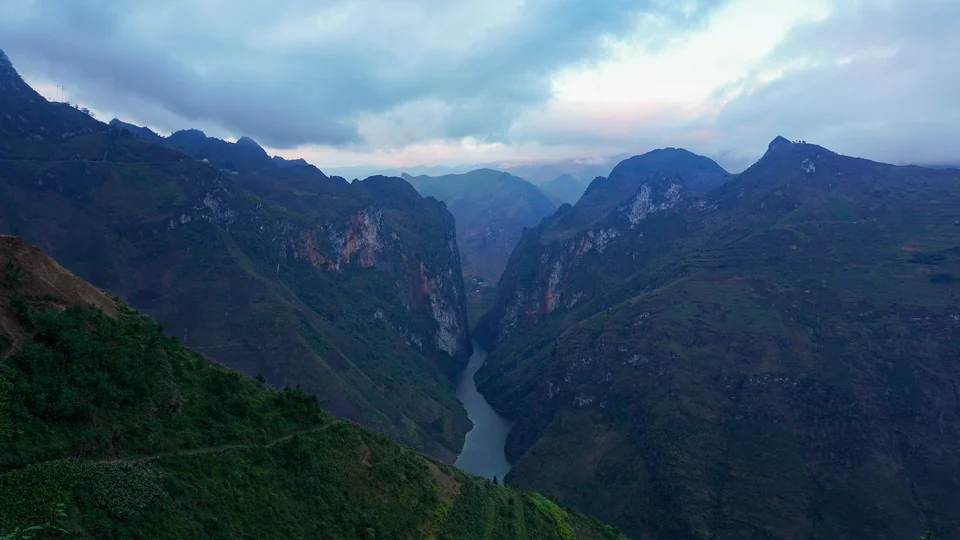
Hoi An is a small, lantern-lit trading port on Vietnam's central coast, and Da Nang is the big beach city about 30 kilometers to its north. Together they make the easiest base in the country for a few days of culture, food and coast: a UNESCO-listed old town, a day among ruined Cham temples at My Son, limestone peaks at the Marble Mountains and one of Southeast Asia's best coastal drives.
Plan on three to four nights. Sleep in or near Hoi An for the old town, the tailors and the beach, and treat Da Nang as a day-trip hub or a final night before your flight. This guide covers what to see, how to time the lantern evenings, when the town floods, and how to link the highlights without wasting hours in traffic. For the wider route, see our Vietnam north to south itinerary.
Hoi An Ancient Town: What to See
From the 15th to the 19th century, Hoi An was a port where Chinese, Japanese and later European merchants traded silk, ceramics and spices. Trade drifted to Da Nang as the river silted up, and the old town was left largely intact. UNESCO inscribed Hoi An Ancient Town in 1999 as an outstanding example of a well-preserved Southeast Asian trading port.
The core is small enough to cover on foot in a morning. Narrow lanes of low, ochre-washed shophouses run parallel to the Thu Bon River, with timber assembly halls, family merchant houses and a handful of temples in between. Much of the center is closed to cars and large motorbikes for part of the day, which is a big reason it feels calm.
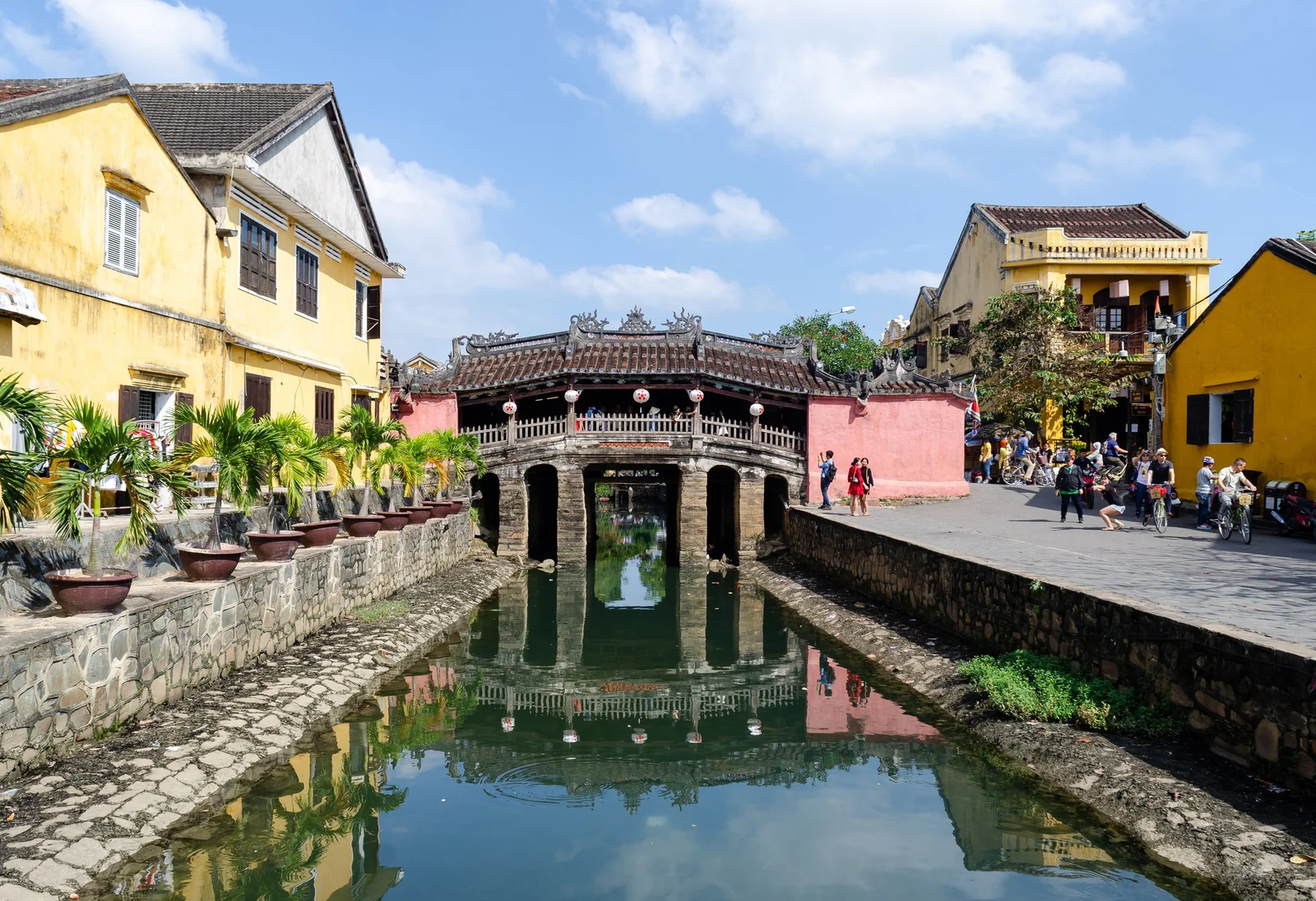
The Japanese Covered Bridge
The tiled, roofed footbridge at the western end of the old town, known locally as Chua Cau, is the postcard shot. Tradition links it to the Japanese merchant community of the early 1600s, with a small temple built into one side. You can admire it from the lane for free; walking through usually needs the town's heritage ticket.
Merchant Houses and Assembly Halls
Old merchant homes such as Tan Ky House show how families lived and traded, with carved beams, inner courtyards and rooms designed with river floods in mind. The Chinese assembly halls, built by merchants from different regions of China, are lavish with red lacquer, incense coils and dragon roofs. Pick two or three rather than ticking off every site.
Entry to the heritage area works on a combined ticket that lets you enter a limited number of listed sites. Prices, the number of sites and ticket checks change, so confirm the current rules at the ticket offices on arrival. Go early, ideally before 9 a.m., when tour groups are still at breakfast and the light is soft.
Lantern Evenings on the Thu Bon River
Hoi An at dusk is the reason many people come. As the light fades, silk lanterns switch on along the shophouses and the riverfront fills with food stalls, rowing boats and small paper lanterns floating on the water. It is touristy and busy, but it is also genuinely beautiful, so go with that in mind and walk a street or two back from the water for a quieter version.
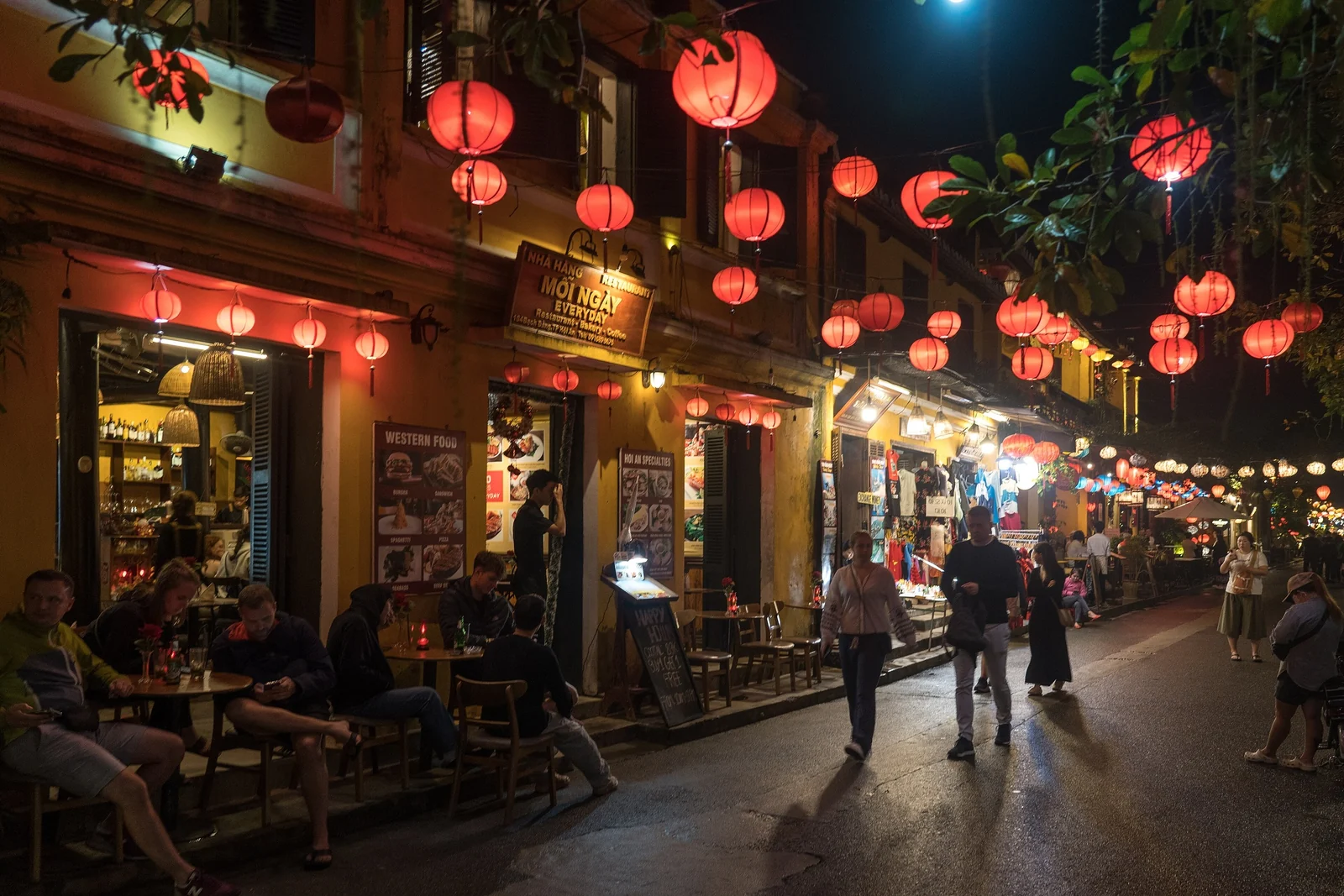
The Full Moon Lantern Night
Once a month, around the 14th day of the lunar calendar, the town stages a lantern night. Electric lights are dimmed, and the center fills with candlelit lanterns, music and folk games. Because it follows the lunar calendar, look up the dates for your trip and expect heavy crowds. An ordinary weekday evening is calmer and still lovely.
Releasing a Paper Lantern
Boat owners on the riverbank offer rides with a floating lantern for a small fee. Agree the price before you step in, and keep in mind that candles in paper boats end up in the water. If that bothers you, the view from the An Hoi footbridge costs nothing.
Tailors, Street Food and Cooking Classes
Hoi An has hundreds of tailor shops, and made-to-measure clothing is a local specialty. It can be done in a day or two, but quality varies widely. Look at finished garments, ask to see the stitching, and allow time for at least one fitting. A rushed order the day before a flight rarely ends well.
Food is the other pillar, and several dishes are specific to the town. Try cao lau, chewy noodles with pork, greens and crisp crackers; white rose dumplings, translucent shrimp dumplings; and the many versions of banh mi sold from carts and small shops. Many restaurants also run half-day cooking classes that start at the morning market and end with you eating what you cooked.
An Bang Beach and the Countryside
The best beach for Hoi An visitors is An Bang, a few kilometers from the old town by bike or taxi. It has soft sand, shallow water and a row of beach cafes where you can lose an afternoon. The sea can be rough outside the summer months, and red flags mean stay out of the water.
Cycling through the rice fields and vegetable villages around town is a good alternative to the beach, particularly in the morning before the heat builds. Bikes are easy to rent, and the flat lanes make it a gentle ride.
My Son Sanctuary: Cham Temples Near Hoi An
My Son is a cluster of Hindu temples built by the Champa kingdom between roughly the 4th and 13th centuries, in a jungle valley west of Hoi An. UNESCO listed My Son Sanctuary in 1999. The Chams worshipped Shiva here, and the brick towers are a rare surviving link to a civilization that once ruled much of the central coast.
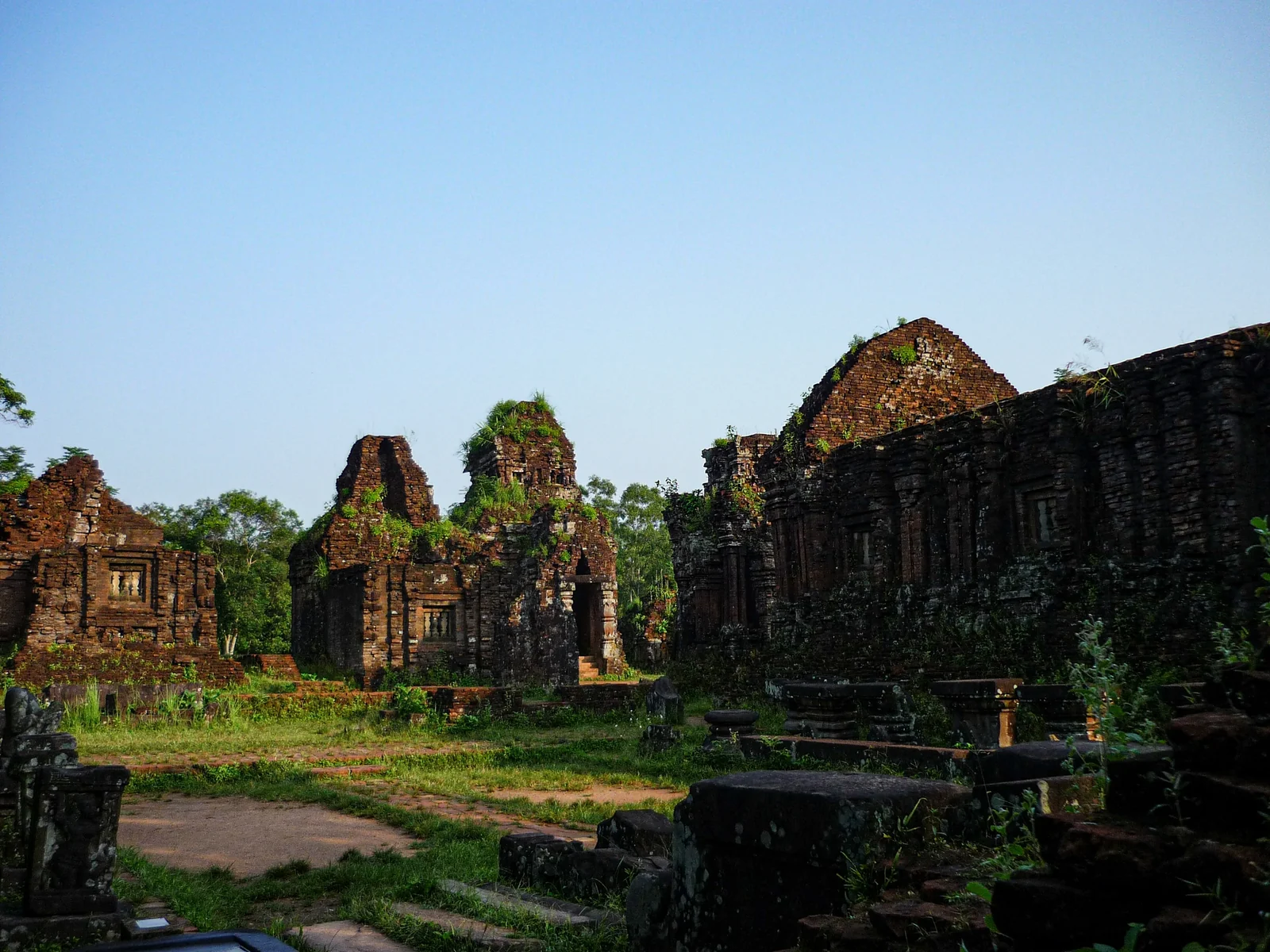
Many buildings were damaged during the Vietnam War, and what remains is partly ruin, partly restored. It is smaller and less grand than Angkor, but the setting is atmospheric, particularly at opening time. The site lies roughly 40 to 45 kilometers from Hoi An, about an hour by road.
How to Visit My Son
Go early. Tour buses arrive in the mid-morning, and by 10 a.m. the paths get crowded and hot. You can book a half-day tour from Hoi An or Da Nang, or hire a driver and arrive when the gates open. Bring water, a hat and sturdy shoes, and check current opening hours and entry fees on arrival. If you are choosing between sites, the temples of Angkor are far larger, while My Son works as a short, quiet taste of a different empire.
Da Nang: Marble Mountains, Ba Na Hills and the Coast
Da Nang is a modern city with a wide beach, a riverfront crossed by showy bridges and a handful of attractions that justify a day. It has an international airport, so many visitors pass through on the way to Hoi An; spend at least a few hours here.
Marble Mountains
South of the city, five limestone and marble outcrops rise out of the flat coast. Locals call them Ngu Hanh Son and name each hill for an element: metal, wood, water, fire and earth. Thuy Son, the largest, has stairs and an elevator, caves holding Buddhist shrines and viewpoints over the coast. The nearby stone-carving village sells marble statues.
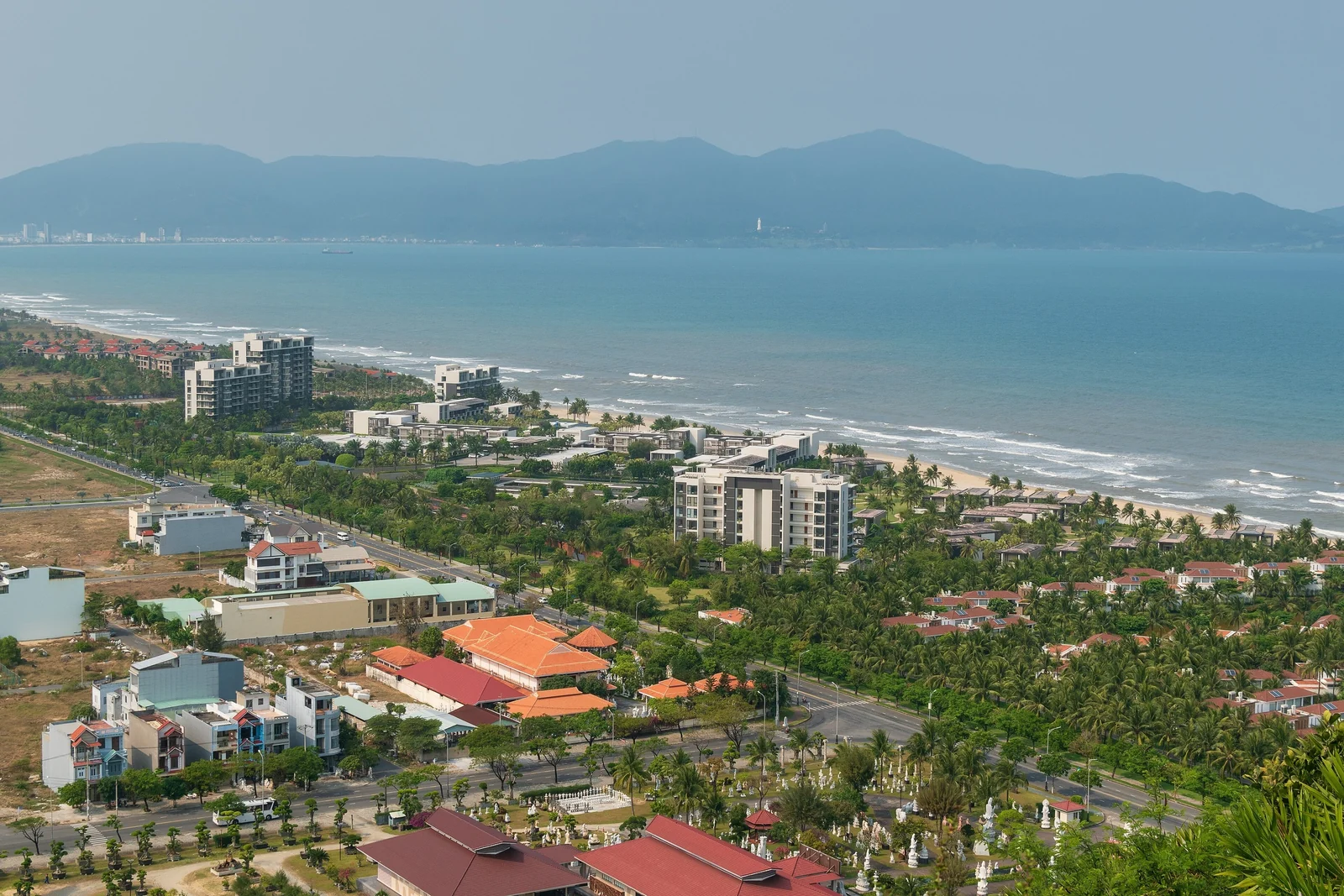
Visit in the morning, wear shoes with good grip because the stone steps get slippery, and plan about two hours. The site lies between Da Nang and Hoi An, so it pairs well with the transfer.
Ba Na Hills and the Golden Bridge
Ba Na Hills is a hill resort reached by a long cable car, with a French-style village, gardens and the Golden Bridge, a footbridge held up by two giant stone hands. It is the most photographed attraction in the Da Nang area. It is also crowded and theme-park-like, so go at opening time, check current ticket prices on the official site, and be prepared for fog and cooler air at the top.
Beaches, Bridges and the City
My Khe beach is the main city strand, with a long promenade and surf in the right season. Dragon Bridge, across the Han River, lights up at night and breathes fire and water on set evenings, so check current show times. The Museum of Cham Sculpture is a good rainy-day stop and pairs well with a visit to My Son. For a quieter side of the city, ride up the Son Tra peninsula for the Lady Buddha statue and sea views.
The Hai Van Pass: Vietnam's Best Coastal Drive
The Hai Van Pass, or Ocean Cloud Pass, climbs about 21 kilometers over a spur of the Truong Son range between Da Nang and Hue, topping out at roughly 496 meters. The road clings to the cliffs above the sea, with views down to Lang Co lagoon and the bay, and the weather on top can swing from sunshine to fog in minutes.
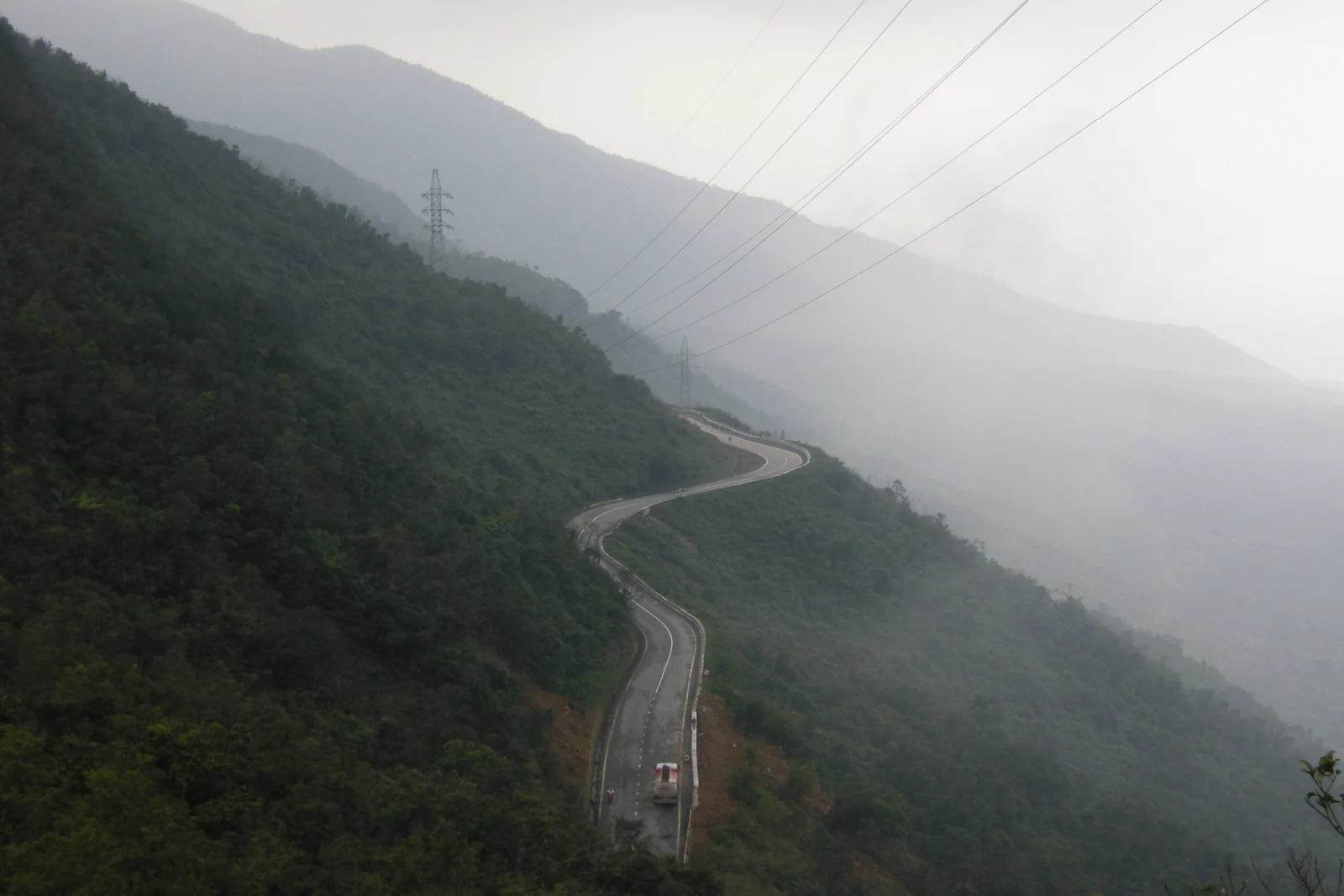
Most trucks and buses now use the 6.28-kilometer Hai Van Tunnel, which opened in 2005, so the old road is quiet. You can cover it by motorbike with an experienced rider, in a private car, or on a half-day tour. If you are heading north, it makes a good route to Hue before you continue to Hanoi; our guide on Hanoi or Ho Chi Minh City helps you plan the rest.
A few cautions: ride only if you are confident on a geared bike, check the weather, and avoid the road in heavy rain or fog. If in doubt, hire a driver.
Best Time to Visit and Flood Season
Central Vietnam has a different climate from the north and south. It is hot and mostly dry from roughly February to August, and the wettest months run from about September to January, with October and November the heaviest. Typhoons usually threaten the coast in the autumn.
| Season | What to expect | Good for |
|---|---|---|
| February to April | Warm, mostly dry, lower humidity | Walking the old town, beach, My Son |
| May to August | Hot and sunny, strong sun at midday | Beach days, early-morning sightseeing |
| September to October | Rising rain, storm risk | Cheaper stays, flexible plans |
| Late October to November | Peak rain; the old town can flood | Only with a flexible schedule |
| December to January | Cooler, showers | Quiet streets, tailors, museums |
Hoi An sits barely above the Thu Bon River, so the streets nearest the water can flood during the rainy season, usually in the second half of October and in November. Most floods are shallow and last a day or two, with locals moving furniture upstairs and boats replacing cars, but heavier events can close shops and roads. Check forecasts, keep your schedule loose, and consider travel insurance that covers weather disruption.
Getting There, Getting Around and Where to Stay
Hoi An has no airport. Fly into Da Nang International Airport, which has domestic flights and a growing list of international routes, and continue by taxi, ride-hailing app or shuttle. The transfer is roughly 45 to 60 minutes depending on traffic. Buses and shuttles also link Da Nang and Hoi An along a coastal road past the Marble Mountains, and trains stop at Da Nang station.
Within Hoi An, walk in the center and rent a bicycle for the villages and the beach. For day trips, a private driver is usually the least stressful option, especially for My Son and the Hai Van Pass.
- Old town: atmospheric, but rooms are smaller and evenings are busy.
- Between the old town and An Bang: quieter stays with pools, a short bike ride from both.
- An Bang beach: best for beach time, with cafes at your doorstep.
- Da Nang: good for city life, nightlife and early flights.
For more of the country, browse all of our Vietnam travel guides, or head north for the mountains with our Ha Giang Loop guide.
Hoi An and Da Nang FAQ
How many days do you need in Hoi An and Da Nang?
Three to four nights is a good balance. Give Hoi An two days for the old town, a tailor visit and the beach, one day for My Son, and a day for the Marble Mountains and Da Nang. Add a day if you want to ride the Hai Van Pass to Hue.
Is Hoi An worth visiting?
Yes. The old town is a UNESCO-listed trading port with a rare level of preservation, and the food, river and lantern evenings are the main draw. It is busy at peak times, so go early or late, and stay a night rather than visiting for a few hours.
What is the best time of year to visit Hoi An?
The drier months from roughly February to August are the most reliable. Autumn brings heavy rain, typhoon risk and a chance of flooding, usually in the second half of October and in November. Winter is cooler, with showers, but the old town is quieter.
How far is Hoi An from Da Nang?
About 30 kilometers, depending on the route. The transfer takes roughly 45 to 60 minutes by taxi or ride-hailing from the airport. Buses and shuttles also run between the two, usually taking a little longer.
How do you get to My Son from Hoi An?
My Son is roughly 40 to 45 kilometers from Hoi An, about an hour's drive. Book a half-day tour or hire a private driver. Leave early to beat the tour buses and the heat, and check current entry fees and hours on arrival.
Does Hoi An flood?
Yes. The old town sits close to the Thu Bon River, so the lowest streets flood during the rainy season, most often in the second half of October and November. Most floods are shallow and short, but check local forecasts and keep your plans flexible.
Is the Hai Van Pass worth it?
Yes, if the weather is clear. The 21-kilometer road between Da Nang and Hue has big coastal views and little traffic since the tunnel opened. Go by car, tour or motorbike with an experienced rider, and avoid it in fog or heavy rain.