


Dubai is easy to caricature and harder to understand. Yes, there is the world's tallest tower and a mall with an aquarium inside it. But this Dubai travel guide starts where the city did: on the Creek, where wooden boats still cross for a single dirham and the old trading districts smell of cardamom and dried lemon. Go between November and March, when the weather is warm rather than punishing, and you can enjoy both versions of the city on foot.
Interest has never been higher. In Google's 2025 Year in Search, Dubai ranked third among the world's most-searched travel destinations. Below you'll find the sights that earn their reputation, the ones you can skip, how to handle the heat and local rules, and a four-day plan. For more on the country, browse our United Arab Emirates guides.
Old Dubai Along the Creek
If you only have one morning, spend it here. Bur Dubai sits on the south bank of Dubai Creek and Deira on the north, and together they hold most of what survives of the pre-oil town. Start early, before 10 a.m., when the lanes are cool and the shopkeepers are still unrolling their awnings.
Al Fahidi Historical Neighbourhood
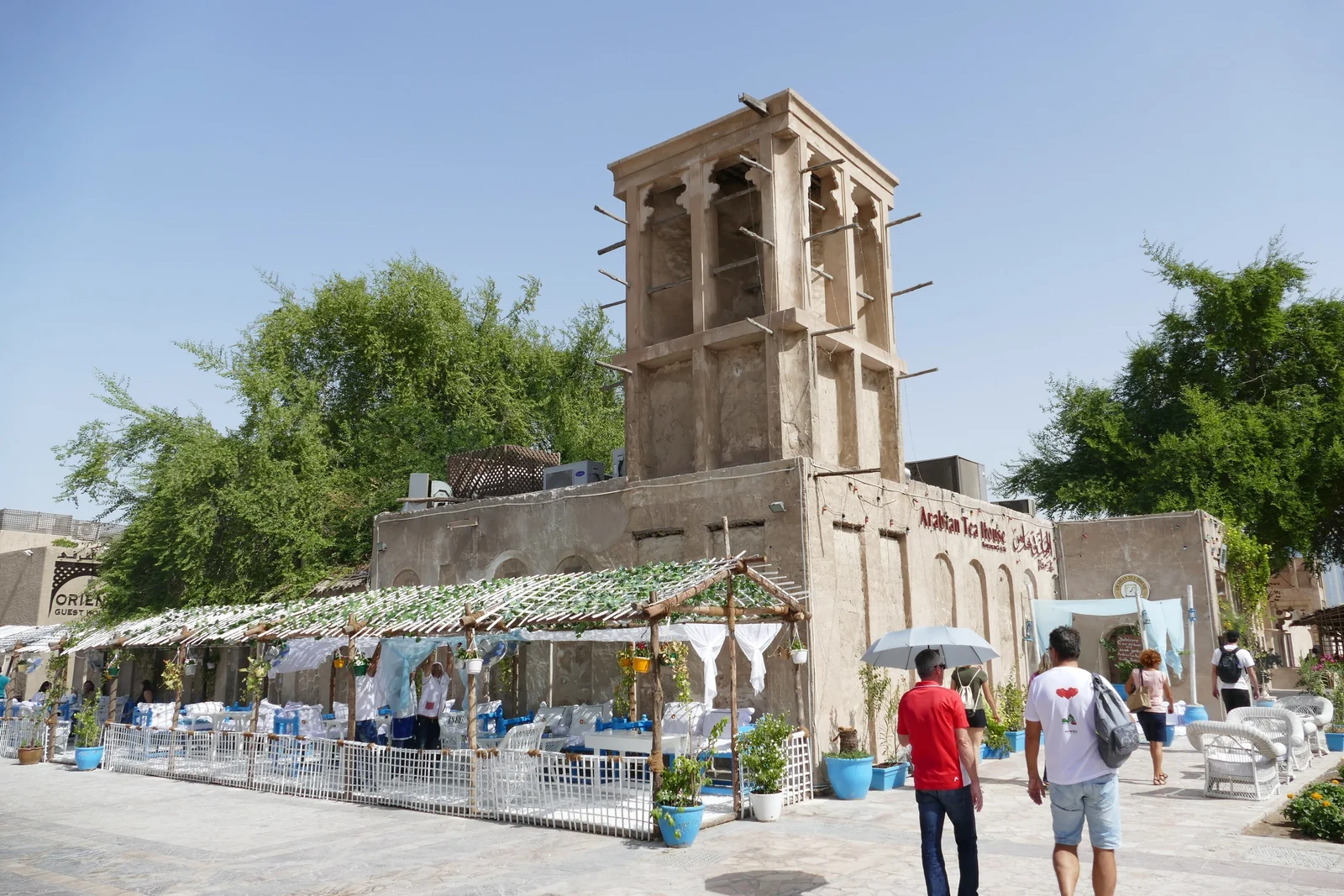
Also known as Al Bastakiya, Al Fahidi is a compact grid of coral-stone and gypsum houses topped with wind towers, the barjeel that funneled breezes into rooms before air conditioning. Galleries and courtyard cafés fill many of the restored houses. The Sheikh Mohammed Centre for Cultural Understanding runs guided walks and Emirati meals here, a good way to ask questions you might feel awkward asking elsewhere.
Al Shindagha Historic District
A short walk along the water brings you to Al Shindagha, where the ruling family once lived at the mouth of the Creek. The Al Shindagha Museum spreads across a cluster of restored houses and covers pearling, trade and daily life in the old town. Give it at least two hours.
The Abra Crossing and Deira Souks
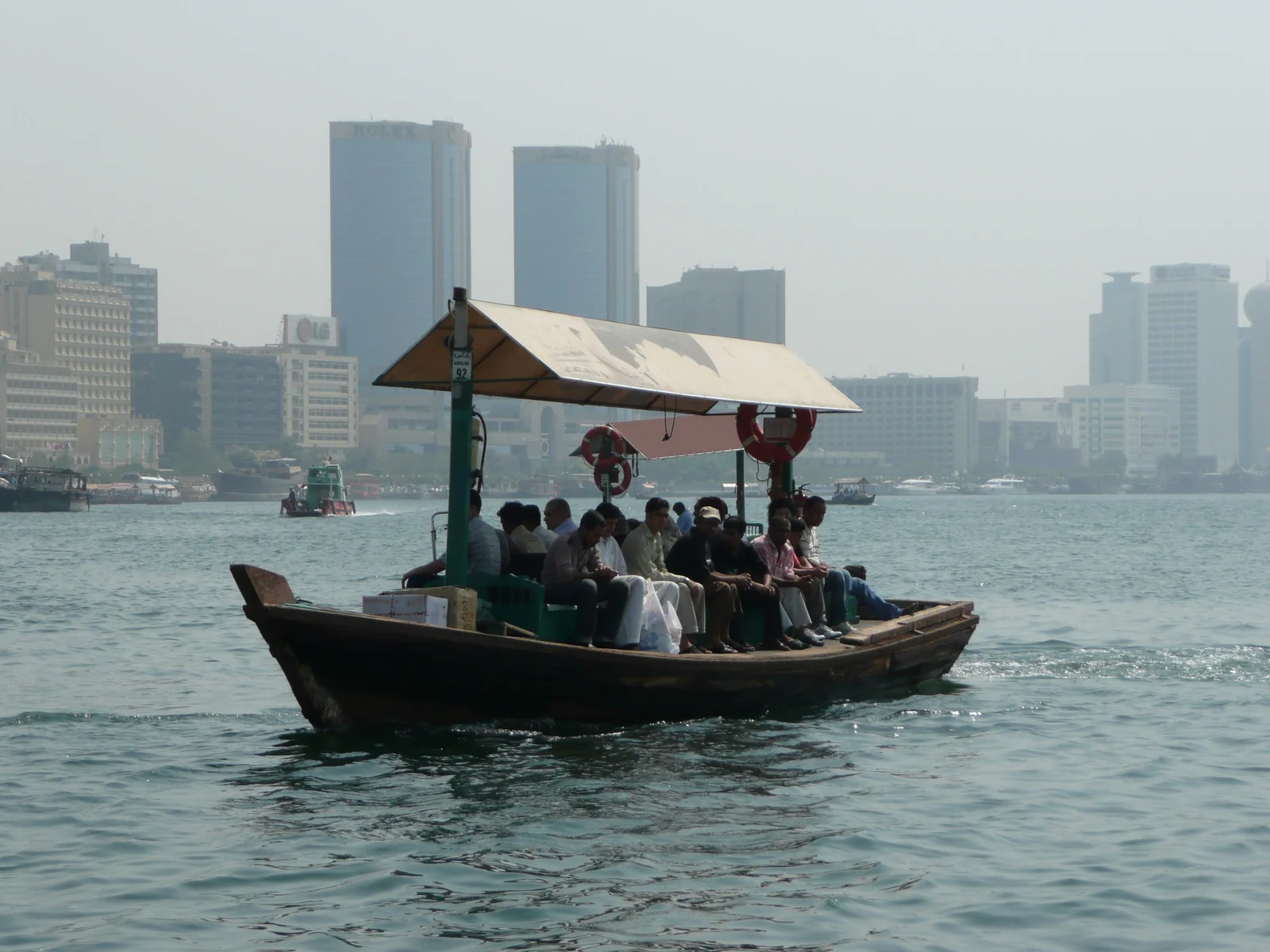
The traditional wooden abra between the Bur Dubai and Deira Old Souq stations costs a single dirham or so, paid in cash to the driver. It takes a few minutes and is still one of the best things to do in Dubai. On the Deira side, the Spice Souk leads into the Gold Souk. Haggling is normal for spices and textiles; gold is priced by weight plus a making charge, so compare a few shops.
Burj Khalifa, Downtown and the Museum of the Future
Burj Khalifa Observation Decks
At 828 meters, Burj Khalifa is still the tallest building in the world. The standard At the Top ticket covers levels 124 and 125; the pricier SKY ticket adds level 148. Sunset slots cost the most and sell out first. A clear winter afternoon often gives sharper views than sunset, when haze and crowds build. Book online for a fixed time rather than turning up.
Dubai Mall and the Fountain
You don't need a plan for Dubai Mall; you need an exit strategy. Head outside for the Dubai Fountain, which is free to watch. Evening shows run every 30 minutes from 6 p.m. to 11 p.m., with two shows in the early afternoon.
Museum of the Future
The torus-shaped building wrapped in Arabic calligraphy is one of the city's most striking. However, the Museum of the Future is temporarily closed as of fall 2026, with no reopening date announced. You can still see the exterior from Sheikh Zayed Road near Emirates Towers Metro station. Check the official site before you build a day around it.
The Best Dubai Beaches
Dubai's public beaches are free or nearly free, clean and lifeguarded during set hours. Hotel beach clubs charge for loungers, and in winter you lose nothing by skipping them.
- Kite Beach, Umm Suqeim: free, wide and sporty, with a running track, food trucks and kitesurfers when the wind picks up.
- JBR Beach, Dubai Marina: busy, urban and convenient if you're staying in the Marina.
- Al Mamzar Beach Park, Deira: several sheltered coves with calm water and a small entry fee. Good for families.
- Night swimming beaches: Jumeirah 2, Jumeirah 3 and Umm Suqeim 1 have floodlit sections with lifeguards for swimming after dark, which makes sense in the hot months.
Swim only in supervised areas, and cover up when you leave the sand.
Desert Trips, Hatta and Expo City
The Desert Done Responsibly
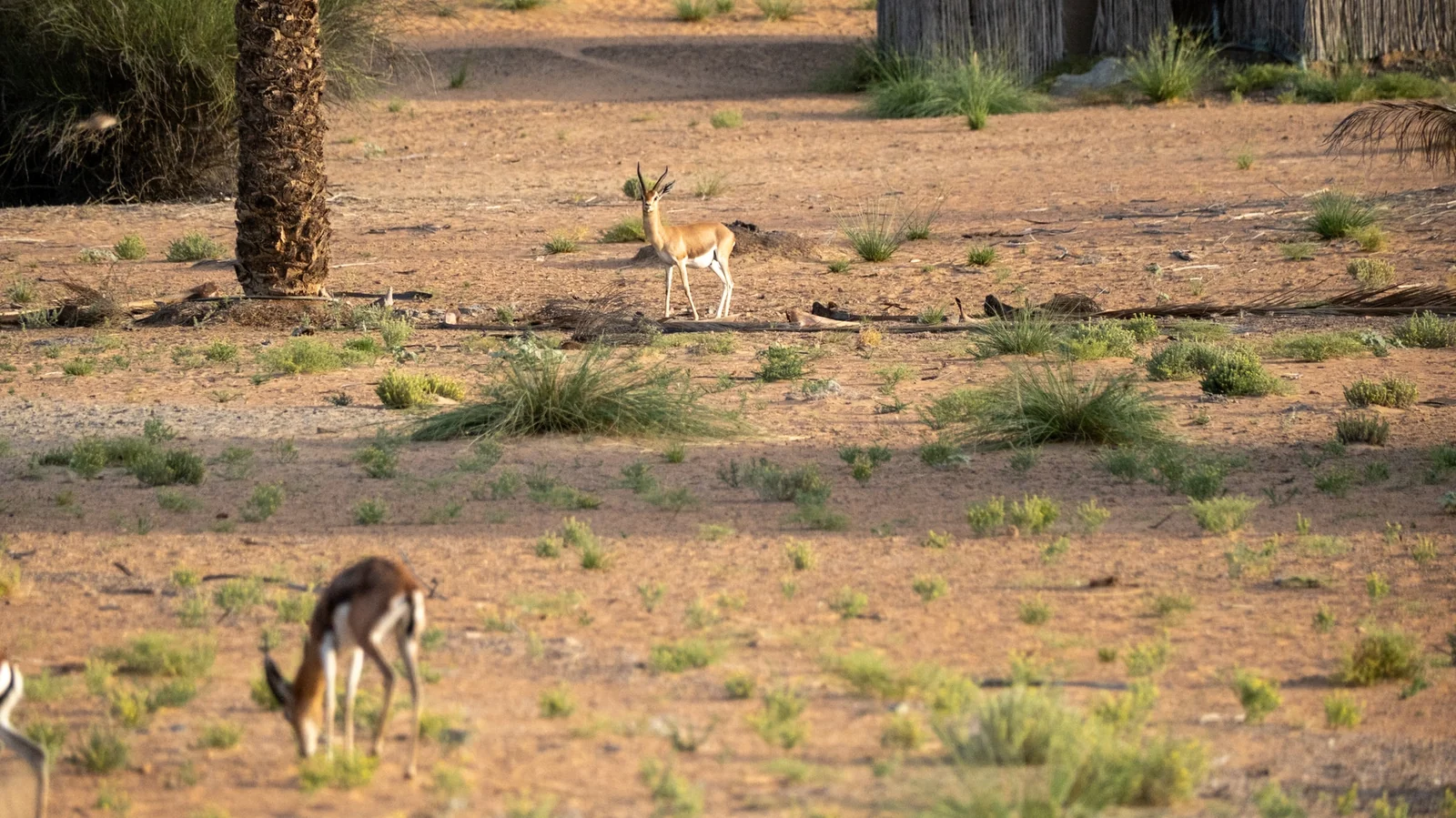
The cheap evening safari with dune bashing, quad bikes and a buffet is everywhere. If you care about the landscape, look instead at the Dubai Desert Conservation Reserve. It covers about 225 square kilometers, roughly 4.7 percent of the emirate's land, and only a handful of approved operators can work inside it. You get quieter dunes, Arabian oryx and gazelles, and guides who explain how the desert works.
Expect to pay more than for a mass-market safari, and ask operators whether they are licensed for the reserve. Dubai's dunes are modest next to the Sahara's great sand seas, but at sunrise, with nobody else around, they're beautiful.
Hatta Day Trip
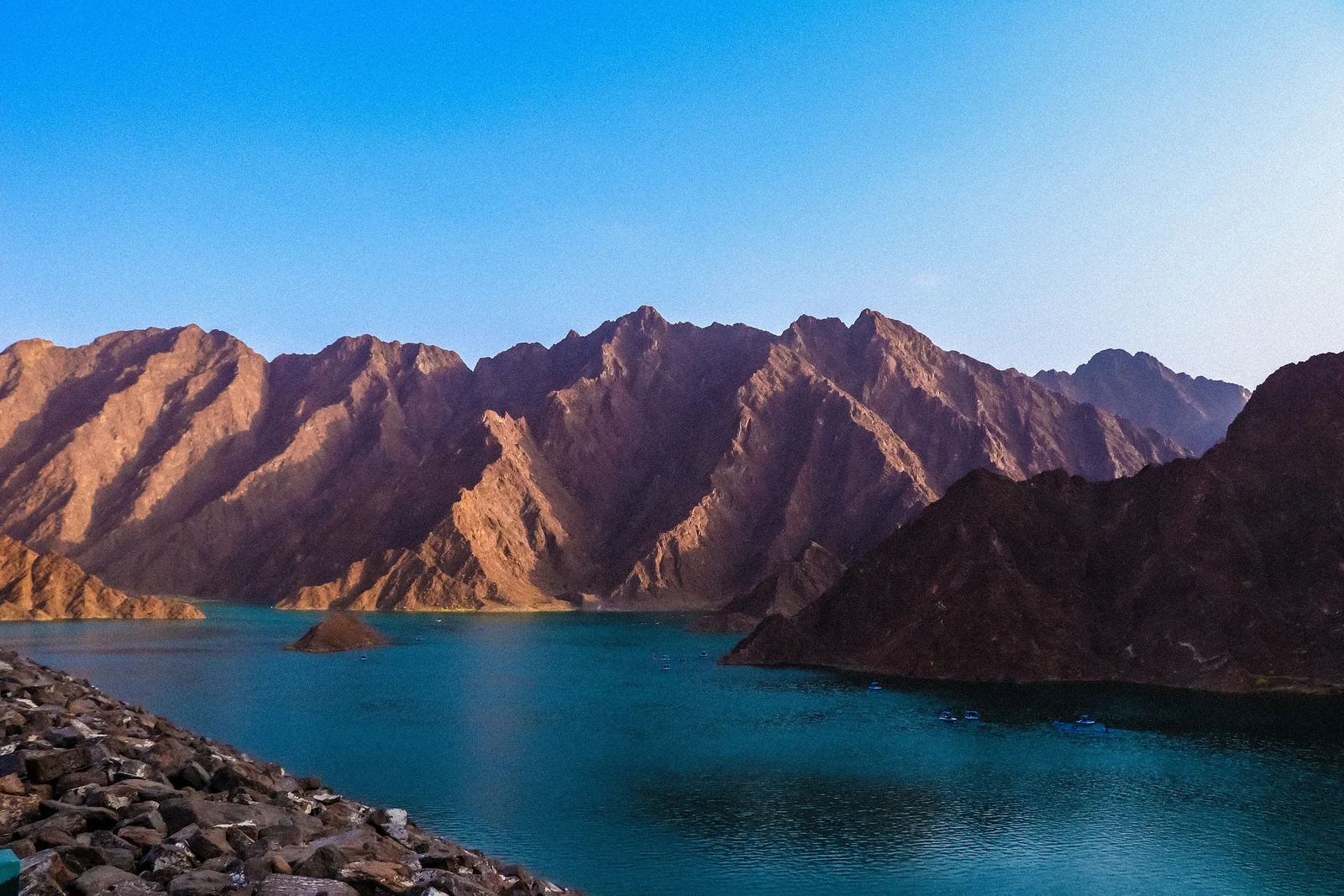
Hatta is part of Dubai but sits roughly 130 kilometers away in the Hajar Mountains, about 90 minutes by road. The main draw is kayaking on the turquoise reservoir at Hatta Dam, surrounded by bare rock ridges. Hatta Wadi Hub adds biking and hiking, and there is a Heritage Village. Without a car, take RTA bus H02, the Hatta Express, from the Dubai Mall bus station; check the current fare and timetable with RTA before you go.
Expo City Dubai
The former Expo 2020 site is now a neighborhood with a few permanent attractions. Terra, the sustainability pavilion, is the best of them, and Alif covers the history of mobility. Garden in the Sky, a 55-meter rotating tower, gives wide views. The outdoor areas and Al Wasl Plaza's dome are free to wander. It sits at the end of the Metro Red Line.
What to Eat in Dubai Beyond the Hotel Brunch
The Friday brunch is a Dubai institution, but the city's best eating is cheaper, less polished and mostly in the older districts.
Emirati Dishes to Try
- Machboos: spiced rice cooked with chicken, lamb or fish, often with dried lime.
- Harees: slow-cooked wheat and meat, especially popular during Ramadan.
- Balaleet: sweet saffron vermicelli topped with an omelet, a classic breakfast.
- Luqaimat: crisp fried dumplings drizzled with date syrup.
- Karak chai: strong, sweet milky tea sold at roadside cafeterias for very little.
Al Karama and Deira
Most of Dubai's population comes from elsewhere, and the food in Al Karama and Deira reflects that. Karama is packed with Indian, Pakistani, Sri Lankan and Filipino canteens, many open late. Deira adds Iranian kebab houses, Levantine shawarma counters and seafood grills.
Best Time to Visit Dubai
November through March is the sweet spot. Days are warm, evenings are pleasant outdoors, and the sea is still swimmable. December and January are the busiest and most expensive months. April and October work if you plan outdoor time for early morning and evening.
Summer is genuinely hard. From June to September, highs average around 40°C (104°F) or more, nights rarely drop below 28°C (82°F), and coastal humidity can be oppressive. Walking between sights at midday becomes a health risk. Lower hotel rates are the main reason to go.
| Month | Avg high | Avg low | What to expect |
|---|---|---|---|
| January | 24°C / 76°F | 15°C / 59°F | Mild, peak season |
| February | 26°C / 79°F | 16°C / 61°F | Ideal for walking and desert trips |
| March | 29°C / 84°F | 19°C / 66°F | Warm beach days |
| April | 34°C / 93°F | 22°C / 72°F | Heating up |
| May | 38°C / 100°F | 26°C / 79°F | Hot, fewer crowds |
| June | 40°C / 104°F | 28°C / 82°F | Very hot, mostly indoor days |
| July | 42°C / 107°F | 31°C / 88°F | Hottest stretch, high humidity |
| August | 42°C / 108°F | 32°C / 89°F | Extreme heat |
| September | 40°C / 103°F | 29°C / 84°F | Still very hot and humid |
| October | 36°C / 97°F | 25°C / 78°F | Hot but easing |
| November | 31°C / 87°F | 21°C / 70°F | Season starts |
| December | 27°C / 80°F | 17°C / 63°F | Busy holidays |
Averages are long-term figures for Dubai International Airport. Ramadan moves about 11 days earlier each year; in 2027 it is expected to begin around February 8, subject to the moon sighting. Visiting then is perfectly possible; see the etiquette notes below.
Getting Around Dubai and Where to Stay
Metro, Nol Cards and Taxis
The Dubai Metro is clean, cheap and air-conditioned. The Red Line runs along Sheikh Zayed Road from the airport area to Dubai Marina and on to Expo City; the Green Line serves Deira and Bur Dubai. Trains generally run from 5 a.m. to midnight, later on Friday nights, and from 8 a.m. on Sundays. Each train has a cabin for women and children.
You pay with a Nol card. The paper Red Ticket suits a single day of rides; for a longer stay, buy a rechargeable Silver card, which works on the Metro, tram, buses and water buses. Each card needs a minimum balance before the gates will let you in, so top up generously. Fares and card details are on the RTA website. Taxis are metered and plentiful, and ride-hailing apps such as Careem and Uber work well for the gaps the Metro doesn't cover.
Where to Stay in Dubai by Area
- Bur Dubai and Deira: the best value and the most character, close to the Creek, souks and Green Line. Pick this if old Dubai is your priority.
- Downtown and Business Bay: central, walkable around Burj Khalifa and on the Red Line. Expensive, but convenient for a short first trip.
- Dubai Marina and JBR: beach, waterfront promenades and nightlife, but 40 minutes or more from the old town.
- Jumeirah and Umm Suqeim: low-rise, beach-focused and quieter, with fewer Metro options.
- Palm Jumeirah: big resorts for a pool-and-beach holiday. You'll rely on taxis or the monorail.
Hotels add a per-night Tourism Dirham fee to the room rate, so check the final price before booking.
Culture and Etiquette in Dubai
Dubai is relaxed by regional standards, but it's a Muslim city with laws that may differ from home. Knowing them is part of being a good guest.
- Dress: in malls, souks and government buildings, cover shoulders and knees. Swimwear belongs on the beach or at the pool. Mosques require loose clothing that covers arms and legs, and women cover their hair; robes are often provided. If you've visited a working mosque such as Istanbul's Hagia Sophia, the rules will feel familiar.
- Mosque visits: Jumeirah Mosque welcomes non-Muslims on guided visits run by the Sheikh Mohammed Centre for Cultural Understanding.
- Alcohol: the legal drinking age is 21. Drink only in licensed venues, mostly hotels, bars and restaurants. Drinking in public places and public drunkenness are offenses, and there is zero tolerance for drink-driving.
- Public behavior: holding hands is fine; kissing and intimate contact in public are not. Swearing and rude gestures, including online, can lead to fines.
- Photos: don't photograph people, particularly women and families, without permission.
- Ramadan: Muslims fast from dawn to sunset. Many restaurants still serve during the day, but avoid eating, drinking or smoking openly on the street. Evenings come alive with iftar meals, and it's a lovely time to try them.
A 4-Day Dubai Itinerary and Budget Tips
Day 1: Old Dubai and the Creek
Walk Al Fahidi early, have breakfast in a courtyard café, then spend late morning at the Al Shindagha Museum. Cross by abra to Deira for the Spice and Gold souks. Eat dinner in Karama.
Day 2: Jumeirah and Downtown
Join a morning visit to Jumeirah Mosque, then swim at Kite Beach. In the late afternoon, head up Burj Khalifa and stay for the fountain shows after dark.
Day 3: Hatta
Take the early Hatta Express or rent a car. Kayak at the dam before it gets hot, have lunch, and walk the Heritage Village before heading back.
Day 4: Expo City and the Desert
Ride the Red Line to Expo City for Terra and Garden in the Sky. In the afternoon, join a conservation reserve drive for sunset in the dunes. If you're continuing to an island, the Maldives is a popular onward hop from Dubai.
Dubai Budget Tips
- Use the Metro and buses; taxis across the city add up fast.
- Many of the best sights are free or nearly so: Al Fahidi, the souks, the cheap abra crossing, the fountain, Kite Beach and Expo City's outdoor areas.
- Eat lunch where residents do. A curry or shawarma in Karama costs a fraction of a hotel meal.
- Skip sunset slots at Burj Khalifa if you're watching costs.
Dubai Travel FAQ
What is the best month to visit Dubai?
February is hard to beat: daytime highs average around 26°C (79°F), evenings are comfortable outdoors and the sea is still pleasant. November, December, January and March are also excellent. December and January are the busiest and priciest.
How many days do you need in Dubai?
Three to four days cover old Dubai, Downtown, a beach and one trip out of the city, either to the desert or to Hatta. With five or six days you can add Expo City, a beach day or Abu Dhabi.
Is Dubai too hot to visit in summer?
It's possible, but tough. From June to September highs average around 40°C (104°F) or more with high humidity. Plan indoor sights at midday and go outside early or after dark. Lower hotel rates are the upside.
What should tourists wear in Dubai?
Light clothing that covers shoulders and knees works for malls, souks and the Metro. Swimwear is fine on beaches and at pools but not elsewhere. For mosque visits, wear loose clothing covering arms and legs, and women should bring a scarf for their hair.
Can tourists drink alcohol in Dubai?
Yes, if you are 21 or older and drink in licensed venues such as hotel bars and restaurants. Drinking in public places, being drunk in public and driving after any alcohol are offenses.
Is the Dubai Metro good for tourists?
Yes. The Red Line links the airport, Downtown, Dubai Marina and Expo City, and the Green Line covers Deira and Bur Dubai. Buy a Nol card at any station and use taxis for areas away from the lines.
Is a desert safari in Dubai worth it?
It can be, if you choose well. Mass-market trips focus on dune bashing and big buffets. Operators approved for the Dubai Desert Conservation Reserve cost more but offer quieter dunes, wildlife such as oryx and gazelles, and a much better sense of the desert itself.