


Canada is the world’s second-largest country by area, stretching from the Pacific to the Atlantic and north into the Arctic. For travelers, that means turquoise lakes in the Rocky Mountains, historic French-speaking Quebec City, cosmopolitan Toronto and Vancouver, wild Atlantic coastlines and some of the best northern lights viewing on Earth.
The challenge is choosing. This Canada travel guide covers the regions and places most worth your time, the best seasons for each, how to get around a country this big and the practical details, from entry rules to tipping, that make a first trip smoother.
Canada at a Glance
Canada has 10 provinces and 3 territories, two official languages (English and French) and six time zones. Most of the population lives within a few hundred kilometers of the US border, so the big cities are in the south while the north is sparsely populated wilderness. Distances are huge: planning around one or two regions per trip works far better than trying to see everything.
| Region | Highlights | Best for |
|---|---|---|
| British Columbia | Vancouver, Vancouver Island, Whistler | Coast, rainforest, city and ski trips |
| Alberta Rockies | Banff, Lake Louise, Icefields Parkway, Jasper | Mountain scenery and hiking |
| Ontario | Toronto, Niagara Falls, Ottawa | Cities, museums, waterfalls |
| Quebec | Montreal, Quebec City | French culture, food, history |
| Atlantic Canada | Cabot Trail, Bay of Fundy, Gros Morne | Coastal road trips and seafood |
| The North | Yellowknife, Whitehorse, Churchill | Northern lights and Arctic wilderness |
The Canadian Rockies: Banff, Lake Louise and Jasper
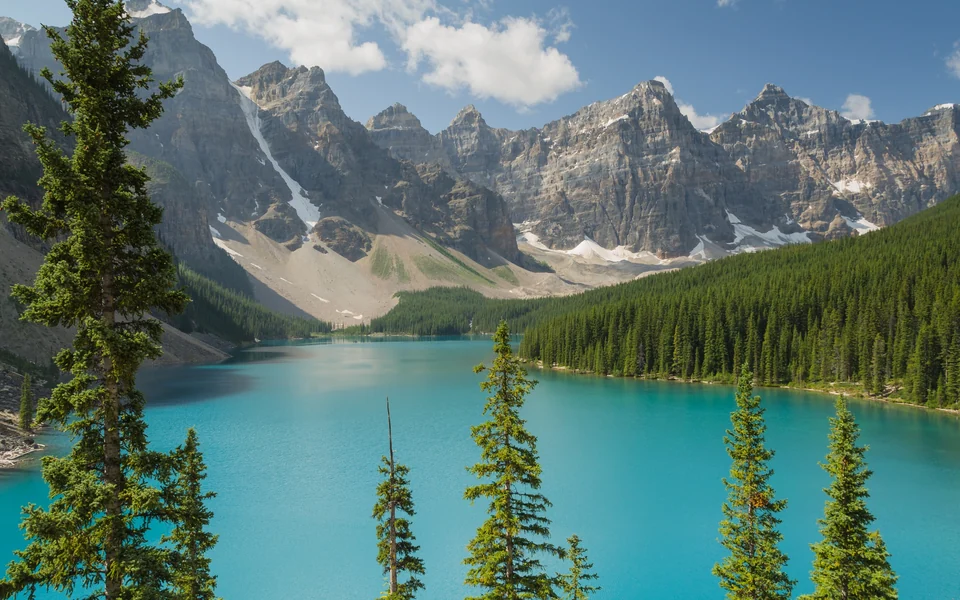
Banff, established in 1885, is Canada’s oldest national park and the heart of most Rocky Mountain itineraries. Lake Louise and Moraine Lake are famous for their glacier-fed turquoise water, while the town of Banff makes a convenient base with hot springs, gondolas and easy trails. Popular sites get crowded in summer, and access to some, including the road to Moraine Lake, is restricted to shuttles and tours, so check Parks Canada before you go.
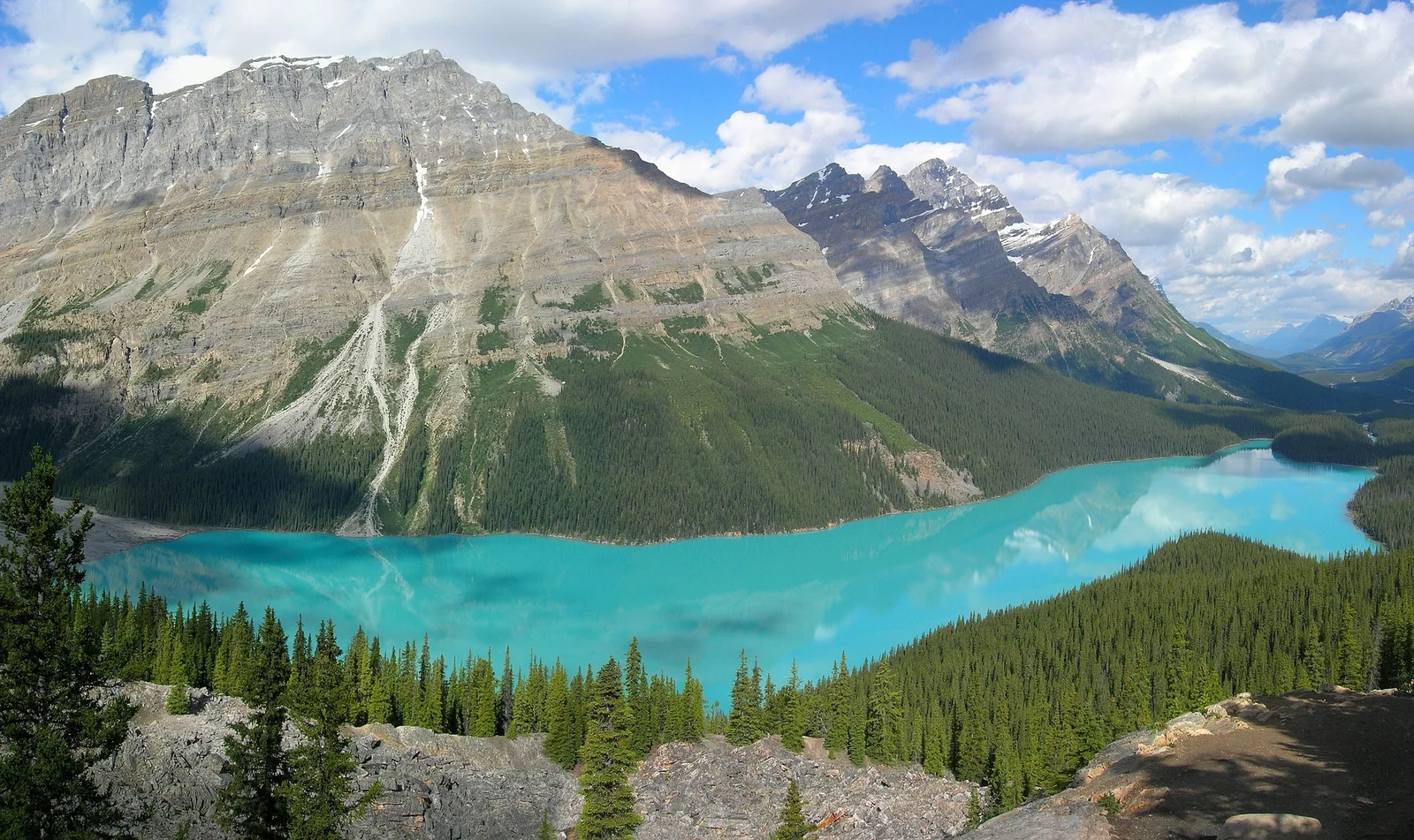
North of Lake Louise, the Icefields Parkway runs about 230 kilometers to Jasper past glaciers, waterfalls and viewpoints such as Peyto Lake and the Columbia Icefield. Jasper is wilder and quieter than Banff and was hit by a major wildfire in 2024, so check current trail and facility updates. A Parks Canada pass is required to stop in the national parks.
Best Cities to Visit in Canada
Vancouver
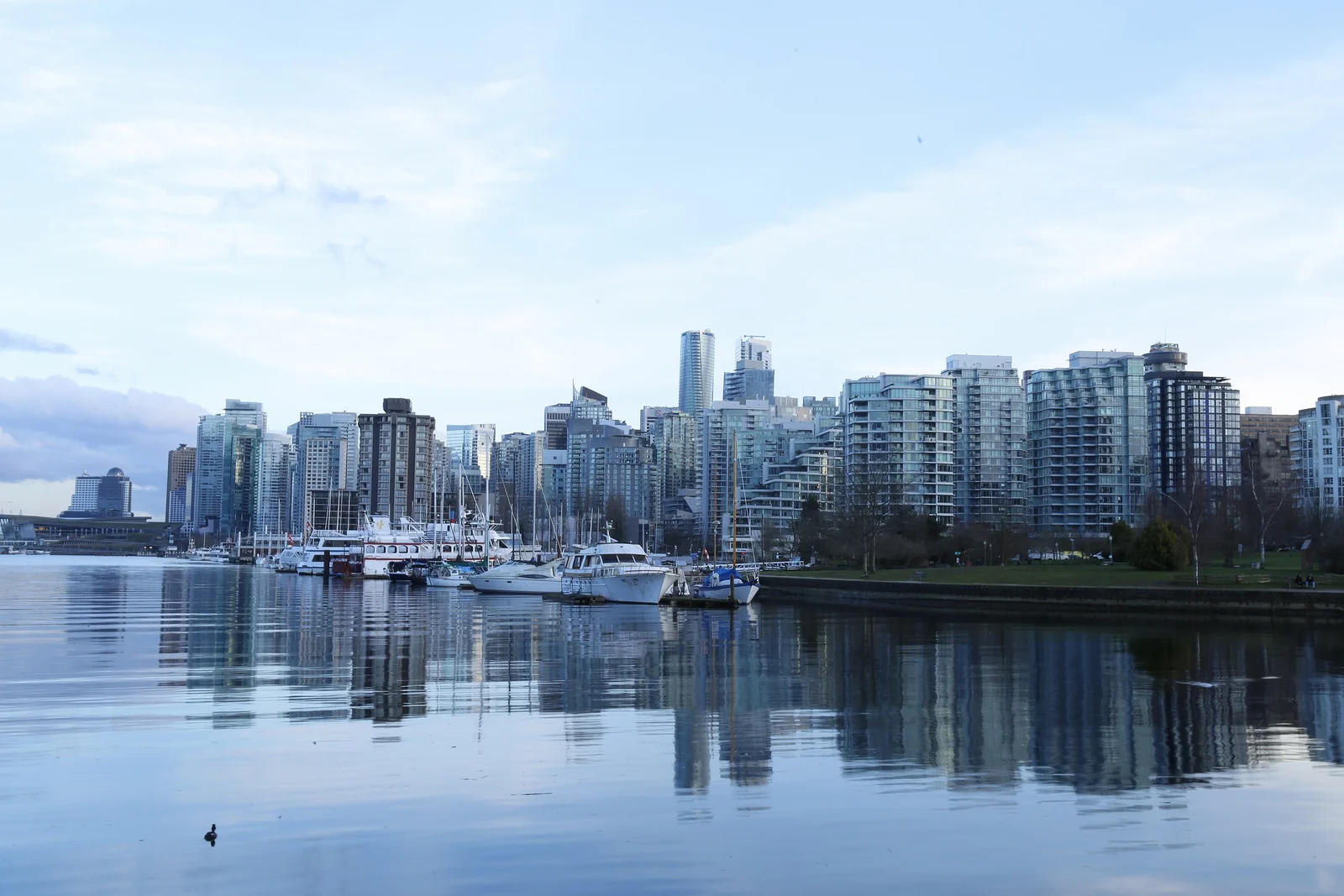
Vancouver sits between the Pacific and the Coast Mountains, so you can walk or cycle the Stanley Park seawall in the morning and be on a mountain trail in the afternoon. Granville Island’s public market, the neighborhoods of Gastown and Chinatown, and a strong Asian food scene round it out. Ferries connect the city to Vancouver Island, and Whistler is a scenic drive up the Sea-to-Sky Highway.
Toronto and Niagara Falls
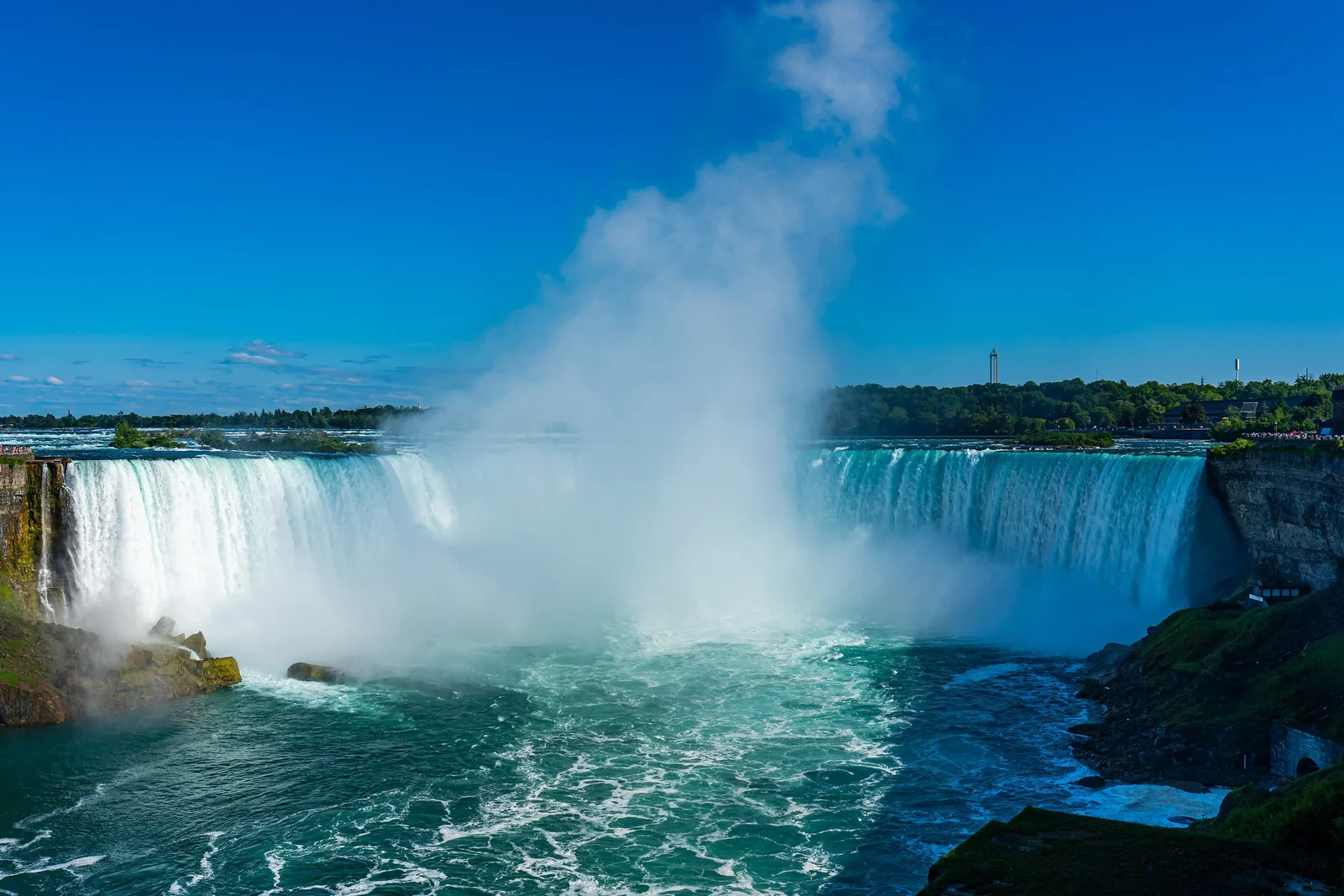
Toronto, Canada’s largest city, is known for its diverse neighborhoods, the CN Tower, the Royal Ontario Museum and a huge variety of food. Niagara Falls is about 130 kilometers away by road, close enough for a day trip. The Canadian side faces the curving Horseshoe Falls, the largest of the three falls.
Montreal and Quebec City
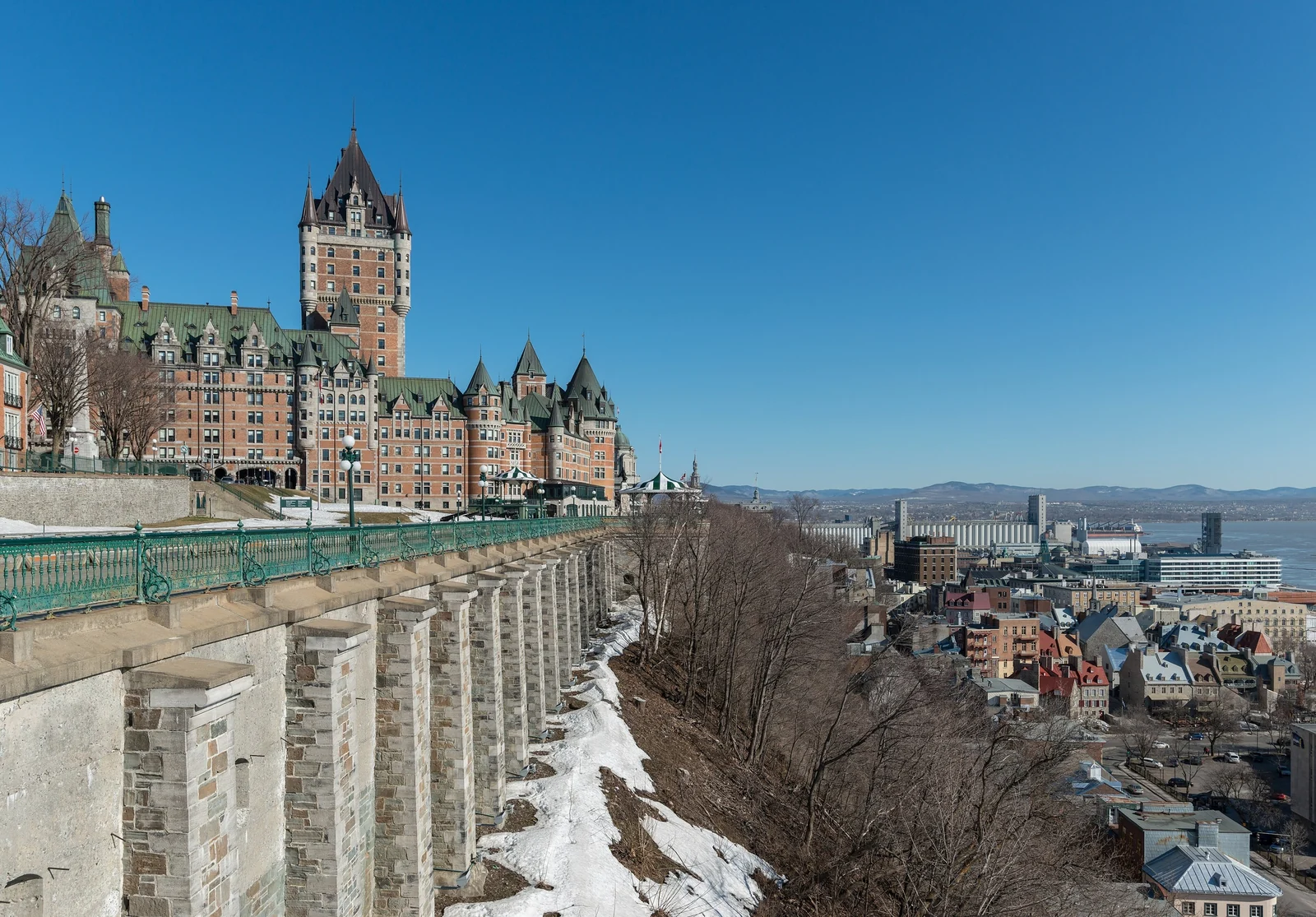
Montreal is Canada’s French-speaking cultural capital, with festivals, historic Old Montreal and a famous food culture of bagels and smoked meat. A few hours northeast, Historic District of Old Québec is a UNESCO World Heritage Site and the only walled city in North America north of Mexico, crowned by the Château Frontenac hotel. In February, the Quebec Winter Carnival turns the city into a snow-and-ice festival.
Natural Wonders Beyond the Rockies
The Rockies get most of the attention, but Canada’s coasts and north are just as memorable. These are some of the standouts, each worth building a trip around.
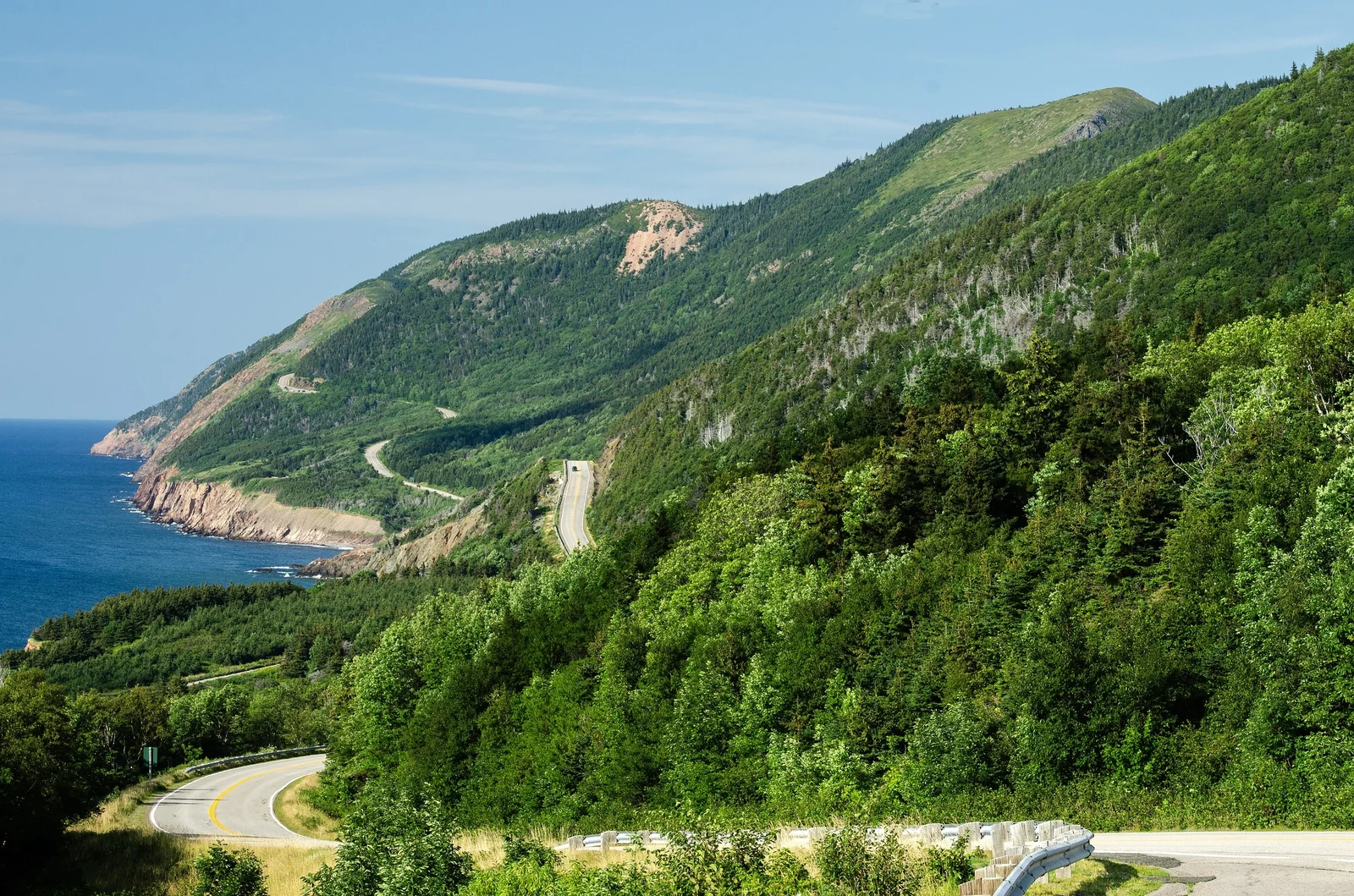
- Cabot Trail, Nova Scotia: a loop road around Cape Breton Island through Cape Breton Highlands National Park, with ocean cliffs, whale-watching and Gaelic and Acadian culture.
- Bay of Fundy: between New Brunswick and Nova Scotia, it has some of the highest tides in the world; at low tide you can walk the seabed at Hopewell Rocks.
- Gros Morne National Park, Newfoundland: a UNESCO site with fjords and rare exposed rock from the Earth’s mantle.
- Pacific Rim, Vancouver Island: long surf beaches and temperate rainforest around Tofino and Ucluelet.
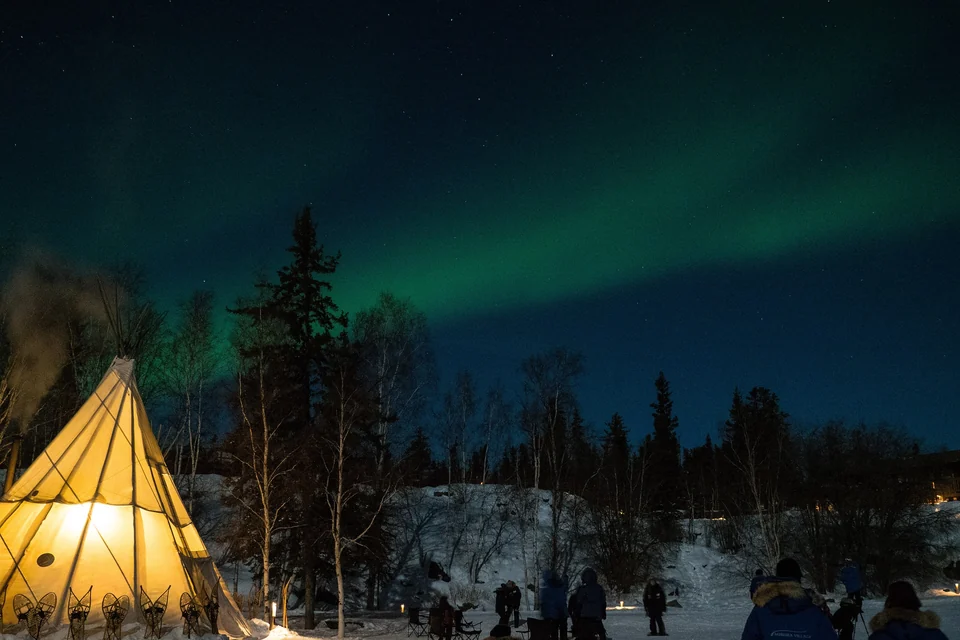
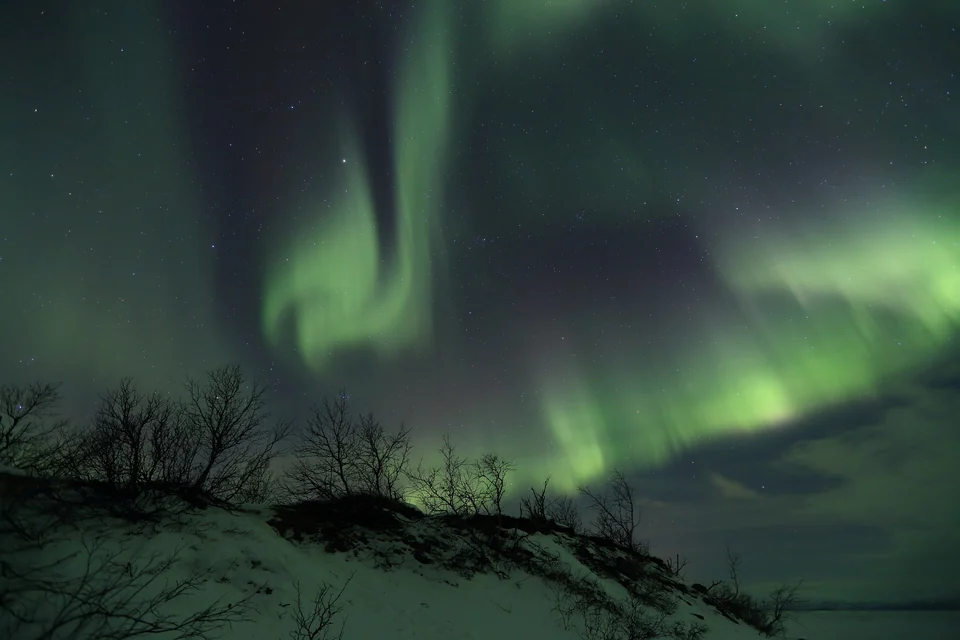
- The North: Yukon, the Northwest Territories and Nunavut for Arctic landscapes, wildlife and the aurora.
If the northern lights are on your list, read our guide to aurora hunting in Canada’s Arctic, which covers Yellowknife, Whitehorse and Churchill in detail, or compare them with our hidden northern lights spots elsewhere in the Arctic.
Best Time to Visit Canada
There is no single best time; it depends on what you want to do and where. Summer is the main season for the national parks and road trips, while winter is ideal for skiing and the aurora.
| Season | What to expect | Good for |
|---|---|---|
| Summer (June to August) | Warm, long days; busiest and priciest period | Rockies, hiking, road trips, festivals |
| Fall (September to October) | Cooler, fewer crowds, fall colors | Ontario and Quebec foliage, Cabot Trail, Rockies |
| Winter (December to March) | Cold to very cold, snowy | Skiing, Quebec Winter Carnival, northern lights |
| Spring (April to May) | Variable weather, snow lingers at altitude | City breaks, lower prices |
Mountain snow can close high trails until early summer, and some lakes in the Rockies stay frozen into June. In the Atlantic provinces, many seasonal businesses open only from late spring to early fall.
How to Get Around Canada
For long distances, fly: driving from Toronto to Vancouver takes several days. Within regions, a rental car gives you the most freedom, especially for national parks and coastal routes. Trains are scenic rather than fast. VIA Rail links cities in the Quebec City–Windsor corridor and runs the long-distance train between Toronto and Vancouver, a multi-day journey across the prairies and Rockies.
- Cities: Toronto, Montreal and Vancouver have good public transit; you do not need a car there.
- Parks: a car or organized tour is usually needed; some busy sites use shuttle systems.
- Ferries: essential on the West Coast and in Atlantic Canada; book ahead in summer.
- Winter driving: use winter tires and check road reports before mountain passes.
Canadian Food and Culture to Try
Canadian food is regional. Try poutine (fries, cheese curds and gravy) in Quebec, Montreal-style bagels and smoked meat, maple treats from the sugar shacks of Quebec, which produces most of the world’s maple syrup, lobster and seafood in the Maritimes, and wild salmon on the Pacific coast. Butter tarts and Nanaimo bars are classic sweets.
Indigenous peoples, including First Nations, Métis and Inuit, have lived here for thousands of years. Indigenous-owned tours, cultural centers and restaurants across the country are a meaningful way to learn about that history and culture firsthand.
Practical Canada Travel Tips
- Entry: visa-exempt visitors flying to Canada need an Electronic Travel Authorization (eTA), applied for online; US citizens do not. Others may need a visa, so check official rules for your passport.
- Money: prices are in Canadian dollars and sales tax is usually added at the register, so the shelf price is not the final price.
- Tipping: around 15 to 20 percent is customary in restaurants and for taxis and tours.
- Wildlife: keep your distance from bears, elk and moose, never feed animals and follow Parks Canada advice on bear safety.
- Weather: pack layers year-round; mountain and coastal weather changes quickly.
Planning a bigger North American trip? Browse our North America guides for more ideas, or get inspired by these breathtaking travel routes.
Canada Travel FAQ
What is the best time to visit Canada?
Summer, from June to August, is best for national parks, hiking and road trips, though it is the busiest time. September and early October bring fall colors and fewer crowds. Winter, from December to March, is ideal for skiing, winter festivals and the northern lights.
How many days do you need in Canada?
Canada is too big to see in one trip. Plan about a week to ten days for one region, such as Vancouver and the Rockies or Toronto, Montreal and Quebec City. Two weeks lets you combine two regions if you fly between them.
Do I need a visa or eTA to visit Canada?
It depends on your passport. Visa-exempt travelers flying to or through Canada need an Electronic Travel Authorization, applied for online on the Government of Canada website. US citizens need neither. Other nationalities may need a visitor visa, so check the official requirements before booking.
What are the must-see places in Canada for first-time visitors?
Classic first trips include Banff, Lake Louise and the Icefields Parkway in the Rockies, Vancouver, Toronto with Niagara Falls, and Montreal with Quebec City. If you have more time, add the Cabot Trail in Nova Scotia or the northern lights in Yellowknife.
Is it easy to travel around Canada without a car?
In the big cities, yes: Toronto, Montreal and Vancouver have good transit, and trains link cities in Quebec and Ontario. For national parks and coastal routes, a car or organized tour is usually needed, and long distances between regions are best covered by plane.
Where can you see the northern lights in Canada?
The most reliable places are in the North: Yellowknife in the Northwest Territories, Whitehorse in Yukon and Churchill in Manitoba. The season runs from late August to early April, with the darkest, clearest nights usually between mid-November and March.