


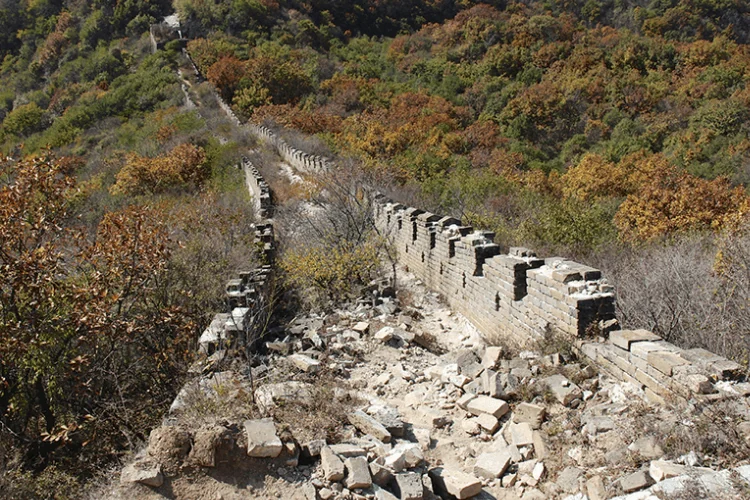
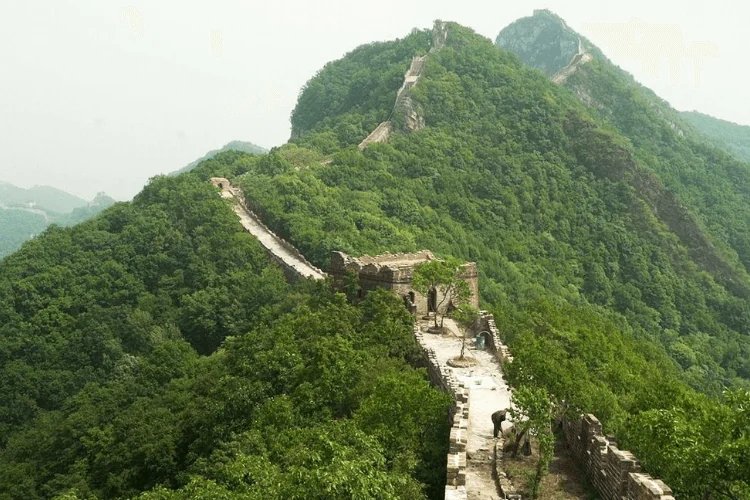
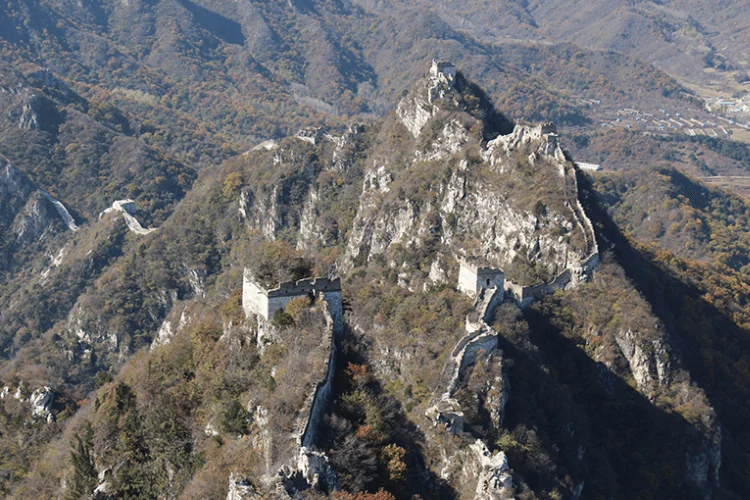
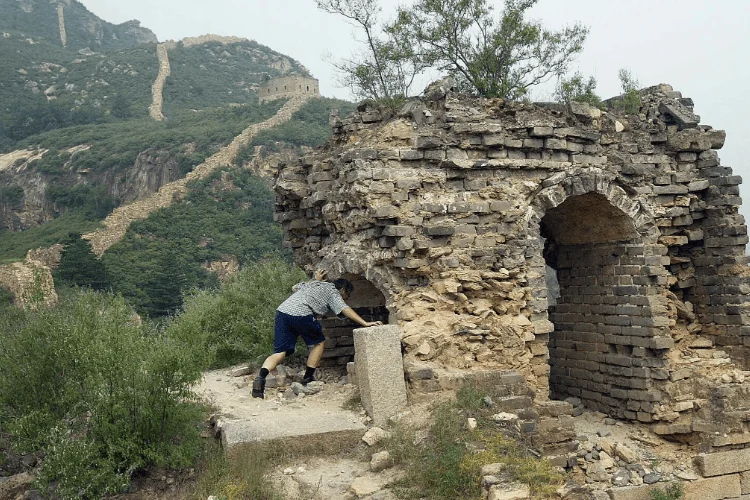
The Great Wall of China is one of the most iconic structures on Earth, visited by millions each year. Yet far beyond the restored and crowded sections lies a different world — vast abandoned regions where the wall slowly returns to nature. These forgotten stretches reveal a raw and powerful side of the monument, untouched by mass tourism.
Exploring these areas offers more than sightseeing. It provides a deeper connection to history, architecture, and the natural landscape surrounding the wall. Crumbling stones, collapsed watchtowers, and silent paths create an atmosphere that feels both mysterious and deeply authentic.
For travelers seeking adventure travel, historical depth, and solitude, the abandoned sections of the Great Wall present an unforgettable experience. Here, the wall tells its story without interruption.
The Allure of the Abandoned Great Wall
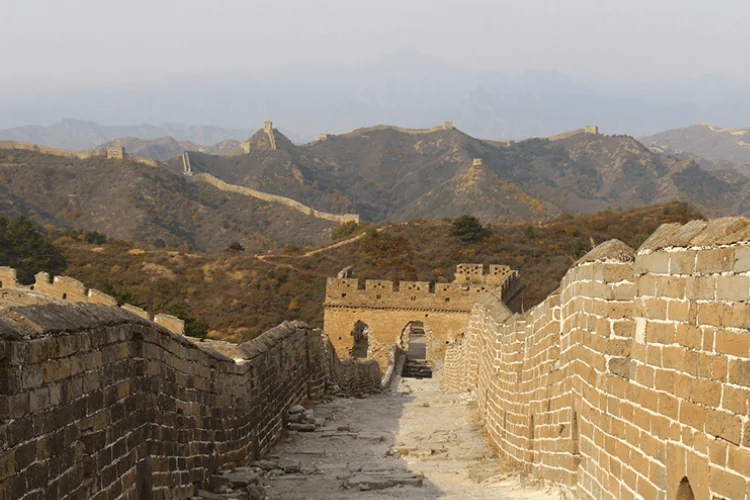
The abandoned sections of the Great Wall carry a unique sense of mystery. Unlike the restored areas filled with visitors and vendors, these regions remain quiet, allowing history to speak through silence rather than spectacle.
Walking along broken stone paths and partially collapsed towers creates a powerful contrast between past and present. Each step feels personal, as if the wall is revealing stories meant only for those willing to explore beyond the obvious.
This sense of isolation enhances the experience. Without crowds, travelers can reflect on the immense effort and human labor that shaped this monumental structure over centuries.
The allure lies not in perfection, but in authenticity — a reminder that history is often most powerful where it is least polished.
Geographical Context of Abandoned Regions
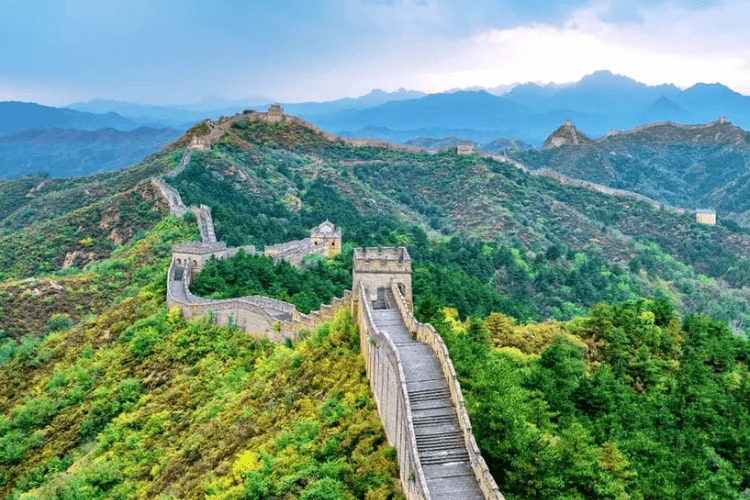
The Great Wall stretches across northern China, passing through diverse landscapes and climates. Many abandoned sections are found in remote regions such as Hebei, Shanxi, and Inner Mongolia, far from major tourist routes.
These locations vary dramatically in scenery. Some sections cross dry, windswept plains, while others wind through lush mountains and forested ridges. This geographical diversity makes each exploration distinct.
Because these areas are less accessible, nature has gradually reclaimed parts of the wall. Vegetation grows between stones, and erosion reshapes once-defensive structures.
The surrounding environment plays a vital role in shaping the atmosphere of each abandoned section, blending natural beauty with historical decay.
The History Behind the Abandoned Sections
The history of the Great Wall spans more than two millennia, with different dynasties constructing and modifying it for defense. Over time, many sections lost their military importance.
After the Ming Dynasty, advances in warfare and political shifts reduced the wall’s strategic value. Maintenance declined, and remote sections were gradually abandoned.
Without human intervention, weather and time took their toll. Stones fell, towers collapsed, and entire stretches blended into the surrounding landscape.
Understanding this historical context adds depth to exploration, transforming ruins into powerful reminders of changing empires and forgotten priorities.
Essential Gear for a Great Wall Expedition
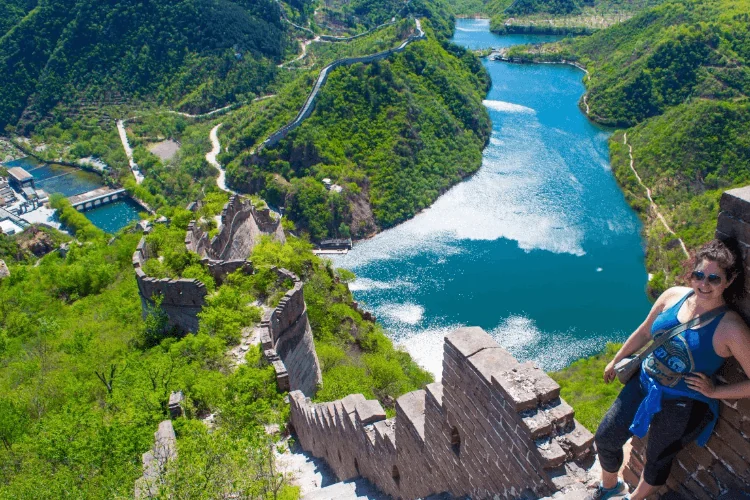
Exploring abandoned regions of the Great Wall requires preparation. Sturdy hiking boots are essential for navigating uneven stones and steep terrain.
Weather-appropriate clothing, a reliable backpack, and sufficient water should never be overlooked. These areas often lack facilities, making self-sufficiency crucial.
Carrying navigation tools such as maps or GPS devices is highly recommended, especially in remote zones where trails may be unclear.
Photography enthusiasts should bring proper equipment, as these locations offer dramatic lighting and unique perspectives rarely found in tourist areas.
Safety Considerations While Exploring
Safety is a key consideration when exploring abandoned sections of the Great Wall. Crumbling structures and unstable paths can pose serious risks.
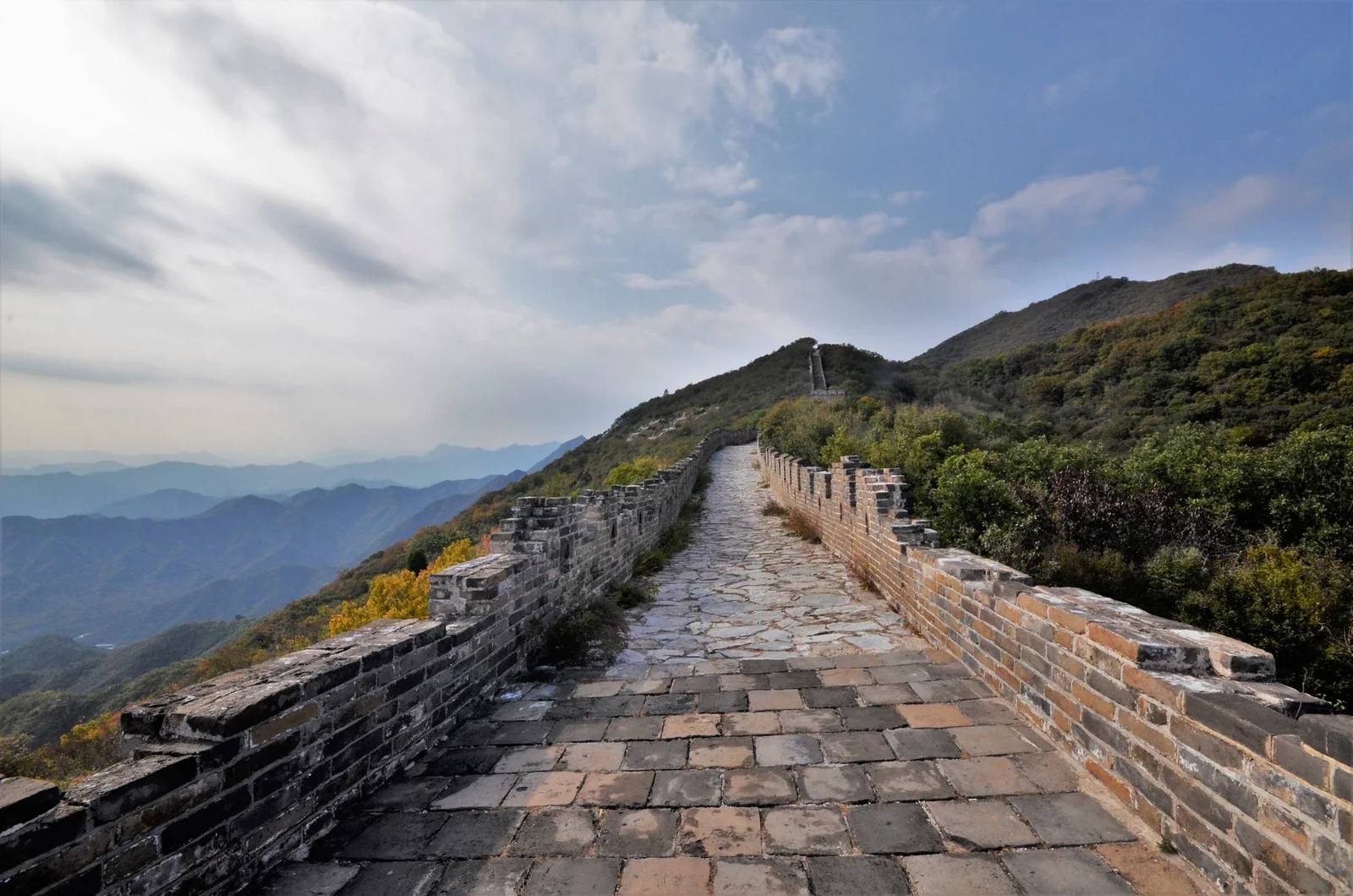
Traveling with a companion is strongly advised. In remote areas, assistance may not be readily available in case of injury or equipment failure.
Weather conditions can change quickly, especially in mountainous regions. Rain can make stone surfaces slippery and dangerous.
Responsible exploration means knowing when to stop. If a section appears unsafe, choosing caution over curiosity is always the right decision.
Captivating Photography Opportunities
The abandoned Great Wall offers extraordinary photography opportunities. Textured stone, dramatic decay, and expansive landscapes create visually striking compositions.
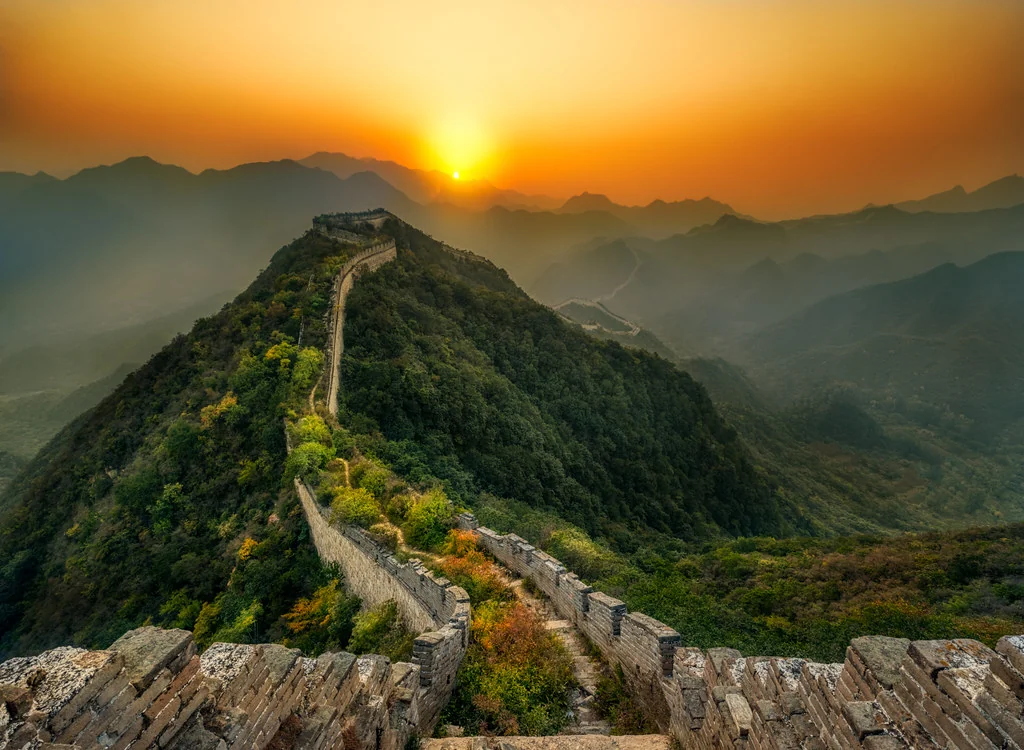
Early mornings and late afternoons provide the best natural light. Soft shadows and warm tones highlight the wall’s contours and surrounding terrain.
Because these areas attract fewer visitors, photographers can capture scenes without distractions, preserving a sense of timelessness.
Each photograph becomes more than an image – it becomes documentation of a rarely seen side of a global landmark.
Engaging with Local Culture
Many abandoned sections of the Great Wall lie near small rural communities. These villages offer insight into local traditions and everyday life shaped by proximity to history.
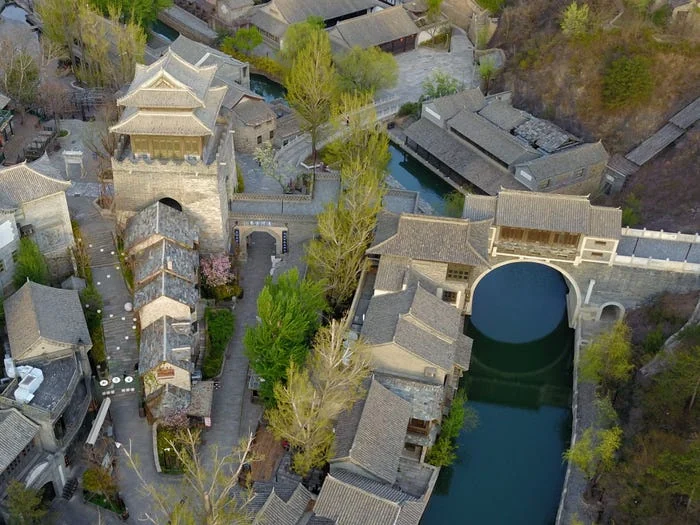
Interacting with residents can enrich the journey. Local stories, customs, and perspectives add context that guidebooks often miss.
Supporting local businesses by purchasing handmade items or regional food strengthens community connections and sustainable tourism.
These cultural encounters ground the exploration in present-day reality, linking ancient history with living traditions.
Wildlife Encounters
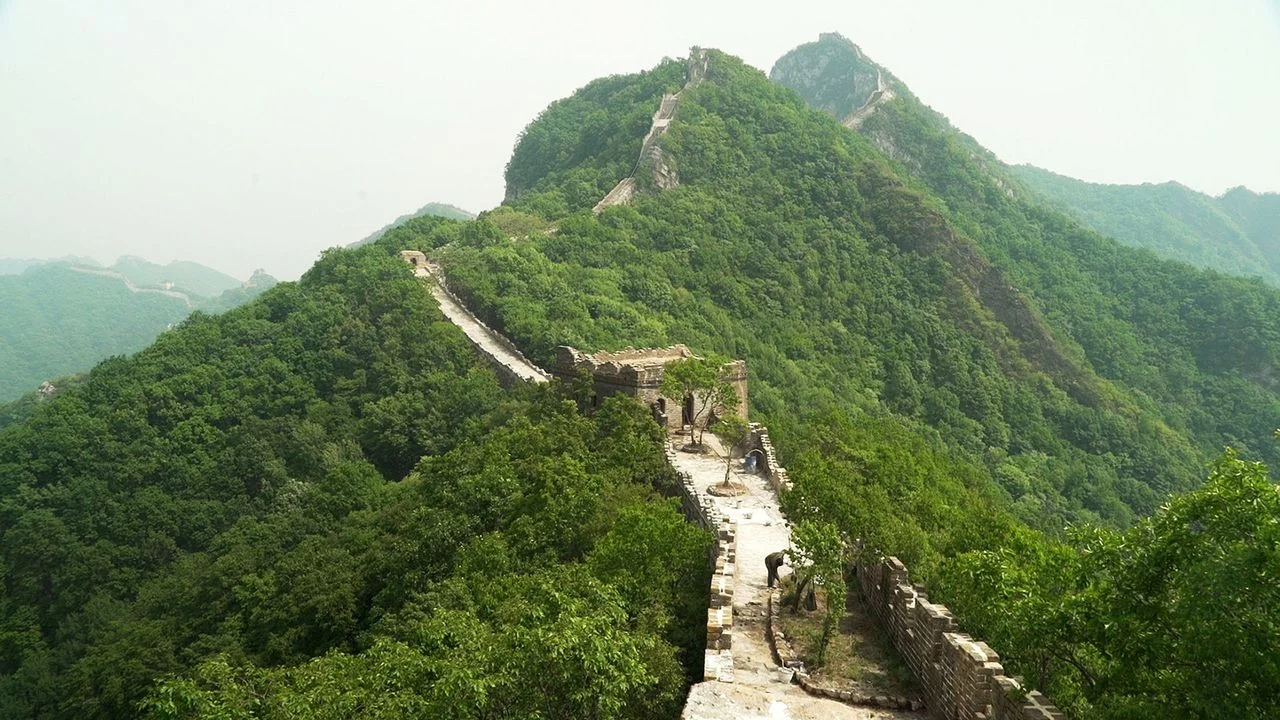
The ecosystems surrounding abandoned Great Wall sections support diverse wildlife. Birds, small mammals, and reptiles often inhabit these quieter regions.
Observing wildlife adds another layer to the experience, highlighting the natural reclamation of once-military spaces.
Respecting animals and maintaining distance is essential. These environments thrive best when human presence remains minimal.
Nature and history coexist here, creating landscapes where ancient stone meets living ecosystems.
Exploring Ancient Watchtowers
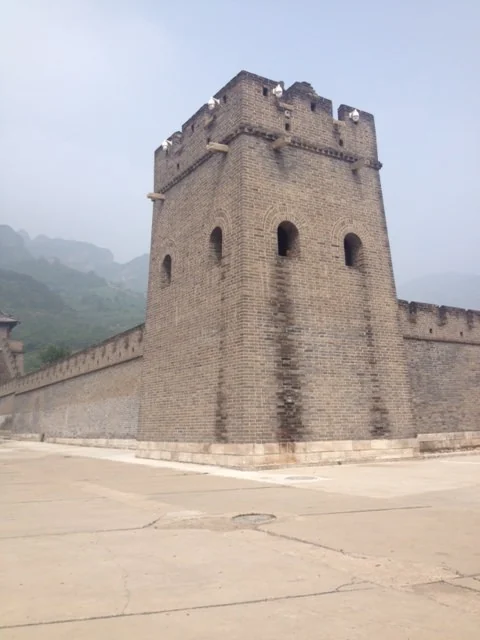
Watchtowers are among the most fascinating features of the Great Wall. Many abandoned towers still stand, offering panoramic views of the surrounding land.
Climbing these structures provides both physical challenge and historical perspective. Each tower once played a role in communication and defense.
From their heights, travelers can visualize the strategic importance of the wall and the vast distances it covered.
These watchtowers serve as silent witnesses to centuries of vigilance and human effort.
Environmental Impact of Your Visit
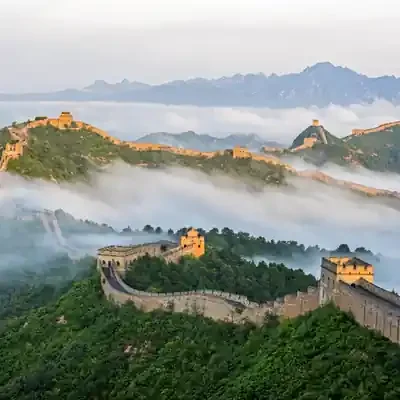
Responsible travel is essential when visiting abandoned sections of the Great Wall. These fragile sites require care to ensure their preservation.
Following Leave No Trace principles helps protect both historical structures and natural surroundings.
Avoid removing stones, disturbing wildlife, or leaving waste behind. Every action contributes to long-term conservation.
Preserving these areas allows future explorers to experience the same sense of discovery.
FAQ – About the Abandoned Great Wall of China
What are the abandoned sections of the Great Wall of China?
The abandoned sections of the Great Wall of China are areas that have not been restored or maintained and have gradually deteriorated over time, often blending into the surrounding landscape.
Where are the abandoned parts of the Great Wall located?
Many abandoned sections are found in remote regions such as Hebei, Shanxi, and Inner Mongolia, far from the popular tourist routes.
Can visitors explore the abandoned Great Wall?
Yes. Adventurous travelers can explore certain abandoned sections, especially those accessible by hiking routes, while respecting safety and preservation guidelines.
Why were parts of the Great Wall abandoned?
After the Ming Dynasty, the wall lost much of its military importance, leading to reduced maintenance and gradual abandonment of many sections.
Is the abandoned Great Wall safe to visit?
Some sections can be challenging due to unstable terrain. Visitors should prepare carefully, avoid dangerous areas, and prioritize safety at all times.

Editor | Japan & Asian Culture Specialist