
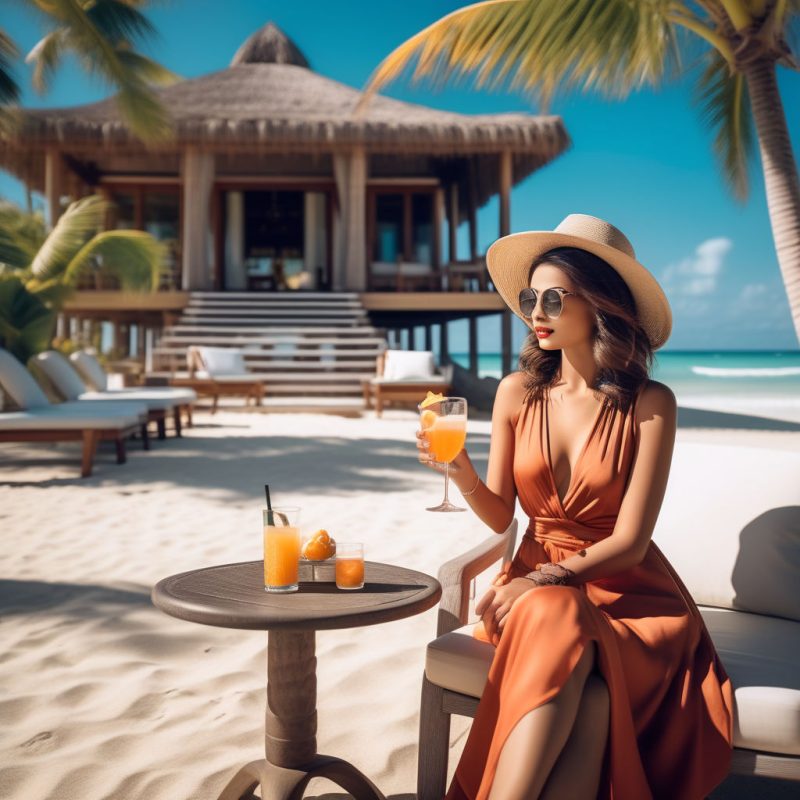
Asia · Indian Ocean · Maldives
Discover the Magic of the Maldives
The Maldives is the lowest country on Earth, a nation of 1,192 coral islands with an average elevation of just 1.5 meters above sea level. That fragile geography is exactly what makes it one of the most striking places to visit, and one that’s changing faster than most travelers realize.
A Nation of 1,192 Islands
Islands and Atolls
The Maldives is made up of 1,192 coral islands grouped into 26 natural atolls, stretching across the Indian Ocean southwest of India and Sri Lanka. Around 200 islands are inhabited, while roughly 110 are dedicated entirely to tourism, most as single-island resorts accessible only by boat or seaplane.
The Lowest Country on Earth
With an average elevation of just 1.5 meters and a highest natural point of 2.4 meters on Villingili Island, the Maldives holds the record as the world’s lowest-lying nation, a distinction that makes it especially exposed to rising sea levels.
Life Above and Below the Water
The Maldives is best known for overwater bungalows and turquoise lagoons, but its real draw for many travelers is what happens beneath the surface.
- Reef life: coral reefs here support manta rays, whale sharks and a dense variety of reef fish, making snorkeling directly off many resort beaches worthwhile on its own.
- Coral under pressure: a severe bleaching event in 2016, driven by a strong El Niño and rising sea temperatures, damaged roughly three-quarters of the country’s coral. Some reefs have since shown signs of natural recovery.
- One island, one resort: most resorts occupy an entire island, which is why transfers matter, seaplanes only fly in daylight, so flight timing affects which resorts are realistically reachable on arrival day.
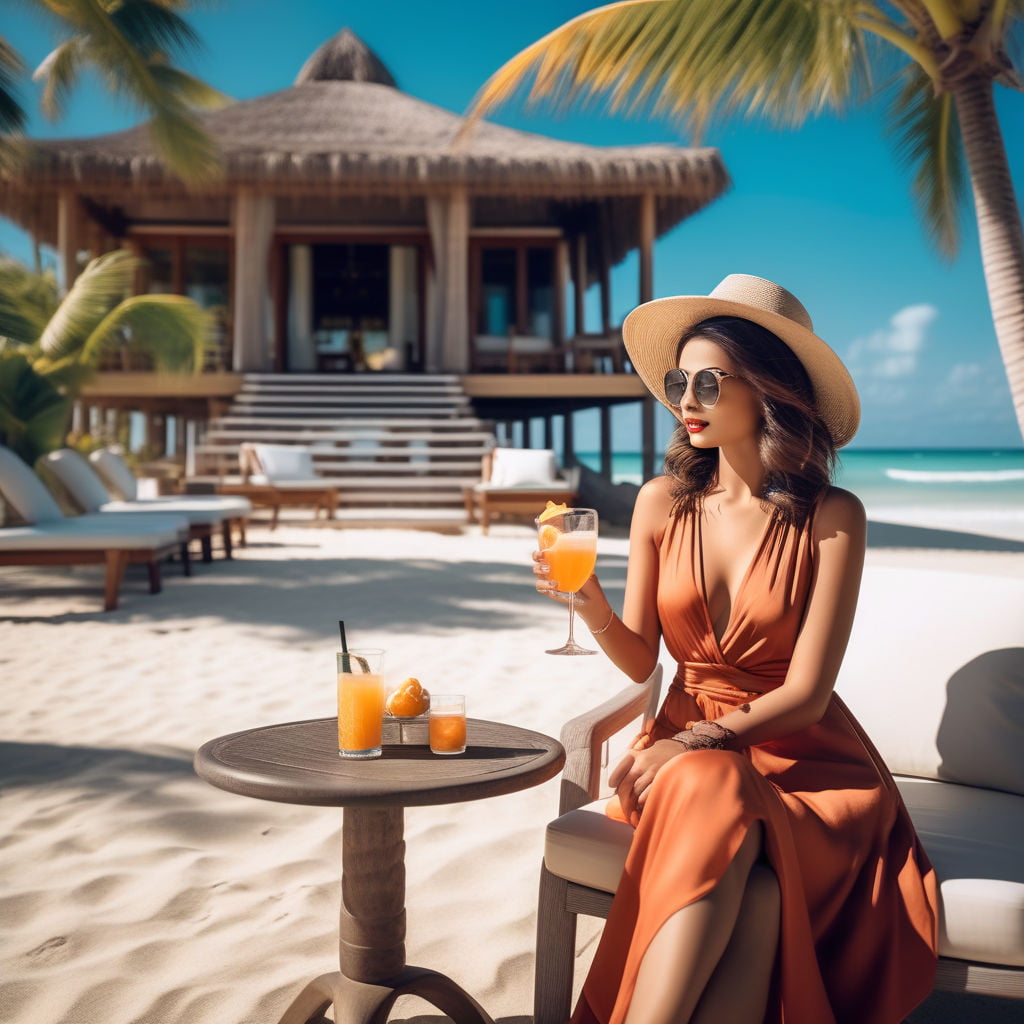
Culture Beyond the Resorts
The Maldives’ cultural roots draw on South Asian, East African and Middle Eastern influences, visible in its cuisine, music and Dhivehi language. Male, the capital, is one of the most densely populated cities in the world, packed onto a single small island, a striking contrast to the empty-beach image most visitors associate with the country.
Visiting the Maldives: What to Know Before You Go
| What | Details | Good to know |
|---|---|---|
| Best time to visit | December–April (dry season) | May–October is wetter but favored by surfers |
| Visa | Free 30-day visa on arrival | Available to all nationalities, no advance application needed |
| Getting to your resort | Boat or seaplane transfer from Malé | Seaplanes operate daylight hours only, time your international flight accordingly |
| Where you’ll stay | Single-island resorts or guesthouses on local islands | Local islands are a lower-cost way to experience the Maldives outside resort prices |
Visa rules, transfer options and resort access change periodically; confirm current details before you travel.
Making the Most of Your Trip
- Time your arrival flight: land in Malé early enough for a same-day seaplane transfer, or budget an overnight stay.
- Snorkel before you dive: many resort house reefs are excellent and require no boat trip or certification.
- Consider a local island: guesthouses on inhabited islands cost a fraction of resort rates and offer a more everyday view of Maldivian life.
- Respect the reef: use reef-safe sunscreen and avoid touching coral, much of it is still recovering from past bleaching events.
- Pack for both extremes: reef shoes for rocky shallows, and modest cover-ups for visits to Malé or local islands outside resorts.
FAQ: The Maldives
The Maldives consists of 1,192 coral islands grouped into 26 natural atolls, with around 200 inhabited and roughly 110 dedicated to tourism.
No advance visa is required. All nationalities receive a free 30-day visa on arrival.
Its average elevation is just 1.5 meters above sea level, with a highest natural point of only 2.4 meters, making it the world’s lowest-lying nation.
A severe bleaching event in 2016 affected roughly 75% of the country’s coral, though some reefs have shown natural recovery since.
December through April is the driest, sunniest period. May through October is wetter but popular with surfers for bigger swells.
Most resorts occupy a single island reached by boat or seaplane from Malé. Seaplanes fly daylight hours only, so arrival timing matters.
Sources & Editorial Note
Last reviewed: July 30, 2026
- Geographic data on the Maldives’ islands, atolls and elevation
- Coral reef and visa information, cross-checked against government and conservation sources
Visa rules, transfer logistics and reef conditions change periodically; confirm current details before you travel.
Editorial approach
This guide combines verified geographic facts with practical, up-to-date visitor guidance, reviewed for accuracy.