
Machu Picchu Travel Guide at a Glance
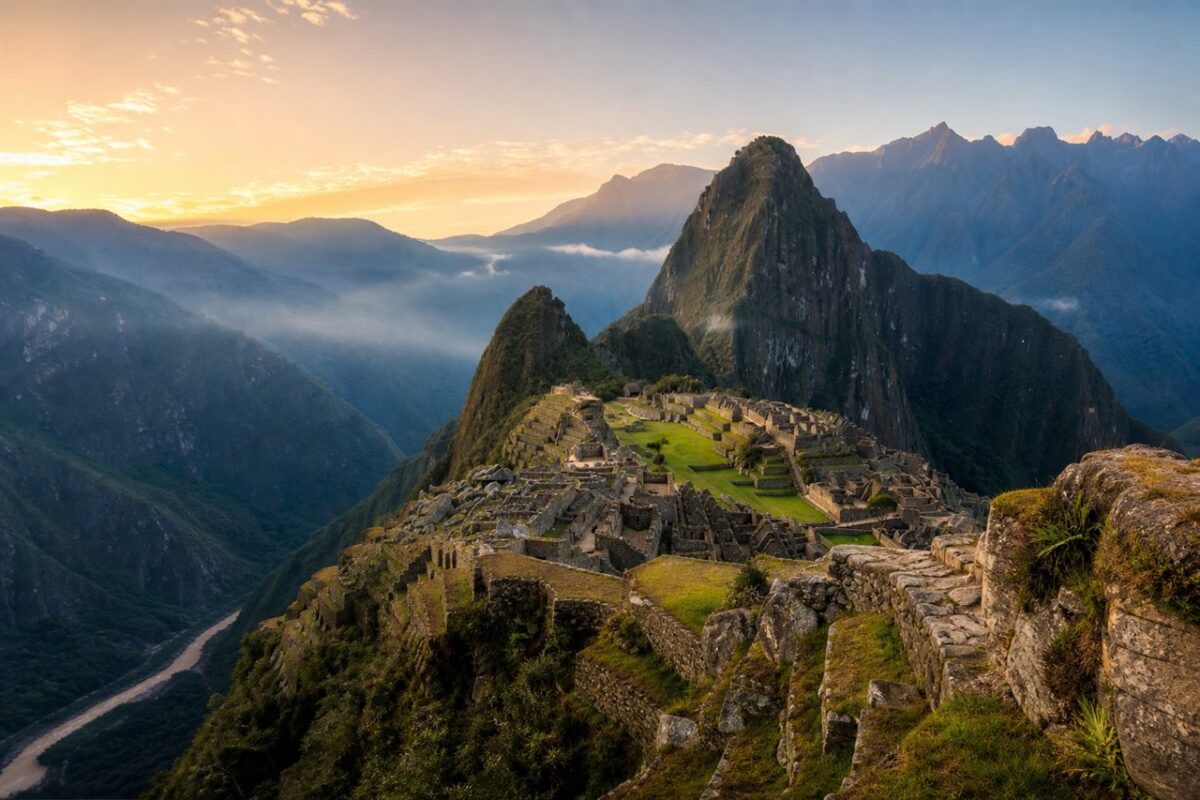
This Machu Picchu travel guide explains how to choose a visitor circuit, reach the sanctuary, allow for altitude and build a realistic Peru itinerary. The archaeological site stands at about 2,430 metres where the tropical Andes meet the Amazon Basin. Its landscape is spectacular, but the most rewarding visit comes from planning the correct ticket and travelling at an unhurried pace.
- Ideal trip length: three to five days from Cusco, including acclimatisation.
- Main access: train to Machu Picchu Pueblo, followed by bus or a steep walk.
- Ticket rule: admission is timed and tied to a specific circuit and route.
- Best approach: reserve the site ticket before non-refundable transport.
Use the official Peruvian Ministry of Culture ticket portal for availability and purchase. For more regional ideas, browse our Peru travel guides.
Why Machu Picchu Matters
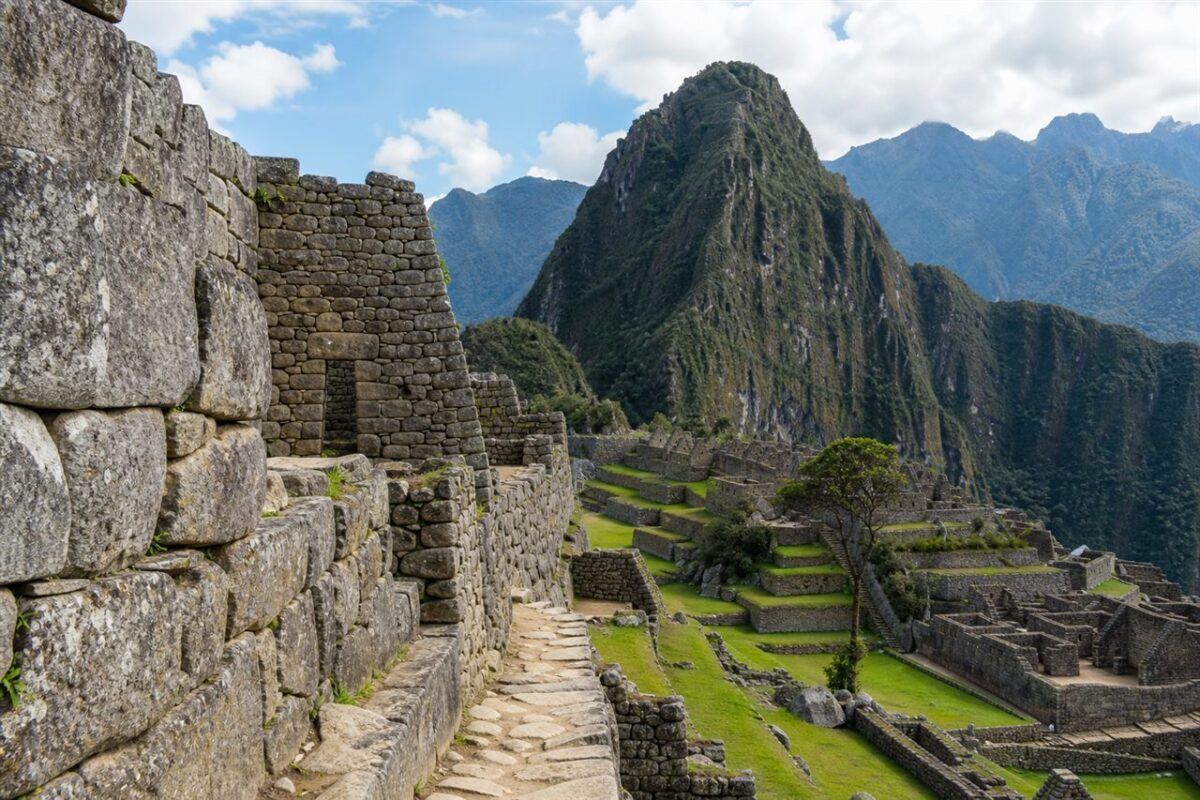
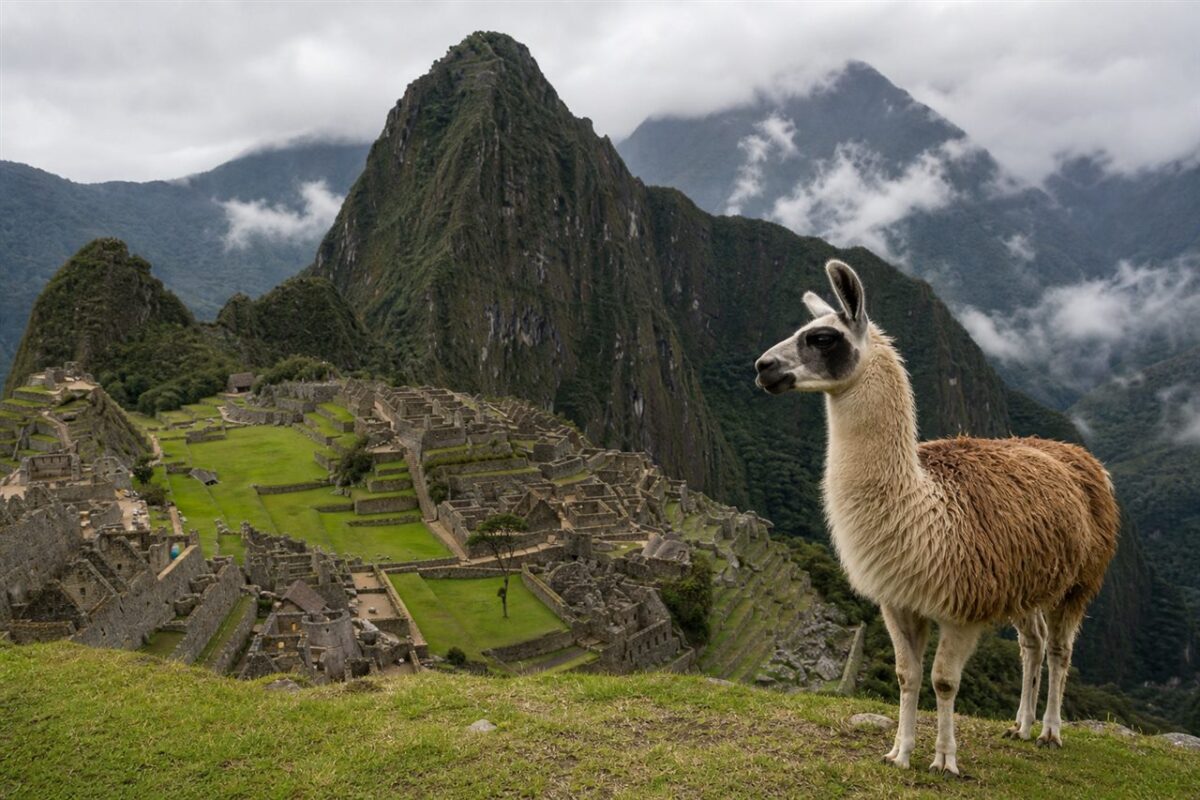
Machu Picchu was built in the fifteenth century and contains roughly 200 structures arranged across agricultural terraces, residential areas and ceremonial spaces. The precision of the stonework, the management of water and the relationship between architecture and mountain terrain make it far more than a scenic viewpoint.
The site became a UNESCO World Heritage property in 1983. UNESCO describes it as a rare mixed cultural and natural property, protected together with the surrounding cloud-forest ecosystem. Read the UNESCO Historic Sanctuary of Machu Picchu profile for its official heritage context.
Highlights to Notice on Your Route
Your exact experience depends on the route printed on your ticket, so not every visitor passes every landmark. Depending on access, you may see the agricultural terraces, urban sectors, Temple of the Sun, Sacred Plaza, Intihuatana area or elevated panoramic platforms. Follow the marked one-way route and ask staff before assuming you can return to an earlier sector.
Respecting a Fragile Place
Stay on the established path, avoid touching walls, carry out waste and keep noise low. Drones, tripods and other restricted items may require permission or be prohibited. Check the official visitor rules shortly before travel because conservation measures can change.
Tickets and Machu Picchu Visitor Circuits
The current official system groups ten routes within three principal circuits. Circuit 1 is panoramic and prioritises elevated views; Circuit 2 is the classic circuit through a broader part of the citadel; Circuit 3 focuses on the lower royal sector and includes selected mountain options. Several routes operate only in high season.
Before buying, compare the route map and the experience you value most. A panoramic route is not interchangeable with a classic interior route, and mountain add-ons demand more time and fitness. The official Machu Picchu circuits and routes page is the safest place to check current access.
How to Book in the Right Order
- Choose a date, entry window and route on the official portal.
- Enter traveler details exactly as shown on the travel document.
- Confirm the ticket before committing to restrictive train and hotel bookings.
- Save offline copies and carry the same original document used for purchase.
Popular dates and the most requested routes can sell out. Avoid relying on last-minute in-person inventory, particularly when your Peru schedule is fixed.
How to Get to Machu Picchu
Cusco to the Sacred Valley
Most journeys begin in Cusco. Depending on the rail service, travelers depart from Cusco-area stations or transfer by road to Ollantaytambo. Ollantaytambo is a practical overnight stop: it reduces the pressure of an early departure and adds an important Inca settlement to the itinerary.
Train to Machu Picchu Pueblo
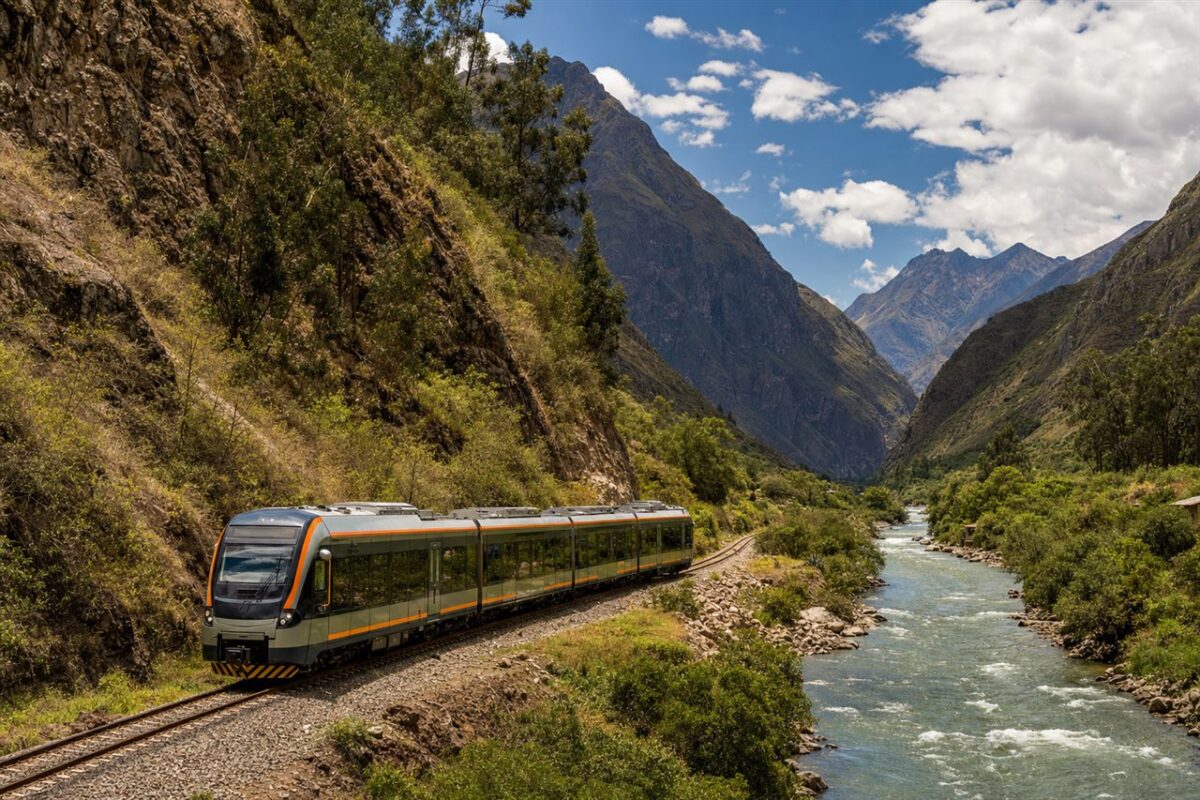
The railway follows the Urubamba River into increasingly lush cloud forest. Machu Picchu Pueblo, also called Aguas Calientes, is the final rail stop. Arrive at least one night before an early site entry if your schedule allows. Compare baggage limits and station details directly with the operator.
Bus or Walk to the Entrance
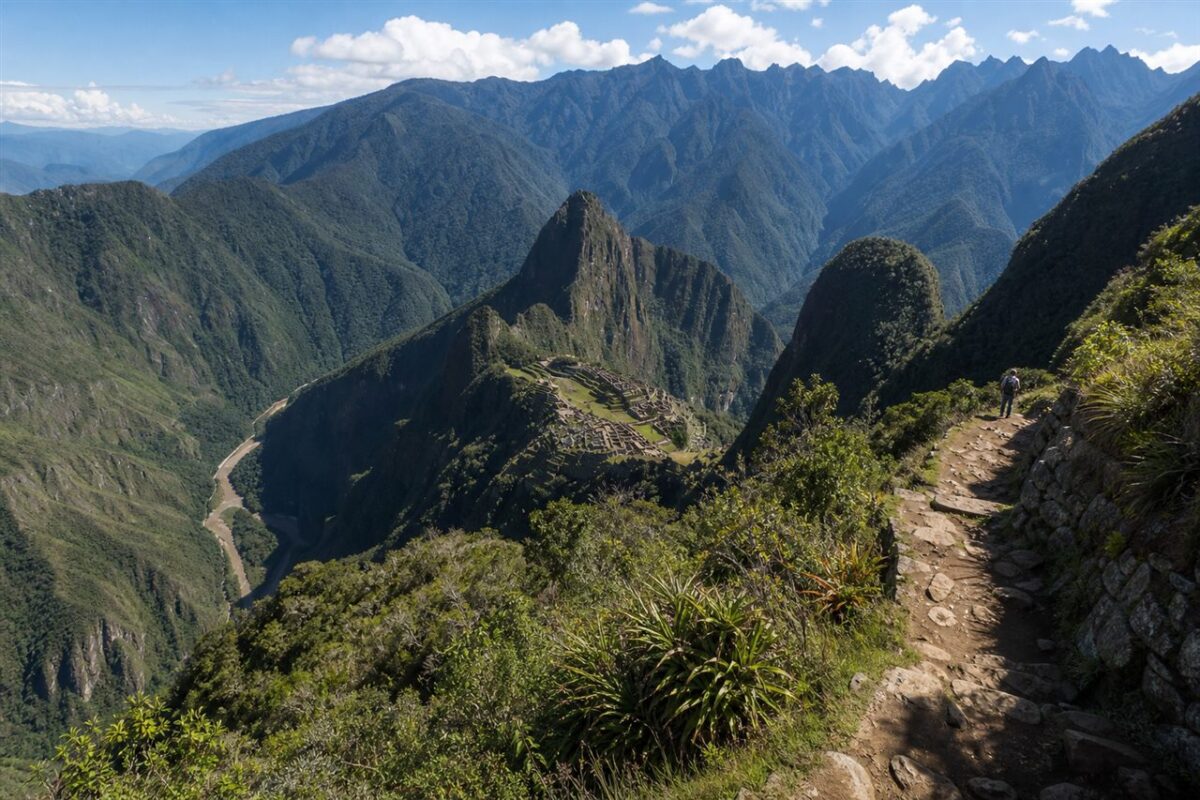
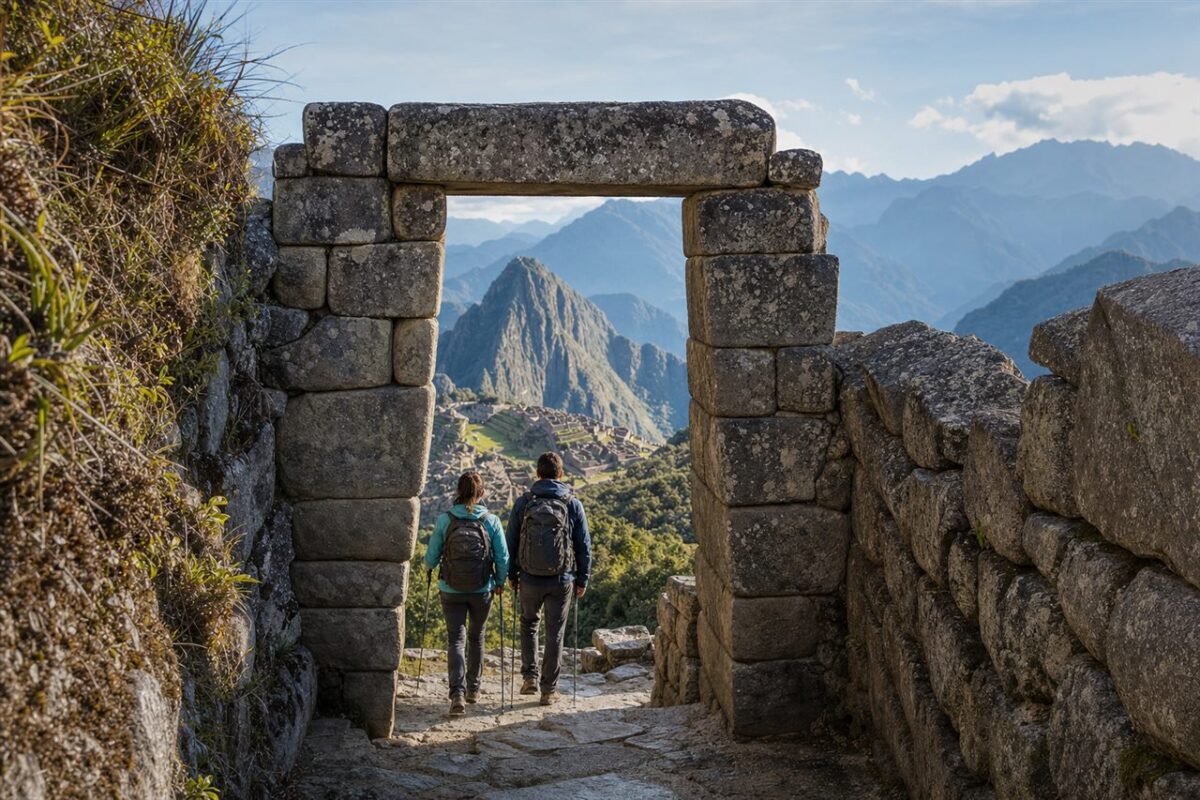
Shuttle buses climb the switchback road from town to the entrance. The alternative footpath is steep, humid and physically demanding; it is not a gentle warm-up. If you walk, leave a large time buffer and protect your energy for the circuit itself.
Inca Trail or Train: Which Is Better?
The train is the flexible option and suits most visitors. The classic Inca Trail is a multi-day, permit-controlled trek normally booked through an authorised operator. It adds archaeological sites, high passes and the approach through Intipunku, but requires stronger fitness and advance planning. Shorter trekking alternatives exist, although entry arrangements and route access must still align with current regulations.
Best Time to Visit and a Realistic Itinerary
Dryer Months and Rainier Months
May through September usually brings drier conditions, clearer views and heavier demand. November through March is wetter and the stones can be slippery, but the mountains are intensely green. April and October often work as transition months. Mountain weather changes quickly in every season, so carry both rain and sun protection.
A Balanced Four-Day Plan
Day 1: Arrive in Cusco and keep the schedule light. Day 2: Explore the Sacred Valley and sleep in Ollantaytambo. Day 3: Take the train to Machu Picchu Pueblo and prepare for the next morning. Day 4: Visit Machu Picchu on the reserved route, then return by train or spend another night to avoid a rushed connection.
Altitude and Health
Machu Picchu is lower than Cusco, but many itineraries begin at higher elevations. Build in acclimatisation, hydrate, avoid an intense first day and seek medical advice if you have relevant health concerns. Severe headache, confusion, breathlessness at rest or worsening symptoms require prompt attention rather than pushing ahead.
What to Pack
Bring a small daypack, refillable water bottle where permitted, light rain shell, sun protection, insect repellent and shoes with reliable grip. Carry your passport or required identity document, admission confirmation and essential medication. Pack light because train baggage rules may be restrictive.