
A City Meant to Be Hidden
Machu Picchu was built during the reign of the Inca emperor Pachacuti, around 1450.
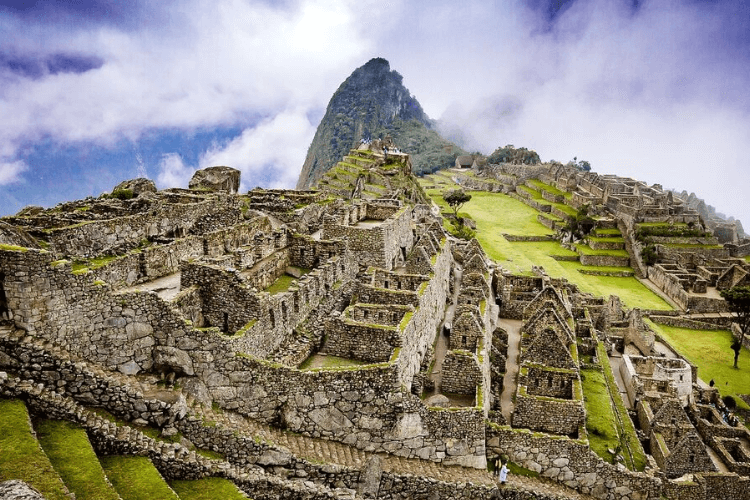
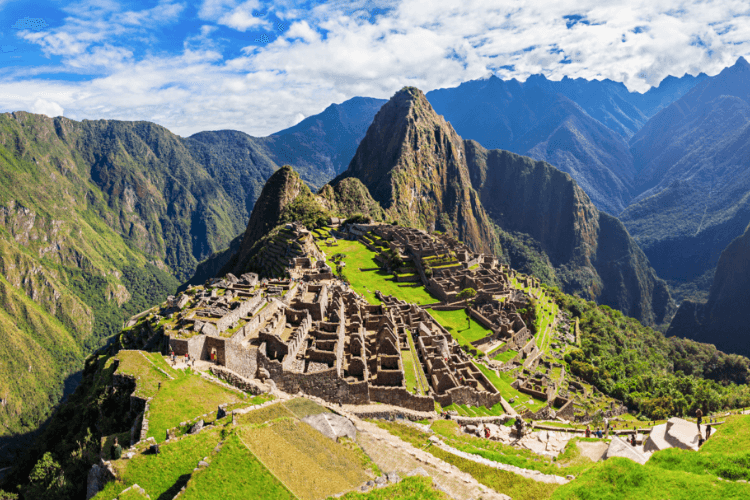
Unlike other Inca cities, it was never meant to be visible from afar. Nestled between steep mountains, the city blends perfectly with its surroundings.
Historians still debate its purpose:
-
A royal retreat for the Inca elite
-
A sacred religious center
-
An astronomical observatory
-
Or a combination of all three
What makes Machu Picchu extraordinary is not just why it was built — but how perfectly it was engineered.
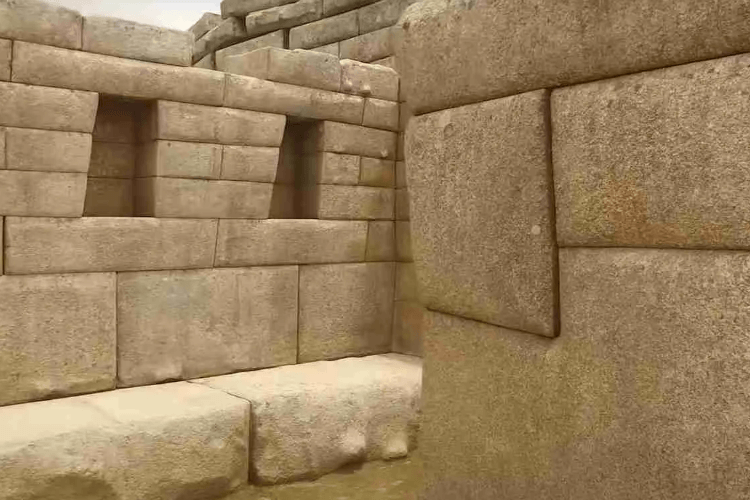
The Incas used no mortar, yet their stonework remains earthquake-resistant centuries later.
When the Spanish arrived in Peru, Machu Picchu was already abandoned.
Nature slowly reclaimed it.
And the city disappeared from history.
Rediscovery: The City the World Forgot
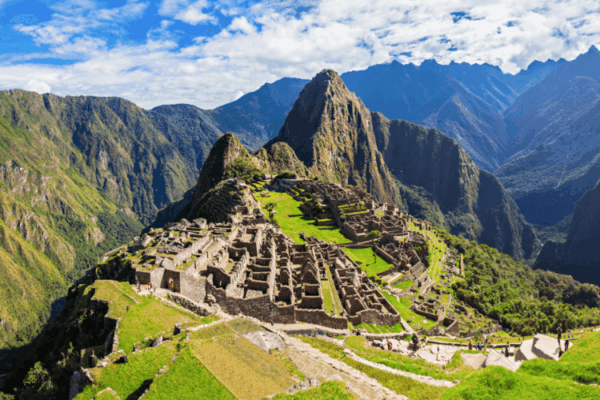
In 1911, American explorer Hiram Bingham followed local stories about “old stones on the mountain.”
What he found changed the world’s understanding of ancient civilizations.
Covered in vegetation, Machu Picchu emerged not as ruins — but as a perfectly preserved city, frozen in time.
Since then, it has become a UNESCO World Heritage Site and one of the New Seven Wonders of the World.
Must-See Places in Machu Picchu

Each Stone Tells a Story
Temple of the Sun – Aligned with solstices, used for sacred rituals
Intihuatana Stone – Known as “the stone that ties the sun”
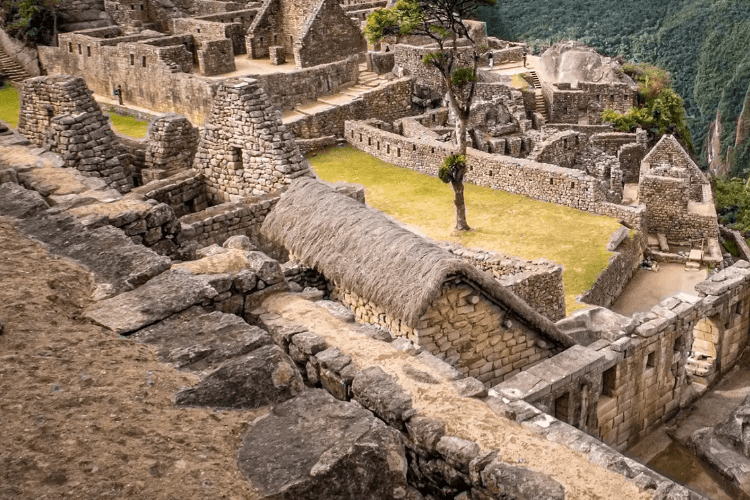
Agricultural Terraces – Advanced farming at extreme altitudes
Huayna Picchu – The dramatic peak overlooking the entire city
Each structure was placed with cosmic precision, reflecting the Incas’ deep connection to nature and astronomy.
Best Areas to Stay Near Machu Picchu
Aguas Calientes – Closest access, ideal for early entry
Sacred Valley – Peaceful, scenic, culturally rich
Ollantaytambo – Historic town with strong Inca identity
For a deeper experience, many travelers prefer staying in the Sacred Valley and approaching Machu Picchu slowly.
Local Food & Best Dining Experiences
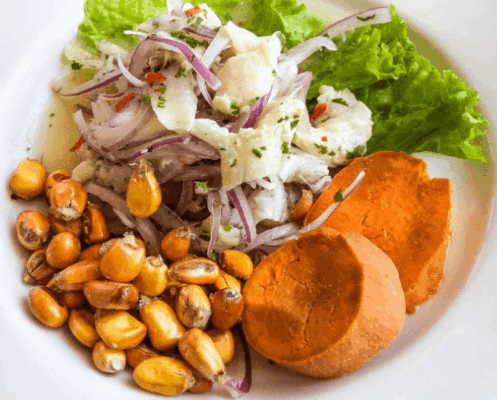
Lomo Saltado – Peru’s iconic beef stir-fry
Quinoa-based dishes – Ancient Andean staple
Cuy (Guinea Pig) – Traditional, for adventurous eaters
Coca tea – Helps with altitude adaptation
Avoid tourist traps near entrances; authentic flavors are found in local family-run kitchens.
Best Time to Visit Machu Picchu
April to October – Dry season, best visibility
May & September – Ideal balance of weather and fewer crowds
Early morning – Misty, quiet, emotionally powerful
Machu Picchu feels different depending on the time of day — sunrise offers silence, afternoon reveals scale.
How Machu Picchu Feels
Visitors often struggle to describe it.
It doesn’t feel abandoned.
It doesn’t feel ancient.
It feels intentionally silent, as if the city is still watching – waiting.
FAQ About Machu Picchu Travel
Yes. Even with visitors, the emotional impact and historical depth remain unmatched.
A full day is ideal, but combined with the Sacred Valley, plan 3–4 days.
It requires planning (train + bus or hiking), but accessibility is well-organized.
Absolutely. Entry tickets and Huayna Picchu hikes sell out weeks ahead.
Because its true purpose was never written down – only carved in stone.