

Travel Destinations: Discover Places Around the World
What Are Travel Destinations?



Travel destinations are the places people choose to visit in search of experience, rest, or inspiration. These locations can be cities, natural landscapes, islands, or cultural regions that offer something unique to travelers.
A destination is not defined only by landmarks. Atmosphere, local life, food, and environment shape how a place is experienced. This is why the same destination can feel completely different to different people.
Some travel destinations attract visitors for history and culture, while others are chosen for relaxation or adventure. What matters most is how the destination aligns with personal interests.
In essence, destinations are not just points on a map, but settings for meaningful journeys.
Travel Destinations by Continent
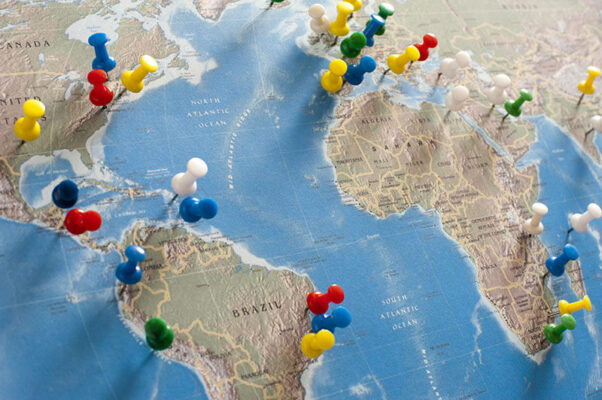
The world offers a wide variety of travel destinations, each shaped by geography, climate, and culture. Organizing destinations by continent helps travelers understand regional character and diversity.
Each continent presents a distinct rhythm of life. From ancient cities to untouched landscapes, continental travel highlights contrasts that make global exploration so compelling.
Choosing destinations by continent also helps with planning, especially when considering distance, season, and travel style.
This structure allows travelers to explore the world step by step, region by region.
Travel Destinations in Asia
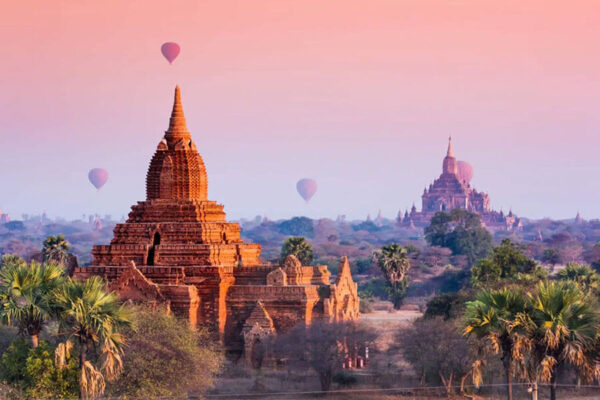
Asia is home to some of the most diverse travel destinations in the world. Ancient traditions exist alongside modern cities, creating destinations rich in contrast and depth.
Travelers are drawn to Asia for cultural heritage, spiritual experiences, and vibrant daily life. From historic temples to bustling street markets, the region offers endless discovery.
Nature also plays a major role. Mountains, tropical islands, forests, and coastlines provide settings for both calm and adventure.
Asia’s destinations appeal to travelers seeking authenticity, variety, and meaningful experiences.
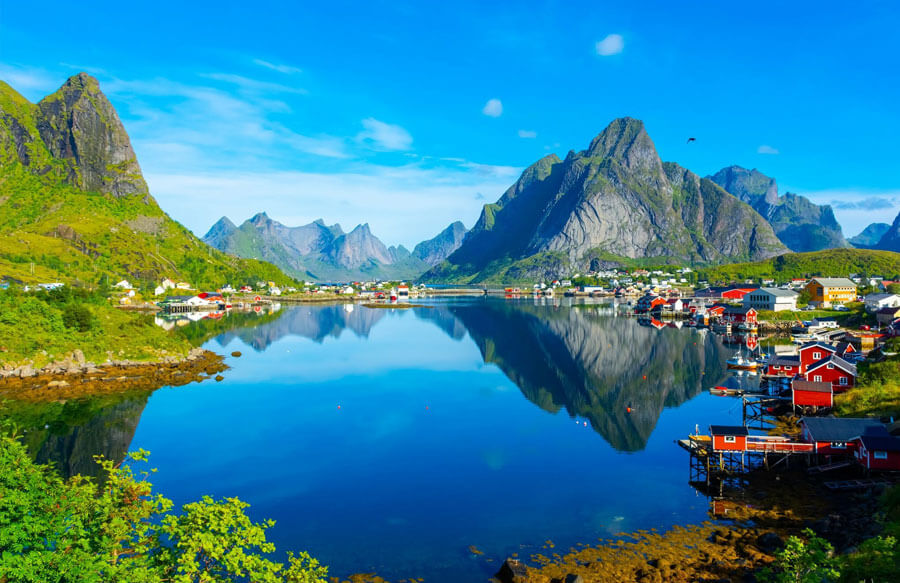
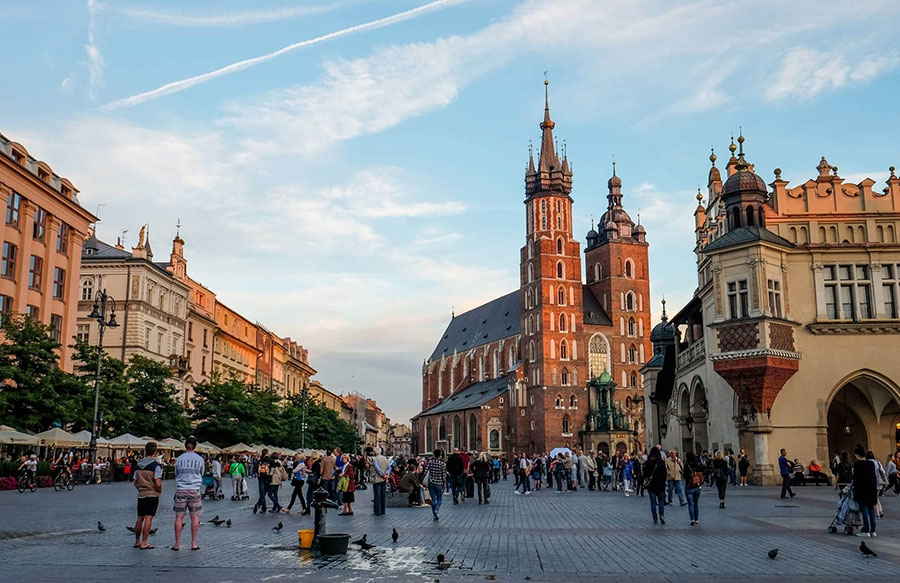
Travel Destinations in Europe
Europe is known for its compact diversity. Within short distances, travelers encounter different languages, cuisines, and architectural styles.
European travel destinations often combine history with modern life. Ancient streets, museums, and landmarks coexist with contemporary culture and design.
The continent is especially appealing for city-focused travel, offering walkable destinations rich in art, food, and tradition.
Europe’s layered history makes each destination feel deeply connected to the past while remaining relevant today.
Travel Destinations in the Americas

The Americas offer an extraordinary range of travel destinations, from modern cities to vast natural landscapes. North, Central, and South America each bring distinct cultural and geographic identities.
Urban destinations attract travelers with dynamic energy, while national parks and remote regions highlight the scale and beauty of nature.
Cultural diversity defines travel across the Americas, shaped by indigenous heritage, colonial history, and contemporary life.
This variety allows travelers to experience both fast-paced exploration and deep connection to nature.
Travel Destinations in Africa
Africa’s travel destinations are deeply connected to nature, heritage, and community. The continent offers landscapes unlike anywhere else, from deserts to savannas and coastlines.
Cultural richness defines many destinations, where traditions remain closely tied to daily life. Music, art, and storytelling play important roles in the travel experience.
Nature-focused travel is a strong draw, offering encounters with wildlife and wide-open environments.
African destinations often leave strong impressions due to their authenticity and emotional depth.
Travel Destinations in Oceania
Oceania is known for its balance of nature and modern living. Islands, coastlines, and open landscapes define many travel destinations in the region.
Travelers are attracted to Oceania for its relaxed pace, outdoor lifestyle, and strong connection to the natural world.
Cities in the region blend contemporary culture with easy access to beaches and wilderness.
These destinations appeal to those seeking space, comfort, and a slower rhythm of travel.
Choosing the Right Travel Destination
Choosing among travel destinations depends on personal goals. Some travelers look for rest, others for culture, and some for exploration and movement.
Season, time available, and personal interests all shape destination choice. A well-matched destination enhances the overall travel experience.
Rather than following trends, many travelers find satisfaction by choosing places that reflect their own pace and curiosity.
The right destination feels less like a checklist and more like a natural fit.
Travel Destinations as Experiences

A destination is more than scenery. Travel destinations are defined by moments, interactions, and atmosphere.
Every place offers stories shaped by people, history, and environment. These elements transform locations into experiences.
When travelers focus on presence rather than quantity, destinations reveal deeper meaning.
In this way, destinations become memories rather than just locations.
Frequently Asked Questions Travel Destination
What are travel destinations?
Travel destinations are places people choose to visit for leisure, exploration, or cultural experience.
Are travel destinations only cities?
No. Travel destinations can include nature areas, islands, small towns, and cultural regions.
How do people choose travel destinations?
Choices are often based on interests, season, available time, and desired travel style.
Can travel destinations suit different travel styles?
Yes. Many destinations offer experiences for relaxation, culture, adventure, and everyday exploration.
Do travel destinations change over time?
Yes. Destinations evolve with culture, environment, and visitor experiences.