

Travel: Exploring the World Beyond Borders
What Is Travel ?
Travel is more than moving from one place to another. It is the act of stepping outside familiar routines and experiencing life through new environments, different cultures, and unique travel destinations. Whether across continents or nearby regions, travel reshapes how people see the world.
For many, world travel represents freedom. It offers distance from daily obligations and creates space for curiosity, reflection, and inspiration. Each travel journey introduces moments that cannot be recreated at home, from walking unknown streets to discovering unfamiliar traditions.
Travel experience is also deeply personal. Some journeys are quiet and reflective, others energetic and social, but all contribute to a broader understanding of life beyond one’s usual surroundings.
At its core, exploring the world through travel is about discovery — not only of places, but of perspective.
Travel as a Way of Seeing the World
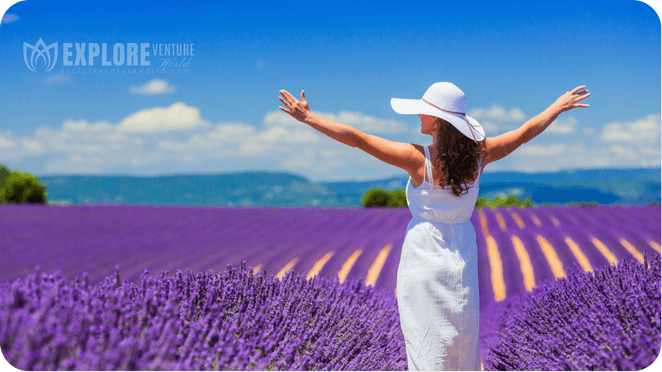
Through global travel, people begin to notice how geography, climate, and history shape everyday life. Simple differences in pace, communication, or food reveal how diverse the world truly is.
A meaningful travel experience often encourages empathy. Observing different customs helps travelers understand perspectives beyond their own, creating a deeper appreciation for cultural diversity.
Travel also sharpens awareness. New surroundings demand attention, pulling people into the present moment and turning ordinary details into memorable moments.
Over time, travel becomes less about distance and more about understanding.
Types of Travel Experiences

There are many ways to approach travel. Some journeys focus on cities, exploring streets, neighborhoods, and urban culture. Others emphasize nature, adventure, and open landscapes.
Cultural travel highlights history and tradition, while modern holiday trips focus on rest and comfort. Short trips, long-term journeys, and spontaneous vacations all offer different rewards.
Some travelers plan carefully, while others prefer flexibility. Both styles shape the travel journey in personal ways.
This variety ensures that travel experiences remain unique, even when visiting familiar places.
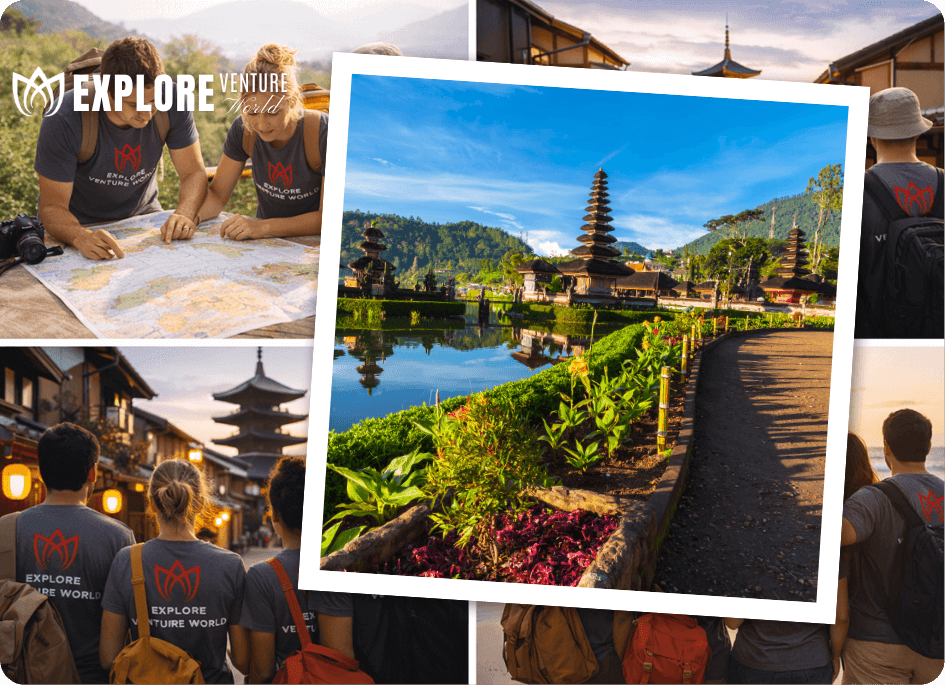
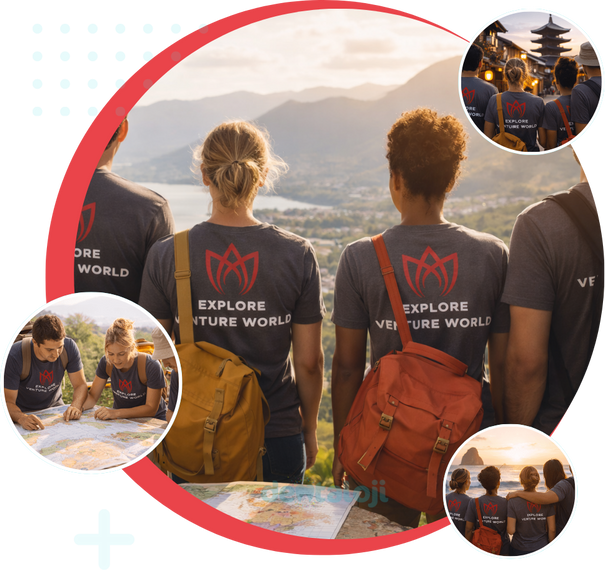
Travel and Personal Growth
A travel journey often builds confidence. Navigating unfamiliar environments encourages adaptability and problem-solving in natural ways.
Distance from routine allows reflection. Many people discover new priorities or creative inspiration during travel and vacation periods.
Exposure to different lifestyles often broadens perspective, making global travel an important source of personal development.
In this way, travel shapes not only memories but also mindset.
Travel in the Modern World
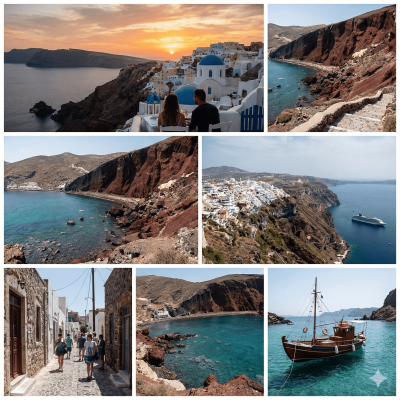
Modern travel is more accessible than ever. Transportation and information allow people to explore distant travel destinations with ease.
At the same time, thoughtful travel values respect — for local cultures, environments, and communities. Meaningful travel experiences focus on understanding rather than consumption.
Technology supports the travel journey, but authentic moments still come from real interaction and presence.
Today’s world travel balances convenience with curiosity.
Travel as a Lifelong Journey
For many, travel becomes a lifelong habit rather than a single event. Each trip influences the next, shaping preferences and curiosity.
Some travel destinations invite return visits, revealing new layers over time. Others remain vivid memories that define certain life chapters.
A collection of travel experiences often becomes a personal map of growth and discovery.
Ultimately, travel is not measured by distance, but by depth of experience.
Travel and Culture
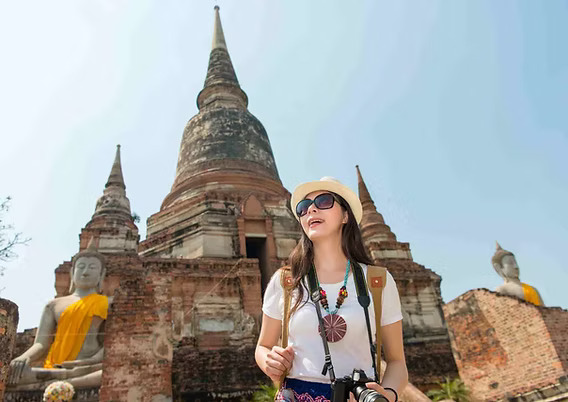
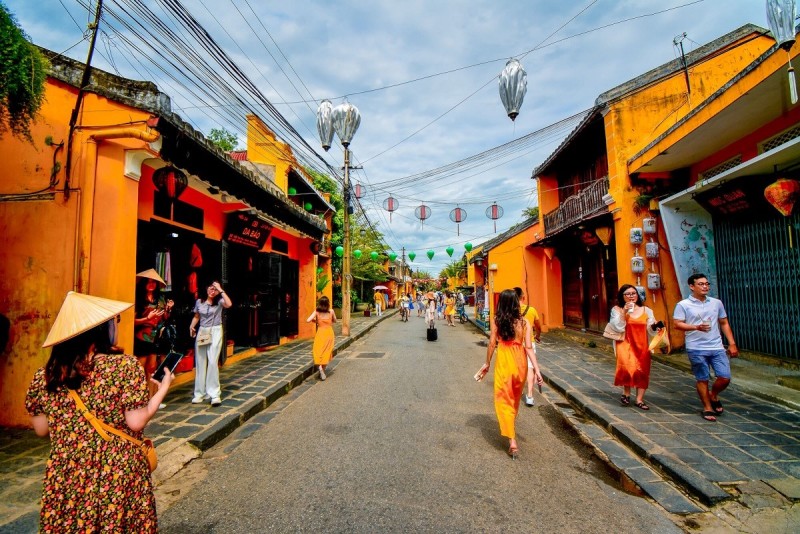
Travel has always been closely connected to culture. Visiting new places allows people to experience traditions, customs, and ways of life that cannot be fully understood from a distance. Culture becomes visible through everyday moments such as local food, greetings, music, and shared spaces.
Through travel experiences, cultural differences become clearer but also more relatable. Travelers often discover similarities between communities, even when languages and traditions differ. This creates a sense of connection that goes beyond borders.
Cultural travel encourages respect and understanding. Being a guest in another culture often leads to greater awareness and appreciation of diversity.
Travel and Nature
Nature plays a major role in many travel journeys. Mountains, oceans, forests, and open landscapes attract travelers seeking calm, inspiration, or adventure.
For some, travel destinations are chosen specifically for their natural beauty. Scenic environments offer space to disconnect from daily routines and reconnect with the natural world.
Nature-based travel often encourages slower movement, observation, and balance, making the journey as meaningful as the destination.
Travel for Different Lifestyles

Not all travel looks the same. Some travelers enjoy fast-paced city exploration, while others prefer quiet retreats or long stays in one place.
Modern travel adapts easily to different lifestyles. Digital nomads, solo travelers, families, and couples all shape their journeys according to personal needs and rhythms.
This flexibility makes travel experiences more inclusive, allowing people to design journeys that feel natural rather than forced.
Travel and Inspiration
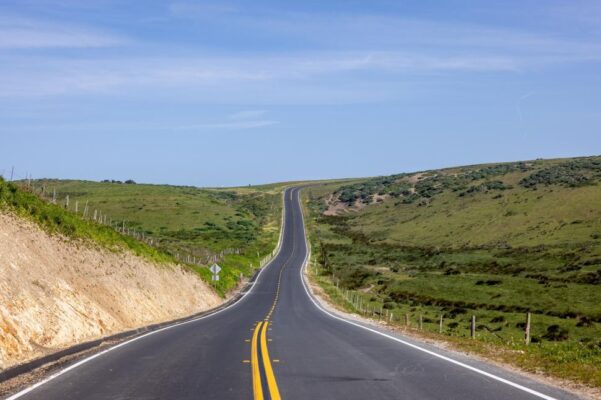 Many people describe travel as a source of inspiration. New environments stimulate creativity, ideas, and fresh perspectives.
Artists, writers, and creators often draw from travel experiences to express new stories and visions shaped by place.
Inspiration gained through travel frequently influences how people think, work, and live long after returning home.
Travel as Connection
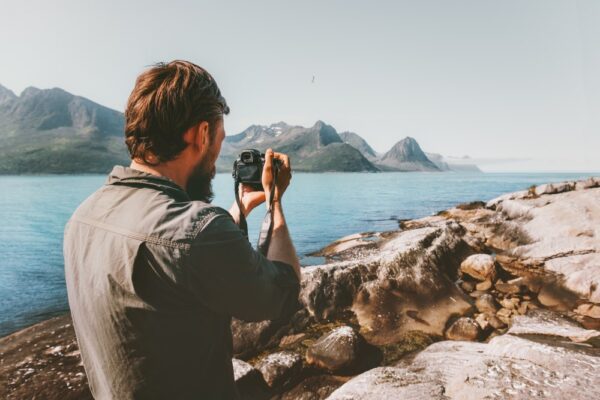 At its heart, travel connects people. Conversations with locals, shared journeys, and unexpected meetings create moments of genuine human interaction.
Even brief encounters during travel journeys can leave lasting impressions, reminding travelers of shared humanity.
These connections often become the most memorable part of travel, surpassing landmarks or photographs.
Travel Beyond Destinations
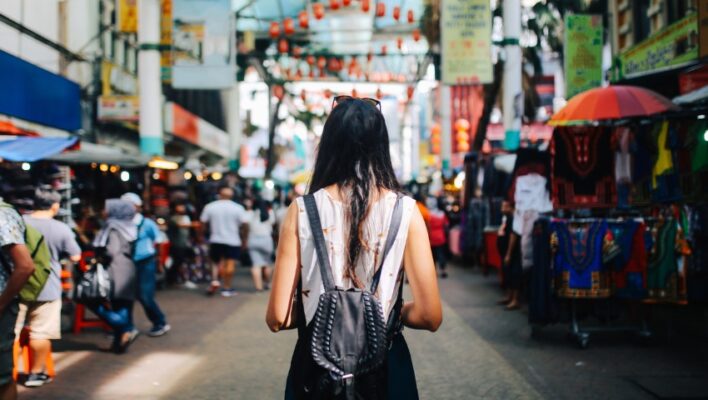
While travel destinations matter, the experience goes beyond locations. The journey itself, the movement, and the transitions shape memories.
Moments between places – trains, streets, cafés – often define how travel is remembered.
This perspective transforms travel from a checklist into a continuous experience.
Travel as a Global Experience
Global travel highlights how interconnected the world has become. Despite cultural differences, shared values and emotions appear across regions.
Modern travel reveals both diversity and similarity, helping people understand the world as a shared space.
Through travel, borders feel less like divisions and more like transitions between stories.
Frequently Asked Questions Travel
What does travel mean?
Travel means going to different places to explore new environments, cultures, and experiences beyond everyday life.
Why do people love travel?
People love travel because it offers discovery, relaxation, and the chance to experience the world from new perspectives.
What is the difference between travel and holiday?
Travel focuses on exploration and experience, while a holiday is more about rest, leisure, and taking a break from routine.
Is travel only about visiting far countries?
No. Travel can be local or international. Exploring nearby places can be just as meaningful as long-distance journeys.
What are the most popular types of travel?
Popular types of travel include cultural travel, city trips, nature travel, beach holidays, and adventure travel.
Can travel be relaxing as well as exciting?
Yes. Travel experiences can be calming, energizing, or a mix of both, depending on the destination and travel style.
What makes travel a valuable experience?
Travel creates memories, broadens perspective, and helps people understand different cultures and ways of life.
Is travel suitable for everyone?
Yes. Travel can be adapted to different interests, ages, and preferences, making it accessible to a wide range of people.
How does travel change people?
Travel often increases confidence, awareness, and appreciation for diversity through real-world experiences.
Can travel be a lifelong passion?
For many people, travel becomes a lifelong journey, with each trip inspiring curiosity and future exploration.