
About Provence Location, History, and Identity
Provence is located in southern France, stretching from the Rhône River to the Mediterranean coast. Its geography includes coastal areas, fertile plains, vineyards, and mountainous terrain, all contributing to its diverse character.
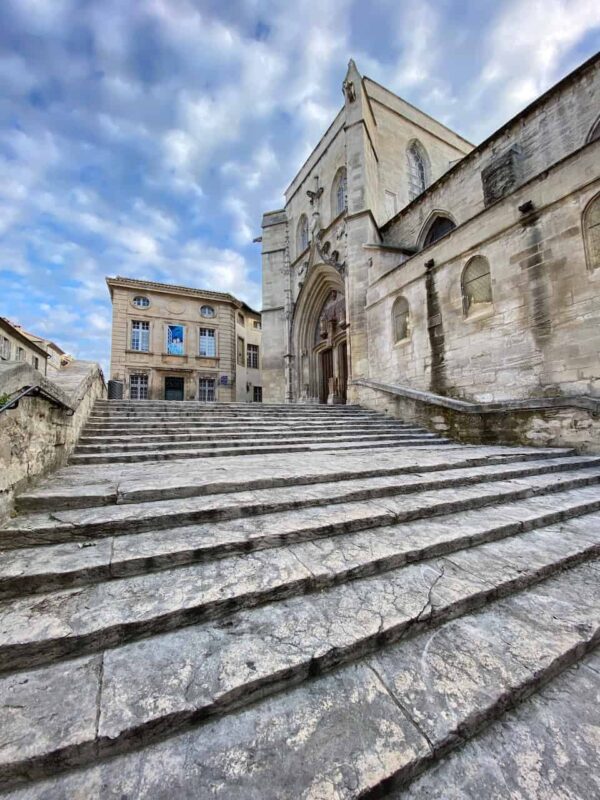
Historically, Provence has been influenced by Roman, medieval, and Mediterranean cultures. Ancient ruins, stone bridges, and fortified towns remain visible reminders of its layered past.
The region’s identity is closely tied to agriculture and craftsmanship. Olive oil production, winemaking, and traditional building techniques have shaped Provence’s economy and visual style for generations.
Provence is known for its strong regional pride. Local customs, dialects, and festivals continue to play an important role in preserving its distinct cultural identity.
Top Places to Visit in Provence

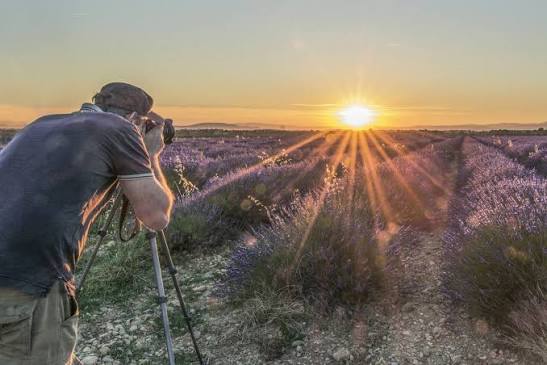
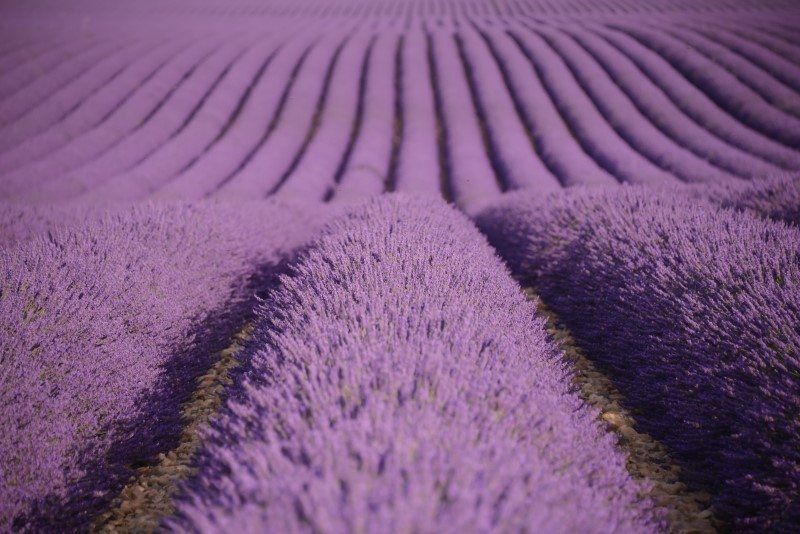
One of Provence’s most iconic sights is its lavender fields, particularly around Valensole. During blooming season, the landscape becomes a sea of purple, attracting visitors from around the world.
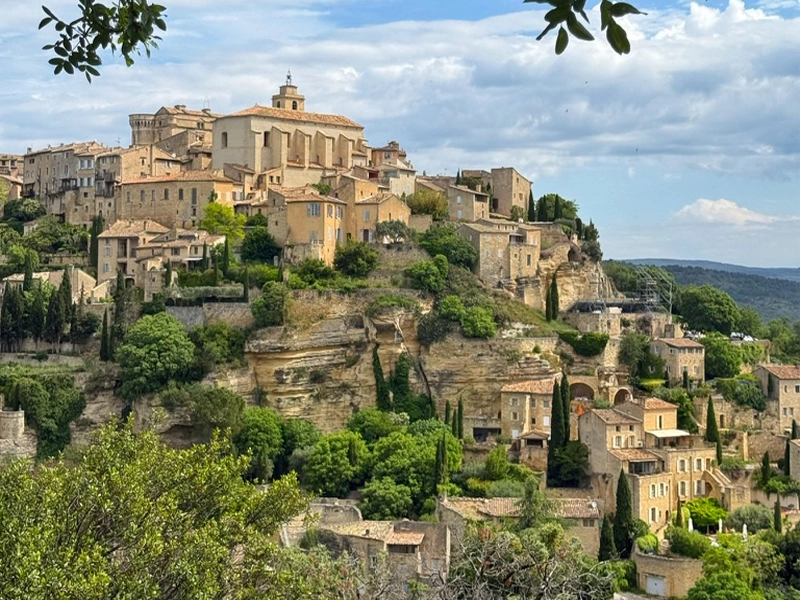
Hilltop villages such as Gordes and Roussillon offer panoramic views and preserved stone architecture. These villages reflect centuries of adaptation to the natural environment.
The historic city of Avignon stands out for its architectural heritage, including medieval walls and the former papal palace, which played a significant role in European history.
Provence also includes vibrant towns like Aix-en-Provence, known for elegant streets, fountains, and a lively cultural scene that balances history with modern life.
Villages and Countryside of Provence
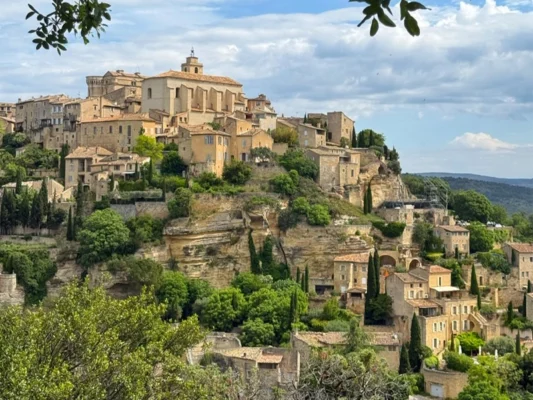
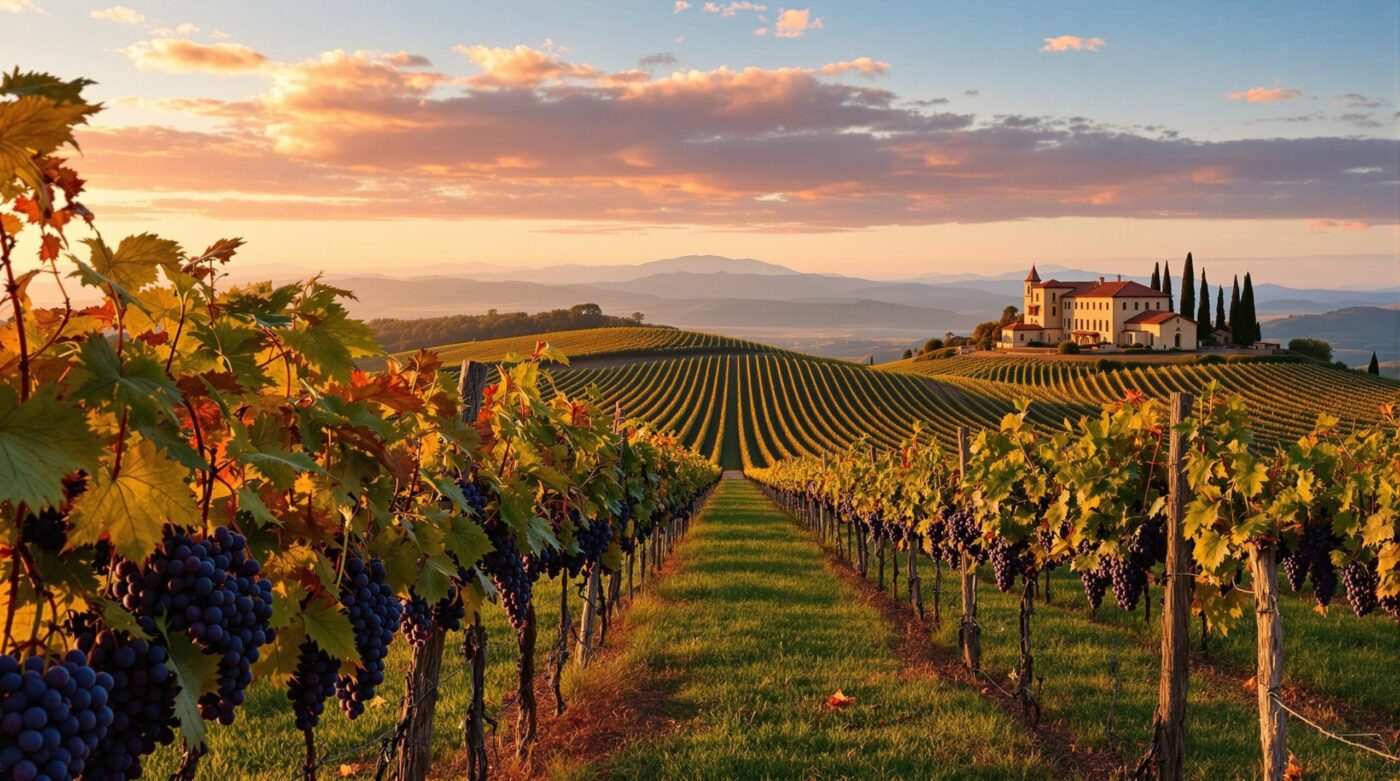
The countryside of Provence defines much of its charm. Small villages are scattered across vineyards, olive groves, and rolling hills, creating a landscape shaped by human hands and nature together.
Life in these villages follows traditional rhythms. Markets, local cafés, and seasonal celebrations form the center of community life.
Stone houses with tiled roofs blend seamlessly into their surroundings, reflecting practical design suited to climate and terrain.
Exploring rural Provence offers a quieter, more intimate understanding of the region, far removed from busy urban centers.
Local Culture and Daily Life in Provence
Daily life in Provence emphasizes simplicity, quality, and connection. Meals are social occasions, often shared slowly and prepared with local ingredients.
Markets play an essential role. Fresh produce, cheeses, herbs, and handmade goods reflect the region’s agricultural richness.
Art and creativity are deeply embedded in Provençal culture. The region has long attracted painters, writers, and artisans inspired by its light and landscapes.
Community traditions remain strong, with local festivals and gatherings reinforcing social bonds and regional identity.
Provence Economy and Modern Life
Provence’s economy is closely tied to agriculture, tourism, and artisan production. Vineyards, olive groves, and lavender farms continue to support rural communities.
Winemaking is a major economic activity, with Provençal wines recognized internationally for their character and quality.
Tourism supports both coastal towns and inland villages, encouraging preservation while adapting to modern needs.
Despite its traditional image, Provence integrates modern infrastructure and services while maintaining its distinctive lifestyle.
Best Time to Visit Provence
Spring brings mild weather and blooming landscapes, making it ideal for countryside exploration.
Summer is known for lavender season and long, sun-filled days, especially appealing to photographers and outdoor enthusiasts.
Autumn offers warm colors, grape harvests, and a calmer atmosphere as crowds decrease.
Each season highlights a different side of Provence, allowing visitors to choose based on personal interests.
What to Eat in Provence
Provençal cuisine reflects its Mediterranean roots. Dishes rely on olive oil, fresh vegetables, herbs, and seafood.
Local specialties showcase simplicity and balance, allowing ingredients to speak for themselves.
Markets and small restaurants provide opportunities to experience authentic regional flavors.
Food in Provence is not rushed; it is an expression of place, season, and tradition.
Getting Around Provence
Provence is best explored by combining train travel with car journeys through rural areas.
Public transportation connects major towns, while smaller villages are more accessible by road.
Driving allows flexibility and access to scenic routes that define the region’s character.
Travel within Provence often becomes part of the experience rather than just a means of transport.
Hidden Gems in Provence
Beyond well-known destinations, Provence offers lesser-known villages and quiet countryside routes.
Small chapels, local wineries, and family-run farms provide intimate experiences.
These hidden places reveal everyday Provençal life away from popular routes.
Exploration without a strict plan often leads to the most memorable moments.
Travel Tips for First-Time Visitors
Comfortable walking shoes are essential for cobbled streets and village paths.
Visiting local markets early offers the best selection and atmosphere.
Taking time to observe daily life enhances the experience.
Flexibility allows travelers to enjoy unexpected discoveries.
Frequently Asked Questions About Kyoto
Provence is a region in France.
Provence is located in Europe.
The primary language spoken is French.
The currency used is the Euro (EUR).
How do you get to Provence?
Yes. Provence is ideal for slow travel and countryside exploration.